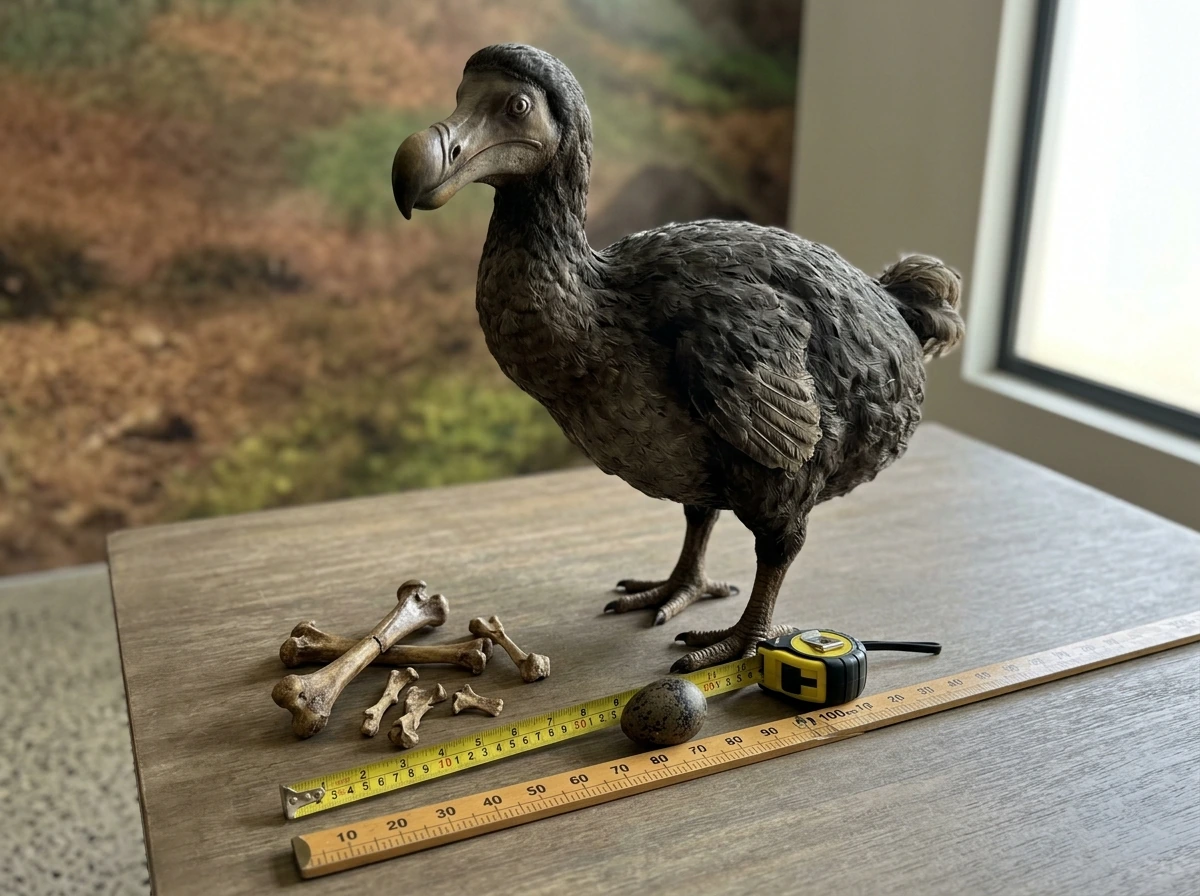
The dodo bird lived exclusively on the island of Mauritius, a small island in the Indian Ocean roughly 500 miles east of Madagascar. That is the complete geographic answer. The dodo (Raphus cucullatus) was endemic to Mauritius, meaning it evolved there and existed nowhere else on Earth. If you are searching for it on a map, type "Mauritius" and you have found the dodo's entire world.
Where Does Dodo Bird Live Today and Historically

Maya Hennessy
17 Apr 2026
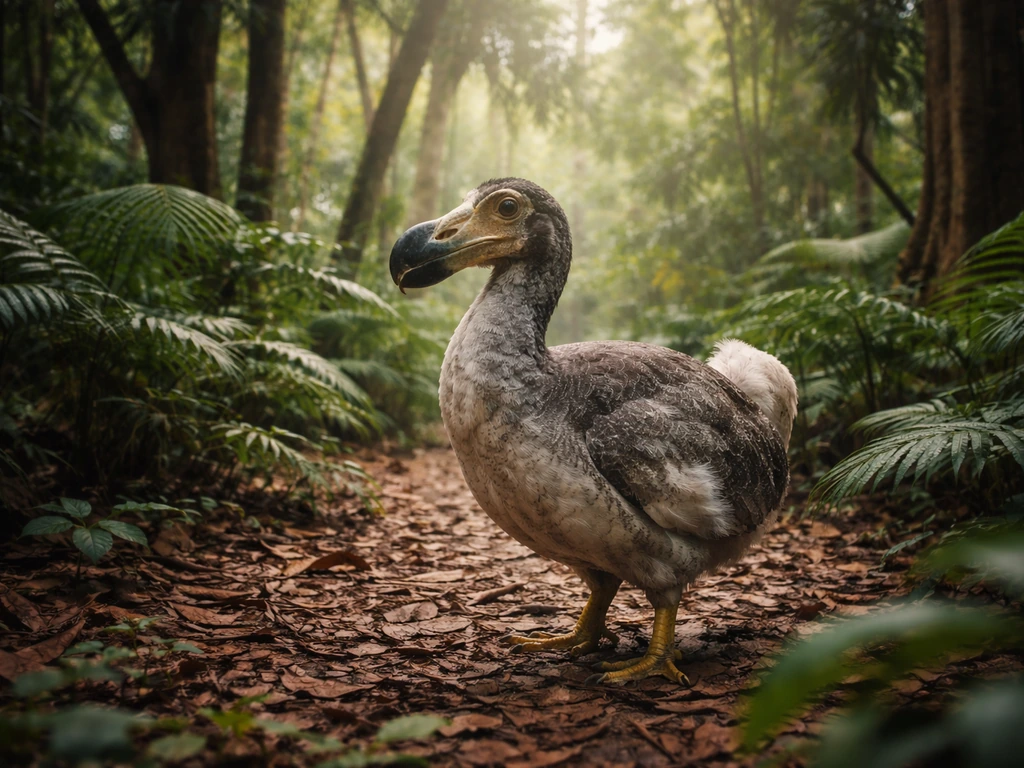
The dodo's homeland: Mauritius, one island only
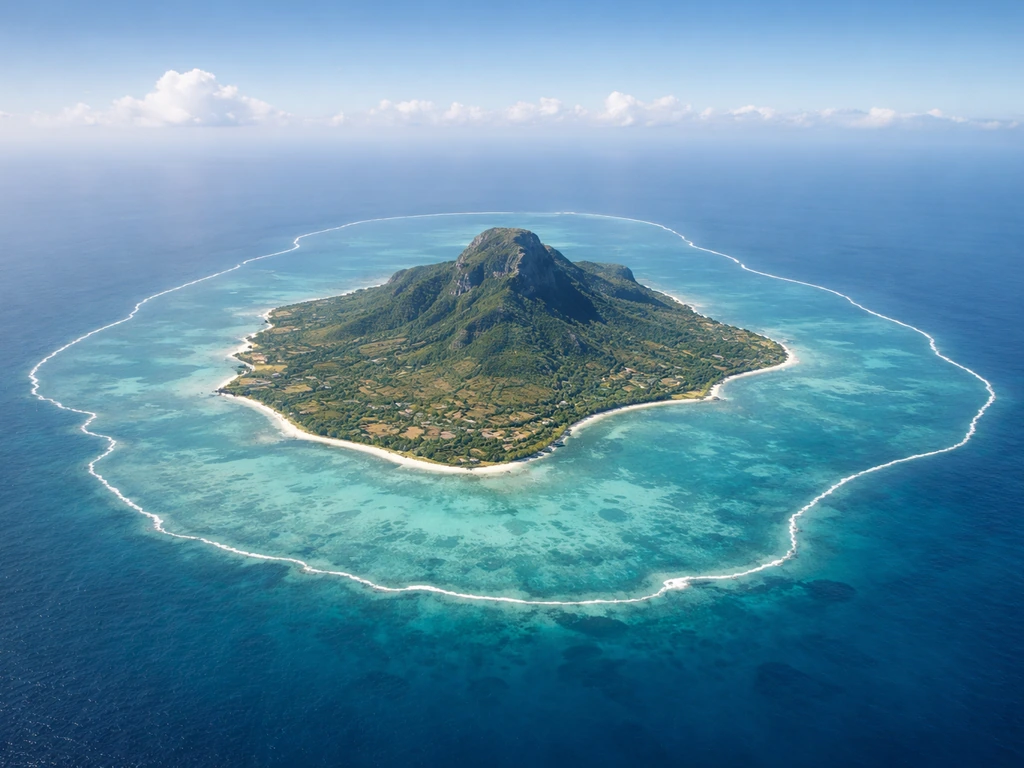
It cannot be overstated how geographically limited the dodo's range was. The species lived on one island, Mauritius, and that is it. There were no populations on neighboring Réunion, no outlying colonies on Madagascar, no birds scattered across the African coast. Every dodo that ever lived was born, fed, and died on Mauritius. That single-island status makes the story of its extinction both straightforward and heartbreaking: once conditions on that one island became hostile enough, there was no refuge.
Mauritius sits in the southwestern Indian Ocean at approximately 20°S latitude and 57.5°E longitude. It is part of the Mascarene Islands group, which also includes Réunion and Rodrigues. The island covers about 2,040 square kilometers (roughly 787 square miles), so the dodo's entire natural world was not much bigger than a mid-sized county. Today Mauritius is an independent nation, officially the Republic of Mauritius, with Port Louis as its capital. It is a popular tourist destination, and ironically the bird that made it scientifically famous vanished from its shores over 340 years ago.
Where exactly on the island the dodo lived
One of the most persistent misconceptions about the dodo is that it was a beach bird, waddling around the shoreline. That picture is not quite right. The dodo was actually a forest-dwelling bird, spending most of its time in wooded inland areas rather than directly on the coast. Based on historical accounts and fossil evidence, researchers believe its preferred territory was the woods in the drier coastal regions of southern and western Mauritius, but the forest interior was central to its lifestyle, not the open shore.
Much of what we know about the dodo's specific habitat comes from a remarkable site called Mare aux Songes, an ancient marsh located in south-eastern Mauritius close to the sea. This site is essentially a natural archive: thousands of dodo subfossil bones were preserved in its waterlogged sediments, giving scientists a rare window into the environment the dodo actually inhabited. By studying the plants, insects, and other animals found alongside dodo remains at Mare aux Songes, researchers have been able to reconstruct the ecosystem the bird depended on. If you want to locate this site on a modern map, it falls in the south-east of the island near the coast, not far from the town of Mahébourg.
For even more map precision, paleontological research has identified specific dodo bone localities at Baie du Cap (coordinates approximately 57°22′E, 20°29′S) in the south, and Plaine des Roches (57°40′E, 20°08′S) in the northeast. These coordinates are searchable in any modern mapping tool and give you a concrete sense of just how spread across the island the dodo's range actually was.
Finding it on a modern map

Mauritius is easy to find on any world map or digital mapping tool. Open Google Maps or any atlas, search for "Mauritius," and you will see the island sitting in the southwestern Indian Ocean, well east of Madagascar and northeast of Réunion. For a dedicated visual of the dodo's historic range, Wikimedia Commons hosts a range map file (DodoRangeMauritius.gif) that overlays the dodo's known distribution directly onto the island outline. It is one of the cleanest quick-reference visuals available.
If you want an authoritative species data layer, the Global Biodiversity Information Facility (GBIF) has a species page for Raphus cucullatus that places the dodo's endemic range squarely on Mauritius. That page also notes the dodo's main habitat as the woods in the drier coastal areas of the island, consistent with other sources. These resources together give you both the geographic pinpoint and the habitat context in one place.
The timeline: when the dodo was alive and when it vanished
Dutch seafarers first encountered the dodo on Mauritius in 1598, which gives us a firm starting point for the documented historical record. The bird had obviously lived there long before that, having evolved in isolation over millions of years, but 1598 marks the opening of the known chapter. From that point, the story moves fast and badly. European settlers brought rats, dogs, cats, and pigs to the island, and those introduced predators devastated a bird that had evolved with no natural enemies and no instinct to flee. The last widely accepted sighting of a dodo was recorded in 1662, and by around 1681 the species was gone entirely. The whole process from first European contact to total extinction took less than a century.
That compressed timeline is part of what makes the dodo such a powerful symbol in extinction science. It was not a slow decline over thousands of years. It was rapid, human-driven collapse. Understanding the full dodo bird verdict on how and why it disappeared helps put the speed of that loss in sharper relief.
| Event | Date | Notes |
|---|---|---|
| First European sighting | 1598 | Dutch seafarers arrive on Mauritius |
| Active hunting and habitat disruption begins | Early 1600s | Dutch colonization introduces predators |
| Last widely accepted sighting | 1662 | Recorded during Dutch era on Mauritius |
| Considered fully extinct | ~1681 | Confirmed by multiple authoritative sources |
Common questions and misconceptions cleared up
Did the dodo live on multiple islands?
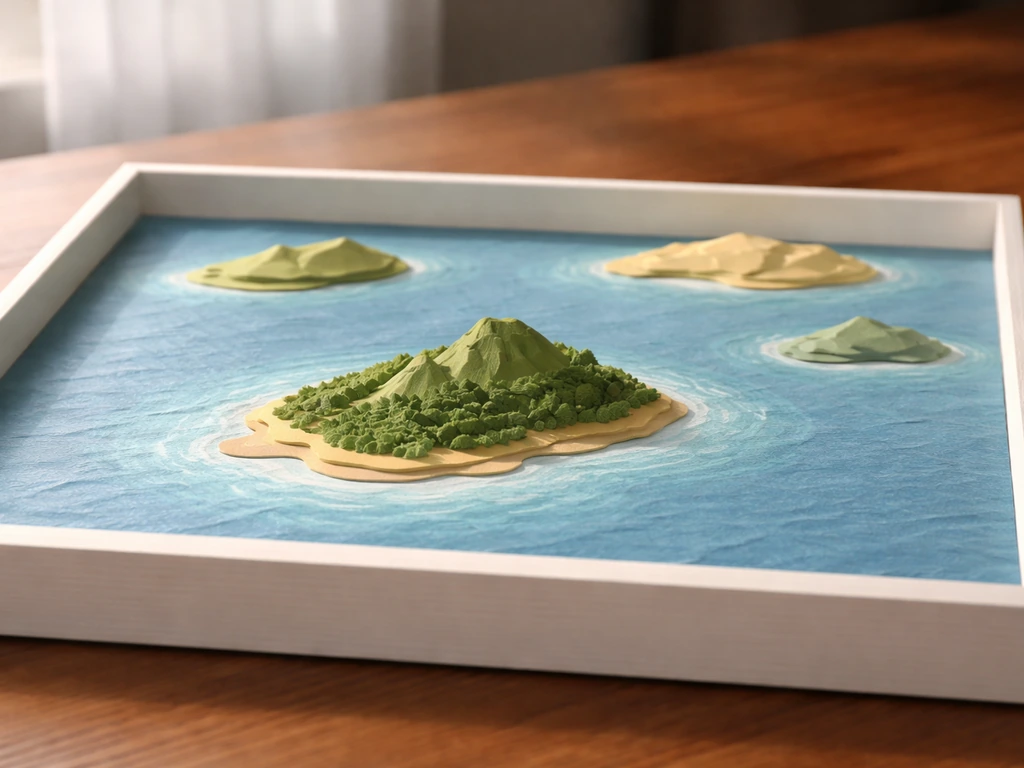
No. This comes up more than you would expect. Some people assume the dodo had a wider island range across the Mascarenes, possibly confusing it with the Rodrigues solitaire or the Réunion solitaire, which were different species. The dodo lived only on Mauritius. Full stop. Related flightless birds occupied the other Mascarene islands, but they were distinct species, not dodos.
Was the dodo a coastal bird?
Not exactly. Early European accounts sometimes described dodos near the shoreline, which makes sense since sailors would have encountered them when landing. But the dodo's natural habitat was forest, particularly the wooded interior and drier woodland of southern and western Mauritius. Thinking of it as purely a beach animal misrepresents its ecology.
Is the dodo related to ostriches or chickens?
Neither, despite the surface similarity of being a large ground bird. The dodo was a giant flightless pigeon, most closely related to the Nicobar pigeon still living today. If you have ever looked at a dodo bird vs chicken comparison, the evolutionary distance is enormous: chickens are galliform birds, while dodos belong to the order Columbiformes (pigeons and doves). The dodo bird vs ostrich comparison is even more distant, as ostriches are ratites from Africa with no close phylogenetic connection to the dodo at all.
Could the dodo fly to escape threats?
No, and that inability was a major factor in its extinction. The dodo was completely flightless, having lost the ability to fly over its long isolated evolution on Mauritius where there were no ground predators to flee. If you are curious about the mechanics behind that, the article on why the dodo bird cannot fly goes into the evolutionary reasons in detail. The short version is that flight became energetically costly and unnecessary on an island with no threats, so the population gradually lost the capability over generations.
How big was the dodo, and how did it get around?
The dodo was a substantial bird, roughly the size of a large turkey, which is part of why it was hunted as a food source. For the full breakdown of its physical dimensions, the article on how big a dodo bird was covers weight, height, and build in depth. As for movement, the dodo was terrestrial and got around on foot. Details on its terrestrial speed are covered in the piece on how fast a dodo bird could run, though the honest answer is: not fast enough to outrun determined hunters.
How to quickly verify the dodo's location on a map
If you want to confirm and visualize this information yourself, here is the most practical workflow:
- Open Google Maps, Apple Maps, or any atlas and search for "Mauritius." You will immediately see the island in the southwestern Indian Ocean, east of Madagascar.
- To see dodo-specific site data, search "Mare aux Songes Mauritius" for the primary subfossil site in the south-east of the island.
- For coordinates, plug in 20°29′S, 57°22′E (Baie du Cap area) or 20°08′S, 57°40′E (Plaine des Roches area) for cave localities where dodo bones have been found.
- For a species range overlay, visit the GBIF page for Raphus cucullatus or search Wikimedia Commons for "DodoRangeMauritius.gif" to see the island-level range map.
- For authoritative species and extinction data, the Natural History Museum (UK) and Britannica both anchor the timeline and Mauritius habitat clearly.
One more thing worth knowing: if you come across recent headlines about dodo research, genome sequencing, or de-extinction efforts, the latest dodo bird news page tracks those developments as they emerge. Science around this species has moved surprisingly fast in recent years. And if a question that often surprises people is whether the dodo could fly at all, the answer to whether a dodo bird can fly is a definitive no, but the story behind it is worth understanding if you want the full picture of what the dodo actually was.
The bottom line
The dodo lived on Mauritius, a single small island in the Indian Ocean that today is an independent nation east of Madagascar. Within that island, it was a forest-dwelling bird favoring the wooded, drier areas of the south and west, with subfossil evidence concentrated at sites like Mare aux Songes in the south-east. Europeans encountered it in 1598, and by approximately 1681 it was gone. On a modern map, Mauritius is easy to find, the island is well-documented, and the dodo's range within it is now mapped to specific coordinates. There is no ambiguity about where the dodo came from. The only thing left to do is make sure we remember what its loss actually means.
FAQ
Does the dodo still live anywhere in the wild today (or a related “living dodo”)?
No. The dodo (Raphus cucullatus) is extinct, and there are no confirmed living dodo populations. Closest living relatives are pigeons in other regions, but they are not dodos and do not occupy the same island range.
Were dodos found on nearby islands like Rodrigues or Réunion?
Not as dodos. Those islands had their own flightless, ground-dwelling solitaire relatives, but they were different species from the dodo and evolved separately.
If the dodo lived on Mauritius, how far did it range within the island?
It was island-wide in the sense that bones have been found in multiple parts of Mauritius, including the south (Baie du Cap) and the northeast (Plaines des Roches). That said, researchers still think it favored drier wooded areas, so its most consistent habitat was not evenly distributed across every shoreline or wetland.
Where on Mauritius should I look if I’m trying to visit places connected to dodo remains?
Mare aux Songes is the key modern location where thousands of subfossil bones were preserved, in south-eastern Mauritius near the coast. For specific bone localities identified by researchers, the named areas include Baie du Cap in the south and Plaine des Roches in the northeast.
Is it accurate to say the dodo lived on beaches because sailors saw it near landing sites?
Not really. Sailors often encountered birds around coasts during landing, but the better supported picture is that dodos spent most time in forest and drier woodland inland. Coast sightings reflect where observers happened to meet them, not necessarily where they lived day to day.
Why is there confusion online about where dodos lived?
Most mix-ups come from confusing species and island geography within the Mascarene Islands. Another common mistake is treating “dodo-like” birds described in old travel accounts as the same animal everywhere, even though different islands had distinct flightless pigeons.
Are the mapping tools and range overlays enough to confirm exact habitat, not just location?
They’re good for visualizing distribution within Mauritius, but they do not equal fine-grained habitat certainty. The strongest habitat insights come from places like Mare aux Songes where associated ecosystem remains help reconstruct what the environment was like.
How can I quickly verify the answer to “where does dodo bird live” on a map without relying on secondary blogs?
Start by locating Mauritius on any map, then confirm that the species range is shown as endemic to Mauritius. A species data page in a biodiversity database (like GBIF) is a practical way to verify the endemic range and summarized habitat description in one place.
Next Article
How Big Is a Dodo Bird? Size, Weight, and Egg Facts
Dodo size and weight estimates plus egg size, and how scientists derive measurements from bones and records.