
Yes, scientists are actively working toward bringing back something like the dodo, but what that actually means is a lot more complicated than the headlines suggest. The dodo bird itself is not known to still be alive, but scientists are exploring ways to recreate dodo-like birds. As of 2025 and into 2026, the most credible effort comes from Colossal Biosciences, which has announced what it calls a 'pivotal step' toward dodo revival using gene-editing. But critics, including conservation biologist Richard Grenyer, are quick to point out that gene-edited animals are, at best, simulations of the original species rather than a true revival. So the honest answer is: yes, scientists are trying, no it isn't the real dodo, and the gap between those two facts is exactly what this article is about.
Are Scientists Bringing Back the Dodo Bird? What’s Real

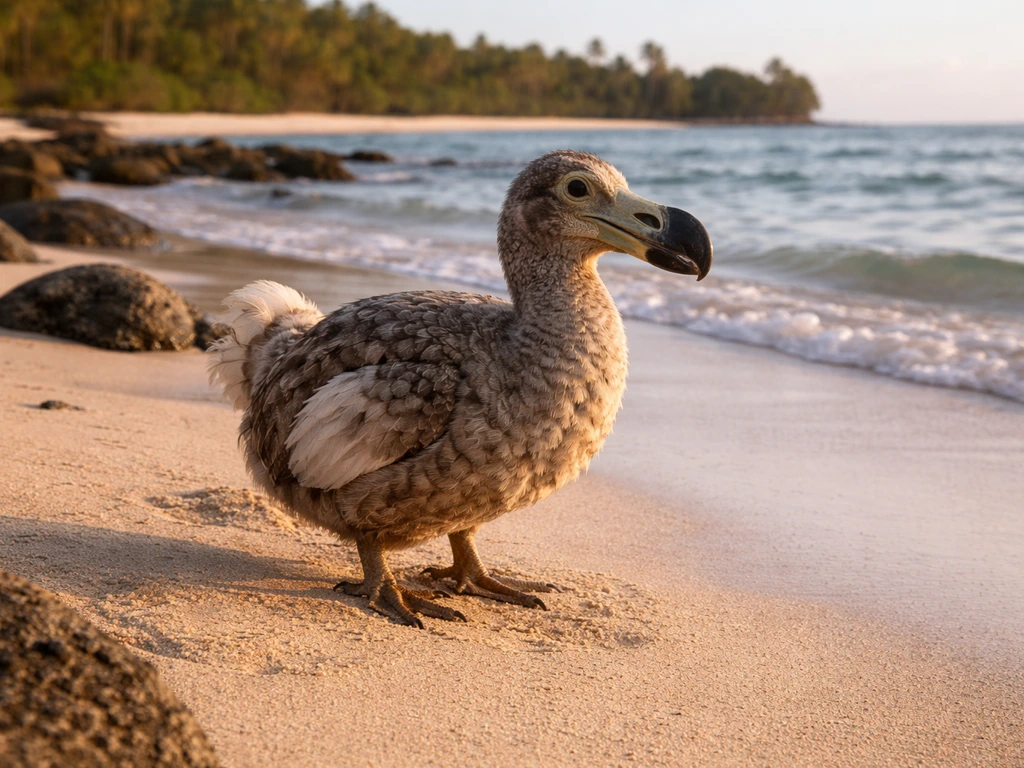
What the dodo was, and why it still matters
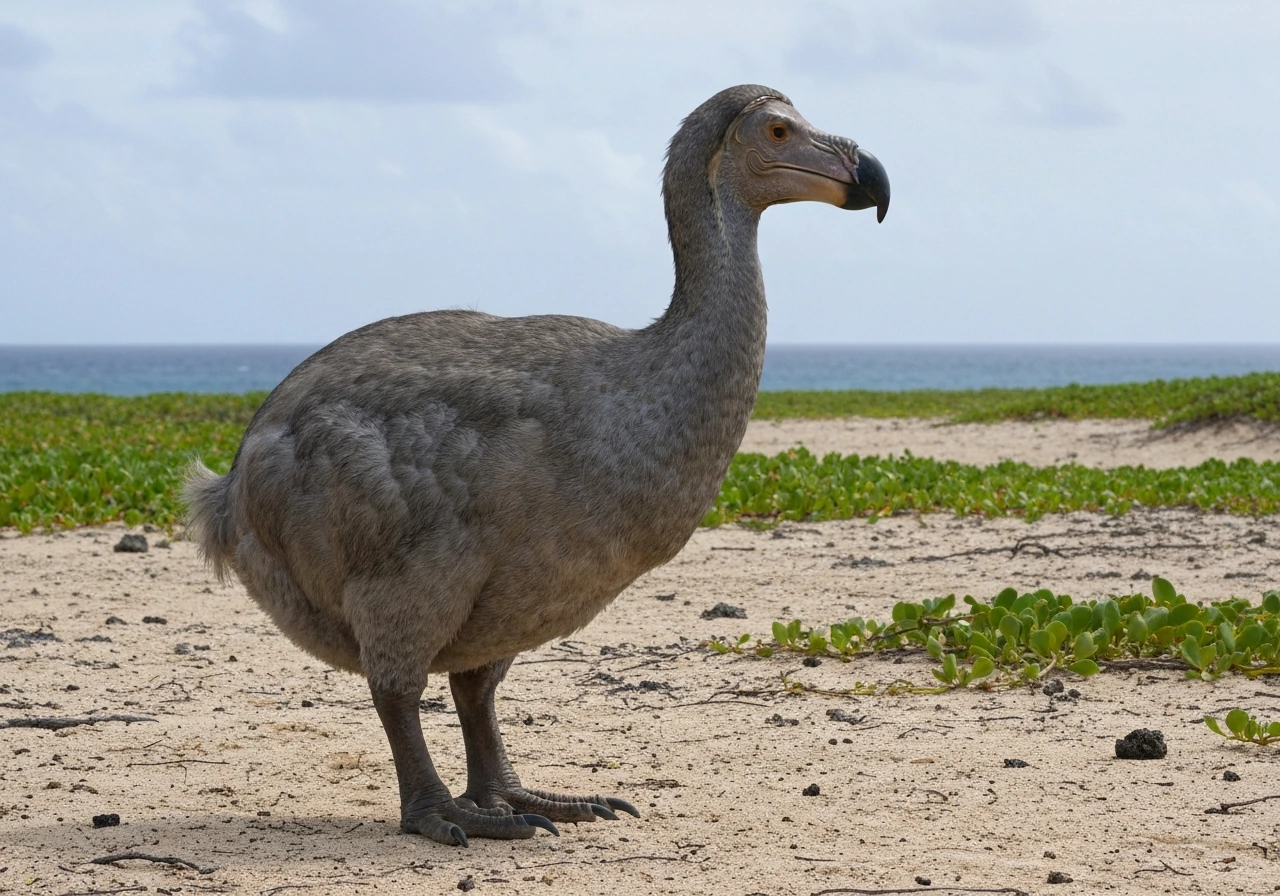
The dodo (Raphus cucullatus) was a large, flightless pigeon that lived exclusively on the island of Mauritius in the Indian Ocean. Old descriptions place it in the drier coastal woods of the island's south and west, though its full habitat range is honestly still not well understood. What we do know is that it went extinct in the late 17th century, driven by a combination of hunting by European sailors and the introduction of invasive species like rats, pigs, and cats that destroyed nests and competed for food.
Even the dodo's diet is something of a mystery. There is essentially one detailed historical account of what the dodo ate, a 1631 Dutch letter that was only rediscovered in 2017. Scientists suspect it ate seeds and fallen fruit, but there is genuine debate about whether it was a seed disperser (helping plants spread) or a seed predator (destroying seeds it consumed). That distinction matters ecologically, and it turns out it matters for the dodo's legacy too. The Natural History Museum in London has documented that since large fruit-eating animals like the dodo disappeared from Mauritius, some plant species now face a high risk of extinction because they have lost their primary seed-dispersal partners. The dodo's absence is still reshaping the island's ecosystem more than 300 years later.
What 'bringing back' an extinct species actually means
Before diving into the dodo specifically, it helps to understand what de-extinction can and cannot do. There are three main scientific pathways that researchers discuss, and none of them produce a perfect copy of the original animal. In Functional Ecology (2017), Shapiro outlines a key de-extinction pathway that combines ancient DNA with genome editing and uses primordial germ cells to move toward germline transmission in birds.
- Cloning: Requires intact, living cells with a viable nucleus. Because the dodo has been dead for over 300 years, no such cells exist. Classic cloning, as used with Dolly the sheep, is simply off the table.
- Genome reconstruction and gene editing: Scientists sequence whatever ancient DNA can be recovered from museum specimens, identify the genes that made the dodo distinctive, and then edit a closely related living species (in this case pigeons) to express some of those traits. This is the approach Colossal Biosciences is pursuing.
- Selective back-breeding: Breeding living relatives over generations to gradually select for traits similar to the extinct animal. This works better for some species than others, and for the dodo it would produce something pigeon-shaped, not dodo-shaped.
The IUCN's Species Survival Commission put it plainly in its 2016 guiding principles on this topic: de-extinction, in any conservation-relevant sense, produces 'proxies' of extinct species, not faithful replicas. Genetic, epigenetic, behavioral, and developmental differences mean a resurrected dodo would not be the original dodo. It would be something dodo-like, which is a meaningful distinction.
The real state of dodo DNA and fossils right now
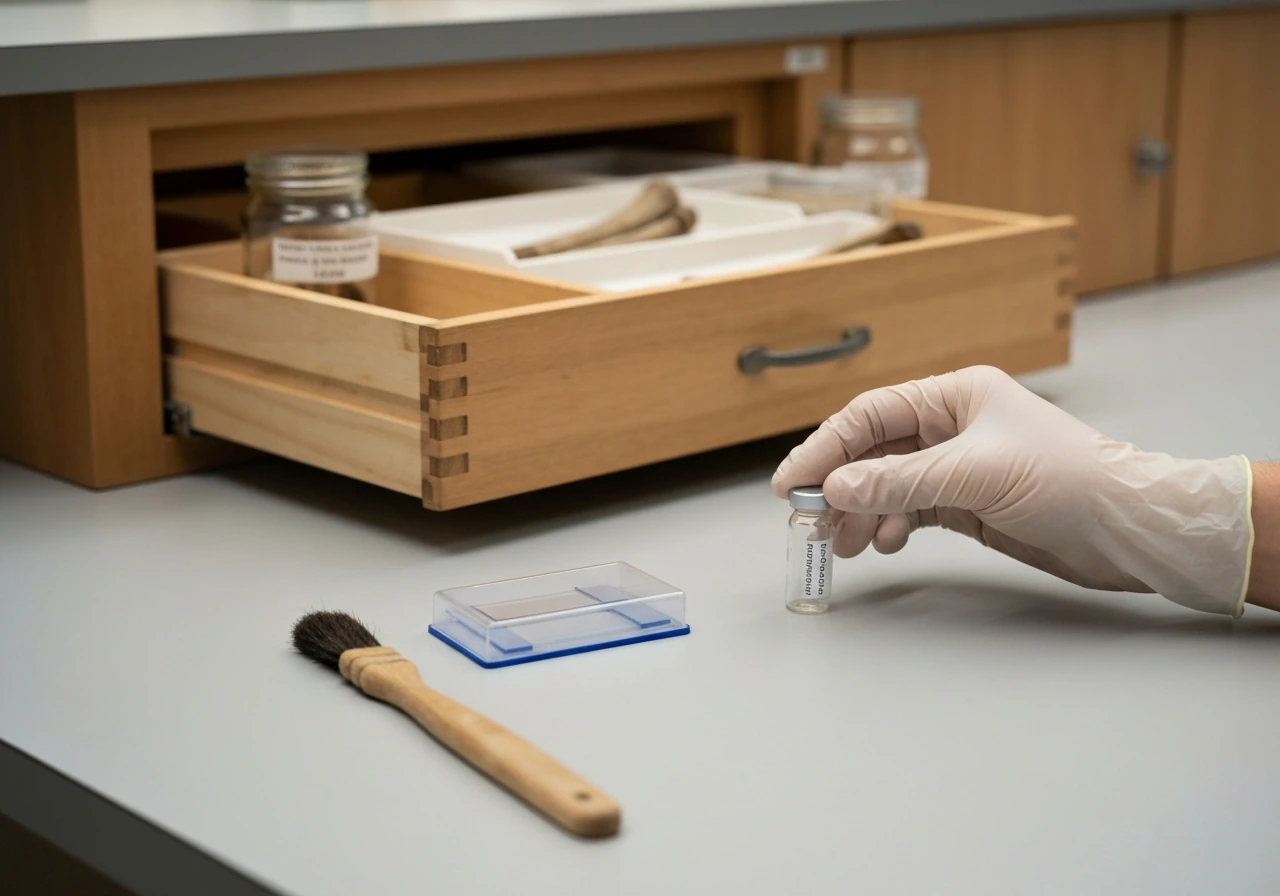
Dodo DNA research has been genuinely limited by the quality of ancient specimens. Most of what scientists know about the dodo's genetics comes from mitochondrial DNA studies, which examine a small, circular piece of DNA found in cell organelles rather than the full nuclear genome. A landmark study that included the dodo among 37 pigeon and dove species managed to amplify about 1.4 kilobases of mitochondrial sequence (specifically the 12S rRNA and cytochrome b regions) from dodo samples. That confirmed the dodo is most closely related to the Nicobar pigeon, but it is a far cry from having a complete genome to work from.
Ancient DNA degrades over time, and 300-plus-year-old museum specimens are not ideal sources. Researchers working on the dodo genome face the twin challenges of DNA fragmentation (the strands break into short, hard-to-assemble pieces) and contamination from bacteria, fungi, and the DNA of humans who handled the specimens for centuries. Beth Shapiro, one of the leading scientists in ancient DNA and de-extinction, has described a technically creative workaround: using primordial germ cells to create offspring whose reproductive organs carry dodo DNA. In practice, this would produce a regular pigeon externally, with dodo genetic material only in its reproductive cells. It is a proxy approach, not a resurrection.
In April 2025, ISTA (the Institute of Science and Technology Austria) made headlines by announcing it had 'resurrected the dodo' as an interdisciplinary project. The framing matters here: this was not a full species revival using authentic ancient dodo DNA in a living animal. It was an institutional project with that branding, which illustrates how carefully you need to read dodo de-extinction headlines before taking them at face value.
Why researchers are interested in dodo revival at all
Setting aside whether it is fully achievable, there are real scientific and conservation reasons people are pursuing this work. They are not just doing it because the dodo is famous (though that certainly helps with funding and public interest).
- Evolutionary insight: The dodo's genome, once more fully sequenced, could tell us a great deal about how island birds lose flight, how they evolve in the absence of predators, and what genetic switches drive those changes.
- Ecosystem restoration: If the dodo genuinely functioned as a seed disperser on Mauritius, a functional proxy could theoretically help restore ecological relationships that collapsed with its extinction. Given that some Mauritian plants are now at high risk of extinction partly because of that lost role, this is not a trivial motivation.
- Conservation technology development: The gene-editing and ancient DNA techniques being refined for the dodo project have wider applications. Skills built here could help with efforts to save living endangered species.
- Public engagement: Research into bringing back the dodo has enormous public visibility. Studies suggest that de-extinction narratives can shift public attitudes toward conservation more broadly, which has real downstream value even if the dodo itself never returns.
That said, the same research also flags a concern: de-extinction campaigns can divert funding and attention away from conservation of species that are still alive and urgently need help. It is a genuine tension worth keeping in mind.
Should we actually try to bring back the dodo? The pros and cons
This is where it gets genuinely complicated. Let's look at the arguments on both sides directly.
| Consideration | For revival | Against revival |
|---|---|---|
| Ecological role | Could restore lost seed-dispersal relationships in Mauritius and reduce plant extinction risk | We are not certain the dodo was a disperser rather than a seed predator, so the ecological benefit is unproven |
| Habitat availability | Mauritius still exists and retains some forest habitat | The dodo's original habitat has been massively altered by 300+ years of human activity, invasive species, and development |
| Animal welfare | Proxy animals could live in managed reserves | Surrogate birds would undergo repeated experimental procedures with no guarantee of a viable outcome |
| Conservation funding | High profile project raises public interest and overall conservation awareness | Resources spent on de-extinction could fund protection of living endangered species |
| Scientific value | Advances ancient DNA techniques and gene-editing capabilities | A gene-edited pigeon is not the dodo; scientific insights about the original species remain limited |
| Ecological risk | A managed, monitored proxy could be carefully introduced | Releasing a non-native proxy carries risks comparable to introducing an invasive species: predation, competition, disease spread |
A peer-reviewed analysis published in a conservation biology journal found that, as of its publication, most proposed de-extinction programs do not yet satisfy a sufficient set of criteria to be accepted as legitimate biodiversity conservation tools, and that releasing de-extinction proxies carries risks analogous to introducing non-native species. The IUCN's own framework acknowledges these risks and requires programs to demonstrate clear conservation benefit and minimal harm before proceeding.
My honest read of where the science sits today: the motivation to try is real, the technology is advancing faster than most people expected, but the gap between a gene-edited pigeon and a functional dodo in a restored Mauritian habitat is still enormous. Questions about whether the dodo should come back are inseparable from questions about whether the Mauritius of today could support it, and whether the resources are better spent protecting what is still here.
What a realistic dodo resurrection project looks like, and how to follow credible updates
If a genuine dodo de-extinction project reaches a meaningful milestone, here is roughly what the steps would look like in sequence.
- Complete a high-quality reference genome from ancient dodo specimens, ideally sequencing multiple samples from different museum collections to account for DNA degradation.
- Identify the key genetic differences between the dodo and its closest living relative, the Nicobar pigeon, that produce the dodo's distinctive traits: flightlessness, size, beak morphology, behavior.
- Use CRISPR or similar gene-editing tools to introduce those variants into Nicobar pigeon cells.
- Develop a surrogate breeding pathway, likely using primordial germ cells, so that edited genetic material can be passed through successive generations.
- Conduct extensive behavioral and ecological research to understand what a proxy dodo would need in terms of diet, social structure, and habitat before any release is considered.
- Submit the project to independent review against IUCN SSC guiding principles and work with Mauritian conservation authorities on any habitat assessment.
As of April 2026, Colossal Biosciences is the most publicly visible organization claiming progress on this project. When evaluating their announcements or any similar claims, look for a few specific things: Has an independent scientific team reviewed the genomic work? Are they publishing in peer-reviewed journals, not just press releases? Are they specific about what stage they are at (genome sequencing vs. cell editing vs. a living animal)? And crucially, are they distinguishing between a proxy animal and the original species?
For reliable ongoing coverage, the best sources are peer-reviewed journals like Nature and Science, institutional announcements from universities with ancient DNA labs, and conservation organizations like the IUCN SSC that apply rigorous criteria to claims. Be cautious of headlines that say the dodo 'is back' or 'has been revived' without those qualifiers, because the distinction between a gene-edited pigeon and a resurrected dodo is not semantic. It matters enormously for how we think about what was lost, what can be recovered, and what is worth protecting right now.
If you are exploring related questions about the dodo's status and what its current absence means ecologically, the questions of whether the dodo bird is truly gone for good and whether anything close to the original animal could still exist are worth examining alongside the de-extinction debate. They provide useful context for understanding exactly what any revival effort would be trying to recreate.
FAQ
What would count as a “real” dodo revival versus a dodo-like proxy?
A real revival would require more than some dodo traits, it would need a reconstruction that reliably matches the original dodo’s genetics across the full nuclear genome, development, behavior, and ecological functions. Most current plans are closer to creating pigeon lineages that carry some dodo genetic material (or are heavily dodo-like) which is why critics call them proxies rather than faithful replicas.
Why is mitochondrial DNA not enough to rebuild a dodo accurately?
Mitochondrial DNA is inherited from the mother and represents only a small fraction of the genome. It can clarify broad relationships, like closeness to specific pigeon groups, but it does not capture the many nuclear genes that shape traits, immune function, reproduction, and development.
Can scientists simply edit living Nicobar pigeons into dodo birds?
Editing alone is unlikely to produce a functional dodo because complex traits are polygenic, and development depends on coordinated gene networks. Also, even if some dodo-like features appear, you would still need to verify reproductive compatibility, fertility, lifespan, and that the birds behave in ways that work for Mauritius habitat conditions.
How much of the dodo’s “missing ecosystem role” could a resurrected proxy replace?
It depends on whether the restored animal matches the dodo’s diet and feeding behavior closely enough to act as the same seed disperser (or seed predator) in practice. If the bird’s real-world foraging differs, the plant species that suffered after dodo loss may not recover, so conservation benefit is not automatic.
What are the biggest technical hurdles in using ancient DNA from museum specimens?
Two major problems are DNA fragmentation, which makes long genome reconstruction difficult, and contamination from microbial DNA or handling by humans over centuries. Even with improved methods, these issues can limit what parts of the genome can be reconstructed with confidence.
If a project creates an embryo or animal with dodo DNA in reproductive cells only, does that achieve revival?
Not in the sense most people mean. Creating dodo DNA that is primarily present in germ cells is a proxy approach, because the phenotype of the living animal may look like a pigeon and only future generations would potentially carry more dodo features. The claim is more about enabling a lineage than restoring a specific adult dodo.
Could a restored dodo-like bird even survive outside a lab today?
Survival is a separate challenge from genetics. Mauritius currently has different ecological pressures, especially invasive predators and competitors. Without long-term habitat management and careful biosecurity, introduced birds may have low survival, or they could interact unpredictably with existing species.
What is the risk of “de-extinction distractions” from conservation of living species?
Funding and public attention can shift toward high-profile projects, sometimes at the expense of protecting threatened species that lack substitutes. Another concern is that de-extinction projects may prioritize spectacle milestones, even though conservation impact requires proven outcomes like population recovery, ecosystem benefit, and minimal harm.
How should I evaluate de-extinction headlines that say “the dodo is back”?
Look for three qualifiers: whether claims are based on peer-reviewed genomic work, whether they specify the exact stage (sequencing, genome assembly, cell editing, or a living organism), and whether they openly describe the outcome as a proxy rather than the original species. Vague statements about “revival” without independent review are a red flag.
Are there ethical or legal issues unique to dodo-style de-extinction projects?
Yes. Projects can raise animal welfare concerns related to creating and testing engineered lineages, plus biosafety and regulatory questions about releasing non-native or hybrid organisms. Ethics boards and conservation frameworks typically require justification of necessity, harm minimization, and measurable conservation benefits before any release.
What practical milestones would indicate real progress toward a functional dodo-like animal?
Strong signals would include high-confidence nuclear genome reconstruction, demonstration of developmental and reproductive feasibility in controlled settings, clear evidence of stable traits across generations, and modeling or trials showing the animal can perform expected ecological functions under managed conditions.
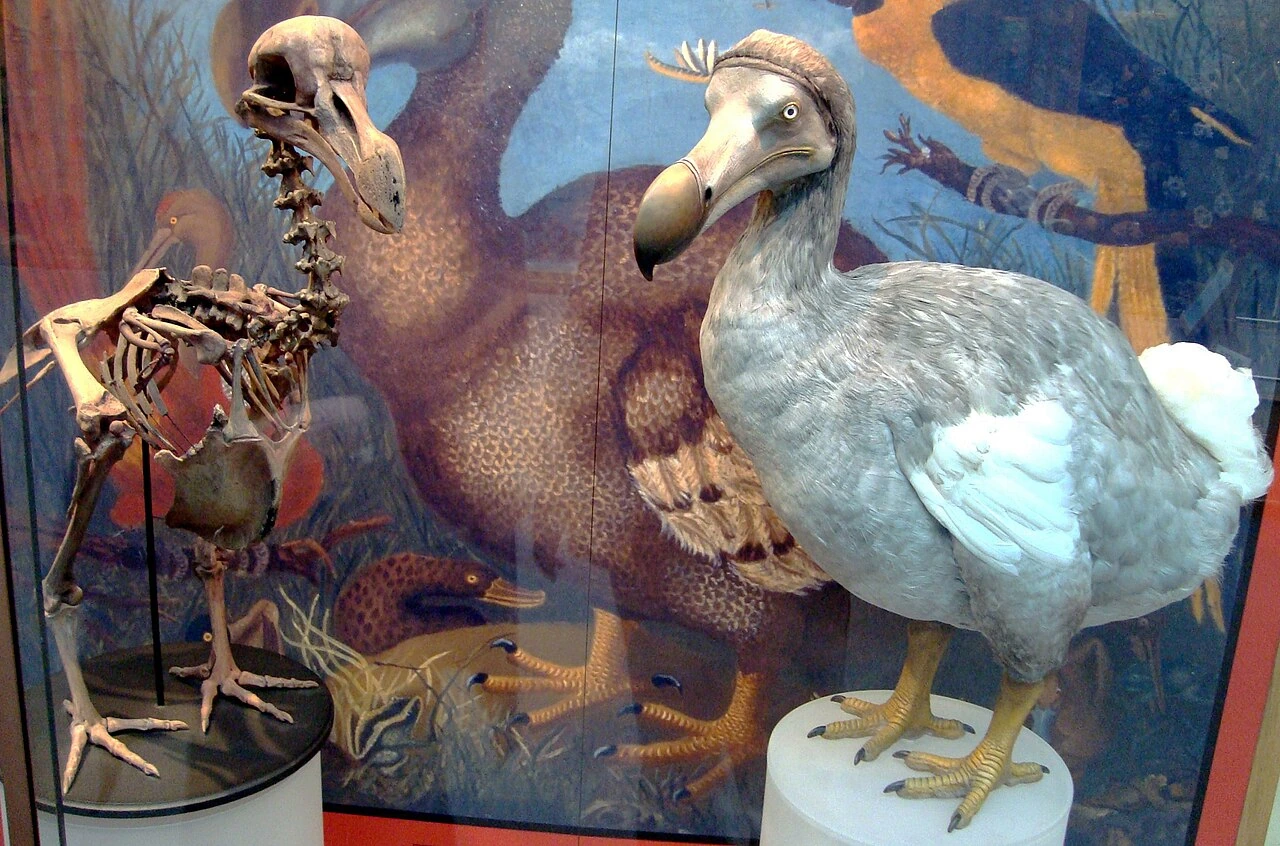
Can the dodo really be brought back? Limits of DNA de-extinction, timelines, and what conservation can do now.
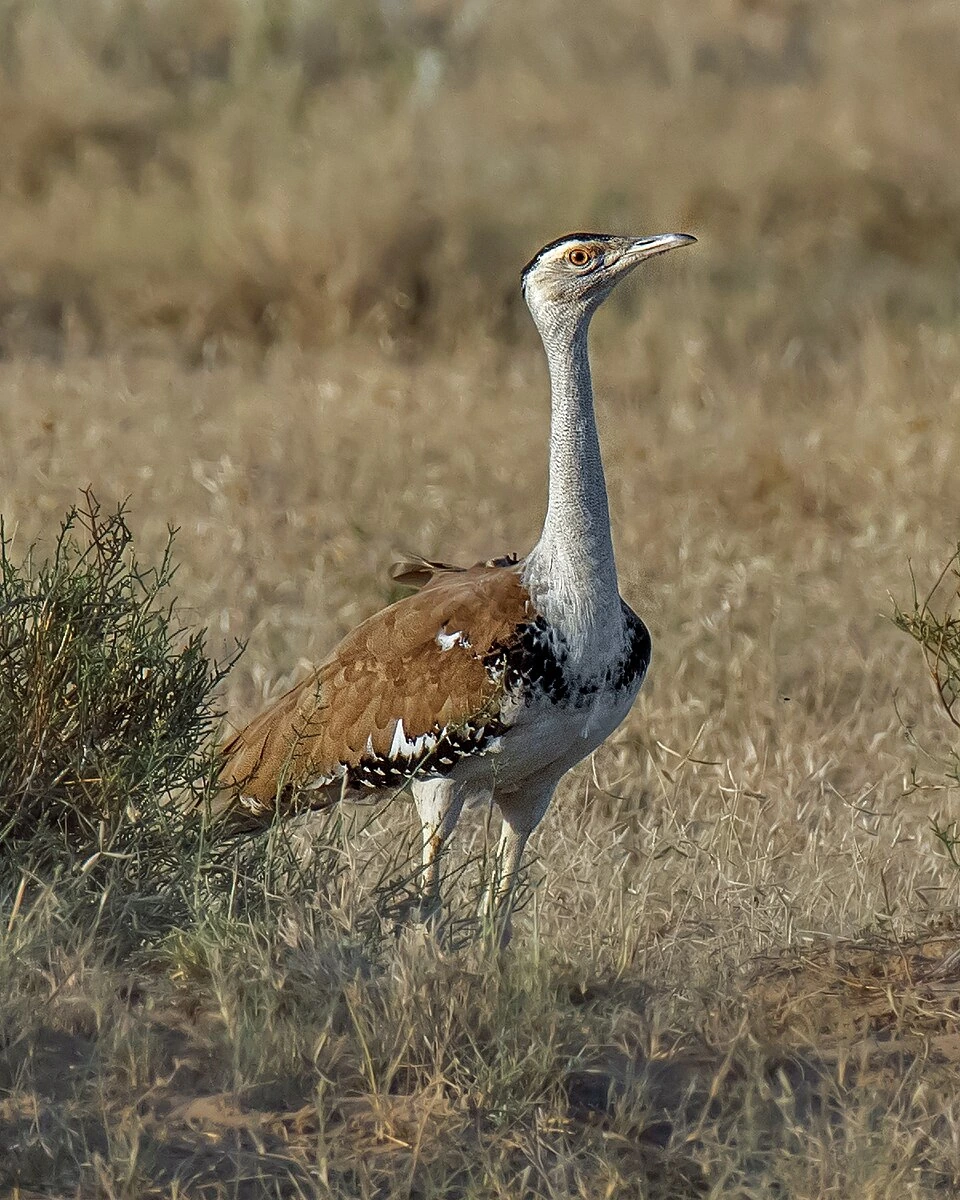
Find the endangered bird in Rajasthan Gujarat Thar Desert, plus other threatened species and how to verify locally by se
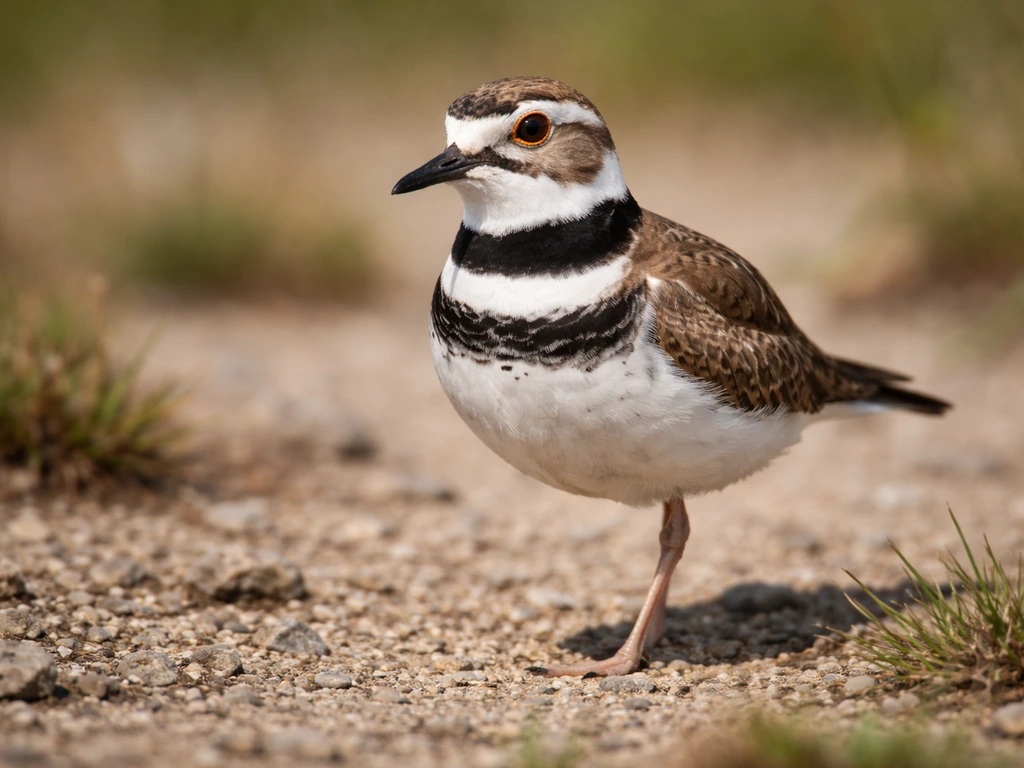
Find out if killdeer is endangered today, learn threats and habitat, and get steps to protect nests and check status.