The dodo is not coming back, at least not in any meaningful sense today. Raphus cucullatus has been listed as Extinct (EX) on the IUCN Red List, with the last confirmed sighting recorded in 1662 on Mauritius (some sources, including Guinness World Records, use 1681 as the date of the last known specimen). That is the honest starting point. But the longer, more interesting answer is that a company called Colossal Biosciences is actively working on something that could, years from now, produce a bird with dodo-like traits. Scientists are working on de-extinction approaches that could eventually yield dodo-like birds, but whether the dodo is actually coming back is a different question are scientists bringing back the dodo bird? could. Whether that counts as 'bringing back' the dodo depends entirely on what you mean by coming back, and that distinction matters a lot.
Is the Dodo Bird Coming Back? What De-extinction Can and Can’t Do

Where the dodo stands today
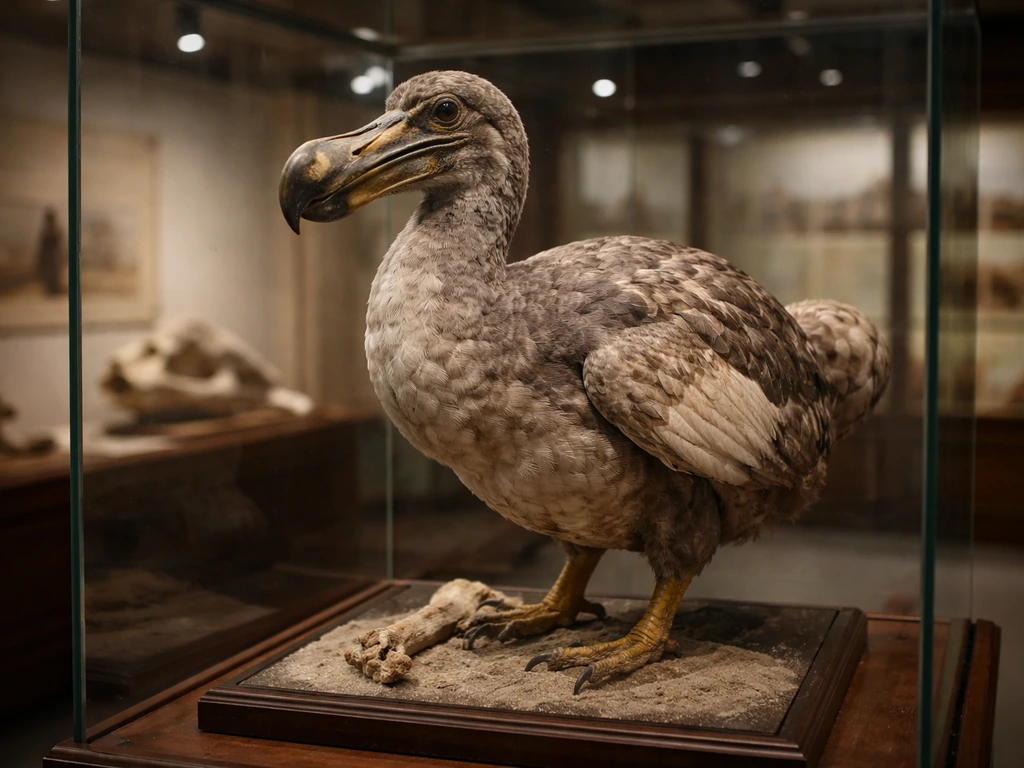
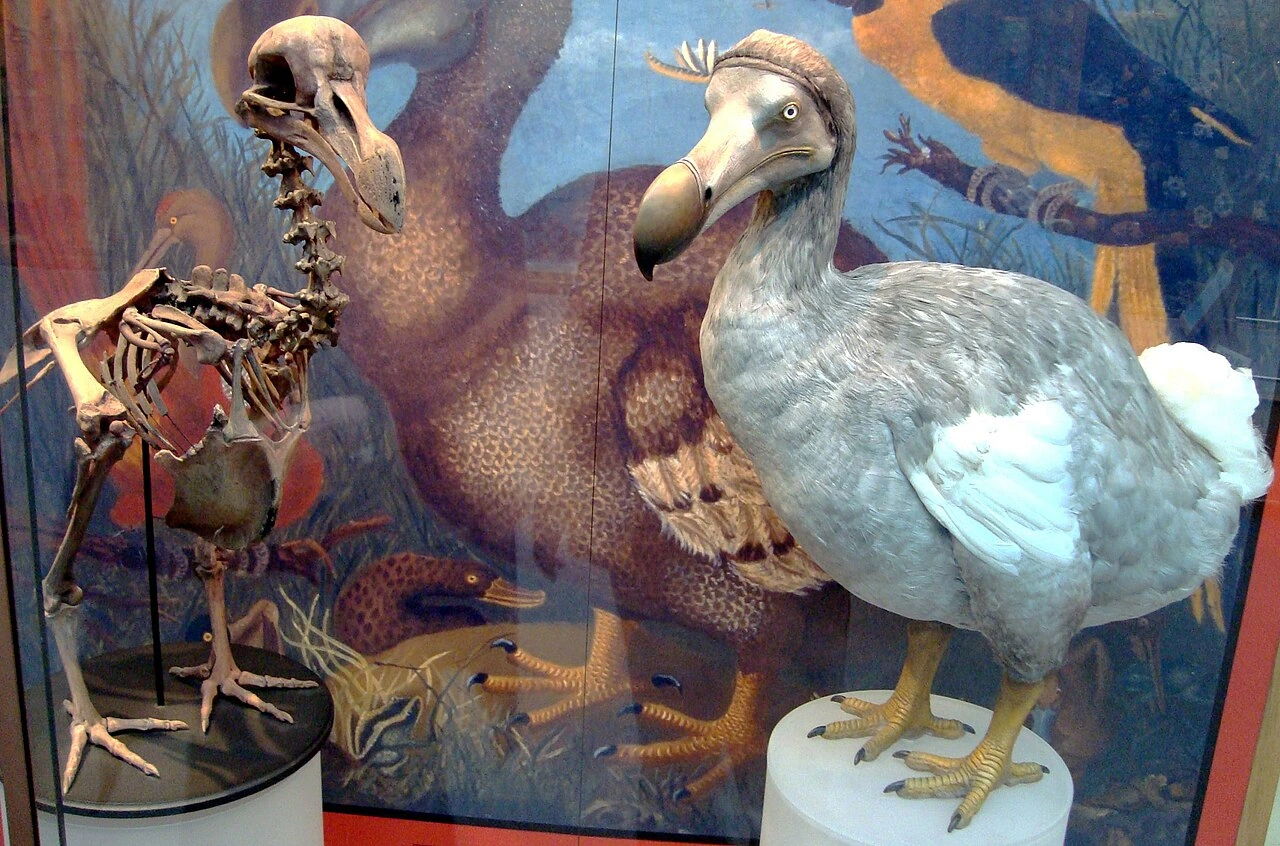
Officially, the dodo is gone. It is listed as Extinct by the IUCN, eBird, and every major scientific database. Its former range was a single island: Mauritius, in the Indian Ocean. It never existed anywhere else in the wild. The species disappeared during the 17th century as a direct result of human activity. Sailors and colonists hunted it, yes, but research published in Scientific Reports using bone histology suggests the bigger killers were the animals Europeans brought with them: dogs, pigs, cats, rats, and crab-eating macaques. Pigs and macaques in particular plundered dodo nests on the ground, and since the dodo laid only one egg at a time, nest destruction hit the population hard. A 2015 review in the Journal of Field Ornithology confirmed that it was this combination of hunting, habitat clearance, and introduced predators that wiped out the dodo and many other endemic Mauritian species. There is no surviving population hiding anywhere. The question of whether the dodo still exists has a clean answer: no.
What 'coming back' actually means
When people ask if the dodo is coming back, they usually mean one of two very different things: a true biological restoration of the species, or a de-extinction project that produces something dodo-like. Those are not the same, and the gap between them is enormous. The IUCN defines re-introduction as 'an attempt to establish a species in an area which was once part of its historical range, but from which it has been extirpated or become extinct.' That is the gold standard: living dodos, breeding in Mauritius, forming a self-sustaining wild population. De-extinction, as reviewed in peer-reviewed literature including a 2025 paper in ScienceDirect, more often produces what researchers call 'engineered proxies,' birds with some traits of the extinct species but not a genetic duplicate. Cloning and genome editing are the two main scientific approaches, and neither produces an exact copy of the original animal.
Cloning via somatic cell nuclear transfer (SCNT) requires intact, living cell nuclei, which you simply do not have for an animal that has been dead for over 350 years. Genome editing using tools like CRISPR involves taking a living relative's genome and editing it to include DNA sequences from the extinct species. What you get is a modified version of the living relative, not a resurrection of the original. A 2025 critique in ScienceDirect argues that calling this outcome a 'de-extinction' stretches the term past its useful meaning. Revive & Restore uses this same relative-editing approach for its passenger pigeon project, inserting passenger pigeon DNA snippets into the band-tailed pigeon genome to create passenger-pigeon-like birds. Whether the result is 'the passenger pigeon' or 'a heavily edited band-tailed pigeon' is a genuinely open scientific and philosophical question, and the same question applies to the dodo.
What science can do right now, and where it hits a wall
Colossal Biosciences has assembled what Nature Biotechnology describes as 'the most continuous and complete genomes' for several de-extinction candidates, including the dodo. That is a real and significant achievement. Having a reference genome is step one. But Colossal's own published work makes clear that producing a living animal requires major advances across computational biology, cellular engineering, and embryology, none of which are solved problems today.
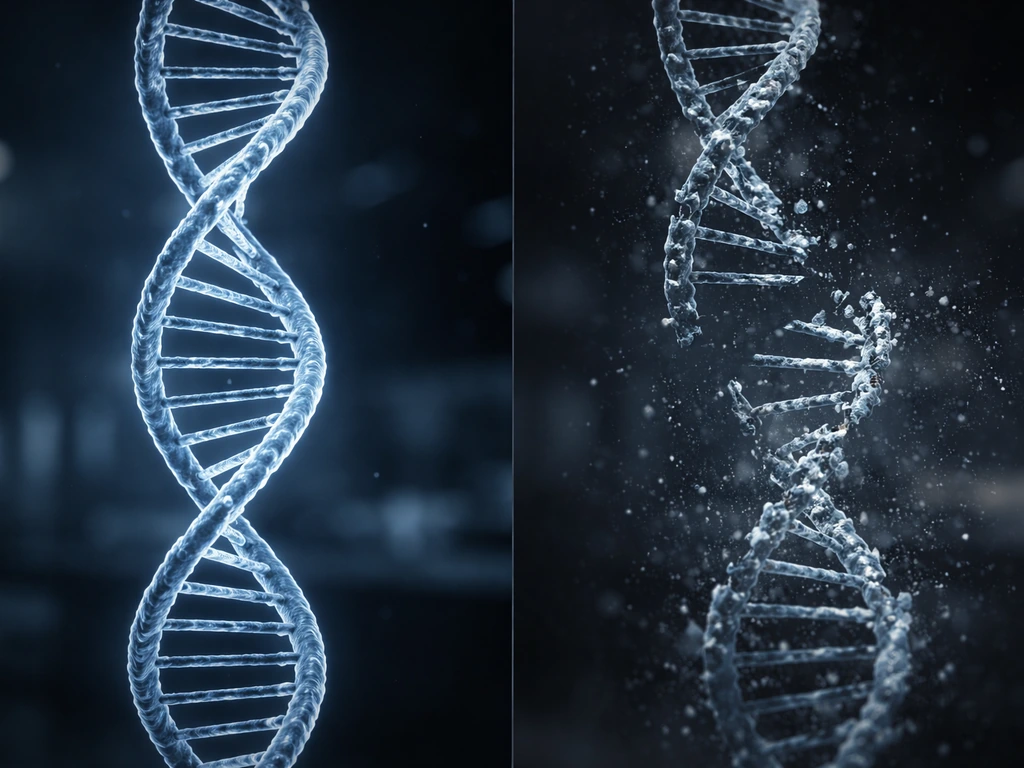
Ancient DNA also degrades over time in ways that create serious technical headaches. A study in Communications Biology found that average DNA fragment length in museum samples can drop from around 70 base pairs to around 55 base pairs just across storage periods, meaning the older your sample, the shorter and more broken up the genetic material is. Short fragments are harder to sequence and reconstruct accurately, as confirmed by Genome Research work on ancient-DNA recovery techniques. For a bird that has been dead since the 1600s, recovering a truly complete and reliable genome is an enormous challenge, even if the broad outlines can be pieced together.
On the cellular side, Colossal announced it achieved the first long-term culture of pigeon primordial germ cells (PGCs), which are the cells that eventually become eggs and sperm. This is important because the plan involves editing those cells and then introducing them into a surrogate chicken embryo to produce a bird that carries dodo-like traits. The American Museum of Natural History notes that cloning in general requires many attempts to get one success, sometimes 200 to 300 attempts per viable clone, and that is for well-understood living species. Doing something analogous for an extinct bird using a distantly related surrogate adds layers of uncertainty that no lab has solved yet.
Why getting a real dodo back is so much harder than it sounds
Even if Colossal or another team produced a bird with significant dodo DNA, that bird would face a cascade of problems that go well beyond genetics. The dodo evolved in a very specific ecological context on Mauritius, an island that no longer resembles its 17th-century state. Native vegetation has been largely replaced, the endemic ecosystem has been severely disrupted, and many of the introduced predators that helped kill the dodo are still present. Bone histology research from Scientific Reports reconstructed dodo life history events including reproduction and molting schedules, revealing that the dodo's biology was tightly tuned to seasonal conditions on Mauritius. A de-extincted bird raised in a lab would have none of that learned ecological knowledge, no parents to model behavior on, and no existing dodo social group to integrate with.
There is also the question of what the bird would actually be. If the surrogate is a Nicobar pigeon (the closest living relative of the dodo, according to genetic analysis published in BMC Ecology and Evolution), and the genome editing inserts dodo-like sequences, the resulting animal would be some genetic blend, not a pure Raphus cucullatus. It might look dodo-like, behave somewhat dodo-like, and fill a similar ecological niche, but it would not be the species that went extinct in 1662. Re-establishing it as a wild, self-sustaining population on Mauritius would then require solving all the habitat and predator problems that caused the original extinction, a conservation challenge that is itself decades of work.
Real projects and timelines: what is actually happening
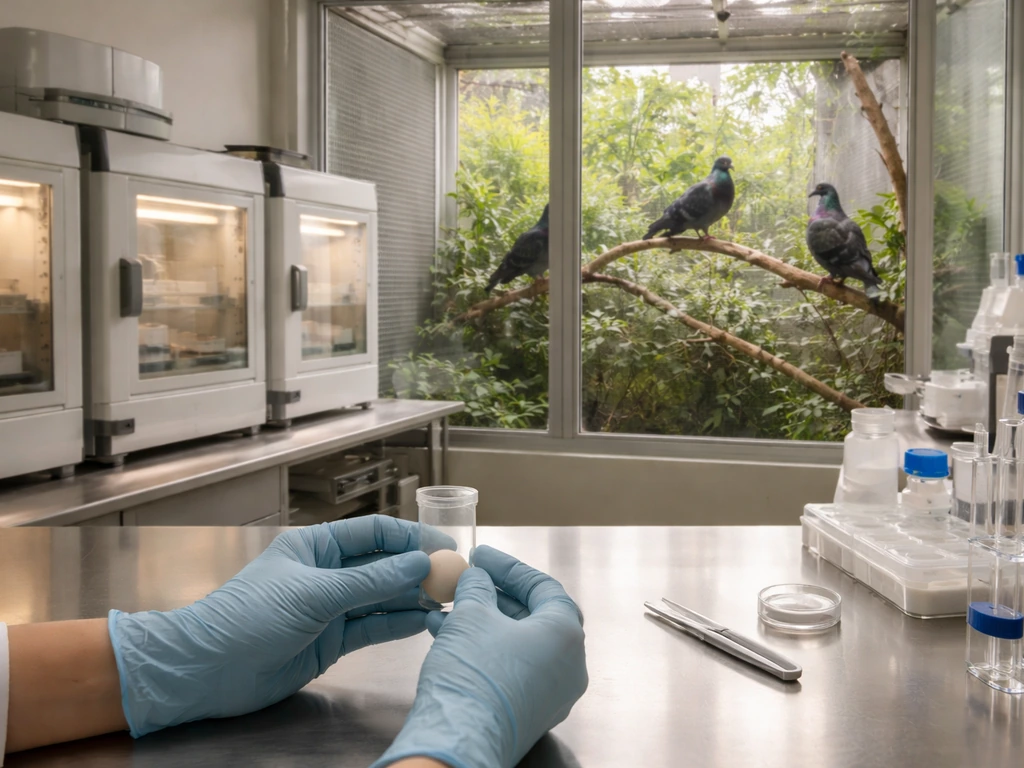
Colossal Biosciences is the most credible active effort. They have a completed dodo reference genome, a Nicobar pigeon breeding colony, the pigeon PGC culture breakthrough mentioned above, and a Mauritius Dodo Advisory Committee for planning conservation and potential rewilding. In September 2025, The Guardian reported Colossal CEO Ben Lamm describing the dodo's return as 'five to seven years out' rather than '20 years out,' citing the PGC milestone as a meaningful step forward.
That timeline deserves careful reading. Lamm was giving a rough ballpark, not a scientific deadline. 'Five to seven years' likely means something that could be called a dodo-like bird exists in a controlled setting, not that a wild population is roaming Mauritius. Every major step between a PGC culture breakthrough and a wild-breeding population requires solving problems that have never been solved before. Revive & Restore's passenger pigeon project, which has been running longer and is further along, still has not produced a single passenger-pigeon-like bird as of today. The dodo project is behind that effort in terms of timeline. If you are searching 'what year will the dodo come back,' the honest answer is: no credible scientist will give you a year, because the variables are too uncertain.
How to follow this without getting misled
Headlines about de-extinction are prone to significant inflation. When a company announces a 'breakthrough,' it is worth asking: a breakthrough toward what, exactly? The pigeon PGC culture result is genuinely novel and scientifically interesting. It is not the same as a dodo being born. The 2025 ScienceDirect paper specifically critiques how terms like 'resurrection' get applied to what are really incremental technical milestones. Here is a practical filter for evaluating any dodo-comeback news you see:
- Look for peer-reviewed publication: press releases from biotech companies are not the same as peer-reviewed science.
- Check what milestone was actually achieved: a genome assembled, a cell culture maintained, or an actual animal born are very different claims.
- Note whether the claim involves a living animal in a controlled setting or a wild population, because those are worlds apart.
- Cross-reference with sources like the IUCN, Nature Biotechnology, and established conservation organizations rather than relying on a single headline.
- Be skeptical of specific year predictions: no reputable researcher has committed to a date for a self-sustaining dodo-like population anywhere.
For ongoing updates, Colossal Biosciences publishes project updates on its website. Revive & Restore does the same for its passenger pigeon and other projects and is a useful comparison point for how these efforts actually progress. Nature Biotechnology and similar journals are where the real science gets published first.
What you can actually do right now
If the dodo fascinates you, the most meaningful thing you can do today is not wait for de-extinction news but support the conservation work that prevents the next dodo from happening. The Nicobar pigeon, the dodo's closest living relative, is listed as Near Threatened and faces habitat loss across its island range in Southeast Asia and the Pacific. Protecting it matters both ecologically and scientifically: it is the living genetic reference point for every dodo de-extinction effort.
Closer to Mauritius, the Mauritian Wildlife Foundation runs restoration work on Ile aux Aigrettes, a small coral island off the southeast coast of Mauritius. Their approach centers on eradicating invasive alien species, restoring native vegetation, and reintroducing endemic animals. It is painstaking, decades-long work, and it is the kind of habitat restoration that would need to be replicated at a much larger scale before any dodo-like bird could ever survive in the wild. Supporting organizations like MWF directly funds the ecological groundwork that any future reintroduction would depend on.
| Option | What it involves | Current status | Realistic outcome |
|---|---|---|---|
| Genome editing via Nicobar pigeon surrogate | Edit pigeon PGCs with dodo DNA sequences, grow in surrogate chicken embryo | PGC culture achieved; no animal produced yet | Dodo-like bird in captivity, possibly within a decade |
| Cloning via SCNT | Requires intact living cell nuclei from the dodo; not available | Not feasible with current biology | Not a viable pathway for extinct species |
| Selective breeding | Breed Nicobar pigeons for dodo-like traits over many generations | No active program; extremely slow | Very distantly dodo-like bird after many generations |
| Wild population re-establishment | Return dodo-like birds to Mauritius with restored habitat | Requires habitat restoration, invasive species removal, and a living animal first | Decades away at minimum, if ever |
The dodo's story is also worth understanding on its own terms, separate from de-extinction hype. It was a remarkable bird, a flightless pigeon that evolved in island isolation, built a life around the seasonal rhythms of Mauritius, and was wiped out within a century of European contact. Questions like whether the dodo still exists, what it was really like in life, and what its ecosystem looked like are all worth exploring, because that history is what makes the conservation stakes real. De-extinction, if it ever works, will not undo what happened. It might produce something new and interesting. But the actual dodo, the one that walked Mauritius in the 1600s, is gone. Keeping the next one from disappearing is the work that matters most right now.
FAQ
If scientists can edit a pigeon genome, will the result be a “real” dodo species?
Most likely it would be an engineered proxy, meaning it would share selected dodo traits but not be a full genetic duplicate of Raphus cucullatus. Without a complete, fully restored dodo genome and a successful way to recreate development from the same lineage, the outcome will be closer to a customized living relative than an exact species restoration.
Why can’t de-extinction use “dodo DNA” directly, since we have museum specimens?
Museum DNA is usually fragmented and chemically damaged, and key long-range sequences can be missing or unreliable. Short, degraded fragments make it hard to reconstruct a truly complete genome, so teams typically rely on assembling a best-guess reference genome and then using a living relative as the developmental starting point.
Could genome editing resurrect a dodo through CRISPR in a living dodo embryo?
That would require a living dodo egg and intact dodo developmental machinery, which does not exist because the species is extinct. What editing actually targets today is a living relative’s cells (often germline cells), then those cells are used to generate a bird, producing a modified relative rather than a dodo embryo-to-bird pathway.
What would “coming back” mean legally or scientifically, a lab bird or a wild population?
Scientifically, most “coming back” claims mean breeding in a way that becomes self-sustaining in the historical range. A single captive individual would be closer to proof-of-concept. A true restoration would also require long-term survival, reproduction, and ecological integration under current Mauritius conditions.
If a dodo-like bird were created, could it survive on Mauritius immediately?
Probably not. Even if it had similar traits, it would still face an ecosystem that is very different from the 1600s, including altered habitat and persistent invasive predators. Any move toward rewilding would require habitat restoration and predator risk management comparable to decades-long conservation work.
How safe would it be to release a de-extincted or edited bird into the wild?
There are major uncertainty risks, including whether the animal becomes invasive, spreads novel pathogens, competes with native species, or fails to breed. Any rewilding plan would need phased risk assessment, monitoring, and contingency plans, not just a successful breeding event.
What timeline should I expect if headlines say “the dodo is coming back soon”?
Treat early milestone announcements as step markers, not delivery dates. A credible “soon” usually means something like a successful edited bird in controlled settings, not a self-sustaining population. Also expect independent groups and peer-reviewed results to lag behind press reports.
How do “breakthroughs” differ between cultured cells and producing a living bird?
Culturing pigeon primordial germ cells and keeping them functional is an important prerequisite, but it does not automatically produce viable embryos, healthy offspring, or stable transmission of edited traits. Between a lab culture milestone and a living bird, there are many bottlenecks in editing efficiency, embryo viability, and long-term developmental outcomes.
Does de-extinction reduce the importance of conserving endangered species today?
No. Conservation biology focuses on protecting living ecosystems and preventing extinctions that are still preventable. De-extinction, even if successful later, cannot replace current habitat protection and invasive species management needed to stop other losses now.
What can I do right now that actually helps with the dodo-like bird idea?
Support habitat and invasive species work around Mauritius and also protect the Nicobar pigeon, since it is a living reference and a practical biological starting point for many approaches. On the ground, funding conservation programs that restore nesting habitat and reduce predator impacts directly improves the conditions any future rewilding would require.
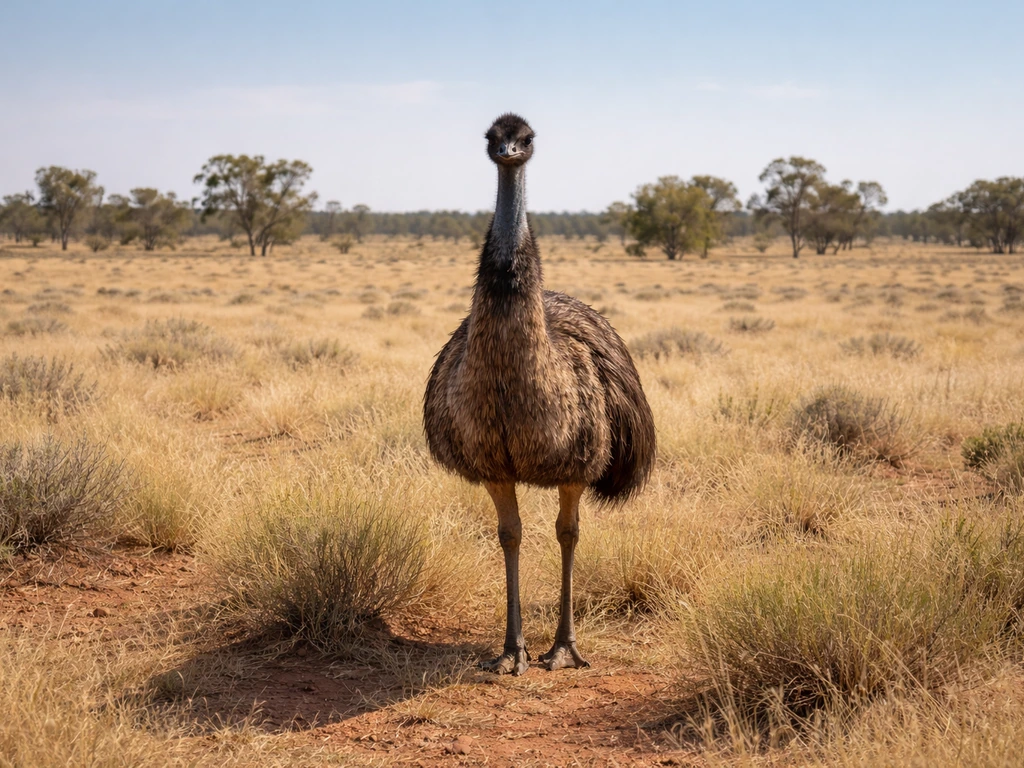
Where emus live in Australia, preferred habitats, what they avoid, and how rainfall and seasons shift their range.
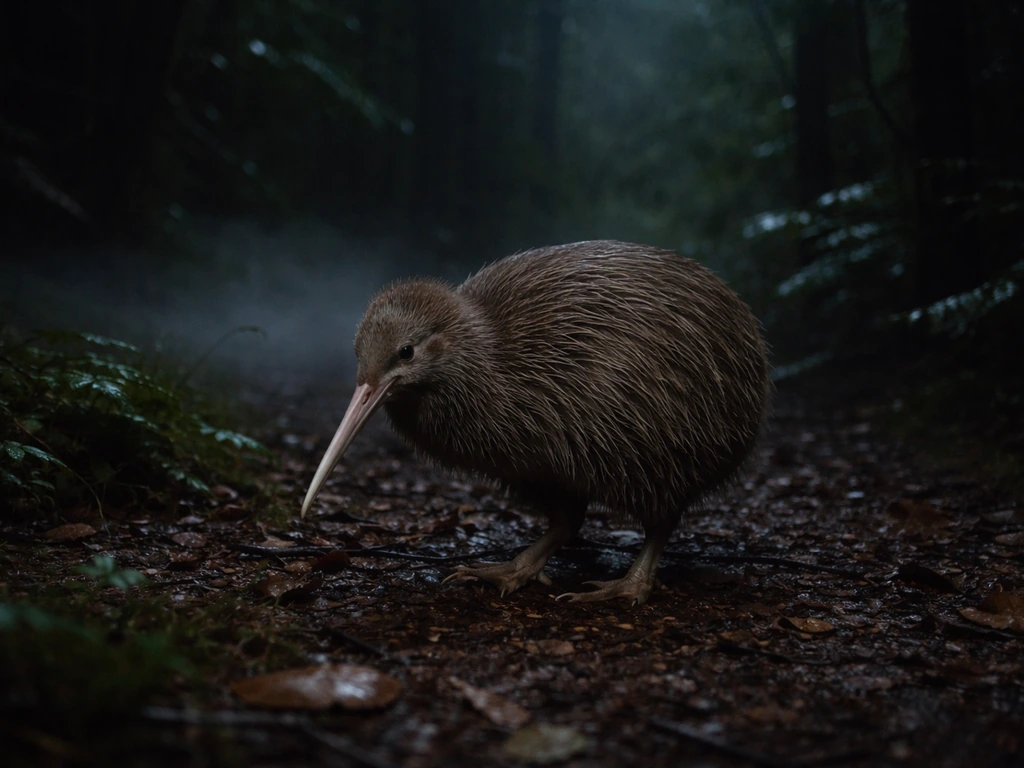
Find out if kiwi birds are endangered, which species are at risk, and the main threats like predators and habitat loss.
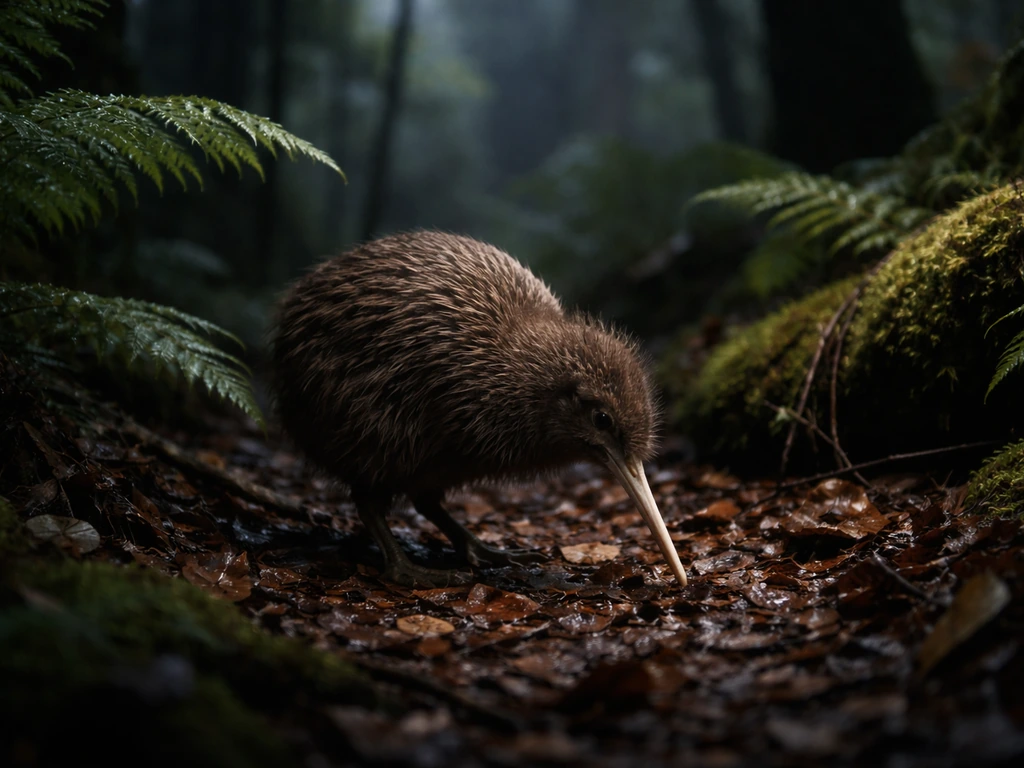
Where kiwi live in New Zealand, habitat types, island ranges, and how predators shrink sightings to sanctuaries.