
The erosion bird is not a real species. It is an AI-generated image that went viral on TikTok in September 2023, depicting a large, human-sized bird-like creature standing in a snow-covered mountain range. The creator tagged it with #aiart from the start. There is no scientific record of an "erosion bird" in any major taxonomy database, and no museum or ornithological authority has ever documented one. If you saw a photo online and wondered whether this was a newly discovered or extinct species, the answer is a clear no. If you are wondering, is the erosion bird extinct, the answer is that it was never a real species to begin with.
Is the Erosion Bird Real or Fake? Quick Verification Checklist

Maya Hennessy
26 Apr 2026
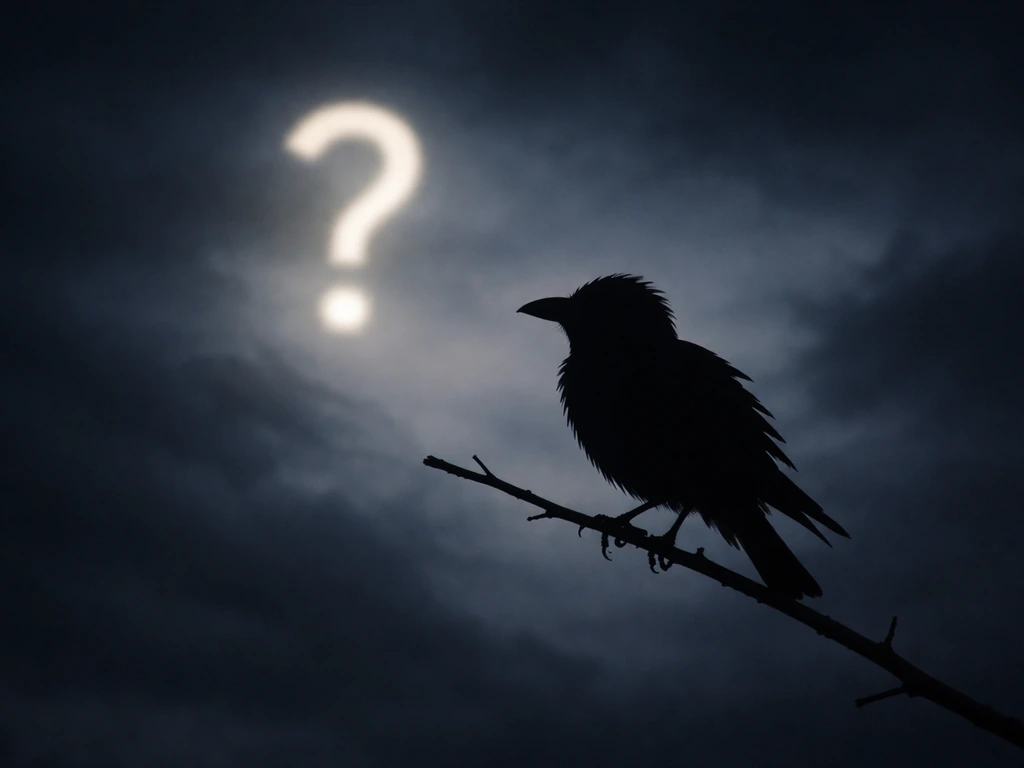
What "erosion bird" actually refers to

The name "erosion bird" is meme slang, not a scientific label. The image first appeared on TikTok on September 12, 2023, posted by a creator going by @drevfx. The caption described "bird-like beings discovered in an Antarctic mountain range," which was written as atmospheric meme lore rather than a genuine wildlife report. The image shows a massive feathered creature, larger than a human, with a striking coat of white feathers and an exaggerated beak. It fits the aesthetic of internet cryptid content, which is exactly the category it belongs to.
The creature also circulates under other names: "opium bird" and the "2027 bird" or "meme from 2027." Know Your Meme officially categorizes it as AI-generated, under the types: AI-generated, Animal, Viral Video. These alternate names all refer to the same image and the same AI art piece. The "erosion" label likely stuck because of the rocky, weathered mountain setting in the image and the general aesthetic of slow, ancient, eroded landscape that the AI art evokes.
Real species, misidentification, or hoax?
This one lands firmly in the hoax-adjacent category, though calling it a deliberate hoax isn't entirely fair. If you still wonder whether it is the erosion bird real, remember the name is meme slang and the image is AI-generated. The original creator consistently used the #aiart hashtag, which means the deception happened downstream as the image was reshared without that context. By the time it spread beyond TikTok, many viewers were seeing just the image and the Antarctic discovery framing, stripped of the AI art label.
Sportskeeda's fact-check confirmed there is no scientific evidence for the "opium bird" or erosion bird as a real animal, and Unique News Online rated the 2027 viral meme as outright fake. blank" rel="noopener noreferrer">A version of the image even appears on Wikimedia Commons, catalogued as meme artwork rather than as a wildlife photograph or museum specimen. No authoritative ornithological body, no natural history museum, and no peer-reviewed publication has referenced this creature as a real or extinct species. Many readers also ask whether the erosion bird is extinct, but there is no evidence it ever existed as a real species extinct species.
How to verify erosion bird images yourself

When you see a "mysterious bird" image circulating online, a few quick checks will tell you almost everything you need to know. Some Redditors in r/chrome also point out that when Google’s reverse-image workflow via Lens is disappointing, they use blank" rel="noopener noreferrer">TinEye instead. Here is how to work through it. TinEye’s help documentation describes its “reverse image search,” where you search by uploading or passing the image instead of using text keywords blank" rel="noopener noreferrer">TinEye’s “reverse image search”.
- Run a reverse image search immediately. Use Google Images or TinEye and drag the photo in. If the earliest results point to TikTok meme accounts, Reddit, or Know Your Meme rather than a museum, wildlife organization, or scientific publication, that is a major red flag.
- Check the caption and hashtag history. On TikTok and Instagram, hashtags attached to the original post often survive resharing. If the original included #aiart, #aianimals, or similar tags, the creator already told you what it is.
- Look at the image quality and anatomy. AI-generated creatures often have anatomically inconsistent features: feathers that blend into fur, feet that don't match the body plan, or lighting that doesn't match the environment. The erosion bird has all of these.
- Search the species name in a reliable database (see the next section). If no result appears in GBIF, Avibase, or the IUCN Red List, the name is not recognized in science.
- Check the provenance of any claimed "discovery." Real wildlife discoveries produce a formal species description published in a peer-reviewed journal. No journal paper, no discovery.
Where to check reliable records
If you want to confirm whether any bird name is legitimate, these are the databases that matter. Every recognized living bird species (and many extinct ones) will appear in at least one of them.
| Database | What it covers | URL to check |
|---|---|---|
| IOC World Bird List | Every recognized living bird species globally, updated regularly | worldbirdnames.org |
| GBIF (Global Biodiversity Information Facility) | Occurrence records and taxonomy for all life, including birds | gbif.org |
| Avibase | Comprehensive bird taxonomy and synonyms across naming systems | avibase.bsc-eoc.org |
| IUCN Red List | Conservation status of all assessed species, including extinct birds | iucnredlist.org |
| eBird (Cornell Lab) | Reported sightings and range data for recognized species | ebird.org |
A search for "erosion bird" across all five of these databases returns nothing. Not as a species name, not as a common name, not as a synonym. That is as definitive a negative result as you can get in ornithology. If a bird is real and has been formally studied, it exists in these systems.
Real birds the erosion bird might be confused with
Part of why the erosion bird image gets traction is that genuinely strange-looking large birds do exist, and some of them have gone extinct relatively recently. If you are curious about when real bird extinctions happened, a bird extinction timeline can help you separate recent losses from viral myths. If you are trying to figure out what real species the image might be loosely based on or confused with, here are the most likely candidates.
- Moa (Dinornis robustus): A giant flightless bird from New Zealand, some species reaching over 3.5 meters tall. Extinct for roughly 600 years. The sheer scale of the erosion bird image echoes moa proportions, and the "ancient discovery" framing plays into this association.
- Terror birds (Phorusrhacids): Extinct predatory flightless birds from South America, some standing up to 3 meters tall with massive hooked beaks. The aggressive, towering silhouette of the erosion bird borrows from this kind of imagery.
- Southern cassowary (Casuarius casuarius): A living flightless bird in Australia and New Guinea, known for its dramatic casque, vivid blue neck, and genuinely dangerous temperament. It is often shared in "you won't believe this is real" viral content.
- Emperor penguin (Aptenodytes forsteri): The Antarctic setting of the erosion bird meme likely draws loose inspiration from real Antarctic bird life, and the emperor penguin is the actual large bird species of that region.
- Haast's eagle (Hieraaetus moorei): An extinct New Zealand raptor with a wingspan up to 3 meters, capable of taking moa as prey. The combination of large bird plus dramatic mountain setting loosely echoes this species.
The erosion bird borrows aesthetics from several of these real animals but is not a depiction of any of them. It is a composite AI invention. If you are genuinely interested in the real science behind large, bizarre, or extinct birds, the moa, terror birds, and Haast's eagle are worth exploring as their own extraordinary stories. If you are curious about the dinosaur-to-bird transition, this dinosaur bird evolution timeline is a helpful adjacent reference. The bird extinction timeline is a useful frame for understanding how recently many of these giant species disappeared.
Quick verification checklist for any suspicious bird claim

Save this and use it the next time a "discovered" or "mysterious" bird image crosses your feed. It takes about five minutes and will answer the question almost every time.
- Reverse image search the photo in Google Images or TinEye. Check where the image first appeared and what context surrounded it.
- Search the species name in the IOC World Bird List at worldbirdnames.org. If it is not there, it is not a recognized living species.
- Cross-check GBIF and the IUCN Red List for the same name. These cover extinct and fossil species too.
- Look for a scientific (Latin) name. Every real species has one. If the claim only uses a catchy common name and no binomial, be skeptical.
- Search for a peer-reviewed paper describing the species. Real discoveries are published in journals like Zootaxa, The Auk, or Ibis.
- Check Know Your Meme and Snopes for the specific image or name. If it is a meme, it will almost certainly be documented there.
- Look at the original post's hashtags. Creators using #aiart are telling you directly what the content is.
- Assess the anatomy critically. Real birds follow consistent body plans shaped by evolution. AI images frequently break these rules in small but obvious ways.
The erosion bird is a genuinely compelling piece of AI art, and it is easy to understand why people stop and wonder. But wonder is different from evidence. Real extraordinary birds, from the dodo to the moa to the living cassowary, are extraordinary enough on their own terms without needing fabricated cryptids to make avian natural history interesting. There are no credible records showing real bird fossils that match the erosion bird story.
If a "new" bird discovery grabs your attention, run the checklist first. The real species waiting at the end of that search are almost always worth more than the meme. If you meant fossilized birds you can catch in Pokemon Shield, you can get them through the game’s fossil system erosion bird.
FAQ
What should I look for in the caption or source to tell if “erosion bird” is meme lore versus real wildlife reporting?
If the post uses phrasing like “discovered in Antarctica” or “ancient erosion,” treat it as lore, not reporting. Real wildlife news usually includes a named expedition, date, location coordinates, and a sourceable research team, not just an image caption plus vague mystery framing.
Why do reposts make it harder to verify, and how can I find the original “erosion bird” upload?
Before believing it, try searching by the creator handle, posting date, and any visible hashtags (like #aiart). Downstream reposts often remove the tag, so the original upload metadata is usually the deciding factor.
Are there image-only signs that the “erosion bird” is AI-generated, even if the page lacks obvious disclaimers?
AI artifacts can be a clue even when the caption claims otherwise. Look for inconsistent feather detail, warped anatomy, impossible scale relationships, and unnatural shadow or lighting patterns, especially around the beak and legs.
Should I search only “erosion bird,” or also the other names like “opium bird” and “2027 bird”?
The fastest approach is to treat “erosion bird” as a nickname and test alternative spellings and terms people attach to it, like “opium bird” or “2027 bird.” If none of those turn up in bird species databases, it is strong evidence the label is not a legitimate taxon.
Could it be a real extinct species that people are misnaming as “erosion bird”?
No, “extinct” status cannot be concluded from a viral photo. If an animal were known from fossils or specimens, you would expect formal descriptions, specimen records, and repeatable references, not just a single AI image circulating without documentation.
How can I verify the location claim, like “Antarctic mountain range,” without getting pulled into the story?
If you want to cross-check the scene itself, verify whether the claimed region or timeframe is mentioned with specifics. “Antarctic mountain range” alone is too broad, and many viral posts reuse generic icy landscapes that do not correspond to any documented expedition setting.
What are common scams or mistakes I might see when people try to add fake facts around “erosion bird”?
If a page offers “family trees,” “breeding facts,” or “habitat ranges” without pointing to a study or specimen basis, treat it as fabrication. Real species information is typically grounded in taxonomy, with consistent terminology and documented evidence.
If I already saw the image, what is the quickest practical way to confirm whether it is just reused AI artwork?
A good next step is to save the image URL and reverse-image search it. If the same image appears in multiple meme contexts and categorized as AI or artwork, that pattern usually confirms it is not a new or real discovery.
Next Articles
Is the Dodo Bird Still Alive? What Evidence Shows Today
Learn if any dodos could exist today, why scientists say they are extinct, and how to judge sightings reliably.
Does Dodo Bird Still Exist? Answer and Extinction Facts
No, dodo birds are extinct. Learn when, why, where they lived, and how evidence confirms it.
Are Scientists Bringing Back the Dodo Bird? What’s Real
Explains dodo de-extinction reality, the science limits, and why researchers want to revive it or not.