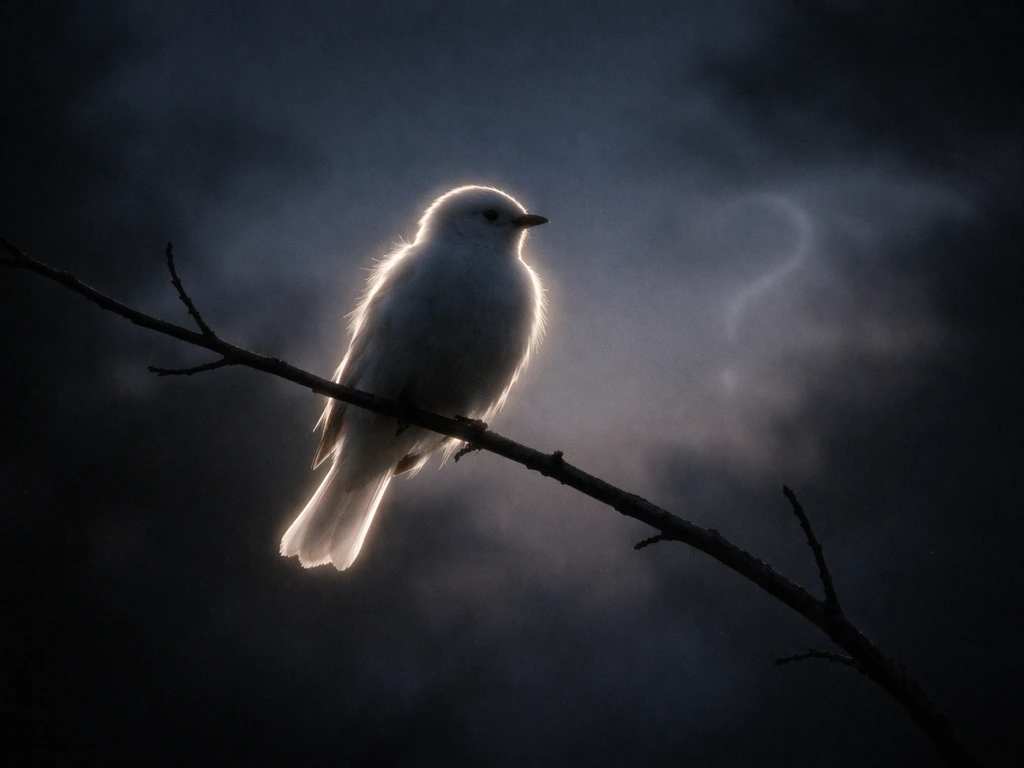
There is no bird species officially named the 'Kodiak bird. Because searches for “Kodiak bird” sometimes mix in unrelated folklore, the same quick verification method applies to claims like “opium bird.” is the opium bird real. ' The term does not appear in any scientific taxonomy, museum catalog, or conservation database as a standalone species name. What does exist is a recognized subspecies tied directly to Kodiak Island: the Pacific Wren subspecies Troglodytes pacificus helleri, sometimes informally called the Kodiak Wren. When people search for a 'Kodiak bird,' they are almost always running into this subspecies, a distribution reference to a well-known species that ranges through Kodiak, or occasionally a piece of online misinformation.
Is the Kodiak Bird Real? What It Might Be and How to Verify

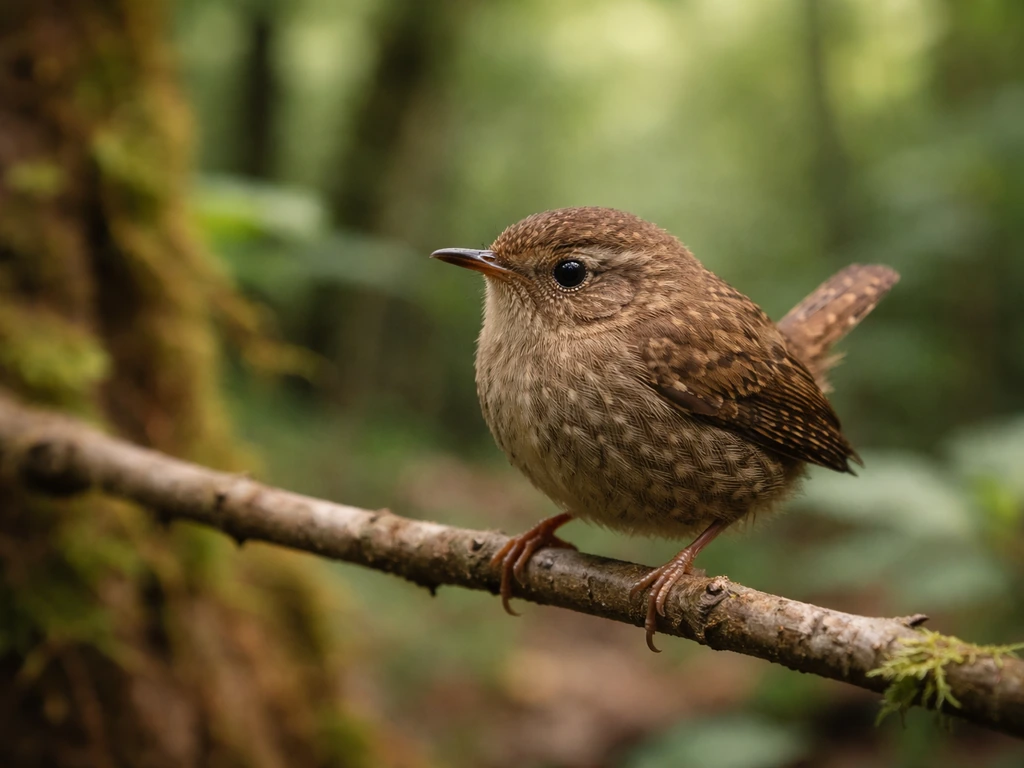
What people usually mean by 'Kodiak bird'
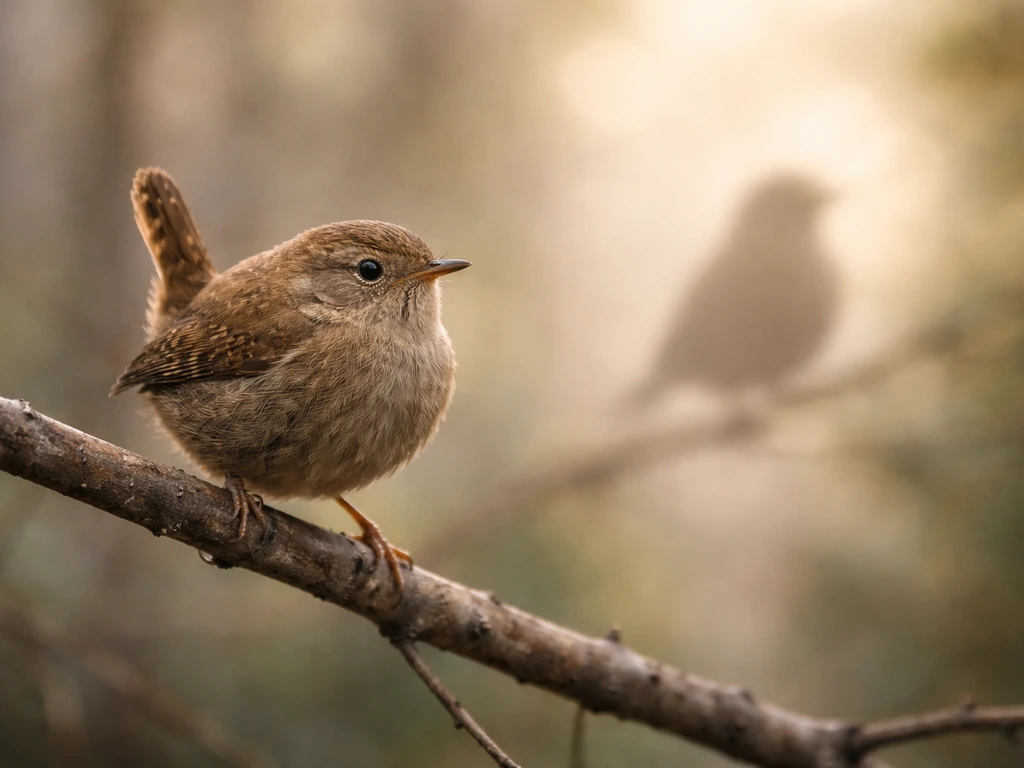
The phrase gets used in a few different ways, and knowing which one applies to your search saves a lot of confusion. Most of the time, the term comes up in one of these contexts:
- A casual nickname for the Pacific Wren subspecies Troglodytes pacificus helleri, which is endemic to Kodiak and nearby Afognak and Raspberry Islands in Alaska.
- A geographic label attached to any bird seen or photographed on Kodiak Island, such as 'that Kodiak bird I saw last summer,' which could be any of dozens of species found there.
- A rumored or fictional creature circulating on social media, where someone claims a 'Kodiak bird' is a mysterious or undocumented animal.
- A misreading of birding forum tags or gallery labels, where 'alaska kodiak island pacific wren' gets condensed into 'Kodiak bird' by someone skimming the page.
The island itself, Kodiak in the Gulf of Alaska, supports a genuinely rich bird fauna including Tufted Puffins (Fratercula cirrhata), Common Goldeneyes (Bucephala clangula americana), and wintering Steller's Eiders (Polysticta stelleri). Museum collections at the Smithsonian hold multiple specimens collected from Kodiak, each cataloged under their proper scientific names. None of them are labeled 'Kodiak bird.' The island is a location, not a species.
Quick verdict: is there a documented species with that name?
No. There is no species named Kodiak bird in any major taxonomic checklist, including the American Ornithological Society's North American checklist, the Trust for Avian Systematics H&M4 checklist, or any NatureServe or eBird database. If you search 'Kodiak bird' in any of those resources, you will get zero results for a species by that name. What you will find is Troglodytes pacificus helleri listed with 'Kodiak' appearing in its range description: 'Kodiak, Afognak, and Raspberry Islands, S Alaska.' That is a subspecies with a real scientific name, not an unnamed mystery bird.
The real species people confuse it with
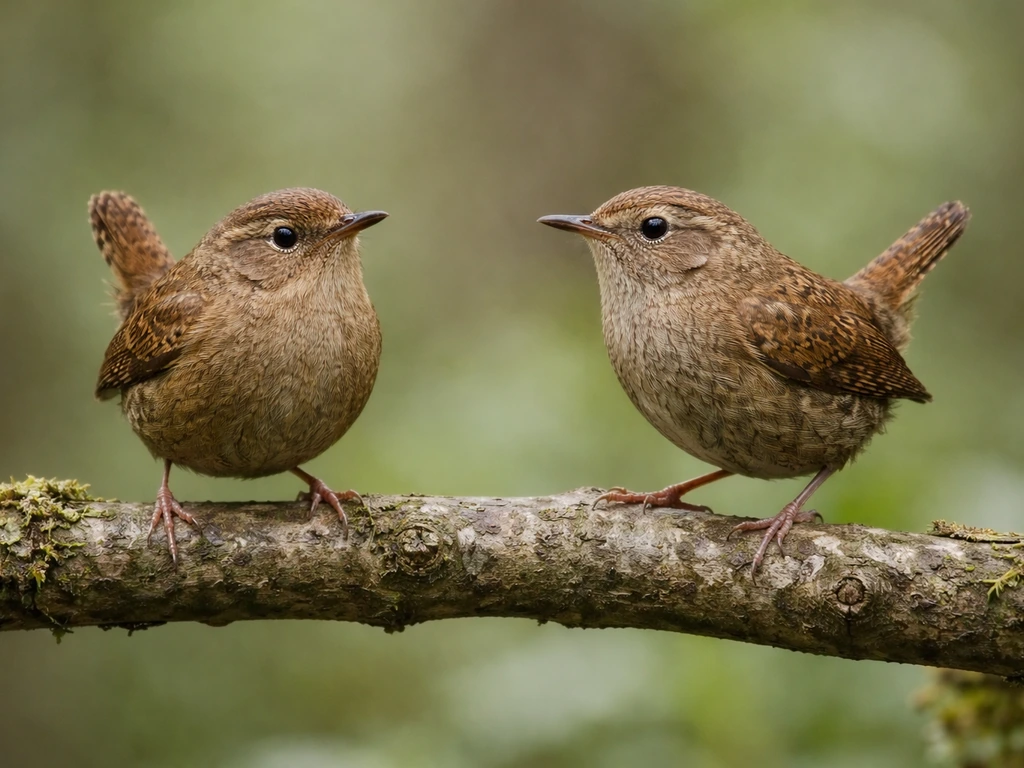
The strongest candidate for what most people are actually looking for is the Kodiak Pacific Wren, Troglodytes pacificus helleri. This subspecies was formally described by Osgood in 1901 and is recognized in the scientific literature as endemic to the Kodiak Archipelago. It shows up in blank" rel="noopener noreferrer">BirdForum galleries tagged with 'alaska kodiak island pacific wren troglodytes pacificus' and the comment 'This is T.h. helleri subspecies,' which is exactly the kind of label that can be misread as referring to something called a 'Kodiak bird.'
Pacific Wrens in general are tiny, round, hyperactive birds with short upright tails and a surprisingly loud, complex song. The helleri subspecies is the island-isolated form of this species, and that isolation matters both ecologically and genetically. Research published in Ornithological Applications specifically flags 'Troglodytes p. helleri of the Kodiak Archipelago' as a subspecies of conservation concern, partly because island populations are inherently more vulnerable to local disturbances than mainland populations.
A secondary source of confusion comes from Steller's Eider. This threatened sea duck winters as far east as Kodiak Island, and because 'Steller's Eider Kodiak' appears in U.S. Fish and Wildlife Service and Alaska Department of Fish and Game descriptions, someone skimming those pages could easily assume 'Kodiak' is part of the bird's name rather than its wintering range.
History and background of the Kodiak Pacific Wren
How the subspecies came to be recognized
Wilfred Hudson Osgood formally described helleri in 1901, naming it after Edmund Heller who collected specimens on the islands. A Smithsonian Repository bitstream explicitly references “TROGLODYTES TROGLODYTES HELLERI (Osgood) KODIAK WREN,” showing Kodiak-associated wrens are handled as a named taxon (with “Kodiak” in the locality/common-name context). Smithsonian repository documents from that era discuss 'helleri of Kodiak Island, Alaska' within the broader taxonomy of the wren genus, placing it in the scientific record over a century ago. It was not a sudden discovery or a rumor. It was collected, examined, and documented the way any subspecies was in that period of intensive North American ornithological surveying.
The taxonomy took a notable turn in 2010 when the American Ornithological Society split the Winter Wren (Troglodytes troglodytes as understood in North America) into three separate species: the Winter Wren, the Pacific Wren (Troglodytes pacificus), and the Eastern species. The Fifty-First Supplement to the AOU checklist formalized this split, placing helleri under Troglodytes pacificus rather than the old Troglodytes troglodytes umbrella. This reclassification is part of why older records and some online discussions can be confusing. A pre-2010 reference might call this bird a 'Kodiak Island Winter Wren,' while a post-2010 source correctly calls it a Pacific Wren subspecies.
Why island isolation matters for this bird's story
Island subspecies like helleri evolve in relative isolation from mainland populations, which can produce distinct morphological or genetic traits over generations. The Kodiak Archipelago's separation from the Alaska mainland creates a natural experiment in avian divergence, similar in principle to the famous flightless birds that evolved on isolated islands worldwide. The helleri subspecies is one of several Pacific Wren island forms along the North Pacific Rim, and population genetics research has confirmed that these island populations show significant differentiation from each other and from mainland birds.
Current status and threats
The Alaska Species Ranking System (ACCS) assessed Troglodytes pacificus helleri as of December 2017 and classified it as Endemic to Alaska with a formal conservation ranking. The subspecies is not currently listed as federally endangered, but it draws conservation attention for the same reasons most island-endemic subspecies do: limited range, small total population, and sensitivity to habitat disturbance.
The Kodiak Archipelago supports dense old-growth Sitka spruce and mixed forests, which Pacific Wrens depend on for nesting and foraging. Threats to helleri include changes to forest cover, introduced predators (Kodiak has been dealing with invasive species management for decades), and longer-term climate-driven shifts in the archipelago's vegetation. The research flagging this subspecies as a conservation concern specifically notes that island wrens along the North Pacific Rim are more genetically isolated than previously thought, which makes local extinction harder to recover from through natural recolonization.
The Steller's Eider, which winters near Kodiak, sits in a more urgent category. It is listed as threatened under the U.S. Endangered Species Act, with Alaska breeding populations having declined sharply in the second half of the 20th century. Its presence in Kodiak-region discussions adds another layer to why searches for 'Kodiak bird' sometimes surface conservation content about a threatened species.
How to verify the claim yourself today

If you want to confirm any of this in under ten minutes, here is exactly what to check and where:
- Search 'Troglodytes pacificus helleri' in the Cornell Lab of Ornithology's Birds of the World or eBird. You will find it listed as an accepted subspecies with Kodiak Island in its range. If 'Kodiak bird' were a real species, it would have its own entry with a unique scientific name.
- Check the Alaska Species Ranking System at the Alaska Center for Conservation Science (search 'Pacific Wren Kodiak'). The entry explicitly names the taxon as Troglodytes pacificus helleri and assigns it a formal conservation rank.
- Run a search in the iDigBio biodiversity portal using 'Kodiak' as a locality field. You will get results linking real species like Fratercula cirrhata and Bucephala clangula americana to Kodiak Island specimens, but nothing under a species called 'Kodiak bird.'
- Check the Smithsonian Institution's online collections (collections.si.edu) and search 'Kodiak Island' as a locality. Every specimen will have a proper scientific name. No mystery 'Kodiak bird' entry will appear.
- Look at the Trust for Avian Systematics H&M4 Checklist online. Search 'helleri' and confirm the subspecies distribution reads 'Kodiak, Afognak, and Raspberry Is., S Alaska.' This is the authoritative source confirming the name is a subspecies designator, not a species called 'Kodiak bird.'
If you encounter a website, video, or social media post claiming a 'Kodiak bird' is a distinct, undocumented, or mysterious species, the test is simple: ask for the scientific name and the taxonomic authority. If no scientific name is provided, or if the name does not appear in any of the above databases, the claim is not supported by ornithological science.
Practical next steps if you find conflicting information
Conflicting information about named or rumored birds is genuinely common online, especially for obscure regional names. The same thing happens with other birds that carry informal regional labels, and this site has explored similar name-versus-reality questions for other species that turn out to be misidentified or folkloric on closer inspection. Here is how to work through the confusion:
- Always try to find a scientific binomial name. Common names like 'Kodiak bird' are not regulated, but scientific names are governed by the International Code of Zoological Nomenclature and are globally consistent. If a source cannot give you a Latin name, treat the claim skeptically.
- Check whether the name appears in any peer-reviewed ornithology journal. Google Scholar searches for 'Kodiak bird species' versus 'Troglodytes pacificus helleri' will show you immediately which term has a real scientific literature trail.
- Use the NatureServe Explorer database to search for any bird by common or scientific name in the Alaska region. Subspecies with conservation rankings appear there; invented or informal names do not.
- If you found the claim on a social media video or an entertainment-focused website, cross-reference it with BirdForum, eBird, or the Audubon Society's species guide before repeating it.
- For museum specimen questions, the iDigBio portal aggregates records from hundreds of natural history collections and is searchable by locality, collector, and scientific name. It is free and takes about two minutes to use.
The broader lesson from the 'Kodiak bird' question applies to any regional bird name you cannot immediately verify. If you have been wondering about sightings tied to the phrase "have you seen this bird passenger pigeon," the same verification approach and databases apply. Geographic labels, subspecies distribution notes, and local nicknames often get detached from their original context and take on a life of their own online.
Sticking to scientific names and cross-checking in at least two independent databases cuts through most of that noise quickly and reliably. If you are also wondering is the shima enaga bird real, you can use the same approach: look for a scientific name and verify it in major bird databases. If you meant the Kodiak Pacific Wren, it is found in India only if someone is mislabeling records; the subspecies is endemic to the Kodiak Archipelago in Alaska.
FAQ
If I see “Kodiak bird” on a field guide or blog, what should I check first to verify it?
Look for the scientific name and the taxonomic authority (who described it, and the year). If the post only uses “Kodiak bird” with photos or location text but no formal scientific designation, treat it as an informal label and not a recognized species.
Is “Kodiak bird” ever a legitimate shorthand for multiple species I might see on Kodiak Island?
Yes. People may bundle different Kodiak-related birds into one phrase when they are really referring to the island’s wintering or nesting fauna. To avoid mix-ups, confirm whether the content is describing a species present on Kodiak (like a wren or eider), or a subspecies whose range includes Kodiak.
How can I tell whether “Kodiak” in a source is a range description or part of the bird’s official name?
Check whether “Kodiak” appears in the range text (for example, “Kodiak, Afognak, and Raspberry Islands, S Alaska”) versus being positioned like a species epithet in the scientific name. Only the scientific name structure tells you which part is taxonomy versus geography.
What’s the most common misidentification people make when searching for a “Kodiak bird”?
They conflate the real subspecies Troglodytes pacificus helleri (Kodiak-associated Pacific wren) with the idea of an undocumented “Kodiak” species. Another frequent confusion is mixing up Kodiak as a location with Steller’s Eider, where “Kodiak” is about wintering range, not the species name.
If a website claims the Kodiak bird is a new species, how do I evaluate whether it could be credible?
New species claims should still include a formal scientific name and a describer or publication (taxonomic authority, year). If a claim cannot be cross-checked in major bird taxonomy databases, it is most likely a misidentification, re-used folklore label, or an unreviewed anecdote.
Could older references call this bird something different than it is called today?
Yes. Taxonomy changed in the 2010 era when Winter Wren concepts were split and Pacific Wren was treated separately, which can shift how helleri is listed. If you are comparing sources from before and after that period, expect wording differences but verify the underlying scientific name.
If the Kodiak Pacific Wren is an island subspecies, why does that matter for conservation or reporting?
Island endemics can be more vulnerable because the population has limited space to recover if habitat is disturbed. When you see “conservation concern” language, it is often about the subspecies-level range and genetic isolation, not necessarily federal endangered status.
I want to confirm a sighting. What practical cues can help distinguish a Pacific wren from other small birds on Kodiak?
Use behavior and song patterns, not just size. Pacific wrens are tiny, very active, and can have a loud, complex song, and their short upright tail posture is a common visual clue. Photo-only claims often miss these behavior details.
Where does Steller’s Eider fit into the “Kodiak bird” confusion?
It can appear in Kodiak-region summaries because it winters near Kodiak, so skim readers may think “Kodiak” is part of the bird name. The key is to separate wintering location text from the species’ official scientific name.
If I’m searching “Kodiak Pacific Wren,” should I expect it to be found anywhere else besides Alaska?
The helleri subspecies is described as endemic to the Kodiak Archipelago, so if you see it presented as occurring broadly elsewhere, verify the context and whether the source is listing a general Pacific Wren rather than the specific helleri island form.
Is the Opium Bird Real? How to Verify the Claim
Is the opium bird real? Learn how to verify the claim with taxonomy checks, databases, and image cross-references.