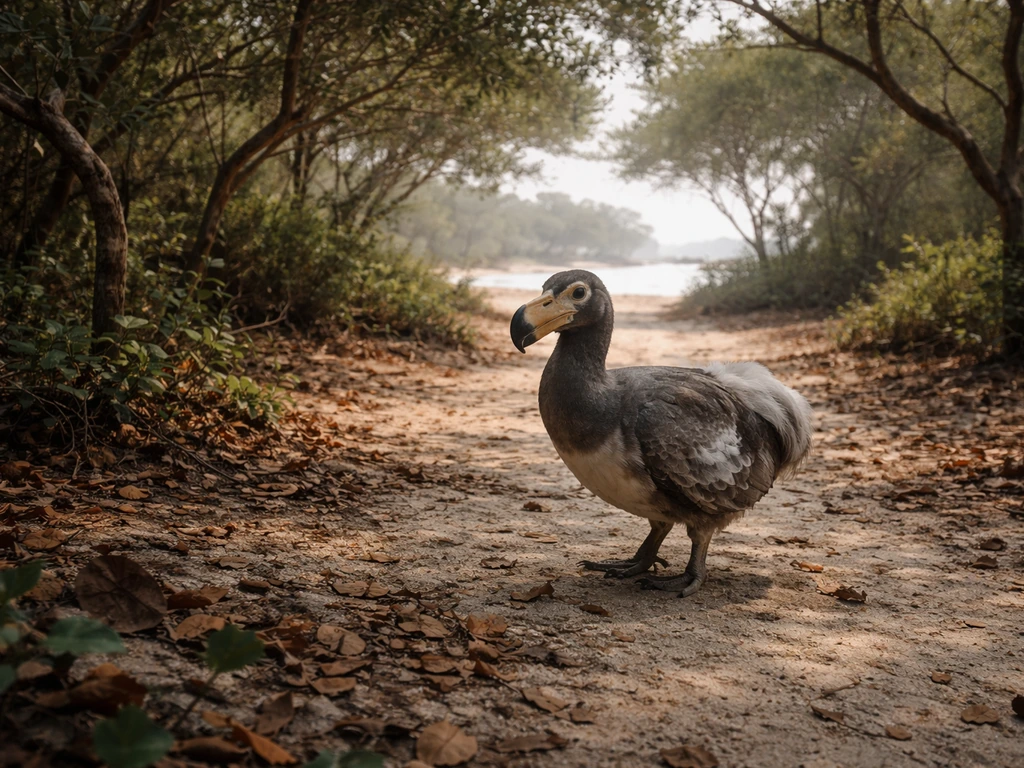
The opium bird is not a real species. There is no bird scientifically described, taxonomically classified, or recorded in any ornithological database under the name 'opium bird' or 'erosion bird.' What you are looking at online is AI-generated digital art that went viral on TikTok in September 2023, not a field sighting, museum specimen, or peer-reviewed discovery.
Is the Opium Bird Real? How to Verify the Claim

Maya Hennessy
25 Apr 2026
What people actually mean by 'opium bird'
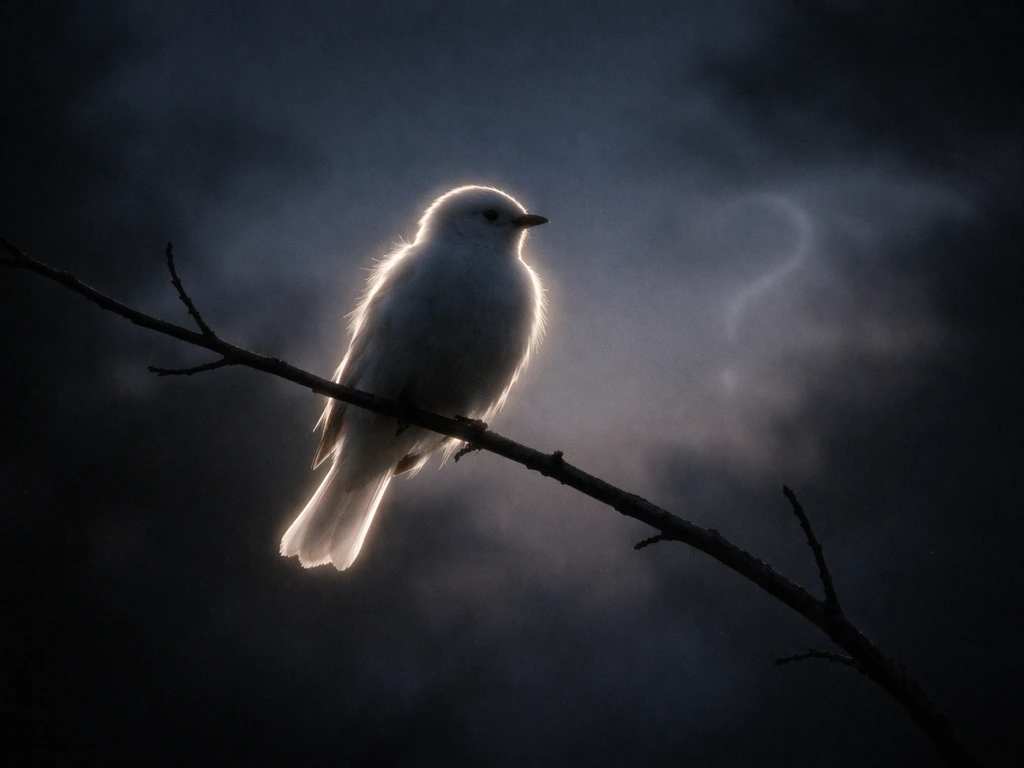
The term has two parallel lives online, and it helps to separate them. In modern viral internet culture, 'opium bird' (also called the 'erosion bird') refers specifically to an AI-generated image of a huge, roughly 10-foot-tall white bird with a mutant-like, unsettling appearance. A TikToker credited as @drevfx uploaded the original video on September 12, 2023, and the clip spread fast enough that Know Your Meme formally documented it as a meme on September 28, 2023, with continued updates through late 2024. Know Your Meme documents that @drevfx uploaded the first Erosion Bird video on September 12, 2023, before the meme was formally documented @drevfx uploaded the original video on September 12, 2023. Urban Dictionary, Wikimedia Commons, and DeviantArt all treat it the same way: a fictional creature from AI art, not a wildlife encounter.
The second, much older use of the word 'opium' near birds is completely unrelated. Historical texts about the opium trade in China, veterinary literature mentioning tincture of opium for sick birds, and land-use writing about drug-crop regions occasionally place 'opium' and 'bird' in the same sentence. None of that adds up to a species name. These are just coincidences of language, not taxonomic references.
Is there any scientific record of an 'Opium Bird' species

No. A search of the Global Biodiversity Information Facility (GBIF), which indexes millions of species occurrences and taxonomic records worldwide, returns zero matches for 'opium bird' as a recognized taxon. The same search for 'erosion bird' produces the same result: nothing. That matters because GBIF pulls from museum collections, field databases, and peer-reviewed literature. If a bird had ever been formally described under either name, even as a synonym or a historical common name, it would show up. It does not.
Sportskeeda ran a direct fact-check on the question and reached the same conclusion: there is no scientific evidence of an opium bird existing as a species. The viral content is categorized under AI art on Know Your Meme, sitting alongside other internet cryptid trends rather than alongside species discoveries or conservation alerts. Ornithology has a clear pipeline for naming new birds: a specimen is collected or thoroughly documented, a scientific paper is published, and the name enters formal taxonomy. None of that happened here.
How this idea spreads online
The pattern is familiar if you follow wildlife misinformation. Someone creates a striking, otherworldly image using AI art tools and posts it without a clear 'this is fiction' label. The visual is compelling enough that people share it as a curiosity, sometimes adding captions that treat it as real. Reposts strip context. By the time a clip reaches someone three or four shares removed from the original, they have no way of knowing the source was creative content rather than a nature documentary clip.
Reddit threads show exactly this dynamic. On r/birding, users discussed what the opium bird's call might sound like 'if it were real,' which tells you the birding community understood it was fictional. On r/cryptids, someone posted about seeing 'a white thing that looked like the Opium bird on US20 in Indiana,' treating the meme image as a reference point for a real sighting they could not explain. That is how fictional visuals become folk cryptids: people encounter something unusual, reach for the closest mental image they have, and the meme fills the gap. When people ask where the opium bird live, they are usually referring to the viral AI image rather than any documented habitat where opium bird live. DeviantArt fan art pages have extended the creature's life further, giving it a growing body of fictional lore that makes it feel more established than it is.
How to verify a bird claim like this yourself
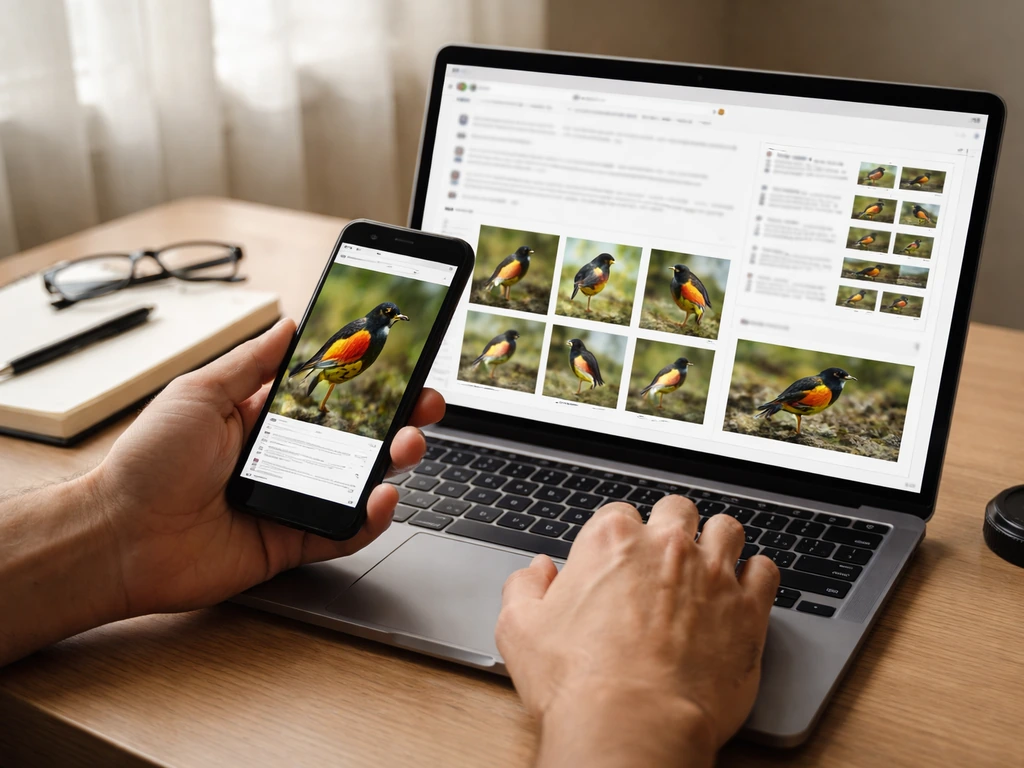
You do not need specialist tools or a biology degree to fact-check a supposed bird species. Here is the practical process I would walk through for any mystery bird name you encounter online.
- Search GBIF (gbif.org) for the common name and see if it resolves to a species record with a scientific name, occurrence data, and a taxonomic classification. No record means no recognized species.
- Check the Cornell Lab of Ornithology's Birds of the World database or eBird for the common name. These are the gold standards for English common names in ornithology.
- Run a reverse image search on any photo or video frame being shared. If the image traces back to AI art platforms, fan art sites, or a specific creator's social media account rather than a field guide or scientific paper, treat it as fictional until proven otherwise.
- Search Know Your Meme and Urban Dictionary for the name. If either site has an entry treating it as a meme or internet phenomenon, that is a strong signal the claim is not grounded in taxonomy.
- Look for a scientific binomial (Latin genus and species name). Every real described bird has one. If you cannot find a Latin name attached to the claim anywhere in credible literature, the species almost certainly does not exist as a formally described organism.
- Check whether a museum specimen exists. Natural history museums like the Smithsonian or the Natural History Museum in London hold type specimens for described species. No specimen, no species.
Real birds people might be thinking of
Because the AI-generated opium bird is depicted as an enormous white bird, it is worth knowing which real large white birds actually exist, in case someone had a genuine sighting they are trying to explain. The confusion often runs in that direction: someone sees something impressive in the wild, cannot identify it, and the meme image is the closest thing they have seen that matches the scale or color.
| Real Bird | Size | Where Found | Key Feature |
|---|---|---|---|
| Whooping Crane | Up to 5 ft tall, 7.5 ft wingspan | North America (migratory) | Critically endangered; bright red crown; pure white plumage |
| Trumpeter Swan | Up to 4.6 ft long, 8 ft wingspan | North America | Largest native North American waterfowl; all-white adult plumage |
| Great Egret | Up to 3.3 ft tall | Worldwide on wetlands | Slender white heron; long black legs and yellow bill |
| American White Pelican | Up to 5.4 ft long, 9 ft wingspan | North America | Massive white bird with orange bill; often seen in groups |
| Wandering Albatross | Up to 4.4 ft long, 11 ft wingspan | Southern Ocean | Largest wingspan of any living bird; white body with black wingtips |
None of these are 10 feet tall, which is the scale described for the AI opium bird. That exaggerated size is one of the clearest tells that the image is fictional: no bird species alive today reaches that height. The tallest living bird is the ostrich, which tops out around 9 feet, and ostriches are not white and not found wandering Indiana highways.
If you are interested in giant extinct birds that did reach dramatic sizes, that is a genuinely fascinating area. The elephant bird of Madagascar and the moa of New Zealand were enormous flightless species, though neither was white and both went extinct centuries ago. The site also covers other birds whose names have circulated online with questions about whether they are real, including discussions of the surkhab bird from India and similar cases where folk names or internet labels get confused with scientific records. To check similar claims, you can also look into where the surkhab bird is found in India.
What to conclude and where to go next
The bottom line is clear: the opium bird does not exist as a species. It originated as AI-generated art posted to TikTok in September 2023, spread through reposts that stripped the fictional context, and has since accumulated fan art, Reddit threads, and meme documentation, none of which constitute scientific evidence. Have you seen this bird passenger pigeon? Learn how to tell when an internet “bird” claim is fictional instead of a real species. GBIF has no record of it. Ornithological databases have no record of it. No specimen, no binomial name, no field observation logged by a credentialed researcher.
If you want to dig further today, the most useful steps are to run the GBIF search yourself (it takes about 30 seconds and is free), check Know Your Meme for the full meme timeline, and if you had an actual sighting of a large white bird you could not identify, submit it to eBird with your location and description. eBird also explains that it maintains “common name” support through a cross-walk set linking its taxonomy with BirdLife and the HBW taxonomy via eBird Central blank" rel="noopener noreferrer">common name support through a cross-walk set. Real birders will help you identify it quickly. The opium bird is an internet cryptid in the same vein as other viral mystery creatures: compelling visually, built on AI imagery, and entirely absent from the scientific record. The Kodiak bird is also not recognized as a real bird species in scientific databases.
FAQ
If GBIF shows no matches, does that definitively prove the opium bird is fake?
It is a strong indicator, not an absolute proof, because GBIF depends on how data providers submit records. Still, if a bird had been formally described with a scientific name, a synonym, or a well documented common name, it would almost always appear in major biodiversity aggregations.
Could “erosion bird” be an alternate scientific name for the same creature?
Unlikely. Alternate names that relate to a real species are usually connected to a taxonomic authority and show up as synonyms. In this case, both labels return zero results in the same core databases, which is typical of fictional internet labels rather than taxonomic variants.
What should I check if someone claims there was a museum specimen or peer reviewed paper?
Look for a binomial name or at least a citation trail that includes author, year, and journal. If the claim only links to the viral image or uses vague phrases like “published evidence” without a specific taxon, it is almost certainly storytelling built on the meme.
How can I tell whether a “sighting” post is just reposted AI art?
Watch for telltale inconsistencies, like impossible scale, unstable or blurry details across frames, and captions that reuse the viral description (for example, “10 feet tall” and the same unsettling white look). Genuine wildlife videos usually include identifiable location context and camera metadata.
If real birds cannot be 10 feet tall, what living species do people most often confuse with this meme?
People often default to large flightless birds like ostrich-like shapes or to oversized silhouettes from distant footage. However, color and location usually do not match the claim, and the meme’s size exaggeration is a key mismatch.
I found an “opium bird” reference in an old book, does that mean there was a real bird species?
Not necessarily. Historical uses of “opium” near birds are usually about trade, farming regions, or veterinary treatments. Real species references typically include a consistent naming pattern tied to classification, not casual co-occurrence of two words in unrelated topics.
Is it worth reporting a “real sighting” to eBird even if I suspect it is the meme?
Yes, if you have a verifiable observation. Provide precise location, date, and a description of key features, and ideally include whether you saw it yourself. If it matches the meme’s impossible traits, eBird submission can still help others rule out known species or confirm a local mystery.
What is the fastest way to verify any similar viral “bird species” claim?
Start with a database check for both the exact name and common variants, then compare the described size and color to known candidates. Finally, look for a documentation trail that includes a specimen or a formal binomial name, not just social posts or edited AI images.
Next Article
Is the Dodo Bird Still Alive? What Evidence Shows Today
Learn if any dodos could exist today, why scientists say they are extinct, and how to judge sightings reliably.