
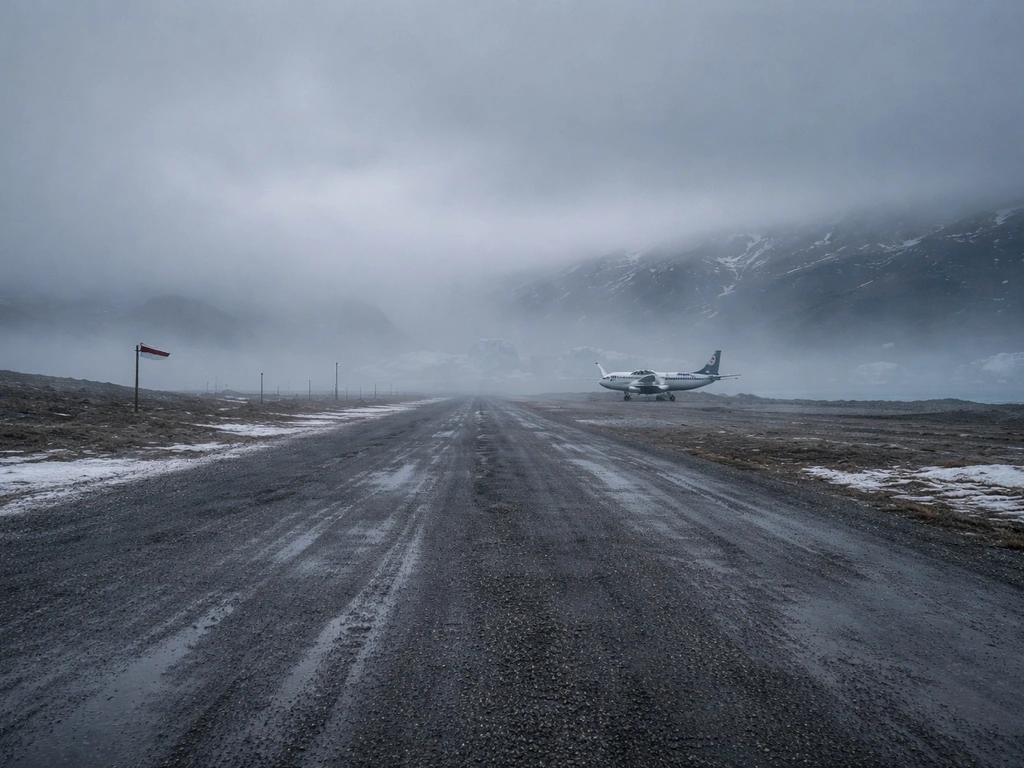
The most likely answer is that 'Viv Bird' is a narrator or host character in a survival podcast called 'Real Survival Stories,' specifically the episode titled 'Whiteout: Crash Landing in Greenland' produced by Noiser History Podcasts. If you mean the unrelated Big Bird from Sesame Street, his character has not been reported as going to jail in any real-world news or verified source did big bird go to jail. This is not an official aviation incident code, an aircraft tail number, or a confirmed historical accident record. If you searched for 'VIV bird plane crash Greenland' expecting a real verified crash with a bird strike, you may be chasing a story rooted in dramatized survival content rather than an entry in any aviation authority database.
Viv Bird Plane Crash Greenland: How to Identify the Real Incident

What 'VIV' and 'Viv Bird' actually refer to here
Let's break down every plausible meaning of 'VIV' in this context, because there are at least three distinct interpretations and only one of them currently ties to verified Greenland crash content.
- Viv Bird as a person or character: In the Noiser History Podcasts series 'Real Survival Stories,' the episode 'Whiteout: Crash Landing in Greenland' features a figure named Viv Bird. Transcripts and episode pages from that series consistently use this name in connection with a crash-landing narrative in Greenland. The framing is dramatized storytelling, not a dry aviation incident report.
- VIV as an airline ICAO/IATA code: In aviation databases and route aggregators, VIV is the code associated with VivaAerobus, a Mexican low-cost carrier. VivaAerobus does not operate routes to or from Greenland, and no bird-strike incident involving VIV-coded flights in Greenland appears in publicly available safety databases.
- VIV as an incident identifier or expedition tag: No confirmed use of 'VIV' as a formal crash reference number, expedition code, or wildlife-management case ID in Greenland has surfaced in Danish accident investigation records or NTSB-equivalent databases.
The podcast angle is by far the strongest match. 'Whiteout: Crash Landing in Greenland' is a real published episode with a real transcript, and 'Viv Bird' is the name attached to that story in the show's own materials.
The podcast’s transcript and discussion page for “Whiteout: Crash Landing in Greenland” again uses the name “Viv Bird” in connection with the Greenland crash storyline, pointing to branding or fictional storytelling rather than an aviation incident code Viv Bird is the name attached to that story in the show's own materials.
Whether Viv Bird is a real person whose experience was adapted into the episode or a fictional host persona is worth a closer look, but either way it explains why this name keeps appearing alongside 'plane crash' and 'Greenland' in search results.
How to verify the incident using reliable sources

If you want to confirm whether the Greenland crash described in that podcast episode maps onto a real, documented aviation accident, here is the fastest research path available today.
- Start at the Danish Accident Investigation Board (Havarikommissionen, havarikommissionen.dk). Denmark has jurisdictional authority over Greenlandic aviation incidents. Their searchable database lets you filter by date, aircraft type, and location. Use 'Greenland' or 'Grønland' as a location filter alongside approximate date ranges from the podcast episode if you can extract them.
- Cross-reference with the Aviation Safety Network (ASN) at aviation-safety.net, which indexes global accidents going back decades. Search by country (Greenland) and filter by year or aircraft type. Look for any entry that might match crew names, aircraft registration, or geographic specifics from the podcast narrative.
- Check the NTSB accident database (ntsb.gov) if the aircraft was US-registered or the incident involved American operators, which is common in Greenland given US military and research presence.
- Search newspaper archives using terms like 'Greenland plane crash' combined with the year you suspect from the podcast, plus any aircraft type mentioned. Papers of record such as the New York Times, The Guardian, and Danish outlets like Politiken have digitized archives.
- Listen to or read the full transcript of the 'Whiteout: Crash Landing in Greenland' episode carefully for any hard details: dates, aircraft registration, airfield names like Kangerlussuaq (Søndre Strømfjord), Narsarsuaq, or Thule Air Base. Any one of those anchors can unlock a database match.
One important caution: survival podcasts and dramatized series routinely compress timelines, omit identifying details, and sometimes composite multiple events into one narrative. If the Havarikommissionen database returns no match for the exact details you extract, that does not mean no crash happened. It may mean the incident predates digital records, involved a private aircraft with limited reporting requirements, or the specifics were changed for dramatic purposes.
The bird-strike angle: what actually happens in Greenland
If the 'bird' in your search was meant literally and you are asking whether bird strikes on aircraft are a documented hazard in Greenland, the answer is yes, but with important nuance. Aviation bird-strike research uses a framework called BASH (Bird Aircraft Strike Hazard), and Greenland presents a genuinely unusual risk profile compared to temperate-zone airports. The combination of short Arctic summers, massive migratory pulses, and small remote airstrips with minimal wildlife management infrastructure makes certain windows genuinely dangerous.
That said, dramatic bird-strike-caused crashes in Greenland are not well documented in public databases. Most recorded Greenland aviation accidents involve weather, terrain, mechanical failure, or human factors rather than wildlife strikes. The hazard is real but tends to show up as engine ingestion events or windshield strikes that cause incidents rather than full crashes. Greenland's rugged landscape and extreme conditions tend to be the more common cause of fatal outcomes.
Greenland bird species most relevant to aviation risk
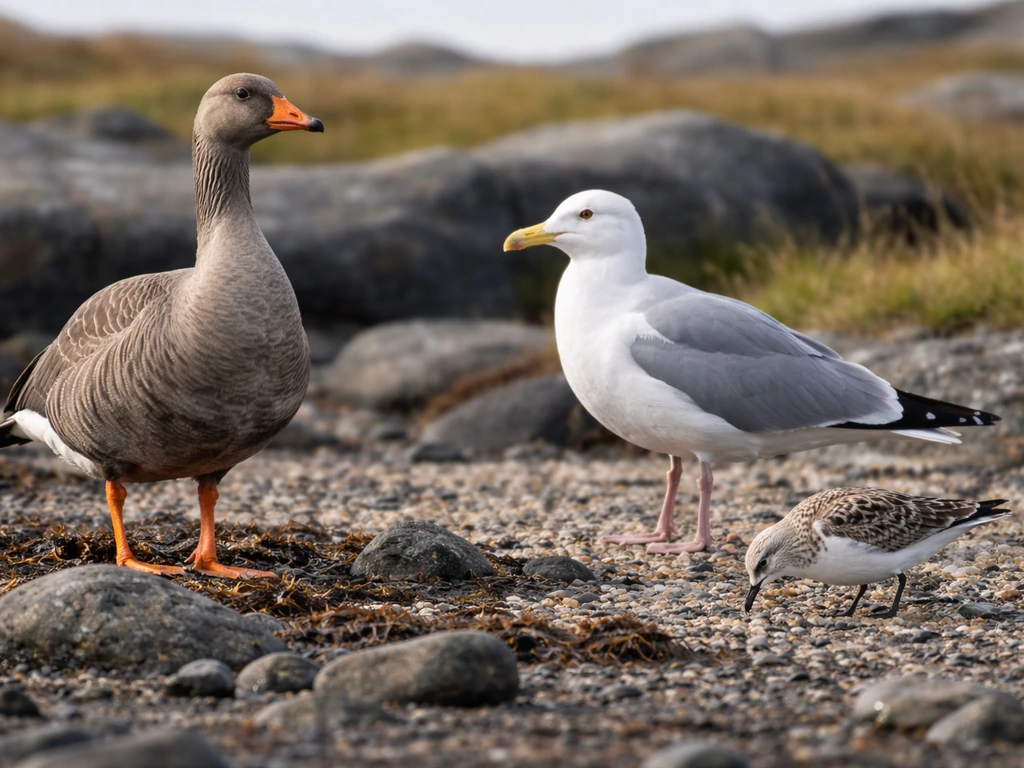
Greenland hosts a surprisingly rich seasonal bird population despite its Arctic environment. The species most relevant to aircraft strike risk are large, flock-forming, or migratory birds that concentrate near the coastal airstrips and fjord-edge settlements where Greenland's airports sit.
| Species | Typical Presence | Strike Risk | Conservation Status |
|---|---|---|---|
| Common Eider (Somateria mollissima) | Year-round coastal | Medium: large body, low flight altitude near water | Least Concern (but local populations monitored) |
| Pink-footed Goose (Anser brachyrhynchus) | Spring/autumn migrant | High: large flocks at low altitude during migration | Least Concern, though breeding sites concentrated |
| Barnacle Goose (Branta leucopsis) | Spring/autumn migrant | High: dense flocks, Svalbard and Greenland breeding populations | Least Concern, recovering populations |
| Arctic Tern (Sterna paradisaea) | Summer breeder | Medium: aggressive near nesting areas, agile flier | Least Concern, but long-distance migrant dependent on healthy ocean systems |
| Glaucous Gull (Larus hyperboreus) | Year-round near settlements | High: large body, opportunistic near airstrips and waste sites | Least Concern |
| White-tailed Eagle (Haliaeetus albicilla) | Rare but present in south Greenland | Very high per encounter: large wingspan, slow turn rate | Near Threatened in some regional assessments |
None of Greenland's bird species are currently extinct or flightless in the way the dodo or moa were, though the Great Auk (Pinguinus impennis) was once abundant across North Atlantic coasts including Greenland and went extinct in 1844 due to hunting. The Galapagos cormorant is perhaps the most famous surviving flightless seabird, but Greenland has no equivalent today. Current Greenlandic species face pressures from shifting sea ice, reduced prey availability, and pollution rather than direct hunting or habitat clearing.
Why incidents happen: timing, terrain, and flight patterns
Greenland's bird-aviation risk spikes in two narrow windows: late April through early June as migratory species arrive from wintering grounds in Western Europe and West Africa, and again in August through October during southward migration. During these periods, coastal and fjord-edge airstrips like Kangerlussuaq, Narsarsuaq, and Ilulissat see the highest concentrations of geese, waders, and seabirds passing through or staging nearby.
Weather compounds the problem significantly. Whiteout conditions (which is exactly what the podcast episode title references) reduce pilot visibility and disrupt bird navigation simultaneously. In low-visibility landings, pilots cannot see bird flocks on or near the runway, and birds disturbed by aircraft noise in fog or snow may flush unpredictably across approach paths. This convergence of bad visibility, slow aircraft airspeed on final approach, and high bird density is the scenario most likely to result in a serious strike event.
Greenland's airstrips are also largely unfenced and sit adjacent to wetlands, river mouths, and coastal inlets that are prime bird habitat. Unlike major international airports with full-time wildlife management teams, many Greenlandic facilities rely on reactive rather than proactive bird dispersal. That infrastructure gap matters.
Your research checklist for resolving this

Whether you are a researcher, a podcast listener trying to find the 'real story,' or someone who landed here from a news reference, here is a concrete checklist to work through before concluding what the 'VIV bird plane crash Greenland' query actually resolves to.
- Listen to or read the full transcript of the Noiser 'Real Survival Stories: Whiteout: Crash Landing in Greenland' episode and extract every factual anchor: year, season, aircraft type, airstrip name, crew size, and any mention of bird involvement.
- Run those anchors through the Havarikommissionen (Denmark) aviation accident search. Use the Danish spelling 'Grønland' as well as 'Greenland.'
- Search Aviation Safety Network (aviation-safety.net) using location 'Greenland' and any year range you extracted. Look for accidents matching aircraft type, crew details, or airfield.
- If the episode mentions a US military or research connection, check the Air Force Safety Center accident database and NTSB records separately.
- Search Google News Archive and ProQuest newspaper databases for 'Greenland crash' plus the approximate year to find contemporary news coverage that would corroborate or contradict the podcast narrative.
- If no match surfaces, contact Noiser Podcasts directly through their website to ask whether the episode is based on a specific documented incident or is a composite narrative. Reputable podcast producers usually disclose this.
- Separately, if your interest is specifically in bird strikes near Greenland airports, search the FAA Wildlife Strike Database (wildlife.faa.gov), which accepts international reports and may contain relevant entries from Greenlandic or transatlantic operators.
- Check whether 'Viv Bird' is a real person with a published account, memoir, or interview that predates the podcast. A name search in WorldCat or Google Books may surface a source text the podcast adapted.
Conservation and aviation safety lessons from the Greenland context
Regardless of how the 'VIV' mystery resolves, the intersection of Arctic aviation and bird conservation in Greenland carries real lessons worth understanding. Greenland sits at a crossroads of Atlantic flyways, meaning disturbances to bird populations there ripple outward to breeding and wintering grounds across Europe, the Americas, and West Africa. An aviation incident that kills a flock of migrating barnacle geese is not just a safety statistic; it is a conservation event affecting a geographically concentrated population.
The mitigation side of this is where aviation safety and wildlife biology genuinely converge. If you want to experiment with Flappy Bird-style mechanics, you can find Python code and projects on GitHub. Best-practice BASH programs at Arctic airports now include habitat modification around runways (removing standing water, cutting vegetation that attracts waders and waterfowl), radar-based bird detection systems that can track flocks at several kilometers, acoustic deterrents tuned to species-specific alarm calls, and seasonal flight-timing adjustments during peak migration windows. Thule Air Base (now Pituffik Space Base) has historically had more formal wildlife management infrastructure than civilian Greenlandic airstrips, largely because of US military safety standards.
From a conservation standpoint, the argument for better wildlife management around Greenlandic airports is actually aligned with species protection, not opposed to it. Reducing the frequency of wildlife strikes means fewer birds killed by aircraft and better data collected on which species are present and when, which feeds directly into population monitoring. The Great Auk's extinction reminds us how quickly a species that seems abundant can disappear when multiple pressures converge. Today's Greenlandic bird populations face climate-driven habitat shifts that make any additional mortality source worth taking seriously.
If this topic pulled you into a broader curiosity about birds that can't fly or have gone extinct, Greenland's own natural history connects to both. Many flightless birds have become symbols of how extinction risk can hinge on where and when animals are most exposed birds that can't fly. The region was part of the Great Auk's historic range, and the dynamics that drove that bird to extinction share structural similarities with the pressures facing modern seabirds: concentrated populations, slow reproduction rates, and vulnerability at predictable locations. That thread connects naturally to wider questions about flightless birds and extinction risk that natural historians have tracked for centuries.
FAQ
How can I tell if “Viv Bird plane crash Greenland” is a real aviation incident or a retold survival story?
Look for incident identifiers and authority reporting clues. If the story lacks an ICAO airport code, aircraft registration, or a date that matches any publicly indexed aviation record, it is more likely dramatized content than a documented crash. Also check whether the description is “crash landing” with narrative-style details, since that phrasing is common in audio dramas but less consistent in factual incident summaries.
What does “VIV” likely mean if it is not connected to an aviation accident database?
“VIV” can be a name or brand element rather than an incident code. In practice, search results often mix unrelated terms, so verify whether “VIV” appears only in podcast materials and transcripts, not alongside aircraft registrations, tail numbers, or airport codes. If “VIV” never co-occurs with concrete flight identifiers, treat it as part of the storytelling layer rather than a system code.
If the details in the podcast do not match any database entry, should I assume the crash never happened?
Not necessarily. Missing matches can occur when the incident predates searchable digital records, involved a private aircraft with limited public reporting, or the episode composites multiple events. A better approach is to extract exact elements you can verify (date, departure location, aircraft type, time of year, and whether there was a declared emergency) and then search using those specifics separately rather than using the exact podcast wording.
How should I search Greenland bird-strike claims without accidentally chasing misinformation?
Use search terms tied to aviation safety categories, not character names. Try combinations like “bird strike Greenland engine ingestion,” “runway wildlife strike Greenland,” or “BASH bird strike Arctic Greenland” plus a year. This reduces the chance you hit dramatized narratives, and it helps you focus on the mechanism (engine ingestion, windshield impact, or wildlife on approach) rather than the headline label “crash.”
Are bird strikes in Greenland more likely to cause an incident or a full crash?
Public patterns tend to show more reports of serious incidents and near-misses than well-documented full crashes specifically attributed to birds. Greenland’s extreme conditions and terrain make outcomes more variable, but many recorded events involve weather or operational factors where a bird event may be one contributing element. When evaluating claims, ask whether there is evidence of engine damage, bird ingestion, or documented wildlife strike in the incident narrative.
Why does “whiteout” matter for bird-related incidents in Greenland?
Whiteout affects both visibility and aircraft handling margins. In low visibility, pilots cannot visually confirm flock positions near the runway, and disturbed birds may flush into approach paths unpredictably. If a story emphasizes snow fog, rapid deteriorating visibility, or landings in fog, it is consistent with a higher risk alignment between poor detection and sudden bird movement.
Which types of birds are most relevant to aviation risk in Greenland, and how can I check seasonality?
Risk is highest around coastal and fjord-edge airports during migration windows, when large groups may stage or pass near runways. Instead of guessing species, check whether the event season aligns with late April to early June or August to October, then cross-reference the most likely migratory guilds for that month (geese, seabirds, and waders). This “season-first” method is often more reliable than trying to match a species name from a vague retelling.
What does “BASH” mean in this context, and what should I look for in real mitigation efforts?
BASH stands for Bird Aircraft Strike Hazard. Practical mitigation details usually include habitat modification around approach paths, bird detection or tracking methods, deterrent strategies tuned for local species, and operational adjustments during peak migration. If a claim lists only generic “birds are dangerous” without mentioning habitat management, monitoring, or timing controls, it is less likely to reflect actual airport practice.
If I want to verify the podcast’s specific Greenland story, what details should I extract first?
Write down the episode’s concrete anchors: approximate date or season, departure and destination locations (even if approximate), aircraft type or seating class if mentioned, weather descriptors (fog, whiteout, wind), and the nature of the event (engine problem, impact with birds, or landing damage). Then search each anchor independently, for example “Greenland crash landing” plus the approximate date range, before using the combined phrase “Viv Bird plane crash Greenland.”
Do wildlife management practices differ between military bases and civilian Greenland airports?
Yes. Military sites such as Thule historically have had more formalized safety and wildlife programs because of stringent operational requirements. Civilian airstrips may rely more on reactive measures and less on year-round monitoring infrastructure. If a narrative claims a high level of systematic bird detection at a small remote airfield, confirm whether that airfield historically had comparable wildlife management resources.

Verify claims about Big Bird going to jail by distinguishing real arrests from fictional Sesame stories and debunking ru
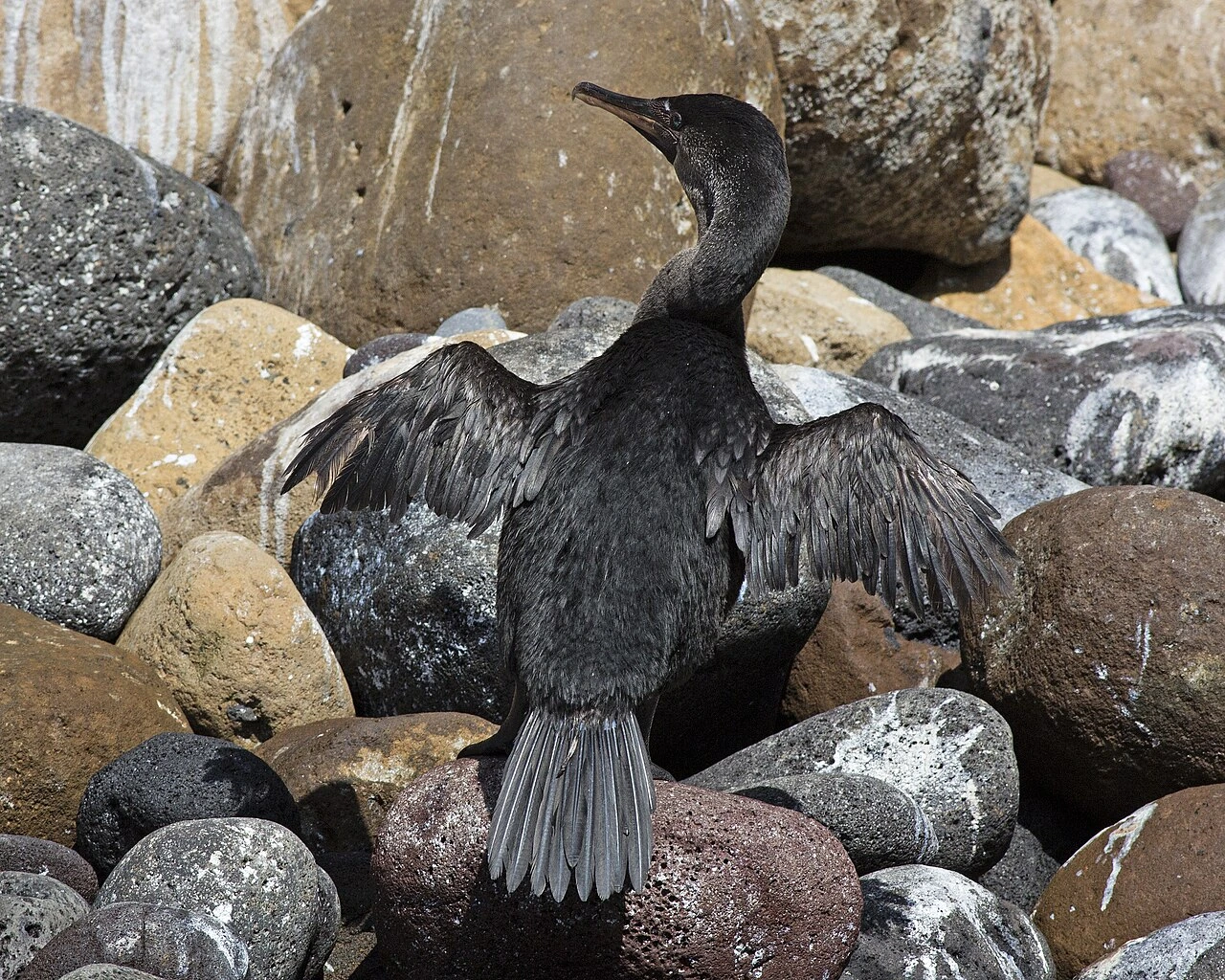
Identify the Galápagos flightless birds, learn why they evolved to fly less, and get steps to report sightings safely.
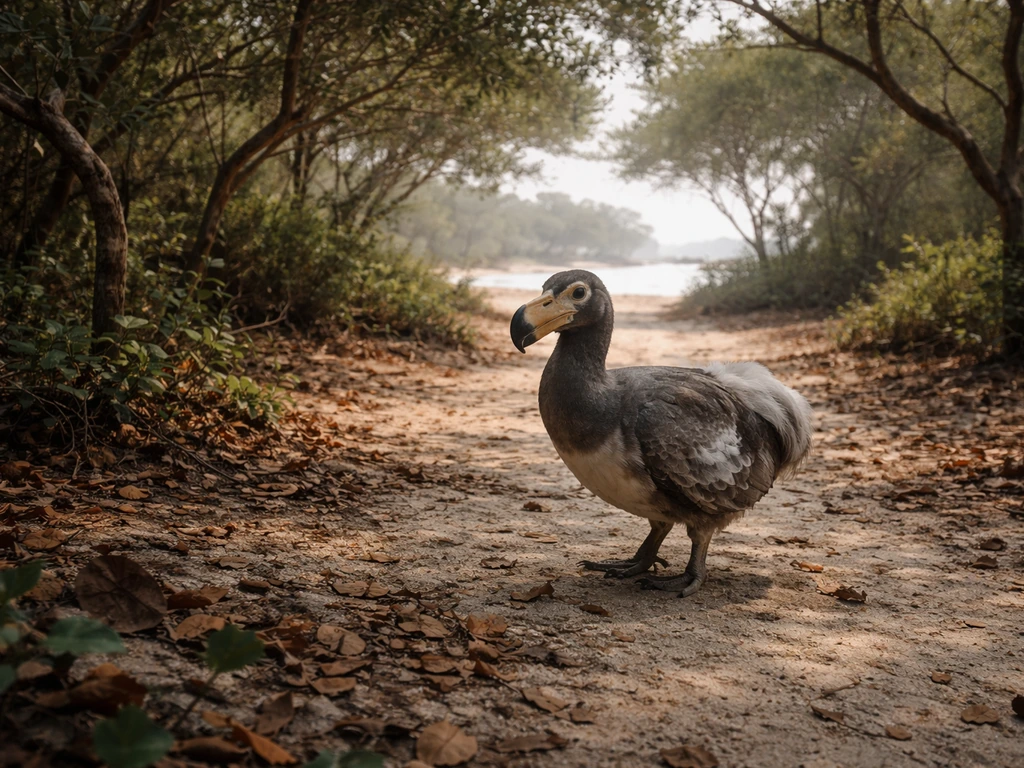
Learn if any dodos could exist today, why scientists say they are extinct, and how to judge sightings reliably.