
No. A dodo bird has not hatched recently, and one cannot hatch in the wild or in captivity right now. The dodo (Raphus cucullatus) has been extinct since the 17th century, and every credible scientific and governmental body, including the U.S. Fish and Wildlife Service, the IUCN Red List, and the Mauritian Wildlife Foundation, classifies it as extinct with no surviving population anywhere on Earth. If you saw a headline, video, or social post claiming otherwise, it is either a hoax, a misidentification of another species, or a misrepresentation of ongoing de-extinction research. Let's walk through exactly why, and how you can verify any claim yourself.
Did a Dodo Bird Hatch Recently? Reality Check and Facts

Maya Hennessy
23 Mar 2026
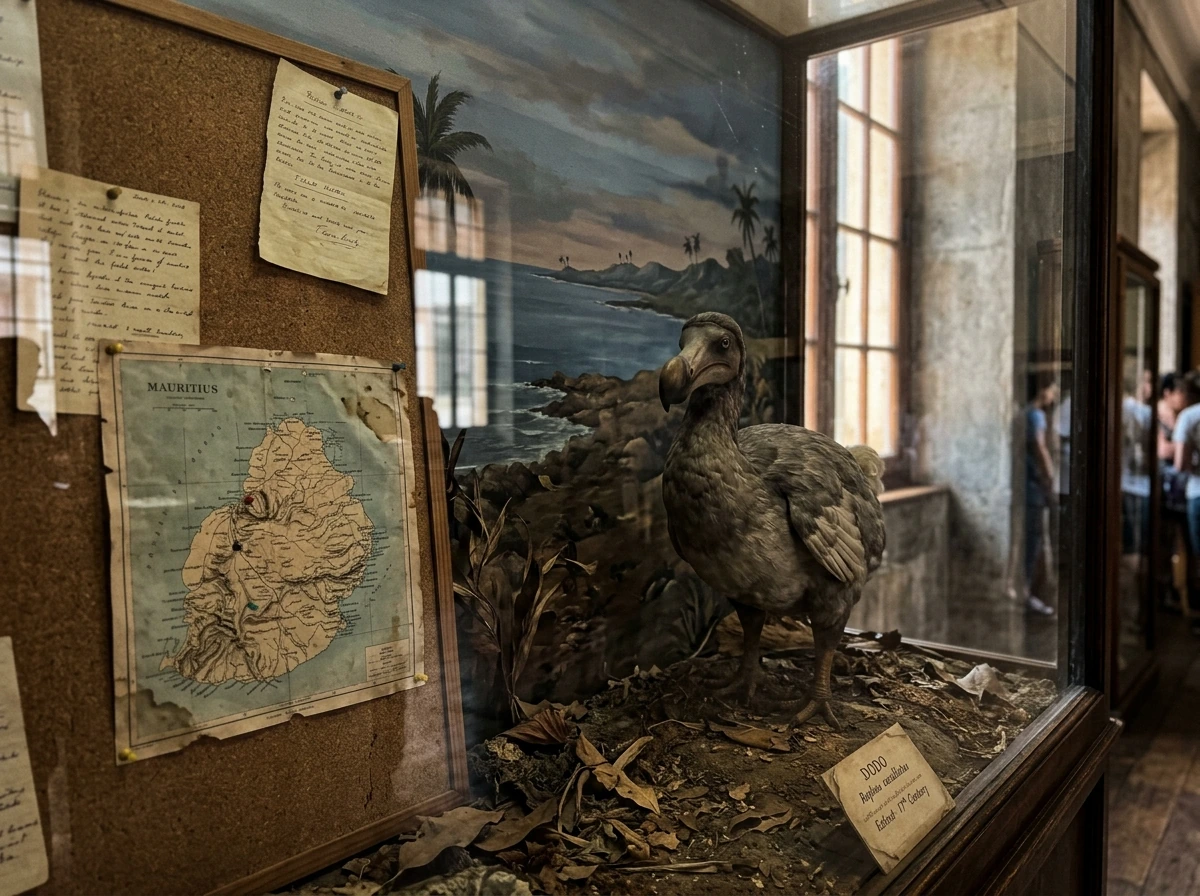
The reality check: has any dodo hatched in modern times?

The straightforward answer is no, and the reason is not just that no one has seen one. There is no breeding population, no captive pair, no preserved viable embryo, and no confirmed wild individual. For a bird to hatch, you need at minimum a living female and a fertilized egg. The last known living dodos died in the 17th century. Museum collections around the world, including the Smithsonian Institution and the American Museum of Natural History, hold only skeletal remains, preserved specimens, and historical illustrations. These are the only physical evidence of the species that exists today. You cannot hatch a specimen. You cannot breed a museum bone.
The Mauritian Wildlife Foundation, the leading conservation NGO operating on Mauritius itself, has stated plainly: 'We will never again see a dodo.' That is the position of the people most directly involved in conservation on the very island where the dodo once lived. If a dodo had somehow hatched anywhere on Earth, it would be the most significant zoological discovery in recorded history and would immediately appear in peer-reviewed journals, official IUCN updates, and government species listings. None of that has happened, because it has not occurred.
What exactly is a dodo bird (and what it is not)
When scientists say 'dodo,' they mean one specific bird: Raphus cucullatus, a large, flightless pigeon that was endemic to the island of Mauritius in the Indian Ocean. It stood roughly a meter tall, weighed around 10 to 18 kilograms, had vestigial wings it could not use for flight, and is classified taxonomically within the pigeon and dove family (Columbidae). That narrow definition matters, because the word 'dodo' gets applied loosely online in ways that cause real confusion.
A few birds that sometimes get called 'dodo-like' or mistaken for dodo relatives in viral posts include the Rodrigues solitaire (Pezophaps solitaria), another extinct flightless bird from nearby Rodrigues island, and the manumea (Didunculus strigirostris), a living pigeon from Samoa sometimes called the 'tooth-billed pigeon' and described as a dodo relative. The manumea has been spotted recently in remote Samoan rainforest, and coverage of that bird has sometimes been reframed in misleading social posts as a 'dodo sighting.' It is not. The Rodrigues solitaire is also extinct. Neither is Raphus cucullatus. When you see a 'dodo spotted' claim, the first question to ask is: which bird are they actually talking about?
How we know the dodo went extinct: the timeline and the evidence

The dodo's extinction story is one of the fastest and most well-documented in natural history. where was the dodo bird found Humans first arrived on Mauritius in significant numbers around the late 16th century. Within roughly 100 years, the dodo was gone, a timeline confirmed in a Zoological Journal of the Linnean Society study on the species' anatomy.
The extinction was driven by introduced predators (rats, pigs, macaques), habitat destruction, and direct hunting by sailors who found dodos easy to catch because the birds had no instinctive fear of humans. Humans first arrived on Mauritius in significant numbers around the late 16th century. Within roughly 100 years, the dodo was gone, a timeline confirmed in a Zoological Journal of the Linnean Society study on the species' anatomy.
The extinction was driven by introduced predators (rats, pigs, macaques), habitat destruction, and direct hunting by sailors who found dodos easy to catch because the birds had no instinctive fear of humans. how did the dodo bird evolve which bird became extinct in mauritius in the 17th century
The last widely accepted confirmed sighting of a dodo is the 1662 account by shipwrecked Dutch sailor Volkert Evertsz, who described birds caught on a small islet off Mauritius. This date is the one used by eBird, GBIF, and most scientific literature as the final reliable record. eBird lists the dodo (Raphus cucullatus) as extinct, with the last reported record in 1662 [eBird lists the dodo as extinct, last reported in 1662](https://ebird. org/species/dodo1?
siteLanguage=es_ES). Some researchers have argued about whether later reports exist, but as a Historical Biology paper on the topic concluded, disputes about the exact extinction date do not change the core biological reality: the species was extinct on the Mauritian mainland by the 1640s and its last offshore refuge was gone by 1662. Some reports from after that date have been re-examined and reinterpreted as likely referring to other species, such as the red rail.
The physical evidence reinforces all of this. There are no dodo specimens collected after the 17th century. Bone histology studies published in Scientific Reports use preserved skeletal material to reconstruct the bird's ecology and growth rates, and all of that material is centuries old. No fresh bones, feathers, eggs, or tissue have ever been found that would suggest any population survived beyond the historical record.
| Event | Approximate Date | Source Type |
|---|---|---|
| First European contact with Mauritius (Dutch) | 1598 | Historical records |
| Dodo extinction on Mauritius mainland | ~1640s | Scientific and historical consensus |
| Last confirmed dodo sighting (Volkert Evertsz, islet off Mauritius) | 1662 | Historical account, GBIF, eBird |
| Later reports re-identified as other species (e.g., red rail) | Post-1662 | GBIF taxonomic analysis |
| Dodo classified as extinct by IUCN, USFWS, and global authorities | Ongoing | Official conservation bodies |
Why 'dodo hatch' rumors keep spreading
If the extinction is so well documented, why does this question keep coming up? There are a few overlapping reasons, and understanding them makes it much easier to spot bad information quickly.
De-extinction coverage gets misread

The biggest driver right now is genuine scientific news about de-extinction efforts. Colossal Biosciences has raised over $120 million in funding and has partnered with the Mauritian Wildlife Foundation specifically around the goal of eventually rewilding a dodo-like bird to Mauritius. That is real, it is serious science, and it is genuinely exciting. The Week reports that [Colossal Biosciences successfully hatched 26 chicks from artificial eggs](https://theweek.
com/science/chickens-artificial-eggs-de-extinction-colossal-biosciences), presented as a step toward future de-extinction work. But 'we are working toward de-extinction' is not the same as 'a dodo has hatched. ' Headlines about funding rounds, genetic research milestones, or partnership announcements get shared and reshared, and each time the nuance gets stripped away a little more until someone posts 'they brought back the dodo! ' None of the Colossal work has produced a living bird as of March 2026.
Misidentification of other flightless birds
Photos and videos of large, unusual-looking birds get posted with 'is this a dodo?' captions constantly. Cassowaries, kiwis, and even domestic breeds of large poultry have all circulated in this way. The manumea sighting in Samoa, covered by Live Science, is a real and significant conservation story, but it got attached to 'dodo' language in some repostings because the species is a dodo relative. When people search for 'did a dodo bird hatch recently' after seeing one of these posts, they are often chasing a misidentified bird, not Raphus cucullatus at all.
Outright hoaxes and clickbait
There is a category of content that is simply false and designed to generate clicks, even when people ask “what bird did darwin study” instead of focusing on credible evidence. Fact-checkers have specifically debunked viral videos claiming the U.S. government is hiding a living dodo. These videos use out-of-context footage, AI-generated images, or footage of other birds labeled as dodos. The Discovery Institute and similar ideologically motivated sources have also produced content around dodo narratives for reasons unrelated to conservation science. The rule of thumb: if a video shows a 'living dodo' and the source is a social media account rather than a peer-reviewed journal or official conservation organization, treat it as a hoax until proven otherwise.
What is actually hatching on Mauritius and nearby islands
Mauritius and the surrounding Indian Ocean islands have a genuinely rich and active conservation story, even without the dodo. The Mauritian Wildlife Foundation's 2024 annual report documents ongoing breeding programs and conservation management for several living species, none of which are dodos, but all of which are important.
- The Mauritius kestrel (Falco punctatus): once reduced to just four known individuals in the wild, it has rebounded significantly through intensive conservation work and continues to breed on the island.
- The pink pigeon (Nesoenas mayeri): another Mauritian endemic that was near extinction and has been brought back through captive breeding and habitat management.
- The echo parakeet (Psittacula eques): critically endangered and the subject of active nest monitoring and supplemental feeding programs.
- The manumea (Didunculus strigirostris) in Samoa: a living dodo relative that has been spotted recently and is the subject of urgent conservation concern as one of the world's rarest birds.
These are the real 'hatching' stories worth following in this part of the world. When a Mauritius kestrel chick hatches or a pink pigeon nest succeeds, that gets documented in the Mauritian Wildlife Foundation's updates and in conservation science literature. That is what legitimate hatching news from this region looks like.
How to fact-check any 'dodo hatch' claim you see today

If you saw a specific post, video, or article that sent you searching, here is a step-by-step checklist you can run through right now. It takes about five minutes and will give you a reliable answer every time.
- Check the IUCN Red List (iucnredlist.org): search for Raphus cucullatus. If the status still reads 'Extinct,' no verified living individual exists. This is updated by the world's leading conservation scientists.
- Check the U.S. Fish and Wildlife Service species page for the dodo: if the listing still reads 'Extinct,' no government authority has accepted a modern hatch as real.
- Search eBird for Raphus cucullatus: eBird lists the last accepted report as 1662. Any new confirmed sighting would force an immediate update to this record.
- Look for the story in peer-reviewed journals: a real dodo hatch would appear in Nature, Science, or a comparable journal within days. Search Google Scholar for 'Raphus cucullatus 2025' or '2026.' If nothing comes up, the claim is not scientifically validated.
- Identify the bird in the claim: is the post actually showing Raphus cucullatus, or is it a cassowary, a kiwi, the manumea, or another large bird? Reverse image search the photo or video frame.
- Check the Mauritian Wildlife Foundation (mauritian-wildlife.org): as the primary conservation body on Mauritius, they would have a statement about any extant dodo immediately. If their site says nothing, the claim is almost certainly false.
- Look at who is making the claim: is it a peer-reviewed paper, an official conservation organization, or a major natural history museum? Or is it a social media account, a clickbait site, or a politically motivated organization? Source credibility matters enormously here.
Where de-extinction research actually stands
It is worth spending a moment on Colossal Biosciences specifically, because their work is the most likely origin of genuine confusion rather than deliberate hoaxing. Colossal is doing real genetic research aimed at eventually producing a bird with dodo-like traits, using the dodo's closest living relatives as a genomic starting point. Their partnership with the Mauritian Wildlife Foundation is focused on planning for eventual rewilding if and when that becomes possible. We do have some dodo DNA, retrieved from museum specimens, which helps answer the question “do we have dodo bird dna,” and is explored in depth in the context of whether dodo genetic material could support de-extinction.
But 'we have some DNA fragments and a long-term research plan' is many years and many scientific hurdles away from 'a living dodo chick hatched today.' Genomic reconstruction, surrogate species selection, embryo development, and ethical rewilding planning are all still in progress. As of March 2026, no living dodo or proto-dodo bird has been produced by any de-extinction program. When that changes, and it may someday, you will know because it will be front-page news in every major science outlet simultaneously, not a viral TikTok.
Sources worth bookmarking for dodo and flightless bird news
For ongoing accurate information, these are the sources that update based on actual evidence and are held accountable for accuracy by the scientific community.
- IUCN Red List (iucnredlist.org): the global authority on species conservation status
- Mauritian Wildlife Foundation (mauritian-wildlife.org): on-the-ground conservation updates from Mauritius
- eBird (ebird.org): real-time bird observation data with taxonomic rigor
- Smithsonian Institution and American Museum of Natural History: museum-based documentation of dodo specimens and natural history context
- Colossal Biosciences (colossal.com): for accurate updates on de-extinction research progress, directly from the organization doing the work
- Google Scholar: for peer-reviewed scientific papers on Raphus cucullatus and related species
The dodo's extinction is one of the most thoroughly documented events in natural history, and understanding that history, including when it went extinct, where it lived, and how we know what we know, makes it much easier to recognize when someone is bending the truth. The bird is gone. The science on that is clear. But the interest in it, and the conservation work it continues to inspire, is very much alive.
FAQ
If someone shows a photo or video of a “dodo chick,” how can I verify whether it is real and not misidentified?
You can’t confirm a “recent hatch” from photos alone. Ask for verifiable basics: the exact location, a date, the observer names, and whether any independent expert or conservation group documented the animal. If the claim only provides a clip with no custody trail (who found it, where it’s kept, and who examined it), treat it as unverified.
Could a “recent dodo” claim actually be about a different bird that gets nicknamed dodo online?
An animal could be called “dodo-like” even if it is not Raphus cucullatus. The manumea (a living pigeon from Samoa) is a common confusion target because some descriptions overlap superficially. If the post doesn’t explicitly name the species (Raphus cucullatus) or explain diagnostic traits that distinguish it, it is usually referring to something else.
If scientists are working on de-extinction, does that mean a dodo hatch could happen at any moment?
Even if de-extinction research produces “dodo-like” traits someday, that would not equal the species hatching now. The article’s distinction is key: genetic research and planned rewilding are not the same as a verified, living dodo (Raphus cucullatus) with a documented birth. Look for evidence of an actual birth event, not milestones like funding, genome work, or early lab progress.
Could a dodo hatch in a zoo or breeding program right now?
No, there is no credible pathway for a dodo to hatch in captivity today. A hatch requires living parent birds and viable fertilized eggs, and the article explains there is no surviving breeding population or verified viable material from which to produce embryos. If a claim says “they hatched it in captivity,” it should also provide the captive lineage and breeding records, which do not exist for dodos.
How do I handle viral claims that authorities are hiding a living dodo?
If a post claims “the government is hiding a living dodo,” ask what entity took custody, where it’s being held, and who is accountable for the animal’s health checks. Claims that rely on anonymous tips or vague “officials” without named institutions and inspection trails are classic hoax patterns, especially when the content originates from accounts that benefit from views and engagement.
If a real dodo chick hatched recently, why wouldn’t it already be widely confirmed by science outlets?
For a truly “recent hatch,” there should be multiple independent confirmations: time-stamped reports, expert identification, and downstream documentation. The article notes that if a living dodo or proto-dodo had emerged, it would quickly appear in peer-reviewed work and official conservation listings. Lack of that immediate corroboration is a strong red flag.
Do debates about the exact extinction date create room for “maybe it survived” claims?
Be cautious with “dodo extinction date” arguments. The core conclusion remains that dodos are extinct, and the last reliable records are centuries old. If a viral claim tries to use uncertainty about the exact final year to imply survival, it is usually exploiting edge-case debates that do not overturn the broader extinction consensus.
What is the fastest way to decide whether a “dodo hatch” claim is actually about the dodo species?
Start by identifying what the observer means by “dodo.” If the claim refers to a living bird in a different region, ask what species it is and whether experts have identified it. The article gives examples of common mislabeling (like a dodo-relative being called a dodo). When you can’t determine the exact species, you can’t trust the “hatch” framing either.
How should I interpret claims that “dodo DNA proves a chick exists”?
If someone claims they found “dodo DNA” that proves a hatch is happening, ask what type of DNA was found (fragments from museum specimens versus viable reproductive material), and whether there is evidence of embryo development and a live birth. DNA fragments alone support research, not an actual chick hatching today, as described in the article.
Next Articles

Do We Have Dodo Bird DNA? What Scientists Found and How
Find out if any dodo DNA exists today, what samples yield it, and how to verify partial sequences and results.
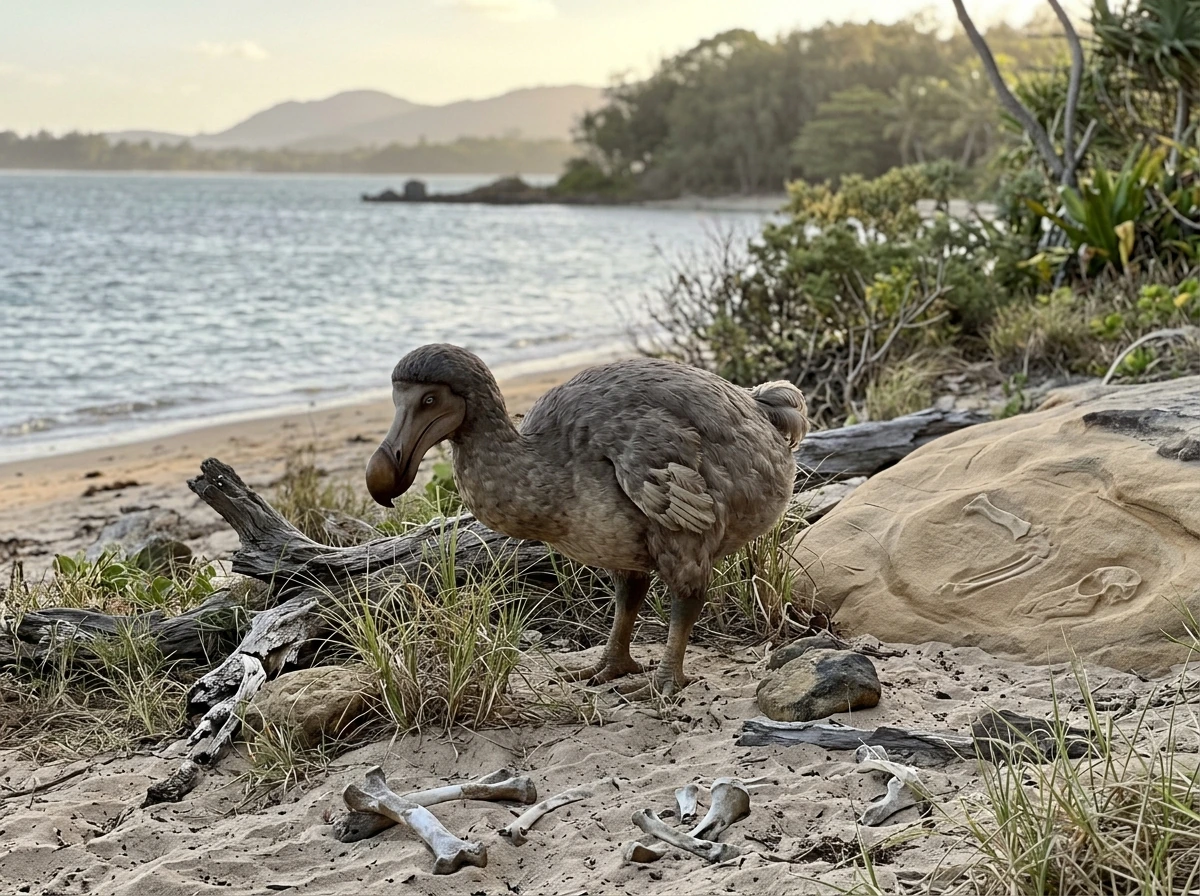
How Did the Dodo Bird Evolve Flightlessness and Extinction
How dodo evolved in Madagascar: pigeon relatives, timeline to flightlessness, and extinction drivers from humans and inv
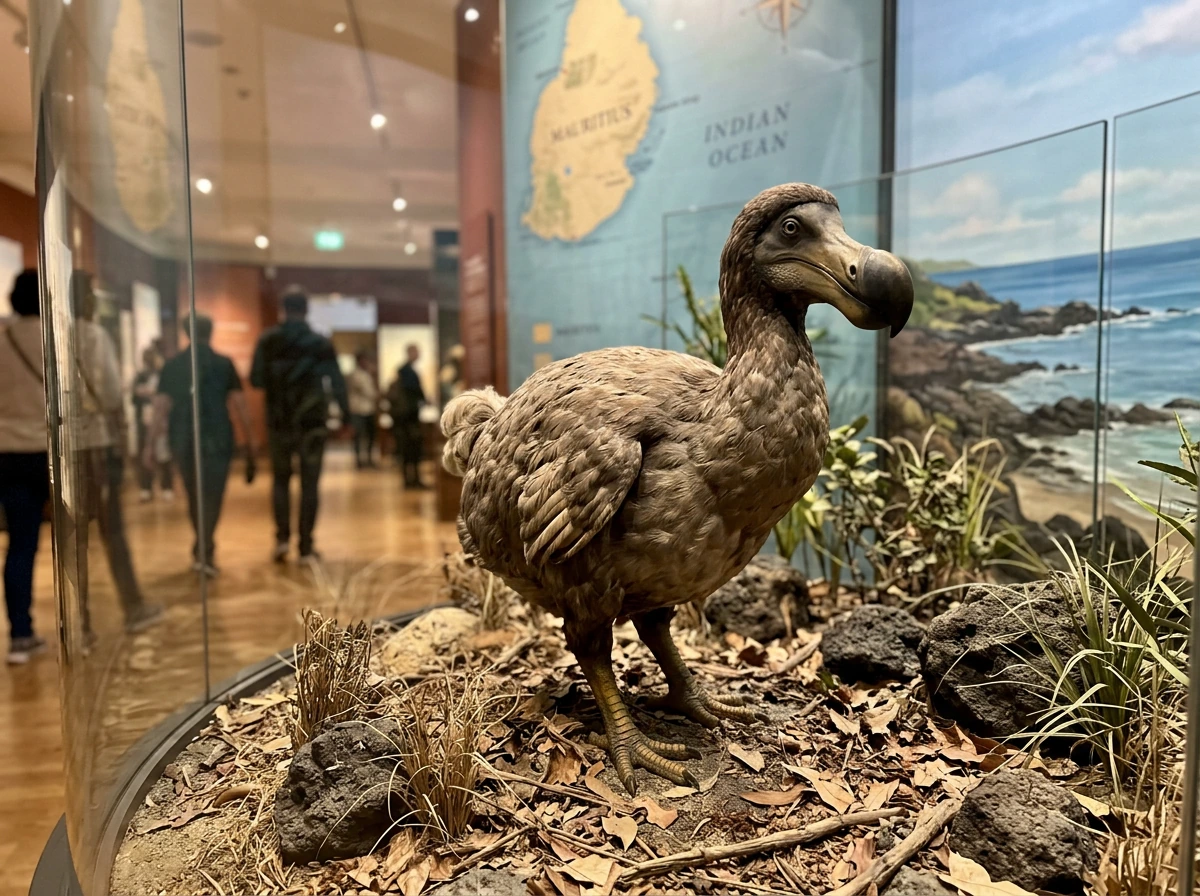
What Happened to the Dodo Bird on Quizlet and Why
Dodo extinction explained with a clear timeline, plus how to find or verify updated Quizlet flashcards and quizzes.