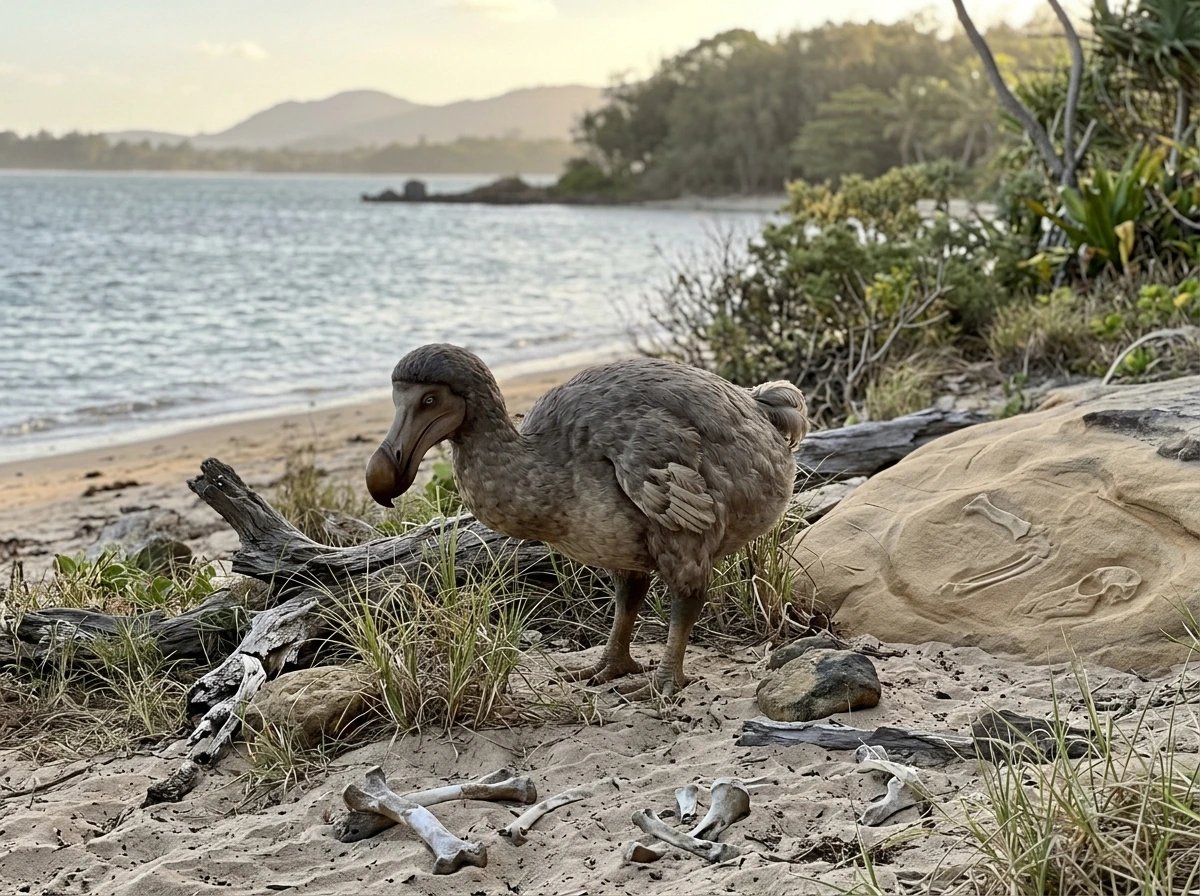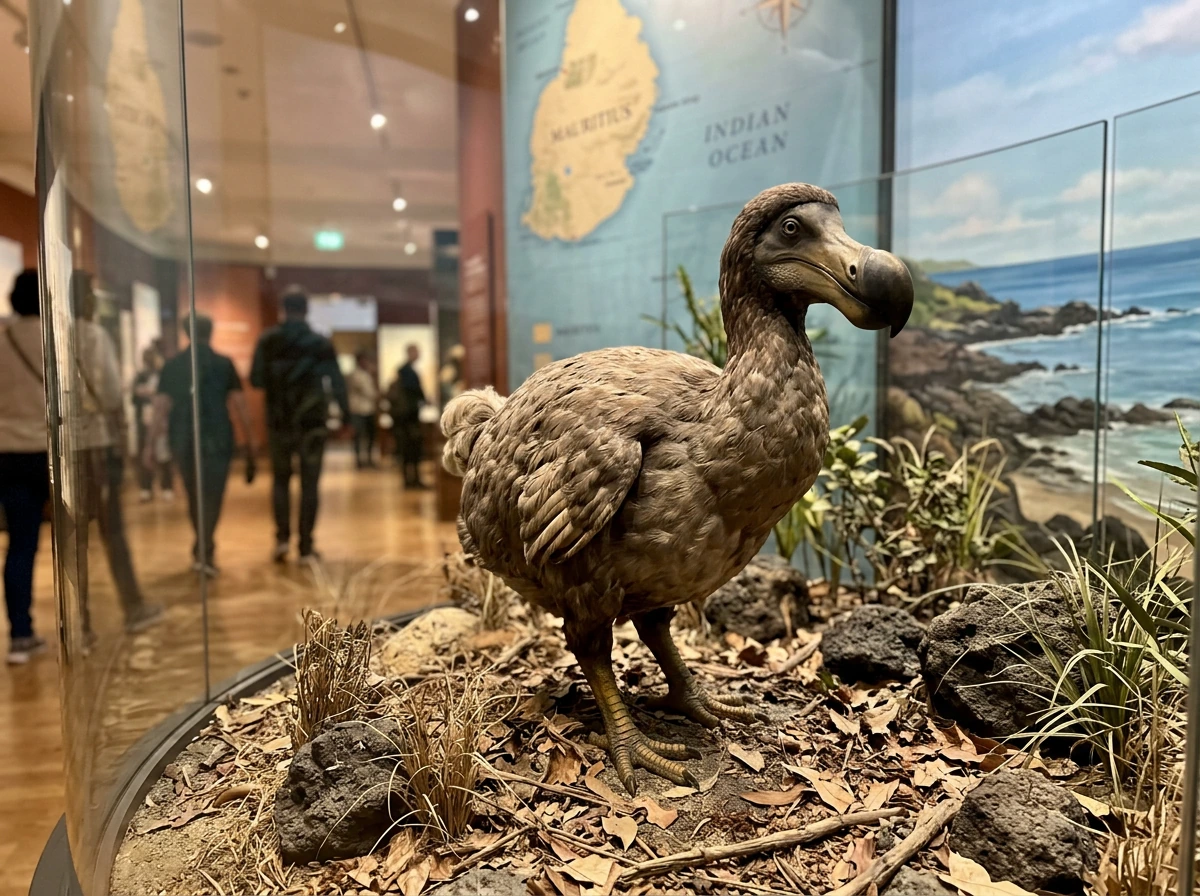
Yes, scientists do have dodo bird DNA. But there's an important distinction worth making right away: what researchers have extracted and sequenced is mitochondrial DNA (mtDNA), not a full nuclear genome. That difference matters a lot, and if you've seen headlines about 'dodo DNA recovered,' that's exactly what they're referring to. We have real, verified genetic sequences from Raphus cucullatus, published in peer-reviewed literature, and those sequences have already told us meaningful things about how the dodo fits into the bird family tree. What we don't have (as of 2026) is a chromosome-scale nuclear genome assembly for the dodo, which is what most people picture when they hear 'we have the dodo's DNA.'
Do We Have Dodo Bird DNA? What Scientists Found and How

Maya Hennessy
23 Mar 2026
What 'Dodo DNA' Actually Means
DNA comes in two main flavors inside a cell: nuclear DNA, which is the full blueprint packed into chromosomes and makes up what most people think of as 'the genome,' and mitochondrial DNA (mtDNA), which is a much smaller, circular strand of genetic code found in the mitochondria. Every cell has one nucleus but potentially thousands of mitochondria, which means mtDNA is far more abundant and far more likely to survive in ancient remains.
When researchers talk about recovering dodo DNA, they're almost always referring to mtDNA sequences. A complete mitochondrial genome for a bird is roughly 16,000 to 17,000 base pairs long. That sounds impressive, and it genuinely is useful for reconstructing evolutionary relationships, but compare it to a nuclear genome, which runs into billions of base pairs, and you can see why the two are not equivalent. Having a complete mitochondrial genome is not the same thing as 'sequencing the dodo genome.' Both matter scientifically, but they answer different questions.
A full nuclear genome would give scientists access to information about physical traits, immune function, and population genetics in a level of detail that mtDNA simply cannot. That's the genetic package that de-extinction projects would need, for example. Right now, that level of data doesn't exist for the dodo in published form.
What Researchers Have Actually Recovered
A key peer-reviewed study, 'Complete mitochondrial genomes of living and extinct pigeons revise the timing of the columbiform radiation,' successfully recovered complete mitochondrial genomes for the dodo alongside other extinct pigeon species. This was a significant achievement in ancient DNA research. The sequences are real, they passed quality and authenticity filters, and they've been used to do serious phylogenetic work, mapping out where the dodo sits within the pigeon and dove family (Columbidae) and estimating when different lineages diverged.
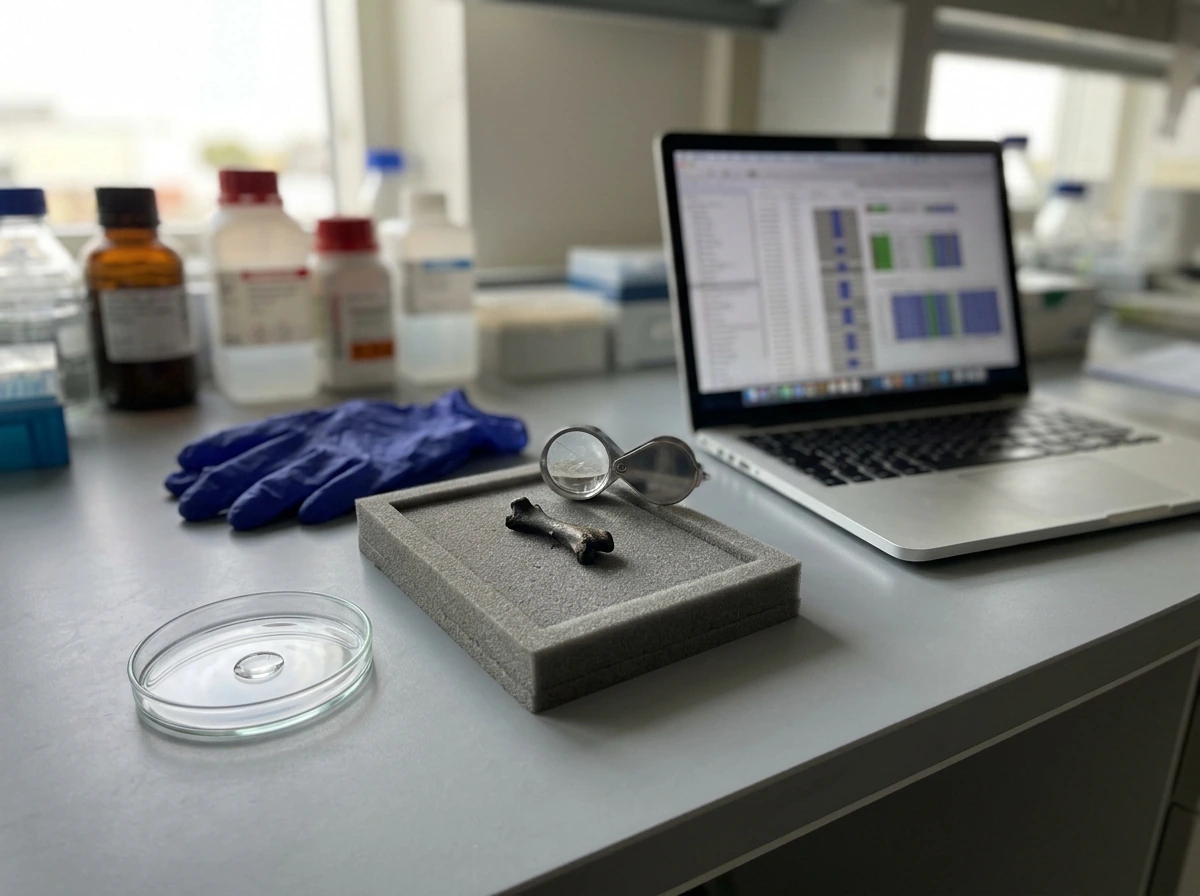
The source material for ancient dodo DNA typically comes from subfossil bones and museum specimens. The dodo went extinct in the late 17th century (a topic covered in detail in other articles on this site), which means remains are only a few hundred years old rather than millions. In geological terms, that's actually pretty recent, and it makes DNA recovery more feasible than it would be for, say, a dinosaur. Museum collections across Europe, particularly in the UK, Netherlands, and Portugal, hold dodo skeletal material that has been sampled for genetic work.
So to be concrete: we have verified, published mitochondrial DNA sequences for Raphus cucullatus. We do not have a published, fully assembled nuclear genome for the dodo.
How Ancient DNA Gets Recovered (and Why It's So Hard)
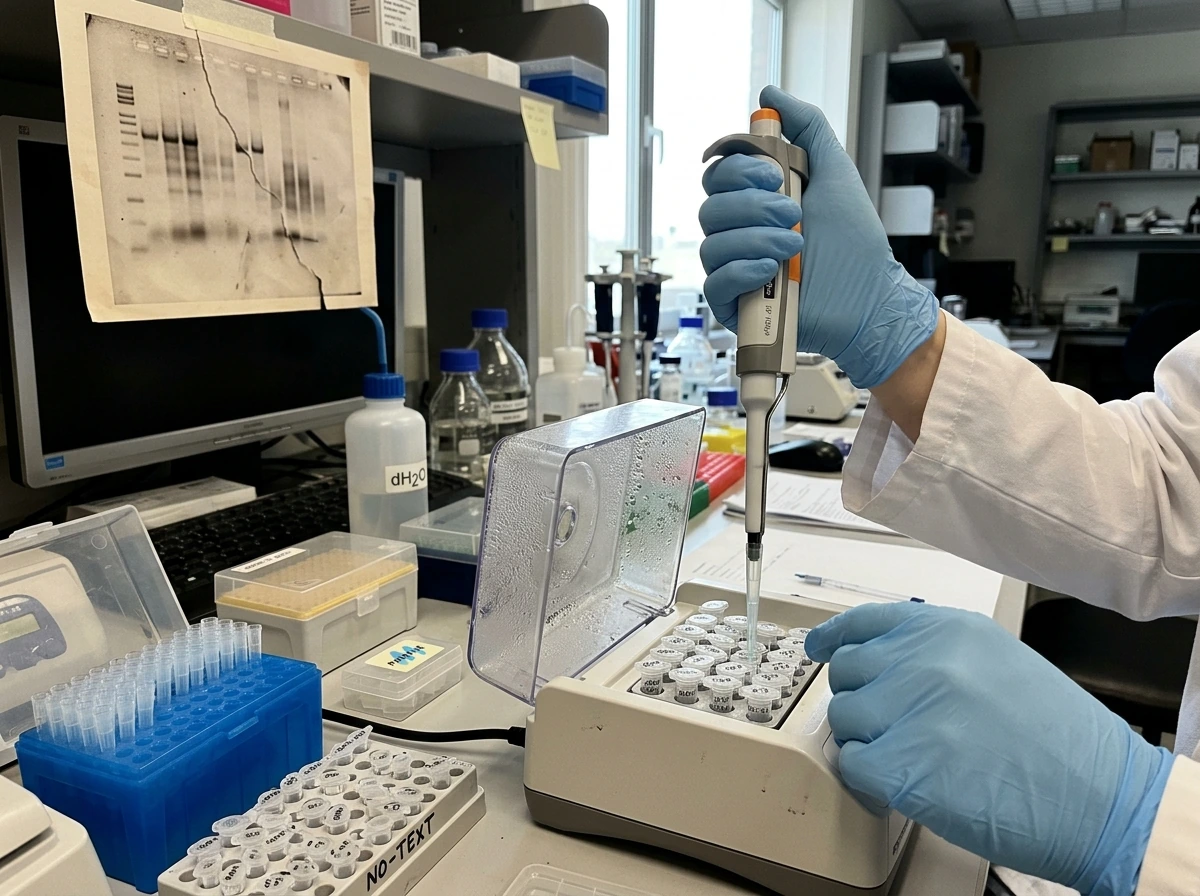
Extracting usable genetic material from centuries-old bones is genuinely difficult, even under the best conditions. After death, DNA begins to fragment and chemically degrade. Hydrolysis breaks the strand apart, while oxidative damage alters individual bases. The result is short, damaged fragments rather than long, intact strands. Ancient DNA labs work with fragments that might be only 30 to 100 base pairs long, compared to thousands of base pairs in modern samples.
Temperature and humidity during preservation play a huge role. DNA survives better in cold, dry conditions, which is why mammoth DNA from permafrost is in relatively good shape while tropical specimens often fare much worse. The dodo lived on Mauritius, a humid tropical island, which is not ideal for long-term DNA preservation. The dodo lived on Mauritius (where it was found), a humid tropical island, which is not ideal for long-term DNA preservation where was the dodo bird found. That geographic reality makes high-quality dodo aDNA harder to recover than remains from colder climates.
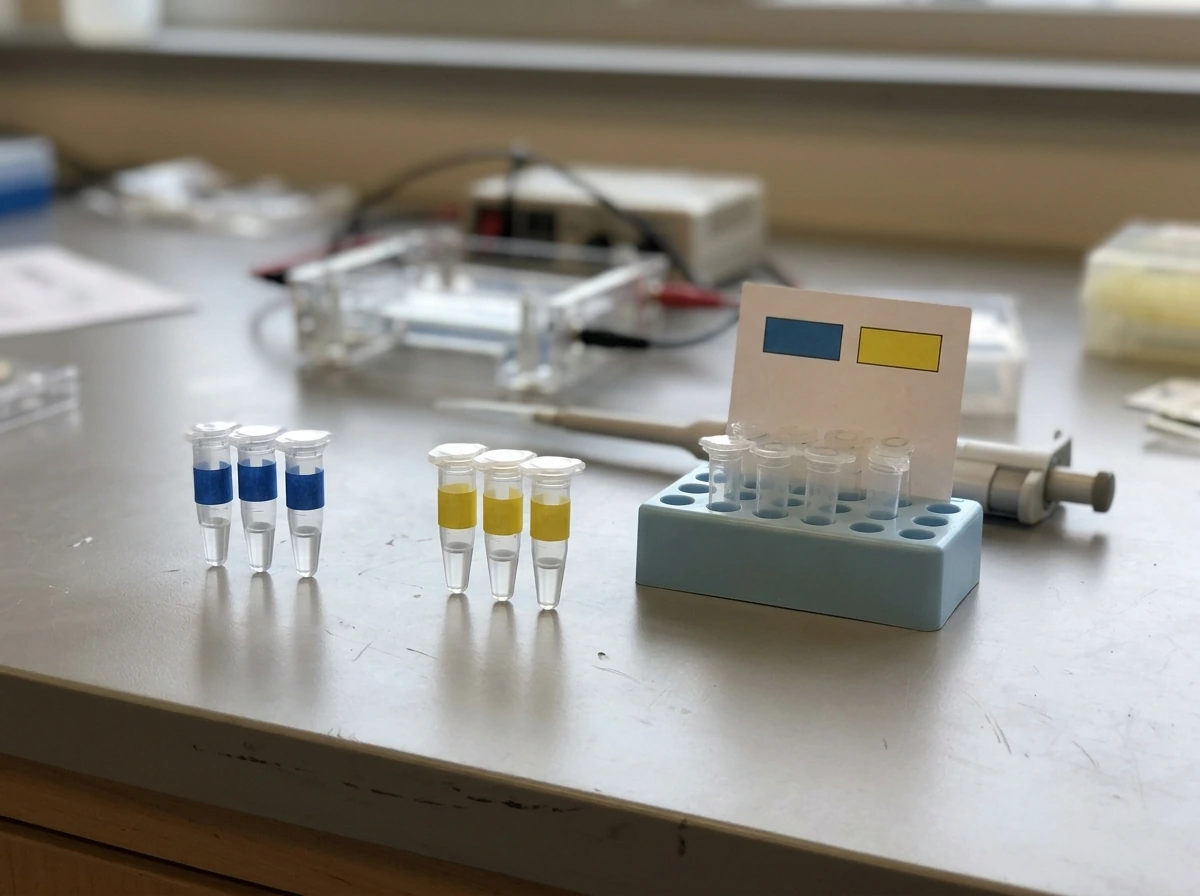
Modern ancient DNA labs use several strategies to handle this. They work in dedicated clean-room facilities with positive air pressure to prevent contamination from modern human DNA. They apply next-generation sequencing (NGS) technology, which is powerful enough to sequence millions of short fragments simultaneously and then computationally reassemble them. They also look for specific chemical damage patterns (called cytosine deamination at fragment ends) that are a signature of genuinely ancient DNA rather than modern contamination. If a sequence looks pristine and undamaged, that's actually a red flag in aDNA work.
Contamination is the central concern in this field. Researchers handle bones with sterile equipment, take samples from the interior of dense bones (like the petrous bone in mammals, or the denser cortical bone in birds) where DNA is better protected, and run multiple negative controls alongside every experiment. The peer-reviewed papers that report dodo aDNA have gone through this authentication process, which is why their findings carry weight.
How to Verify the Latest Findings Yourself
If you want to check the current state of dodo genetic research rather than rely on secondhand summaries (including this one), there are a few places to look directly.
- NCBI GenBank (ncbi.nlm.nih.gov/genbank): Search for 'Raphus cucullatus' in the nucleotide database. Any deposited sequences, including mitochondrial genomes, will appear here with accession numbers, metadata, and links to the associated publications.
- Google Scholar: Search 'Raphus cucullatus ancient DNA' or 'dodo mitochondrial genome.' Filter by date to catch anything published recently. The paper on complete mitochondrial genomes of living and extinct pigeons is a key reference to locate.
- PubMed (pubmed.ncbi.nlm.nih.gov): Search 'dodo genome' or 'Raphus cucullatus aDNA.' PubMed indexes peer-reviewed biomedical and life science literature and is more curated than a general web search.
- BOLD Systems (boldsystems.org): This barcode-of-life database contains reference sequences for many bird species and is worth checking for any additional dodo sequence deposits.
- Preprint servers like bioRxiv (biorxiv.org): Cutting-edge genomics papers sometimes appear here before peer review. Search 'dodo' or 'Raphus' to catch anything in progress.
When you find results, pay attention to the language. 'Mitochondrial genome sequenced' is not the same as 'full genome assembled.' Look for words like 'nuclear,' 'chromosome-level assembly,' or 'whole genome sequencing' (WGS) to know whether researchers have gone beyond mtDNA. As of early 2026, if you find a paper claiming a chromosome-scale nuclear genome for the dodo, that would be genuinely new and significant news in the field.
What Dodo DNA Has Told Us About Its Relatives

Even with mitochondrial sequences alone, researchers have resolved a question that puzzled naturalists for a long time: where exactly does the dodo fit in the pigeon family tree? The two species shared a common ancestor and both evolved on islands, though they ended up in very different ecological niches.
The phylogenetic analysis also helped refine estimates of when the dodo lineage diverged from other pigeons. Molecular clock methods applied to the mitochondrial data suggest the dodo's ancestors colonized Mauritius and began evolving in isolation tens of millions of years ago, which aligns with the island's geological history. The article on how the dodo bird evolved on this site goes into that story in more depth, but the short version is that DNA data provided timestamps that fossils alone couldn't.
The Rodrigues solitaire (Pezophaps solitaria), another extinct flightless pigeon from a nearby island, also shows up as a close relative in these analyses. This pattern, where related species evolved independently on different Indian Ocean islands, supports the idea that pigeon ancestors island-hopped across the region and then underwent parallel evolution toward large body size and flightlessness. Without aDNA from both species, that story would be much harder to piece together.
Why This Matters Beyond the Dodo
The dodo is one of the most famous extinction events in recorded history, and the species found on Mauritius became a symbol of human-caused loss well before conservation science existed as a discipline. Having genetic data from the dodo, even partial data, feeds into two broader conversations that are very much alive today.
The first is understanding extinction. Genetic data can reveal how much diversity existed within a species before it disappeared, whether populations were already stressed before human contact, and what adaptations the animal had developed. For the dodo, which went extinct in the late 1600s largely due to hunting and introduced predators on Mauritius, that context helps scientists model what made island species so particularly vulnerable. The dodo, which became extinct in Mauritius in the 17th century, is the species whose genetics have been studied most in these ancient DNA projects. Those lessons apply directly to birds that are endangered today, including the kiwi and cassowary, both of which face analogous pressures on islands or isolated habitats.
The second conversation is de-extinction. Projects aiming to resurrect extinct species, like efforts focused on the woolly mammoth or the passenger pigeon, rely on high-quality nuclear genome sequences. For the dodo specifically, having only mitochondrial DNA is a significant bottleneck. You can use mtDNA to understand relationships and reconstruct evolutionary history, but you can't use it alone to engineer a living dodo or guide targeted breeding programs. That's why the question of whether a full nuclear genome exists matters practically, not just academically.
Even setting aside de-extinction, the methods developed to recover and authenticate ancient dodo DNA have direct applications in conservation genomics. Techniques refined on museum bones of extinct species are now being applied to population genetics of living endangered birds, helping managers identify distinct populations, detect inbreeding, and prioritize which individuals to move or protect. The dodo, in a very real sense, is helping birds that are still alive.
The Short Answer, and What to Do With It
Scientists have real, published, authenticated dodo DNA in the form of complete mitochondrial genome sequences. That data has been used to confirm the dodo's place in the pigeon family tree, identify the Nicobar pigeon as its closest living relative, and estimate divergence timescales. What doesn't exist yet (in published form) is a chromosome-scale nuclear genome, which would represent a far more complete picture of the dodo's genetics.
If you want to stay current, set a Google Scholar alert for 'Raphus cucullatus genome' and check GenBank periodically. Genomics is moving fast, and what's true in early 2026 may shift. But for now, the answer is: yes, we have dodo DNA, it's mitochondrial, it's scientifically robust, and it's already useful. This same approach helps clarify that Darwin studied living and observation-based birds, not dodo DNA itself what bird did darwin study. A full genome is still the next frontier.
FAQ
If we have dodo bird DNA, can we sequence and clone a complete dodo genome from existing bones?
Not with the current data. Published work has complete mitochondrial genomes, but a chromosome-scale nuclear assembly has not been produced from dodo material in peer-reviewed form. Even if you sequence more fragments, building a full nuclear genome requires enough coverage across many chromosomes, which is especially hard with short, degraded ancient DNA from humid tropical specimens.
How do scientists tell mtDNA from nuclear DNA, and why does it change the story?
MtDNA is typically assembled as a single circular genome using reads that map to mitochondria, while nuclear DNA requires much larger datasets and assembly strategies to reconstruct many chromosomes. Because mtDNA tracks only the maternal lineage, it can still resolve relationships and timing, but it cannot directly answer questions about most nuclear traits, immune genes, or overall population diversity.
Could mitochondrial DNA alone be enough to find the dodo’s closest living relative?
Yes, mtDNA is often sufficient for that specific kind of evolutionary placement. However, the confidence is higher when mtDNA-based trees are consistent with results from additional loci or more genomes. For dodo, analyses using complete mitochondrial genomes identify the Nicobar pigeon as the closest living relative, but a nuclear dataset could further test finer branching order.
Are there any cases where “dodo DNA” headlines might be misleading?
Yes. A common issue is treating “DNA detected” or “a partial mitochondrial fragment sequenced” as if a full genome was assembled. Another is contamination wording, where modern bird DNA can contaminate samples, making sequences look real without proper authentication. The safer phrasing is “complete mitochondrial genome sequenced,” or explicit mention of damage-pattern authentication and negative controls.
What would count as real evidence of a dodo nuclear genome, not just more sequencing?
Look for a paper that explicitly reports a nuclear genome assembly at a meaningful scale, such as chromosome-level scaffolding, plus metrics like assembly size, continuity (N50), and completeness (for example, gene content coverage). “Shotgun sequencing” alone does not prove assembly completeness or chromosome organization.
Can we do de-extinction with only mitochondrial DNA?
No. Mitochondrial DNA cannot provide the full set of nuclear genes needed for development, immune function, and viable reproduction. It may help with ancestry and evolutionary context, but it would be a bottleneck for engineering or breeding a living dodo.
Why is dodo DNA harder to recover than DNA from colder climates?
Humidity and warmth accelerate chemical breakdown of DNA and increase fragmentation. Dodo remains from a humid tropical island tend to yield more damaged, shorter fragments, which makes it harder to achieve the coverage needed for nuclear assembly, even though mtDNA can still survive well enough for complete mitochondrial genomes.
If I find a paper, what exact keywords should I check to avoid over-interpreting results?
Check for terms like “mitochondrial genome,” “complete mtDNA,” or “whole genome sequencing.” Then contrast them with “nuclear,” “chromosome-level assembly,” or “reference genome.” Also watch for authentication language that mentions ancient-DNA damage patterns and contamination controls, not just sequence presence.
Does the age of the specimens (museum vs. subfossil) affect what kind of DNA scientists can get?
Yes. Generally, older but well-preserved subfossil material can still outperform poorly curated samples for DNA yield and authenticity, while some museum specimens may preserve enough DNA for mtDNA but not enough for extensive nuclear reconstruction. Extraction success depends heavily on storage conditions, prior handling, and whether sampling targets dense, protected bone regions.
Where can mitochondrial DNA help conservation genomics using methods learned from dodo studies?
MtDNA can be used for lineage tracking and broad phylogeography in living birds, while the bigger conservation leap comes from authentication and contamination-handling workflows developed for ancient samples. Those same lab practices help managers analyze degraded or low-quantity samples from wild and endangered birds more reliably.