
The dodo bird was not dangerous to humans. It was a large, flightless pigeon relative that lived on the island of Mauritius with virtually no natural predators, which meant it never developed aggressive behaviors toward people or anything else. When Dutch sailors arrived in the late 1600s, dodos famously walked right up to them rather than fleeing. That fearlessness got them killed, not the other way around. And since the dodo (Raphus cucullatus) has been extinct since around 1662, there is no living dodo to pose any risk today either.
Is the Dodo Bird Dangerous? Real Risks and Myths Explained

Maya Hennessy
27 Apr 2026
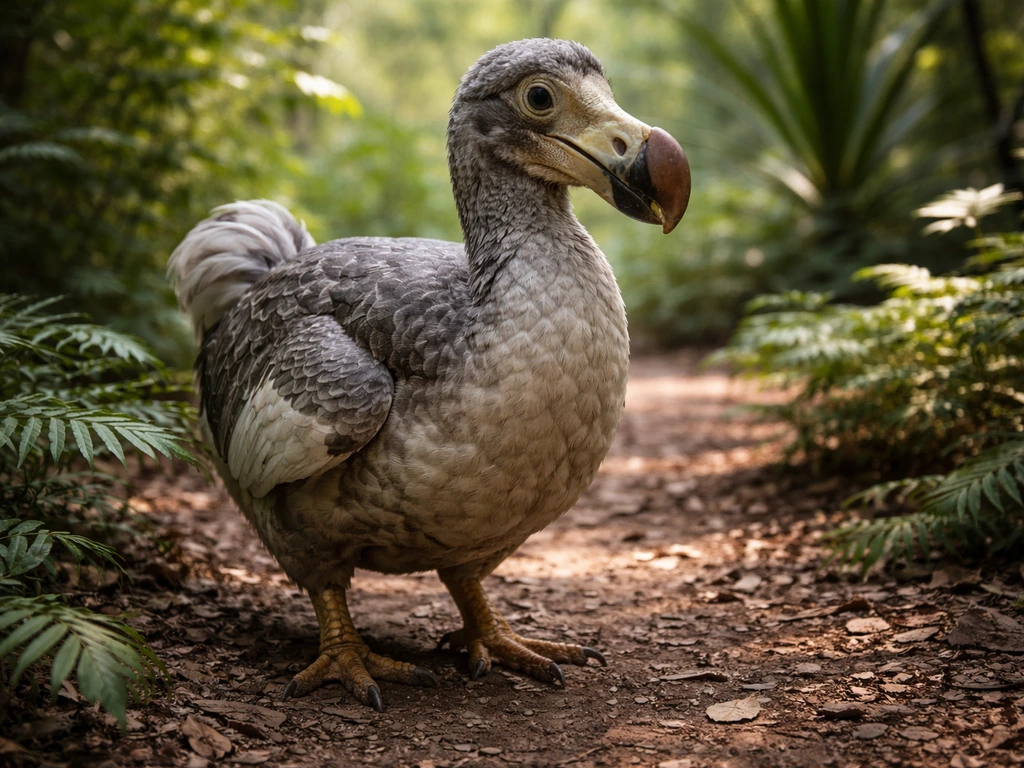
Was the dodo ever dangerous? The straightforward answer
No historical or scientific record documents a dodo attacking a human being. That is why the question “can a dodo bird kill you” is answered with a clear no: there are no records of attacks on people and the species is extinct. Museum collections, fossil reconstructions from sites like the Mare aux Songes marsh in Mauritius, and Dutch sailor diaries that researchers have used to reconstruct the dodo's timeline all paint the same picture: a bird that was curious and unthreatening, not hostile. The Natural History Museum in London, the Oxford University Museum of Natural History, and the Smithsonian all frame the dodo through the lens of extinction and vulnerability, not aggression. The dodo is also often asked about in a related way, including whether was the dodo bird real, and the answer is that it existed but is now extinct. The only "danger" in any dodo-human encounter was the danger faced by the dodo itself.
To be precise about the species: the dodo is classified as Raphus cucullatus, a large flightless bird once endemic to Mauritius in the Indian Ocean. It is not a living animal. Any modern question about whether it is dangerous is really a question about its historical biology, and that biology points firmly toward a non-threatening animal.
Why the dodo wasn't dangerous: behavior and temperament
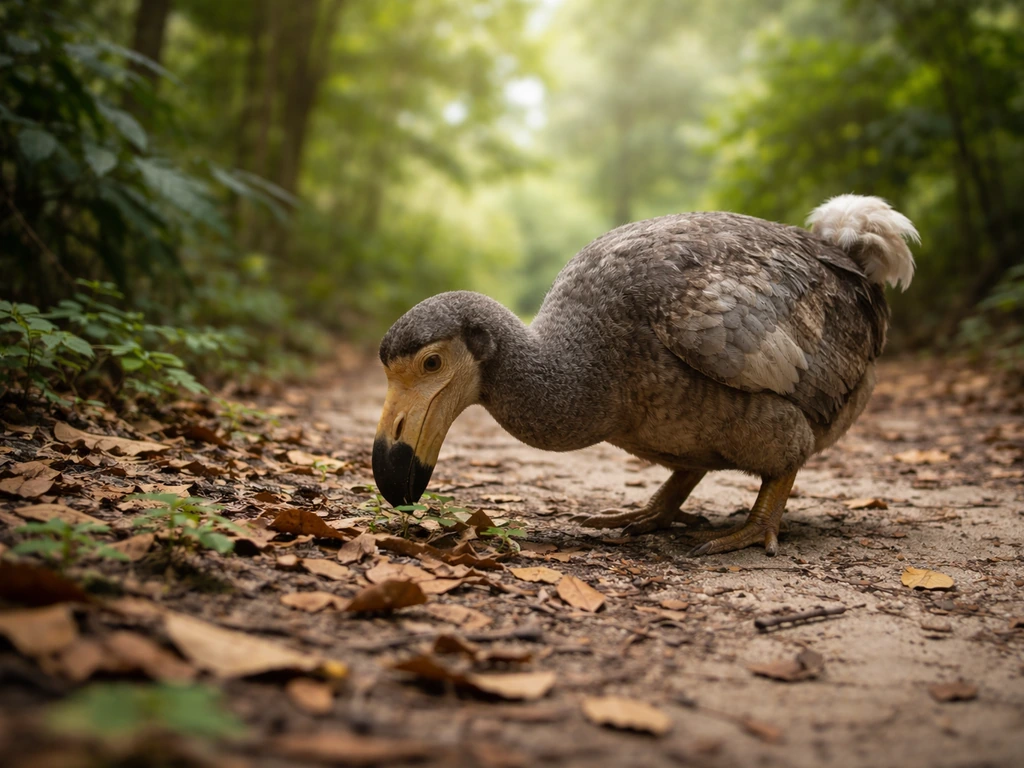
The dodo evolved on an island that had no large predators before humans arrived. When an animal spends thousands of generations without anything trying to eat it, there is no evolutionary pressure to develop aggression, camouflage, speed, or flight. The dodo had none of those defenses in any meaningful form. It was flightless, relatively slow, and by all accounts completely unbothered by the presence of large unfamiliar creatures, including people. In other words, the dodo did not have a reliable defense against people, because it generally did not flee or fight defend itself.
The Smithsonian describes the dodo's post-human-arrival reputation specifically as "not fleeing from humans," which is as far from dangerous as a bird can get. Sailors reportedly walked up and clubbed dodos without the birds making any serious attempt to escape. Their temperament was essentially docile, shaped by a predator-free environment rather than any particular intelligence failure. In fact, recent analysis of dodo brain endocasts suggests their cognitive ability was roughly comparable to modern pigeons, so the old "dumb as a dodo" nickname is unfair on top of being irrelevant to the danger question.
Physically, a dodo was about a meter tall and weighed somewhere in the range of 10 to 18 kilograms. It had a large hooked beak that could theoretically deliver a painful bite if the bird was cornered and stressed, in the same way any large bird might. But there is no evidence this ever happened in any documented encounter. Its wings were vestigial and useless for fighting or flight, and its legs, while sturdy enough to support its bulk, were not weaponized like those of a cassowary. This question about flight is often summarized as: could the dodo bird fly? If you are also wondering whether it was even bigger than a typical bird in terms of abilities, this is the same idea behind whether the dodo bird fly, which is a related consideration to whether is a dodo bird a dinosaur could the dodo bird fly. If you want to compare the dodo to a bird that genuinely can be dangerous, the cassowary is a far better example.
Risks to humans then vs. today
During the dodo's lifetime (roughly the 1600s)
Dutch traders began arriving on Mauritius in the late 16th century, and the island had previously been largely uninhabited and rarely visited. For the dodo, this was catastrophic. For the humans, it was not risky at all. Sailors hunted dodos for food, though accounts suggest the meat was not particularly good. The birds were easy to catch precisely because they showed no fear. There is no record of hunters being injured by dodos, no documented cases of dodos charging or attacking, and no reports of disease transmission from dodos to people in historical records. The encounter was one-sided, and it ended badly for the bird.
Today: no living dodos, no risk
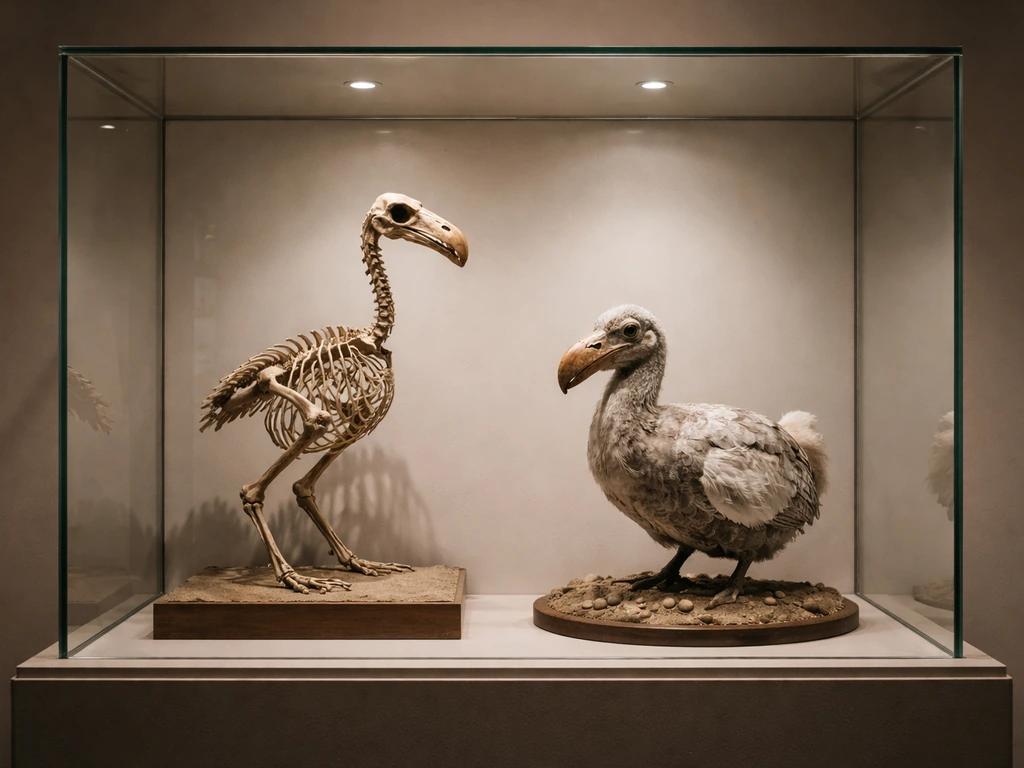
The dodo has been extinct for over 360 years. The only physical dodo material that exists today is fossil bones, the occasional preserved specimen in museum collections, and the Oxford Dodo, which is the only surviving soft tissue from the species anywhere in the world, held at the Oxford University Museum of Natural History. Britannica notes that the blank" rel="noopener noreferrer">dodo (Raphus cucullatus) is an extinct flightless bird endemic to Mauritius and that what remains today is represented by museum specimens, skeletons, and isolated remains. You cannot encounter a living dodo. There is no risk of being bitten, scratched, or infected by one. If you have come across something labeled a "dodo," you are either looking at a museum exhibit, a model, a brand name, or a metaphor.
Myths and misconceptions: could the dodo ever have been dangerous?
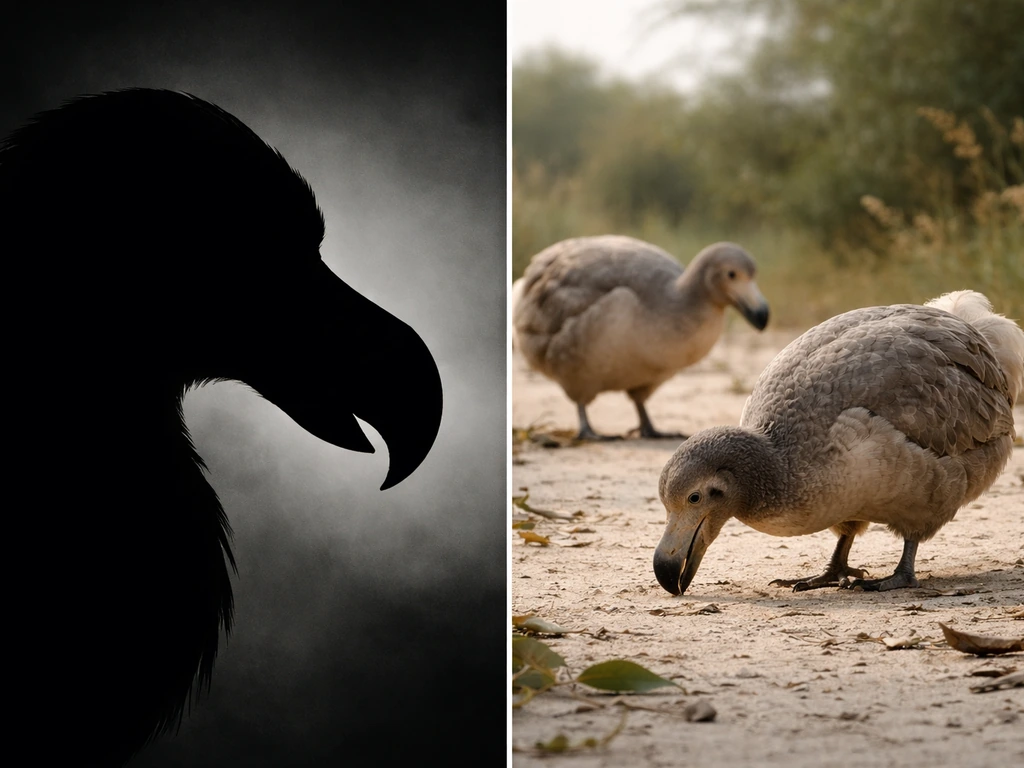
A few persistent myths are worth addressing directly. Some people imagine the dodo as a large, aggressive bird because of its size and its hooked beak, which looks somewhat formidable in reconstructions. But beak shape in birds reflects diet, not aggression. The dodo's beak was adapted for cracking open hard fruits, seeds, and nuts on the forest floor of Mauritius, not for fighting. Its ecology was that of a ground-feeding frugivore, not a predator.
Another misconception is that because the dodo is so famous, it must have been extraordinary in some dramatic way. Its fame comes entirely from extinction, not from any record of dangerous or remarkable behavior. The Royal Society has noted that the dodo became an "extinction icon" largely after the fact, as scientists and the public came to understand what had been lost. The drama is about disappearance, not about the bird posing a threat.
There is also sometimes confusion between the dodo and the idea of a "dangerous flightless bird." Flightlessness alone does not make a bird harmless or dangerous. If you are wondering whether the dodo was the kind of bird that could anticipate danger, that connects closely to whether it was the dodo bird smart as well. Ostriches can kick hard enough to kill a lion. Cassowaries have been responsible for human fatalities. Cassowaries sometimes kick humans and other animals with their powerful legs, and there is a documented first human death attributed to a cassowary on April 6, 1926. The dodo shares flightlessness with those birds but none of their defensive weaponry or temperament. Being unable to fly did not make the dodo a ground-based fighter; it just made it more vulnerable.
What actually happened to the dodo
The dodo's extinction is one of the clearest examples of human-caused species loss in recorded history. It happened fast. Mauritius was first settled by Dutch colonists in 1638, and the dodo was effectively gone by around 1662, based on the last credible sighting documented in historical records. Some researchers using Dutch diaries and statistical models have pushed that date slightly later, but the timeline is still shockingly short, somewhere between 50 and 80 years from first sustained human contact to extinction.
Hunting played a role, but the bigger drivers were the animals humans brought with them. Pigs, rats, dogs, cats, and crab-eating macaques all arrived on Mauritius as part of human settlement. Rats and pigs were particularly devastating because they raided dodo nests and ate eggs. The dodo nested on the ground, which made its eggs completely exposed to introduced predators that the bird had no instinct to defend against. Habitat destruction as forests were cleared added another layer of pressure. The Smithsonian notes that the dodo had been a resilient island survivor before human arrival, but the combination of direct hunting, introduced predators, and habitat loss was something it simply could not adapt to quickly enough.
This extinction story is why the dodo matters today as a conservation reference point. It is a well-documented case of how island species, especially those that evolved without predators, are uniquely vulnerable when humans and their accompanying animals arrive. The Natural History Museum in London has described ongoing work in Mauritius showing that extinctions connected to the dodo's era are still rippling through the island's ecosystem today, affecting plant species that relied on the dodo for seed dispersal.
If you're thinking of a different bird: how to tell it's not a dodo
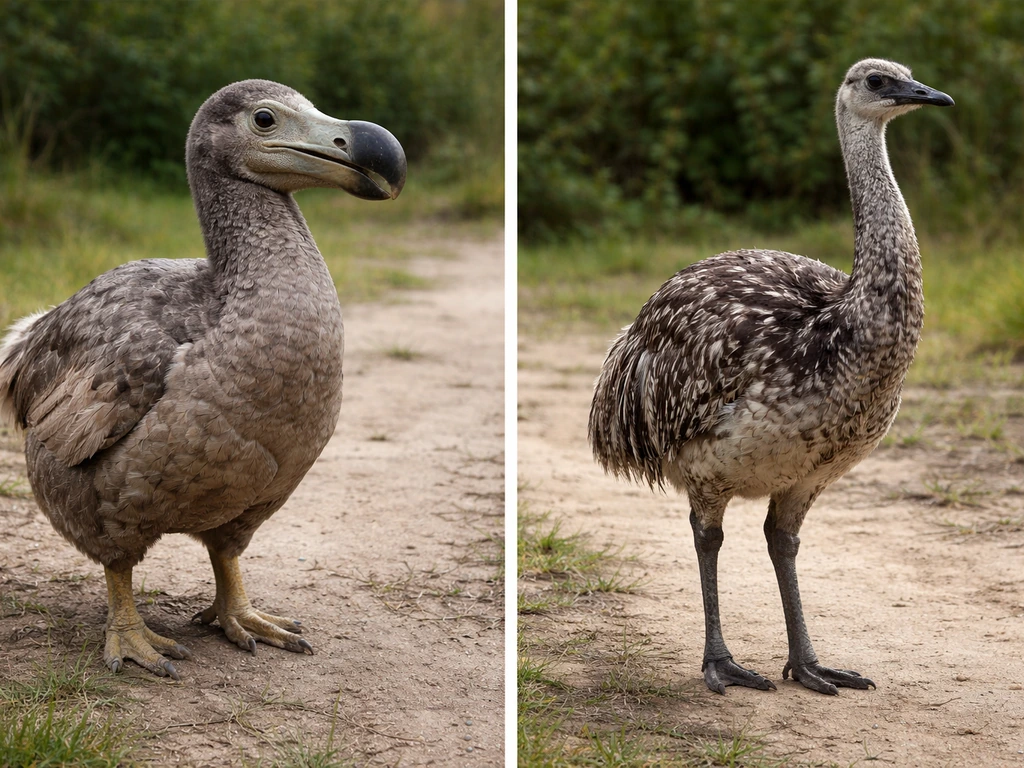
If you have encountered a large flightless bird and are wondering whether it could be related to the dodo, or if someone described a bird to you as a "dodo," here is a quick way to sort it out. The dodo is extinct and has been for centuries. No living bird is a dodo. That said, there are living flightless birds that sometimes get confused with it, particularly in conversations about dangerous birds.
| Bird | Status | Size (approx.) | Dangerous to humans? | Where found |
|---|---|---|---|---|
| Dodo (Raphus cucullatus) | Extinct (c. 1662) | ~1 m tall, 10–18 kg | No, and no longer exists | Was endemic to Mauritius |
| Cassowary | Vulnerable/Near Threatened | Up to 1.8 m tall, up to 85 kg | Yes, capable of serious injury | Australia, New Guinea |
| Ostrich | Least Concern | Up to 2.7 m tall, up to 150 kg | Yes, powerful kick | Africa |
| Emu | Least Concern | Up to 1.9 m tall, up to 60 kg | Rarely, but can scratch and kick | Australia |
| Kiwi | Multiple species endangered | ~35–45 cm, 1–3.5 kg | No | New Zealand |
The key identifiers of the dodo specifically were its compact, rotund body, a large hooked beak with a distinctive hooked tip, small vestigial wings that were clearly non-functional, sturdy yellowish legs, and a tuft of curly tail feathers. It looked something like a very large, heavyset pigeon, because taxonomically that is essentially what it was: a giant flightless pigeon. If the bird you are thinking about can run fast, has long powerful legs built for kicking, or has a bony casque on its head, it is not a dodo. It might be a cassowary, which is a genuinely dangerous bird worth learning about separately.
It is also worth noting that "dodo" is sometimes used as a casual insult or metaphor for something obsolete or foolish. In that context, there is obviously no dangerous animal involved at all. The word has taken on a cultural life well beyond the actual extinct species, which can create genuine confusion when people search for information about it.
The bigger picture: a harmless bird with a lasting lesson
The dodo was about as non-threatening as a bird could be. It walked up to the people who would eventually wipe it out. That is not stupidity or aggression; it is the behavioral profile of an animal that had never needed to be afraid of anything and had no framework for recognizing danger when it finally arrived. The real story of the dodo is not about any risk it posed to humans. It is about the risk humans posed to it, and how quickly a species can disappear when its entire evolutionary context is dismantled. That is why it remains one of the most studied and referenced extinction cases in natural history, even more than 360 years after the last one died.
FAQ
Can a dodo be dangerous if it is a stuffed animal or a “dodo” souvenir at a museum or shop?
Not in the way people usually mean. A real dodo does not exist anymore, so anything labeled dodo is either a replica, a specimen in a museum, a brand name, or a metaphor. The only practical risks would be normal handling issues like broken glass cases or sharp edges on a prop, not bites or scratches from a living animal.
If there are no records of attacks, how can we be sure there was no biting at all?
It is possible an individual could have bitten if cornered, but the article’s point is that historical documentation does not describe attacks or injuries caused by dodos. So the safe takeaway is that there is no evidence for a pattern of aggressive behavior toward humans, unlike species that have repeated, well-documented incidents.
Could modern people be exposed to anything from dodo bones or fossils?
The bigger concern is usually not “infection from a dodo,” it is routine museum or lab safety such as dust from dried material. If you are handling fossil fragments or viewing specimens behind glass, follow standard precautions like avoiding breathing dust and not touching cases unless it is permitted.
What if someone says they saw a “dodo” in the wild or in a zoo?
That claim would almost certainly be mistaken, because the dodo is extinct. The most common mix-ups are other flightless birds (like cassowaries or ostriches) or mislabeling. A quick check is whether it can run fast and kick, has a casque, or is visibly different from the compact, pigeon-like shape described for dodos.
Are flightless birds in general safe, or is the dodo unique?
The dodo is unique because it evolved in a predator-free environment and lacks defensive traits seen in other dangerous flightless birds. However, flightlessness alone does not make a bird safe, cassowaries can be hazardous and ostriches can injure people, so you should treat any unfamiliar wild bird cautiously.
Is the dodo’s hooked beak a sign it could be dangerous if confronted?
A hooked beak can cause pain if any large bird is stressed and forced to bite, but the article emphasizes there is no evidence that dodos inflicted injuries in recorded encounters. So the correct conclusion is not “no beak risk,” it is “no documented human harm from dodos.”
If the dodo cannot fly, does that mean it could not move quickly or defend itself in any way?
It was flightless and relatively slow, but that does not automatically mean it was powerless in every scenario. It likely relied on basic ground posture and avoidance, not specialized aggression or weaponized legs. The key point for safety is that there is no living animal to confront today.
Why do people keep mixing up the dodo with other birds that are genuinely dangerous?
Because the word “dodo” gets used casually as a cultural stand-in for an animal that is foolish, obsolete, or harmless-looking. That can cause confusion when someone hears “big flightless bird” and assumes “dodo,” even though the dangerous species traits (like casques or strong kicking) would point elsewhere.
Next Articles
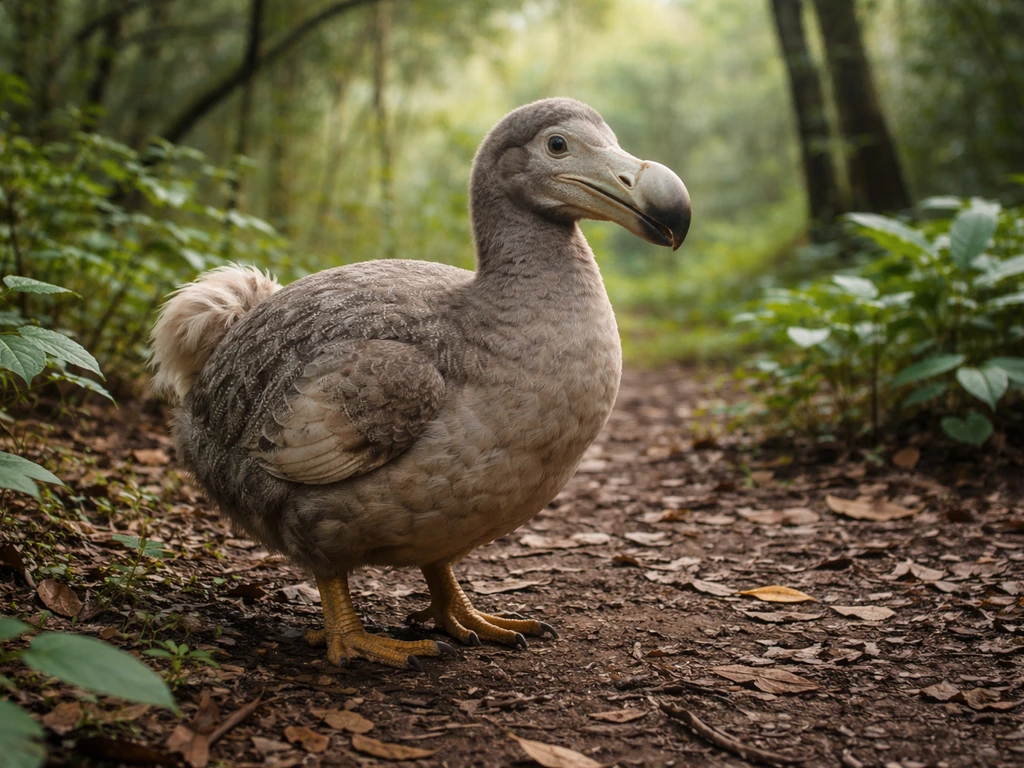
Was the Dodo Bird Real? Evidence, Extinction, and Facts
Yes, the dodo was real. Evidence, where it lived in Mauritius, why it went extinct, and common myths explained.
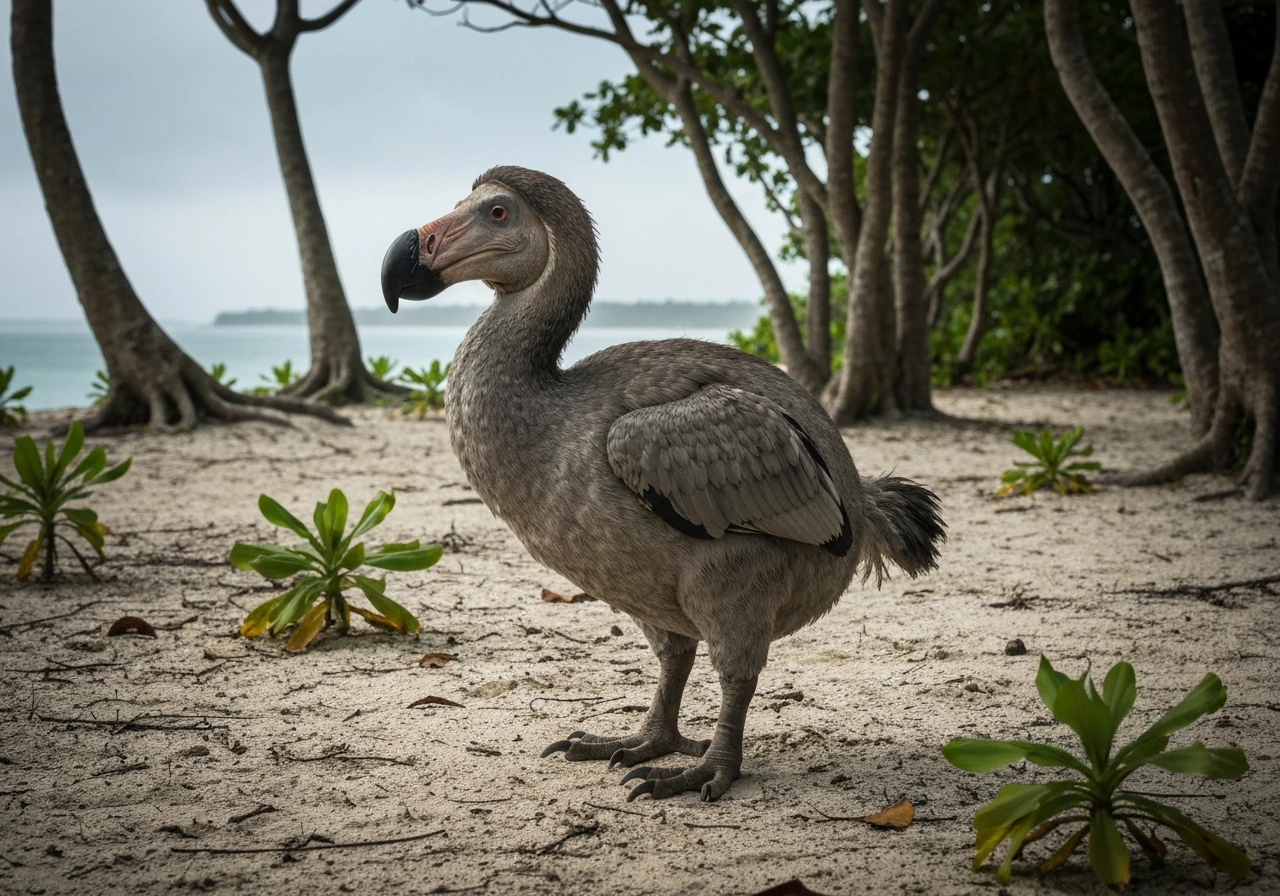
Could the Dodo Bird Fly? Evidence, Biology, and Why Not
Could the dodo bird fly? Evidence shows it was flightless, explaining anatomy, comparisons, and island evolution why

Is a Dodo Bird a Dinosaur? Clear Answer and Next Steps
Short answer: dodo isn’t a dinosaur, but birds are dinosaur relatives. Here’s the clear split and how to think it throug