
The bird from Rio is real, and it is currently classified as Extinct in the Wild. The movie characters Blu and Jewel are both Spix's macaws (Cyanopsitta spixii), a species that lost its last known wild individual around October 2000, with the lone survivor in the wild disappearing entirely by 2019. The species isn't fully extinct only because a captive population still exists and active reintroduction work is underway in Brazil right now.
Is the Bird From Rio Extinct? Real Species Status Guide

Maya Hennessy
24 Apr 2026
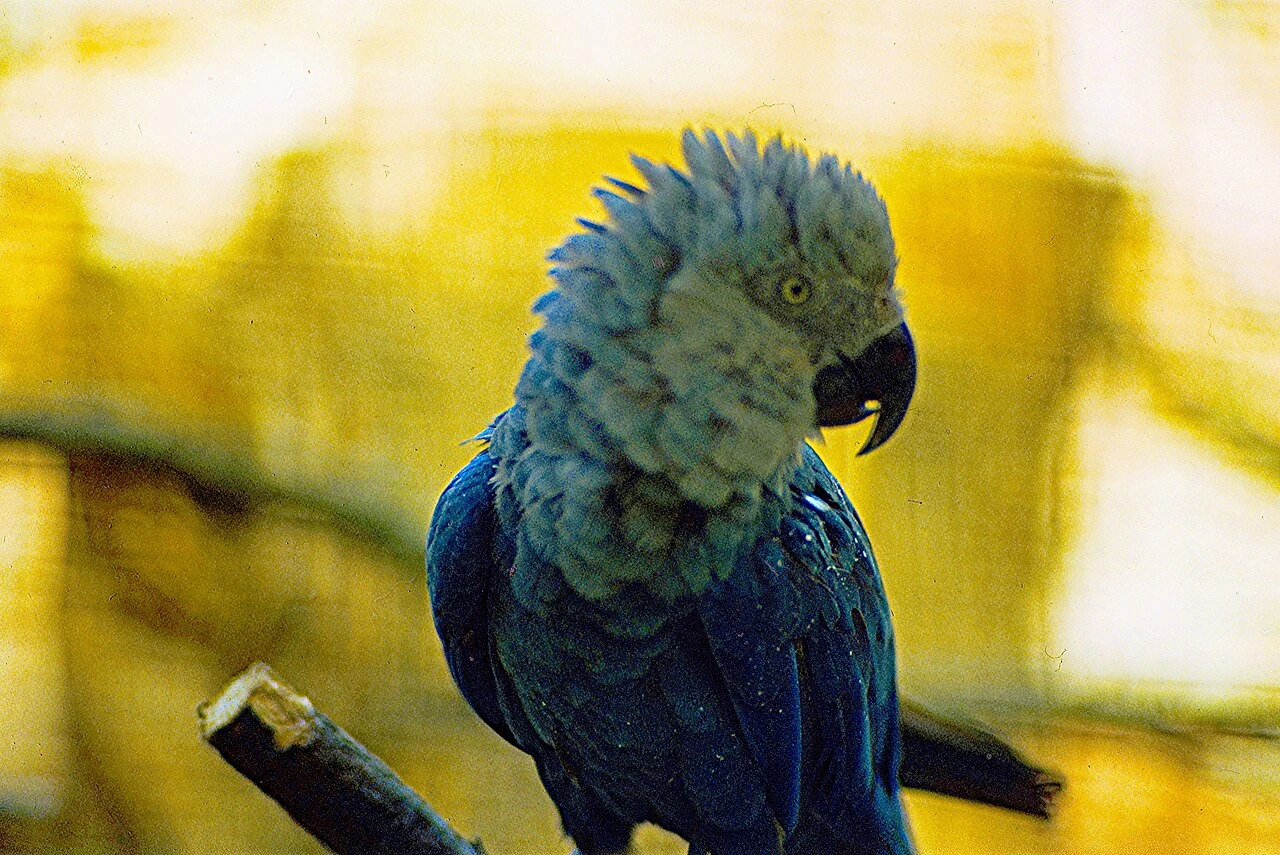
What "Rio" Actually Refers To

The 2011 animated film Rio follows Blu, a domesticated male blue macaw who travels to Rio de Janeiro and meets Jewel, a female described as the last of his kind in the wild. The sequel, Rio 2, continues their story. Both characters are explicitly Spix's macaws, also commonly called the little blue macaw. The filmmakers drew direct inspiration from the real-world plight of Cyanopsitta spixii, a species that was already functionally gone from the wild by the time the movie was in production. So when people search for "the bird from Rio," they are almost always asking about the Spix's macaw, whether they know the scientific name or not.
How to Pin Down Exactly Which Bird You Mean
Confusion is understandable. Rio is a city, a movie, and a general shorthand for tropical Brazilian wildlife all at once. But there are three quick clues that lock in the identity of the bird people are asking about.
- Scientific name: Cyanopsitta spixii. Every credible conservation database, from the IUCN Red List to the U.S. Fish and Wildlife Service, uses this name for the Rio bird.
- Common name: Spix's macaw, or sometimes "little blue macaw." If you see either of those names, you have the right species.
- Movie connection: Blu is male, Jewel is female, and both are explicitly identified as Spix's macaws in the film's official descriptions. If your search is rooted in the movie, this is definitively the species.
The species is not a generic macaw. It belongs to its own genus, Cyanopsitta, making it distinct from hyacinth macaws, scarlet macaws, or the many other blue-toned parrots that live in South America. That taxonomic uniqueness is part of why its disappearance from the wild matters so much.
Extinct, Extinct in the Wild, or Critically Endangered? Here's the Difference
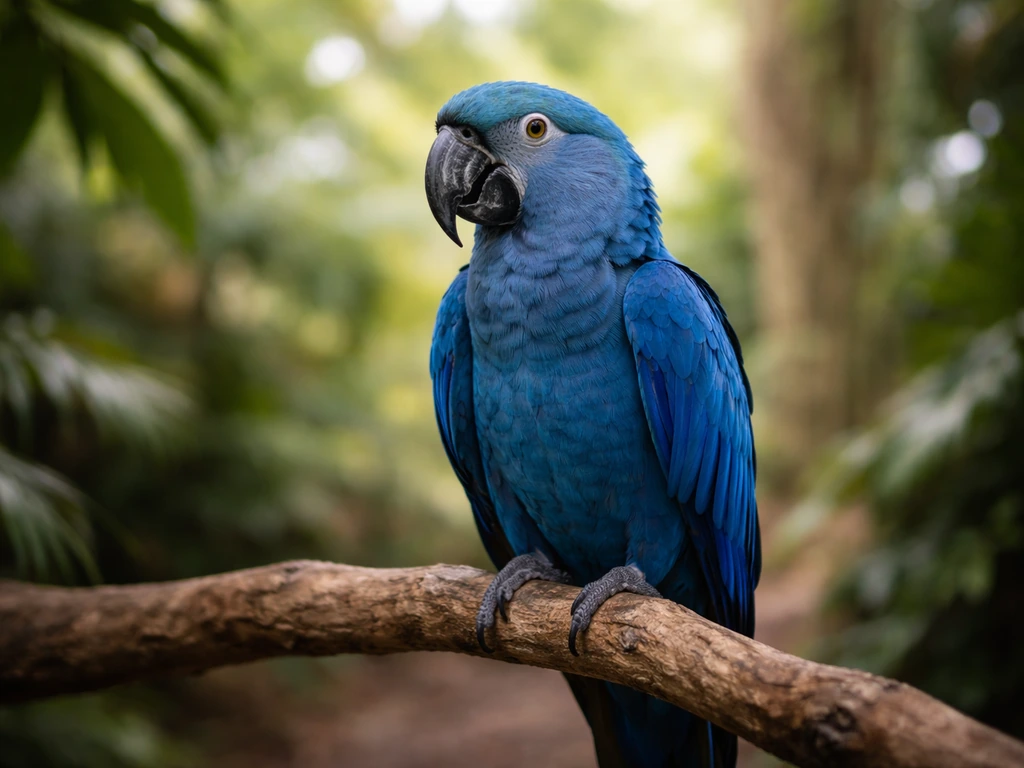
These three categories are not interchangeable, and the distinction matters a lot for the Spix's macaw. The elephant bird, however, went extinct long before modern conservation records, so estimates vary by study Extinct in the Wild. Here is what each actually means.
| Status | What it means | Spix's macaw? |
|---|---|---|
| Extinct (EX) | No individuals alive anywhere, wild or captive | No |
| Extinct in the Wild (EW) | Survives only in captivity or cultivation; none in natural habitat | Yes, since 2000 per IUCN |
| Critically Endangered (CR) | Faces an extremely high risk of extinction in the wild | Was this before 2000; now EW |
The IUCN has listed Spix's macaw as Extinct in the Wild since approximately 2000, when the last small wild group disappeared from its native Caatinga habitat in northeastern Brazil. A lone individual was still spotted as late as 2019, but that bird is now gone too. The species exists today only because of a managed captive population, primarily held at facilities in Europe and Brazil. It is not fully extinct, but it has no self-sustaining wild population. That is a critically important distinction.
Where to Check the Status Right Now
Conservation statuses can change, so it is worth knowing where to look for the most current information rather than relying on any single article, including this one. For U.S. regulatory context, writers can also check the U.S. Fish & Wildlife Service Endangered Species Act species search for the most up-to-date ESA status and information blank" rel="noopener noreferrer">knowing where to look for the most current information rather than relying on any single article. The IUCN Red List categories are defined by the IUCN and provide a comprehensive global picture of extinction risk, including categories such as Extinct and Extinct in the Wild blank" rel="noopener noreferrer">Conservation statuses can change.
- IUCN Red List (iucnredlist.org): Search for "Cyanopsitta spixii" and you will get the official global assessment, including the threat classification and a full rationale. This is the gold standard for extinction status.
- BirdLife International DataZone (datazone.birdlife.org): BirdLife is the official Red List Authority for birds. Their factsheet for Cyanopsitta spixii includes range maps, threat summaries, and population trend data.
- U.S. Fish and Wildlife Service (fws.gov): Maintains a species profile for the Spix's macaw under the Endangered Species Act, useful if you need a U.S. regulatory perspective.
- American Bird Conservancy (abcbirds.org): Publishes accessible, regularly updated species profiles that align with IUCN data and are written for a general audience.
- Museum für Naturkunde Berlin: Has published research and public-facing materials on the species' history and reintroduction efforts, given Germany's role in captive breeding programs.
The Conservation Story Behind the Movie
The Spix's macaw's collapse is a textbook case of how two pressures, habitat loss and illegal wildlife trade, can combine to hollow out a species faster than anyone expects. The bird's native habitat is the Caatinga, a dry forest and scrubland region in the Brazilian state of Bahia. As that ecosystem was cleared for agriculture and development through the 20th century, Spix's macaw populations fragmented and declined. At the same time, the bird's striking cobalt-blue coloring made it extremely valuable on the illegal parrot trade market. Captured birds fed collections across Europe and the Middle East, stripping the wild population down to almost nothing by the 1980s.
By 1990, only a handful of wild birds remained. By 2000, the last known wild group was gone. A lone male held on in the wild until around 2019, possibly the most closely watched individual bird on the planet during that period, before he too disappeared. BirdLife International confirmed the species had gone extinct in the wild in 2019, drawing a wave of international media coverage that pointed directly to the Rio films as the reason so many people knew and cared about this particular parrot.
The captive population, however, never disappeared. Breeding programs run by the Association for the Conservation of Threatened Parrots (ACTP) in Germany, along with facilities in Brazil, maintained a gene pool large enough to make reintroduction feasible. In the early 2020s, those efforts moved from planning to action. Captive-bred Spix's macaws were released into restored Caatinga habitat in Brazil, marking the first time the species had lived wild in over two decades.
Peer-reviewed research published around this period noted that the survival of the species in the wild is almost entirely dependent on continued annual releases, since there is no self-sustaining wild population yet. The bird is not saved. But it is not completely gone either, and that gap is where an enormous amount of conservation work is happening right now.
This kind of story sits alongside other dramatic extinction and near-extinction narratives in natural history. The complete disappearance of species like the moa, the elephant bird, and the dodo shows what happens when there is no captive safety net and no recovery program. The elephant bird, a different species from modern parrots like the Spix's macaw, is not known to still be alive today is the elephant bird still alive.
The terror bird went extinct long after the era when these large flightless birds were thriving in many parts of the world. If you are wondering when the elephant bird went extinct, that is another example of a species pushed beyond recovery. The moa bird, which also vanished long ago, is often asked about in terms of when it went extinct. The Spix's macaw, for all its peril, at least has both.
Your Next Steps to Confirm and Learn More
- Go to the IUCN Red List and search "Cyanopsitta spixii" to get the current official classification. As of April 2026, it remains Extinct in the Wild.
- Check BirdLife International's DataZone factsheet for the most detailed species assessment, including population estimates and threat details.
- If you want the reintroduction angle, search for peer-reviewed articles on "Spix's macaw Caatinga reintroduction" on Google Scholar to find the latest field research.
- For a quick accessible overview, the American Bird Conservancy and the Museum für Naturkunde Berlin both have public-facing species pages in plain language.
- If your interest came from the movie, read up on the real conservation history of Cyanopsitta spixii specifically around the 2019 extinction-in-the-wild declaration for the full context the film was based on.
FAQ
So “extinct” is not the same as “gone forever” for the bird from Rio? Explain it clearly.
If you mean the animated character, then no, it is not extinct in the way people usually use the word. Spix’s macaw is classified as Extinct in the Wild, meaning no breeding population can sustain itself outdoors, but captive birds still exist and releases have been taking place.
What does Extinct in the Wild actually mean for Spix’s macaw?
A common mix-up is between “Extinct in the Wild” and “Critically Endangered.” Extinct in the Wild specifically means the species survives only in captivity and there is not a self-sustaining population in its natural range.
When exactly did the Spix’s macaw stop existing in the wild?
Movie fans sometimes search for a single date. For Spix’s macaw, the broad turning point is around 2000 for the loss of the last known wild group, and a later individual was reported into the late 2010s before disappearing too.
How can I confirm I’m looking at the right “blue macaw” and not another Rio-related species?
It helps to use the scientific name when you are checking claims, because “blue macaw” or “Rio bird” can be used loosely online. The characters are specifically Spix’s macaw (Cyanopsitta spixii), not a general blue macaw species.
Could Spix’s macaw become fully extinct again if releases stop?
If reintroduced birds die or releases pause, the species still can remain Extinct in the Wild until a self-sustaining outdoor population is established. That is why current success depends heavily on continued, year after year management, not just occasional releases.
What does “reintroduction” look like right now, breeding-wise, for Spix’s macaw?
For most people, it is enough to know the distinction between managed releases and wild breeding. The current goal is to build a population that can reproduce and persist without ongoing annual releases at the same scale.
Where would the bird from Rio have lived in the wild, and why is that habitat important for recovery?
The Caatinga region is the key natural habitat detail, dry scrubland and forest in northeastern Brazil. The species declined as that ecosystem was cleared, and survival in restored areas depends on habitat readiness plus protection after release.
Is illegal wildlife trade still a threat to Spix’s macaw recovery today?
People often assume the illegal trade is only a past problem. For species with few individuals left, any continued trafficking risk can prevent recovery by removing captive or released birds and undermining breeding momentum.
If I read that it went extinct in the wild, can the status ever change again?
Yes, but the real-world situation is ongoing. Conservation status can be updated when monitoring data improves, so it is smart to check the most current conservation listings instead of relying on a fixed year mentioned in older articles.
What search terms help me find accurate updates about the bird from Rio?
If you want to avoid confusion, search using “Cyanopsitta spixii” plus “Extinct in the Wild,” or “Spix’s macaw reintroduction Caatinga.” That combination usually reduces false matches to other parrots or to general “Rio” tourism content.
Next Articles
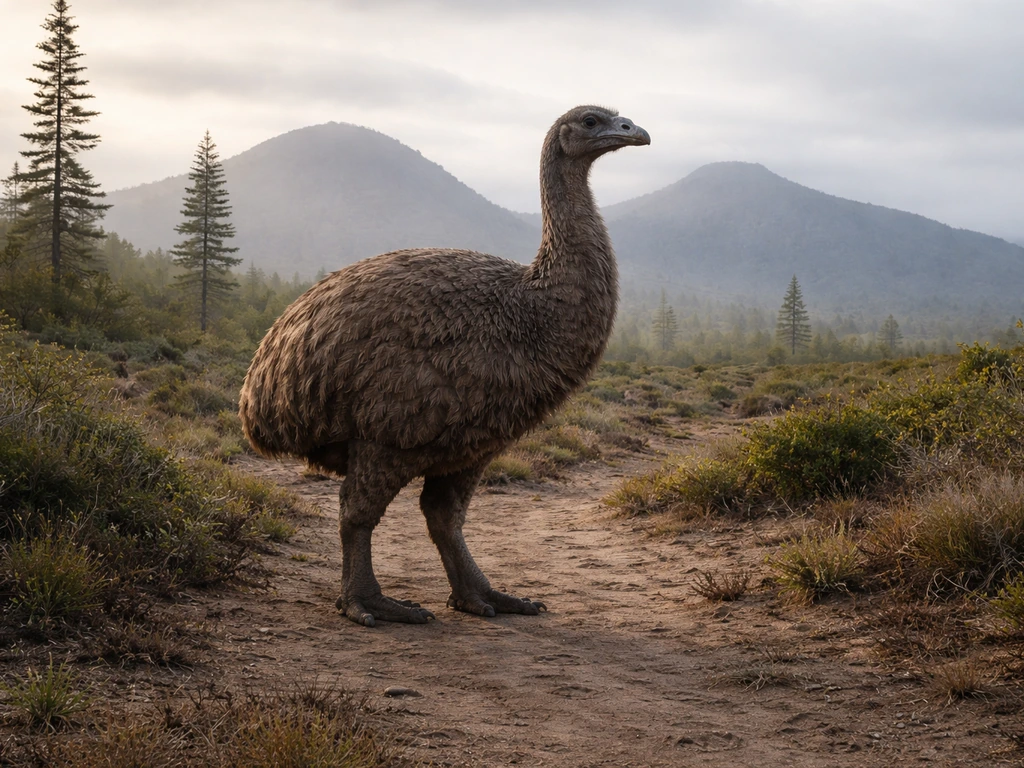
When Did the Elephant Bird Go Extinct? Timeline, Causes
Timeline and likely extinction window for elephant birds, plus evidence, causes, and why dates vary between sources.
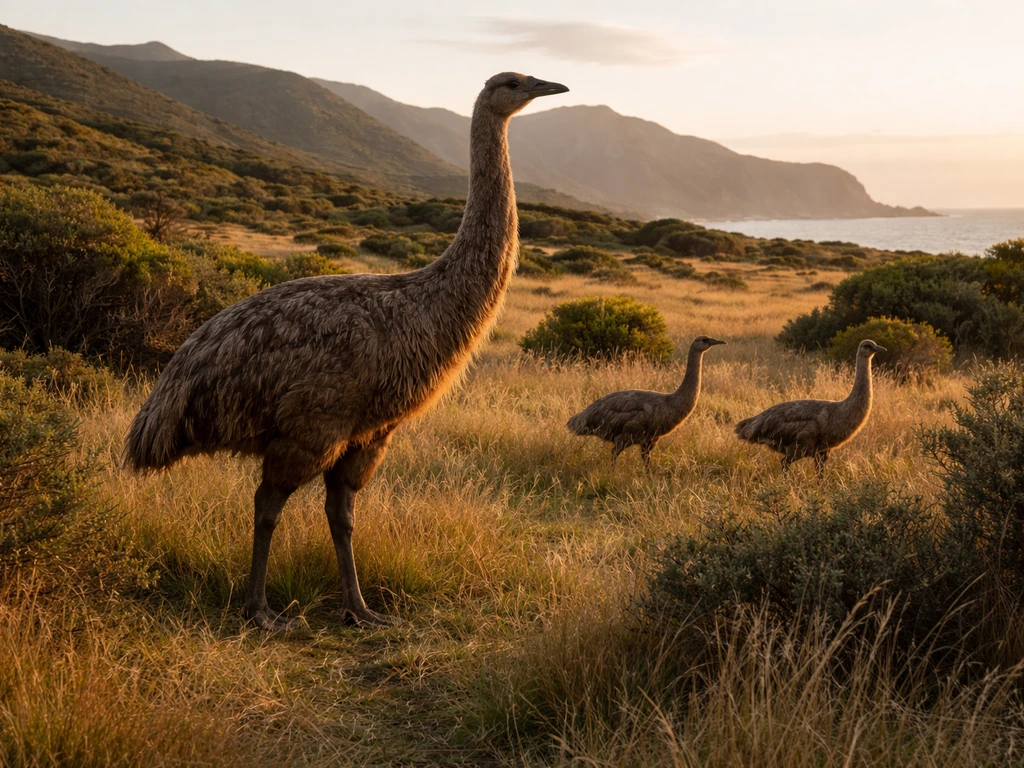
When Did the Moa Bird Go Extinct? Dates and Reasons
When moa went extinct, likely 1400-1450 CE, with overlapping dates by species, driven by hunting and habitat loss.
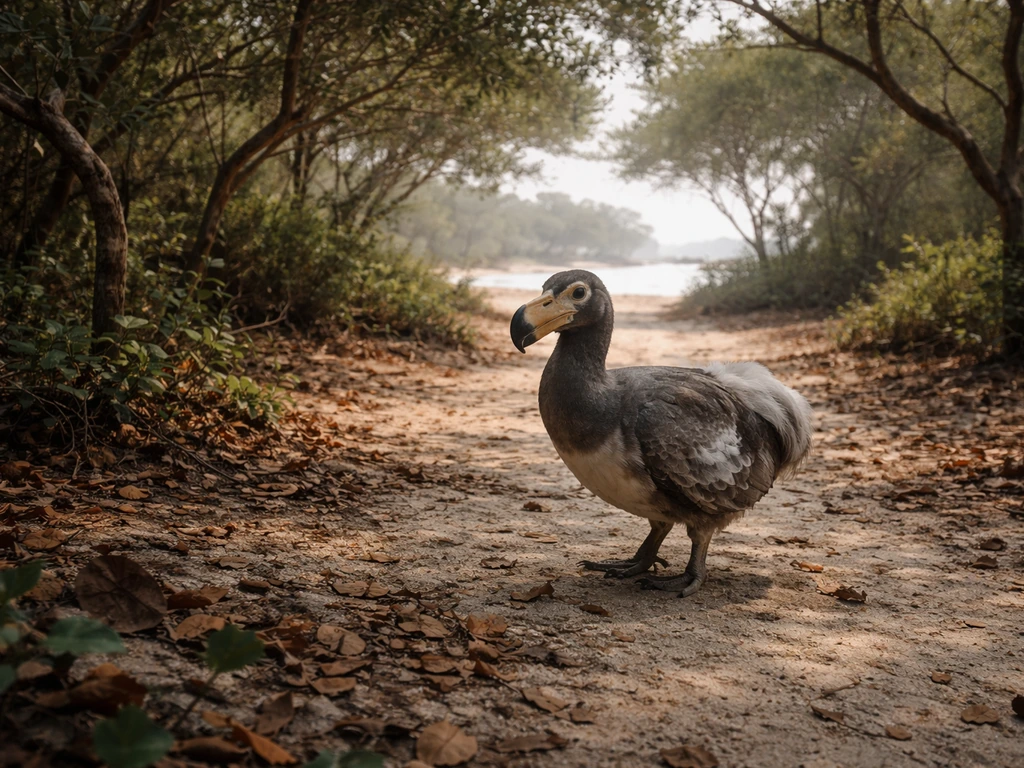
Is the Dodo Bird Still Alive? What Evidence Shows Today
Learn if any dodos could exist today, why scientists say they are extinct, and how to judge sightings reliably.