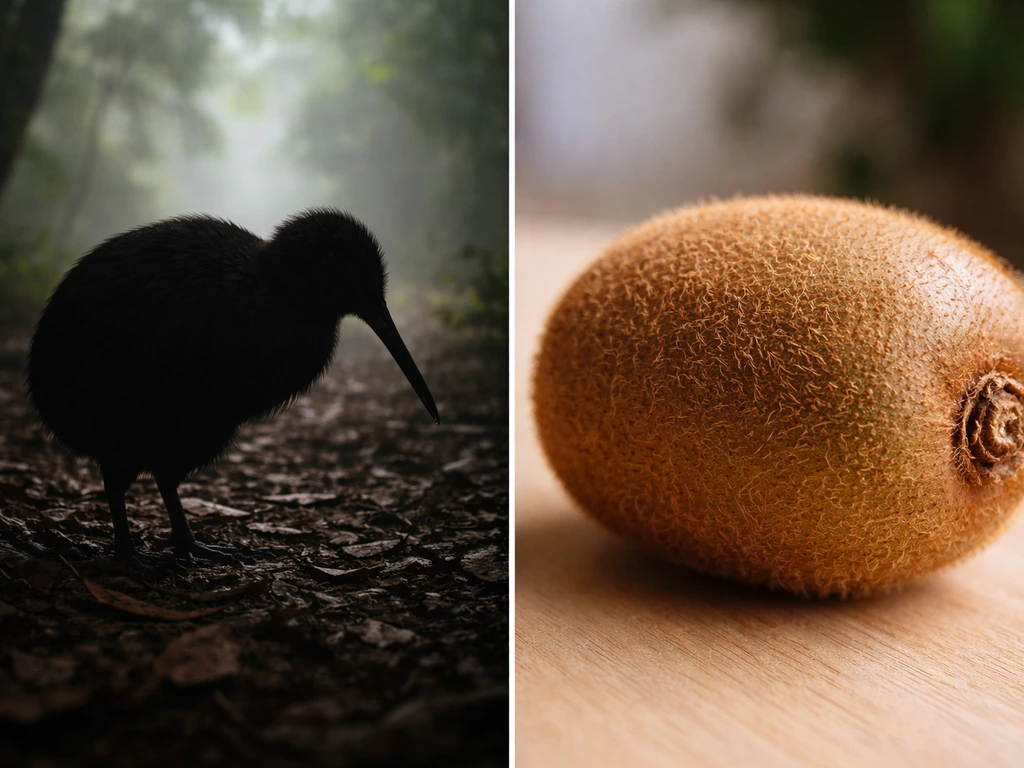
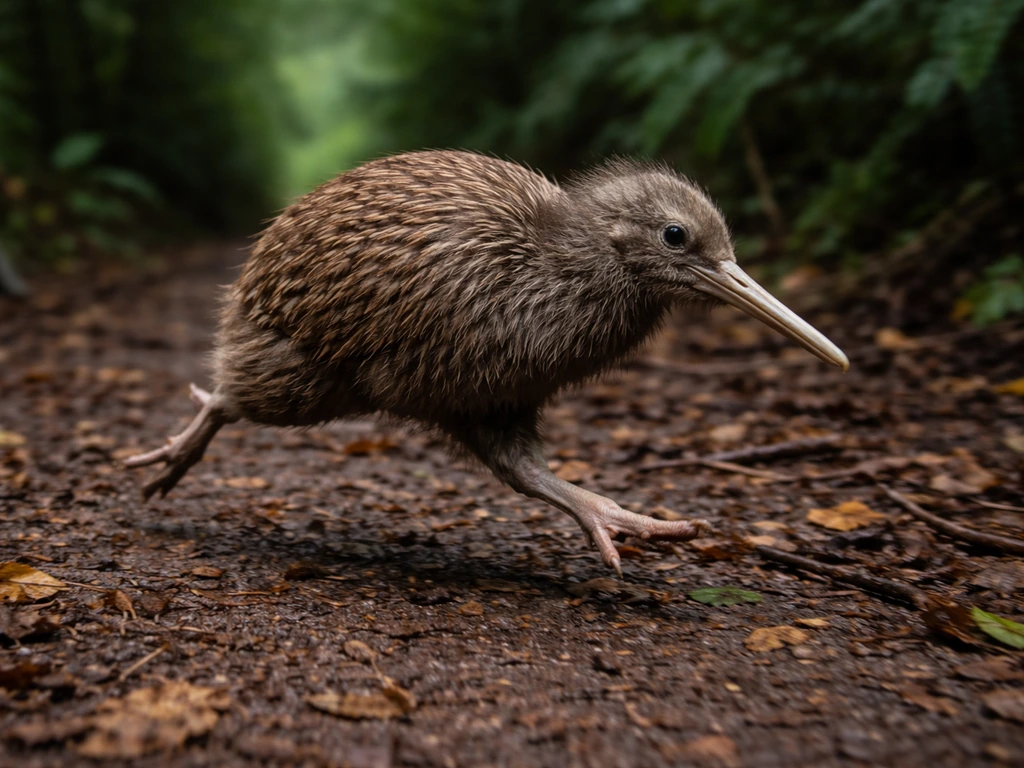
A kiwi can run at blank" rel="noopener noreferrer">roughly 12 mph (about 19 km/h) in a short burst when it feels threatened. The same kind of scrutiny has also been applied to controversies involving Nikocado Avocado, including what happened to him and the bird content that drew attention online what happened to Nikocado Avocado. During normal foraging at night, though, they move at a much more relaxed pace of around 3 to 4 mph (5 to 6 km/h). Those numbers are estimates built from field observations, telemetry tracking, and biomechanics research rather than a single tidy lab experiment, so there is some variation depending on the species, the individual bird, and the situation.
How Fast Can a Kiwi Bird Run? Typical Speeds Explained

Maya Hennessy
29 Apr 2026
What actually counts as a kiwi "running"
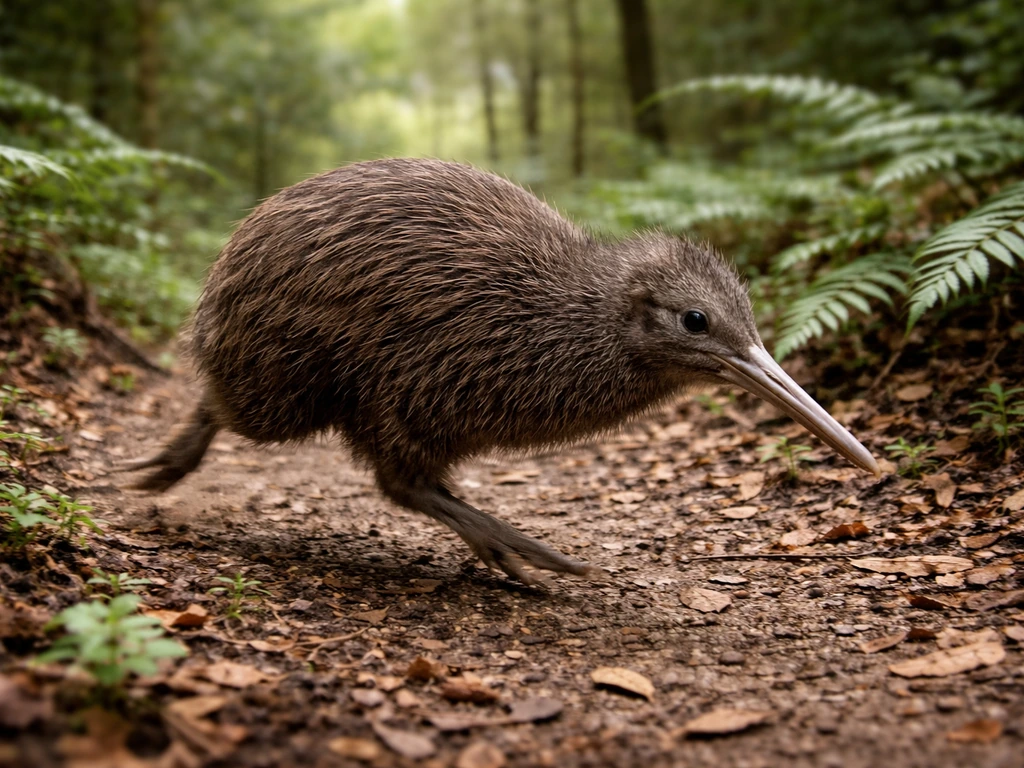
Most birds use a clear gait transition: they walk, then break into a run, then maybe take flight. Kiwis cannot fly at all, so everything happens on the ground, and the line between a fast walk and a full run is worth understanding. In biomechanics terms, running is defined by a flight phase where both feet are briefly off the ground at the same time.
Treadmill studies on brown kiwis (Apteryx mantelli) have filmed and analyzed exactly this kind of locomotion, measuring stride length and stride frequency at increasing speeds. What those studies show is that kiwis do reach a running gait in the technical sense, but their anatomy pushes them toward a shuffling, powerful stride rather than the bounding run you would see from a roadrunner or an ostrich.
So when someone asks how fast a kiwi runs, there are really two numbers worth knowing. Typical speed is what the bird does most of the time while going about its night. Burst speed is what it can hit for a few seconds when something chases it or when it needs to cover ground quickly between cover spots. Both matter, and they tell very different stories about the bird.
Speed ranges across the five kiwi species
There are five recognized kiwi species, and none of them have been clocked with the kind of precision that, say, a cheetah or a racing pigeon has. You might also be wondering how this compares to the evolutionary timing behind birds and fruits, which comes down to the question of what came first: kiwi bird or fruit what came first kiwi bird or fruit. Most estimates come from tracking studies, field observations, and extrapolations from biomechanics work. With that context, here is what the evidence suggests.
| Species | Typical foraging pace | Estimated burst speed | Notes |
|---|---|---|---|
| North Island Brown Kiwi (Apteryx mantelli) | 3–4 mph (5–6 km/h) | Up to ~12 mph (19 km/h) | Most-studied species; treadmill locomotion data available |
| Southern Brown / Tokoeka (Apteryx australis) | 3–4 mph (5–6 km/h) | ~10–12 mph (16–19 km/h) | Similar body mass to mantelli; comparable performance expected |
| Little Spotted Kiwi (Apteryx owenii) | 3–4 mph (5–6 km/h) | Possibly slightly higher relative to body size | Smallest species; limb anatomy studied alongside mantelli |
| Great Spotted Kiwi / Roroa (Apteryx haastii) | 3–4 mph (5–6 km/h) | ~10–12 mph (16–19 km/h) | Largest species; heavier mass likely limits top speed |
| Okarito Kiwi / Rowi (Apteryx rowi) | 3–4 mph (5–6 km/h) | ~10–12 mph (16–19 km/h) | Rarest species; limited independent locomotion data |
The honest caveat here is that species-level speed differences are not well documented in the published literature. Body size is the most reliable predictor: smaller birds tend to have faster stride frequencies relative to their size, while larger birds generate more raw power. Research comparing the limb anatomy of the North Island brown kiwi and the little spotted kiwi found meaningful structural differences tied to body mass and egg size that affect how each species moves, so the table above is a reasonable inference rather than a set of confirmed records.
Why the numbers vary so much
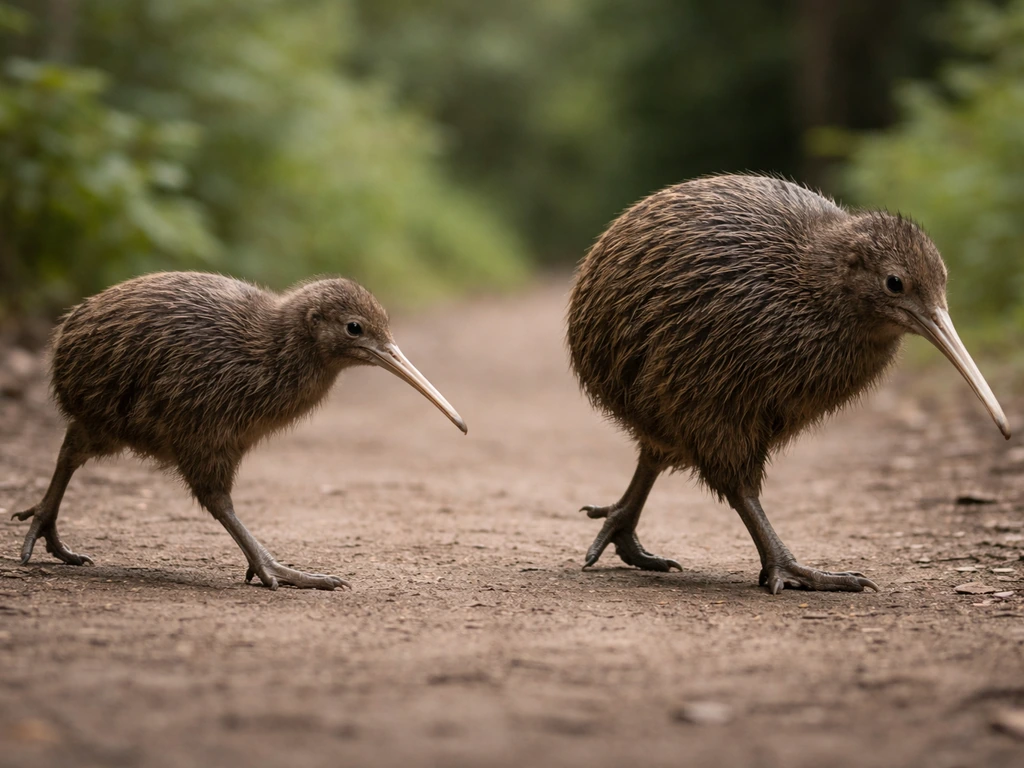
Age is one of the biggest factors. Treadmill work on brown kiwis found that juveniles showed a noticeably different stride pattern than adults: longer relative stride length and lower stride frequency as speed increased. That suggests young kiwis move differently from adults at the same speed, and they may not reach the same top speeds until their musculoskeletal system matures. A chick that hatches already quite large (kiwi eggs are famously enormous relative to the mother's body size) has some catching up to do in terms of coordinated locomotion.
Health and body condition matter too. Kiwis carry disproportionately large eggs, and research into their pelvic and leg anatomy shows that the skeletal structure is shaped partly by the demands of carrying and laying that egg. A female close to laying is carrying an egg that can weigh up to 20 percent of her body mass. That kind of load changes how she walks and almost certainly reduces her burst speed temporarily. Injury, parasite load, and nutritional status all feed into the same equation.
Terrain is another variable that rarely gets factored in when people quote speed numbers. Kiwi habitat ranges from dense lowland forest with heavy root networks to open grassland and scrubby regenerating bush. A bird sprinting across a relatively clear forest floor will move faster than one navigating steep, rooty terrain in the Haast Range. Radio-tracking studies by New Zealand's Department of Conservation have mapped kiwi movement across different landscape types, and the data shows home range size and nightly travel distance vary a lot by habitat quality.
Finally, stress and threat level change behavior in ways that persist. Research in behavioral ecology has shown that animals exposed to predators can develop altered movement patterns that stick around even after the predator is gone. For kiwis living in areas with stoats, rats, and ferrets, chronic low-level predator stress likely shapes how they allocate their energy across a night, which affects both how far they travel and how fast they move.
How kiwis actually move: the mechanics behind the speed
Kiwi legs are short but remarkably powerful. About a third of a kiwi's total muscle mass is concentrated in its legs, which is one of the highest ratios among birds. The bones are dense and mostly solid, unlike the hollow bones of flying birds, which adds weight but also provides strength for digging and pushing through undergrowth. That leg power is why kiwis are capable of the burst speeds they achieve despite their small stature.
Their posture while running is also distinctive. Kiwis carry their body almost horizontally with a slight forward lean, which is different from the more upright stance of birds like emus or cassowaries. Their vestigial wings, which are tiny and practically invisible under their shaggy feathers, play no role in locomotion. The wings question is worth a separate look if you are curious about why kiwis ended up this way, and the same goes for understanding why kiwis cannot fly at all, since both questions connect directly to how their running anatomy evolved.
Kiwis are also predominantly nocturnal, which influences how and when they move at speed. Their eyesight is limited for birds, and studies on visual accommodation in brown kiwis suggest they rely far more on smell and touch from their bill bristles than on vision. This means their burst running in low-light conditions is triggered more by vibration and scent detection than by seeing a predator approach. They will often freeze or crouch before running, using sensory cues to time their escape rather than visually tracking a threat.
Speed in the context of survival: foraging and escaping predators
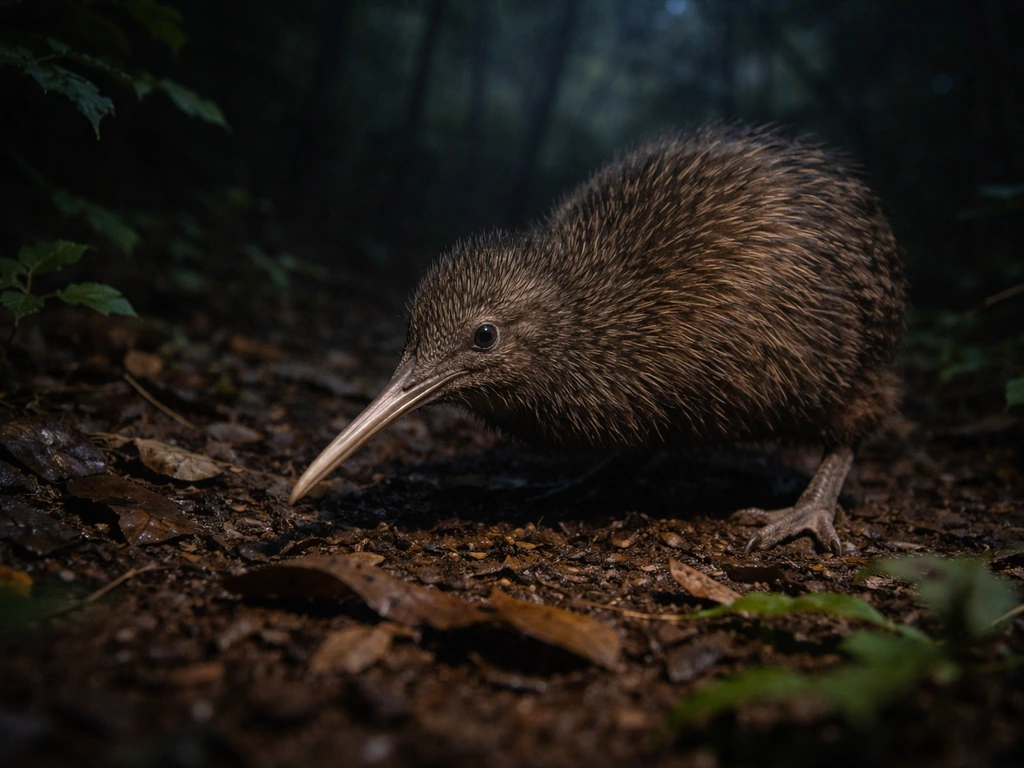
At foraging pace, kiwis cover a surprisingly large amount of ground in a single night. Studies using radio tracking have found that a kiwi can travel one to three kilometers in a night while probing the soil for earthworms, beetle larvae, and fallen berries. The steady 3 to 4 mph foraging pace is actually quite efficient for a ground-feeding bird, allowing it to cover territory without burning excessive energy.
Predator avoidance is where speed becomes genuinely life-or-death. Stoats, ferrets, and dogs are the biggest threats to kiwis on the mainland, and a stoat can easily outrun a kiwi. This means kiwi survival under predator pressure depends less on outrunning the threat and more on early detection, dense cover, and behavioral adaptations like staying still and relying on camouflage. When a kiwi does run from a predator, burst speed buys it seconds to reach a burrow, a dense tangle of roots, or water, where it can escape or hide. That 12 mph burst is not a long-distance competitive sprint; it is a short, desperate dash to cover.
Kiwis are also surprisingly aggressive toward other kiwis in territorial disputes. Two males or two females will chase each other at speed through their territories, and these chases are some of the more reliable opportunities field researchers and wildlife cameras have to observe kiwi movement at anything close to top speed. Those territorial runs tend to be short and explosive, consistent with the burst speed estimates above.
How conservation pressures shape what we observe
One of the more interesting things about kiwi speed data is how tangled it is with conservation history. Most behavioral observations of kiwis come from populations in managed areas, sanctuaries, or predator-controlled zones. Most behavioral observations of kiwis come from populations in managed areas, sanctuaries, or predator-controlled zones [managed-area kiwi population monitoring using trained dogs and tagging/transmitters](https://www. cambridge.
org/core/journals/bird-conservation-international/article/use-of-trained-dogs-to-determine-the-age-structure-and-conservation-status-of-kiwi-apteryx-spp-populations/41FD2C1987A0B61484B817EA0C174959). New Zealand's Department of Conservation runs a national predator control programme, and the kiwi populations within those areas behave differently from birds in unmanaged forest. Predator-free birds tend to forage more freely, travel more predictable routes, and may be observed moving more confidently, while birds in high-predator areas show more cryptic, irregular movement patterns.
One Reddit thread about spotting kiwi notes that they are flightless and cryptic, which can help explain why firsthand sightings of fast running are rare kiwi are flightless and cryptic.
This matters for speed estimates because the birds most often studied (those in managed sites with camera traps, tagging programs, and easy researcher access) may not represent the full behavioral range of kiwis under natural pressure. A bird that has lived its whole life in a predator-free sanctuary has had no evolutionary reason to practice escape running. Conversely, a bird in an area with active stoat pressure may be more alert and quicker to bolt, but also more energy-depleted overall. There has been online debate about whether Nikocado Avocado's bird is alive.
Habitat loss compounds the problem. As native forest shrinks and becomes fragmented, kiwis are increasingly forced to cross open ground between forest patches. Open ground running is faster in some ways (no obstacles) but far more dangerous. Birds caught in the open are more vulnerable to aerial predators like moreporks and hawks and to dogs and ferrets moving along forest edges. The movement behavior that conservation managers observe in fragmented landscapes is shaped by this risk calculus, not just by the bird's raw physical capacity.
How to verify these numbers yourself
If you want to dig deeper into kiwi locomotion data, the most reliable sources are biomechanics theses and papers from New Zealand universities, particularly Massey University, which has produced focused work on brown kiwi treadmill locomotion and limb development. One relevant starting point is the Massey University thesis hosted in the MRO repository, titled “[Characterisation of limb development and locomotion in the brown kiwi](https://mro. massey. ac.
nz/handle/10179/1641) (Apteryx mantelli)”, which directly addresses brown kiwi limb development and locomotion. Search terms like "Apteryx mantelli locomotion," "kiwi terrestrial locomotion biomechanics," and "kiwi stride kinematics" will surface the peer-reviewed work. For movement ecology data (home range size, nightly travel distance), the Department of Conservation's published technical documents and reports on radio-tracking programs are the best primary sources.
PubMed records on kiwi osteomuscular anatomy and comparative avian ground-bird locomotion biomechanics round out the picture if you want to understand the mechanical limits behind the speed numbers.
What you will find is that kiwi running speed is genuinely under-studied compared to more charismatic or economically important flightless birds. The ostrich and emu have far more locomotion data simply because they are more accessible, larger, and have been studied in agricultural and captive contexts for decades. Kiwi data is sparser, more recent, and almost always attached to a conservation motivation rather than a pure biomechanics question.
If you are asking about the well-known case of Nick Avocado Bird, there are separate reports and context on what happened to him what happened to nick avocado bird. If you meant the comparison with kiwi fruit, the name can be confusing, but these are completely different things Kiwi data.
That is actually a good argument for treating the speed figures above as working estimates and staying curious about what future tracking technology will reveal as GPS miniaturization continues to improve.
FAQ
Is 12 mph the fastest a kiwi bird can run, or is that an upper limit?
12 mph is best treated as a reported burst estimate, not a guaranteed ceiling. Real top speed depends on immediate conditions (threat type, escape distance, and ground traction), and most field numbers capture short dashes rather than true maximums.
How long can a kiwi keep that burst speed?
Typically only for seconds, long enough to reach cover such as a burrow, root tangle, or water edge. After the initial dash, kiwis usually switch to lower-speed movement or hide rather than sustain a sprint.
Do male and female kiwis run at different speeds?
They can, because females may carry a very large egg late in incubation, which can affect stride mechanics and burst performance. Even without egg load, individual variation and health can be as important as sex.
Does a kiwi run differently on forest floor versus open ground?
Yes. Open ground can look faster because it has fewer obstacles, but it is also riskier, so birds may delay running, use more freezing or crouching, and sprint only when the threat calculus favors it.
Can kiwis “run” the same way as mammals like rabbits, with continuous acceleration?
Not really. Kiwis rely on sudden, powerful strides with a shuffling, ground-hugging gait rather than long, bounding acceleration. Their locomotion pattern includes brief changes in foot contact that affect how quickly they can change speed.
What usually triggers the sprint in the first place?
Often it is not visual tracking. In low light, kiwis rely heavily on sensory cues like vibration and scent, so their escape can be timed to what their bill bristles and other senses detect rather than what they see.
Would a kiwi run faster if it were being chased directly by a stoat or ferret?
It might bolt sooner and use a quicker escape line, but survival also depends on early detection and cover choice. If there is no realistic cover within seconds, even a fast burst may not be an effective strategy.
How do juvenile kiwis compare to adults in running speed?
Juveniles often have different stride patterns, and they may not reach adult-like burst performance until their musculoskeletal system matures. So “how fast” can vary by age even at the same moment of threat.
Does predator-free or sanctuary life change kiwi speed behavior?
It can. Birds living long-term without predators may show more predictable routines and less urgency, which can reduce the frequency of explosive escape runs. That means observed speeds in managed areas may not match unmanaged forest behavior.
Is it safe to assume bigger kiwis always run faster because they have more power?
Not automatically. Larger body size can support greater raw power, but smaller birds can have faster stride frequency relative to size, and overall speed depends on the balance of stride frequency and stride length for that specific individual and terrain.
How should I interpret kiwi speed numbers when I see different values online?
Treat them as context-specific estimates. Different studies may measure different modes (foraging gait versus escape run), use different methods (telemetry, tracking, or biomechanics experiments), and focus on different habitats and stress levels.
If I’m trying to estimate speed from a video, what’s the biggest mistake to avoid?
Using a single-frame distance estimate. Kiwi bursts are short and their posture and gait change rapidly, so you need a reference scale and consistent time sampling to avoid overestimating or underestimating true speed.
Next Article
Kiwi Bird vs Kiwi Fruit: Differences, Confusion, Conservation
Clear kiwi bird vs kiwi fruit guide: meanings, differences, weka mix-ups, and conservation status of flightless kiwi bir