These are two completely unrelated things that happen to share a name. If you're wondering what happened to Nikocado Avocado, that story is separate from kiwi birds and fruits what happened to nikocado avocado bird. The kiwi bird is a small, round, flightless bird found only in New Zealand, belonging to the family Apterygidae (genus Apteryx). The kiwi fruit is an edible berry native to mountainous China, scientifically known as Actinidia deliciosa or Actinidia chinensis, that got the 'kiwi' label from New Zealand fruit marketers in 1959. One is an endangered nocturnal animal; the other is something you eat for breakfast. The confusion is understandable but the two are separated by biology, geography, and millions of years of evolution.
Kiwi Bird vs Kiwi Fruit: Differences, Confusion, Conservation

Maya Hennessy
28 Apr 2026
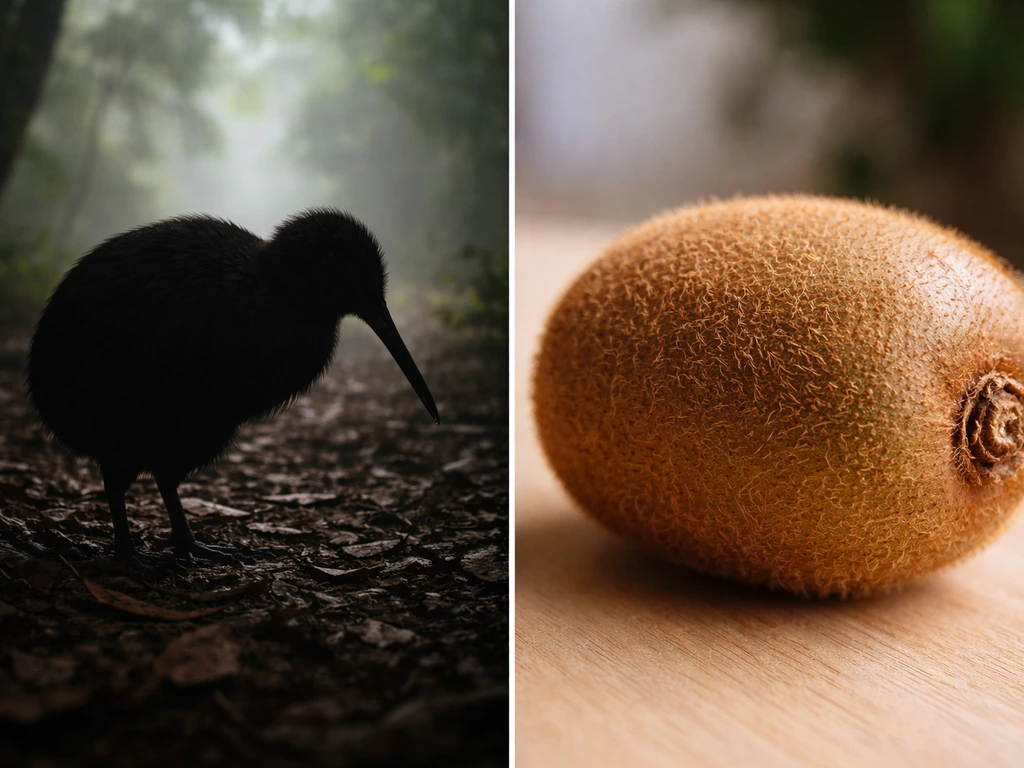
What people mean by 'kiwi bird' vs 'kiwi fruit'
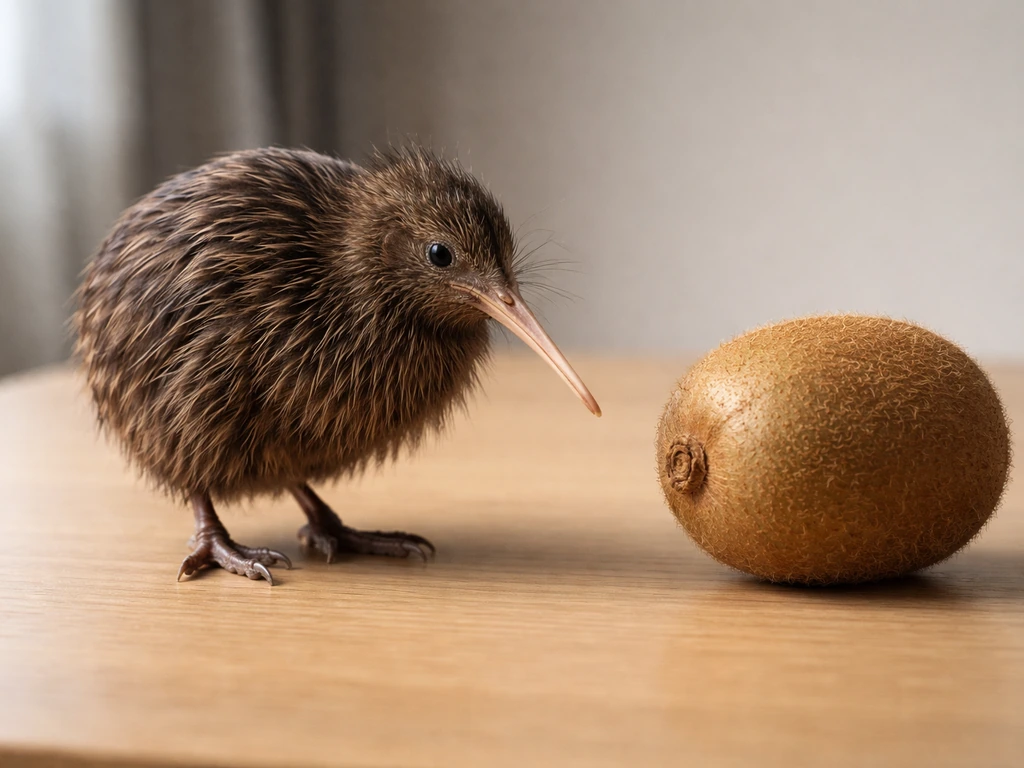
When people search 'kiwi bird,' they usually mean one of five species in the genus Apteryx: the North Island brown kiwi, the great spotted kiwi, the little spotted kiwi, the rowi, and the tokoeka. These birds are endemic to New Zealand, meaning they exist nowhere else on Earth in the wild. They are flightless, largely nocturnal, and about the size of a domestic chicken, with hair-like feathers, a long pale bill, strong legs, and no visible tail. Their wings are so reduced they're essentially vestigial and completely hidden under their feathers.
When people say 'kiwi fruit' (or 'kiwifruit'), they mean the fuzzy brown oval fruit with green flesh that you find in grocery stores worldwide. The dominant commercial cultivar is Actinidia deliciosa 'Hayward,' sold internationally under brands like Zespri Green. The plant is a woody vine originally from China, not New Zealand. New Zealand just happened to become its biggest early exporter and, crucially, gave it the name the world now uses.
The shortened search term 'kiwi' adds another layer of confusion because in New Zealand, 'Kiwi' is also a colloquial name for New Zealand people themselves. So one word carries three meanings: the bird, the fruit, and the nationality. This article focuses on the first two.
Key differences: taxonomy, size, habitat, and origin
| Feature | Kiwi Bird (Apteryx spp.) | Kiwi Fruit (Actinidia deliciosa / chinensis) |
|---|---|---|
| Classification | Kingdom Animalia; Order Apterygiformes; Family Apterygidae | Kingdom Plantae; Family Actinidiaceae; Genus Actinidia |
| Origin | Endemic to New Zealand | Native to mountainous regions of China |
| Size | Roughly 25–45 cm tall; 1–3.5 kg depending on species and sex | Fruit typically 5–8 cm long; plant is a climbing vine up to 9 m |
| Habitat | Forest floors, scrubland, and grasslands in New Zealand | Cultivated in temperate regions worldwide; wild ancestor in Chinese mountains |
| Named 'kiwi' since | Māori name used for centuries | 1959 (rebranded from 'Chinese gooseberry' by NZ marketers) |
| Conservation status | Multiple species listed as Endangered or Nationally Critical | Not applicable — commercially cultivated crop |
The taxonomic distance between these two things cannot be overstated. Apteryx birds sit in an ancient evolutionary lineage of ratites (flightless birds that also includes emus, ostriches, and the extinct moa). Actinidia plants are flowering vines in their own entirely separate family. The only thing they genuinely share is a four-letter marketing label.
Behavior and ecology: how the birds live vs what the fruit is used for
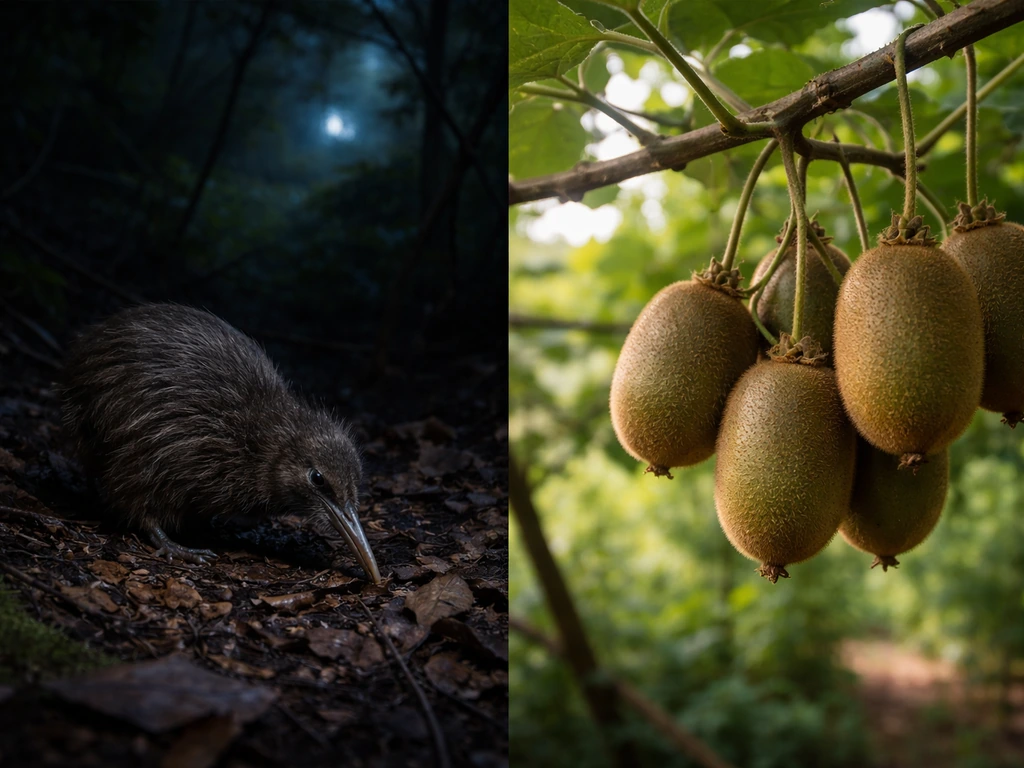
Kiwi birds are nocturnal and secretive. They spend daylight hours in burrows, hollow logs, or dense vegetation, emerging after dark to forage on the forest floor. They use their long bill, which has nostrils near the tip (unique among birds), to sniff out earthworms, insects, and fallen berries buried in leaf litter. They are not social in the way we think of flocking birds: they're territorial, monogamous for long periods, and they communicate largely through calls. If you visit New Zealand and hear an eerie, repetitive whistle-shriek at night in forested areas, that's a kiwi.
Kiwi fruit, by contrast, is a commercially cultivated crop. After New Zealand growers popularized it in the mid-20th century, production spread to Italy, Chile, China, and other countries. The 'Hayward' cultivar of Actinidia deliciosa became the dominant international trade variety. It's harvested, stored in cool conditions, and consumed fresh or in food products. Its relationship to humans is entirely agricultural and commercial, not ecological.
The only behavioral parallel worth noting is coincidental: kiwi birds forage at night and probe the soil, while kiwi fruit grows on vines in orchards in daylight. They inhabit completely different worlds.
Weka vs kiwi: the confusing cousin and how to tell them apart
If you're researching kiwi birds and come across the word 'weka,' you're meeting an entirely different New Zealand bird that gets mixed up with kiwi surprisingly often. The weka (Gallirallus australis) is also a flightless bird endemic to New Zealand, but it belongs to the rail family (Rallidae), not Apterygidae. It looks superficially similar at a glance: brown, roughly chicken-sized, ground-dwelling, and found in similar habitats including forests, scrubland, and coastal areas.
Here's how to tell them apart quickly. Kiwi have an exceptionally long, pale, drooping bill, no visible tail, tiny hidden wings, and they are almost exclusively nocturnal. Weka have a shorter, strong, pointed bill, visible barred tail and wing feathers, striking red eyes in adults, and are active during the day as well as at dusk. The bill difference alone is the easiest field mark: if the bill is long and probe-like, it's a kiwi. If the bill is short and sturdy like a chicken's beak, it's a weka.
- Kiwi: long pale drooping bill with nostrils near the tip, no visible tail, hair-like feathers, strictly nocturnal
- Weka: short pointed bill, red eyes (adults), barred tail and wing feathers visible, active day and night
- Kiwi: Family Apterygidae, Order Apterygiformes
- Weka: Family Rallidae (rails), genus Gallirallus
- Both: flightless, endemic to New Zealand, brown plumage, ground-dwelling
The Māori word 'weka' has its own distinct etymology, separate from 'kiwi.' Both names come from Māori, reflecting the long history of human observation of these birds in New Zealand long before European contact. They share an island and some habitat zones, but they are no more closely related than a chicken and a woodpecker.
Are there any real connections between kiwi birds and kiwi fruit?
The connection is purely a naming story, not a biological one. Before 1959, what we now call kiwi fruit was marketed internationally as the 'Chinese gooseberry.' New Zealand growers had been cultivating the plant since the early 20th century after seeds were brought from China. When they wanted to sell it to the American market, the name 'Chinese gooseberry' was a problem: Cold War tensions made anything 'Chinese' a hard sell in the U.S., and 'gooseberry' didn't sound appealing either.
On June 15, 1959, Auckland-based fruit-packing company Turners and Growers officially adopted 'kiwifruit' as the new marketing name. The logic was straightforward: the fruit was being exported from New Zealand, New Zealanders were nicknamed 'Kiwis' after their national bird, and the fuzzy brown exterior of the fruit bore a passing resemblance to the round, fuzzy body of a kiwi bird. It was a branding decision, not a biological classification.
So the link is: New Zealand exported both the bird's fame and the fruit's name to the world. The kiwi bird was already the national symbol; the kiwi fruit borrowed that identity for commercial reasons. So, what came first is a trick question: the kiwi bird and the kiwi fruit became known by their shared label much later, through human marketing rather than biology what came first kiwi bird or fruit. The fruit is not named after the bird in any scientific or ecological sense. It just borrowed the brand.
Conservation status of kiwi birds and why confusion matters
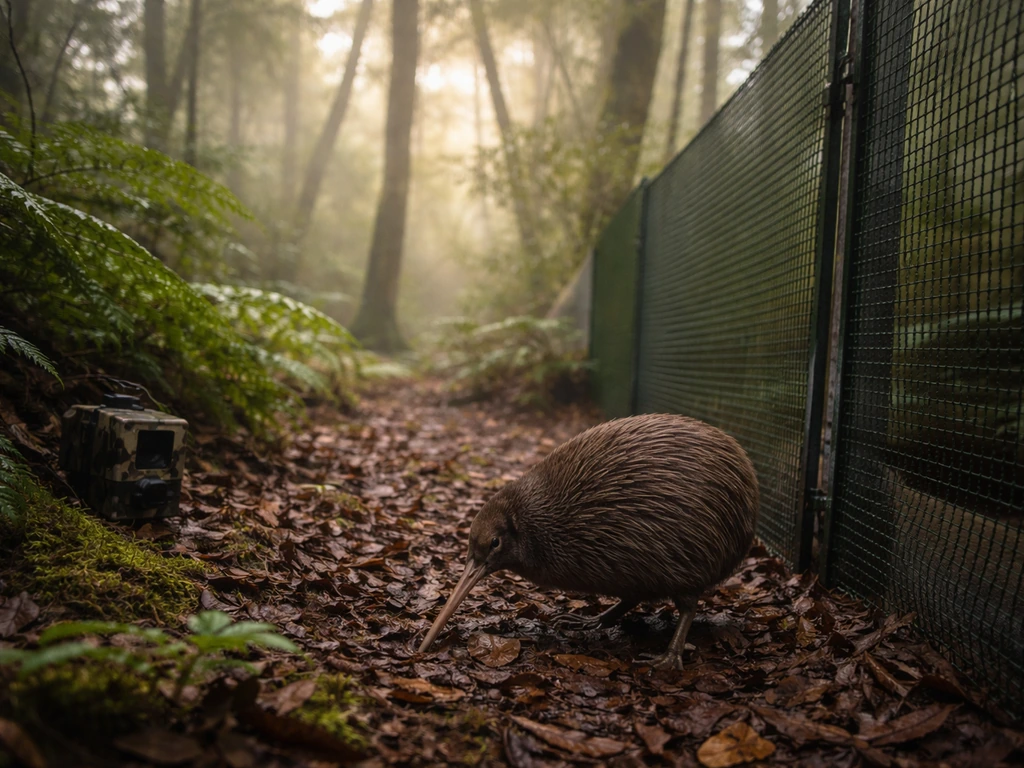
This is where the distinction between bird and fruit stops being merely academic. Kiwi birds are in serious trouble, and conflating them with a grocery store item can obscure that reality. If you're actually looking for the internet-famous case of “Nikocado Avocado,” you can also search what happened to Nikocado Avocado Bird to understand the situation. If you're actually looking for the internet-famous case of “Nikocado Avocado,” you can also search what happened to nick avocado bird to understand the situation. A lot of people ask about whether Nikocado Avocado’s bird is alive, and the details vary by report and timing is Nikocado Avocado's bird alive. The North Island brown kiwi (Apteryx mantelli) is blank" rel="noopener noreferrer">listed as Endangered on the IUCN Red List. The rowi (Apteryx rowi) is in even worse shape: classified as 'Threatened: Nationally Critical' in New Zealand and listed as Endangered by the IUCN, with one of the smallest populations of any kiwi species.
The primary threat to kiwi is introduced mammalian predators, particularly stoats. New Zealand's native birds evolved in the absence of land mammals and have no instinctive fear of them. Stoats target kiwi chicks, and the numbers are stark: approximately 95% of kiwi hatched in the wild die before reaching breeding age under predator pressure. With predator control in place, chick survival at monitored sites has climbed to around 50%, which shows how much difference active management makes.
New Zealand's Department of Conservation (DOC) runs recovery programs that combine predator control, captive breeding, and island sanctuaries. Facilities like Pūkaha National Wildlife Centre hatch kiwi for release across New Zealand. Large-scale predator control operations target stoats, rats, and possums across kiwi habitat. Without these efforts, the trajectory for multiple kiwi species would be dire.
Why does the naming confusion matter to conservation? When people conflate kiwi birds with kiwi fruit, or treat 'kiwi' as a fun brand mascot rather than an endangered animal, it softens the urgency. These are real birds with real population pressures. They cannot fly to escape predators, they reproduce slowly (usually one egg per season), and they are entirely dependent on the health of New Zealand's island ecosystems. Knowing exactly what a kiwi is and what threatens it is the first step toward caring about whether it survives.
If you want to go deeper on the kiwi bird side of this, the questions of whether kiwi have wings at all, why they lost the ability to fly, and how fast they can actually move on the ground are all fascinating threads tied to the same evolutionary story. If you want the deeper evolutionary story, explore how the kiwi bird lost its wings and became flightless. If you are wondering how fast a kiwi bird can run, their ground speed varies by species and conditions, but they are built for powerful bursts rather than long sprints. The weka comparison is also worth exploring further if you're trying to identify New Zealand birds in the field or in photographs. The kiwi's story is one of remarkable adaptation and, right now, a race against extinction that conservation science is working hard to win.
FAQ
If I’m looking at a photo or video of a “kiwi,” how can I tell instantly whether it’s a bird or the fruit?
Check for context clues first, for example feathers and a long beak mean a bird, while a fuzzy cut fruit or vine leaves mean fruit. For birds, the giveaway is the extremely long, drooping probe-like bill and the absence of a visible tail, for weka the bill is shorter and the tail and wing feathers are visible.
Are kiwi fruit and kiwi birds related in any scientific way?
No. Kiwi birds are ratites in the bird lineage, while kiwi fruit are flowering vines in an entirely different plant family. The shared word is only a branding label, not an evolutionary relationship.
Does “kiwifruit” in shops mean it’s the same thing as the New Zealand national symbol bird?
Only in a naming sense. The fruit got its international name through marketing, and it is commercially grown on vines, not harvested from New Zealand forests. People using “kiwi” as a mascot can accidentally downplay the bird’s conservation reality.
Why do some people call the fruit “Chinese gooseberry” or “kiwi berry”?
Historically the fruit was sold internationally under older names, but “kiwifruit” became the export brand. “Kiwi berry” is usually a lay description, not a formal scientific name, so different labels can refer to the same general crop.
What does “Actinidia deliciosa” vs “Actinidia chinensis” mean for consumers buying kiwi fruit?
They are different species within the Actinidia genus. Many grocery “kiwis” you see are based on commercial cultivars (commonly the green-fleshed types), so the label at the store may not map neatly to what species your fruit is technically derived from.
Are kiwi birds always nocturnal, and do they ever show during the day?
They are predominantly nocturnal and very secretive, but some activity can occur around dusk or in disturbed conditions (for example after heavy rain or in places with lower human disturbance). Still, if you see a kiwi clearly in daylight, it is unusual and may involve a specific situation.
Do kiwi birds ever live outside New Zealand?
In the wild, kiwi are endemic to New Zealand only. Outside the country, they are typically present in captivity or under managed programs, such as sanctuaries and reintroduction sites, where predator control supports survival.
Why are stoats such a big problem for kiwi, and is it only stoats?
Stoats are especially effective predators of kiwi chicks because native birds evolved without land mammals and lack defensive behavior. They are not the only threat, introduced rats and possums also harm kiwi directly or by affecting nest and habitat conditions.
How can I help without accidentally supporting the wrong message about “kiwi”?
When sharing information or donating, focus on kiwi bird conservation organizations or initiatives that involve predator control, habitat protection, and breeding or release programs. If your content targets “kiwi” as a cute brand, add a clarification that kiwi birds are endangered and flightless to reduce misunderstanding.
What’s the fastest way to avoid mixing up kiwi with weka when birdwatching?
Use the bill and activity pattern. Kiwi have a long, pale, drooping bill and are almost exclusively nocturnal, weka have a shorter, sturdy pointed bill, visible barred tail and wing feathers, and are active during the day as well as at dusk.
Next Articles
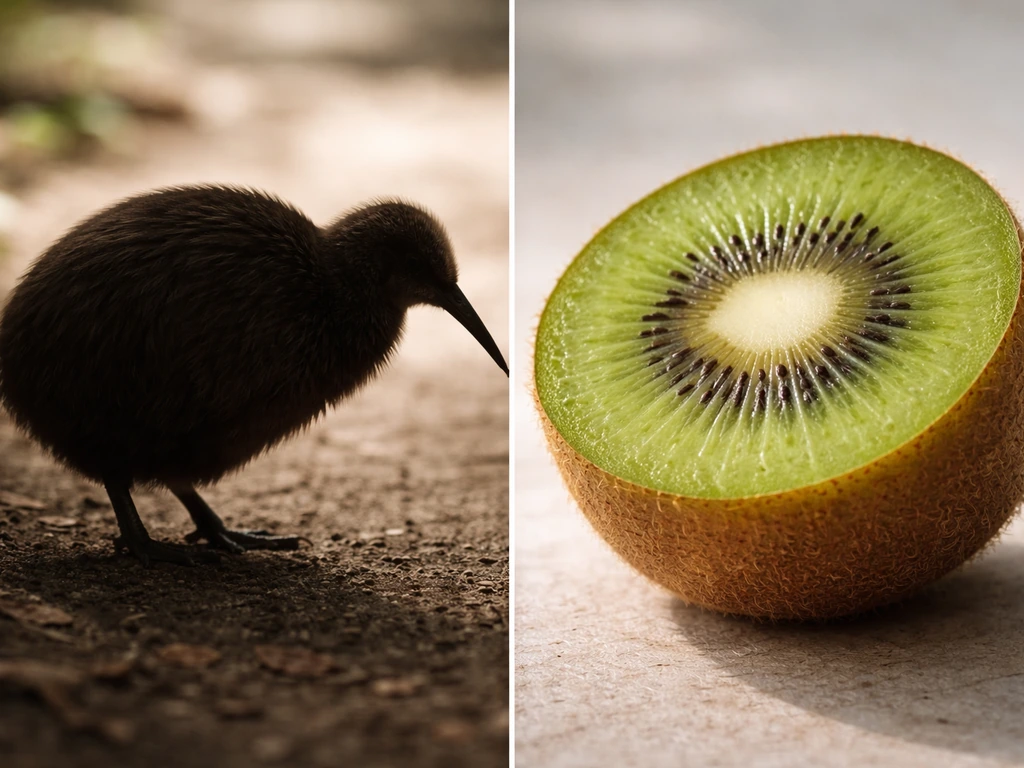
What Came First: Kiwi Bird Name or Kiwi Fruit Name
Timeline of how kiwifruit and kiwi bird got their names, which entered English first, and why.
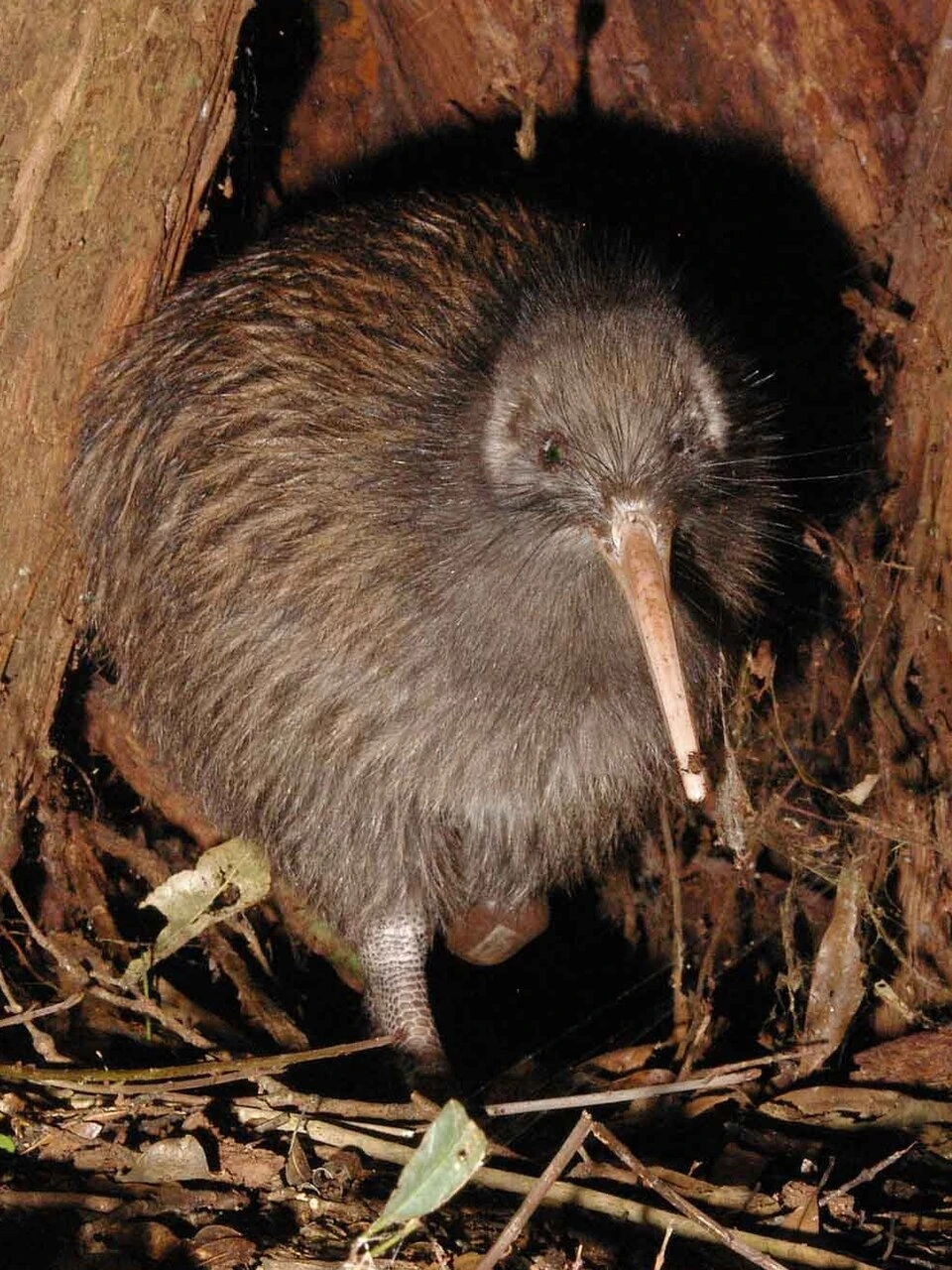
Does a Kiwi Bird Have Wings? What You’ll See and Why
Yes, kiwi birds have wings but they are tiny and hidden, not for flight, adapted for ground life and conservation.
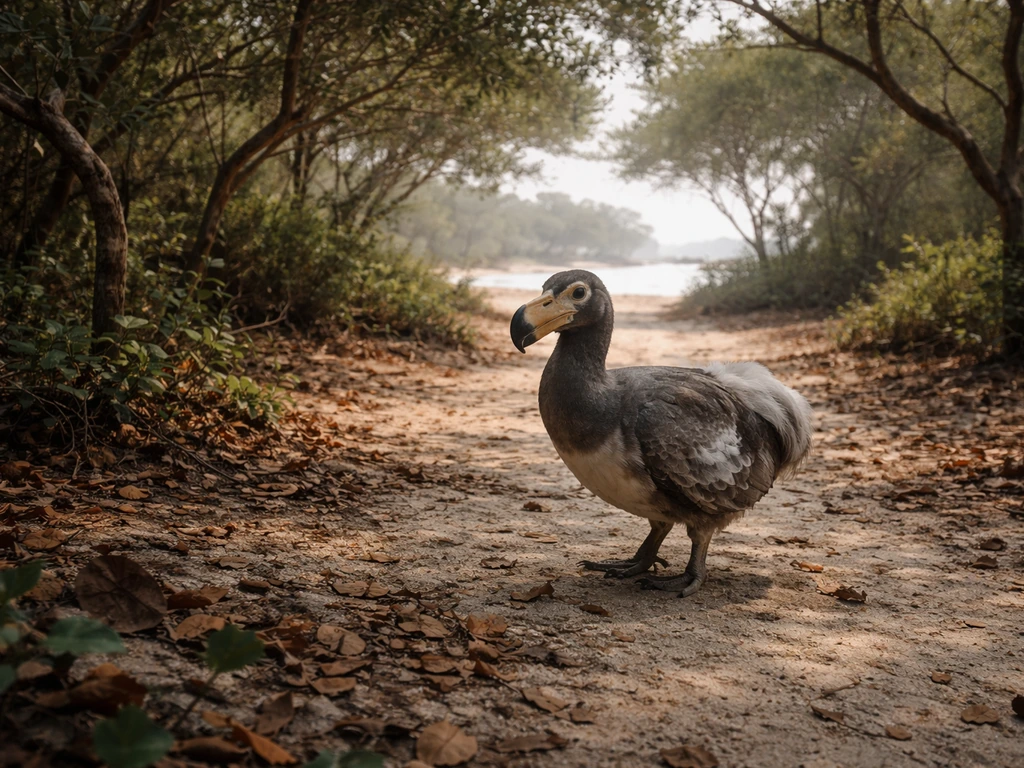
Is the Dodo Bird Still Alive? What Evidence Shows Today
Learn if any dodos could exist today, why scientists say they are extinct, and how to judge sightings reliably.