No, a kiwi is not a mammal. It is a bird, specifically one of five flightless species in the genus Apteryx, belonging to the family Apterygidae and the order Apterygiformes. Despite looking a little fuzzy and behaving in ways you might associate with a small nocturnal mammal, every biological trait that matters for classification points firmly to "bird."
Is a Kiwi Bird a Mammal? Bird vs Mammal Answer

Maya Hennessy
4 May 2026
Why people ask this in the first place
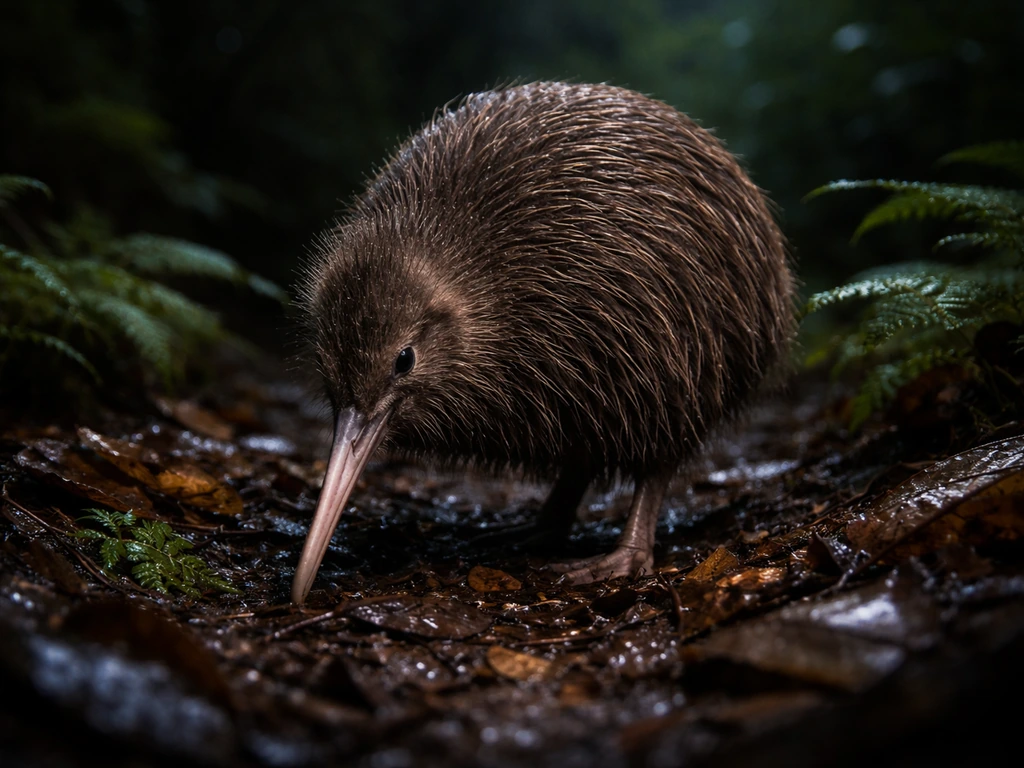
The Smithsonian's National Zoo actually acknowledges that kiwis are sometimes called honorary "mammals" because of their unusual appearance and behavior. They forage at night, use their sense of smell rather than vision, and their feathers look more like shaggy fur than the sleek plumage you picture on a sparrow or a parrot. That combination of traits tricks a lot of people, and it's a completely reasonable thing to question. But looking mammal-like and being a mammal are two very different things in biology.
The traits that separate birds from mammals
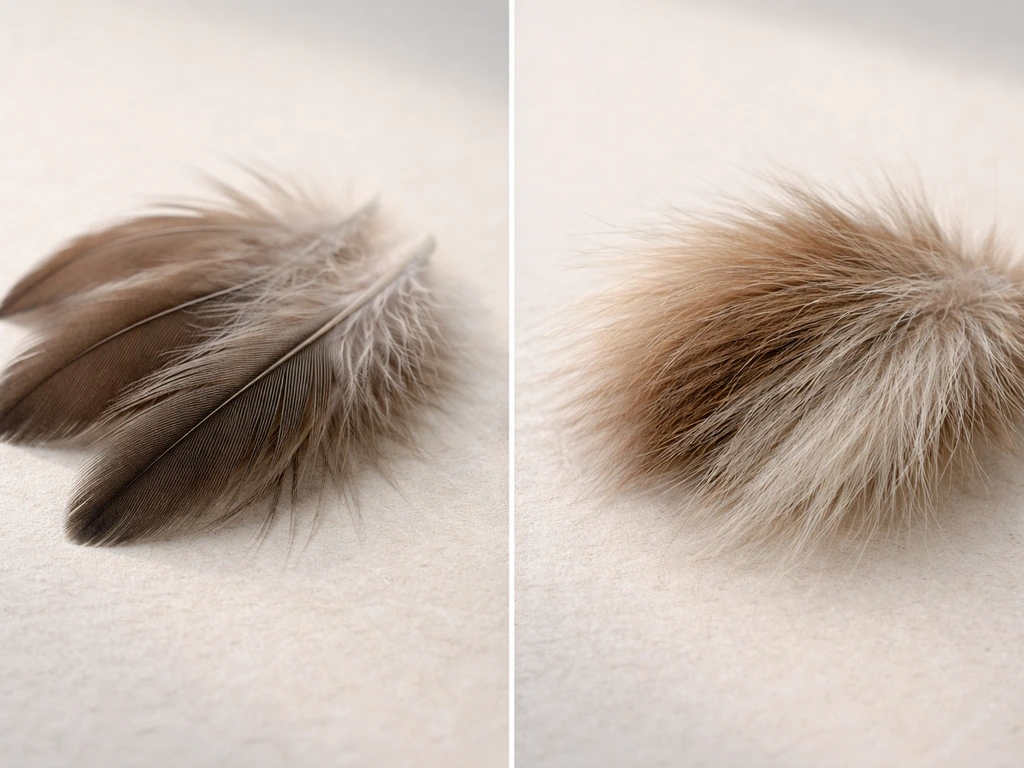
When biologists classify an animal, they rely on a core set of physical and reproductive traits, not just appearance. Birds and mammals are both warm-blooded vertebrates, which is where a lot of the surface-level confusion starts. But the defining features of each class are quite different.
| Trait | Birds | Mammals |
|---|---|---|
| Body covering | Feathers | Hair or fur |
| Reproduction | Lay eggs | Give birth to live young (with rare exceptions like the platypus) |
| Feeding young | No mammary glands | Mammary glands that produce milk |
| Forelimbs | Wings (modified) | Arms, legs, flippers, or wings |
| Mouth structure | Beak or bill | Teeth and lips (typically) |
The name "Mammalia" itself comes from the Latin word for breast, reflecting the defining feature of the class: mammary glands that secrete milk. No bird has these. Birds, on the other hand, are defined by feathers, a beak, and egg-laying. These aren't arbitrary boxes, they reflect deep evolutionary lineages that split hundreds of millions of years ago.
Kiwi traits that confirm bird status
Run through the checklist for a kiwi and the answer is unambiguous. Here is what the biology actually shows.
Feathers, not fur
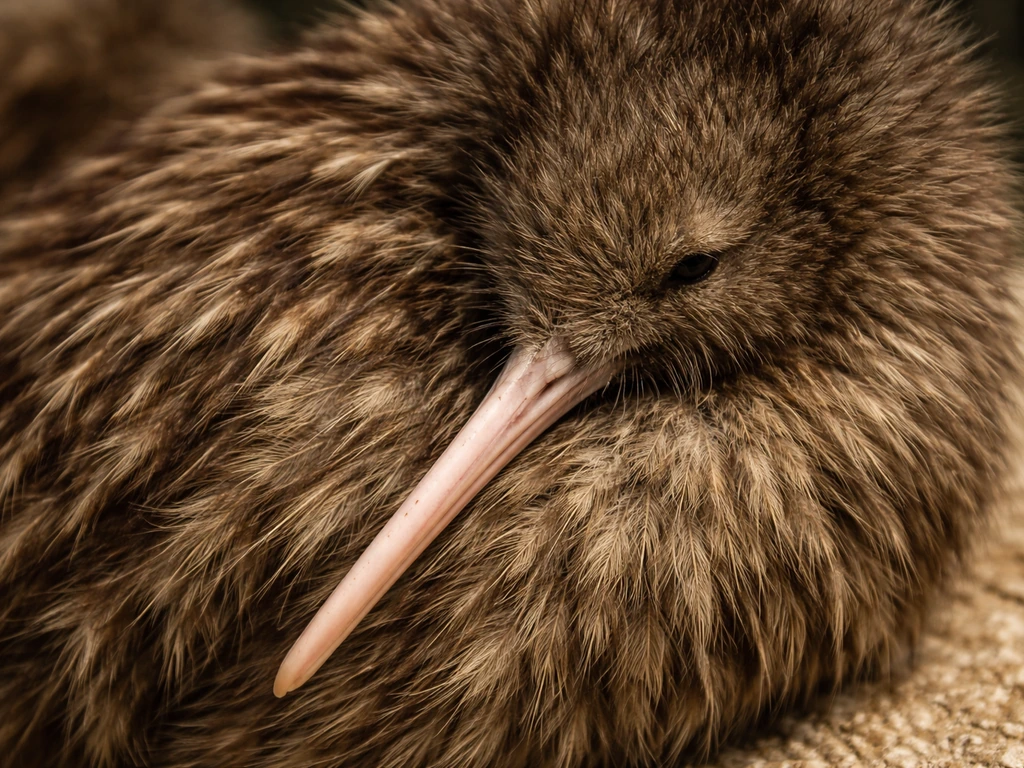
Te Papa, the Museum of New Zealand, explains that kiwi have loose-fitting feathers rather than the tight interlocking feathers of flying birds. This gives them a shaggy, fur-like look, but they are still feathers. New Zealand's Department of Conservation describes them as "loose, hair-like feathers" and notes the kiwi also has fine filamentous feathers around the base of its bill that resemble whiskers. Visually mammal-like, biologically 100% avian.
A beak built for sniffing
Kiwis have a long, slender bill with nostrils positioned at the very tip, which is unusual even among birds. Research published in PLOS ONE documents specialized sensory pits in the bill tip that help the kiwi detect prey underground by smell and touch. No mammal has a beak. This is a distinctly avian structure, just adapted in a very particular direction.
They lay eggs
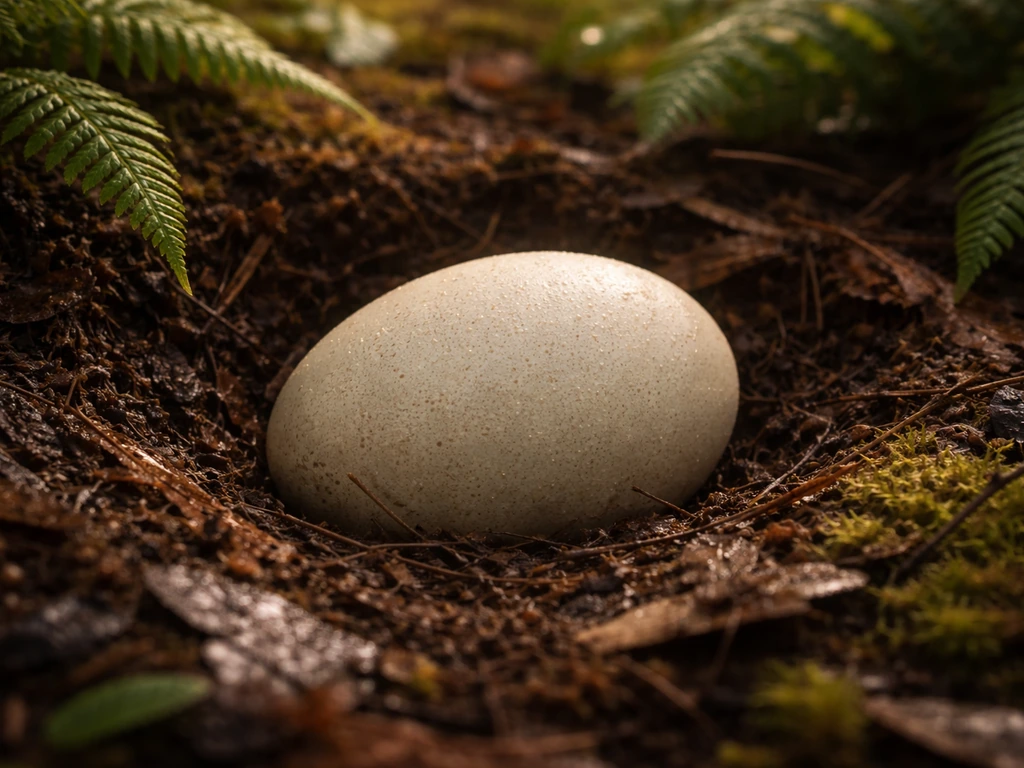
Kiwis don't just lay eggs, they lay remarkable eggs. The Smithsonian notes that a female kiwi lays a single egg that can weigh around 15 percent of her body weight. Britannica puts the egg weight at up to 450 grams (about one pound), with the male incubating it for roughly 80 days. Egg-laying is a core bird trait. The only mammals that lay eggs are monotremes (platypus and echidnas), and kiwis are not monotremes.
Warm-blooded, yes, but so are all birds
Warm-bloodedness is sometimes misread as a mammal-only trait, but birds are also warm-blooded (endothermic). This shared trait does not make kiwis mammals any more than it makes them humans. It simply means both classes regulate their own body temperature internally. The distinction still comes down to feathers vs. fur, eggs vs. live birth, and the presence or absence of mammary glands.
Being flightless doesn't make a bird any less of a bird
This is probably the second most common source of confusion. People sometimes assume "bird" automatically means "flying animal." It doesn't. Flight is a trait many birds evolved and others lost over time. The kiwi's wings are so reduced they are essentially invisible under its feathers, but that's an evolutionary adaptation, not a reclassification. New Zealand's Department of Conservation is explicit about this: kiwi cannot fly, yet they remain birds in every taxonomic and biological sense.
The Science Learning Hub in New Zealand frames it well, noting that kiwi species evolved to be nocturnal and flightless over time as they adapted to their island environment. Losing flight is something that has happened independently in dozens of bird lineages across history, from ostriches and emus to the now-extinct moa of New Zealand. The absence of flight changes how a bird lives; it does not change what it is. The kiwi is not extinct overall, though some kiwi species and populations are critically endangered or have gone extinct kiwi is extinct.
Where kiwis fit in conservation and natural history
Understanding that kiwis are birds also helps frame why their conservation situation is so urgent and why they appear on sites dedicated to flightless and endangered species. If you are wondering, are kiwi bird endangered, the urgency is part of why kiwis show up on lists of flightless and endangered species. As birds that cannot fly, kiwis have no escape from ground-based predators. Because kiwis are protected in New Zealand, the legality of killing or harming one depends on local wildlife laws and permits. Even though kiwis are birds, many people wonder whether a kiwi is a dangerous bird, especially around their ground-dwelling habits are kiwis dangerous bird. Their evolution on islands with no native land mammals left them completely unprepared for the stoats, rats, and possums introduced by humans.
The Northern Brown Kiwi (Apteryx mantelli) is listed as Endangered on the IUCN Red List, with its decline tied directly to habitat loss and predation by introduced mammals. The rowi, one of the rarest kiwi species, has just one natural population of around 450 individuals and is considered a slow breeder, normally producing only one egg per year. A peer-reviewed mitochondrial genome study confirms that habitat loss and introduced predators are the primary drivers of the rowi's decline.
All five kiwi species are considered threatened to some degree. Their flightlessness, their slow reproductive rate, and their ground-dwelling nocturnal lifestyle make them especially vulnerable. This is the same pattern seen across flightless bird history: reduced mobility plus new threats equals high extinction risk. It's why kiwis matter in natural history conversations, not just as a classification curiosity, but as a living example of what happens when an isolated, specialized bird meets a changed world.
How to check any "bird or mammal?" claim yourself
If you ever encounter another animal that seems to blur the line, the same checklist works every time. Ask three questions: Does it have feathers? Does it lay eggs? Does it have mammary glands or nurse young with milk? A "yes" to feathers and eggs, and a "no" to mammary glands, means you're looking at a bird, no matter how unusual it appears. For kiwis, all three answers point the same direction. They have feathers, they lay eggs, and they have no mammary glands. Kiwis live in New Zealand, where each species occupies its own habitat range on different islands and regions. Bird, definitively.
If you want to go deeper, reliable starting points include Britannica's species entries, the New Zealand Department of Conservation's kiwi pages, and the IUCN Red List for conservation status. For kiwis specifically, those sources are also worth exploring for what's being done to protect these genuinely strange and irreplaceable birds before more populations disappear. If you are also wondering “is kiwi bird halal,” it helps to confirm first that a kiwi is a bird by checking reliable references like the New Zealand Department of Conservation pages.
FAQ
Is a kiwi bird a mammal if it cannot fly?
Yes, kiwi are birds even though they cannot fly. Flightlessness is a trait some birds lose over time, but it does not change their class, since the defining features for birds are things like feathers and egg-laying (not whether they can fly).
Why does being warm-blooded make some people think kiwis are mammals?
If you are judging an animal by “warm-blooded,” that will confuse you. Birds and mammals are both endothermic, but classification hinges on mammary glands and live birth for mammals, versus feathers and egg-laying for birds.
Do kiwis have fur like a mammal, or feathers only?
A kiwi is not in the mammal category, but you can still think of it as “fur-like” because its feathers are loose and filament-like. That look comes from feather structure, not hair, and it is why people often mistake kiwi for mammals.
If a kiwi seems to behave like a small mammal, does it give live birth?
No. Kiwis lay eggs (one egg per breeding season is typical for some species), and they incubate eggs with parental care. The presence of eggs rules out mammals except monotremes, and kiwis are not monotremes.
Are there any mammal-like exceptions that would make a kiwi a mammal?
No, there is no “exception” for kiwis. The mammal defining trait is mammary glands that produce milk to nurse young. Kiwis nurse their hatchlings using bird behavior, not milk from mammary glands.
How is a kiwi different from egg-laying mammals like the platypus?
Compare the kiwi to other “mammal-looking” animals. For example, platypuses are mammals because they have mammary glands and nurse young, even though they lay eggs. A kiwi looks strange, but the underlying checklist still points to bird.
Why do kiwi behavior and senses make them seem like nocturnal mammals?
Common confusion happens when a species is nocturnal and ground-dwelling, because those behaviors resemble many small mammals. Kiwis are also notable for using specialized smell and touch sensors at the tip of the bill to locate prey underground, which is an avian anatomy detail.
What is the fastest reliable way to tell if an animal is a bird or a mammal?
For a quick identification: check feathers, check for egg-laying, then look for mammary glands or milk nursing. If feathers and eggs are present and mammary glands are absent, it is a bird even if the animal is fuzzy-looking or unusual.
Does conservation protection change because people think of kiwis as mammal-like?
Because kiwis are birds, they are classified and protected under wildlife rules as avian species. However, specific protections and permitted actions (for example, handling or harm) depend on New Zealand wildlife law and permits, not on whether people think of them as “mammal-like.”
Next Articles
Is Kiwi Bird Extinct? Which Species Still Exist Today
Answer if kiwi birds are extinct by species, where the living kiwis survive, and how to verify status today.
Are Kiwi Birds Endangered? Status and Main Threats Explained
Find out if kiwi birds are endangered, which species are at risk, and the main threats like predators and habitat loss.
Where Does a Kiwi Bird Live? Habitat and Range Explained
Where kiwi live in New Zealand, habitat types, island ranges, and how predators shrink sightings to sanctuaries.