Kiwi birds live in New Zealand, and only in New Zealand. They are endemic to the country, meaning they evolved there and exist nowhere else in the wild. But that single-sentence answer leaves out a lot of nuance worth knowing, because there are five different kiwi species, each with its own slice of the country, and the range where any of them actually survive today is far smaller than it used to be.
Where Does a Kiwi Bird Live? Habitat and Range Explained

Maya Hennessy
18 Apr 2026
If you want to know where kiwi live in a way that's genuinely useful, whether you're planning a visit, studying up on conservation, or just curious, here's a proper look at the full picture.
If you want to know where kiwi live in a way that's genuinely useful, whether you're planning a visit, studying up on conservation, or just curious, here's a proper look at the full picture, and if you're wondering are kiwis dangerous bird, that's a common adjacent question too.
First: which kiwi are we talking about?
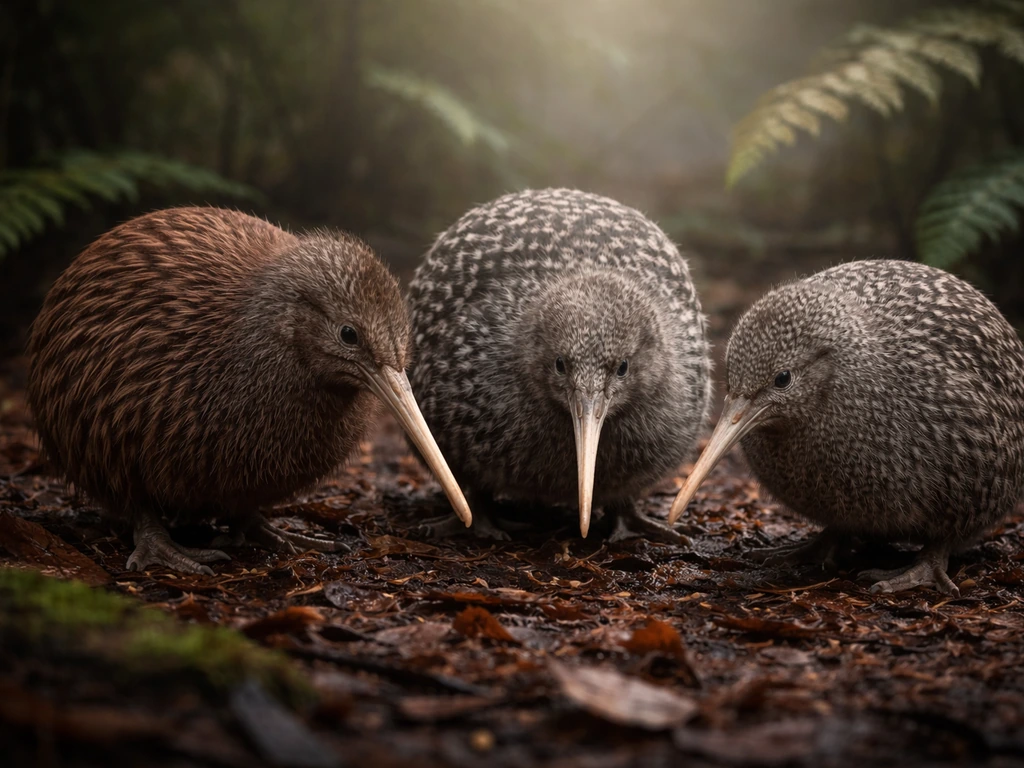
Most people searching for "kiwi bird" have one general image in mind, but there are actually five species endemic to New Zealand. Knowing which one you mean matters, because they live in different parts of the country. The five species are the North Island brown kiwi (Apteryx mantelli), the rowi or Ōkārito brown kiwi (Apteryx rowi), the tokoeka (Apteryx australis), the little spotted kiwi or kiwi pukupuku (Apteryx owenii), and the great spotted kiwi or roroa (Apteryx haastii).
For most New Zealanders, and for most people who say "kiwi," they mean the North Island brown kiwi. It's the most widespread and the one you're most likely to encounter in the wild or in a sanctuary. The rowi is the rarest of the five, confined to a tiny area on the South Island. If you're visiting New Zealand and hoping to spot a kiwi, the species context shapes everything about where you should be looking.
It's also worth noting that kiwi are famously odd birds, even among flightless species. They're nocturnal, highly territorial, and more mammal-like in some of their biology than most birds are. Kiwi birds are not mammals; they are flightless birds with many bird characteristics is a kiwi bird a mammal. That unusual lifestyle directly shapes where and how they live, which we'll get to shortly.
The broader question of whether kiwi are endangered (and they are, to varying degrees depending on species) is covered separately on this site, but it's impossible to talk about where they live without bumping into the conservation story. If you're wondering whether kiwi bird are endangered, this site breaks down the status by species and what the biggest threats are are kiwi bird endangered. That uncertainty is a common question, but kiwi are not extinct is kiwi bird extinct.
The natural habitat: New Zealand in general, but not all of it
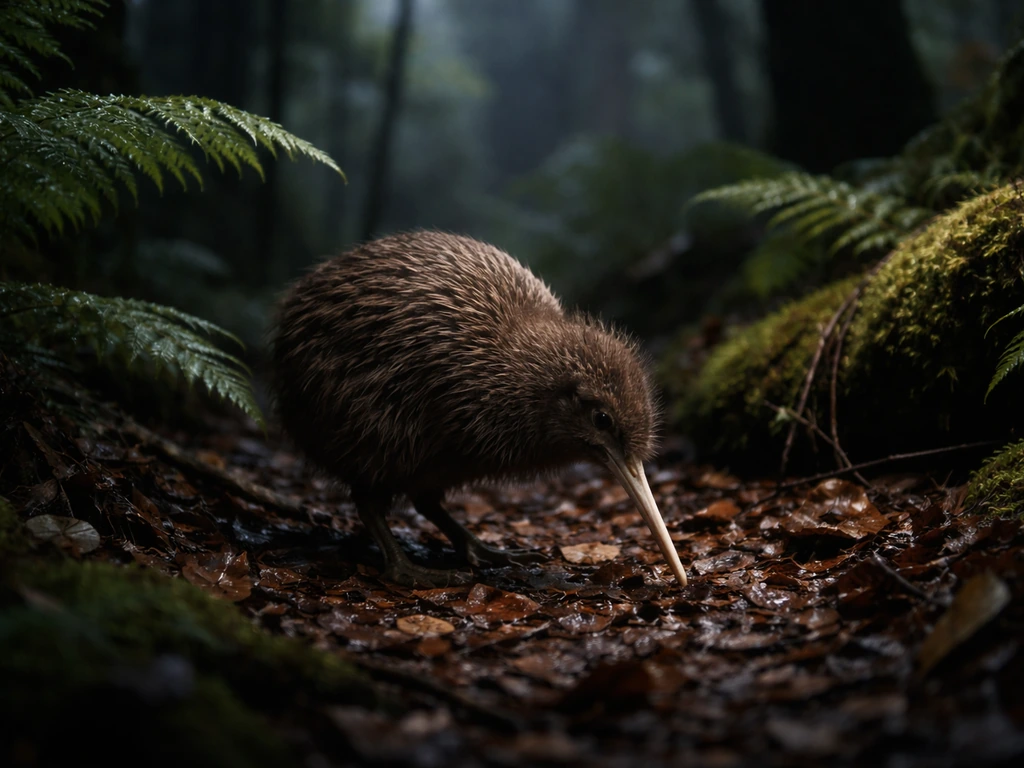
Kiwi are native forest birds at their core. Their ancestral habitat is the dense, damp native bush that once covered most of New Zealand, places thick with ferns, mosses, tangled undergrowth, and deep leaf litter. That kind of cover gives them somewhere to shelter during the day and plenty of invertebrates to probe for at night using their remarkable long bill, which is uniquely tipped with nostrils for sniffing out food underground.
What makes kiwi habitat distinctive isn't just the tree species overhead, it's the structure of the ground layer. They need dense, close-growing vegetation, fallen logs, root systems with cavities, and soft soil they can dig burrows into. A sparse, grazed hillside with no ground cover isn't going to work. A forest floor thick with nikau fronds, supplejack, and decomposing wood is exactly what they want.
That said, kiwi are more adaptable than people expect. Northland brown kiwi, for instance, have been documented using rough pasture edges and even areas with slash left over from land clearing. They're not strictly confined to pristine native forest, but they do need some degree of cover, nearby food, and crucially, an absence of the predators that kill them.
Habitat types kiwi actually use
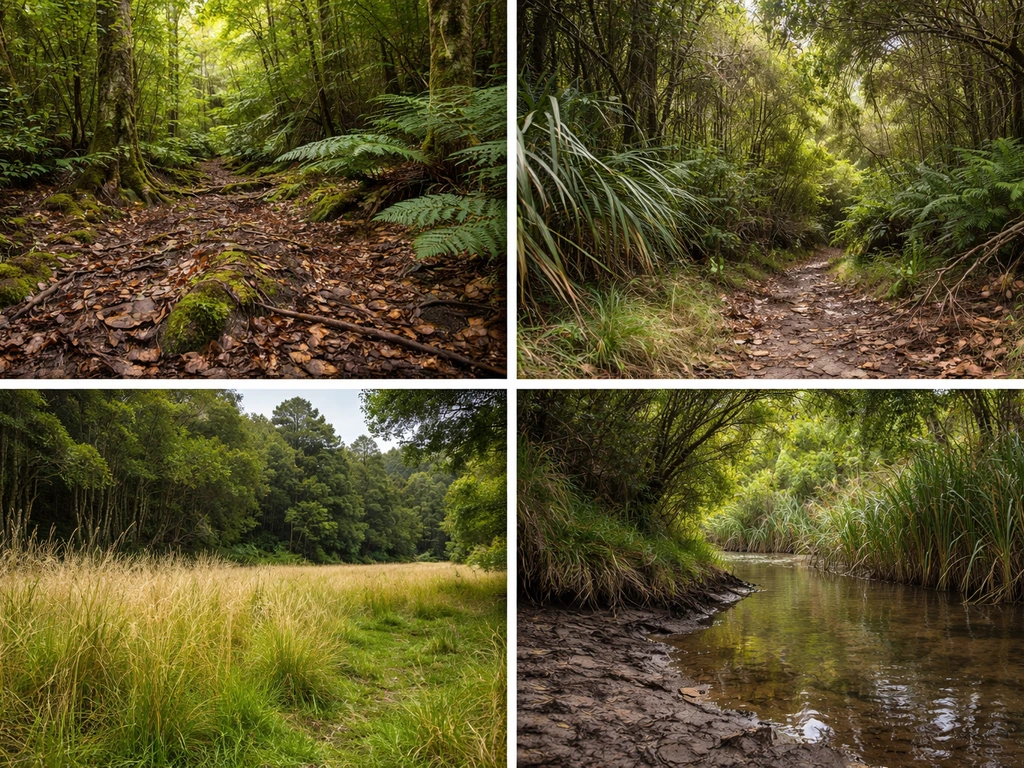
Kiwi use a wider range of habitats than their forest-bird reputation suggests. Here's a realistic breakdown of the main habitat types where different species or populations are found:
- Native forest: the primary and preferred habitat, especially dense lowland and montane forest with thick understorey cover and deep, moist soils. This is where most kiwi populations are centred.
- Scrubland and regenerating bush: kiwi readily use areas of native scrub and second-growth vegetation, particularly where forest has been partially cleared but some native cover remains.
- Grassland and pasture edges: North Island brown kiwi are documented in rough pasture, especially near forest margins. They can forage in open areas at night but rely on nearby cover to shelter in during the day.
- Alpine and subalpine zones: great spotted kiwi (roroa) occupy higher altitudes in South Island national parks, a habitat type no other kiwi species uses significantly.
- Offshore islands: predator-free offshore islands have become critical refuges, particularly for little spotted kiwi. Kapiti Island is the best-known example, and translocations have established populations on at least 11 other protected locations.
- Fenced mainland sanctuaries: purpose-built, predator-fenced reserves on the mainland now hold kiwi populations that wouldn't survive in the unmanaged landscape around them. Zealandia near Wellington is a key example.
North Island vs South Island: who lives where
The distribution of kiwi species across New Zealand follows a fairly clean geographic pattern, though there's some overlap when you factor in translocations and managed populations.
| Species | Primary Range | Key Locations |
|---|---|---|
| North Island brown kiwi (Apteryx mantelli) | North Island | Northland, Coromandel, Bay of Plenty, Hawke's Bay, Taranaki, Tongariro area, Whanganui, some offshore islands |
| Rowi / Ōkārito brown kiwi (Apteryx rowi) | South Island (very restricted) | Ōkārito Forest and surrounds, West Coast |
| Tokoeka (Apteryx australis) | South Island (+ Stewart Island) | Fiordland, Haast, Stewart Island / Rakiura |
| Little spotted kiwi / kiwi pukupuku (Apteryx owenii) | Offshore islands + fenced sanctuaries | Kapiti Island, Zealandia (Wellington), 10+ other predator-free/fenced sites; recently rediscovered on South Island mainland |
| Great spotted kiwi / roroa (Apteryx haastii) | South Island (higher altitudes) | Nelson Lakes, Kahurangi, Arthur's Pass, Paparoa National Park areas; inhabits roughly 800,000 ha |
The North Island is the stronghold for brown kiwi, and it's where you have the most realistic chance of encountering one in the wild, particularly in Northland, the Coromandel Peninsula, and parts of the Bay of Plenty. The South Island holds three species, but their ranges are more restricted and in some cases critically small, especially for the rowi, which is the rarest of all five. A 2024 DOC media release highlighted the excitement when a rowi established a new territory near the Whataroa River, about 15 km from where most of the population lives in Ōkārito Forest. That kind of news tells you everything about how precarious that species' range is.
How kiwi behavior shapes where you'll find them
Kiwi are almost entirely nocturnal. They sleep through most of the day tucked into sheltered spots and come out after dark to forage, call, and move around their territories. That behavior directly determines when and where you're likely to encounter one, and it's the main reason most people who visit kiwi habitat never actually see one.
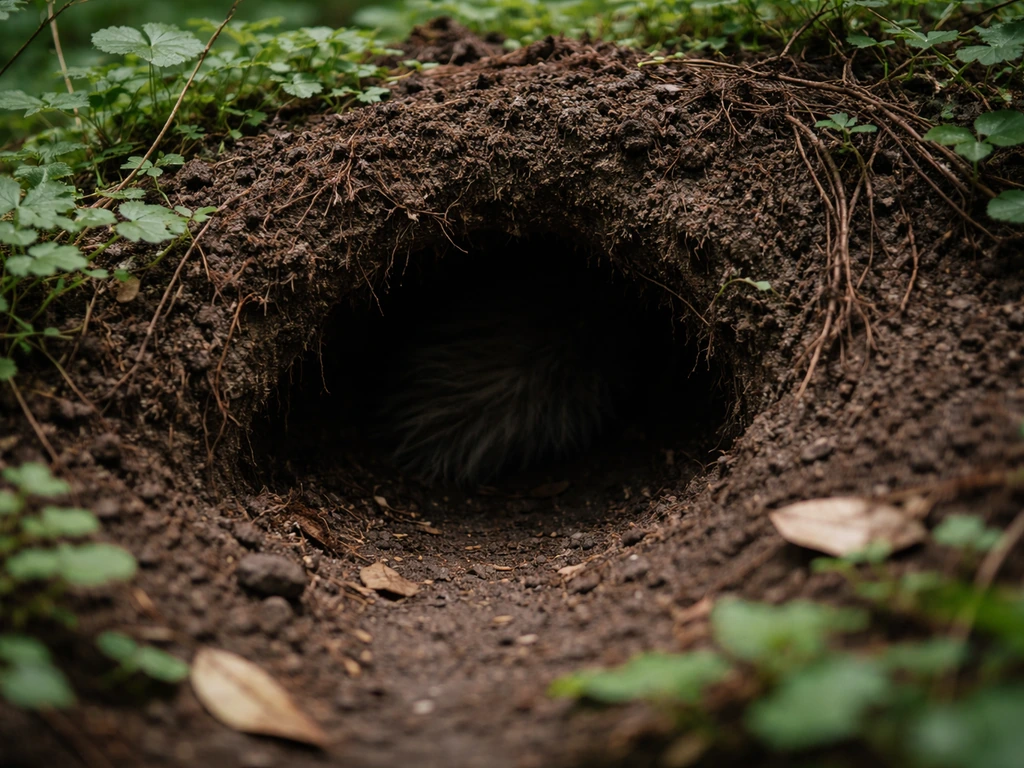
During the day, kiwi shelter in burrows they've excavated themselves, inside hollow logs, under dense root systems, beneath fallen nikau fronds, and in any tight vegetation that gives them cover from above. A single kiwi typically maintains several burrows within its territory, switching between them. They're not randomly distributed through the bush during daylight hours. They're hidden, often in spots that look like solid undergrowth to the untrained eye.
After dark, they become active and vocal. Males call at night to mark territory and stay in contact with their mates and family. Those calls, a high-pitched series of whistles for males and a huskier sound for females, are often the first sign of kiwi presence even before you see one. Young chicks are the exception to the nocturnal rule: they may forage during the day, making them more visible than adults, though also more vulnerable.
All of this means that if you're looking for kiwi, timing matters as much as location. You need to be out in the right habitat after dark, moving quietly, and ideally listening before you look. In unmanaged bush, that's a genuine challenge. In a managed sanctuary with a guided night tour, the odds shift dramatically in your favour.
Why kiwi don't live everywhere in New Zealand anymore
Kiwi once ranged across a much larger part of New Zealand than they do today. The contraction of their range is one of the clearest examples of what introduced predators and habitat loss can do to a species that evolved in complete isolation from land mammals.
North Island brown kiwi have disappeared from many lowland sites and from the fringes of their former distribution. The drivers are well documented: habitat clearing removed the forest cover they depend on, and introduced mammals, particularly dogs, ferrets, and stoats, turned previously safe habitat into killing grounds. Stoats are especially devastating to kiwi chicks. A chick that makes it to adulthood has reasonable survival odds, but stoats kill young kiwi at rates that have driven population collapses across large areas.
Little spotted kiwi are the starkest example of what this pressure can do. They were thought to be extinct on the mainland for nearly 50 years. Little spotted kiwi were thought to be extinct on the mainland for nearly 50 years before conservation efforts helped them persist on islands. The only reason the species survived at all is that a small population was translocated to Kapiti Island, a predator-free offshore refuge, before they disappeared entirely from the mainland.
The Department of Conservation notes that little spotted kiwi thrive on Kapiti Island and are extinct on the mainland little spotted kiwi (kiwi pukupuku) thrive on Kapiti Island and are extinct on the mainland.
From that Kapiti Island population, translocations have since established kiwi pukupuku at 11 other protected locations, including seven predator-free offshore islands and four fenced mainland sanctuaries. A rediscovered mainland South Island population, confirmed with breeding chicks as recently as December 2025, added a genuinely surprising chapter to that story.
The pattern is consistent across species: wherever predator control is absent and habitat has been degraded, kiwi populations have contracted or disappeared. Where predators are managed and habitat is protected, kiwi can not only survive but recover. That's why today's kiwi distribution is increasingly a map of conservation management rather than just natural habitat.
Where you can realistically find kiwi today
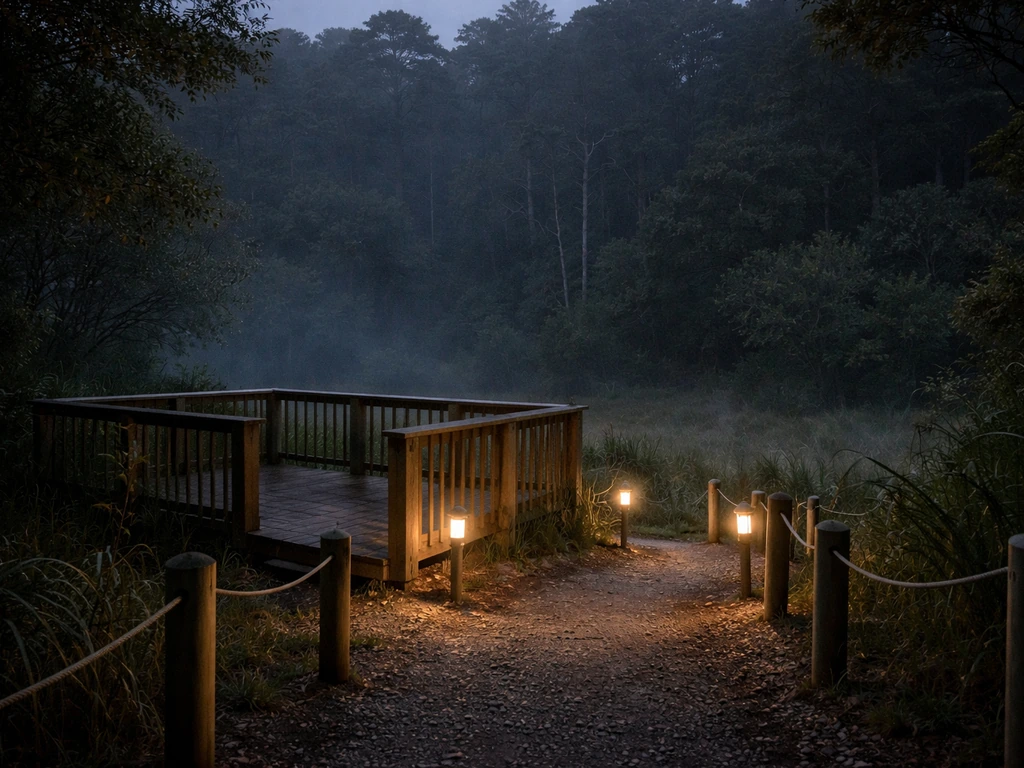
If you want to see or hear a kiwi, your best practical options fall into three categories: national parks and managed forest areas with active predator control, predator-free offshore islands, and fenced mainland sanctuaries. The last category is the most accessible for most visitors.
Fenced sanctuaries and guided night tours
Zealandia in Wellington is one of the most visitor-friendly options in the country. It holds little spotted kiwi (kiwi pukupuku) within a fully fenced, predator-managed ecosanctuary, and runs guided night tours after dark specifically designed for kiwi spotting. You go out with a guide, torch in hand, after twilight, which is genuinely the right conditions for seeing them. This kind of managed tour is the realistic "solve it today" option for most people visiting New Zealand. DOC has established five dedicated kiwi sanctuaries across the country, three in the North Island and two in the South Island, as part of the national kiwi recovery programme.
National parks and wild forest areas
For North Island brown kiwi, the areas with the best wild encounter potential include Northland forests, the Coromandel Peninsula, and parts of the Bay of Plenty. In the South Island, roroa territory covers significant stretches of Nelson Lakes, Kahurangi, and Arthur's Pass national parks, though higher-altitude kiwi are harder to encounter. The Ōkārito area on the West Coast is rowi territory, and while guided opportunities exist there, the tiny population size means access is carefully managed.
Offshore islands
Kapiti Island is the gold standard for little spotted kiwi in the wild, with a stable population in a fully predator-free environment. Access is controlled and requires a DOC permit, but the experience of hearing kiwi call freely on a predator-free island at night is unlike anything in a mainland setting. Stewart Island / Rakiura in the south is one of the few places where you can hear tokoeka calling in relatively accessible wild terrain.
Practical tips for searching responsibly
- Go after dark: kiwi are almost exclusively nocturnal, so evening or night visits are the only realistic option for wild encounters. Aim for the first few hours after sunset when activity peaks.
- Listen first: kiwi calls, especially the male's whistling, carry a long way through bush. Stand still and listen before scanning with a torch.
- Stay on tracks: trampling native vegetation to find kiwi damages the exact habitat they depend on and disturbs their daytime shelter spots. Stick to formed tracks and designated viewing areas.
- Use guided tours where available: operators running kiwi night tours know the habitat, the timing, and the responsible protocols. Your chances of an encounter are significantly higher with a local guide.
- Check with DOC before visiting any reserve: predator control status, seasonal conditions, and access rules vary significantly by location. DOC's website and regional offices are the most reliable current source.
- Don't bring dogs: dogs are one of the primary killers of wild kiwi. Even well-trained dogs are prohibited in or near kiwi habitat for good reason.
The broader reality is that kiwi's range today reflects decades of conservation effort as much as natural habitat preference. That same legal and ethical caution applies if you are wondering, “is it illegal to kill a kiwi bird” in New Zealand. Their story connects directly to questions about whether they are endangered, what threatens flightless birds more generally, and what it actually takes to keep a species like this alive. Some people also ask, is kiwi bird halal, when they are deciding how to eat or prepare traditional foods. Those threads are worth following if you're curious about more than just the geography.
FAQ
Are kiwis found only in New Zealand, or can they live elsewhere in zoos and sanctuaries?
Yes. Although kiwi are native only to New Zealand in the wild, some species are kept in fenced sanctuaries and predator-managed reserves. These locations are still within New Zealand, but they are not the same as “natural” range in unrestricted native forest.
If I’m in kiwi habitat, when am I most likely to actually see one, day or night?
In most cases, the most reliable way is to listen after dark, then look for the habitat features nearby (dense ground cover, fallen logs, soft digging areas). During the day, the easiest targets are chicks, because adults usually stay deep in burrows or hollow cover.
Can kiwi live in places that are not dense native forest, like pasture edges or scrub?
No. Kiwi presence depends heavily on predator pressure. A forest edge or regenerating bush can be suitable if predators are controlled, but the same habitat can be unsafe for kiwi if stoats, ferrets, or dogs are common.
Why do two people visiting New Zealand’s forests report different kiwi sightings?
For a visit, “where” depends on which kiwi species you’re targeting, because each one occupies different parts of the country. For example, the North Island brown kiwi has the best general odds on the North Island, while rowi is confined to a very small South Island area.
How can I improve my chances of finding kiwi without disturbing them?
Kiwi are usually not easy to “track” like mammals, because they move at night and switch between multiple daytime shelters. If you want to increase odds, focus on the period right after twilight, stay quiet, and use the kind of managed area that is already set up for night spotting.
Why does kiwi distribution seem to follow conservation boundaries more than geography?
Many kiwi populations today occur where conservation management is active, such as fenced sanctuaries or predator-free islands. That means a “kiwi spot” is often chosen because it can be protected and monitored, not only because it looks right.
Do all five kiwi species live in the same regions, or do I need to choose a specific area?
Yes, and it’s a common mistake. Different species have different ranges and accessibility, and even within one region there can be protected zones or timing rules. If you plan to chase a specific species, confirm the target area and whether guided access is required.
Is it realistic to see kiwi in the wild without a tour or permission?
You should assume you cannot rely on casual or last-minute spotting in unmanaged bush, especially where predator control is absent. Managed tours or DOC-run sanctuaries are more predictable because they align timing, access, and safety measures.
Is it okay to get close to kiwi burrows or try to locate shelters on my own?
Usually not. Kiwi are protected wildlife, and their habitat and burrows are sensitive. Disturbing shelter sites or trying to approach closely can reduce breeding success, especially for chicks, even if the disturbance seems minor.
If a place is known for kiwi calls, should I expect to see one every time I visit?
It can, especially in predator-free or heavily managed areas where kiwi call frequently and have safe access to shelter. Still, they are wild animals, so there is no guarantee of sightings on any specific night.
How should my destination choice differ if I’m visiting for conservation information versus seeing kiwi?
Yes, the “where” answer changes with your goals. For conservation-focused trips, you might prioritize fenced sanctuaries or offshore islands where breeding is actively supported. For simple tourism encounters, guided night tours in accessible reserves tend to offer higher odds.