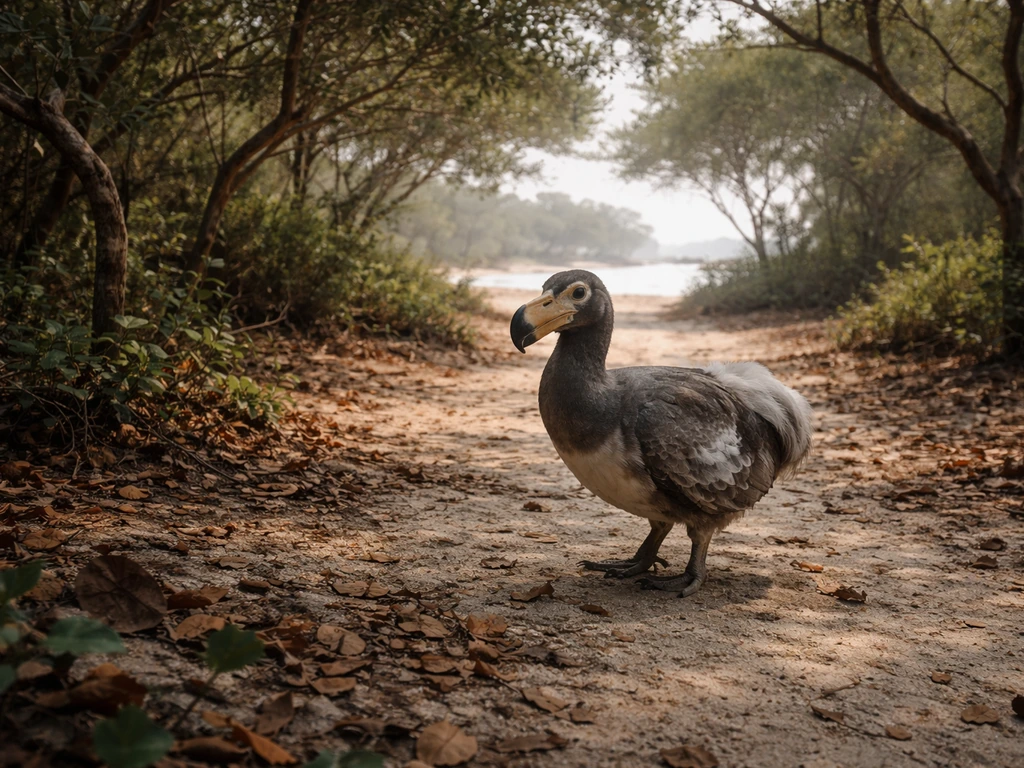
Are kiwi birds extinct today?
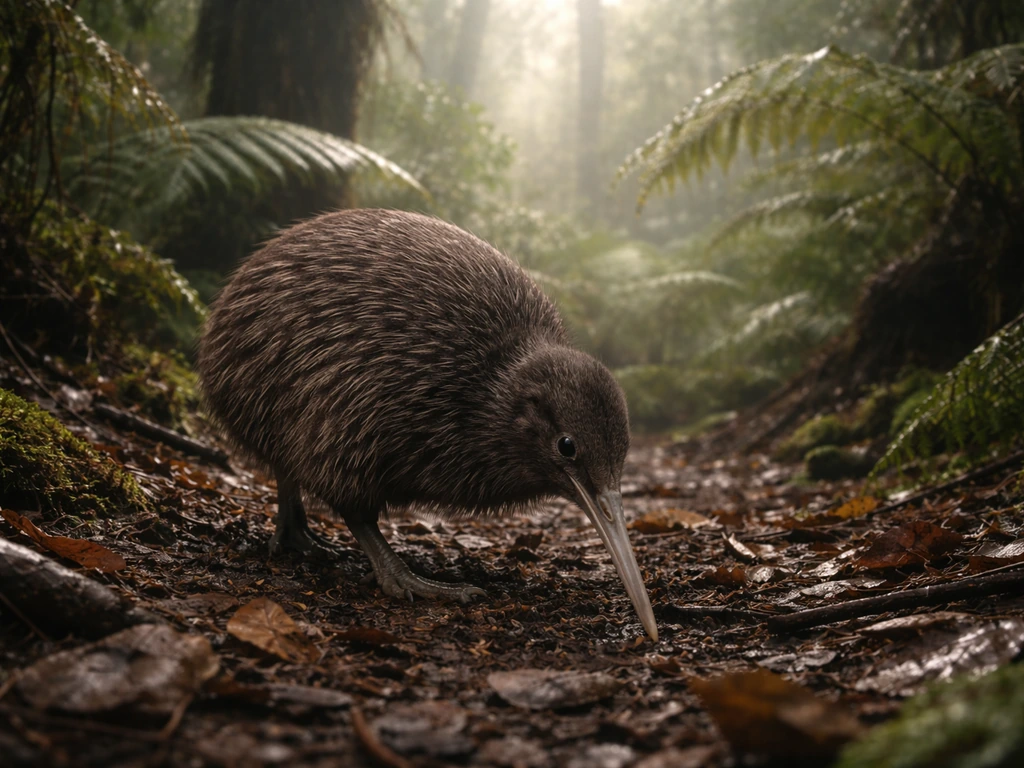
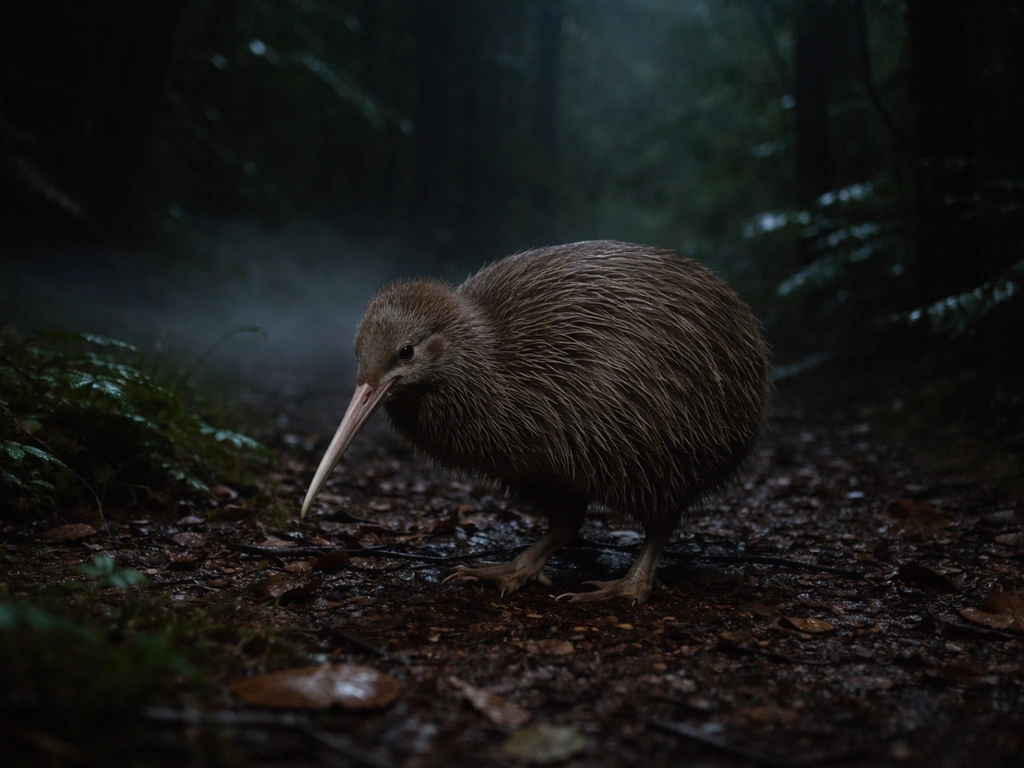
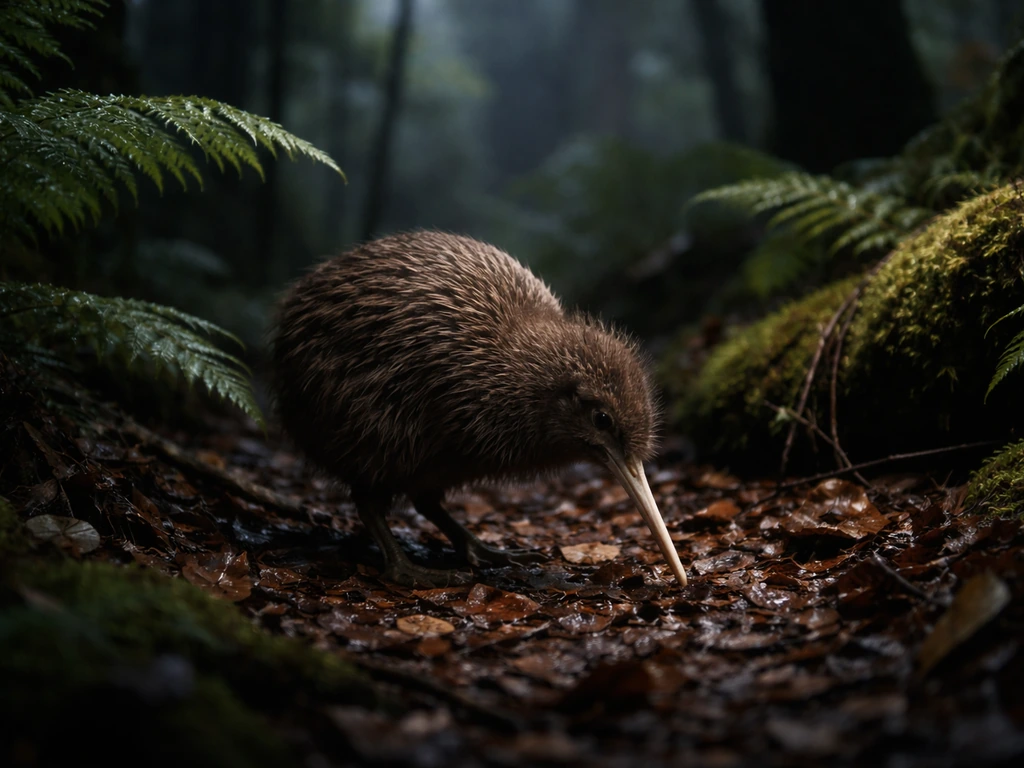
No, kiwi birds are not extinct today. As of 2026, five recognized kiwi species are still alive, all of them living in New Zealand. But here is where the confusion comes in: kiwi populations have collapsed so dramatically over the past two centuries that several species are now critically endangered, and at least one was believed extinct on the mainland for nearly 50 years. So the short answer is that kiwis still exist, but the longer answer is that some species are hanging on by a thread, and the picture looks very different depending on which specific kiwi you are asking about.
"Kiwi bird" is not one thing, here is how the species break down
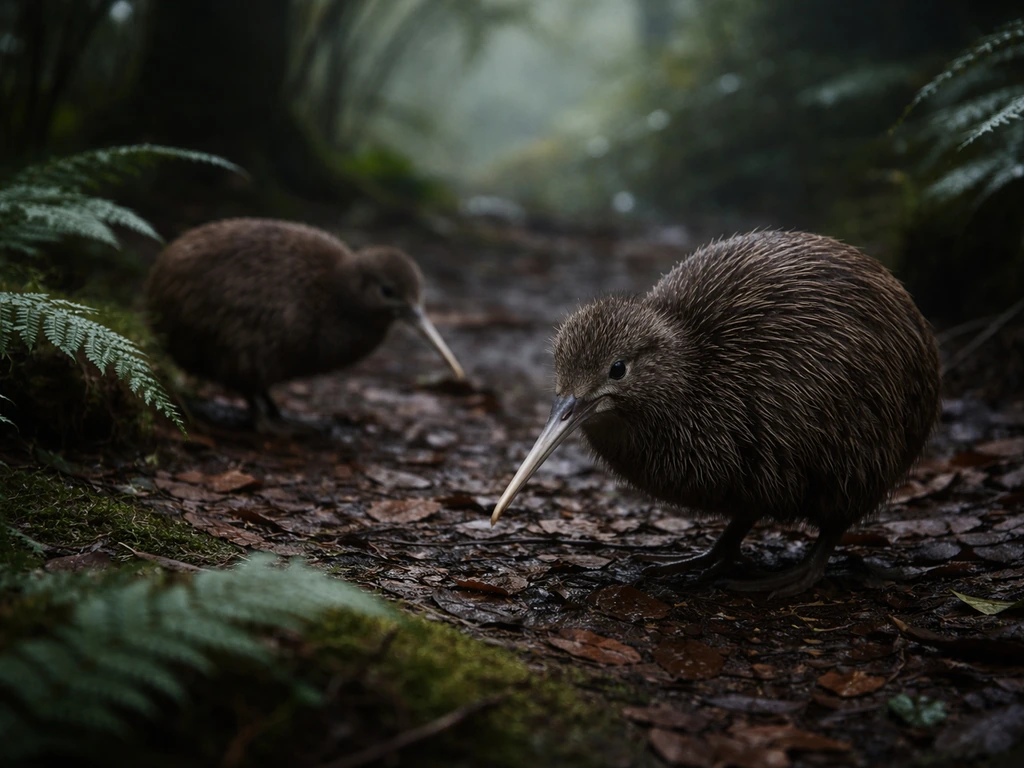
All kiwis belong to the family Apterygidae, genus Apteryx. They are ratites, meaning they share an ancient evolutionary lineage with ostriches, emus, and the extinct moa of New Zealand. When someone searches "is the kiwi bird extinct," they are often treating kiwi as a single species, but there are actually five living species, each with its own range, population size, and threat level. Lumping them together gives you a misleading picture.
The five living kiwi species recognized today are the North Island brown kiwi (Apteryx mantelli), the great spotted kiwi (Apteryx haastii), the little spotted kiwi (Apteryx owenii), the Okarito brown kiwi or rowi (Apteryx rowi), and the Southern Tokoeka (Apteryx australis). Each one has its own conservation status, and that status ranges from Vulnerable all the way to Nationally Critical under New Zealand's own classification system.
There are no fully extinct kiwi species in the modern record the way the dodo or the Haast's eagle are extinct. However, the little spotted kiwi came perilously close. New Zealand's Department of Conservation notes that for nearly 50 years, this species was believed to be extinct on the mainland, surviving only in a remnant island population on Kapiti Island. That near-miss is a sobering reminder of how quickly a kiwi species can vanish from its historical range without actually disappearing from the planet entirely.
When did kiwi birds "go extinct", and what that question really means
If you are searching "when did the kiwi bird go extinct," the most likely explanation is that you read or heard something suggesting kiwis are gone. The truth is more nuanced: no living kiwi species has a confirmed global extinction date, because none is globally extinct. What has happened is local or mainland extinction for some species or populations, which can look like full extinction from the outside.
The little spotted kiwi is the clearest case. It was wiped out from the New Zealand mainland through a combination of predation and habitat loss, with mainland populations disappearing so thoroughly that the species was presumed extinct there for decades. It persisted on Kapiti Island and has since been translocated to several other predator-free islands and mainland sanctuaries. Its "extinction" was a mainland extinction, not a global one, and that distinction matters enormously when you are trying to answer whether kiwis still exist.
The rowi (Okarito brown kiwi, Apteryx rowi) tells a similar story of near-disappearance. It was not even recognized as a distinct species until 1994, and by the time scientists confirmed it was its own species, only one natural wild population remained: roughly 450 birds in the Okarito forest and surrounding South Westland area of New Zealand's South Island. Before that taxonomic recognition, its precarious status was essentially invisible to conservation planning.
Where kiwis live today and how each species is doing

Every living kiwi species is endemic to New Zealand, meaning they exist nowhere else on Earth in the wild. Their ranges have contracted dramatically from what they once were, and most surviving populations are either on predator-free offshore islands or inside fenced mainland sanctuaries. Here is a species-by-species snapshot of their current situation.
| Species | Location | Estimated Population | IUCN Status |
|---|
| North Island brown kiwi (Apteryx mantelli) | North Island, NZ | ~35,000 (declining) | Vulnerable |
| Great spotted kiwi (Apteryx haastii) | South Island, NZ (alpine zones) | ~16,000 | Vulnerable |
| Little spotted kiwi (Apteryx owenii) | Kapiti Island + managed sanctuaries | ~1,800–2,000 | Near Threatened |
| Rowi / Okarito brown kiwi (Apteryx rowi) | Okarito forest, South Westland | ~600–700 (managed) | Vulnerable |
| Southern Tokoeka (Apteryx australis) | South Island + Stewart Island, NZ | ~7,000+ | Vulnerable |
The North Island brown kiwi has the largest population but is still losing ground at an estimated 2 to 3 percent per year in unmanaged areas. The rowi remains the rarest, with its single natural population in Okarito forest now supplemented by birds raised through Operation Nest Egg, a program where eggs are collected, hatched in captivity, and juveniles released once they are large enough to survive predators. Without active management, most kiwi species would almost certainly follow the little spotted kiwi's trajectory toward mainland extinction.
It is also worth noting that kiwis are flightless, which makes them completely unable to escape introduced predators or colonize new areas on their own. Their habitat is almost entirely restricted to the forests, shrublands, and grasslands of New Zealand's main islands and a handful of offshore islands. If you want to learn more about the specific environments kiwis depend on, the question of where kiwi birds live gets into the detail of forest types, altitude ranges, and island refuges that shape their survival chances.
Why kiwi populations collapsed, the real extinction drivers
Kiwis evolved in a New Zealand that had no land mammals apart from bats. For millions of years, the only predators they faced were large raptors like the Haast's eagle (itself now extinct). That evolutionary history left kiwis spectacularly unprepared for what arrived with human settlement: rats, stoats, ferrets, cats, and dogs. These introduced predators are the primary reason kiwi numbers crashed.
Stoats are the single biggest threat to kiwi chicks. A stoat can kill a kiwi chick up to roughly 1 kilogram in weight, which covers most of the growth phase. In areas with stoat irruptions (population explosions triggered by heavy beech tree seeding), kiwi chick survival can drop close to zero. Without intervention, only about 5 percent of kiwi chicks survive to adulthood in areas with stoats. With predator control, that figure rises above 50 percent, which is why intensive trapping and 1080 poison operations are central to every kiwi recovery program.
Habitat loss compounded the predator problem. Large-scale deforestation following both Maori arrival (roughly 700 years ago) and European colonization (from the 1800s onward) stripped away the forest cover that kiwis depended on. Kiwis are also slow breeders, typically raising one chick per season, so populations recover extremely slowly even when conditions improve. That combination of slow reproduction, high chick mortality from predators, and shrinking habitat is what brought species like the rowi to the brink within recorded history.
- Introduced stoats, rats, ferrets, cats, and dogs kill kiwi chicks and adults
- Deforestation by both Maori settlers and European colonizers removed critical habitat
- Kiwis produce only one chick per season, so populations recover slowly
- Kiwis evolved with no land mammal predators and have no behavioral defenses against them
- Stoat irruptions in beech forest years can wipe out entire local cohorts of chicks
- Dogs remain a serious ongoing threat, even in managed areas
The broader pattern here mirrors what happened to many other flightless birds worldwide. The dodo, the moa, the Rodrigues solitaire, all flightless, all island endemics, all wiped out after humans and their accompanying animals arrived. Kiwis have so far avoided that fate through intensive intervention, but they remain one of the most conservation-dependent birds on Earth.
How to check the latest kiwi status yourself

Conservation statuses change, and population estimates get updated as monitoring data comes in. If you want to verify exactly where any kiwi species stands right now, here are the most reliable places to look and what to search for.
- IUCN Red List (iucnredlist.org): Search each species by its scientific name (e.g., "Apteryx mantelli" for North Island brown kiwi). The Red List gives you the current global threat category, population trend, and the date of the last assessment.
- New Zealand Department of Conservation (doc.govt.nz): DOC manages all kiwi recovery programs and publishes species pages for each kiwi. These pages include current population estimates, conservation status under New Zealand's own Threat Classification System, and active management summaries.
- BirdLife International (birdlife.org): BirdLife is the official Red List authority for birds and often has more detailed narrative assessments than the IUCN summary page alone.
- New Zealand Threat Classification System: New Zealand uses its own classification (Nationally Critical, Nationally Endangered, etc.) alongside IUCN categories, and the NZ system often reflects local reality more accurately for endemic species.
- Use the correct species name: If you are looking up "kiwi bird," you will get general results. To find precise data, use the scientific name for the specific species you care about. The five to know are Apteryx mantelli, Apteryx haastii, Apteryx owenii, Apteryx rowi, and Apteryx australis.
One practical tip: when you land on an IUCN page, always check the assessment date near the top. Kiwi assessments have been updated multiple times in the past decade as population data improved, so an older cached version of a page might show a different status than the current one. The rowi in particular moved between threat categories as Operation Nest Egg began showing measurable results in the wild population around Okarito.
If your interest goes beyond whether kiwis exist to questions about their biology, legal protections, or ecological role, there is a lot more ground to cover. Kiwis are one of the most unusual birds alive today, they are technically classified as birds but have mammal-like features including bone marrow in their femurs, a highly developed sense of smell unusual in birds, and eggs that are enormous relative to body size.
Kiwis are birds, not mammals, even though they have some unusual traits. Questions like whether kiwi birds are endangered, whether they are dangerous, and why it is illegal to kill or disturb them in New Zealand all point to just how seriously this bird is protected and studied. In New Zealand, kiwis are protected under wildlife laws, so killing or disturbing them can carry serious penalties why it is illegal to kill or disturb them in New Zealand.
If you are wondering “is kiwi bird halal,” the answer depends on the relevant food and religious rules in your location, not on whether kiwi birds are endangered. You might also be asking whether are kiwis dangerous bird, but the bigger concern is mostly about how vulnerable they are to introduced predators. The short version: kiwis are alive, they are endangered at varying levels by species, and their continued survival depends almost entirely on ongoing human intervention.