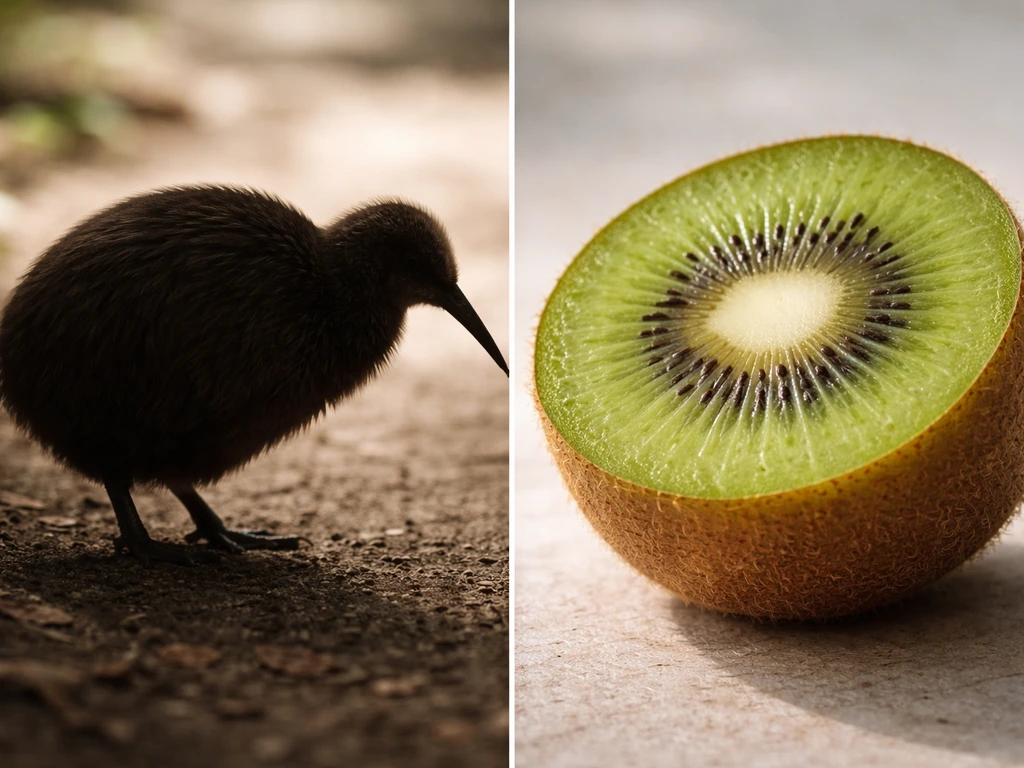
The kiwi bird came first. Meanwhile, if you meant the internet sensation Nikocado Avocado, his bird-related controversy was widely discussed online but stemmed from his own channel updates rather than any real link to kiwifruit naming <a data-article-id="80EEE4CA-791B-460A-8E8F-69EEF16868A4"><a data-article-id="263FCAD5-96F4-4D5F-A62E-A667B1F4ED7C">what happened to nikocado avocado bird</a></a>. If you came here because you heard a rumor about Nick Avocado's bird, you might also be asking what happened to nick avocado bird as a related internet-story topic. Meanwhile, if you meant the internet sensation Nikocado Avocado, his bird-related controversy was widely discussed online but stemmed from his own channel updates rather than any real link to kiwifruit naming <a data-article-id="80EEE4CA-791B-460A-8E8F-69EEF16868A4"><a data-article-id="263FCAD5-96F4-4D5F-A62E-A667B1F4ED7C">what happened to nikocado avocado bird</a></a> is nikocado avocado's bird alive. The word "kiwi" entered English as a name for the flightless New Zealand bird (Apteryx) in the early-to-mid 1800s, well over a century before the fruit borrowed it. The fruit we now call kiwifruit was officially renamed on June 15, 1959, when a New Zealand export company called Turners & Growers coined "kiwifruit" for shipments heading to the United States. Before that date, the fruit was known as the Chinese gooseberry. So the naming gap is massive: roughly 130 years separates the bird's English name from the fruit's.
What Came First: Kiwi Bird Name or Kiwi Fruit Name

Wait, what's the real question here?
It's worth being clear about what we're actually comparing. Nobody is asking which organism is older in evolutionary terms (the bird wins that race by tens of millions of years). The question is purely about naming: which one got the word "kiwi" attached to it first in the English language? The kiwi bird vs kiwi fruit puzzle is ultimately solved by comparing when that word entered English for each organism the word "kiwi". That's a history-of-language question, not a biology question, and it has a clean, documented answer. The confusion arises because most people outside New Zealand encountered the fruit long before they thought much about the bird, so the fruit's name feels more familiar. Familiarity isn't the same as seniority.
Where the word "kiwi" came from for the bird
The name comes directly from the Māori language. Māori people in New Zealand had long called the bird "kiwi" (sometimes "kiwi-kiwi"), a word that is widely understood to mimic the bird's distinctive nocturnal call. When European naturalists began formally documenting New Zealand wildlife in the nineteenth century, they picked up this Māori name almost unchanged.
The French naturalist René Lesson is credited with introducing the Māori name "kiwi-kiwi" into zoological literature in 1828. The 1911 Encyclopaedia Britannica notes this explicitly, recording that the name was "introduced apparently to zoological literature by Lesson" and that it became "very generally adopted in English" for the Apteryx birds. After that, the name spread steadily. A Brown Kiwi specimen was forwarded to the Secretary of the Zoological Society in London in 1835, and by 1851 the first kiwi known to have arrived in England alive was presented to the Zoological Society itself. Each of those moments reinforced the English-speaking world's familiarity with the word "kiwi" as the name for this peculiar flightless bird. Biodiversity Heritage Library records from the same period carry the label "Apteryx Australis, Shaw., Kiwi-kiwi," showing the name was embedded in European scientific publishing well before the Victorian era ended.
By the late 1800s, "kiwi" was firmly established in English as shorthand for New Zealand's national bird. The bird's wingless, burrowing, nocturnal lifestyle made it a source of genuine zoological fascination, which only deepened public and scientific familiarity with the name. If you want to dig further into the bird's biology, including the evolutionary story of how it lost its wings, that broader natural history is covered elsewhere on this site. It also explains the evolutionary reasons for why the kiwi bird lost its wings how the kiwi bird lost its wings.
What kiwifruit was called before it became "kiwifruit"
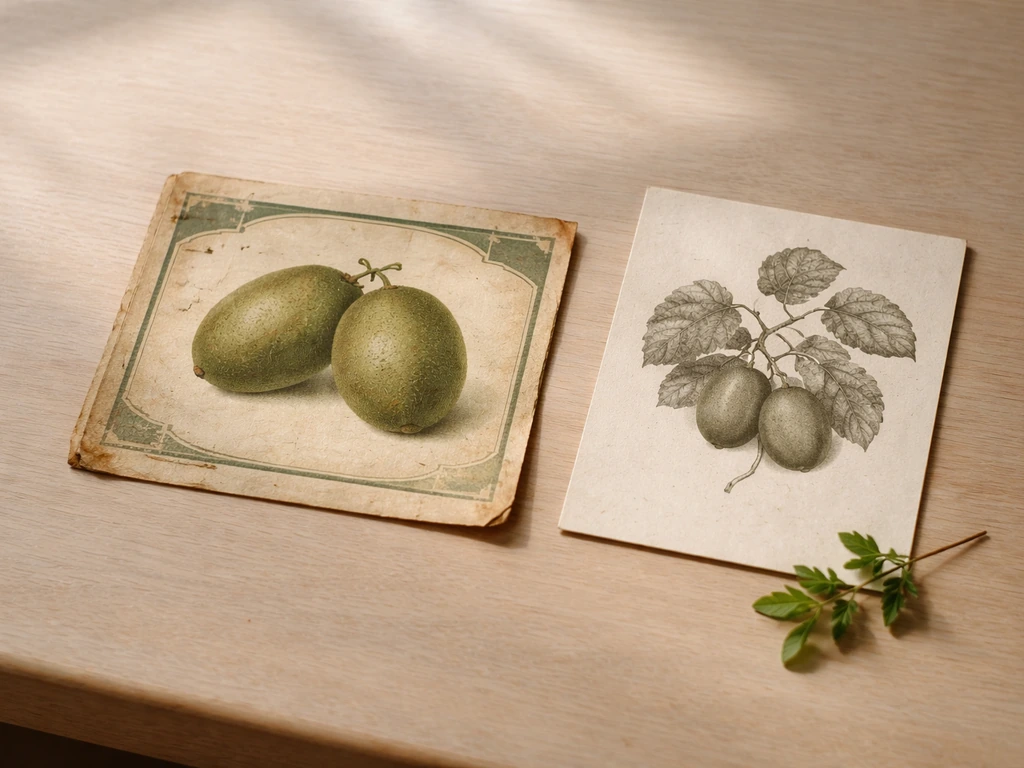
The fruit now sold in every supermarket as kiwifruit (or simply kiwi in many countries) is native to China, not New Zealand. Its botanical name is Actinidia deliciosa, and in China it was called yang tao or mihoutao, loosely translated as "Chinese gooseberry" in Western contexts. That Chinese gooseberry name is exactly what it was sold under for most of the twentieth century, including in early New Zealand commercial production.
Seeds of the plant arrived in New Zealand in the early 1900s, and farmers began cultivating it seriously over the following decades. As export demand from the United States grew in the 1950s, growers and exporters faced a branding problem: "Chinese gooseberry" carried Cold War-era political baggage in the American market (anything flagged as "Chinese" faced trade hostility), and the name "gooseberry" triggered high US import tariffs applied to gooseberries. Something had to change.
Key dates that settle the timeline

Here are the historical markers that lock in the sequence:
| Year | Event | What it means for naming |
|---|---|---|
| 1828 | René Lesson introduces "kiwi-kiwi" into zoological literature | "Kiwi" enters European scientific English as the bird's name |
| 1835 | Brown Kiwi specimen sent to the Zoological Society in London | Name spreads further in English scientific circles |
| 1851 | First live kiwi presented to the Zoological Society of London | "Kiwi" is now widely recognized in English popular usage |
| Early 1900s | Kiwifruit seeds brought from China to New Zealand | Fruit cultivation begins; fruit still called "Chinese gooseberry" |
| 1950s | New Zealand kiwifruit export demand grows, especially in the US | "Chinese gooseberry" name starts to become a commercial liability |
| June 15, 1959 | Turners & Growers coins the name "kiwifruit" for US-bound shipments | "Kiwi" is applied to the fruit for the first time in commercial English |
| 1970s onwards | "Kiwifruit" (and shortened "kiwi") spreads globally as a consumer term | The fruit's name becomes mainstream worldwide |
The gap between 1828 (bird) and 1959 (fruit) is 131 years. There is no plausible reading of the historical record in which the fruit got the name first.
So the bird came first: here's the direct answer
The kiwi bird was named "kiwi" in English at least as early as 1828, and that name was in wide common use by the mid-1800s. The kiwifruit was not called "kiwi" or "kiwifruit" in any commercial or common English context until June 15, 1959, when the name was literally invented by a New Zealand export company for marketing purposes. The fruit was named after the bird, not the other way around. The logic was straightforward: New Zealand growers wanted a name that evoked their country, and nothing says New Zealand more internationally than the kiwi bird.
This is worth emphasizing because the confusion tends to run in one direction: people who grew up eating kiwifruit but rarely thinking about New Zealand birds naturally assume the fruit's name is just "what kiwi means." In reality, "kiwi" as a word predates the fruit's rebranding by well over a century, and the Māori people were using it for the bird long before European naturalists showed up to write it down.
How to verify this for yourself
If you want to double-check this timeline using reliable sources rather than just taking my word for it, here's a practical checklist of where to look:
- Biodiversity Heritage Library (biodiversitylibrary.org): Search for "Apteryx" or "kiwi-kiwi" and you'll find nineteenth-century zoological plate publications that use the name in the 1820s–1830s context, well before any fruit association.
- 1911 Encyclopaedia Britannica: The "Kiwi" entry explicitly states that Lesson introduced the name to zoological literature in 1828 and that it became very generally adopted in English. This edition is freely available through various archive sites.
- Te Ara: The Encyclopedia of New Zealand (teara.govt.nz): Their kiwifruit timeline traces the crop's history from Chinese seed imports in the early 1900s through the commercial naming moment in 1959. Compare that timeline against their entry on the kiwi bird.
- NZ History / Manatū Taonga (nzhistory.govt.nz): Search for "Chinese gooseberry becomes kiwifruit" for the documented June 15, 1959 naming date and the Turners & Growers story.
- Oxford English Dictionary (OED): If you have access, the OED's entry for "kiwi" traces the word's documented appearances in English text chronologically. You'll see nineteenth-century citations for the bird decades before any food-related usage.
- Google Books Ngram Viewer: Type in "kiwi" and then "kiwifruit" and set the date range from 1800 to 2000. You'll see "kiwi" appearing steadily in print from the mid-1800s, while "kiwifruit" only registers after 1959 and spikes from the 1970s onward.
None of these sources require specialist access or scientific training to use. Te Ara and NZ History in particular are free, well-maintained, and specifically designed for exactly this kind of natural history and cultural etymology question. For this site's focus on flightless and endangered birds, the kiwi's conservation story is the deeper subject worth exploring: the same bird whose name was borrowed for a fruit is now a threatened species, with all five recognized species facing habitat pressure and predation from introduced mammals. The naming question is a fun entry point, but the bird behind the name has a much more urgent story. If you want a quick biology add-on, you can also look up how fast a kiwi bird can run. And if you're wondering why kiwifruit's namesake cannot fly, the answer comes down to the bird's evolution and anatomy why kiwi bird cannot fly.
FAQ
So does “kiwi” in English originally refer to the bird, or could the fruit have used the word earlier in other countries?
In mainstream English, the documented shift for the fruit to “kiwifruit” happened on the 1959 rebrand. The fruit’s earlier Western marketing labels centered on “Chinese gooseberry,” so even if people abroad knew the plant earlier, the specific English-to-“kiwi” naming you likely mean did not take hold before 1959.
What about “kiwi” as a nickname, for example for a person from New Zealand, did that start because of the fruit?
The nickname “kiwi” for New Zealanders is tied to the bird symbolically, not the supermarket fruit name. Since the bird name was already well established in English by the 1800s, the social nickname follows the bird’s timeline, while the fruit’s “kiwi” branding comes much later.
Why do people feel like the fruit came first, even though the bird clearly has the older word?
It is familiarity bias. Many people encounter kiwifruit in grocery stores long before they learn the Māori origin of “kiwi” for the bird. The fruit can feel conceptually primary even when it is later in the language-history record.
Is the answer different if I mean the word “kiwi” for only one English-speaking country, like the US vs UK?
The core sequence stays the same, but adoption speed can differ. The fruit’s “kiwifruit” branding was created for U.S.-bound exports on June 15, 1959, so the U.S. marketing wave likely hit sooner there, while other places may have continued using “Chinese gooseberry” for a time.
Does the bird name “kiwi-kiwi” mean the fruit’s name was copied from Māori too?
No. Māori “kiwi-kiwi” was taken up into zoological literature in the 1800s for the bird. The fruit’s “kiwifruit” name was coined later as a brand choice by a New Zealand export company, using the already-famous national bird term rather than independently borrowing a Māori plant term.
Could breeders or early growers have used “kiwi” informally for the fruit before 1959?
They could have used informal nicknames, but the article’s timeline hinges on when “kiwifruit” entered established commercial/common English usage. For a naming-rules question like this one, the key point is the date when the standardized export brand took over.
How do I verify the timeline without relying on the article itself?
Use an etymology or cultural history entry that tracks first recorded usage for “kiwi” (bird, 1800s) and for “kiwifruit” (1959). Also check historical references that discuss the “Chinese gooseberry” name in trade contexts, since that helps confirm the pre-1959 naming baseline for the fruit.
Do other fruits or animals use “kiwi” in their common names, and could that muddy the question?
Yes, “kiwi” can show up in common names as metaphor or metaphor-adjacent branding in other contexts. That is why you should focus specifically on the English-language adoption of “kiwi” as a direct name for the bird species versus the standardized trade name for the fruit.
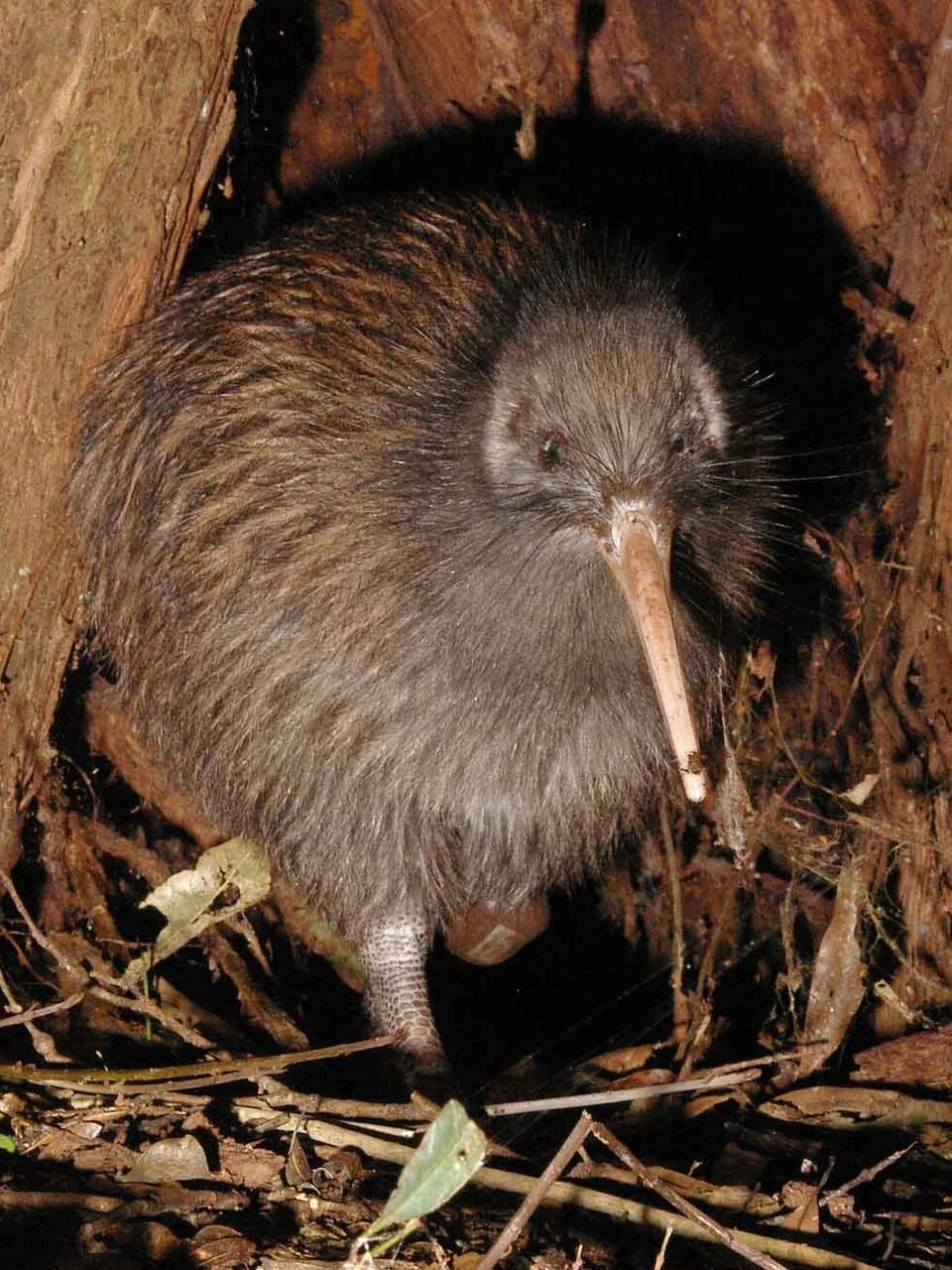
Yes, kiwi birds have wings but they are tiny and hidden, not for flight, adapted for ground life and conservation.

Learn if any dodos could exist today, why scientists say they are extinct, and how to judge sightings reliably.
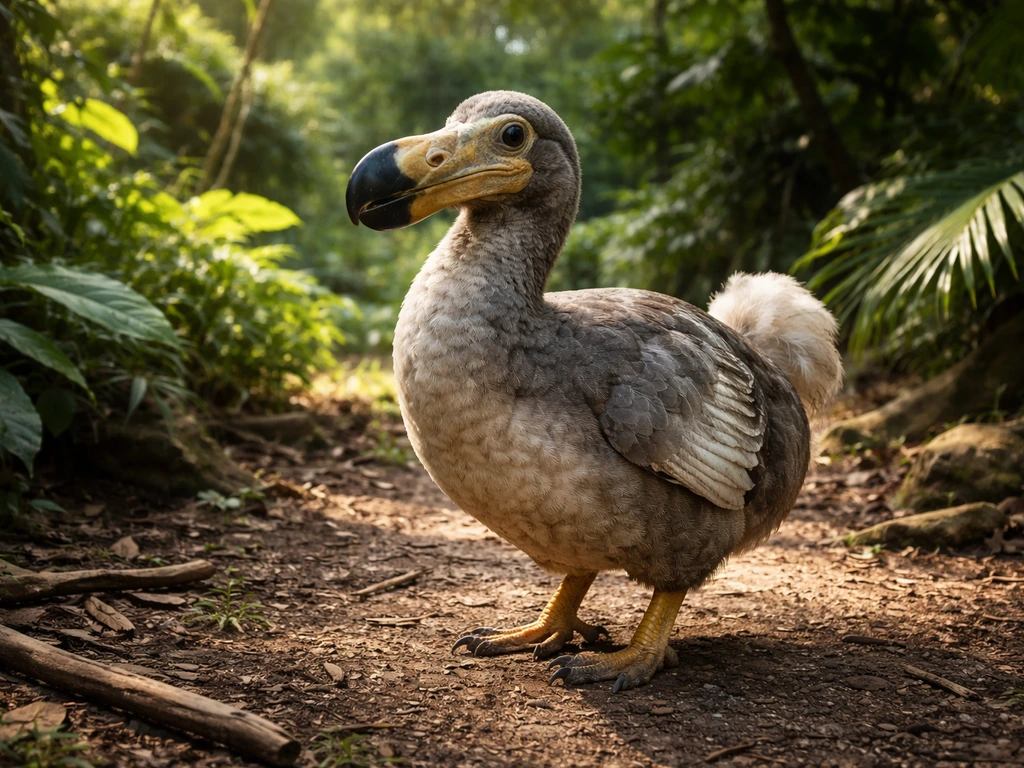
No, dodo birds are extinct. Learn when, why, where they lived, and how evidence confirms it.