There is no real bird species called the 'Surakav bird.' It originated as a viral hoax, particularly circulating through Indonesian social media and later picked up by other outlets, and no ornithological checklist or scientific database recognizes it as a valid taxon. Have you seen this bird passenger pigeon? If so, it may just be another viral bird mystery that needs checking against reliable field sources. If you've been searching for where the Surakav bird lives, the honest answer is: nowhere, because it doesn't exist as a documented species. What you can do is trace what the name might actually be pointing to, and in most cases that trail leads to a real, genuinely fascinating bird found across South Asia and Central Asia.
Where Is Surakav Bird Found? Native Range and Habitat

Maya Hennessy
17 May 2026
What 'Surakav bird' actually refers to
Indonesian fact-checking sources flagged 'burung Surakav' explicitly as a hoax (the Indonesian phrase is 'burung Surakav yang ternyata hoax,' meaning 'the Surakav bird that turned out to be a hoax'). Articles that treated it as real, including some that described it as the world's most expensive bird, did not supply a binomial scientific name or cite any ornithological authority. That's a reliable red flag: every legitimate bird species has a two-part Latin name accepted by bodies like the International Ornithological Committee. Surakav has none.
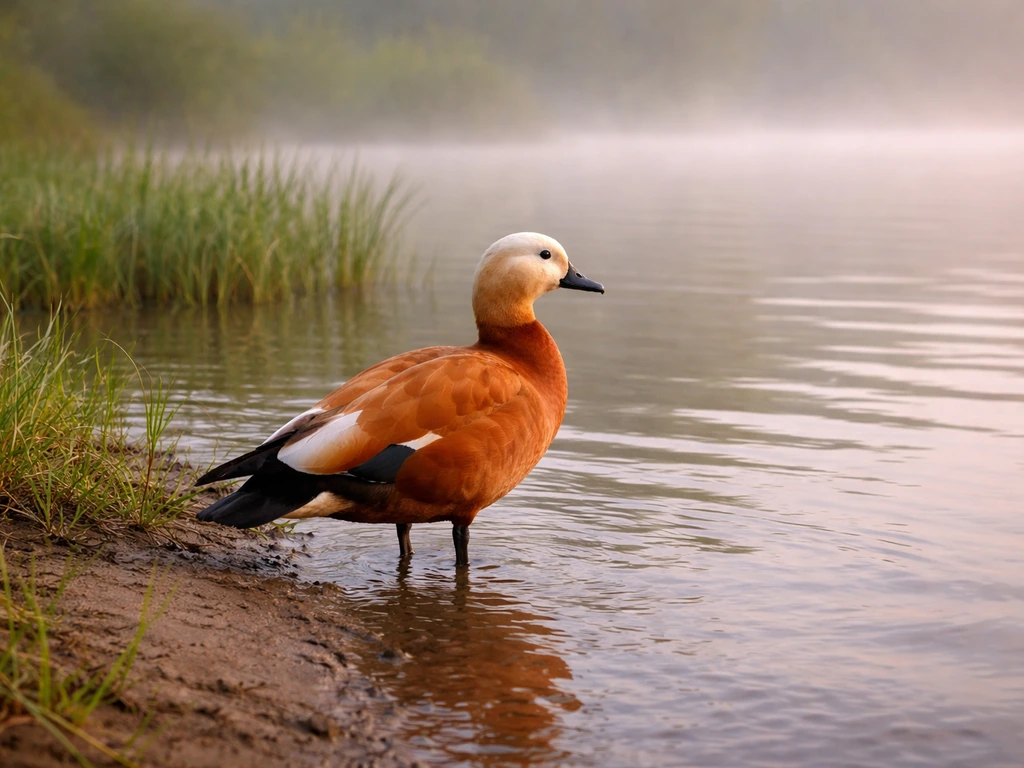
The name itself seems to be a garbled or misspelled variant of 'Surkhab,' a genuine Urdu and Persian word. In Urdu dictionaries, 'Surkhab' literally translates as a type of beautiful, colorful bird, and the word is sometimes used poetically to mean any remarkable bird. In South Asian birding culture, 'Surkhab' or 'Chakwa' is a well-established vernacular name for the Ruddy Shelduck (Tadorna ferruginea), also called the Brahminy Duck. It's a striking, rust-orange waterfowl with a long history of cultural significance across India, Pakistan, and Nepal. That's almost certainly the real bird sitting behind the Surakav confusion.
The real bird behind the name: Ruddy Shelduck (Tadorna ferruginea)
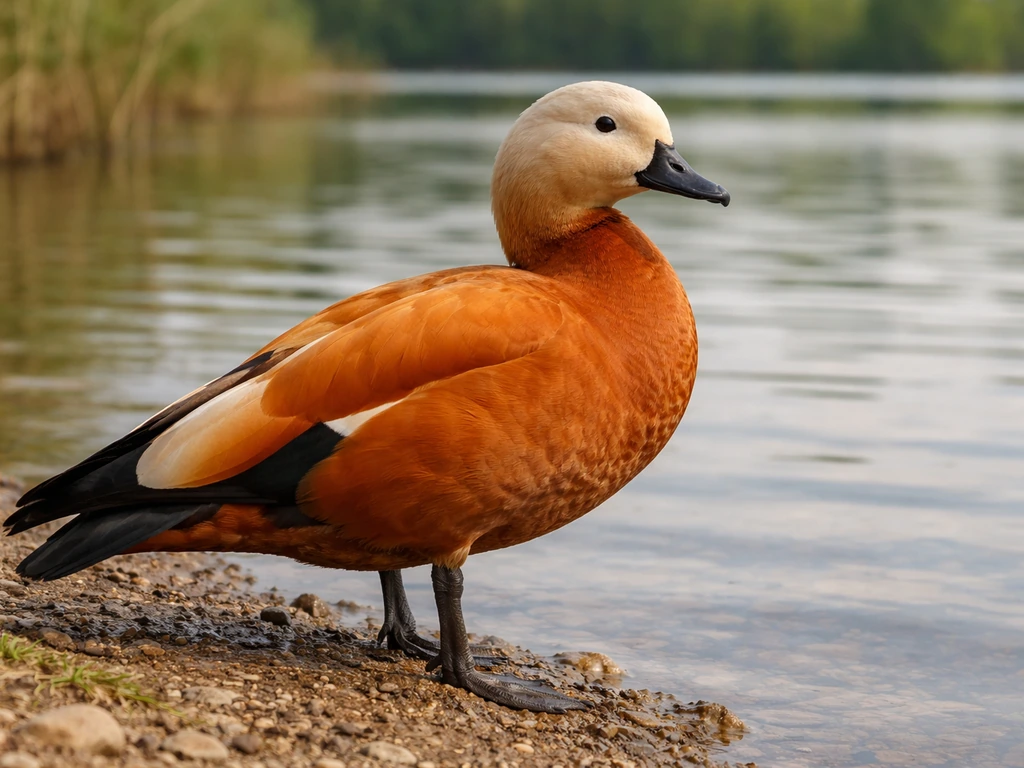
The Ruddy Shelduck is a large, distinctive duck with bright orange-chestnut plumage, a pale buff head, and a black tail and wing tips. It's hard to miss on a riverbank or lake, which probably contributed to its viral, shareable appeal when someone repackaged it under a mysterious-sounding name. It breeds primarily across Central Asia and parts of Eastern Europe, then migrates south and southeast to winter in South Asia, Southeast Asia, and East Africa. It is a legitimate, well-documented species with an extensive range.
Geographic range and native locations
The Ruddy Shelduck's native breeding range stretches from Morocco and Ethiopia in Africa, through Turkey, the Caucasus, and the steppes of Central Asia (Kazakhstan, Mongolia, and northwest China), and into parts of southern Russia. Its wintering range is even broader. During the non-breeding season (roughly October through March), large populations move into India, Nepal, Bangladesh, Pakistan, Myanmar, and parts of Southeast Asia. You can look for it across South Asia during the winter months, when many Ruddy Shelducks move into India, Nepal, Bangladesh, Pakistan, and nearby countries where opium bird live. Smaller numbers winter around the Nile Valley and Ethiopia.
| Region | Season Present | Example Locations |
|---|---|---|
| Central Asia (Kazakhstan, Mongolia) | Breeding (Apr–Sep) | Steppe lakes, river deltas |
| India and Nepal | Wintering (Oct–Mar) | Ranthambhore, Keoladeo, Chitwan |
| Pakistan | Wintering (Oct–Mar) | Indus River floodplains, Manchhar Lake |
| Morocco / Northwest Africa | Resident year-round | Atlas Mountain wetlands |
| Turkey and the Caucasus | Breeding and partial resident | Anatolian plateau lakes |
Habitat preferences and typical environments
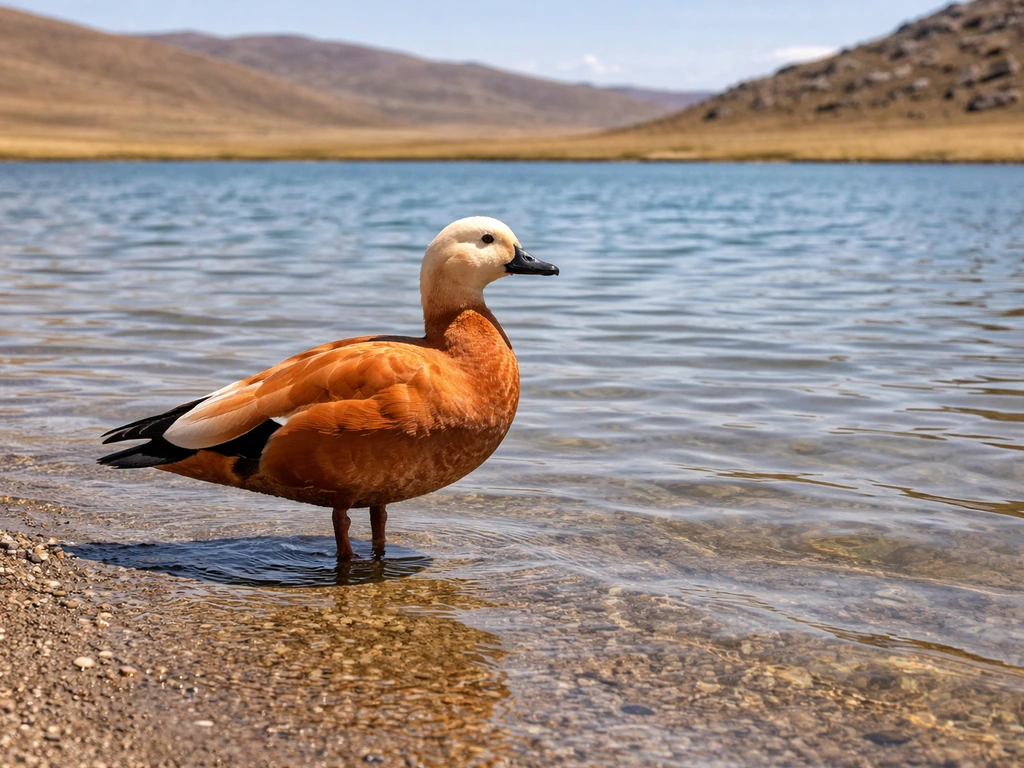
This duck is strongly associated with open, often arid landscapes near water. It favors high-altitude lakes, rivers, and reservoirs rather than dense forested wetlands. In its breeding range across Central Asia, you'll find it nesting in burrows or cliff cavities near steppe lakes or slow-moving rivers. In its wintering grounds in India and Nepal, it's most common along large river systems like the Ganges, Chambal, and Rapti, as well as shallow lakes and reservoir margins. It tolerates a surprisingly wide elevation range, from sea-level deltas to Himalayan lakes above 4,000 meters.
- High-altitude steppe lakes and wetlands (breeding season)
- River floodplains and sandbanks (wintering)
- Reservoir edges and irrigation canals
- Himalayan valleys and plateau lakes up to 4,500 m elevation
- Semi-arid grasslands adjacent to water bodies
Regional distribution within South Asia
In India, the Ruddy Shelduck (Surkhab/Chakwa) is a widespread winter visitor across the northern and central plains. Ranthambhore National Park in Rajasthan is one of the better-known sites where birdwatchers regularly see it, as are the wetlands of Keoladeo Ghana National Park (Bharatpur), Chambal River valley, and Harike Wetlands in Punjab. It reaches as far south as Tamil Nadu and Karnataka on occasion, though sightings thin out dramatically below the Deccan Plateau. In Nepal, Chitwan National Park and the wetlands of the Terai region host reliable wintering populations. Pakistan's Indus River system and large Punjab wetlands like Taunsa Barrage and Manchhar Lake also support significant numbers.
In its Central Asian breeding strongholds, the species is common around the lakes of Mongolia (particularly around Uvs Lake), the Kazakh steppe, and the Tibetan Plateau. China's Qinghai Lake region is one of the most important breeding and staging areas in East Asia.
How to confirm a sighting with reliable tools
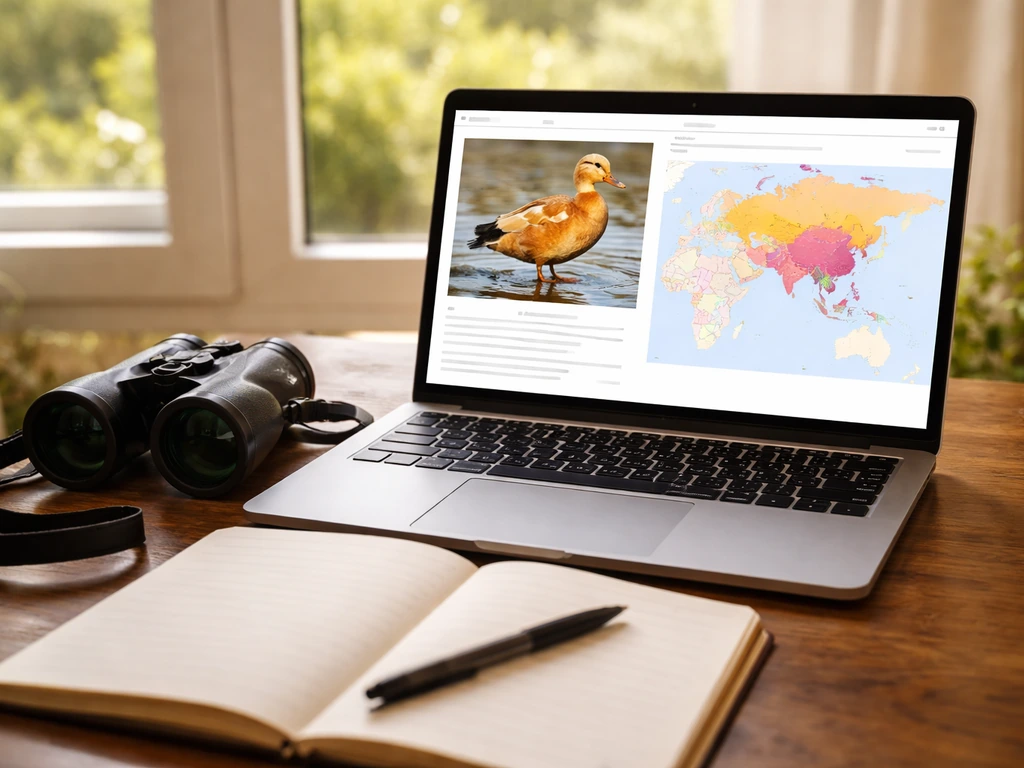
If you think you've spotted a Ruddy Shelduck or want to find where people are reliably observing them right now, a few practical tools make verification straightforward.
- eBird (ebird.org): Search 'Ruddy Shelduck' or 'Tadorna ferruginea' for an interactive range map showing recent confirmed sightings by date and location. You can filter by month to see wintering versus breeding records.
- GBIF (gbif.org): The Global Biodiversity Information Facility aggregates museum specimen records and field observations, giving you historical as well as current occurrence data plotted on a global map.
- Xeno-canto (xeno-canto.org): Useful for audio recordings if you hear an unfamiliar honking or nasal call near a Central Asian or South Asian waterway.
- Merlin Bird ID app (Cornell Lab): Upload a photo or describe what you saw; the app will match it against known species and flag the Ruddy Shelduck if that's what you're looking at.
- Protected area visitor centers: In India, rangers at Keoladeo, Ranthambhore, or Harike Wetlands will have current season sighting logs and can confirm species presence.
The key field clue is the bird's color: the Ruddy Shelduck is one of very few large ducks with that uniform, saturated rust-orange body. The pale, almost cream-colored head and distinctive black wingtip stripe in flight are additional confirms. It also calls loudly, a repeated nasal 'aank-aank' that carries across open water.
Conservation status and range changes over time
The Ruddy Shelduck is currently listed as Least Concern by the IUCN, meaning it is not considered globally threatened. Global population estimates put the total at several hundred thousand individuals, with the Central Asian population being the most numerous. However, that doesn't mean the picture is entirely rosy. Local and regional declines have been documented in parts of its range, driven mainly by wetland drainage for agriculture, hunting pressure (it is still shot legally in parts of its range), and disturbance of nesting sites. The European population, centered on Turkey and the Caucasus, has declined noticeably over recent decades.
In South Asia, the wintering population has remained relatively stable, supported by protected wetlands and the cultural regard many communities have for the bird, particularly its association with the Hindu deity Brahma (which is partly behind the name 'Brahminy Duck'). That said, Himalayan glacial lake shrinkage and river flow changes linked to climate shifts are a growing concern for high-altitude habitats the species depends on during staging and breeding. It's a species worth watching even if it's not in immediate crisis.
A note on similar viral bird mysteries
The Surakav story fits a recognizable pattern of viral bird hoaxes and misidentifications that circulate online, particularly through social media in South and Southeast Asia. Similar questions arise around other supposed exotic or mysterious birds that turn out to be misnamed, fabricated, or dramatic reframings of real species. If you've come across similar questions about birds whose existence seems doubtful or whose names don't appear in any scientific database, that pattern of no binomial name and no checklist reference is your clearest signal to dig deeper before accepting the claim at face value.
Quick answers and next steps to find the real bird
To pull everything together: the Surakav bird is not a real species. The name is almost certainly a corrupted or misappropriated version of 'Surkhab,' the South Asian vernacular name for the Ruddy Shelduck (Tadorna ferruginea). That bird is real, beautiful, and genuinely widespread. Yes, the viral claim about “is the opium bird real” is also something to treat cautiously, and verify through reliable bird checklists or sighting databases. It breeds in Central Asia from Morocco to Mongolia and winters across South Asia and parts of East Africa. In India, your best bets for seeing it are Keoladeo National Park, Chambal River Valley, and Ranthambhore between October and March. Use eBird or GBIF to find current sightings near you. If you're wondering whether the Kodiak bird is real, the key is to check for a valid scientific name and reputable sightings.
- Search 'Ruddy Shelduck' or 'Tadorna ferruginea' on eBird to see today's sighting map.
- If you're in India between October and March, head to any major northern wetland or river system.
- Use the Merlin Bird ID app to confirm a photo against the species profile.
- For any bird name that sounds exotic but has no scientific name attached, check the IUCN Red List and eBird before assuming it's real.
- If you want historical context on why viral bird hoaxes spread so easily, look into how cultural and religious significance of birds like the Ruddy Shelduck gets repackaged into shareable content.
FAQ
So does the “Surakav bird” exist at all, and where would it be found if it did?
Nowhere as a species named “Surakav” because no scientific checklist recognizes it. If you are searching for sightings, use “Ruddy Shelduck” plus the local names “Surkhab” or “Chakwa” instead, since those correspond to the real bird behind the confusion.
What should I do if I find a “Surakav” bird report but it has no scientific name?
Most databases and field guides will not list “Surakav” under any accepted Latin name. When you see it reported online, check whether the post provides a two-part scientific name, a location, and a date, then compare the described bird to Ruddy Shelduck traits (rust-orange body, pale buff head, black tail and wing tips).
Where in South Asia is the lookalike most likely to show up during the year?
If your sighting is in India, the most useful verification approach is to check timing and habitat: the Ruddy Shelduck is a winter visitor, commonly October through March, and it tends to favor open water edges, rivers, and reservoirs rather than dense forest wetlands.
Does the Ruddy Shelduck prefer forest wetlands, or more open water habitats?
Ruddy Shelduck is strongly associated with open, often arid landscapes near water (steppe lakes, river systems, reservoirs). It is less typical in heavily forested wetlands, so if the bird is described as deep in a wooded swamp, treat the ID with extra caution.
What field marks can quickly confirm I am seeing a Ruddy Shelduck (Surkhab/Chakwa) rather than another duck?
In flight and at a distance, look for the distinctive rust-orange uniform body and the pale head, plus a black wingtip pattern. Also listen for the loud nasal “aank-aank” call, which can help confirm even when plumage details are hard to see.
If I see it at high elevation, is that consistent with this species?
Yes. The bird’s elevation tolerance is wide, but it matters where you are. It can occur from low deltas to high-altitude lakes above 4,000 meters, so “high elevation” is not automatically inconsistent with the species.
How can I tell whether other viral “mystery birds” are also likely misidentifications?
Other claims that feel similar often fail for the same reason: no accepted Latin binomial and no authority reference. A practical rule is to treat any “mystery bird” seriously only when the name maps to a real, two-part species name and there are credible, date-stamped regional records.
Which search terms and filters should I use to find reliable current sightings?
If your goal is to find current sightings, search platforms by species name and region rather than by “Surakav.” For example, filter by “Ruddy Shelduck” in your country and month range (especially October to March for South Asia) to reduce irrelevant results.
Next Articles
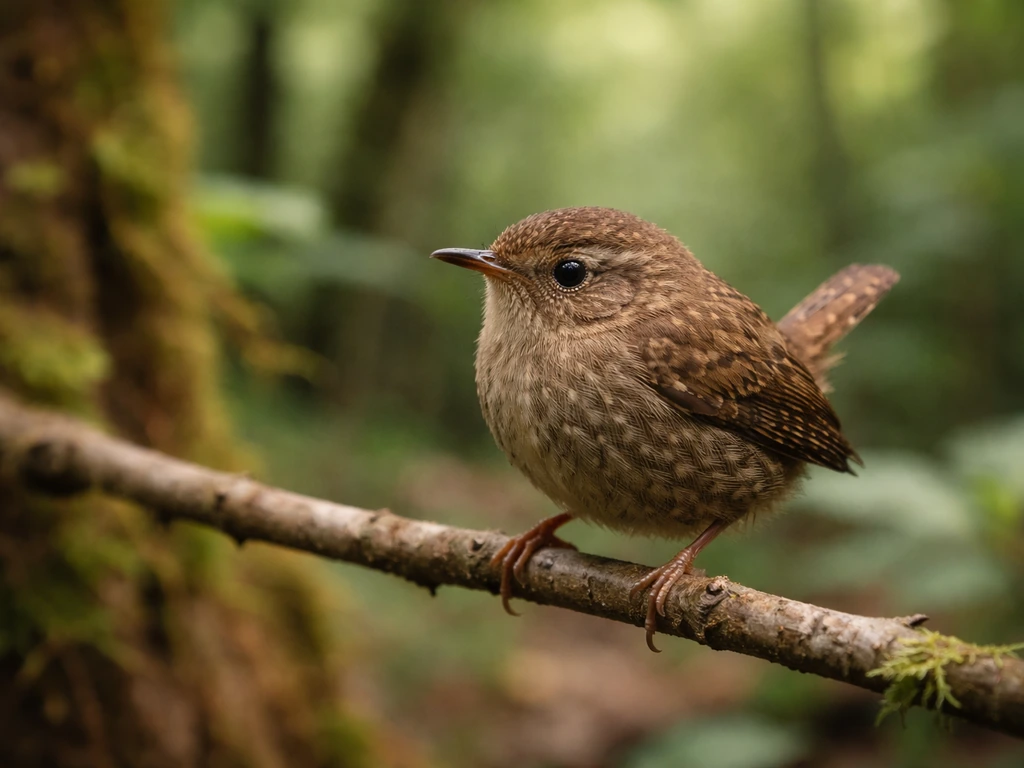
Is the Kodiak Bird Real? What It Might Be and How to Verify
Is the Kodiak bird real? Learn likely meanings, real Kodiak species it’s confused with, and how to verify claims.
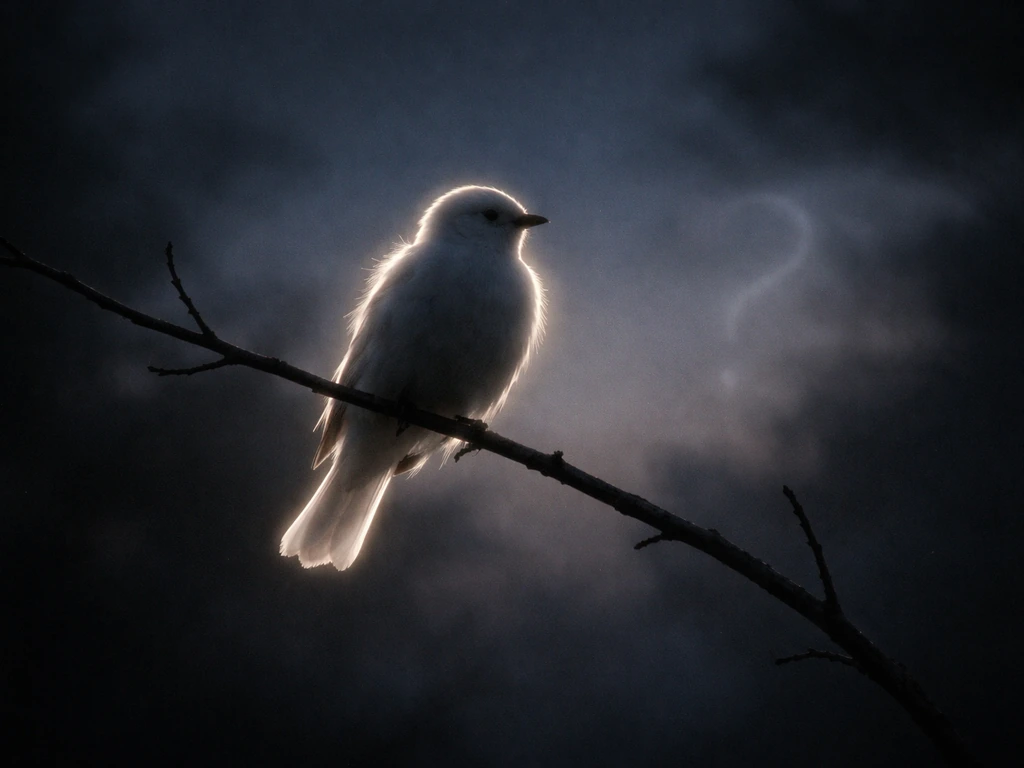
Is the Opium Bird Real? How to Verify the Claim
Is the opium bird real? Learn how to verify the claim with taxonomy checks, databases, and image cross-references.
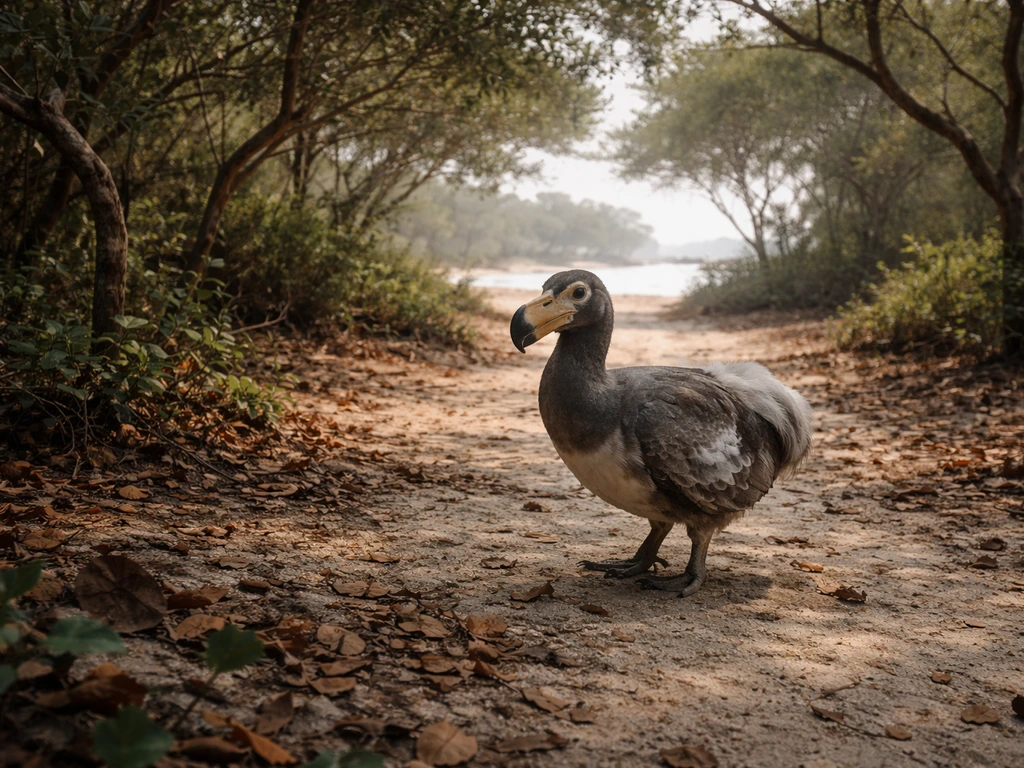
Is the Dodo Bird Still Alive? What Evidence Shows Today
Learn if any dodos could exist today, why scientists say they are extinct, and how to judge sightings reliably.