
No, the dodo bird could not fly. dodo bird news Not even a little. It was fully, permanently, and anatomically flightless, and every piece of skeletal evidence we have confirms it. If you landed on this page wondering whether the dodo could somehow take off under its own power, how fast can a dodo bird run?, the answer is a firm no, and the science behind that conclusion is actually pretty fascinating.
Can Dodo Bird Fly? The Truth and Why It Was Flightless

Maya Hennessy
23 Mar 2026
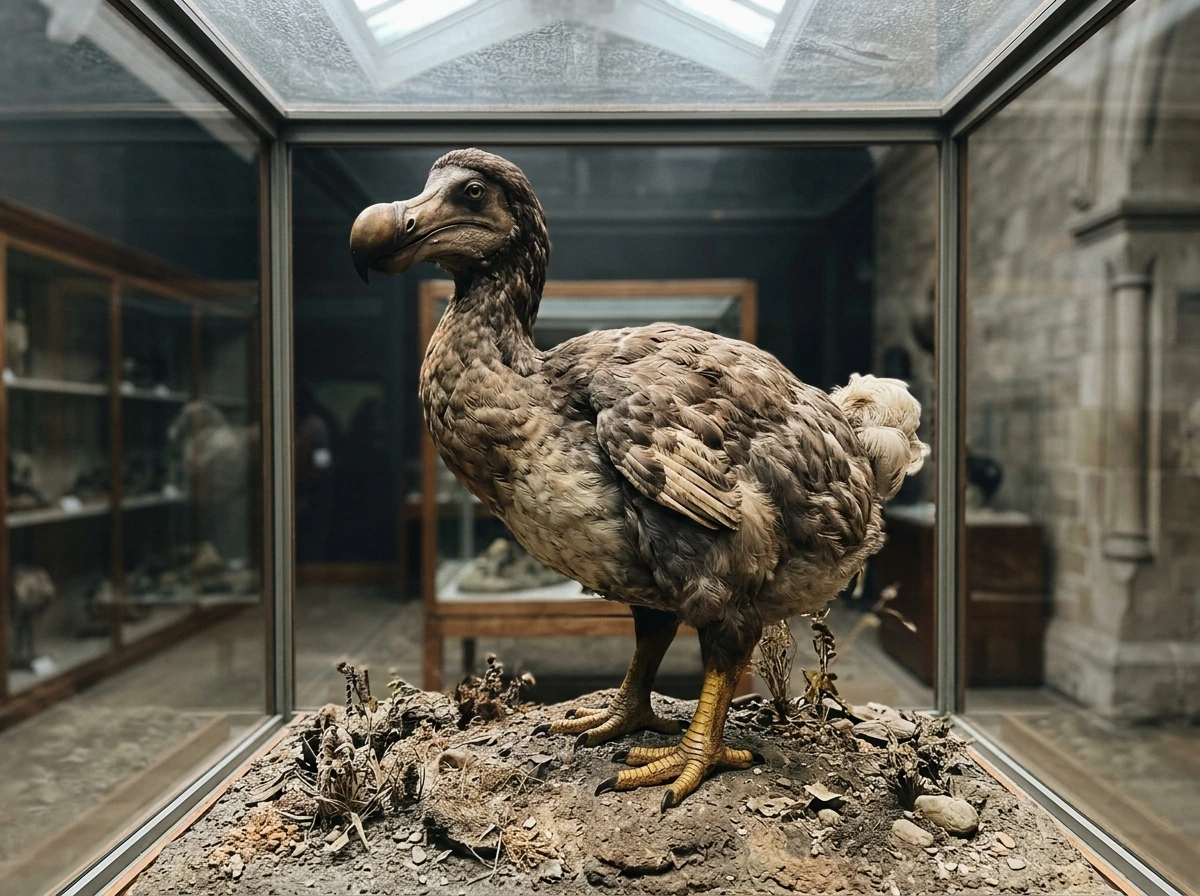
The direct answer: dodos were completely flightless
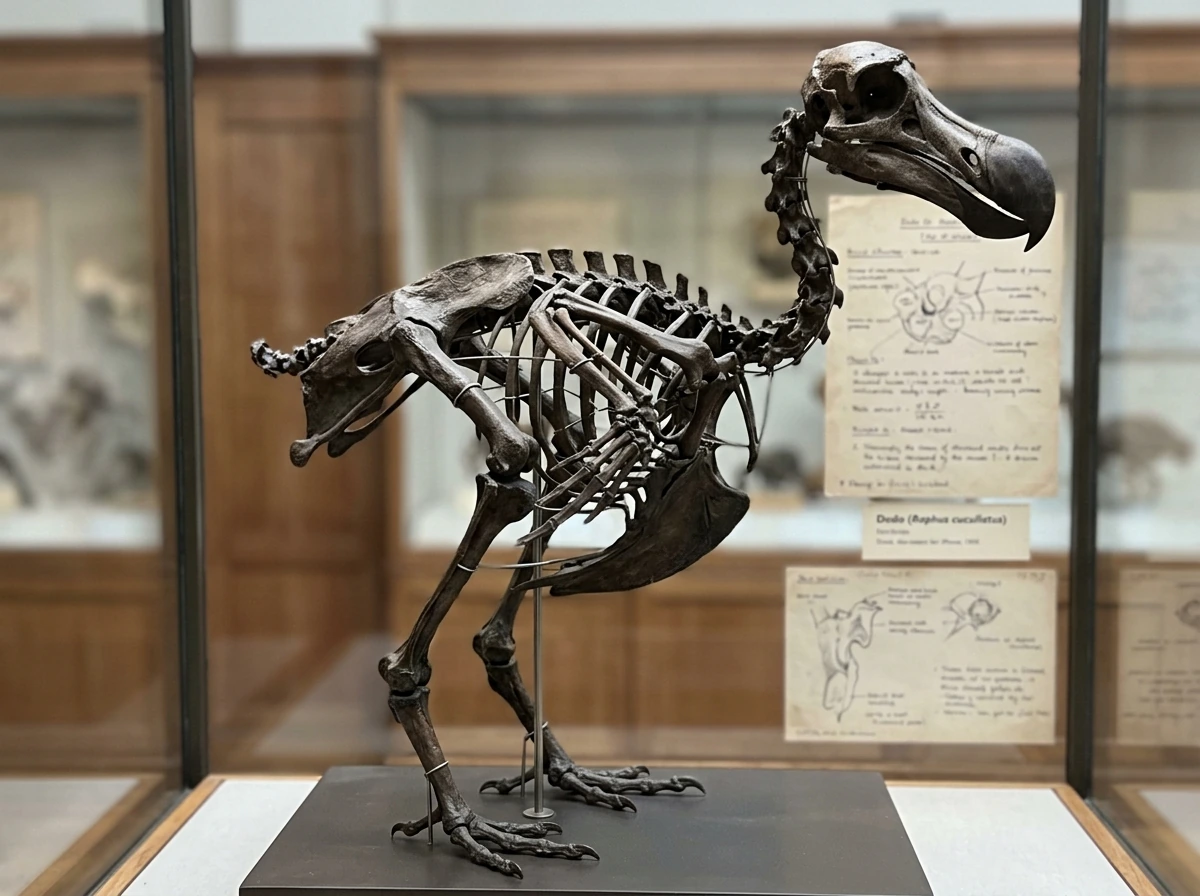
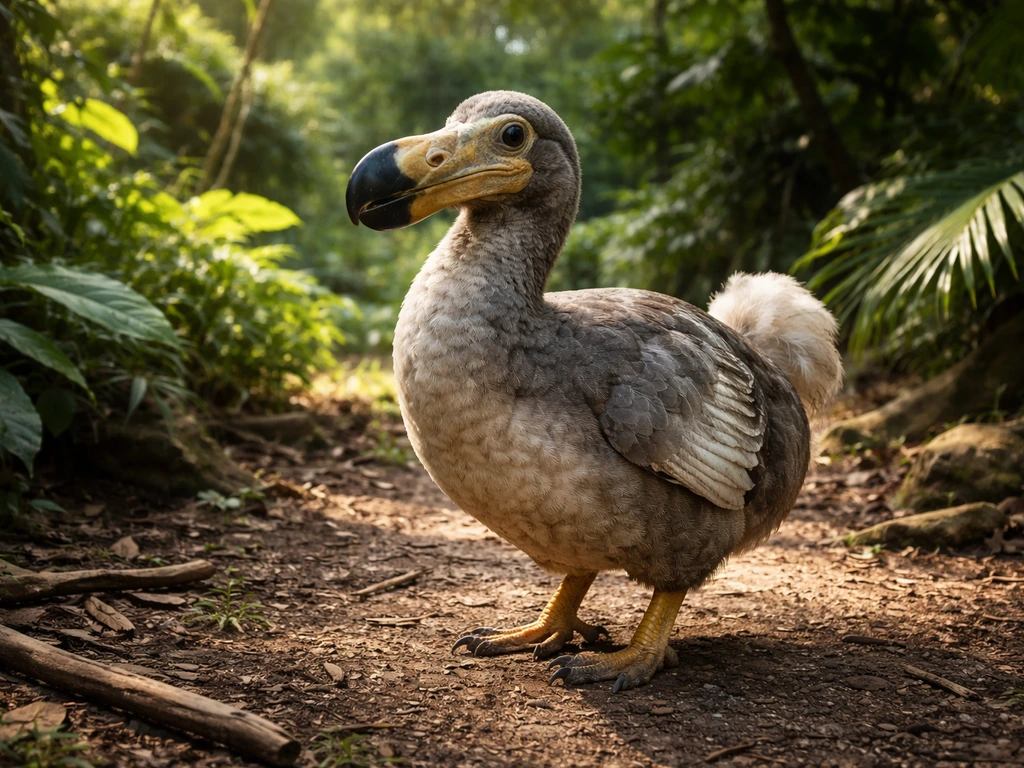
Raphus cucullatus, the dodo, is classified without controversy as a flightless bird. Its wings were so small relative to its body that early European sailors who encountered it on the island of Mauritius sometimes described them as 'little winglets,' and a few observers even claimed the bird had no real wings at all. That was an exaggeration, but the sentiment captures just how useless the dodo's wings were for any kind of aerial movement. The bird had no meaningful ability to generate lift, sustain flapping, or achieve controlled flight of any kind.
This isn't guesswork. Researchers have reconstructed dodo anatomy from skeletal remains, and the bones tell a consistent story: the entire flight apparatus was reduced. The wing bones were present but gracile and shortened. The pectoral girdle, which includes the shoulder blades and the collarbone structure, was smaller and less robust than you'd find in flying pigeons. And critically, the sternum, the breastbone that anchors the large flight muscles birds need to flap, showed a greatly reduced keel. That keel is the structural anchor for the pectoralis muscles that power flapping flight in birds that can fly. Without a prominent keel, there's simply no surface area to attach the muscle mass needed for takeoff.
Why dodos lost the ability to fly
The dodo's flightlessness is an evolutionary story, and it starts with geography. Mauritius is an isolated island in the Indian Ocean, and the ancestors of the dodo, which were likely flying pigeons, reached it at some point in prehistory. Once there, they found an environment with abundant food, no natural predators, and no reason to expend the enormous metabolic energy required to maintain flight capability. Flight is expensive, biologically speaking. It demands large muscles, lightweight bones, and a great deal of caloric investment. When there's nothing to fly away from and food is on the ground, evolution tends to walk that investment back over generations.
This process is called island flightlessness, and it has happened independently across dozens of bird lineages around the world. The dodo is one of the most well-known examples, but it is far from unique. What makes the dodo's case particularly interesting is its phylogenetic origin: it evolved from a columbiform ancestor, meaning it's a pigeon relative. Most famous flightless birds belong to the ratite lineage, so the dodo represents a completely independent evolutionary path to the same outcome.
The skeletal reduction wasn't total, though. Researchers note that dodo wing bones still show well-developed muscle scars, meaning the wings weren't entirely vestigial. They likely still served some purpose, possibly in display behaviors, balance, or social signaling. The bird lost powered flight but didn't completely abandon its wings. That's a meaningful distinction and one that shows up in other flightless species too.
What the evidence actually looks like
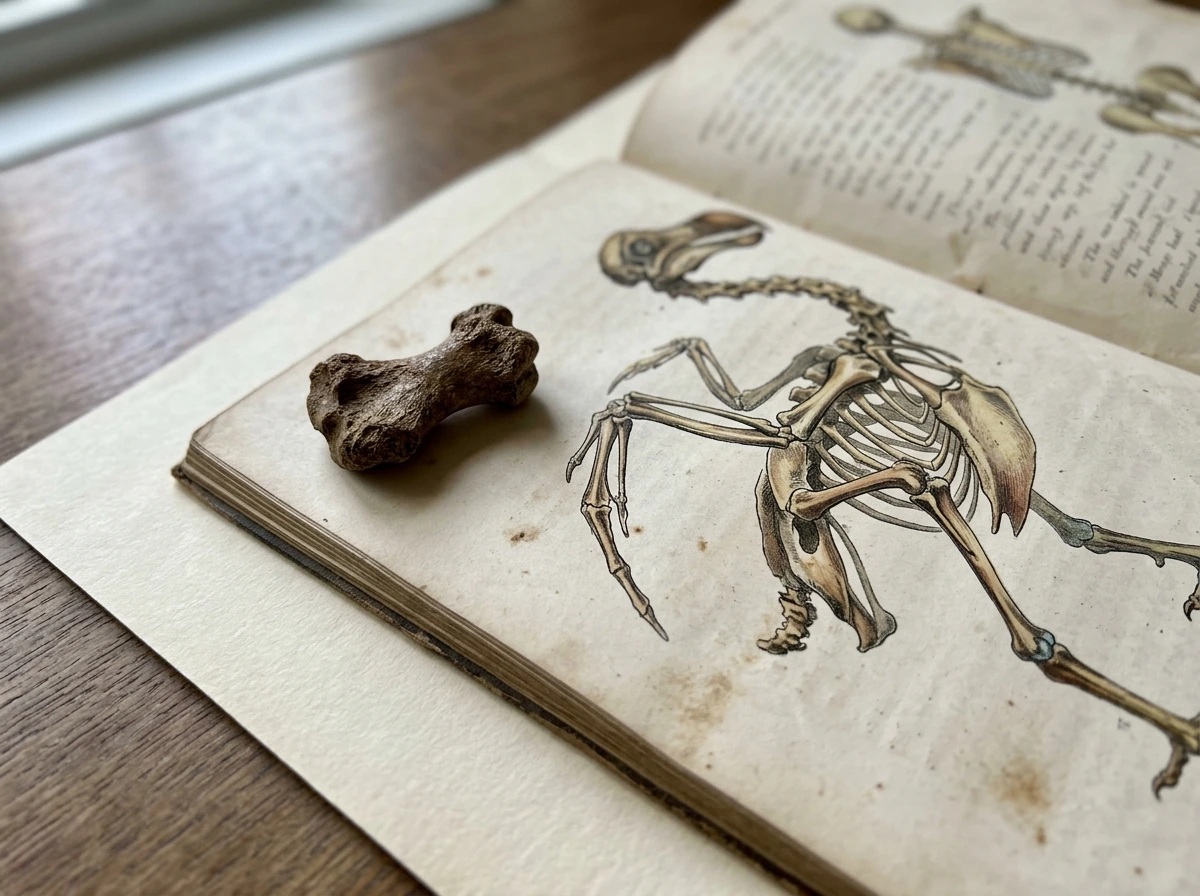
One thing worth being honest about: the evidence base for dodo biology is genuinely limited. The species went extinct in the late 17th century, likely around 1662, and what survives is a patchwork of fragmentary bones, a handful of preserved specimens (a dried head and foot in Oxford, a foot in London), some contemporary sketches and oil paintings of varying accuracy, and a collection of written descriptions from sailors and travelers who weren't exactly writing zoological papers.
Early scholarship, including 19th-century anatomical memoirs that examined whatever skeletal material was available at the time, openly debated whether the dodo had any flight capacity. That debate has since been settled by modern skeletal analysis. The reduced pectoral girdle, the gracile wing bones, and the diminished keel on the sternum all point in the same direction. Researchers use sternum morphology as a standard tool for inferring locomotion mode in fossil and extinct birds, and the dodo's sternum is consistent with flightlessness rather than any kind of powered flight. The science has moved on from that old debate, even if it took piecing together an incomplete fossil record to get there.
How the dodo stacks up against other flightless birds
Flightlessness evolved many times and in many different shapes. Comparing the dodo to other well-known flightless birds puts its anatomy and lifestyle in context.
| Bird | Lineage | Body size | Wing status | Primary locomotion | Extinction status |
|---|---|---|---|---|---|
| Dodo | Columbiformes (pigeon relative) | ~20 kg, roughly turkey-sized | Small, reduced, non-functional for flight, likely used for display/balance | Walking/foraging on ground | Extinct (~1662) |
| Moa (giant species) | Ratite (Dinornithiformes) | Up to 250 kg, tallest bird ever | Wings virtually absent, no wing bones in adults | Walking; pure cursorial | Extinct (~1440s, hunted by Māori) |
| Kiwi | Ratite (Apterygiformes) | 1.4–3.3 kg, cat-sized | Tiny vestigial wings, hidden under feathers | Ground foraging, nocturnal | Endangered/vulnerable (several species) |
| Cassowary | Ratite (Casuariiformes) | Up to 85 kg | Small, with stiff vestigial quills | Running; can reach 50 km/h | Vulnerable |
The comparison reveals something important: flightlessness doesn't produce a single template. Ratites like the moa, kiwi, and cassowary belong to an ancient lineage that was likely flightless or nearly so from very early in its evolutionary history, and they lack a keel on the sternum entirely. The dodo, by contrast, evolved flightlessness more recently from a flying ancestor, and its wings retained some musculature even as they became non-functional for flight. The moa took things furthest, losing its wing bones almost entirely over millions of years of flightlessness in New Zealand. The kiwi went a different route, keeping tiny wings but becoming almost comically dependent on its nostrils (located at the tip of the bill) and sense of smell for nighttime foraging. The cassowary kept large, powerful legs and became one of the fastest, most dangerous birds alive. The dodo, meanwhile, became rotund, ground-bound, and trusting of creatures it had no evolutionary reason to fear.
Could a dodo fly in any sense? Addressing the edge cases
Some people wonder whether dodos might have been able to glide, make short hops, or use their wings for some limited aerial movement even if they couldn't sustain flapping flight. Some people wonder whether dodos might have been able to glide, make short hops, or use their wings for some limited aerial movement even if they couldn't sustain flapping flight. It's a fair question, and the answer is still no, based on what we know.
Even without sustained flapping. That still demands meaningful wing surface area relative to body mass. That still demands meaningful wing surface area relative to body mass. The dodo's wings were far too small and its body far too heavy for any controlled gliding to be plausible. Biomechanists distinguish between active flapping flight, gliding, and parachuting (essentially slowing a fall), and none of these options are consistent with the dodo's anatomy. Its body mass, estimated at around 10 to 21 kilograms depending on the specimen, combined with its reduced wing bones, puts it firmly outside the range where any of these aerial behaviors would be physically possible. how big is a dodo bird
There are no credible historical accounts of dodos hopping into the air, no anatomical structures that would support even partial gliding, and no mainstream researcher who classifies the dodo as anything other than fully flightless. The occasional claim that dodos had some aerial capability is not supported by skeletal or historical evidence. The 'winglets' observers described were not launch surfaces. They were, at best, accessories for balance and perhaps social display on the ground.
What flightlessness tells us about extinction, and why it matters today
The dodo's flightlessness didn't cause its extinction directly, but it made extinction devastatingly easy once humans arrived. A bird that evolved in the absence of terrestrial predators had no instinct to flee from them. It couldn't fly away from danger even if it had wanted to. When Dutch sailors landed on Mauritius in 1598 and later settlers introduced rats, pigs, cats, and dogs, the dodo had no behavioral or physical tools to cope. It was gone within about a century.
This pattern repeats across island ecosystems. Flightless birds evolved in predator-free environments, lost the costly machinery of flight, and became exquisitely adapted to their specific island homes. Then humans arrived, usually bringing invasive mammals with them, and the birds had no defenses. The moa was hunted to extinction by Māori settlers in New Zealand. Several species of flightless rail were wiped out across Pacific islands after Polynesian settlement. Today, kiwi and cassowary face pressure from introduced predators, habitat loss, and vehicle strikes.
The conservation lessons here are concrete. Research on island ecosystems consistently shows that invasive mammal eradication is one of the most effective tools available for protecting vulnerable island species. Studies tracking the results of predator removal from islands have documented meaningful conservation gains, including population recoveries, recolonizations by native species, and successful translocations. The dodo can't benefit from any of that, but the kiwi can, and so can dozens of other flightless and ground-nesting island birds that are still with us.
The dodo's story is often told as a cautionary tale about human carelessness, and that framing is fair. But it's also a story about evolutionary trade-offs. The dodo gave up flight because flight wasn't worth paying for in its environment. That was a perfectly rational evolutionary outcome for millions of years, right up until the moment the environment changed in ways evolution couldn't anticipate. Understanding that dynamic, how island isolation shapes anatomy and behavior, and how quickly introduced threats can unravel it, is genuinely useful for anyone working on conservation today. If you want to go deeper on the dodo's physical characteristics, its habitat on Mauritius, or how it compares to other birds in terms of size and speed, those threads are worth following separately.
FAQ
Could a dodo ever fly for a short time, like jumping and flapping to get airborne?
No. The limiting factor is not just wing size, it is the reduced breastbone keel and the flight-motor attachment area, which means there was no effective setup for powered takeoff, even briefly.
What about gliding, could a dodo spread its wings and descend more slowly from a height?
It would not work. The wing bones were too gracile and the wings too small relative to body mass to generate enough aerodynamic lift or control for gliding, so the physics does not support it.
Were the “winglets” early observers described actually wings meant for taking off?
They were not launch surfaces. Observers were likely seeing reduced wings used for ground behaviors, balance, or signaling, and those reduced structures are consistent with flightlessness rather than aerial launching.
If the dodo had some muscle scars on its wings, does that mean it could fly?
No. Muscle attachment marks show the wings were not fully vestigial, but the presence of some musculature does not overcome the lack of the large, flight-anchoring chest structure needed for sustained flapping and controlled flight.
How confident are scientists, given the patchy fossil record?
Confidence is high for flightlessness because multiple skeletal indicators align in the same direction, especially sternum structure. Fragmentary material can affect details, but the overall flight apparatus reduction is consistent across available specimens.
Could flightlessness differ between individual dodos, like some could fly and others could not?
The evidence points to a species-wide evolutionary outcome. While individual variation exists in many animals, the anatomical traits tied to flight ability are not reported in a pattern that would support “some could fly” cases for the dodo.
Is there any credible historical record of dodos escaping by flying or flying away from humans?
No credible accounts match that behavior. Most descriptions and reconstructions fit a ground-bound animal that could not quickly leave danger by taking to the air.
How big was the dodo, and does size alone make flight impossible?
Size matters, but anatomy matters more. With an estimated mass in the tens of kilograms range, the dodo’s body weight combined with reduced wing structure places it outside the biomechanical range for any controlled aerial behavior.
Why did flightlessness evolve on Mauritius instead of elsewhere?
Isolation reduced the need to escape terrestrial predators and rewarded conserving energy for other tasks. In predator-poor island environments, natural selection can steadily reduce costly flight machinery over generations.
Does the dodo’s case imply all flightless birds can’t use their wings at all?
Not necessarily. Many flightless birds retain functional wings for non-flight roles, like display or balance. The key difference is whether the sternum and wing apparatus can power lift-generating, controlled movement in the air.
Next Articles
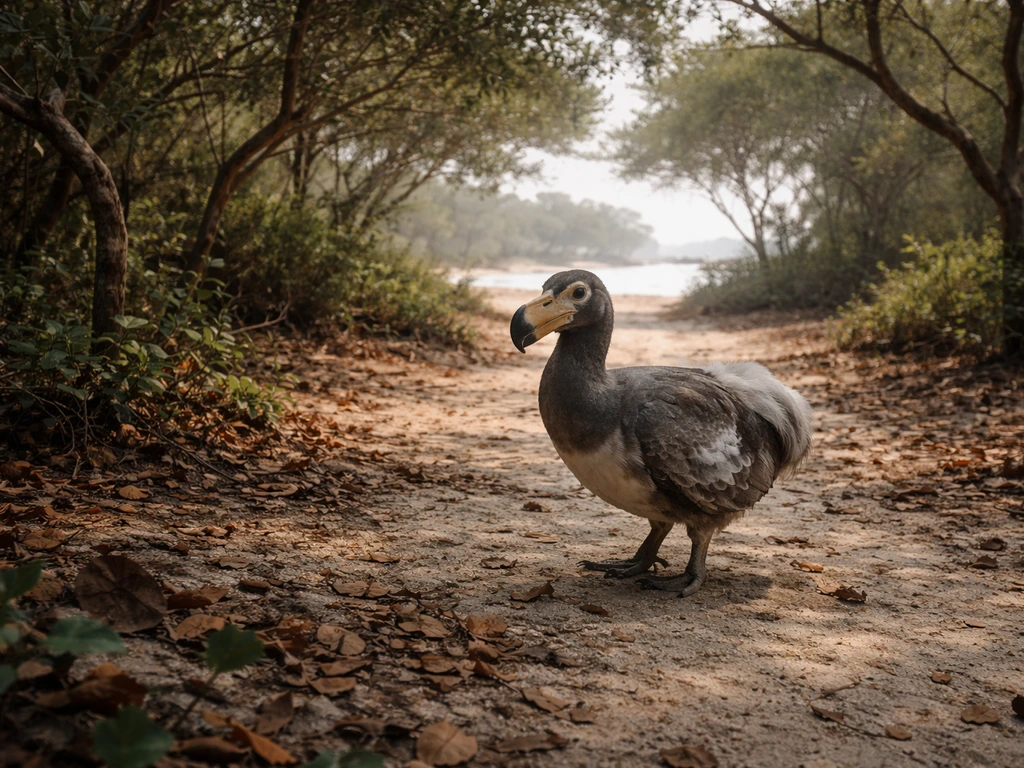
Is the Dodo Bird Still Alive? What Evidence Shows Today
Learn if any dodos could exist today, why scientists say they are extinct, and how to judge sightings reliably.
Does Dodo Bird Still Exist? Answer and Extinction Facts
No, dodo birds are extinct. Learn when, why, where they lived, and how evidence confirms it.
Are Scientists Bringing Back the Dodo Bird? What’s Real
Explains dodo de-extinction reality, the science limits, and why researchers want to revive it or not.