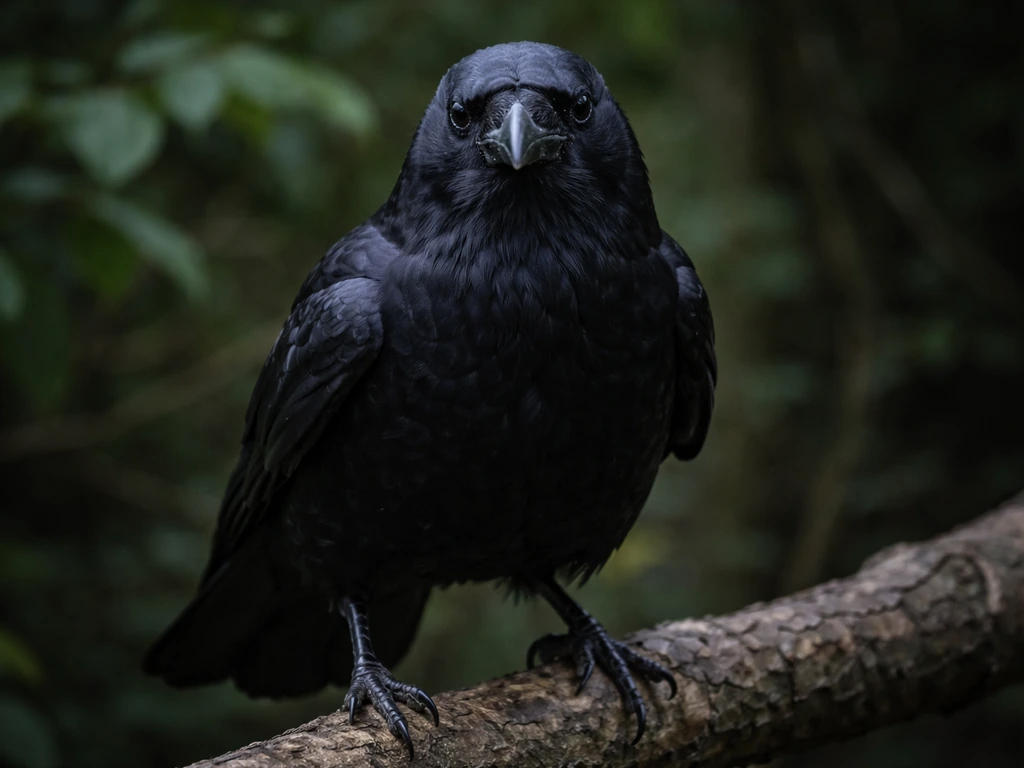
Most sparrows are not globally endangered. Blue jay birds have their own conservation status, which can differ by region, so it's worth checking the latest assessments rather than assuming a single global ranking globally endangered. The house sparrow, which is what most people picture when they ask this question, is listed as Least Concern on the IUCN Red List, meaning it faces no immediate global extinction risk.
Is Sparrow an Endangered Bird? Status by Species and Location

Maya Hennessy
20 May 2026
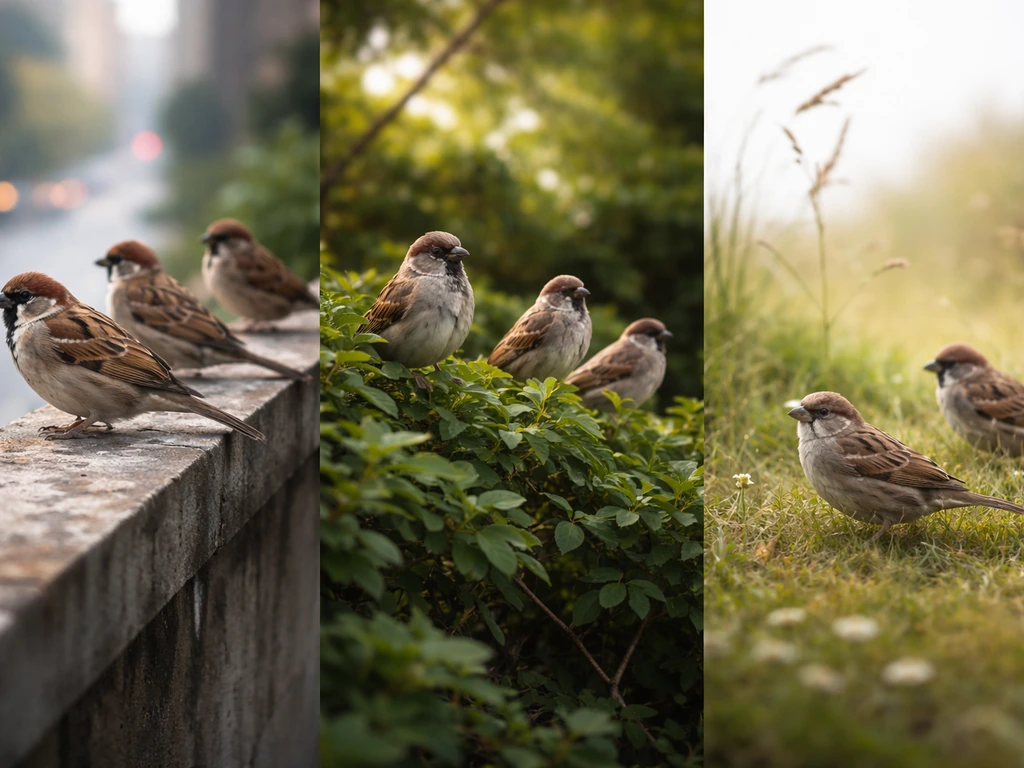
But that broad answer masks a more complicated story: some sparrow species and regional populations are genuinely declining, a handful of specialist sparrows carry serious conservation flags, and in parts of Europe and urban Asia, even the once-ubiquitous house sparrow has collapsed in local numbers. Which sparrow you mean, and where you are, changes the answer significantly.
What "endangered" actually means (and why sparrow answers vary)
The word "endangered" gets used loosely in everyday conversation, but in conservation science it has a precise definition. The IUCN Red List, maintained by the International Union for Conservation of Nature and assessed for birds by BirdLife International, places every evaluated species into one of nine categories based on quantitative criteria covering population size, rate of decline, and geographic range. The blank" rel="noopener noreferrer">IUCN Red List provides an individual species page where the current Red List category and assessment information, including dates, are listed for each taxon. The formal categories are: Least Concern, Near Threatened, Vulnerable, Endangered, Critically Endangered, Extinct in the Wild, and Extinct, plus Not Evaluated and Data Deficient for species not yet fully assessed.
Near Threatened (NT) is a category that often confuses people. It means a species has been fully evaluated but doesn't yet meet the thresholds for Vulnerable, Endangered, or Critically Endangered. It does signal, though, that the species is close to qualifying for a threatened category and warrants monitoring. So when you hear that a sparrow is "near threatened," it's a yellow flag, not a green one.
These distinctions matter because national governments and conservation programs use IUCN categories to guide legal protection, funding, and land management decisions. If you meant a specific bird and are wondering what bird is endangered, focus on the IUCN category and whether the decline is global or regional. A species listed as Endangered receives a very different level of attention and resource than one listed as Least Concern.
The other reason sparrow answers vary so much is that the IUCN Red List reflects global extinction risk, not local population health. A species can be thriving worldwide while crashing in a specific country or city. That's exactly what's happened with house sparrows in parts of the UK and India. Local conservation bodies often maintain separate national red lists that can look quite different from the global picture, and those regional assessments are often what matters most for practical conservation decisions where you live.
Which sparrow are you actually asking about?
"Sparrow" covers a lot of ground. In common usage it refers to dozens of species across multiple families, and the conservation status can differ dramatically between them. Before you can get a useful answer, it helps to pin down which bird you mean. If you meant is martinez bird endangered, the best way to answer is to look up its IUCN and regional conservation listings for your location.
The common sparrows most people mean
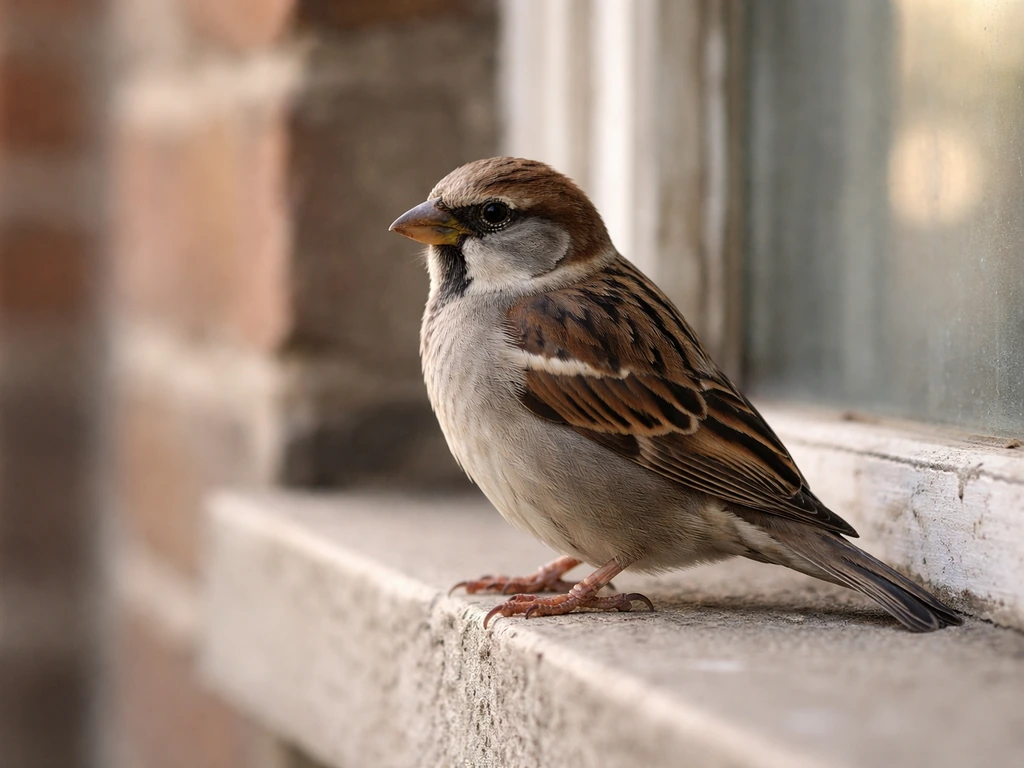
- House sparrow (Passer domesticus): the most widespread and familiar sparrow globally, found across Europe, Asia, the Americas, Africa, and Australasia. This is the default "sparrow" for most people.
- Eurasian tree sparrow (Passer montanus): common across Asia and parts of Europe, often confused with the house sparrow, and carrying a more complex conservation picture in agricultural Europe.
- Rock sparrow (Petronia petronia): found across southern Europe, the Middle East, and Central Asia; less studied and with more localized populations.
- Java sparrow (Lonchura oryzivora): native to Java and Bali, Indonesia; sometimes called a sparrow despite being a waxbill; genuinely Vulnerable on the IUCN Red List.
- North American sparrows (Melospiza, Passerculus, Ammospiza, and related genera): a large group of New World sparrows including the song sparrow, savannah sparrow, seaside sparrow, and saltmarsh sparrow, with widely varying statuses.
- Cape sparrow (Passer melanurus): native to southern Africa, generally stable.
- Spanish sparrow (Passer hispaniolensis): found around the Mediterranean basin, generally Least Concern.
If you're in North America and asking about a small streaky brown bird, you're likely looking at one of the New World sparrow species, which are taxonomically distinct from Old World sparrows like the house sparrow. Some of those North American species have genuinely serious conservation concerns, particularly coastal specialists like the saltmarsh sparrow.
Conservation status by sparrow type and region
Here's how the most commonly asked-about sparrows stack up on the IUCN Red List and key national assessments. BirdLife International coordinates the bird assessments and updates the Red List on a rolling multi-year cycle, so category assignments reflect the best available data at the time of the most recent review.
| Sparrow Species | IUCN Global Status | Notable Regional Concerns |
|---|---|---|
| House sparrow (Passer domesticus) | Least Concern | Declining in UK, Ireland, India, and parts of urban Europe; Red-listed in UK |
| Eurasian tree sparrow (Passer montanus) | Least Concern | UK population fell ~93% since 1970; Red-listed in UK |
| Java sparrow (Lonchura oryzivora) | Vulnerable | Wild population declining due to trapping for pet trade and habitat loss |
| Saltmarsh sparrow (Ammospiza caudacuta) | Vulnerable | Nesting habitat threatened by sea-level rise; declining in eastern USA |
| Bachman's sparrow (Peucaea aestivalis) | Near Threatened | Dependent on longleaf pine savanna; declining in southeastern USA |
| Rock sparrow (Petronia petronia) | Least Concern | Localized declines in parts of southern Europe |
| Cape sparrow (Passer melanurus) | Least Concern | Generally stable across southern Africa |
| Spanish sparrow (Passer hispaniolensis) | Least Concern | Generally stable across Mediterranean range |
The house sparrow story deserves particular attention because it's so counterintuitive. Globally it's one of the most abundant birds on Earth, with an estimated population in the hundreds of millions. Yet in London, house sparrow numbers dropped by about 71% between 1994 and 2014. The UK placed it on its Red List of Birds of Conservation Concern, a national designation that sits separately from IUCN global categories. So the same species can simultaneously be globally secure and locally alarming.
The saltmarsh sparrow is one of the more urgent cases among North American sparrows. It nests almost exclusively in coastal salt marshes along the eastern United States, and rising sea levels are flooding nests during high tides at increasing frequency. Population models have suggested the species could face extinction within decades without intervention, making its Vulnerable listing feel like an understatement to some researchers. For contrast, the song sparrow, another North American species, remains widespread and Least Concern, showing how much variation exists within the sparrow umbrella.
Why sparrows decline: what's actually driving it
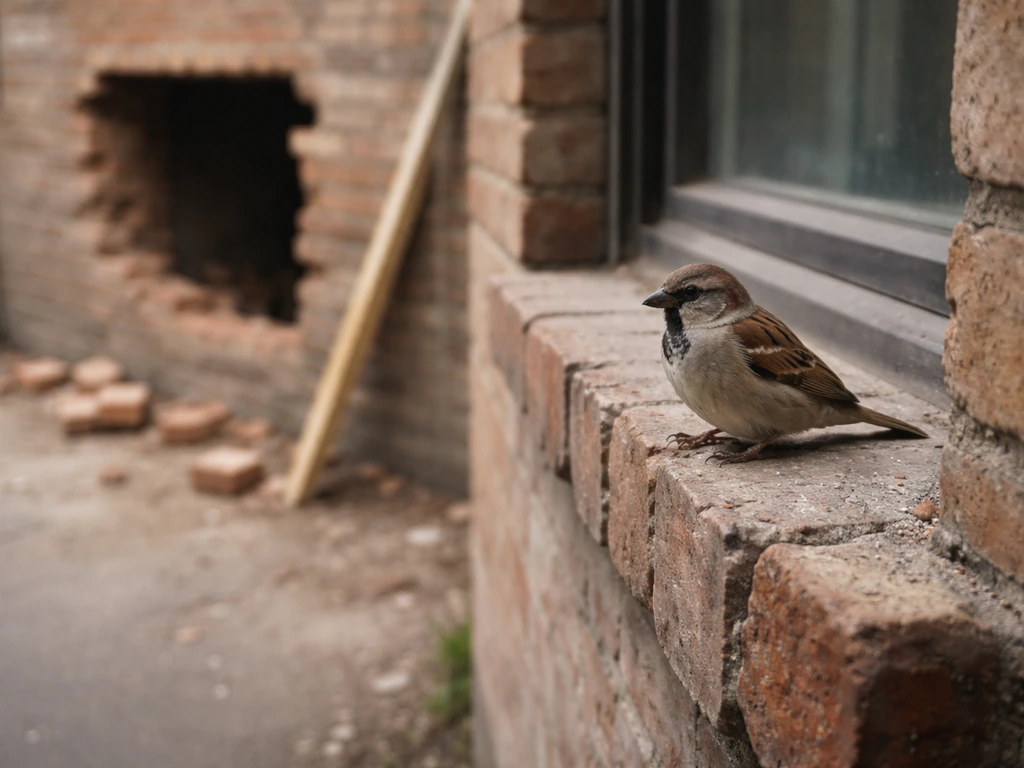
Sparrow declines rarely have a single cause. Usually it's several pressures hitting at the same time, which makes the problem harder to solve but also means there are multiple places to intervene.
Habitat loss and urban change
House sparrows in cities need access to nesting cavities, dense shrubs for shelter, and foraging areas with bare soil or low vegetation. Modern architecture has steadily removed the gaps under eaves, loose roof tiles, and old brick walls that sparrows historically used for nesting. At the same time, gardens paved over for parking, manicured lawns replacing mixed plantings, and the loss of weedy verges have stripped away feeding habitat. In agricultural areas, farm intensification has removed hedgerows, reduced stubble fields, and switched to autumn-sown rather than spring-sown cereals, cutting off the winter seed supply that sparrows depend on.
Insects and the food chain problem
This is one of the most important and underappreciated drivers. Adult sparrows eat mostly seeds, but chicks need soft-bodied insects, particularly aphids and caterpillars, during their first weeks of life. Pesticide use in agriculture and gardens has dramatically reduced insect abundance, and studies of house sparrow declines in the UK have found strong correlations between local invertebrate levels and sparrow breeding success. A neighborhood or farm with few insects will struggle to support sparrow chicks even if there's plenty of seed available for adults.
Competition and predation
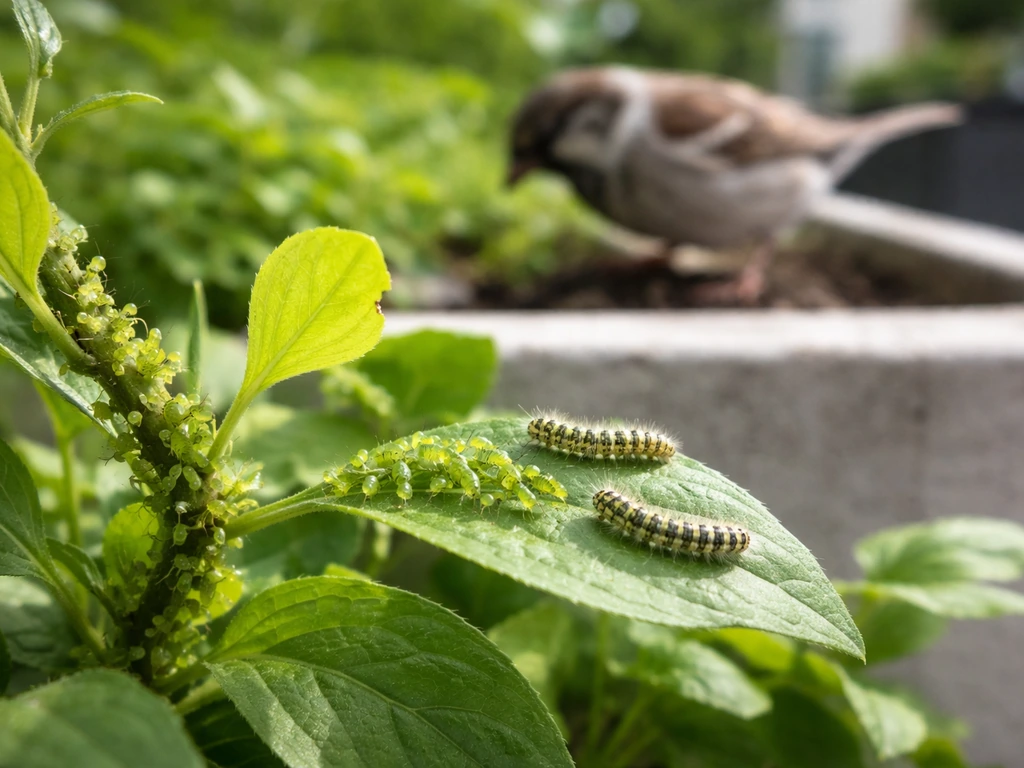
In some urban areas, the spread of rose-ringed parakeets has increased competition for nest cavities, pushing sparrows out of favored sites. Increased populations of urban predators, particularly sparrowhawks and cats, have added predation pressure. Neither of these is the primary driver of decline, but they compound other stresses.
Climate and specialist habitat loss
For habitat-specialist sparrows, climate change is a direct existential threat. The saltmarsh sparrow's coastal nesting habitat is literally disappearing under rising seas. Bachman's sparrow depends on open longleaf pine savanna maintained by regular fire, a habitat type that has shrunk to less than 3% of its historical extent in the southeastern United States. The Java sparrow faces trapping pressure for the cage-bird trade on top of agricultural habitat loss across its native Indonesian range. These are fundamentally different problems from what's affecting house sparrows in British cities, even though both involve the word "decline."
What you can do today
Whether you're concerned about house sparrows in your neighborhood or trying to understand the status of a specific regional species, there are concrete steps you can take right now.
Check the actual status for your species and region
- Go to the IUCN Red List website (iucnredlist.org) and search the species name. Each species has its own page showing the current global category, the date of the last assessment, and a summary of the population trend. This is your most reliable starting point for global status.
- Check BirdLife International's Datazone, which shows regional breakdowns and national status alongside the IUCN category for each bird species.
- Look up your national or regional bird conservation body. In the UK, that's the RSPB's Birds of Conservation Concern list. In the US, the North American Bird Conservation Initiative produces the State of the Birds report. In Australia, the Department of Climate Change, Energy, the Environment and Water maintains threatened species lists. These national lists often reflect local declines that the global IUCN category doesn't capture.
- Check eBird (ebird.org) for recent sightings and population trend graphs in your area. It's free and gives you a real-time sense of whether a species is being reported regularly near you.
Practical things that actually help sparrows
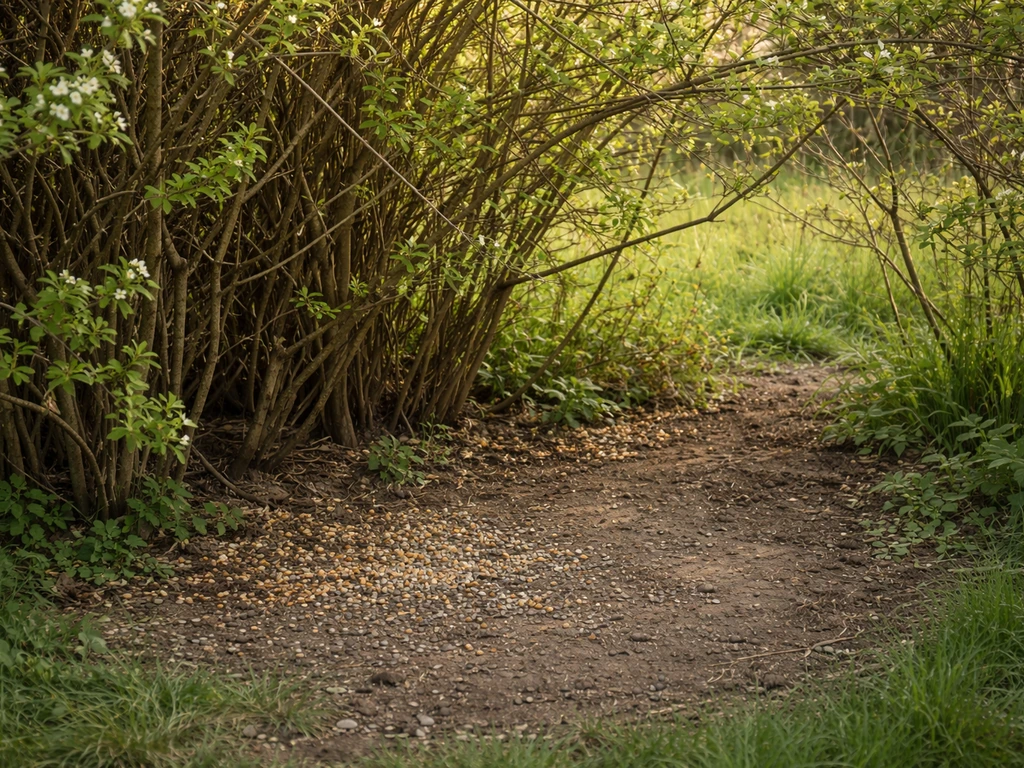
- Plant native shrubs with dense, twiggy growth: species like hawthorn, blackthorn, or native viburnums give sparrows both nesting cover and shelter from predators.
- Leave a patch of garden unmown and allow some "weedy" plants like chickweed, groundsel, and fat hen to seed. These are among the house sparrow's preferred wild food plants.
- Install a sparrow terrace nest box under eaves facing between north and east to avoid overheating. House sparrows are colonial nesters, so a box with multiple chambers works better than single boxes.
- Reduce or eliminate pesticide use in your garden, particularly insecticides, to support the invertebrate population that sparrow chicks need.
- Put out a shallow bird bath and keep it clean. Sparrows need fresh water for drinking and bathing year-round.
- Submit your bird sightings to citizen science platforms like eBird or the RSPB's Big Garden Birdwatch. Population monitoring depends on this data, and your reports directly contribute to the assessments used in conservation decisions.
It's also worth keeping a sense of perspective on where sparrows sit relative to other birds facing more acute threats. Species like the secretary bird, the maleo, and various critically endangered island birds are facing pressures that dwarf what common sparrows are experiencing. Peacocks are also subject to conservation concerns in parts of their range, so their status varies by location and threat level secretary bird.
The maleo bird is endangered in parts of its range due to threats like habitat loss. The secretary bird is also monitored by conservation groups because its status can change with hunting and habitat pressures. For the house sparrow specifically, the goal isn't preventing extinction, it's reversing local declines that are eroding the everyday biodiversity of our towns and farmland.
That's a winnable problem, and small individual actions in gardens and on farms genuinely add up when enough people take them.
The bottom line: if you were worried about sparrows disappearing entirely from the planet, you can largely set that fear aside for most species. But if you've noticed fewer sparrows in your neighborhood than there used to be, that observation is probably correct, it's backed by data, and there are real things you can do about it starting today. Maya bird endangered status can be assessed using the same IUCN categories discussed earlier, but you need a specific regional context to know how serious the threat is where it lives is maya bird endangered.
FAQ
Is every sparrow species endangered, or only certain types?
Only some sparrow species have major conservation concerns, and even then the level can be regional. The common “house sparrow” is globally Least Concern, but other sparrows, like habitat specialists, can be Vulnerable or higher depending on where they live.
If the IUCN says Least Concern, should I ignore local sparrow declines?
No. A species can be secure globally and still decline in particular countries or cities. For action planning, check your local or national bird conservation list, because it often tracks nest-site loss and recent population changes more directly than the global assessment.
What’s the difference between “Near Threatened” and “Endangered,” in practical terms?
Near Threatened means the species is close to meeting thresholds for a threatened category, so monitoring and early conservation often matter most. Endangered species typically trigger stronger protection, higher funding priority, and more targeted recovery planning in many jurisdictions.
How can I figure out which sparrow is declining in my area?
Start with identification, then confirmation through local sightings. Use field marks (bill shape, streaking, habitat like grassland vs coastal marsh, and whether it is ground-feeding or cavity-nesting), then compare with local checklists for your region, since “sparrow” includes many unrelated species.
Can one neighborhood have fewer sparrows even if surrounding areas are stable?
Yes, because sparrows are sensitive to local nest cavities, winter seed availability, and nearby insect abundance for chicks. A street with dense paving, fewer shrubs, and reduced weedy edges can support fewer breeding attempts even if sparrows remain common nearby.
Do pesticides affect sparrows even if there is plenty of seed?
Often, yes. Adult sparrows rely heavily on seeds, but chicks need soft-bodied insects in their early weeks. If insect numbers are reduced by pesticide use, breeding success can drop even when seed food appears abundant.
What are the most effective garden changes if I want to help sparrows without doing anything complicated?
Prioritize mixed plantings and some bare, weedy ground for foraging, leave patchy leaf litter where appropriate, and avoid pesticide use. Also provide nesting opportunities by allowing natural cavities or installing appropriate house sparrow nest boxes designed for small passerines, placed in safe locations.
Are nest boxes helpful for sparrows, or do they sometimes cause problems?
They can help where natural cavities are scarce, but placement matters. Put boxes in sheltered spots away from heavy disturbance, ensure drainage and predator resistance, and avoid overcrowding sites. If you notice aggressive competition or no nesting after a season, reassess location and box type.
Could cats and sparrowhawks be the main reason sparrows declined?
Usually they are not the sole driver, but they add pressure when other stresses already reduced breeding success or habitat quality. Declines often reflect multiple interacting factors, like nest-site loss plus reduced insects, with predation worsening the outcome.
Is the saltmarsh sparrow endangered because of climate change only?
Climate change is a core driver because it alters and reduces coastal nesting habitat through sea-level rise and more frequent flooding. However, the overall risk can increase with additional pressures, like habitat degradation and limited remaining nesting sites, so local conservation actions still matter.
Does “endangered” mean the same as “at risk of extinction tomorrow”?
No. “Endangered” is a defined conservation category based on population trends and geographic range, and it does not mean immediate extinction. In many cases, declines unfold over years to decades, which is why early interventions for Near Threatened and Vulnerable species can still prevent worse outcomes.
Where can I check the latest status, and how often does it change?
Use the IUCN Red List for global categories and your country’s or region’s conservation lists for local status. Reassessments happen on a rolling multi-year cycle, so a species can shift categories when new data on population trends or threats become available.
Next Article
Is Crow Endangered? Which Crows Are Threatened and Why
Is crow endangered? Learn which crow species face threats, why, how statuses are set, and how to verify your local bird.