Most crows are not endangered. The species most people picture when they say "crow", the American Crow (Corvus brachyrhynchos) in North America, or the Carrion Crow (Corvus corone) in Europe, are both classified as Least Concern by the IUCN Red List, meaning their populations are stable and not under immediate threat. But here's the catch: "crow" is not one single species. There are dozens of crow species worldwide, and at least one of them, the Hawaiian Crow (Corvus hawaiiensis), is so critically imperiled that it no longer exists in the wild at all. So the real answer depends entirely on which crow you're asking about.
Is Crow Endangered? Which Crows Are Threatened and Why

Maya Hennessy
17 May 2026
What "crow" actually means (and why it matters)
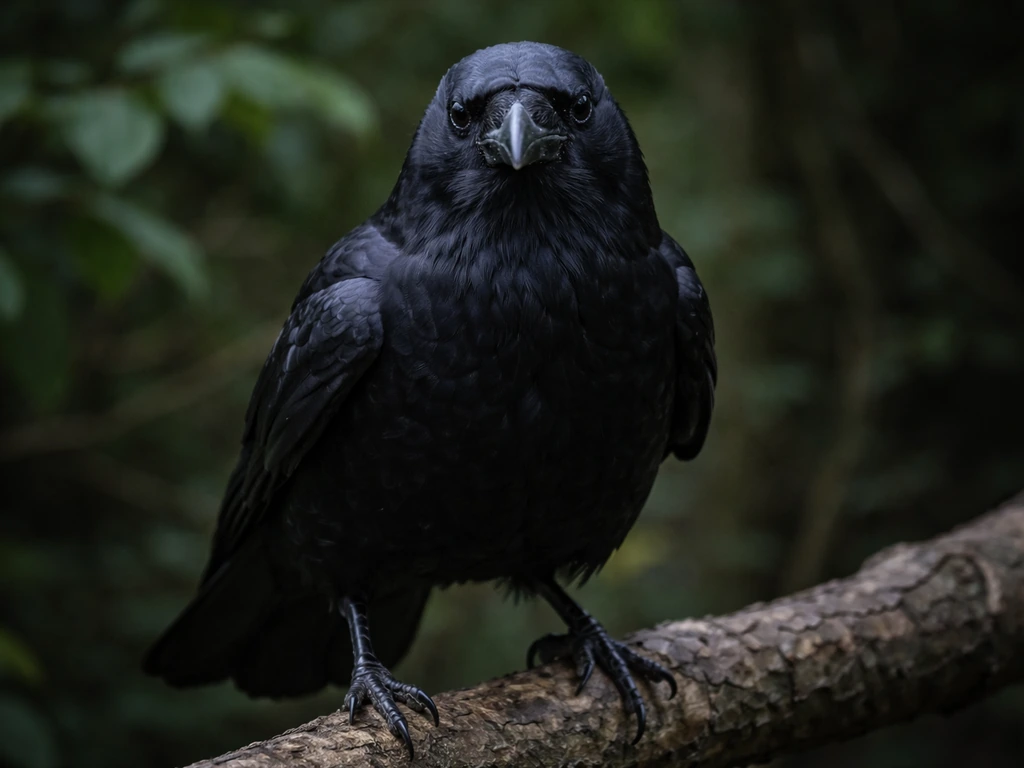
The word "crow" gets applied loosely to a wide range of birds in the genus Corvus, the true crows. But not every Corvus species is called a crow in everyday speech. Some, like the Common Raven (Corvus corax), are almost always called ravens despite being in the exact same genus as the American Crow. Others carry regional names entirely. This naming tangle creates real problems when you're trying to look up a conservation status, because searching "is crow endangered" without knowing your specific species can land you on the wrong animal entirely.
To keep things clear: true crows are birds in the genus Corvus that are commonly called "crow" in English. The most familiar examples are the American Crow, Fish Crow (Corvus ossifragus), Carrion Crow, Hooded Crow (Corvus cornix), and the endangered Hawaiian Crow. Ravens, despite being Corvus birds, are generally treated separately in conservation literature and common usage. If you're unsure whether the bird you're thinking of is a crow or a raven, size is your quickest clue: ravens are noticeably larger, with a wedge-shaped tail, while crows are smaller with a fan-shaped tail.
How to figure out which crow species is in your area
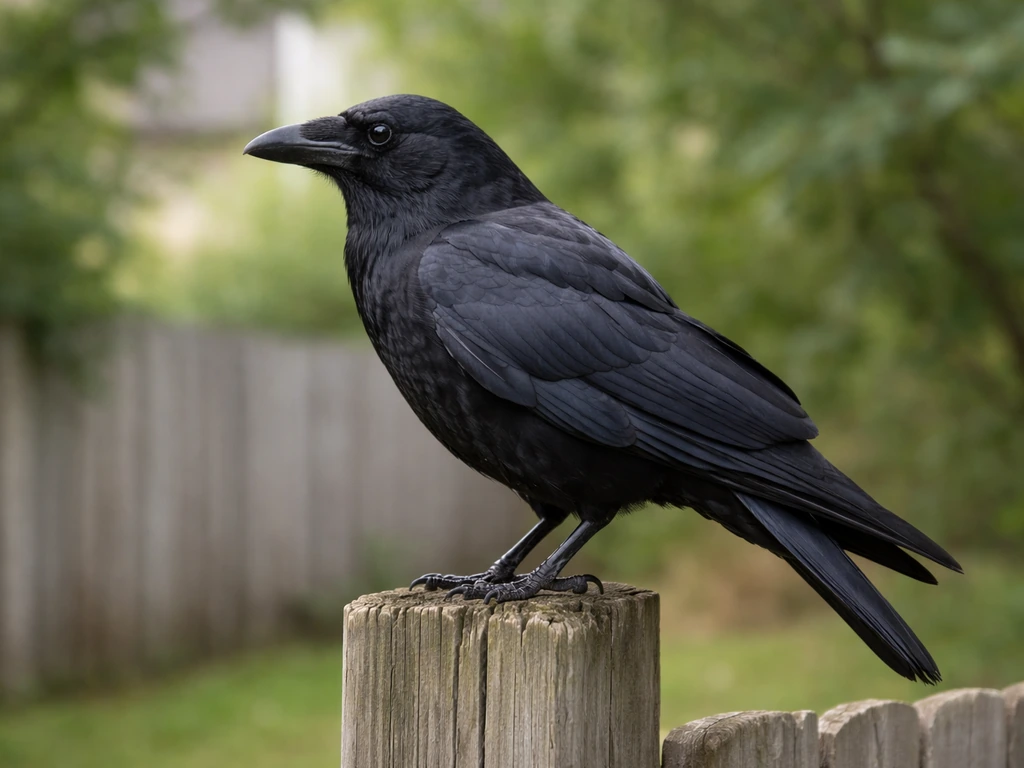
Before you can check any conservation status, you need to know exactly which species you're dealing with. The good news is that crow identification is usually straightforward once you know what to look for. Start with your location: if you're in the continental United States, the large all-black crow you're seeing is almost certainly an American Crow. If you're near the Atlantic coast or Southeast, it might be a Fish Crow, slightly smaller, with a very different nasal "uh-uh" call instead of the classic caw. In the UK and much of Western Europe, you're looking at Carrion Crow or, in northern and eastern regions, the distinctive grey-and-black Hooded Crow.
Field marks to pay attention to include overall size, tail shape, bill thickness, and any color variation in the plumage. The Hooded Crow, for instance, is unmistakable with its grey body and black head, wings, and tail, you won't confuse it with a Carrion Crow once you've seen both. For anyone in Hawaii, the Hawaiian Crow ('Alalā) is now extinct in the wild, so spotting one outside a captive breeding facility would be extraordinary news worth reporting immediately.
Cornell Lab of Ornithology's All About Birds and the Merlin Bird ID app are both excellent tools for narrowing down your species by location and appearance. eBird range maps can also show you which Corvus species have been recorded in your exact area. These tools take the guesswork out of identification and point you straight to the right species page.
Current conservation status of crow species
Here's where things get specific. The table below shows the IUCN Red List status of the most commonly referenced crow species as of 2026. The full list of Corvus species is longer, but these are the ones most people are asking about.
| Species | Scientific Name | IUCN Status | Trend |
|---|---|---|---|
| American Crow | Corvus brachyrhynchos | Least Concern | Stable |
| Fish Crow | Corvus ossifragus | Least Concern | Stable |
| Carrion Crow | Corvus corone | Least Concern | Stable |
| Hooded Crow | Corvus cornix | Least Concern | Stable |
| Common Raven | Corvus corax | Least Concern | Stable/Increasing |
| Hawaiian Crow ('Alalā) | Corvus hawaiiensis | Extinct in the Wild (EW) | Extinct in wild; captive population exists |
| Mariana Crow | Corvus kubaryi | Endangered | Decreasing |
The Hawaiian Crow is the most dramatic case. Once found across the Big Island of Hawaii, it disappeared from the wild entirely, making it one of the most endangered crow species on Earth by any measure. The U.S. Fish and Wildlife Service and several conservation partners have maintained a captive breeding program, and reintroduction efforts have been attempted in Hawaii Volcanoes National Park and other sites, though establishing a self-sustaining wild population has proven extremely difficult. The Mariana Crow, found on Guam and Rota in the Pacific, is classified as Endangered and continues to decline, primarily due to introduced predators like the brown tree snake on Guam.
So the majority of crow species people encounter in their daily lives are not endangered. The Maleo bird is also considered endangered, making it another example of how habitat pressure can threaten island and coastal species. People often wonder, is the secretary bird endangered, and what factors are driving its conservation status. The risk is concentrated in island-dwelling species with small, geographically restricted populations, a pattern you see repeatedly across bird conservation, and one that mirrors the stories of other imperiled island birds.
Why crows decline: the real threats
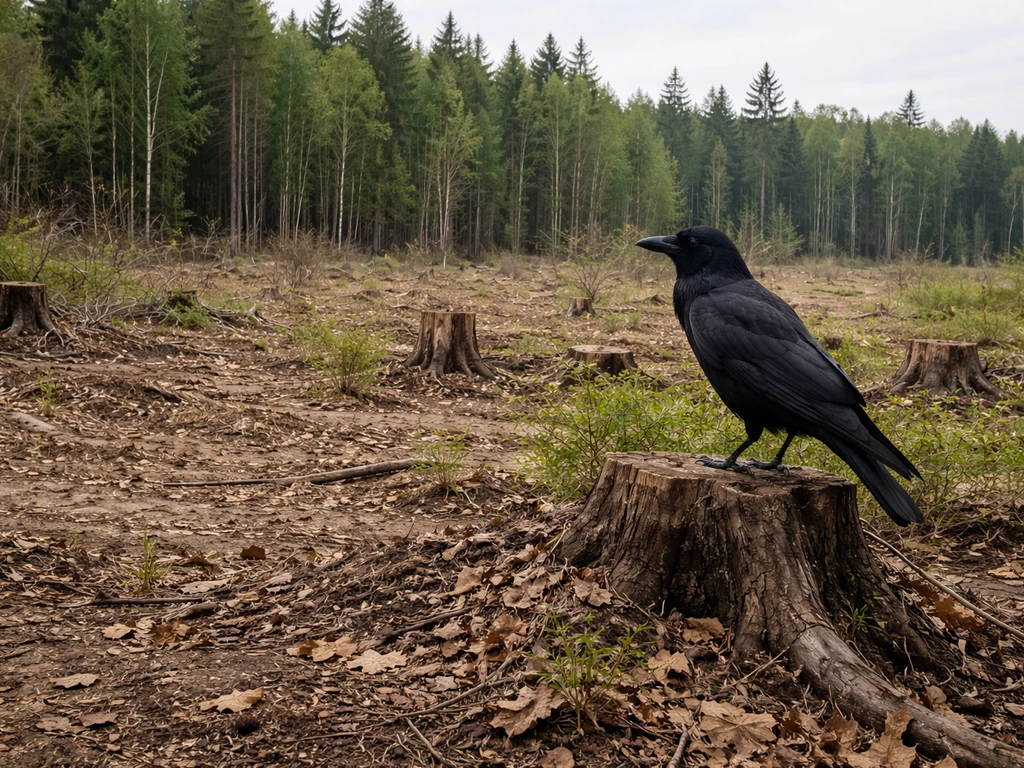
For species like the Hawaiian Crow and Mariana Crow, several compounding threats have driven their populations to critical levels. Understanding these threats also helps explain why common crows remain stable while island species collapse.
- Habitat loss and fragmentation: Deforestation and land conversion reduce nesting sites and food sources. The Hawaiian Crow's forest habitat was heavily degraded by agriculture, grazing, and introduced plants.
- Introduced predators: On islands, mammals like rats, mongoose, and snakes that evolved elsewhere can devastate native bird nests. The brown tree snake is the primary driver of the Mariana Crow's collapse on Guam.
- Disease: Avian malaria transmitted by introduced mosquitoes has been a significant factor in Hawaiian bird declines, including the Hawaiian Crow.
- Persecution: Crows have historically been shot, poisoned, or trapped because they are perceived as agricultural pests or threats to other wildlife. While large-scale crow persecution is less common today in many regions, it remains a local pressure in some areas.
- Pollution: Pesticides and environmental contaminants can reduce prey availability and directly harm birds through bioaccumulation.
- Climate change: Shifts in temperature and rainfall patterns alter food availability and nesting timing, and rising sea levels threaten low-lying island habitats.
- Small population vulnerability: Island species with naturally small ranges have little genetic diversity and no room to absorb additional losses — any new threat can tip them toward extinction quickly.
For common species like the American Crow, these pressures exist but haven't caused population-level declines. American Crows are adaptable generalists, they eat almost anything, nest in a wide variety of environments, and have actually expanded their range into suburban and urban areas. That adaptability is precisely what's missing in specialists like the Hawaiian Crow, which evolved in a very specific forest ecosystem over thousands of years.
How conservation status is actually measured
The global standard for assessing a species' risk of extinction is the IUCN Red List, which uses a set of five criteria (labeled A through E) to assign species to categories. The three "threatened" categories are Vulnerable (VU), Endangered (EN), and Critically Endangered (CR). Above those sit Near Threatened (NT) and Least Concern (LC), which are not considered threatened. Below CR is Extinct in the Wild (EW), which is where the Hawaiian Crow sits.
The thresholds are quantified and specific. For population reduction under Criterion A, a species qualifies as Critically Endangered if it has lost 80% or more of its population over the longer of 10 years or three generations. Endangered requires a 50% or greater decline, and Vulnerable requires 30% or more. These aren't gut-feel estimates, they're based on field surveys, population modeling, satellite data, and other evidence compiled by specialist groups and reviewed before publication.
Each IUCN assessment carries both a date assessed and a date published, which can differ because assessments go through internal review. Officially, any assessment older than ten years is considered out of date and due for reassessment. This means a species' listed status can lag behind actual conditions on the ground, which is one reason it's worth checking recent publications and not just relying on an old listing.
Beyond population size reduction, the IUCN also measures geographic range using two metrics: Extent of Occurrence (EOO), which is the total area within the outer boundary of all known locations, and Area of Occupancy (AOO), which is the area actually used by the species within that range. A species with a very small AOO, like a crow restricted to a single island, is automatically at higher risk than one spread across a continent.
Where to check your specific crow's status

Once you've identified which crow species you're asking about, checking its status takes about two minutes. Here are the most reliable sources to use:
- IUCN Red List (iucnredlist.org): Search the species by common or scientific name. Each species page shows the current category, the date of the last assessment, population trend, and the evidence used. This is the global gold standard.
- Cornell Lab of Ornithology's All About Birds: For North American species, this provides range maps, identification help, and links to population trend data from the Breeding Bird Survey.
- U.S. Fish and Wildlife Service (USFWS): For species listed under the U.S. Endangered Species Act — like the Hawaiian Crow — the USFWS maintains recovery plans and current listing information.
- BirdLife International (birdlife.org): BirdLife is the official IUCN Red List authority for birds and often has more detailed species factsheets than the IUCN page alone.
- UK and European birders: The RSPB Conservation Status lists (Red, Amber, Green) use a different system from the IUCN. A bird can be on the UK Red List for reasons beyond global extinction risk, such as steep recent breeding declines in Britain specifically.
One practical tip: always search using the scientific name when possible. Searching "crow" on the IUCN Red List will return many results. Searching "Corvus brachyrhynchos" takes you directly to the American Crow's page without ambiguity. If you don't know the scientific name yet, use Cornell's Merlin app or All About Birds to get it first, then cross-reference on the IUCN site.
What you can actually do today
If you're asking whether crows are endangered because you care about their wellbeing, there are concrete steps you can take right now, regardless of where you live.
- Report your sightings: Submit crow observations to eBird (ebird.org). Every data point contributes to population trend monitoring, which feeds directly into future IUCN assessments. This is genuinely useful citizen science, not just a hobby.
- Don't feed crows junk food: Crows that become dependent on human food sources can lose foraging skills and attract predators near nesting sites. If you want to support local crows, providing water is more helpful than processed food.
- Keep cats indoors: Domestic and feral cats are among the leading causes of bird mortality globally. This matters for common crow species too, particularly nestlings.
- Avoid using rodenticides (rat poison): Secondary poisoning from rodenticides kills birds of prey and corvids that eat poisoned rodents. Use snap traps instead.
- Support native habitat: Plant native trees and shrubs in your yard. Crows use large trees for nesting, and native vegetation supports the insects and small animals crows eat.
- Contact your local wildlife authority if you find an injured crow: In most jurisdictions, crows are protected under migratory bird laws (in the U.S., under the Migratory Bird Treaty Act), so it is illegal to harm, capture, or kill them without a permit.
- Donate to or volunteer with organizations working on Hawaiian Crow recovery: The San Diego Zoo Wildlife Alliance and American Bird Conservancy both have active programs. If you care about the critically endangered end of the crow spectrum, this is where your support has the most impact.
It's also worth knowing your local laws. In the U.S., the American Crow is federally protected, which means harassing nests or killing crows is illegal in most circumstances. Some states issue depredation permits for specific agricultural situations, but these are controlled exceptions, not a general license. Understanding this protection is practical knowledge, if you see crows being harmed or nests being destroyed, you have grounds to contact wildlife authorities.
The broader picture is this: most crows are doing fine, but the species that aren't are in serious trouble. The Hawaiian Crow's story is a warning about what can happen when a specialized island species loses its habitat and gains new predators with no time to adapt. It sits alongside other imperiled island birds as a conservation priority case. If you're curious about how other familiar birds compare, whether species like sparrows, blue jays, or peacocks face similar risks, the patterns of threat and resilience are surprisingly consistent: adaptable generalists tend to persist, while range-restricted specialists are the ones that need our attention most. Is Sparrow Endangered Bird? Some sparrows are declining, but the risk depends on the exact species and local population trends. In the case of the is peacock endangered bird question, peacocks can face conservation pressure depending on the local population and habitat. If you are blue jay bird endangered, you can look up the latest IUCN Red List status for the specific subspecies and region.
FAQ
If a crow species is declining locally, does that automatically mean it is endangered?
Use the IUCN category as the decision rule. Only Vulnerable, Endangered, and Critically Endangered count as “threatened” in the article’s framework. If you see Near Threatened or Least Concern, it is not considered endangered even if local numbers look worrisome.
Can a crow be safe globally but endangered in my area?
Not always. For example, a crow might be Least Concern globally but still face regional problems because of habitat loss, urban development, or persecution. The more useful check is whether your specific location’s breeding population is stable, which may require local bird atlases or long-term monitoring, not just a global status.
Why do I keep seeing conflicting “endangered crow” results online?
Yes, and the article already hints at a key pitfall: “crow” can refer to different Corvus birds, and ravens can be confused with crows. The safest way to avoid wrong answers is to identify the bird first (tail shape and overall size), then look up the scientific name on IUCN.
How can I tell if an IUCN status is out of date?
Because IUCN assessments can lag behind current conditions, a category might look outdated. Check the assessment “date published” and “date assessed,” then prefer the most recent publication and note whether it is older than 10 years.
Does IUCN base “endangered” only on population numbers?
Correctly. IUCN uses both population decline thresholds and geographic range metrics, especially Area of Occupancy (AOO). A bird restricted to a small number of locations can be at higher risk even if its total population count seems relatively stable at first glance.
If a crow is extinct in the wild, is it still considered “endangered”?
IUCN treats Extinct in the Wild as a separate category below Critically Endangered, which is why a species can be “the most imperiled” while also technically not being labeled Endangered or Critically Endangered in the standard threatened-group sense. For Hawaiian Crow, the key takeaway is that it is not present in the wild anymore.
What should I do if I see crows being harmed or nests being destroyed?
It depends on the country and activity. The article notes federal protection in the U.S. for the American Crow, which means harassment and harming nests are illegal in most situations. If you suspect illegal take or nest destruction, contact local wildlife authorities rather than trying to handle it yourself.
What’s the right response if I think I saw a Hawaiian Crow outside captivity?
Yes. If you are in Hawaii and see a crow-like bird outside a captive breeding context, that is extraordinary and should be reported immediately to local conservation or wildlife agencies. Even if it is not the Hawaiian Crow, a careful report helps track unusual occurrences.
Is it okay to approach or feed crows to get better photos?
In the U.S., photographing and reporting is usually the safest action. Avoid approaching nests, baiting, or attempting capture, because that increases disturbance. If you want to document, focus on distance, multiple angles, and take location and date notes for verification.
What are the fastest field clues to distinguish American Crow from Fish Crow?
For identification, size and tail shape are strong quick clues, but location and call can confirm. In the continental U.S., the American Crow is the common large all-black crow, and Fish Crow is more associated with coastal areas and has a different vocalization pattern.
How do I correctly research “is crow endangered” without mixing up species?
Start by confirming whether you mean a true crow (Corvus, commonly called crow) or a raven (also Corvus, but commonly called raven). Then use your location to narrow, identify the scientific name, and only then check the IUCN entry to avoid mixing species with different conservation statuses.
Next Articles
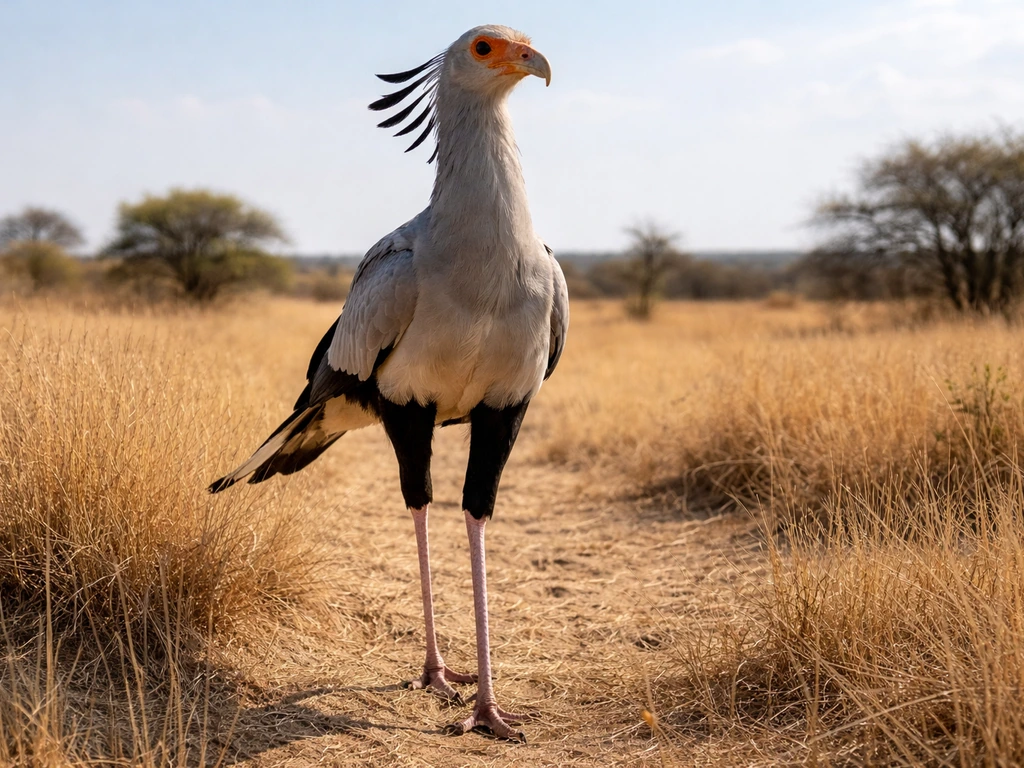
Is the Secretary Bird Endangered? Status, Threats, Conservation
Find out if the secretary bird is endangered, plus its status, threats, range, and conservation actions to protect it.
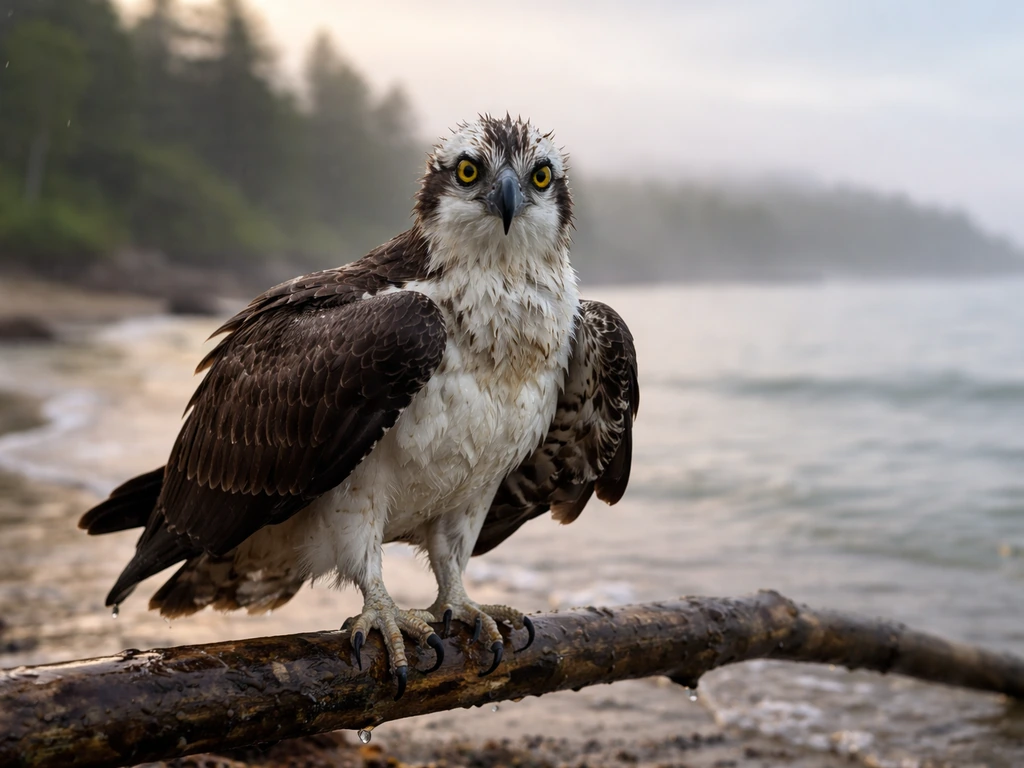
What Bird Is Endangered? Identify Species by Location
Find what bird is endangered near you with range and traits, plus threats, flightless species, and how to verify status.
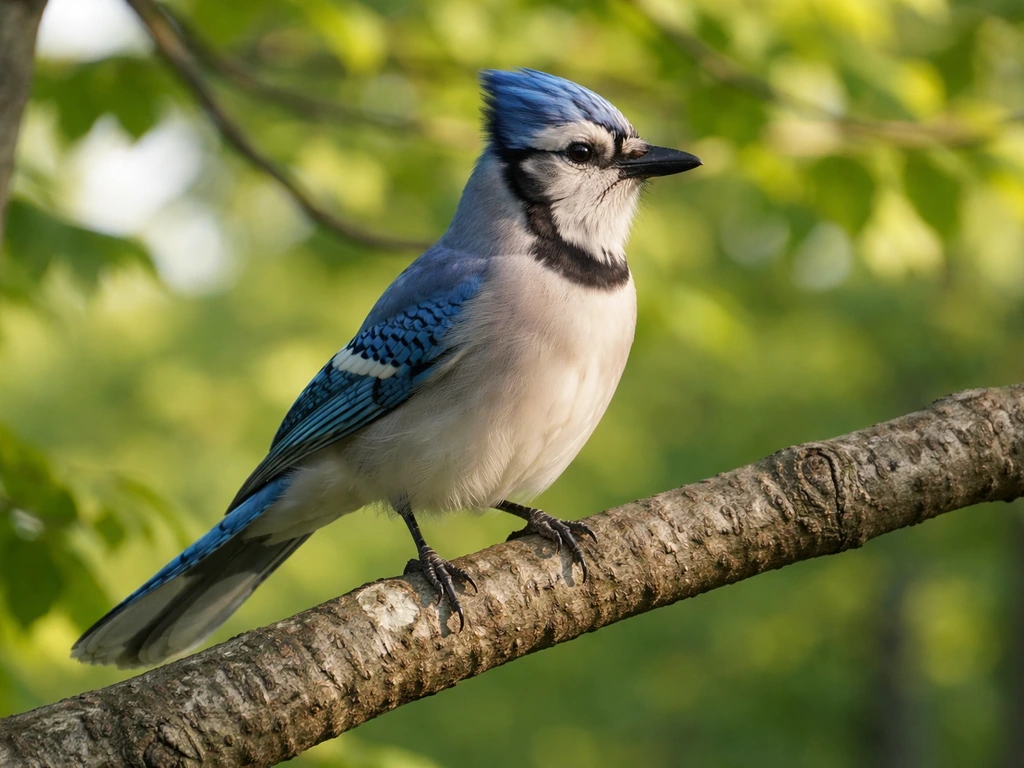
Are Blue Jay Birds Endangered? Status, Trends, and How to Help
Find out if blue jays are endangered, their population trend and key threats, plus simple ways to help.