
The huia (Heteralocha acutirostris) is extinct. You might also wonder whether is the ortolan bird extinct, but that question depends on current conservation status and recent population trends. The last confirmed sighting was on December 28, 1907, in the forests of New Zealand's North Island. That date appears in most authoritative references, including Te Papa, Science Learning Hub, and New Zealand Geographic. However, some evidence suggests a handful of huia may have survived into the 1920s or even the 1930s, so depending on which source you read, you may see slightly different dates. The honest summary: 1907 is the last accepted record, but the true extinction moment was probably sometime after that.
When Did the Huia Bird Go Extinct? Timeline and Causes

Maya Hennessy
22 May 2026
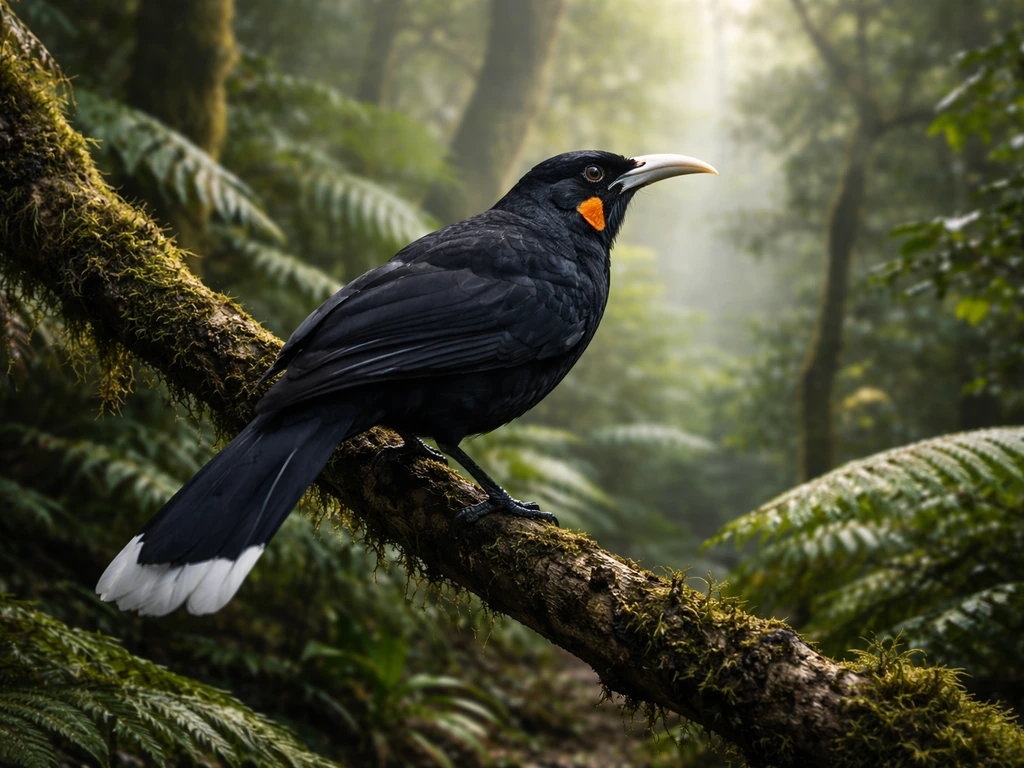
Is the huia extinct today?
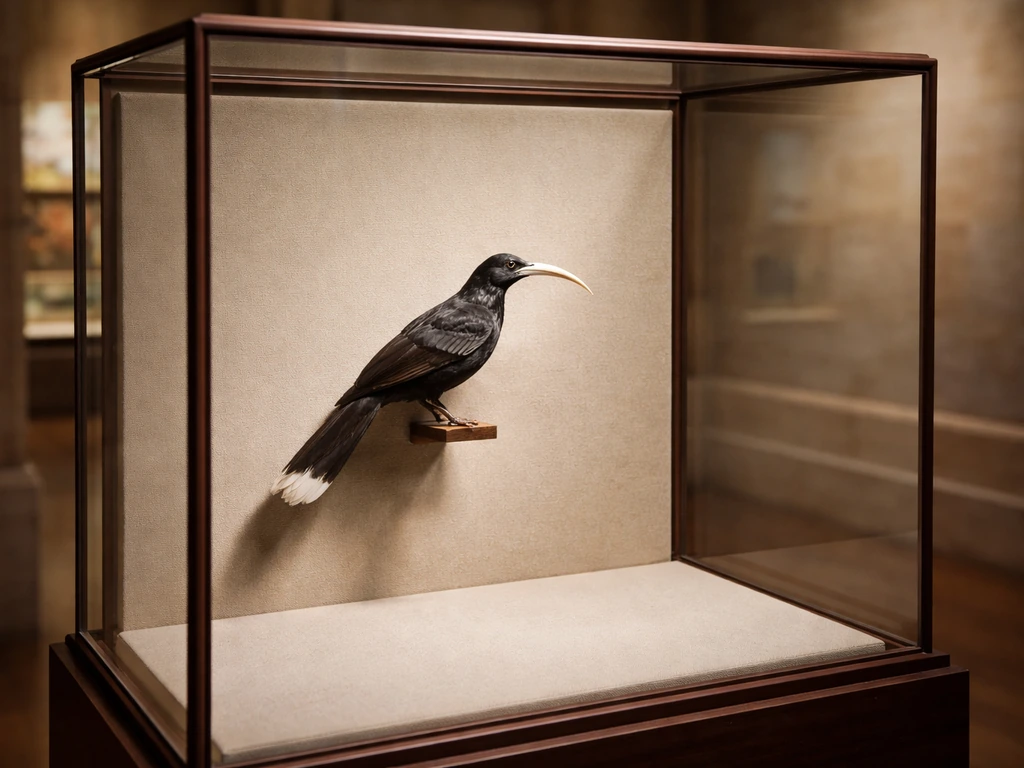
Yes, completely. There are no huia in captivity, no surviving populations anywhere in the world, and no credible sightings in over a century. Britannica classifies it as extinct since the early 20th century. The New Zealand Department of Conservation uses "Extinct" as its formal status. If you've come across any suggestion that the huia might still be out there, that's not supported by current science. If you mean the question in the everyday sense, the huia is widely treated as extinct rather than possibly surviving into modern times might still be out there. The species is gone.
When the huia went extinct: the key dates
The most specific date in the historical record is December 28, 1907. That's when the last authenticated sighting of huia alive was recorded, and New Zealand Geographic pins this as the moment the species was last seen with certainty. Te Papa and the Science Learning Hub both point to 1907 as the cutoff for confirmed sightings, which is why that year keeps appearing as the extinction date in encyclopedias and natural history references.
But there's more to it than a single date. New Zealand Birds Online notes that while the last accepted sighting was 1907, it's likely that a few huia persisted into the 1920s. New Zealand Birds Online phrases the status as: "The last accepted sighting was in 1907, but it is likely that a few huia persisted into the 1920s. " [last accepted sighting was 1907, but it is likely that a few huia persisted into the 1920s](https://www.
nzbirdsonline. org. nz/species/huia). A 2008 PLOS ONE study on the molecular ecology of the huia goes further, stating that evidence suggests the species survived until the 1930s.
Te Ara's encyclopedia describes the huia as believed extinct since the first decade of the 20th century, which keeps the framing broad for good reason.
Te Papa's bird collection holds huia specimens with collection dates ranging from 1880 to 1911. The 1911 date is roughly four years after the last official sighting record and likely reflects when a specimen was acquired rather than when that individual bird died, so it doesn't shift the extinction timeline dramatically. What it does show is that physical evidence of the huia extends to at least that point.
| Date or Period | What It Represents | Source |
|---|---|---|
| December 28, 1907 | Last authenticated sighting of live huia | New Zealand Geographic, Te Papa, Science Learning Hub |
| 1907 (general) | Last confirmed/accepted record used in most references | Te Ara, NZ Birds Online, Britannica, PLOS ONE 2008 |
| Possibly 1920s | Unconfirmed sightings reported 20–30 years after 1907 | Te Papa, NZ Birds Online |
| Possibly 1930s | Inferred survival based on molecular and historical evidence | PLOS ONE 2008 |
| Early 20th century | Broad classification used by encyclopedias | Britannica, Te Ara |
How we know: why extinction dates can vary by source

This is where it gets genuinely interesting, and it matters for understanding not just the huia but how extinction science works. An "extinction date" is almost never the moment a species actually disappeared. It's the date of the last verified observation. After that point, a species might persist in small, undetected numbers for years or even decades before the final individual dies. This is sometimes called the "Lazarus gap" in conservation biology.
For the huia, the 1907 date itself isn't even fully settled. In 2017, ornithologist Ross Galbreath published a paper in Notornis (the journal of Birds New Zealand) arguing that the commonly cited 1907 "last generally accepted record" is unreliable and needs reassessment. His analysis suggests the dominant extinction-date narrative is built on shaky ground, and that the evidence for later persistence deserves more weight. This is why a careful reader will notice that different authoritative sources phrase the date differently: "last confirmed sighting" versus "last accepted record" versus "believed extinct since." These aren't interchangeable phrases. They reflect different levels of evidential certainty.
The practical takeaway: 1907 is the safest single year to cite, but treat it as a threshold rather than a precise moment of disappearance. When you see ranges like "early 20th century" or "possibly survived into the 1920s," that's scientists being appropriately honest about what the record can and can't tell us.
Why the huia went extinct: the real causes
Three overlapping pressures drove the huia to extinction, and it's worth being precise about which one did the most damage because the answer is more nuanced than the popular story usually suggests.
Introduced predators: probably the main culprit

New Zealand Birds Online identifies predation by introduced mammals as the most likely primary cause of huia extinction. The huia spent a lot of time on or near the forest floor, which made it especially vulnerable. Rats, cats, and other predatory mammals introduced by European settlers from the 1890s onward hit huia populations hard. Te Ara notes the rapid decline of huia was observed after new predatory mammals arrived in the 1890s, and that timing aligns closely with the species' collapse in the following decade. This is the same pattern seen across many New Zealand extinctions: animals that evolved without ground predators were simply not equipped to survive them.
Hunting and the feather trade
Huia were hunted intensively, and their tail feathers became a fashion item in both Maori culture and European markets. The huia's tail feathers were particularly prized after a famous moment in 1901 when the Duke of York (later King George V) wore one in his hat during a visit to New Zealand, triggering a surge in demand. The PLOS ONE paper explicitly lists increased hunting as one of the culminating extinction drivers.
That said, New Zealand Birds Online frames hunting as a contributing factor rather than the dominant one, and the 1966 Te Ara entry acknowledges that while hunting by both European and Maori has often been blamed, the evidence points to habitat change as at least equally important. If you're wondering how similar laws apply elsewhere, see why is ortolan bird illegal and what drives the bans.
Habitat loss: underrated and underreported
Forest clearing in the 19th century reduced huia range, though New Zealand Birds Online characterizes this as causing a "modest range reduction" rather than a major driver of extinction on its own. Te Ara's framing is stronger: it describes habitat destruction and modification as probably at least as important as hunting. The PLOS ONE study bundles clearance of lowland forest together with hunting and introduced predators as a package of culminating pressures. The honest read is that no single cause finished the huia off in isolation. It was a compounding effect: shrinking habitat pushed birds into smaller areas, hunting removed individuals faster than populations could recover, and introduced predators picked off the rest.
Putting the timeline together: decline vs. final disappearance
The huia's decline unfolded over roughly half a century before 1907. Forest clearance through the 1800s reduced range. European-introduced predatory mammals accelerated the decline sharply from the 1890s onward. Hunting pressure continued through this period. By the time protective regulations were attempted, the population was already critically low. The last confirmed sighting came on December 28, 1907, but unconfirmed reports trickled in for another 20 to 30 years. The pattern is a textbook case of how extinction rarely has a single cause or a clean endpoint: a species weakens gradually, becomes invisible to observers, and then is simply gone.
This arc is worth comparing to other New Zealand extinctions. The huio's story shares structural similarities with the decline of the Hawaiian mamo bird, which also collapsed rapidly after the arrival of hunting pressure and habitat change in a short time window. The Hawaiian mamo bird is also often used as an example of how quickly pressures like habitat change and hunting can drive a species toward disappearance. The o'o bird of Hawaii followed a similar trajectory. Understanding these shared patterns helps conservation scientists identify which species today face the same cascade of risks.
What to read next: where to go for reliable information
If you want to go deeper on the huia, here are the best places to look and the search terms that will get you to the right material quickly.
- Te Papa Collections Online: search "Huia Heteralocha acutirostris" to access specimen pages with collection dates, localities, and images of physical museum holdings.
- New Zealand Birds Online (nzbirdsonline.org.nz): the most comprehensive single-species page on huia, covering status, ecology, causes of decline, and primary references.
- Te Ara Encyclopedia of New Zealand: search "Huia" and "Extinctions" for both species-specific history and the broader context of New Zealand bird loss.
- Notornis (Birds New Zealand journal): search for Galbreath 2017 and the title "The 1907 last generally accepted record of huia is unreliable" to read the primary scientific challenge to the standard extinction date.
- PLOS ONE 2008: search "Molecular Ecology Extinct New Zealand Huia" to find the genetic study that discusses both extinction drivers and the evidence for survival beyond 1907.
- Science Learning Hub (NZ): good entry-level resource with clear language, useful if you want a concise overview before diving into primary sources.
- New Zealand Geographic: search "Huia sacred bird" for a well-written long-form account that includes the December 28, 1907 date and historical context around the feather trade.
The huia is one of the most studied and symbolically significant extinct birds in New Zealand's natural history, which means the literature is rich but also contested in places. Starting with New Zealand Birds Online and then moving to the Galbreath 2017 Notornis paper will give you both the standard narrative and the most up-to-date scholarly challenge to it. From there, the Te Papa specimen database lets you anchor the history in physical objects, which is always a useful reality check when dates and accounts start to blur.
FAQ
Is 1907 the exact extinction date of the huia, or just the last time it was seen?
Most reliable sources treat 1907 as the last confirmed sighting, not the exact day the species vanished. After that, extinction science allows for a period where the huia could persist at very low numbers without being detected, so you will see “last accepted record” or “believed extinct” phrasing instead of one precise extinction moment.
Why do different sources give different years or wording for huia extinction?
No. If a source says “last generally accepted record” or “believed extinct since,” it is usually summarizing uncertainty or combining multiple lines of evidence, while “last confirmed sighting” means the record meets stricter verification standards (for example, documented observation details). Those wording differences explain why dates may shift by decades across references.
Do museum specimen dates mean the huia survived until those later years?
The Te Papa specimen dates reflect when a specimen was collected or acquired, not necessarily when that individual huia died in the wild. A later specimen date can occur if the bird was obtained after a period of decline or if collecting and processing timelines extend beyond the last verified sighting year.
How should I judge claims that the huia might still be alive today?
It depends on what the claim means. A rumor of “still alive” should be treated as weak unless it includes verifiable evidence such as multiple independent sightings with detailed documentation, physical evidence like photos or specimens, and confirmation that the observers are not confusing huia with similar native or introduced birds.
What do “unconfirmed reports” after 1907 actually imply about survival?
Not automatically. When you see “unconfirmed reports,” it usually means accounts that cannot be verified to the standards used for the last confirmed record, such as lack of specimen proof or insufficient location and identification detail. Those reports can be relevant to probability, but they typically do not replace the verified cutoff year in authoritative timelines.
Why is the extinction date not the same as the moment the last huia died?
A common misconception is to treat “extinct” as immediate. In reality, extinction is often declared after a period of failed detection, and for species like the huia the disappearance likely followed a long decline where detection likelihood dropped before the final individuals died.
If I need one year for a paper or presentation, should I use 1907 or a range?
Yes. If you want a single year to cite, 1907 is the safest choice because it is tied to the last verified sighting threshold. If your goal is scientific accuracy, it is better to describe the timeline as “1907 as the last confirmed sighting, with possible persistence into later decades.”
Which extinction pressure was most responsible for the huia’s collapse?
For primary causes, the article frames introduced mammal predation as the leading driver because the huia’s ground-near habits increased vulnerability. Hunting and habitat change still mattered, but predation aligns most directly with the sharp timing of decline after the 1890s.
Was hunting the main cause of huia extinction, or just one factor?
When hunting is discussed, it is usually as a contributing pressure that removed individuals faster, making populations harder to recover. That said, many accounts emphasize that habitat change and introduced predators reduced the ability of populations to sustain themselves, so focusing only on hunting can oversimplify the overall cascade.
Next Articles
Why Is Ortolan Bird Illegal? Laws, Ethics, and What to Do
Learn why ortolan is illegal: wildlife protection, trafficking bans, animal welfare, and how to verify local rules and r
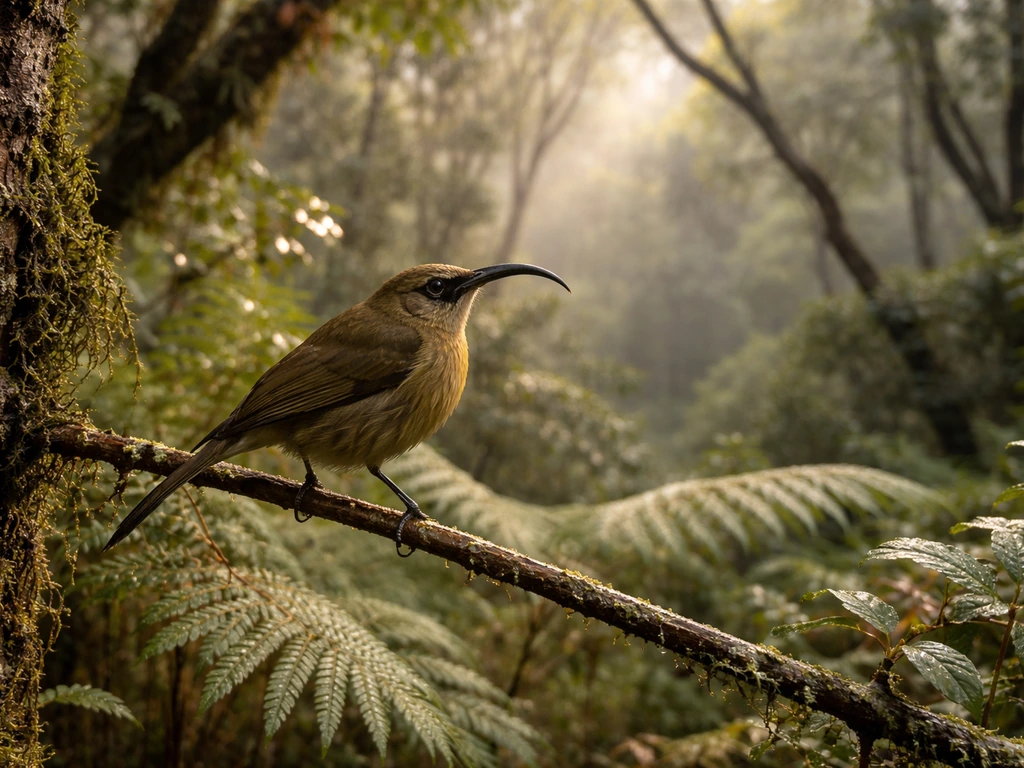
When Did the Mamo Bird Go Extinct? Date and Causes
Learn when the mamo bird went extinct, the likely extinction causes in Hawaiʻi, and how to verify dates.
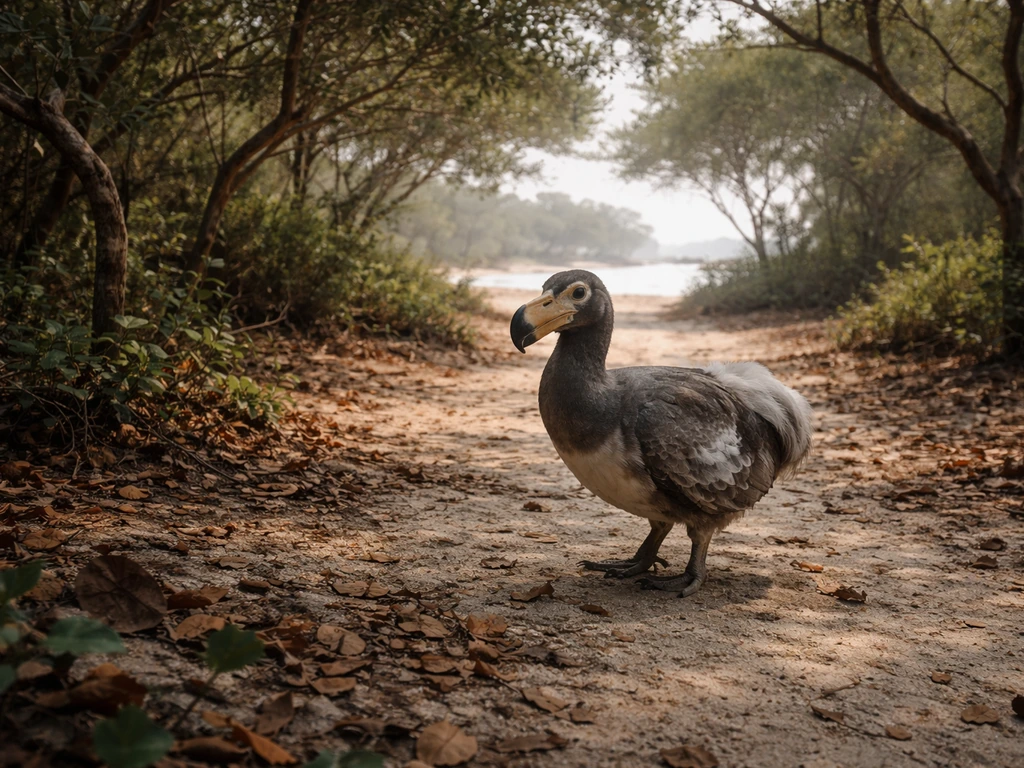
Is the Dodo Bird Still Alive? What Evidence Shows Today
Learn if any dodos could exist today, why scientists say they are extinct, and how to judge sightings reliably.