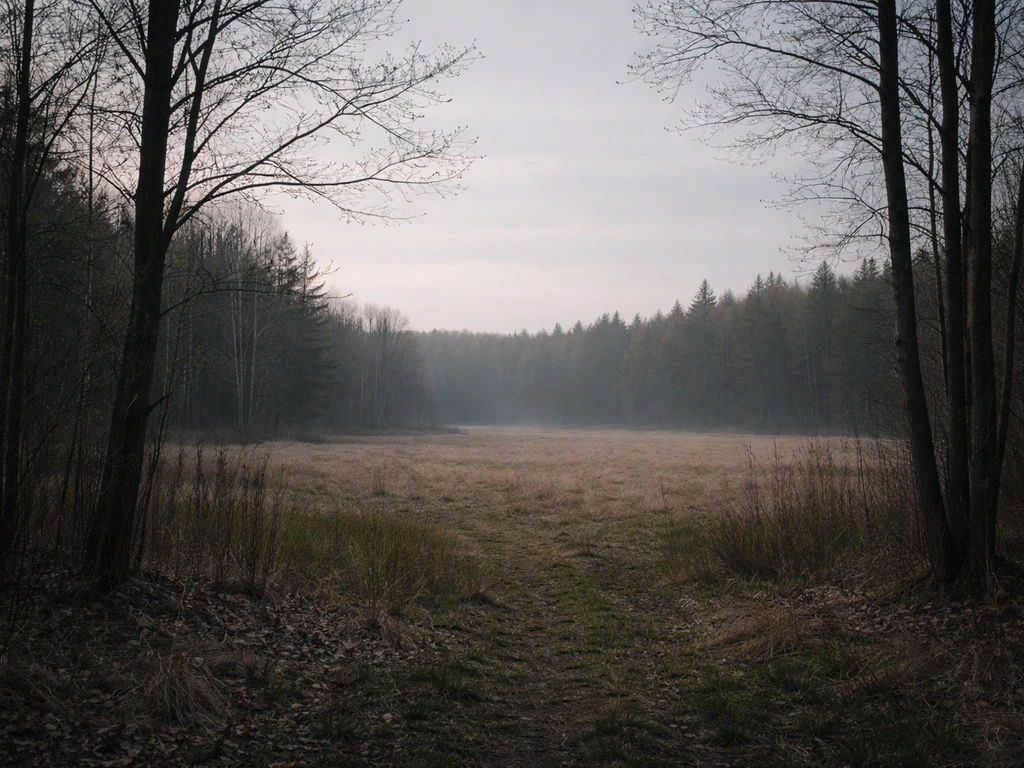
Bird extinctions happen when one or more pressures overwhelm a species faster than it can adapt or recover. The main causes, backed by decades of evidence, are habitat destruction (especially from agriculture), hunting and overexploitation, introduced predators and invasive species, disease, and climate change. These rarely act alone. Most extinct and critically endangered birds have faced two or three of these pressures at once, which is exactly what makes them so hard to reverse. Knowing which cause is driving a specific decline is the first step toward doing something about it.
Causes of Bird Extinction: Past Drivers and Today’s Threats

Maya Hennessy
20 May 2026
Big-picture drivers of bird extinction
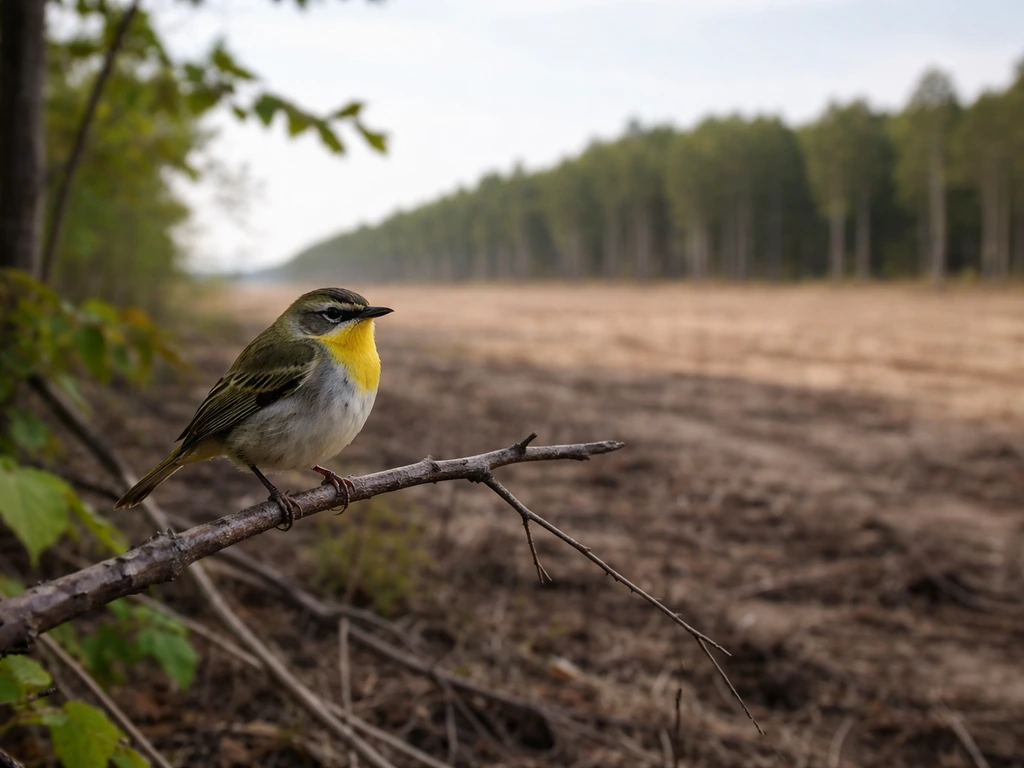
BirdLife International's State of the World's Birds data, drawn from IUCN Red List assessments, gives us the clearest ranking of threats by scale. Agriculture affects at least 73% of threatened bird species, making it the single biggest driver worldwide. Logging comes in second at 51%, followed by invasive alien species at 42%, hunting and trapping at 39%, and climate change at 37% and rising. These aren't independent silos. A forest cleared for farmland loses its canopy cover, the logging roads let hunters in, and the degraded edge habitat is far more vulnerable to invasive species. The causes stack.
Historically, the pattern shifts slightly. For island extinctions in particular, which represent the vast majority of recorded bird losses since 1500, introduced predators and overhunting were the dominant killers. Continental species tended to collapse under habitat loss and market hunting. What changed in the 20th and 21st centuries is scale: deforestation, pesticide use, and climate disruption now affect bird populations across entire flyways and continents, not just isolated islands.
Human-caused pressures: habitat loss, hunting, and disturbance
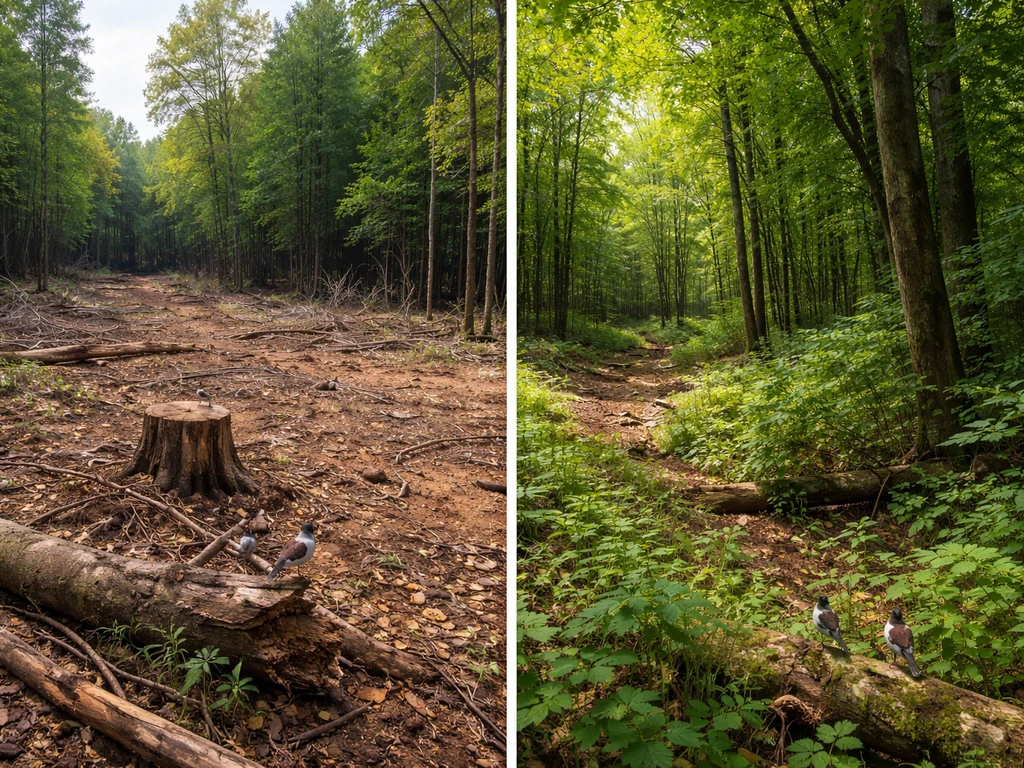
Habitat loss is the most pervasive extinction driver on the planet. When a forest is cleared for soy, cattle, or palm oil, every species that depended on that specific structure of vegetation either moves, adapts, or dies. Most can't move fast enough, and adaptation takes generations. Birds with narrow habitat requirements, like canopy specialists or wetland waders, are the first to disappear when the landscape changes. Cacao farm management can similarly shape habitat quality, food availability, and disturbance levels, which in turn affects bird abundance effect of cacao farms on bird abundance. Lowland tropical forests are the worst-affected zone globally because they hold the highest bird diversity and face the most aggressive agricultural conversion.
Hunting wiped out entire species in remarkably short timeframes. Market hunting in North America drove the passenger pigeon from billions of individuals to zero in roughly 50 years. Subsistence hunting on Pacific islands eliminated flightless rails and large fruit doves within centuries of human arrival. Even today, trapping for the cage-bird trade affects millions of individual birds annually across Southeast Asia and Latin America, pushing already-stressed populations closer to collapse. The IUCN flags hunting and trapping as a significant threat to 39% of all threatened bird species.
Disturbance is often underestimated. Chronic human presence near nesting colonies, recreational activity in sensitive habitats, and noise pollution can suppress breeding success even when a bird's physical habitat looks intact. Chronic human presence near nesting colonies, recreational activity in sensitive habitats, and noise pollution can suppress breeding success even when a bird's physical habitat looks intact mother bird has not returned to nest. Ground-nesting species are especially vulnerable. Repeated flushing of incubating adults exposes eggs to temperature swings and predators. Over a breeding season, this can cut reproductive output enough to tip a small population into decline.
Introduced predators, invasive species, and disease
On islands, introduced predators are arguably the single most destructive force ever unleashed on birds. Rats, cats, stoats, and mongooses arrived on ships and found bird populations that had evolved with no ground predators and no fear of mammalian hunters. The results were catastrophic. New Zealand lost more than 50 bird species after human arrival and the animals that came with them, including the entire moa lineage and Haast's eagle. Hawaii's story is almost as grim, with dozens of endemic honeycreepers driven extinct by introduced rats, mongoose, and the mosquitoes that carry avian malaria.
Avian malaria is worth dwelling on because it illustrates how disease and invasive species combine. Culex mosquitoes, introduced to Hawaii, carry Plasmodium relictum. Native Hawaiian birds had zero immunity. At low elevations, where mosquitoes thrived, native species were essentially eliminated. Surviving honeycreepers retreated to high-elevation forests where temperatures were too cold for mosquito breeding. Now, as climate change warms those mountain refuges, even that buffer is shrinking.
Beyond predators and pathogens, invasive plants can restructure habitat so completely that native birds can no longer find food or nesting sites. Invasive grasses that fuel hotter, more frequent wildfires have devastated bird communities in parts of Australia and Hawaii. Invasive trees can alter water availability in wetland habitats. The mechanism is indirect, but the outcome for birds is the same: a landscape that no longer supports them.
Climate change, extreme weather, and habitat shifts
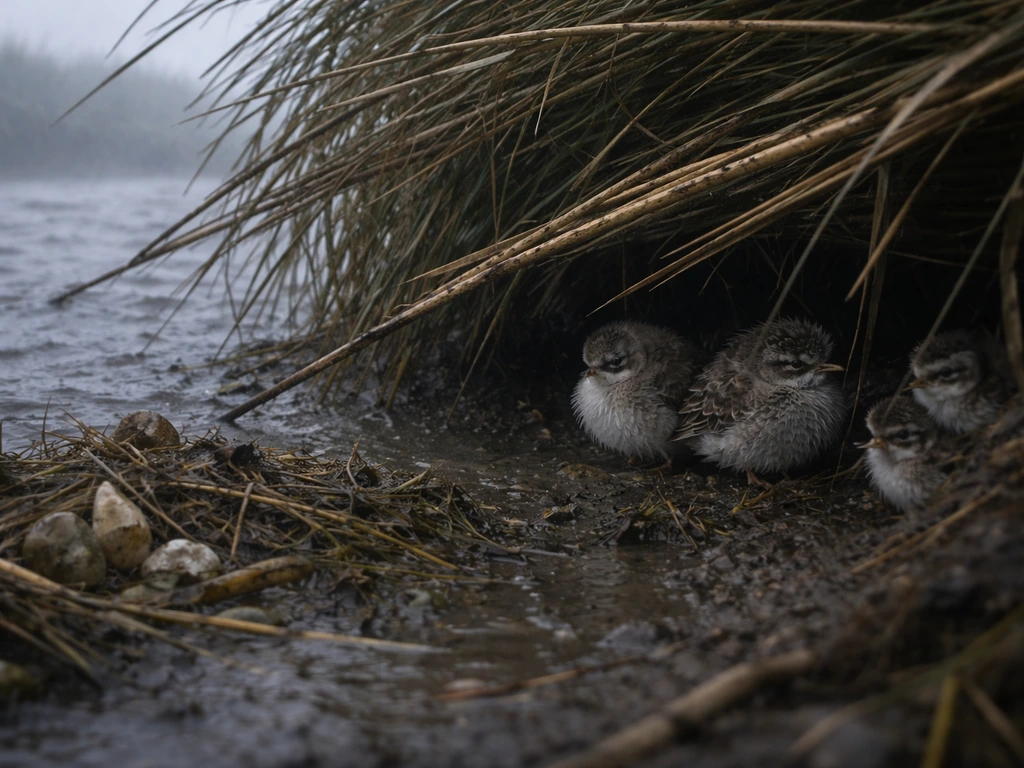
Climate change currently affects 37% of threatened bird species according to BirdLife's assessments, and that figure is almost certainly conservative because the full effects of current warming haven't yet played out. BirdLife also summarizes that climate change is already having substantial impacts, reported as affecting 34% of threatened species, in its 2022 flagship reporting. The mechanisms are varied. Shifting temperature zones push the ranges of insects, plants, and other food sources out of sync with the timing of bird breeding. Migratory species that evolved to arrive on breeding grounds when caterpillar peaks are at maximum now sometimes arrive too late, because warming springs advance insect emergence faster than migration timing can adjust. This mismatch reduces chick survival rates even when the habitat itself looks fine.
Extreme weather events, intensified by climate change, deliver acute blows to small populations. A single severe cyclone can flatten the last remaining forest patch used by an island endemic. Prolonged drought can collapse the invertebrate communities that shorebirds depend on. A catastrophic wildfire season, like Australia's 2019 to 2020 Black Summer, can kill hundreds of millions of birds outright and destroy breeding habitat across millions of hectares in weeks. For a species already reduced to a few hundred individuals, any one of these events can be the final blow.
Sea level rise is a slower but equally serious threat for coastal and island-breeding birds. Low-lying nesting beaches used by terns, shearwaters, and other seabirds are disappearing. Salt marsh loss reduces habitat for rails and sparrows. Coral bleaching, driven by warming seas, collapses the fish communities that seabirds track for food. These changes are already documented and measurable, not theoretical.
Species traits and ecological vulnerability
Some birds are structurally more vulnerable to extinction than others, regardless of what threat they face. Understanding these traits helps explain why certain species collapse while apparently similar birds in the same habitat manage to persist.
- Small geographic range: A species confined to a single island, mountain range, or watershed has nowhere to go when its habitat is altered. Any local catastrophe becomes a species-wide catastrophe.
- Flightlessness: Birds that cannot fly cannot escape predators, colonize new habitat, or disperse to safety. Flightless species have dominated extinction lists since the first humans reached new continents and islands.
- Low reproductive rate: Birds that raise only one chick per year, or breed every other year, cannot replace losses quickly. Albatrosses and large parrots are prime examples. Their populations look stable until they suddenly aren't.
- Specialized diet or habitat: A bird that eats only one type of fruit, or nests only in old-growth cavities of a specific tree species, is catastrophically exposed when that food source or tree disappears.
- Small population size: Below certain thresholds, inbreeding reduces genetic diversity and disease resistance. Small populations also face demographic stochasticity: random variation in births and deaths that can extinguish a population through bad luck alone.
- Tameness and naivety: Island birds that evolved without mammalian predators often show no fear of humans or introduced animals. The dodo is the textbook case, but this trait was shared by hundreds of species now gone.
- Migratory dependency: Long-distance migrants depend on a chain of habitats across multiple countries. Degradation at any single stopover or wintering site can bottleneck survival across the entire population.
Flightlessness deserves special emphasis because it threads through so much of extinction history. Flightless birds, from moas to dodos to the many extinct rails of the Pacific, were disproportionately wiped out in early waves of human expansion. Many flightless bird species, including the extinct flightless bird that is extinct, were driven to extinction by introduced predators and habitat loss Flightless birds. Their inability to flee ground predators, combined with slow reproduction and often restricted ranges, made them acutely vulnerable. Many flightless birds that survive today, including the kiwi and cassowary, are endangered precisely for the same cluster of reasons their extinct relatives disappeared.
Cause-by-example: lessons from famous extinct and threatened birds
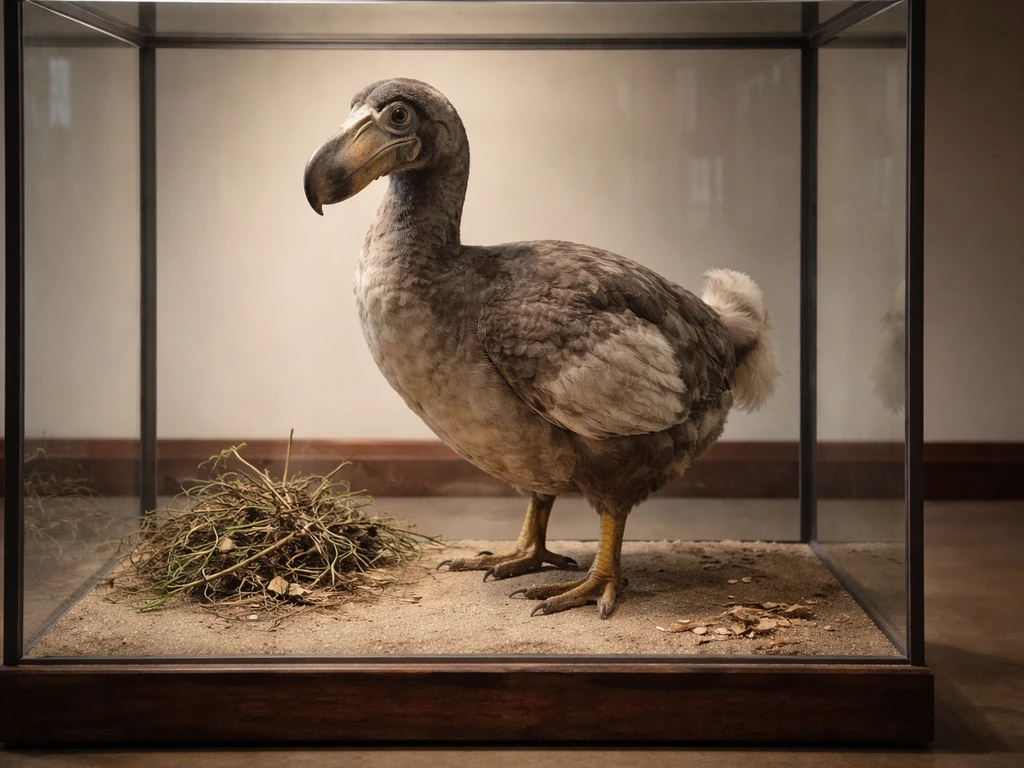
Looking at specific extinctions is the fastest way to see how these causes operate in practice. Each case is a natural experiment in what happens when particular pressures hit a particular type of bird.
| Species | Primary cause(s) | Contributing factors | Key lesson |
|---|---|---|---|
| Dodo (Raphus cucullatus) | Introduced predators (rats, pigs, cats) | Hunting by sailors; flightlessness; island naivety | Flightless, fearless island birds have near-zero resilience to mammalian predators |
| Moa (multiple species, New Zealand) | Overhunting by Polynesian settlers | Flightlessness; low reproductive rate; no predator experience | Even massive species can be hunted to extinction within centuries |
| Passenger Pigeon (Ectopistes migratorius) | Commercial market hunting | Habitat loss; colonial nesting made mass killing easy | Abundance is not protection; population collapse can be faster than anyone anticipates |
| Great Auk (Pinguinus impennis) | Hunting for feathers, oil, and food | Flightlessness; small global population concentrated at few sites | Concentrated populations at predictable sites are easy to exploit to extinction |
| Hawaiian Honeycreepers (multiple species) | Avian malaria via introduced mosquitoes | Habitat loss; introduced rats and mongoose; no immune history | Disease plus invasive species can outpace any habitat protection effort |
| Kakapo (Strigops habroptila) | Introduced predators (cats, stoats, rats) | Flightlessness; extremely slow reproduction; small range | Currently 250 individuals, surviving only under intensive managed care |
| Spix's Macaw (Cyanopsitta spixii) | Habitat loss; trapping for the pet trade | Extremely small range; low population density | Extinct in the wild by 2000; small captive population now subject to reintroduction attempt |
One pattern stands out across these cases: single-cause extinction is the exception, not the rule. The dodo faced hunting and introduced predators simultaneously. Hawaiian honeycreepers faced disease, predators, and habitat loss together. The Spix's macaw was trapped into tiny numbers and then lost its habitat entirely. When multiple pressures align, the window for intervention closes fast. This is why recognizing the cause combination early matters so much.
For threatened species today, the same logic applies. A species already reduced by deforestation is far more exposed to a disease outbreak or an introduced predator than a species with a healthy, widespread population. The compounding effect is what makes current global bird declines so alarming, and why conservation scientists now talk about the biodiversity crisis in terms of extinction debt: species already committed to extinction by past damage, even if they haven't disappeared yet.
How to identify likely causes today and what to do next
If you're trying to understand why a specific bird is declining or extinct, the process starts with the evidence. If you're wondering what bird is almost extinct right now, the IUCN Red List and BirdLife DataZone are the best places to start. Here's how researchers actually diagnose causes, and how you can follow the same logic.
Step 1: Check the IUCN Red List and BirdLife DataZone threat assessments

Every species assessed under the IUCN Red List has a set of standardized threat codes attached to it. These are assigned by ornithologists and conservation scientists based on field data, population trend analysis, and habitat surveys. For any bird you're researching, the Red List entry will tell you which threats are rated as ongoing, which are historical, and how severe each is judged to be. BirdLife DataZone aggregates these across thousands of species and lets you see which threats are most prevalent globally. Start here before looking anywhere else.
Step 2: Look at the species' range and habitat trend
Range maps that show change over time are enormously informative. If a species' range has contracted from the lowlands upward, climate warming or lowland deforestation is probably involved. If it's contracted from the coasts inward, sea level rise or coastal development is a factor. If the range has fragmented into isolated patches, habitat loss and the resulting inability to move between patches is the core problem. You can access historical versus current range data through BirdLife, eBird trend maps, and regional bird atlas projects.
Step 3: Assess biological vulnerability traits
Ask: Is this species flightless or a poor disperser? Does it have a restricted range, a specialized diet, or a very slow reproductive rate? Does it breed on the ground or in predictable, accessible nesting sites? The more of these traits a species has, the more sensitive it is to any given pressure, and the faster intervention needs to happen. A large-ranging, fast-reproducing species can sometimes absorb habitat loss or moderate hunting pressure that would eliminate a slow-breeding island endemic within a generation.
Conservation actions matched to causes
Once you've identified the likely cause or combination of causes, the conservation response follows directly. There's no universal fix, but the evidence base for what works is solid.
| Cause | Evidence-based response | Real-world example |
|---|---|---|
| Habitat loss / deforestation | Protect and restore forest; establish wildlife corridors; reform agricultural subsidies | Tropical forest reserves for hornbills and toucans; Atlantic Forest restoration programs |
| Hunting and trapping | Strengthen and enforce wildlife laws; reduce market demand; community-based stewardship | Passenger pigeon laws came too late; Spix's macaw trade bans helped stabilize captive stock |
| Introduced predators | Predator eradication programs on islands; mainland predator-free fenced sanctuaries | New Zealand's island eradications; South Georgia rat removal benefiting albatrosses and petrels |
| Invasive disease | Vaccine development; mosquito control; managed captive populations as insurance | Kakapo intensive management; ongoing Hawaiian honeycreeper mosquito-control trials |
| Climate change | Carbon emissions reduction; protect climate refugia at higher elevations; reduce other stressors to build resilience | Protecting Hawaiian montane forests as malaria-free refugia for honeycreepers |
| Small population / low genetic diversity | Captive breeding and reintroduction; genetic rescue through managed breeding | Kakapo genetic management program; California condor reintroduction |
The most important practical point: reducing non-climate stressors like habitat loss and introduced predators buys time and resilience against climate change. A bird population that's already stressed by deforestation has far less capacity to absorb the additional pressure of warming temperatures or a disease outbreak. Conservation that addresses multiple causes simultaneously, rather than tackling each in isolation, consistently produces better outcomes in the research literature.
If you want to take action beyond understanding: support or volunteer with island predator-eradication programs, which have some of the best return-on-investment of any conservation intervention. Advocate for land protection in biodiversity hotspots. Report illegal bird trapping. Reduce pesticide use in your own environment to protect insect prey base. And follow species-specific recovery plans, many of which are publicly available through national wildlife agencies and BirdLife partners. The causes of bird extinction are well-documented. This kind of reasoning is also what helps explain whether a specific species, like sparrow birds, is extinct is sparrow bird extinct. The solutions, where we choose to apply them, work. High concentrations of DDT can cause eggshell thinning and reproductive failure, leading to major declines in affected bird populations.
FAQ
How can I tell whether a decline is mainly habitat loss, hunting, or disease if the bird looks “habitat-rich” on paper?
Use evidence of impact timing. If adults are consistently present but chicks fail repeatedly, disturbance and predation pressure are often involved (including human-caused flushing). If sightings drop sharply after access improves, hunting and trapping are more likely. If there is sudden, localized die-off or rapid abandonment of otherwise usable habitat, disease and invasive-species interactions (for example mosquitoes enabling malaria) become more plausible. Cross-check with range change and breeding-success trends, not only habitat maps.
Why do extinction events often happen after the habitat was “gone” or the predator arrived, not immediately?
Many species persist for a while due to lag effects, reduced reproduction, and delayed demographic collapse. A population can remain present but become “extinction debt” later as breeding success drops, juveniles fail to recruit, or small local populations blink out. This is especially common when pressures compound, for example partial deforestation plus an introduced predator and ongoing hunting.
What does “ongoing” versus “historical” threat mean, and why does it change what conservation will work?
“Ongoing” typically indicates the threat is actively affecting the species now, while “historical” suggests it has stopped or reduced. A key difference is that removal of a historical driver can allow recovery if habitat and reproductive conditions are still functional. If threats are labeled ongoing, recovery usually requires both threat reduction and habitat or population rebuilding, not just stopping past pressures.
Can introduced predators be the main driver even if the invasive species is not commonly seen?
Yes. Many predators are secretive, nocturnal, or detectable only via indirect signs (tracks, scat, camera traps). Also, their impact can be strongest on nests and breeding stages, so you may not notice adults being taken. Ground-nesters, colonial breeders, and species with easily found nesting sites are often most affected even if the predator seems rare.
Why do climate-change effects sometimes look like “nothing is changing” until suddenly breeding fails?
Climate impacts can act through timing mismatches that are not obvious from habitat quality alone. If insect emergence advances but birds cannot shift migration or breeding timing, chick survival can drop even when food still exists but at the wrong time. This means you can see stable adults for a period, followed by a rapid decline when reproductive output collapses.
Are invasive plants the same as invasive animals in terms of extinction risk?
They can be, but the mechanism differs. Invasive plants often restructure fire regimes, alter water availability, or replace food and nesting substrates, making the habitat unsuitable rather than directly killing birds. The practical implication is that control strategies may need habitat-level interventions, not just removal of a single plant patch, because altered vegetation dynamics can persist for years.
What is a common mistake people make when trying to identify the “single cause” of extinction?
Assuming the last visible trigger is the root cause. For example, habitat loss may have reduced the population to a point where a later disease outbreak or a single severe storm becomes fatal. The article emphasizes multi-cause pressure, so a better approach is to identify threat combinations and how they interact across time and life stages (nesting, migration, juvenile survival).
If a species is “near extinction,” what should I look for to decide which intervention is most urgent?
Look for bottlenecks. Is the issue breeding failure (disturbance, predator access, disease), recruitment (food timing or invertebrate collapse), or survival during migration (range shifts and mismatches)? Urgency usually goes to interventions that increase successful reproduction quickly, for example predator control around nesting areas or removing immediate trapping pressure, while longer-term habitat changes are underway.
How does flightlessness or poor dispersal change what conservation can realistically achieve?
Species with limited dispersal or flightlessness often cannot recolonize restored habitat quickly, so local extinctions may become permanent. That means conservation frequently needs to protect existing populations and prevent breeding failures immediately, not rely on natural recolonization. It can also raise the payoff of targeted interventions like predator eradication on islands.
What are “climate refuges,” and why might they fail as warming continues?
Refuges are cooler or otherwise suitable microclimates that allow populations to persist, for example high-elevation forests that are too cold for mosquito breeding. As warming progresses, those temperature buffers shrink, enabling disease vectors to expand uphill. The conservation takeaway is to pair climate adaptation with non-climate stress reduction to keep populations resilient while refuges erode.
If I want to help beyond donating, which actions are most consistent with the evidence for causes of bird extinction?
Choose actions that directly reduce the main non-climate stressors and known compounding drivers. Practical examples include supporting island predator eradication, reporting illegal trapping, funding land protection in key habitat zones, and reducing pesticide use to protect insect prey bases. For individual participation, focus on activities that protect nests and reduce disturbance during breeding seasons, especially for ground-nesters.
Next Article
What Is an Effect of the Reduction in Bird Populations?
Bird declines disrupt food webs and biodiversity, raising extinction risk, harming ecosystems, pest control, and agricul