
Several bird species sit right at the edge of disappearing for good, but the ones most commonly described as 'almost extinct' right now are the kākāpō, the Guam rail, and the crested ibis (Nipponia nippon). All three are listed as Critically Endangered on the IUCN Red List, the highest risk category before Extinct in the Wild. If you're trying to pin down which specific bird someone is talking about, it almost always comes down to one of these three, depending on whether the conversation is about flightless birds, island species, or Asian wildlife. The crested ibis is the one most frequently described in peer-reviewed conservation science as having been 'almost extinct,' while the kākāpō tends to dominate mainstream media coverage.
What Bird Is Almost Extinct? How to Identify It and Help

Maya Hennessy
11 May 2026
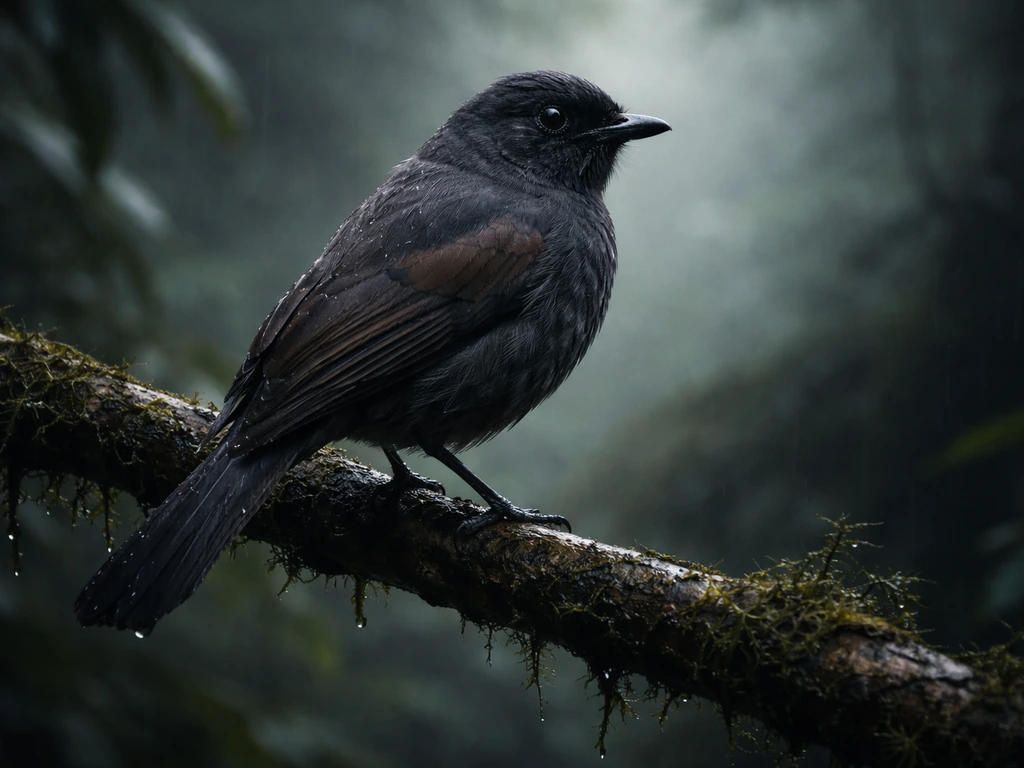
What people usually mean by 'almost extinct'
The phrase 'almost extinct' isn't a scientific term, but it maps pretty closely to the IUCN category of Critically Endangered (CR). Under the IUCN Red List criteria, a species qualifies as Critically Endangered when certain thresholds are met: for example, fewer than 250 mature individuals in the wild (Criterion C), or fewer than 50 mature individuals (Criterion D). A species can also qualify based on a very rapid population decline or an extremely restricted range. When conservation writers say a bird is 'almost extinct,' they typically mean the wild population has dropped to numbers so low that a single disease outbreak, a bad breeding season, or one new predator arrival could tip it into extinction. That's the fragile zone these birds are living in.
It's also worth separating 'almost extinct' from 'Extinct in the Wild,' which is its own IUCN category. A bird can be Extinct in the Wild but still survive in captive breeding programs, which is exactly what happened with the Guam rail. The Smithsonian's National Zoo describes that species as having been 'one step away from extinct,' and The Guardian reported it was literally 'previously extinct in the wild' before captive-bred birds were reintroduced. So 'almost extinct' can mean different things depending on whether you're counting wild individuals or total living individuals across both wild and captive populations.
The birds closest to extinction right now
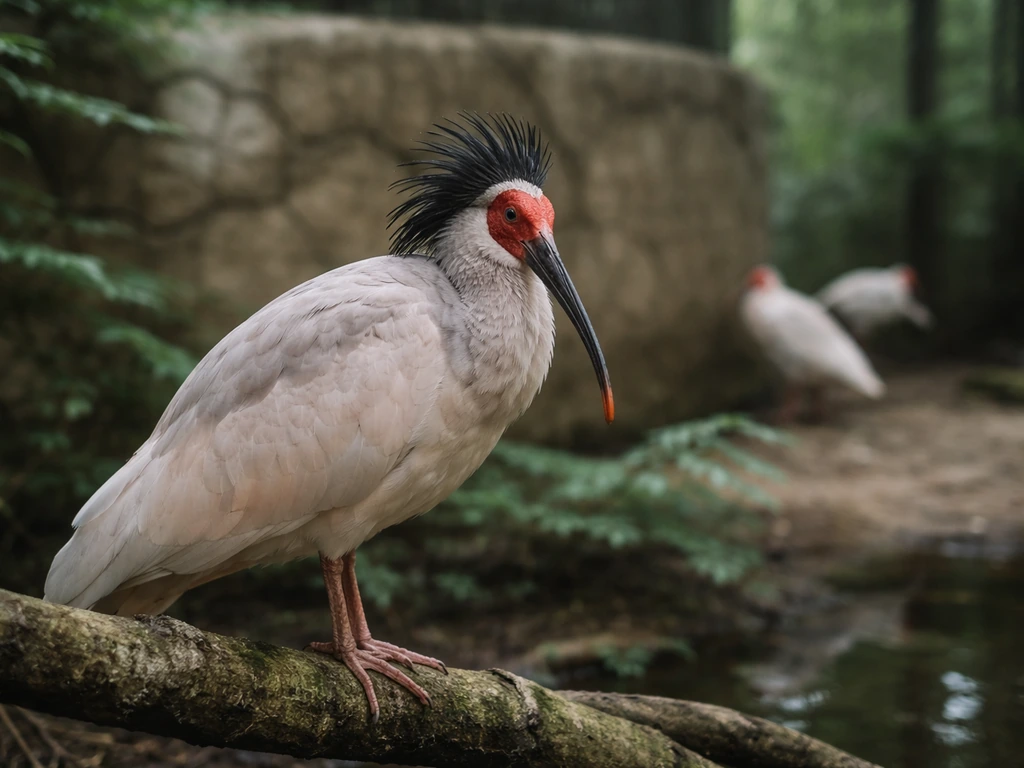
The crested ibis: a near-extinction story with a cautious comeback
The crested ibis (Nipponia nippon) is arguably the most dramatic 'almost extinct' story in ornithology. By the late 20th century, the species had been wiped out across most of its former range in Japan, China, Korea, and Russia. In 1981, only seven individuals were found alive in Shaanxi Province, China. That is about as close to gone as a species can get while still technically existing. Conservation genomics researchers have specifically described it as having been 'almost extinct,' and an IUCN World Conservation Congress resolution in 2000 was dedicated entirely to the species, calling for urgent international action. This IUCN World Conservation Congress (2000) resolution for Nipponia nippon called for urgent international action during the species' near-extinction period blank" rel="noopener noreferrer">IUCN World Conservation Congress resolution in 2000 calling for urgent international action. Since then, intensive captive breeding and reintroduction programs in China, Japan, and Korea have blank" rel="noopener noreferrer">rebuilt the wild population to approximately 4,400 individuals as of recent counts. That's real progress, but the species remains Critically Endangered, and its recovery is fragile.
The kākāpō: the world's most famous critically endangered bird
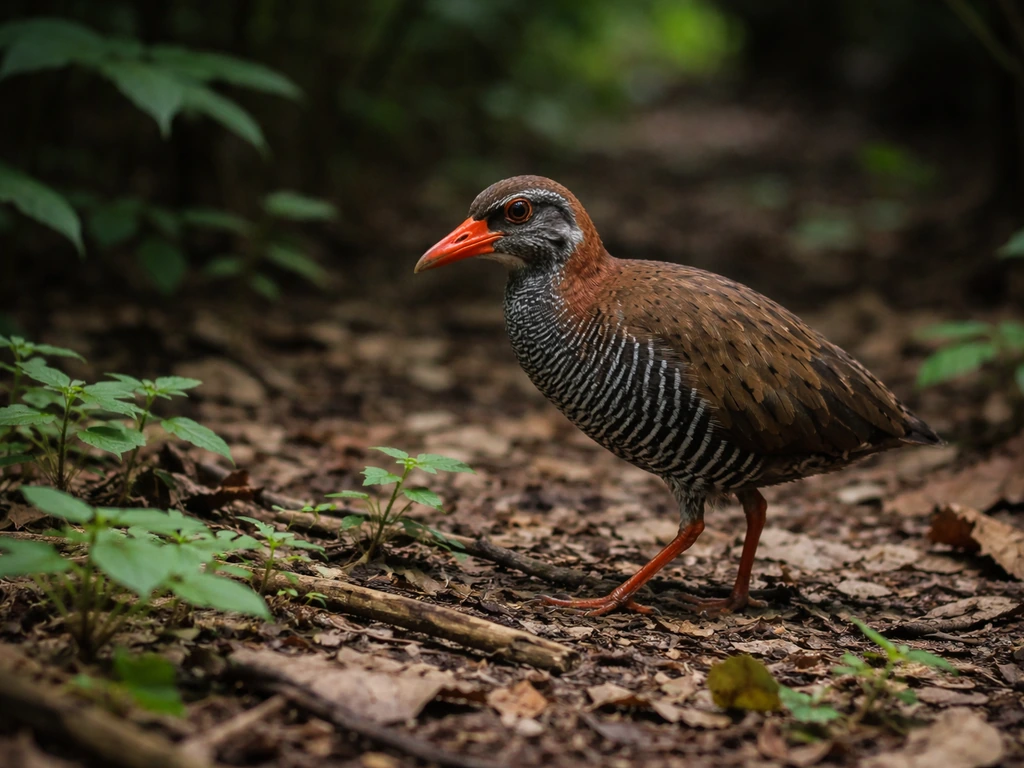
The kākāpō is a large, flightless, nocturnal parrot from New Zealand, and it might be the bird most people picture when they hear 'almost extinct.' As of 2026, fewer than 250 individuals exist, all of them on predator-free islands managed by the New Zealand Department of Conservation. The species nearly disappeared entirely due to hunting, land clearance, and introduced predators like stoats and rats. It's also a notoriously slow breeder, only reproducing when rimu trees fruit heavily, which happens irregularly. Every single living kākāpō has a name and is individually monitored, which tells you just how precarious the situation is.
The Guam rail: back from the brink, but not safe yet
The Guam rail (Hypotaenidia owstoni) is a flightless bird that was driven to extinction in the wild by the invasive brown tree snake, which arrived on Guam after World War II and systematically wiped out most of the island's native birds. By the 1980s, the only surviving rails were in captive breeding programs. Conservation work, including sustained captive breeding at the Smithsonian's National Zoo and snake eradication efforts, eventually allowed birds to be reintroduced to the island of Rota and to parts of Guam. The IUCN subsequently updated its status from Extinct in the Wild to Critically Endangered, which in this case counts as a genuine win. But the brown tree snake remains a persistent threat, and the species is still nowhere close to secure. In some cases, that lack of a return can signal that a mother bird has not successfully reestablished breeding after threats have disrupted the nesting area mother bird has not returned to nest.
| Species | Common name | IUCN status | Estimated wild population | Primary threat |
|---|---|---|---|---|
| Nipponia nippon | Crested ibis | Critically Endangered | ~4,400 (recovering) | Habitat loss, pesticides, hunting |
| Strigops habroptila | Kākāpō | Critically Endangered | Fewer than 250 | Invasive predators, slow breeding |
| Hypotaenidia owstoni | Guam rail | Critically Endangered | Very small (reintroduced population) | Invasive brown tree snake |
How to check the exact species using IUCN and other sources
The most reliable way to verify whether a bird is truly 'almost extinct' is to look it up directly on the IUCN Red List at iucnredlist.org. Every species entry includes its current Red List category, population size estimate, habitat and ecology details, known threats, and a summary of ongoing conservation actions. That's enough information to confirm both the species identity and the risk level in one place. It's also worth knowing that IUCN assessments are updated continuously as new data comes in, so the category for a species you read about last year may have changed.
For birds specifically, BirdLife International's DataZone (datazone.birdlife.org) runs parallel species factsheets that cross-reference the IUCN Red List assessment. If you're trying to confirm whether a particular species qualifies as 'almost extinct,' checking both sources takes about two minutes and removes any ambiguity. For Japanese species in particular, Japan's Ministry of the Environment also publishes a national Red Data Book that you can use as a third cross-check, which is especially useful for the crested ibis since its recovery status differs between China and Japan.
- Go to iucnredlist.org and search the species by common or scientific name.
- Check the Red List Category: Critically Endangered (CR) means almost extinct; Extinct in the Wild (EW) means no wild population remains.
- Look at the population size estimate and trend (increasing, decreasing, stable, unknown).
- Read the threats section to understand what's driving the decline.
- Cross-check on BirdLife DataZone for additional detail, especially population counts and breeding success data.
- For national context (e.g., a species declining in one country but stable elsewhere), check national red lists like Japan's Ministry of the Environment Red Data Book.
Why these birds are nearly gone
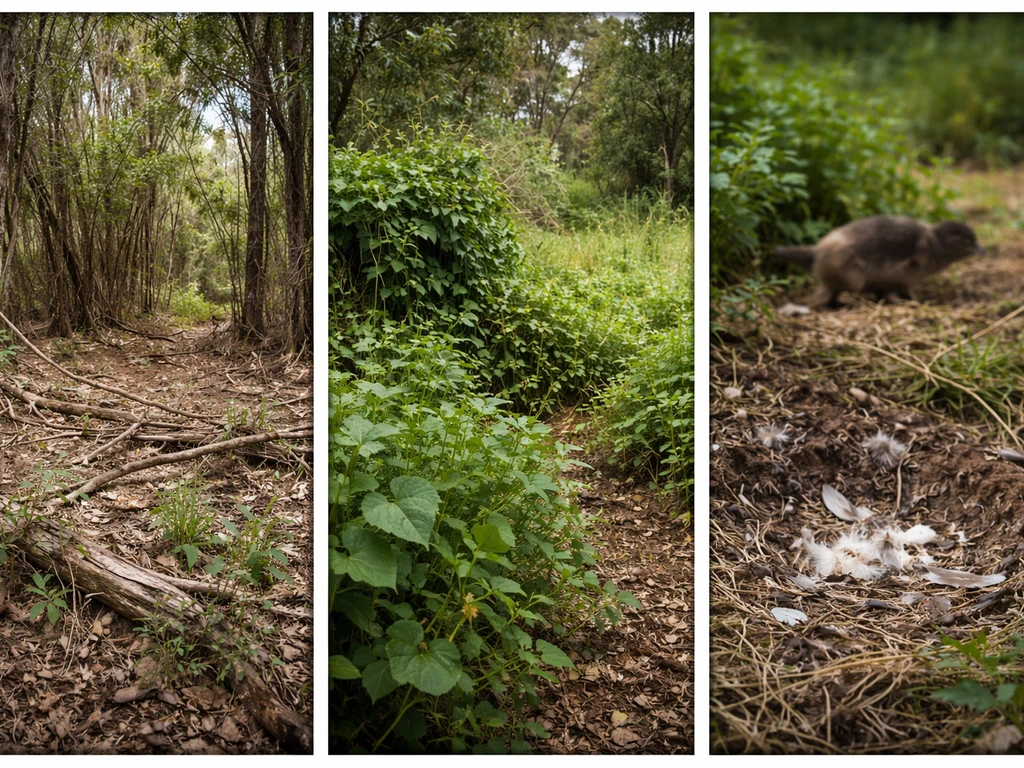
The threats driving these species to the edge follow a depressingly consistent pattern. Habitat loss is the biggest one across all three. Cacao farms can also reduce bird abundance by replacing natural habitat and altering the food and cover birds rely on. For the crested ibis, the conversion of traditional winter-flooded rice paddies to modern agriculture removed the shallow-water foraging habitat the species depends on. Research published in peer-reviewed journals specifically identifies the decline of traditional rice farming as a factor constraining the ibis's recovery even now, after population numbers have risen. Without the right foraging habitat, even a growing captive-bred population struggles to establish itself in the wild.
Invasive species are the other major driver, and they've been catastrophic for island birds in particular. The brown tree snake ended the Guam rail's wild existence almost entirely on its own. For the kākāpō, stoats, rats, and cats introduced to New Zealand by European settlers turned the bird's ground-nesting behavior from a reasonable survival strategy into a fatal vulnerability. Hunting also played a major historical role for the crested ibis, which was harvested across East Asia for its feathers and as food, and pesticide contamination reduced reproductive success during the mid-20th century even in surviving populations. These are the same extinction drivers that have wiped out other species completely, which is explored in more depth in the context of causes of bird extinction more broadly.
Small population effects make everything worse once numbers drop low enough. When a species is down to a few dozen or a few hundred individuals, inbreeding reduces genetic diversity, random events (a disease, a storm, a fire) can wipe out a meaningful percentage of the total population, and demographic imbalances like a skewed sex ratio can further slow recovery. Conservation genomics researchers studying the crested ibis have documented these 'genomic signatures of near-extinction' directly in the species' DNA, showing that the near-wipeout in the 20th century left a permanent genetic bottleneck the population is still working through.
What conservation programs are doing about it right now
Captive breeding has been the frontline tool for all three of these species, and it works, with caveats. The crested ibis was pulled back from seven individuals through coordinated captive breeding in China, with reintroduction programs now running across China, Japan, and South Korea. Researchers have used population viability analysis (PVA) to model whether reintroduced populations can eventually sustain themselves without ongoing human intervention. The answer so far is 'possibly, under the right conditions,' which means habitat restoration has to accompany the release of captive-bred birds or the effort stalls.
For the kākāpō, New Zealand's Department of Conservation runs one of the most intensive individual-level conservation programs in the world. Every bird is GPS-tracked, health-monitored, and supplementary-fed during breeding seasons. When rimu fruiting is poor, rangers intervene with food supplements to boost breeding attempts. Genetic management is also a priority, with breeding pairings deliberately chosen to maximize genetic diversity across the tiny population. It's enormously resource-intensive but it's working: the population has grown from around 50 birds in the 1990s to just under 250 today.
The Guam rail story shows what's possible when conservation governance is coordinated across institutions. The Smithsonian's National Zoo, along with other facilities, maintained the captive population through decades of intensive management. Snake eradication and snake-proof fencing on parts of Guam and on Rota created the conditions necessary for reintroduction. The IUCN's reclassification of the species from Extinct in the Wild to Critically Endangered is the formal recognition that those efforts produced real results. The work continues because the snake threat hasn't been eliminated, but the trajectory has genuinely reversed.
How you can actually help today
Conservation for these species is funded largely through government programs, NGOs, and private donations, which means what you do with your money and your time has a measurable effect. Here's where to focus:
- Donate to BirdLife International, which coordinates conservation programs globally including for Critically Endangered species like these. Even small recurring donations fund field work directly.
- Support the Kākāpō Recovery Programme through New Zealand's Department of Conservation, which accepts direct donations and has a transparent fund allocation process.
- Contribute to the Wildlife Conservation Society or the Smithsonian's National Zoo conservation fund, both of which have been directly involved in Guam rail recovery.
- Participate in citizen science through eBird (run by the Cornell Lab of Ornithology), which collects bird sighting data used in real conservation assessments. Your local bird counts contribute to the global dataset.
- Advocate for pesticide reduction and sustainable agriculture in your own country, since habitat degradation from farming practices is a documented driver of crested ibis decline and affects many other species too.
- Make responsible travel choices: avoid wildlife markets and products made from wild birds or their feathers, and choose eco-tourism operators that contribute to local conservation.
- Contact your elected representatives about funding for international conservation programs, particularly those that protect critical bird habitat in East Asia and the Pacific.
If volunteering is your route, look into programs with local Audubon Society chapters, which often run habitat restoration projects that benefit multiple threatened species at once. Invasive species removal, native planting, and nest monitoring are all things that non-specialists can do with minimal training, and they contribute directly to the conditions that allow critically endangered birds to recover.
Where to go from here
The short version: the birds most commonly described as 'almost extinct' right now are the crested ibis, the kākāpō, and the Guam rail, all three of which are Critically Endangered under the IUCN Red List system. The crested ibis came closest to total extinction (seven wild birds in 1981) and has seen the most dramatic numerical recovery. The kākāpō is the most famous and the most individually managed. The Guam rail is the most striking example of a species literally brought back from Extinct in the Wild status. To verify any specific species you're curious about, use the IUCN Red List and BirdLife DataZone as your primary sources, and look for the Critically Endangered or Extinct in the Wild classification. This includes species like the sparrow, which people sometimes ask about when discussing bird extinction.
If you want to go deeper on related questions, the history of how DDT affected bird populations broadly connects to the pesticide pressures that hit the crested ibis. The larger story of what causes bird extinction covers the same habitat loss and invasive species patterns driving these near-extinctions today. It helps to understand the causes of bird extinction because the same pressures drive many species from “almost extinct” to complete loss. And if flightless birds in particular interest you, both the kākāpō and the Guam rail fit into a wider pattern of flightless species being disproportionately vulnerable to introduced predators, a pattern that has already resulted in complete extinction for several species. The line between 'almost extinct' and 'fully extinct' is thinner than most people realize, and understanding where it sits helps make the conservation work feel urgent in the right way.
FAQ
If someone says a bird is “almost extinct,” does that always mean it is Critically Endangered?
Not necessarily. “Almost extinct” is commonly used in conversation, and the article notes it usually corresponds to the IUCN category “Critically Endangered.” To confirm what applies to a particular bird, check whether the species is labeled Critically Endangered or Extinct in the Wild, since those two labels reflect different situations (wild population only versus wild plus captive populations).
Can a species still be “almost extinct” even if zoos have many birds?
Yes. A species can be Critically Endangered even if there are hundreds of total individuals in captivity, because the IUCN threat category is based on criteria tied to wild population status and specific thresholds. That means a bird can look “numerically stable” in zoos while still being at high risk without secure wild habitat and breeding conditions.
Why shouldn’t I rely on the lowest population number I find online to decide if a bird is “almost extinct”?
A common mix-up is treating any bird with a low number as “almost extinct” without checking the exact IUCN category. The article explains the phrase maps most closely to Critically Endangered, which has explicit threshold criteria like very low mature individuals in the wild and/or severe decline or restricted range. Always verify the category rather than relying on how scary the estimate sounds.
How can I make sure the “almost extinct” bird someone mentions is the right one (not just a similar-sounding species)?
Use an identity check first: the Guam rail (Hypotaenidia owstoni), kākāpō (a parrot, Strigops habroptilus), and crested ibis (Nipponia nippon) are the main ones the article ties to the “almost extinct” wording. If the bird’s description does not match flightlessness, geography (New Zealand, Guam/Rota, or East Asia), or the common taxonomy names above, it is likely a different species being discussed.
If I saw an older article calling a bird “almost extinct,” how do I know the conservation status has not changed?
It is possible, especially for species whose captive populations are recovering. The article highlights that IUCN reassessments can change over time, so a story from a few years ago may not reflect the current risk level. If you are reading an older news post, confirm the current category and population estimates on the IUCN Red List entry.
What signals that “recovery” is real in the wild versus just captive success?
For “recovery” stories, look for whether the species is increasing in the wild after releases, not just in breeding facilities. The article notes that the crested ibis may still require specific habitat conditions and that reintroduced populations can depend on ongoing habitat restoration. If wild breeding is not established or threats persist, risk can remain high even when numbers rise.
What are the most likely “tipping point” events that could still push a Critically Endangered bird toward extinction?
Birds can drop sharply due to single catastrophic events, which the article calls out as a key reason low-population species are so fragile. When reading about a species near extinction, check whether major threats are still active, like invasive predator presence for island birds (kākāpō, Guam rail) or habitat changes affecting foraging areas (crested ibis).
Are there different conservation bottlenecks for flightless island birds versus non-island species when they are “almost extinct”?
Yes, and it matters because the biology and threats are different. The article gives clear examples: the kākāpō relies on irregular rimu fruiting and has individualized monitoring, the Guam rail is dominated by the brown tree snake threat and reintroduction logistics, and the crested ibis depends on shallow-water foraging habitat shaped by traditional rice paddies. If you are comparing birds, compare their drivers, not just their risk category.
What kinds of conservation actions are most likely to make a measurable difference for “almost extinct” birds?
If you want to help directly, the article’s volunteering guidance emphasizes habitat restoration and invasive species removal that benefits multiple threatened species, often through local Audubon Society chapters. For “almost extinct” birds specifically, that typically means supporting work that reduces habitat loss and controls invasive predators, rather than focusing only on captive-breeding charities.
Next Articles
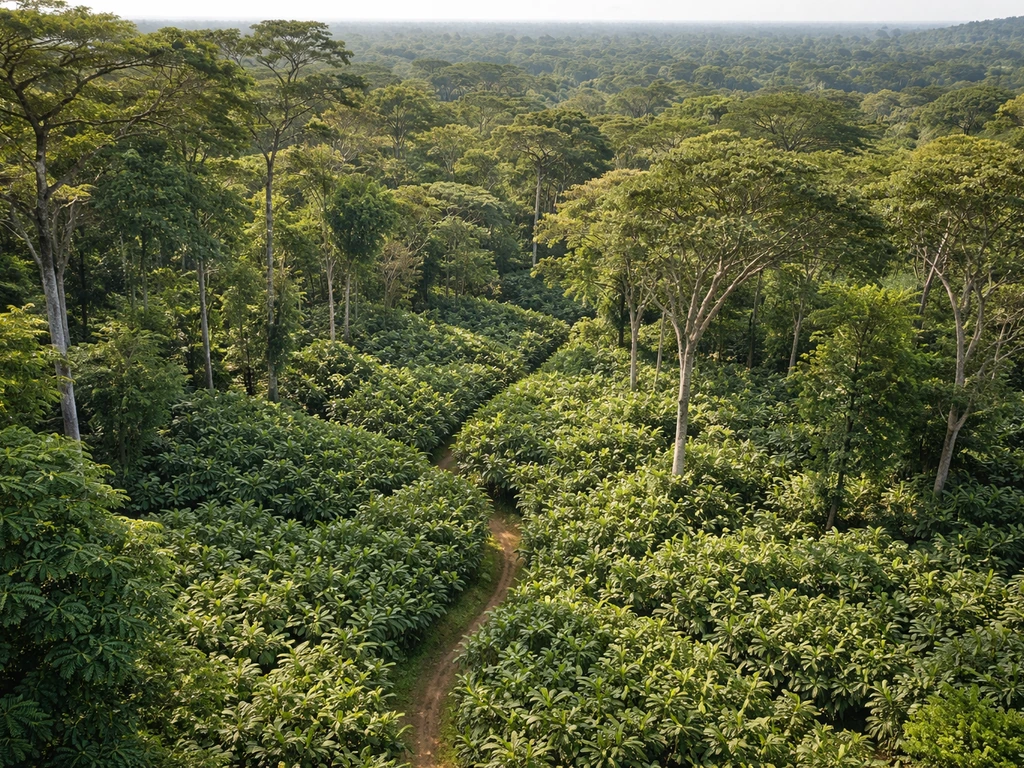
Effect of Cacao Farms on Bird Abundance: What to Expect
How cacao farms affect bird abundance, from shade agroforestry that supports birds to sun monocultures that reduce them.
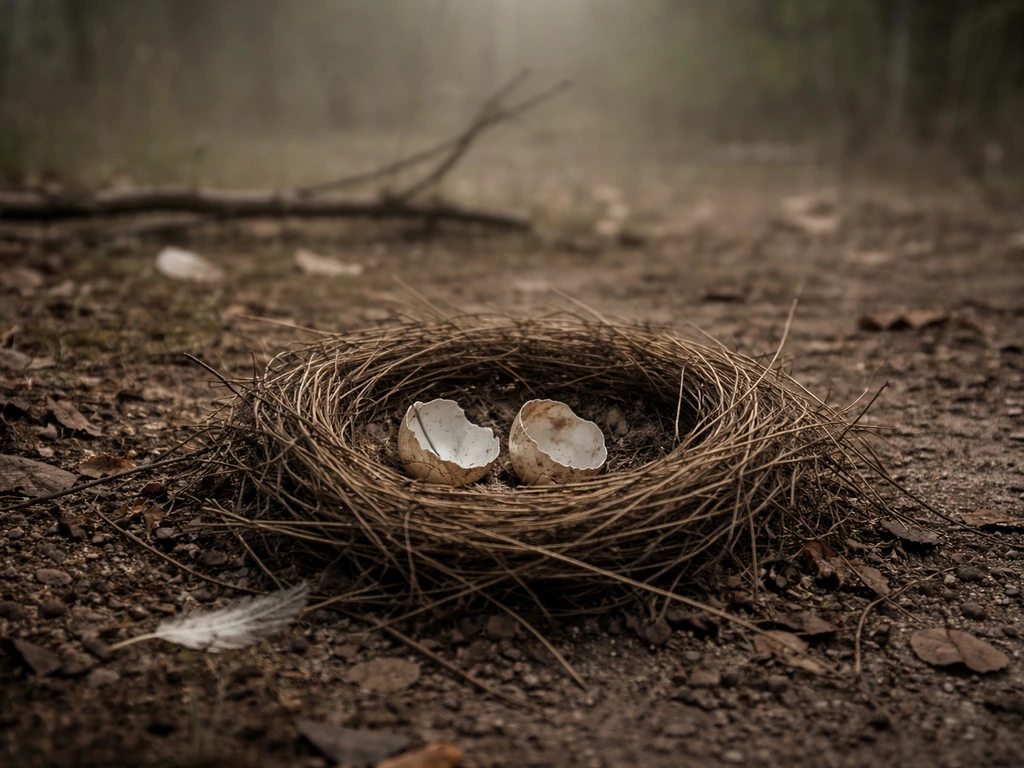
How High Concentrations of DDT Affected Bird Populations
DDT harms birds by thinning eggshells and reducing hatchlings, causing breeding failures, declines, and possible recover
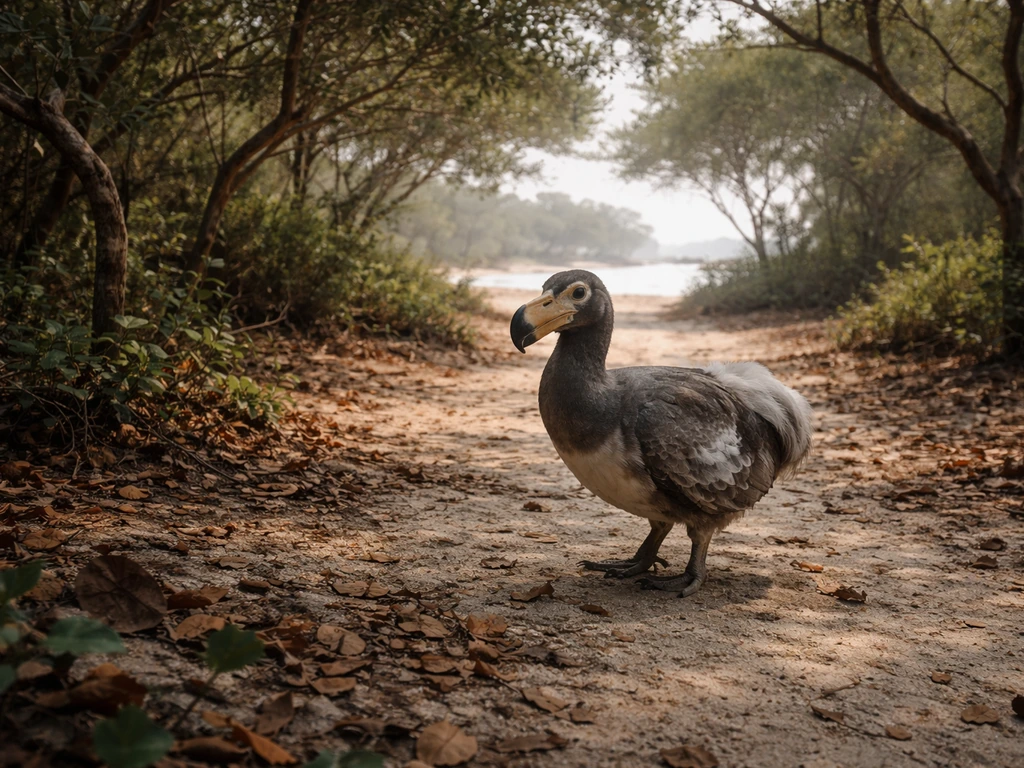
Is the Dodo Bird Still Alive? What Evidence Shows Today
Learn if any dodos could exist today, why scientists say they are extinct, and how to judge sightings reliably.