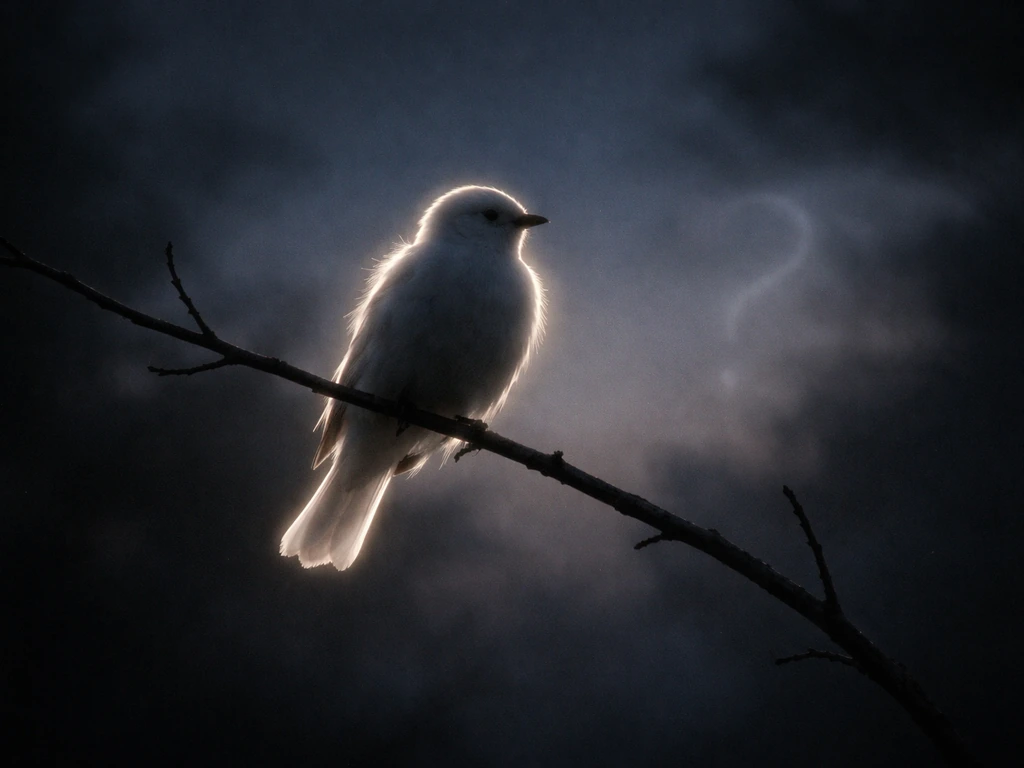
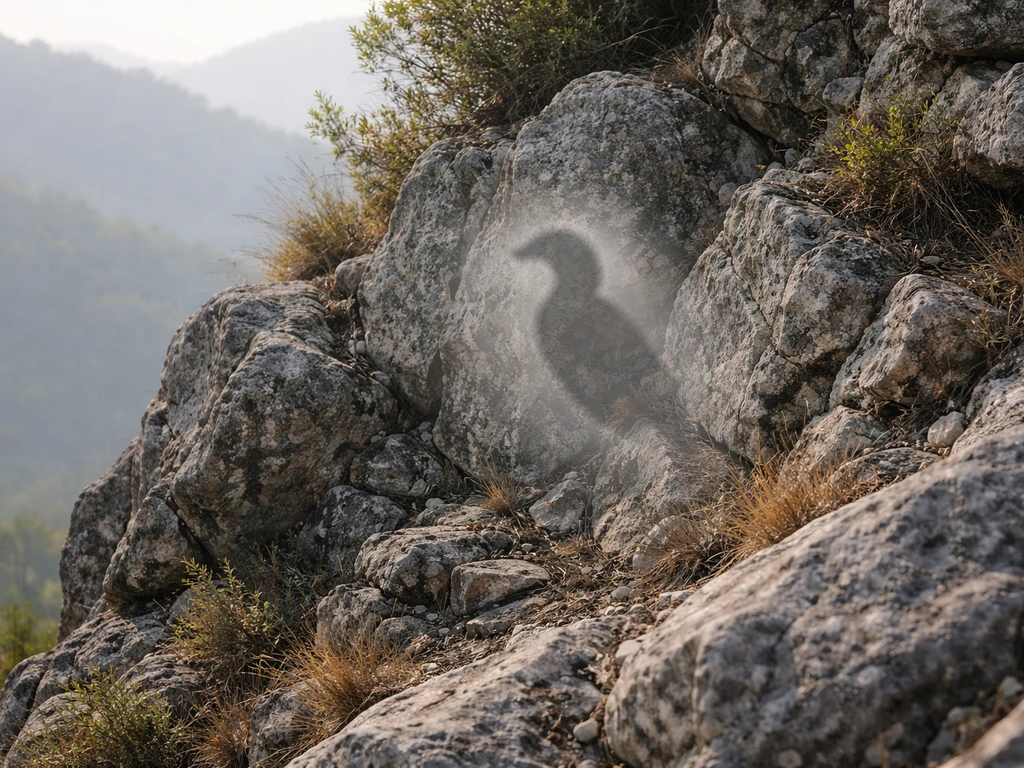
There is no widely recognized real bird species officially called the 'opium bird.' The term is most commonly associated with an AI-generated creature that went viral on TikTok as part of 'meme from the future' lore, sometimes also called the 'Erosion Bird.' If you searched for where the opium bird lives expecting a real habitat and range, you're most likely chasing a fictional image, not a living or even a historical species. That said, it's entirely possible the name is a mishearing, a regional nickname, or a garbled version of a real bird's name, and sorting that out is the first and most important step.
Where Opium Bird Lives: Identify the Species and Habitat

Maya Hennessy
18 May 2026
Which 'opium bird' are we actually talking about?

Common names for birds are notoriously messy. Have you seen this bird passenger pigeon mentioned in the same kind of online bird-name confusion, and do you want help verifying whether it refers to a real historical species or something else? The same bird can have a dozen nicknames across different countries, languages, and dialects, and one nickname can point to completely different species depending on where you are. 'Opium bird' doesn't appear in major ornithological databases like the IOC World Bird List, eBird, or the IUCN Red List as a recognized common name for any accepted species. That immediately tells us something important: either this is a very localized nickname that hasn't made it into formal records, it's a corruption of another name, or it genuinely refers to the AI meme creature.
The viral 'Opium Bird' (also circulated as 'Erosion Bird') is an AI-generated, bird-like creature depicted standing on a snowy mountain. It spread across TikTok as a joke about cryptic creatures from the future, with no basis in biology or natural history. So if you saw an image online and wondered where this bird lives, the honest answer is that it doesn't live anywhere because it was never real.
But if you heard the name spoken aloud, read it in a regional context, or came across it in a non-English-language source, there's a real chance it's a phonetic near-miss for a genuine species. Before going further, it's worth asking yourself a few clarifying questions.
- What country or region were you in (or reading about) when you encountered the term?
- What did the bird look like? Size, color, beak shape, and behavior are all helpful.
- Was the name spoken aloud or written down? If spoken, what language was the speaker using?
- Is there an alternate spelling you've seen, like 'opim bird,' 'opium,' or something similar in another script?
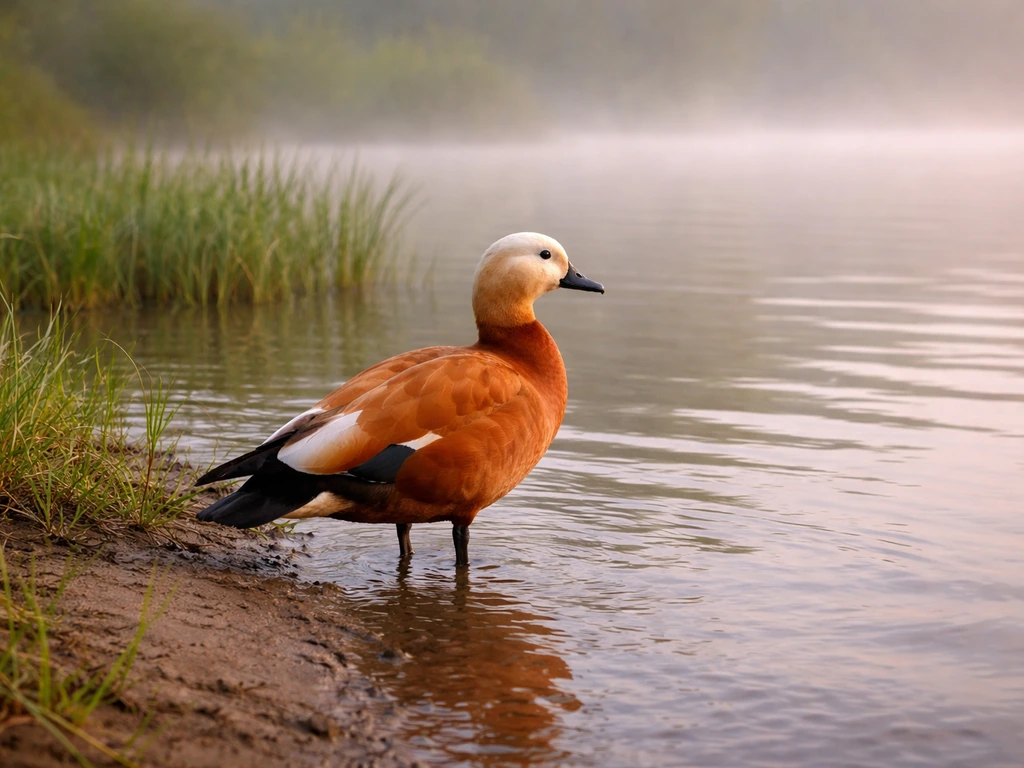
Those details change everything. For example, the Surkhab bird, a real species found in parts of South Asia and Central Asia, circulates under regional names that sometimes sound unfamiliar in transliteration. The Surkhab bird is found across parts of South Asia and Central Asia, so your best starting point is those regions. For the Surkhab bird in India, it is generally reported from parts of the Himalayas and other suitable high-altitude regions. A mishearing in certain dialects could produce something that sounds like 'opium' to an English ear. This kind of name confusion is exactly the problem the sibling topic about the Surkhab bird addresses, and it's worth exploring if your search has a South Asian or Central Asian angle.
Native range and habitat: what we can say if a real species is involved
Because 'opium bird' doesn't map to a confirmed species, there's no single range map or habitat summary that applies universally. However, if the name turns out to be a local nickname for a real bird, here's how range and habitat would typically be described, and what to look for when you're trying to confirm where a bird actually lives.
Real bird species have documented native ranges defined by climate zone, elevation, vegetation type, and food availability. A bird tied to mountainous, snowy imagery (like the AI 'opium bird' picture) would typically be described as montane or alpine, living above treeline at elevations often above 3,000 meters. Birds in that niche are found across ranges like the Himalayas, the Andes, the Tibetan Plateau, or parts of Central Asia. That's the kind of geographic anchor you'd expect from a real species.
Geographic distribution at a practical level

If the 'opium bird' query has roots in South or Central Asia, the most likely candidate regions for a real misnamed species would include Afghanistan, Pakistan, Nepal, northern India, Bhutan, or the Tibetan Autonomous Region of China. These areas share overlapping bird fauna and have rich local naming traditions that don't always translate neatly into English. Birds like the Himalayan Snowcock, the Snow Partridge, or various species of snowfinch inhabit snowy, high-altitude terrain matching the imagery associated with the AI creature.
If the name has roots in Southeast Asia or a different part of the world, the geographic candidates shift entirely. That's why knowing your source country is the single most useful piece of information when trying to track down a bird known only by an unusual common name.
| Region | Possible real bird candidates | Typical habitat |
|---|---|---|
| Himalayas / Tibetan Plateau | Himalayan Snowcock, Snow Partridge, Snowfinches | Alpine meadows and rocky snowfields above 3,000m |
| Central Asia (Afghanistan, Pakistan) | Chukar Partridge, Lammergeier, Snowfinches | Mountainous terrain, cliffs, open highland |
| South Asia (India, Nepal, Bhutan) | Surkhab (Brahminy Duck), Ibisbill, various snowfinch species | River valleys, highland lakes, alpine zones |
| Southeast Asia | Various hornbills, broadbills, pittas | Tropical forest, lowland and montane jungle |
Historical vs. current status: extinct, endangered, or simply unknown?
One of the first things this site's audience tends to ask is whether a bird with an unusual name is extinct, endangered, or simply obscure. For 'opium bird,' the answer depends entirely on which real species the name corresponds to, if any. Since the name doesn't appear in any formal extinction or conservation records, it isn't classified as extinct or endangered in itself. The AI-generated creature obviously has no conservation status.
If research eventually ties this name to a real species, that species' IUCN Red List status would tell you whether it's thriving, in decline, or gone. Many high-altitude Himalayan birds face growing pressure from climate change, which is shrinking their cold-weather habitat upward, essentially trapping them at the tops of mountains with nowhere left to go. That's a pattern worth understanding regardless of which specific bird you're tracking down.
The question of whether unusual-sounding birds are even real is one this site revisits often. Similar questions come up around names like the 'Kodiak bird' and the 'Shima Enaga bird,' where the challenge is first determining whether the name refers to a documented species before asking anything about its range or status. If you’re also wondering whether the Shima Enaga bird is real, the same verification steps can help you confirm whether the name matches a documented species. To learn whether the Kodiak bird is real, you can use the same approach: verify the name against reliable bird databases and confirm it with range and habitat details. The same logic applies here.
Ecology: what habitat features matter most
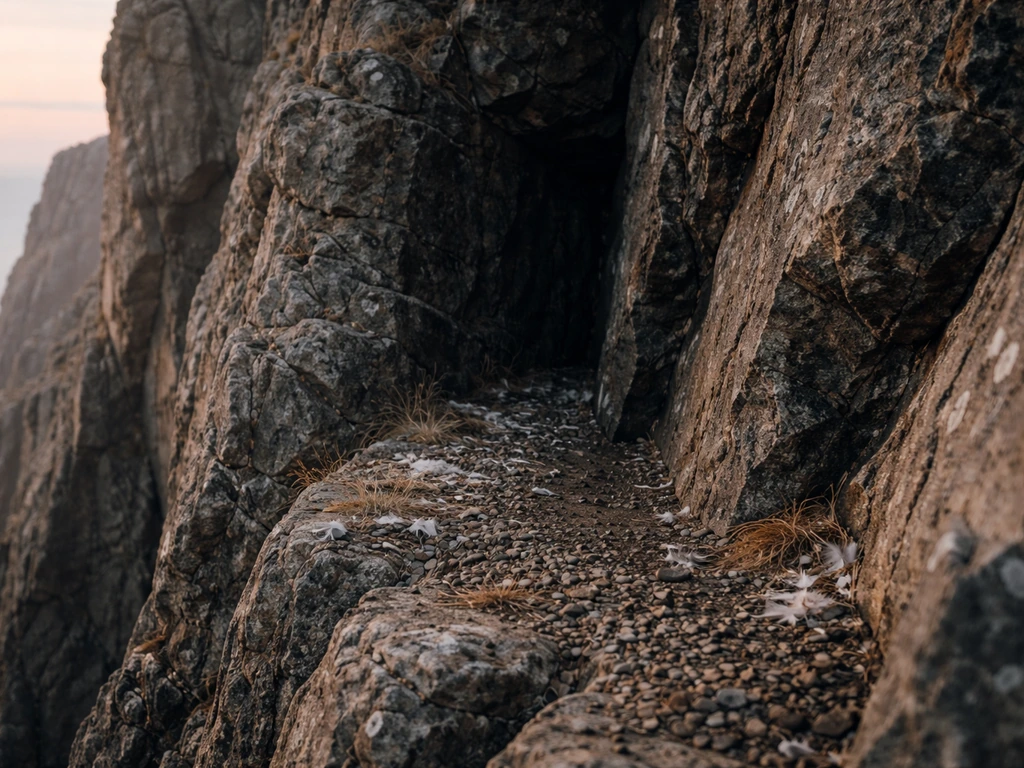
For real high-altitude birds that the 'opium bird' image superficially resembles, ecology follows a predictable pattern. Nesting typically happens in rocky crevices, cliff faces, or shallow scrapes in alpine grassland, well above the snowline during summer months. Feeding focuses on seeds, insects, and small invertebrates exposed by melting snow. These birds are highly seasonal: they may descend to lower elevations in winter when conditions become extreme, then push back up as temperatures rise in spring.
This kind of ecology means their 'range' on a map can look deceptively large while their actual usable habitat is narrow and fragile. A species that nests between 4,000 and 5,500 meters elevation might be found across five countries on paper, but practically lives in a sliver of alpine habitat that's shrinking every decade.
How to verify sightings and track down the real name
If you genuinely believe you've seen or heard of a real bird being called the 'opium bird,' here's a reliable step-by-step approach to confirming what it actually is. If you want to double-check whether any “opium bird” sightings are really referring to a known species, use the verification steps described in the article.
- Search eBird (ebird.org) using the region and date of your sighting. eBird holds millions of verified observations and supports searches by location, which can quickly surface species with unusual local names.
- Check the IUCN Red List (iucnredlist.org) for bird species native to the country or region in question. You can filter by country and browse common names, which sometimes includes regional variants.
- Use the IOC World Bird List, which is one of the most comprehensive taxonomic references available, and search for phonetically similar names that might have been corrupted into 'opium.'
- Post the description or image to iNaturalist, where the community identification feature and AI-assisted suggestions can point you toward the correct species quickly.
- If you have a photograph, Merlin Bird ID (from the Cornell Lab of Ornithology) can identify species from photos and is particularly strong for Asian bird species.
- Contact a regional birding society in the country where the name originated. Local experts often know hyper-regional nicknames that don't appear in any global database.
These tools won't just tell you the species name. They'll give you the range map, habitat description, conservation status, and observation history all in one place. That's everything you need to answer 'where does it live' with confidence.
Why 'opium bird' is almost certainly a misunderstanding
It's worth being direct here: the most likely explanation for your search is that 'opium bird' originated from the viral AI meme, not from any ornithological tradition. The image circulated widely enough that many people genuinely wondered if it depicted a real species, which is a completely reasonable reaction given how realistic AI-generated imagery has become. But no peer-reviewed paper, museum specimen catalog, or field guide uses this name for any bird, living or extinct.
The second most likely explanation is a phonetic mishearing or informal translation of a real bird's regional name. Common names like Surkhab, for example, sound nothing like their formal English equivalents and could plausibly get distorted in transliteration or in casual conversation. If you're in that situation, the verification steps above will get you to the right answer faster than any amount of searching for 'opium bird' directly.
The broader lesson here is one that applies to a lot of unusual bird names: always treat an unverifiable common name as a starting point for investigation, not a confirmed identity. Real ornithological knowledge lives in databases, field guides, and scientific literature, not in meme culture or informal viral naming conventions. The more you anchor your search to physical description, location, and date, the faster you'll get from a mysterious nickname to a real, documented species with a real habitat you can actually visit.
FAQ
Is the “opium bird” a real species, or just a viral AI character?
If the name does not appear as an accepted or commonly used bird name in major field and conservation references, it is almost certainly viral or a nickname. In that case, there is no true native range, only an illustration. Your best check is whether the exact phrase “opium bird” (in quotes) shows consistent identification with a documented species, not just reposts of the same image.
Where would a real “opium bird” be expected to live if it is actually a misheard regional name?
If the story is a phonetic near-miss for a high-altitude bird, the likely habitat would be alpine or montane terrain, typically above treeline and often at several thousand meters elevation. However, you can narrow this dramatically by your source location (country or language) and by whether the image shows snowy cliffs, grassland slopes, or forested mountains.
What details should I look for to match the image to the right real species?
Use visual cues that often remain consistent across photos and artwork: body size relative to rocks, beak shape (short and thick versus long and hooked), tail length, leg feathering, and whether the bird is on cliffs versus open snowfields. Then pair those cues with seasonality, since many snowy high-elevation birds only appear at certain elevations during summer breeding.
If I’m not sure how the name is spelled, how can I search effectively?
Search using multiple spellings and phonetic variants, and also search without the “opium” term by focusing on the alternative name people report (such as “erosion bird”) plus your region. Also try searching in your local language or transliteration style, because a common-name distortion can happen when moving from non-Latin scripts to English.
Could “opium bird” be a mistranslation from a non-English source?
Yes. Informal translations can replace a local descriptor with a misleading English word based on sound or meaning. To detect this, look for the native-language term or a romanization next to the claim, then check whether that term maps to a known local common name in bird guides from that region.
How do I confirm whether “Surkhab bird” (or similar names) is what people mean?
Confirm three things: the reported geographic area, the bird’s altitude preference, and any distinctive behavior mentioned (for example, cliff nesting, flocking, or winter movements). If your “opium bird” image description includes high-altitude snowy terrain and the same region repeatedly comes up, then “Surkhab” becomes a stronger candidate, otherwise it likely refers to something else.
Why is there no conservation status for “opium bird”?
Because conservation status applies to real species with documented populations. If “opium bird” refers to an AI meme or an unverified nickname, there is no population assessment to rate it. Once you identify the correct real species, you can use that species name to check its formal threat level.
If a real high-altitude bird is involved, does its “range” mean it lives everywhere in that country?
Not necessarily. Many alpine birds can appear widespread on paper because their habitat exists across multiple regions, but their usable breeding sites can be limited to narrow elevational bands and specific landforms like rocky crevices or cliff faces. A map can look big while the actual nesting habitat is a thin, climate-sensitive strip.
Can “opium bird” be extinct and simply missing from databases?
It is unlikely for a nickname like this to survive without appearing in any accepted nomenclature, museum records, or historical references. If a species truly existed or went extinct, the formal scientific name and known common names typically persist in at least one reputable catalogue. For unusual claims, prioritize verifying the name against documented species lists before assuming an extinction story.
What is the fastest reliable workflow to identify what “opium bird” refers to?
Start with your source details (where you saw it, language, and date), then extract the closest alternative spellings people used (for example, “erosion bird” or any regional variant). Next, match the bird’s physical and habitat cues to plausible high-altitude species in that region, and only then confirm using a reputable bird database by the candidate species name.