The Whooping Crane holds the strongest claim to being the rarest bird in Florida right now. As of the February 2026 Eastern Population update from the International Crane Foundation, only two Whooping Cranes were recorded in Florida. That is not two flocks or two colonies. That is two individual birds in the entire state. No other bird with an established Florida presence combines that level of population scarcity, federal Endangered Species Act listing, and documented monitoring evidence in one package.
What Is the Rarest Bird in Florida? Best Answer and How to Verify

Maya Hennessy
4 Jun 2026
Why "rarest" means different things to different birders
Before you can answer "what is the rarest bird in Florida," you have to decide what rarest actually means to you. If you are also asking what is the number 1 rarest bird in the world, this article’s Florida-focused approach to defining rarity (population scarcity and conservation status) is a helpful comparison point. There are at least four honest interpretations, and serious birders and conservation scientists use all of them depending on context.
- Population rarity: the species has an extremely small total number of individuals alive anywhere, and very few ever reach Florida.
- Record rarity: very few confirmed sightings have ever been logged in the state, often because the bird is a vagrant or accidental visitor far outside its range.
- Breeding rarity: the species breeds in Florida but only in tiny, isolated colonies or individual pairs with extremely limited range within the state.
- Legal/conservation rarity: the species is formally listed as Endangered or Threatened under Florida's Endangered and Threatened Species Rule (FWC, effective April 3, 2025) or under the federal Endangered Species Act, which uses population and trend data to assign those categories.
Rankings differ across sources because each source may be applying a different definition. eBird and Christmas Bird Count data emphasize confirmed sightings and reporting frequency, so a bird seen only once in a decade will rank as extremely rare by records. The FWC's Imperiled Species Management Plan (approved November 2016, rule changes effective January 2017) uses a tiered system: Endangered, Threatened, and Species of Special Concern. A bird can be locally rare in Florida but globally common, or globally endangered but occasionally spotted in good numbers at a single Florida site. This article focuses on conservation and population-based rarity, the most meaningful measure for a species' long-term survival.
The strongest single answer: Whooping Crane
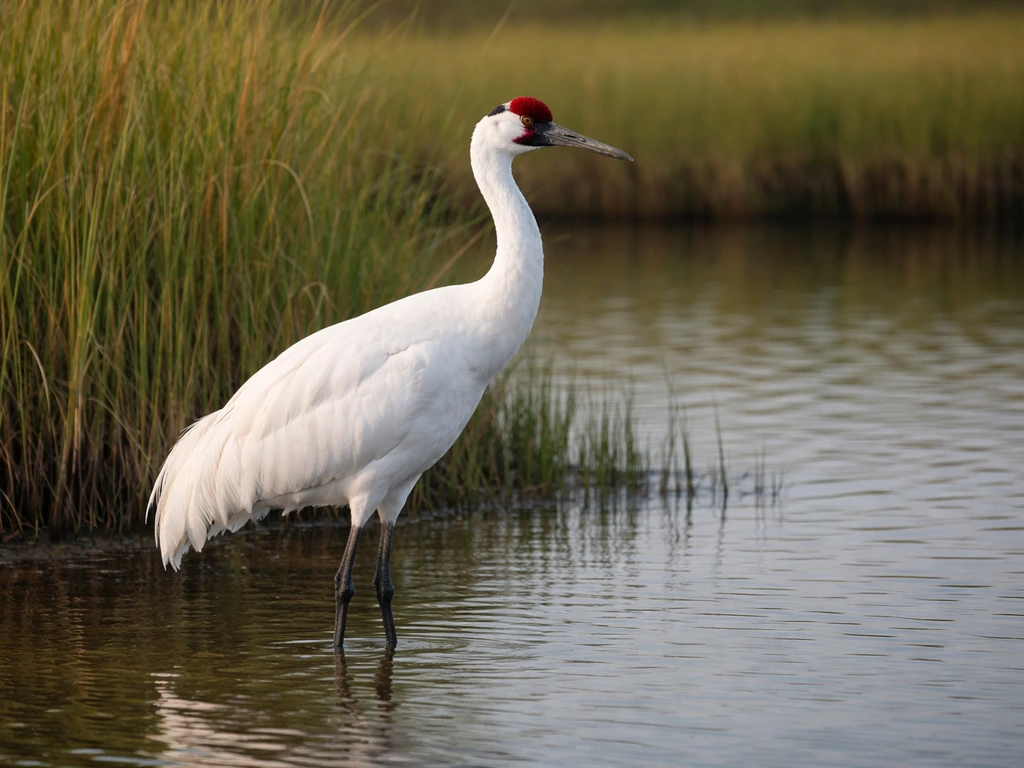
The Whooping Crane (Grus americana) is federally listed as Endangered and is widely recognized as one of the rarest birds in all of North America, not just Florida. At its lowest point in the 20th century, the wild population crashed to fewer than 20 individuals. Recovery efforts have brought the main migratory flock (the Aransas-Wood Buffalo population) back to several hundred birds, but the Eastern Migratory Population that connects to Florida has struggled. An experimental non-migratory flock was introduced in Central Florida beginning in 1993, targeting west-central Florida as its wintering anchor, but that reintroduction population has not achieved self-sustaining status. The February 2026 Eastern Population update confirmed just two Whooping Cranes in Florida. That single data point tells you almost everything you need to know about why this bird earns the top spot.
The USFWS recovery plan sets specific benchmarks for downlisting the Whooping Crane from Endangered to Threatened: at minimum, 40 nesting pairs in a self-sustaining population at the primary location and additional nesting pairs established elsewhere, or 100 nesting pairs in the current location combined with additional locations. Florida is part of the "additional locations" vision. The gap between where the species stands today and those targets explains why, in June 2026, this bird remains genuinely rare in Florida in a way few others can match.
Other serious contenders worth knowing
If you define rarest as hardest to find in the field, or rarest by confirmed breeding records, a few other Florida species compete seriously with the Whooping Crane.
| Species | FL Conservation Status | Why It Qualifies as Rare | Best Evidence Type |
|---|---|---|---|
| Whooping Crane | Federally Endangered | Only 2 individuals recorded in FL as of Feb 2026; non-migratory reintroduction not self-sustaining | Population count / monitoring update |
| Reddish Egret | FL State Threatened | Rarest egret species in North America; breeds in limited Florida coastal colonies | FWC species designation |
| Least Tern | FL State Threatened / Imperiled | State-designated Threatened under FL Admin Code 68A-27.003 (eff. April 2025); beach-nesting habitat severely restricted | Legal listing / FWC status |
| Wilson's Plover | FL Species of Special Concern | Tiny nesting footprint; NPS conducting 2026 nest counts Mar–Aug at Canaveral NS | Breeding bird monitoring |
| Snowy Plover | FL State Threatened | Very limited nesting colonies; monitored alongside Wilson's Plover at beach sites | Audubon Florida nesting summary |
The Reddish Egret is worth a specific mention. FWC explicitly describes it as the rarest egret species found in North America, and its Florida breeding colonies are the core of its U.S. population. If you narrow "rarest" to mean rarest species with a meaningful breeding presence in Florida, the Reddish Egret is a credible top answer. But it has hundreds of breeding pairs in the state, which puts it in a different league from the Whooping Crane's two confirmed Florida individuals.
Why Florida's rarest birds are in trouble
The Whooping Crane's near-absence from Florida is the result of layered pressures that have played out over more than a century. Historic persecution (hunting and egg collection through the 19th and early 20th centuries) nearly wiped the species out entirely. But even after legal protection, habitat loss became the dominant threat. The bird requires vast, undisturbed wetland landscapes for nesting and foraging. Florida's wetland conversion for agriculture and development, combined with altered hydrology across much of Central and South Florida, has made it genuinely difficult to support a self-sustaining crane population here. The non-migratory flock introduced in 1993 faced additional challenges including predation, powerline collisions, and the simple difficulty of birds in a reintroduced population learning survival skills without wild-raised parents to teach them.
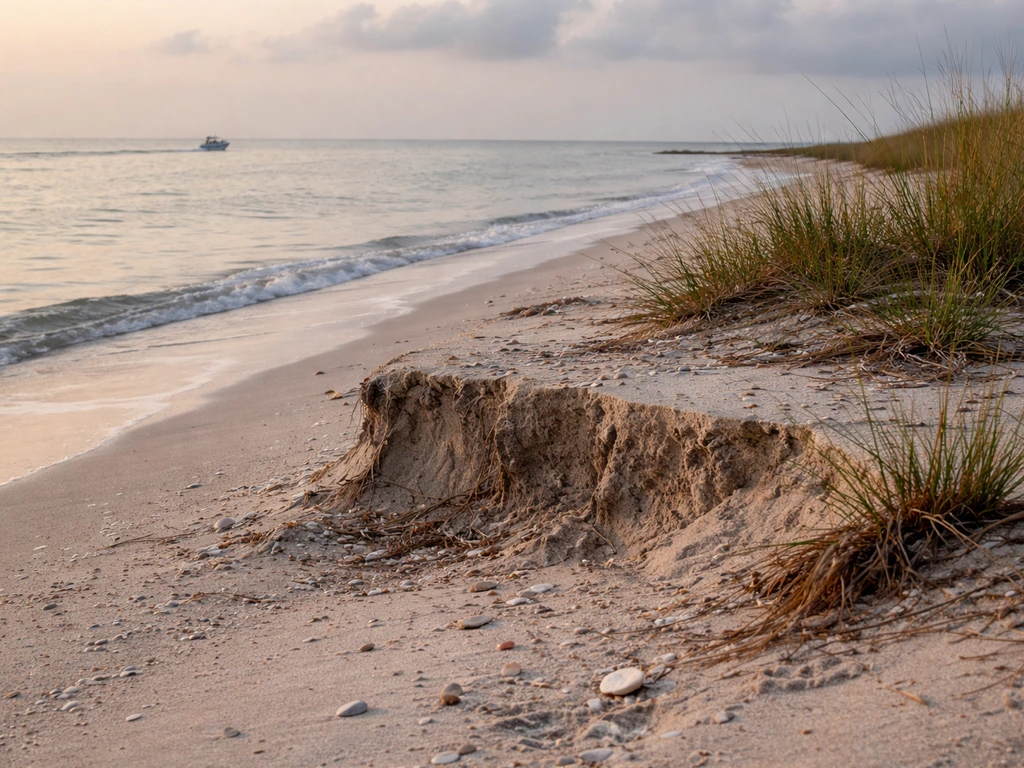
The beach-nesting birds on the list (Reddish Egret, Least Tern, Wilson's Plover, Snowy Plover) face a different but equally serious set of pressures: coastal development has eliminated or fragmented their nesting habitat, recreational disturbance during nesting season is chronic, sea-level rise is gradually eroding the low-lying sandy areas they depend on, and predator pressure (from crows, raccoons, and feral cats near human-altered coastlines) takes a heavy toll on nests and chicks. Florida's Endangered and Threatened Species Rule, with its most recent updates effective April 3, 2025, reflects how seriously state wildlife managers take these trends.
Where and when to look: practical birding guidance
Whooping Crane
The original experimental reintroduction targeted west-central Florida as a wintering range, with the idea that birds would breed in Wisconsin and winter in Florida. That program has contracted significantly, and confirmed Florida sightings are now extremely rare events. Your best bet for finding a Whooping Crane in Florida in 2026 is to monitor the International Crane Foundation's Eastern Population updates (published regularly) and eBird's rare bird alert feeds for Florida. If a bird is reported, it is almost certain to draw immediate attention from local birders who will post location details quickly. Historically, sightings have come from freshwater marshes, shallow lakes, and cattle pastures in Central Florida (Polk, Osceola, and Highlands counties have produced records). The species is large enough (standing nearly 5 feet tall, with a wingspan around 7.5 feet) that it is unmistakable if you find it.
Reddish Egret
Florida Bay, Tampa Bay, Charlotte Harbor, and the Ten Thousand Islands area in Southwest Florida are your primary targets. The species forages in shallow saltwater flats and brackish coastal lagoons, and its animated, dancing foraging style (running, spreading its wings, spinning) makes it one of the most distinctive wading birds on the planet once you know what to look for. Spring and summer (April through July) are the best months to find breeding birds near colony sites. Low tide on calm mornings gives you the best viewing windows on tidal flats.
Beach-nesting species (Least Tern, Wilson's Plover, Snowy Plover)
Canaveral National Seashore is an excellent target. NPS runs a documented shorebird monitoring program there with Wilson's Plover nest counts conducted from March through August in 2026. Fort De Soto Park (Pinellas County) is another top site: Audubon Florida's 2024 beach-nesting birds season summary documented multiple Wilson's Plover fledges there alongside Snowy Plover and American Oystercatcher successes. Visit early in the morning on weekdays to minimize disturbance from beach traffic. Watch for posted nesting area closures and stay outside them. The Florida Shorebird Alliance publishes standardized monitoring guidance that doubles as a useful field reference for what to look for and where nests tend to be concentrated.
How to confirm you're seeing the right species
Whooping Crane ID tips
Adults are entirely white with a red crown patch and black wingtips (visible in flight). They are dramatically larger than any other white wading bird in Florida: a Whooping Crane stands almost twice the height of a Great Egret. Juveniles are mottled cinnamon-brown and white. The Sandhill Crane is the most likely confusion species, but Sandhill Cranes are gray, not white. If you see a massive white bird with black wingtips standing in a Florida marsh or pasture, report it immediately to eBird and the Florida Rare Bird Alert. Do not approach: disturbance is a real concern for such a critically scarce bird.
Reddish Egret ID tips
There are two color morphs: a dark morph (slate-gray body, shaggy reddish-brown head and neck) and a rarer white morph (all white, but with the same pink-and-black bicolored bill that separates it from other white egrets). Both morphs show that distinctive foraging behavior: lurching, spinning, and wing-spreading as they chase fish in the shallows. The bicolored bill (pink base, black tip) is the best single field mark for both morphs. Tricolored Herons and Little Blue Herons are the most common confusion species in similar habitat, but neither has that bill pattern or the manic foraging style.
Shorebird ID tips (Least Tern, Wilson's Plover, Snowy Plover)
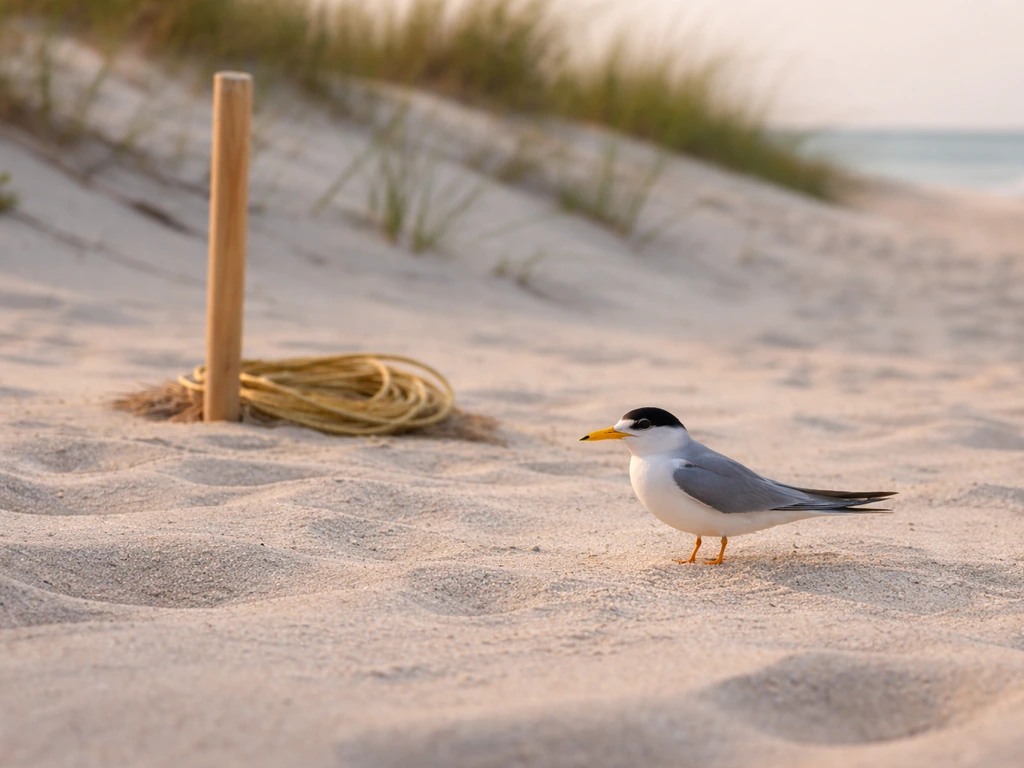
- Least Tern: tiny (smallest North American tern), yellow bill with black tip in breeding season, white forehead patch, fast wingbeats. Compare to the larger Common Tern or Forster's Tern.
- Wilson's Plover: large bill for a plover (the key field mark), single broad dark breast band, pinkish legs. Larger than Semipalmated Plover, smaller than Killdeer, and that oversized bill is unmistakable up close.
- Snowy Plover: pale sandy brown, thin dark bill, dark leg patches, partial or broken breast band. Much paler overall than Wilson's or Semipalmated Plover. Look for it on open white-sand beaches and shell flats.
The FWC Breeding Bird Atlas species accounts include distribution maps with confirmation categories (Possible, Probable, Confirmed breeding) that are a good reference for understanding where records actually exist versus where a species might plausibly occur. FWC also notes that absence of a record does not necessarily mean the species is absent from an area, which is worth keeping in mind when rare breeding birds go unreported from otherwise suitable habitat.
How to check current status and what conservation is doing
Rarity rankings and population numbers change. The February 2026 International Crane Foundation Eastern Population update is the most recent authoritative count for Whooping Cranes in Florida as of today (June 4, 2026), but those updates are published regularly and the numbers can shift. Here is how to stay current and verify what you are reading:
- International Crane Foundation (savingcranes.org): publishes Eastern Population updates with state-by-state breakdowns. Check here first for Whooping Crane Florida status.
- USFWS Whooping Crane recovery page: the 2024-2025 Wintering Grounds Recovery Activities Report provides population-level demographic data including juvenile recruitment rates and flock growth estimates.
- FWC's Imperiled Species Management Plan page: this is where Florida's official state listings live. The most recent rule changes were effective April 3, 2025, so anything published before that date may reflect outdated status categories.
- eBird (ebird.org): filter by Florida and sort by rarity to see what has actually been reported recently. The rare bird review process screens out misidentifications, so accepted records carry real weight.
- Florida Rare Bird Alert: operated through Florida Ornithological Society, posts real-time alerts when genuinely rare species are confirmed in the state.
- Florida Shorebird Alliance and Audubon Florida: for nesting season summaries and site-specific monitoring data on beach-nesting species.
On the conservation side, the picture is mixed but not hopeless. The USFWS recovery plan's population targets for Whooping Crane are ambitious but clearly defined, and having measurable benchmarks (like the 40 nesting pairs threshold for downlisting consideration) means scientists and managers can track progress objectively. For Florida's beach-nesting birds, stewardship programs run by Audubon Florida volunteers, FWC biologists, and NPS staff at sites like Canaveral National Seashore actively post nesting areas during breeding season and monitor outcomes. The 2024 nesting season at Fort De Soto produced documented fledges for Wilson's Plover, Snowy Plover, and American Oystercatcher, which is real, tangible progress. Habitat restoration in Florida's coastal wetlands and wetland hydrology projects in Central Florida are long-term investments that could eventually improve conditions for species like the Reddish Egret and, potentially, any future Whooping Crane reintroduction efforts.
Florida sits at a crossroads for rare bird conservation in a way that makes it genuinely compelling. The same peninsula that has lost so much of its original wetland and coastal habitat still holds some of the most critical refugia for imperiled birds in North America. If you are curious how Florida's situation compares to other global hotspots for bird rarity, it is worth knowing that rare-bird concentrations in places like Uganda (with its own set of near-endemic forest specialists) or the candidates for the world's single rarest bird title operate under very different ecological and conservation frameworks. Some of the region's rarest birds can be found in Uganda's forested areas, making it a key place for birders looking beyond Florida. Florida's rarity story is deeply tied to habitat destruction and recovery within one of the most developed states in the U.S. If you are also curious about which species are considered the top 10 oldest birds, the same population-trend lens helps make the list more meaningful rarest birds. , which makes every confirmed sighting of a Whooping Crane, every Reddish Egret nest, and every Wilson's Plover fledgling that makes it to the water feel like a small victory worth paying attention to. Some of the most dangerous birds in the world are apex predators or can inflict serious harm, so learning which species to watch for is part of being a safer birder top 10 dangerous bird in the world.
FAQ
How can there be only two Whooping Cranes in Florida, yet people sometimes post “rare sightings” near Florida multiple times in a year?
Those posts usually refer to different things, including reports from migratory stopovers near the state border, birds temporarily visiting before or after the core Florida window, or misidentifications corrected later. The two-crane figure is about confirmed individuals recorded in Florida in the most recent Eastern Population update, not every unverified report. When you see a claim, prioritize confirmations and the date, location, and observer details that can be tied back to monitoring updates.
If the rarest definition in this article is conservation-based, what is the most common alternate definition birders use in Florida?
Most birders use “hardest to find” based on confirmed records and sighting frequency (for example, eBird-style alerts). That method can rank a species highly even if it is not globally imperiled, because it is simply seldom reported. If you want your answer to match the field experience of birders, use both: one measure for conservation scarcity, and one for detection rarity.
What should I do if I think I found a Whooping Crane, but I am not sure of the identification?
Do not approach for closer views. Instead, capture supporting evidence from a distance if it is safe, such as a short video showing the head and bill shape and the distinctive foraging (wing-spreading, spinning, and lurching). Then submit the record promptly through eBird or the Florida Rare Bird Alert with time, GPS location, and clearly stated uncertainty. This protects a critically scarce bird from disturbance and helps reviewers validate quickly.
Are juveniles or dark-morph birds easier or harder to misidentify as something else in Florida?
Juveniles (mottled cinnamon-brown and white) are more likely to be confused with other large wading birds than adults, especially if the bill pattern is not clearly visible. Dark-morph birds also require a good view of the bicolored bill (pink base, black tip) and the behavioral foraging style. If you cannot confirm the bill pattern, treat it as tentative until a reviewer has enough documentation.
What is the best time of day to look for Whooping Cranes, and why does it matter?
Early morning with calmer conditions tends to provide better visibility, and it often aligns with tidal dynamics and lower disturbance. For large, cautious birds, midday crowds and boat or beach traffic can reduce how long they remain visible. If the weather is windy or the area is busy, shift your effort to a later calm window rather than staying and increasing disturbance.
How should I handle habitat targets for rare birds if access is limited by closures?
Treat posted nesting and protection closures as hard boundaries, even if you are there for a rare bird. Instead of viewing from inside restricted areas, look for legal public viewpoints, watch for posted volunteer monitoring stations at permitted distances, and ask staff for approved observation areas when available. This matters because disturbances that might be minor for common shorebirds can cause nest failure for species like Wilson’s Plover and Snowy Plover.
If a bird is listed as “Possible” or “Probable” breeding in the Florida atlas, does that mean it is a confirmed breeding population?
No. Those categories indicate likelihood based on evidence, but they are not the same as “Confirmed breeding,” which has stronger documentation. For planning where to look, use “Confirmed” first, and treat “Possible/Probable” as a lower-confidence chance in suitable habitat. Also remember that lack of records does not prove absence, it just means breeding was not documented strongly enough.
Why do rare bird rankings differ between eBird/CBC reports and conservation listings like FWC tiers?
Because they measure different things. eBird/CBC reflects reporting and observer effort, so a species can appear “most rare” simply because it is seldom detected or reported. Conservation tiers reflect risk of extinction or population collapse, so a species can be globally endangered even if it is seen more often at a specific Florida site. A good approach is to separate “scarcity of records” from “scarcity of population.”
What is a good way to avoid wasting time on misinformation when trying to find Florida’s rarest birds?
Wait for evidence quality. Look for records that include photographs or video, clear time-stamped details, and a location that matches known habitat patterns. If a post lacks those elements or comes from an outdated claim, cross-check against recent monitoring updates and local rare bird alert feeds before you travel.
Next Article
What Is the Number 1 Rarest Bird in the World?
Define the rarest bird as of today, compare ranking methods, and show evidence plus how to verify using IUCN