No, the dodo is not a mammal. It is a bird, specifically an extinct flightless bird that lived on the island of Mauritius in the Indian Ocean. Was the dodo bird real? Yes, Raphus cucullatus was a real extinct species from Mauritius, and its remains allow scientists to confirm its identity. It had feathers, a beak, laid eggs, and had hollow bones, which puts it firmly in the bird category, not anywhere near mammals. The confusion is understandable given how unusual the dodo looked, but the science here is clear and straightforward.
Is a Dodo Bird a Mammal? Learn What Makes Birds Different

Maya Hennessy
1 May 2026
Dodo vs mammal: the direct answer
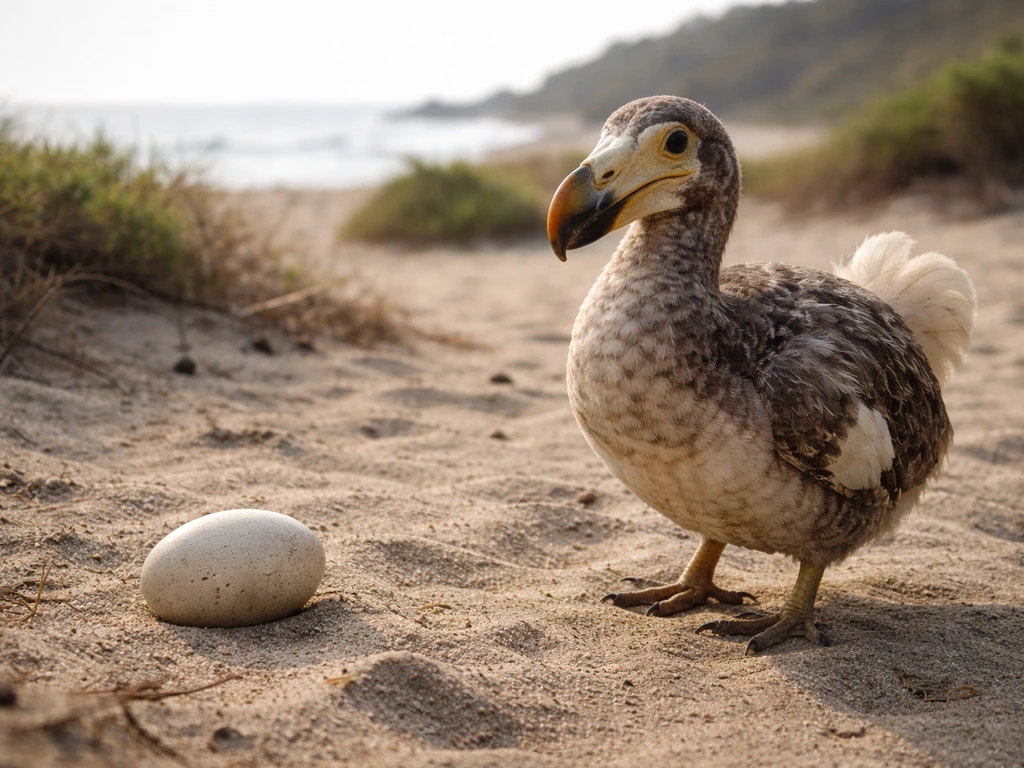
Raphus cucullatus, the dodo's scientific name, is classified in avian taxonomy as a bird. Depending on the source, it's placed within the order Columbiformes (the pigeon and dove family) or sometimes separated into its own order Raphiformes. Either way, it's a bird. It shares not a single defining mammal trait. It had no mammary glands, no fur, and did not nurse young with milk. It laid eggs on the ground, was covered in blue-gray feathers, and had the hollow-boned skeleton typical of birds. There's no scientific ambiguity here.
What actually makes something a mammal
Mammals have a specific set of traits that set them apart from every other group of animals. Britannica notes that mammal auditory ossicles are characterized by three tiny bones in the middle ear: the malleus, incus, and stapes Mammals have a specific set of traits. You don't need all the technical details to run a quick check. Here are the core diagnostic features:
- Mammary glands: females produce milk to feed their young, and even males have rudimentary mammary glands. This is the defining trait of the class Mammalia.
- Hair or fur: all mammals have at least some hair at some point in their life cycle. Even whales and dolphins have a few bristles.
- Warm-blooded (endothermic): mammals regulate their own body temperature internally.
- Middle-ear ossicles: mammals have three tiny bones in the middle ear (the malleus, incus, and stapes) that are unique to the group.
- A diaphragm: a muscular sheet that controls breathing, found in all mammals.
- Most give live birth, though monotremes like platypuses and echidnas lay eggs, so egg-laying alone does not rule out a mammal.
The milk-and-mammary-gland combination is the one check you can almost always use. If an animal's young are nourished by milk from the mother's body, you are looking at a mammal. If not, you are not.
What actually makes something a bird
Birds have their own set of diagnostic traits, and the Smithsonian puts it simply: feathers, hollow bones, and hard-shelled eggs. That three-part test gets you most of the way there. A fuller checklist looks like this:
- Feathers: made of beta-keratin, birds are the only animals on Earth that have them. Even flightless birds have feathers.
- Hollow (pneumatized) bones: connected to the air-sac system, making the skeleton light without sacrificing strength.
- Hard-shelled eggs: birds reproduce by laying eggs with a rigid, calcified shell.
- Beak or bill: no teeth, just a keratin beak.
- Endothermic: birds, like mammals, regulate their own body temperature.
- Specialized respiratory system: birds have air sacs and a unidirectional airflow system that is more efficient than mammalian lungs.
- Two wings (even if non-functional for flight) and two legs.
One quick rule that Oxford's Natural History Museum learning resources phrase well: all birds have feathers and lay eggs; all mammals have fur and suckle their young. That single comparison cuts through most confusion immediately.
How the dodo fits: checking the traits
Apply both checklists to the dodo and the answer becomes obvious. Here's how the dodo scores against each set of traits:
| Trait | Mammal? | Bird? | Does the dodo have it? |
|---|---|---|---|
| Feathers | No | Yes | Yes, blue-gray feathers and a tail tuft |
| Mammary glands / milk production | Yes (defining) | No | No |
| Hair or fur | Yes (defining) | No | No |
| Hard-shelled eggs | Rarely | Yes | Yes, laid a single egg on the ground |
| Hollow pneumatized bones | No | Yes | Yes |
| Beak | No | Yes | Yes, large and hooked |
| Three middle-ear ossicles | Yes (defining) | No | No (birds have a single columella) |
| Wings (even vestigial) | No | Yes | Yes, small and non-functional for flight |
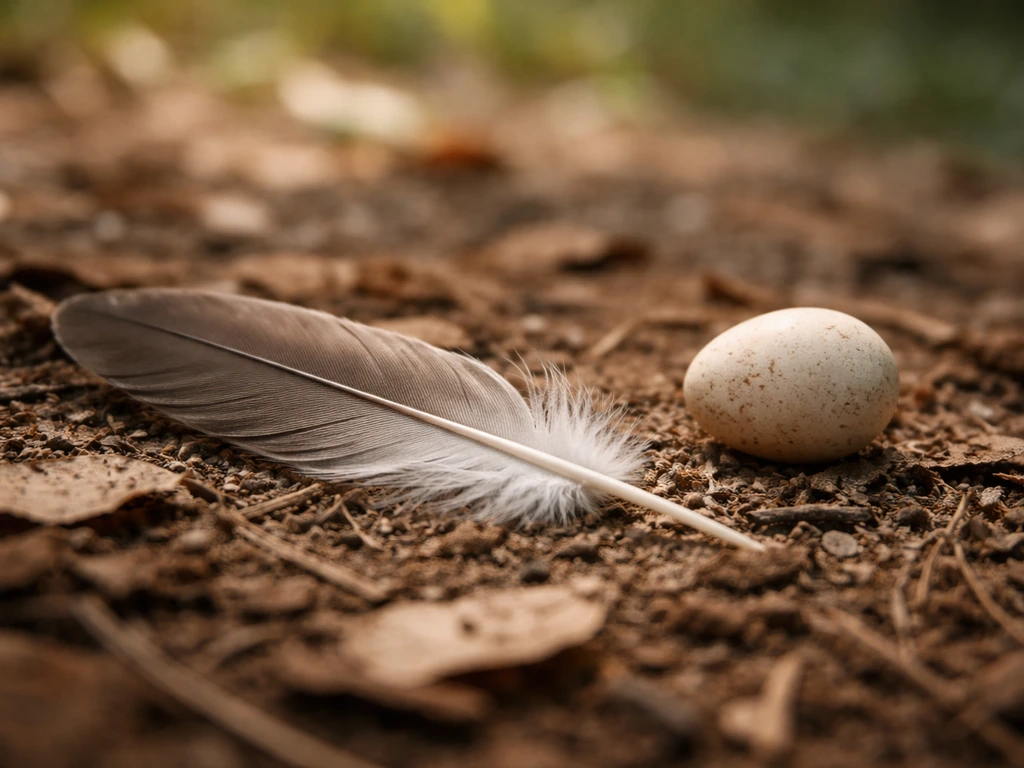
The dodo checks every bird trait and none of the defining mammal traits. Feathers alone are enough to settle this, since no mammal has ever had feathers. The Oxford University Museum of Natural History even preserves physical dodo soft tissue including an actual feather removed from a preserved specimen head in 1986, which is the only surviving dodo soft tissue in the world. Feathers, confirmed.
Why people get confused, and how flightless birds throw people off
The most common source of confusion is simple: people associate birds with flight, so a bird that cannot fly seems like a category error. The dodo had tiny, useless wings and a round, heavy body, and it wandered around on the ground. It didn't look like a sparrow or an eagle. That dissonance makes some people question whether it was really a bird at all.
But flightlessness evolved many separate times across different bird lineages. Ostriches, emus, moas, cassowaries, kiwis, and the dodo are all birds, and all flightless. The kiwi is worth mentioning because it adds another layer of confusion: its feathers look like a shaggy coat of hair and it has nostrils at the tip of its beak, making it look superficially mammal-like to a casual observer. And yet the Smithsonian's National Zoo is clear that kiwis are feathered birds native to New Zealand, feathers and all. The elephant bird of Madagascar, extinct since at least the 17th century, was another enormous flightless bird that might look more like a giant mammal at first glance than a typical garden bird.
Another source of confusion: birds and mammals are both warm-blooded, both vertebrates, and both can be large and ground-dwelling. When you strip away the obvious visual cue of flight and feathers, some people mentally default to "well, if it's not flying, maybe it's a mammal." The fix is to go back to the diagnostic traits, especially feathers and mammary glands, rather than relying on behavior or body shape. Animal Diversity Web defines mammary glands as glandular tissue that secretes milk in mammals, which matches the milk-and-mammary-gland diagnostic for identifying mammals milk and mammary glands secreting milk in mammals.
There's also the occasional schoolyard claim that the dodo was somehow related to a dinosaur, which is a separate but related confusion worth noting. The quick answer is that a dodo bird is not a dinosaur is a dodo bird a dinosaur. Birds are, technically, the living descendants of theropod dinosaurs, but that doesn't make them mammals or dinosaurs in the modern sense. Those questions about the dodo's relationship to dinosaurs and its capabilities (whether it was smart, whether it could defend itself) are genuinely interesting rabbit holes if you want to go deeper into dodo biology. Evidence about how the dodo defended itself is limited, but many accounts point to its lack of fear and vulnerability once humans arrived whether it was smart, whether it could defend itself. Questions about whether the dodo was smart are interesting, but the evidence is limited because it went extinct long ago whether it was smart.
The dodo's natural history and how it went extinct
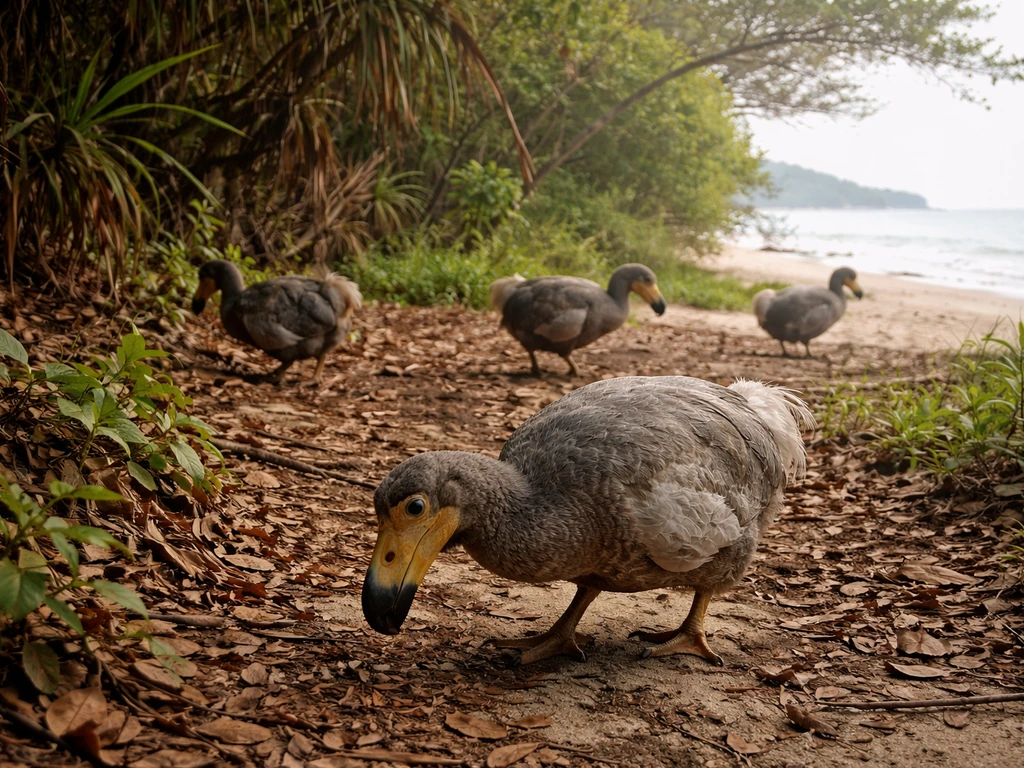
The dodo (Raphus cucullatus) was endemic to Mauritius, an island in the Indian Ocean roughly 800 kilometers east of Madagascar. Portuguese sailors first encountered it around 1507. It was a large, flightless bird, standing about a meter tall, with blue-gray plumage, a heavy hooked beak, small non-functional wings, and a tuft of tail feathers. It nested on the ground and, according to Britannica, is thought to have laid only a single egg per breeding attempt.
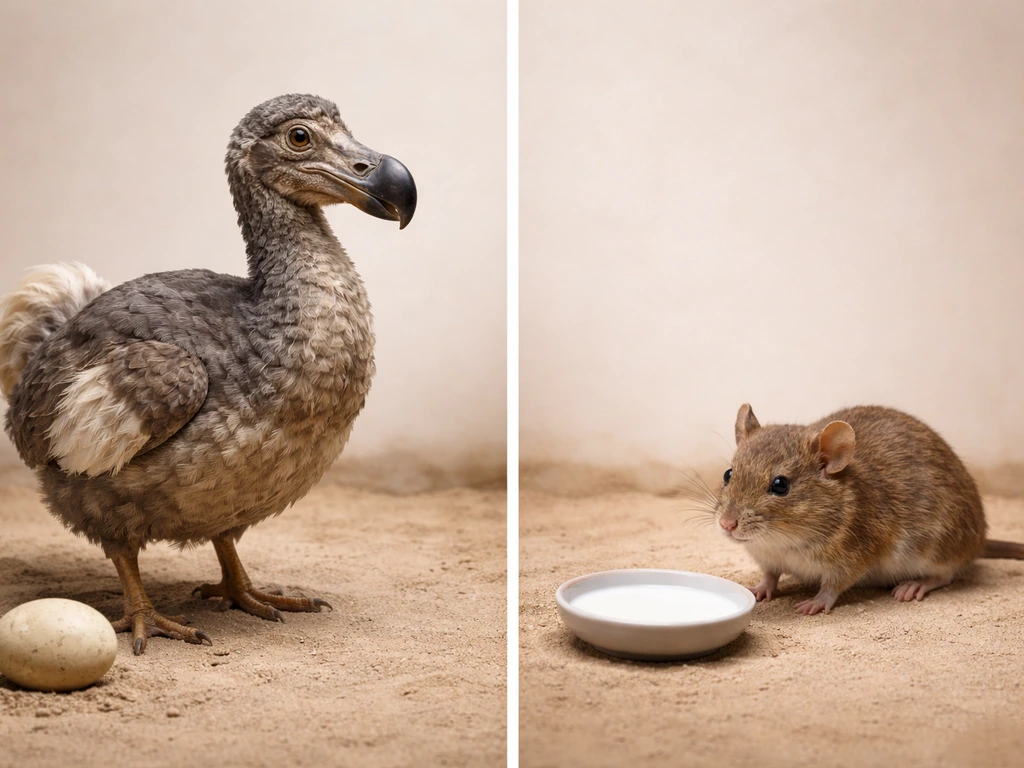
It went extinct fast, and the primary blame sits with humans and the animals they brought with them. The dodo had evolved on an island with no natural predators, so it had no fear response to humans, which made it easy to kill. Because the dodo had evolved without predators, it was not especially dangerous to humans, but it was easy for people to harm and kill. In other words, the dodo was vulnerable to people and the animals they introduced, which raises the question can a dodo bird kill you easy to kill. The dodo was not dangerous to humans, but it was vulnerable because it had no fear of them and could be easily killed is the dodo bird dangerous. Over-hunting played a role, but a 2023 study in Scientific Reports argued that invasive mammals introduced by settlers, specifically monkeys, deer, pigs, and rats, were primarily responsible by destroying habitat, competing for food, and eating dodo eggs. The last confirmed sighting dates to somewhere between 1662 and 1693, with 1662 often cited as the accepted extinction date.
What makes the dodo especially useful as a case study in extinction is how quickly it happened after human contact. Within roughly 175 years of European arrival, the entire species was gone. The 1865 discovery of dodo bones at Mare aux Songes in Mauritius helped scientists reconstruct the bird's physical environment and ecology, filling in details that eyewitness accounts had missed.
How to classify any unfamiliar animal yourself
Once you know the core diagnostic traits for each major group, classifying an unfamiliar animal becomes a methodical process rather than a guessing game. Here's a practical approach you can use: A Reddit thread on r/birds discusses using the blank" rel="noopener noreferrer">Feather Atlas to identify feathers from partial physical evidence.
- Check for feathers first. If the animal has feathers, it is a bird. No other living animal has feathers. This single check resolves the dodo question immediately.
- Check for hair or fur and mammary glands. If the animal nurses young with milk and has hair at any life stage, it is a mammal. Even sparse or unusual fur counts.
- Look at reproduction. Birds lay hard-shelled eggs. Most mammals give live birth, though monotremes (platypus, echidnas) are egg-laying exceptions, so this step alone isn't definitive.
- Check body structure cues: beak vs. teeth, wing structure vs. forelimbs, hollow bones vs. denser mammalian bones.
- When in doubt, look up the scientific classification. Reputable sources like Britannica, the Smithsonian, or natural history museum databases will list the class (Aves for birds, Mammalia for mammals) directly.
- For feather identification specifically, the U.S. Fish and Wildlife Service runs a Feather Atlas that can help identify bird species from feathers alone, which is useful when you only have partial physical evidence.
If you want to sharpen your sense of what makes birds distinctive, comparing extinct flightless species is one of the best exercises. The moa of New Zealand, the elephant bird of Madagascar, and the dodo of Mauritius are all birds despite looking nothing like what most people picture when they think of a bird. All three were feathered, egg-laying, hollow-boned, and beaked. None of them were mammals. Exploring those species side by side makes the classification logic stick in a way that memorizing definitions alone doesn't.
The dodo is a perfect entry point into understanding how animal classification actually works, because it challenges assumptions. It couldn't fly, it looked odd, and it's been misrepresented in popular culture for centuries. But strip it back to the biological checklist and it's unambiguously a bird, an extinct flightless one that we lost in the late 17th century because humans and their introduced animals arrived on a island where nothing had learned to be afraid.
FAQ
If the dodo was warm-blooded, why is it still not a mammal?
Warm-bloodedness (endothermy) happens in multiple animal groups. Mammals are defined by milk and mammary glands, usually fur or hair, and live-nurturing behaviors tied to nursing, not by temperature alone. The dodo laid eggs and had feathers, so it fails the mammal core checks.
How can you tell a bird from a mammal when you only have bones, not soft tissue?
Look for bone and reproductive-trait clues. Birds typically have hollow bones and a beak structure, and they lay hard-shelled eggs. Mammal skeletons do not show the same hollow-bone pattern, and mammals have different jaw and tooth structures. For fossils, hollow bones plus beak evidence usually point to birds.
Do mammals ever have feathers or birds ever have fur-like coverings?
True feathers and fur are different biological structures. No mammal has feathers like birds, even if some mammals have hair that can look “plumey” (for example, thick-coated animals). Conversely, some birds may have sparse or hair-like-looking feathers, but they still have feather anatomy and lay eggs.
Could the dodo have milk or nurse its young without mammary glands?
No. The mammal definition relies on milk production from mammary glands. If an animal lays eggs, it is still possible for its young to be cared for, but it would not meet the milk-and-mammary-gland criterion that defines mammals.
Is the dodo related to pigeons and doves, and does that affect whether it is a mammal?
Its closest living relatives are within pigeon and dove lineages, depending on the classification used, but that relatedness only confirms it is avian. Being related to pigeons does not move it toward mammals, because it still has bird traits like feathers, eggs, and hollow bones.
Why do some people think flightless birds must be “not birds”?
Flight is not the defining trait of birds. Many bird lineages became flightless independently, for example ostriches and emus. The defining traits are structural and reproductive (feathers, egg-laying, and bird skeleton traits), not whether they fly.
Can an animal be classified as both a bird and a mammal?
No. Bird and mammal are separate classes in animal taxonomy, and they differ by core diagnostic features. An organism cannot be feathered and egg-laying in the bird sense and simultaneously have mammary glands that produce milk for nursing in the mammal sense.
Are claims about the dodo being a dinosaur partly why people confuse it with mammals?
Those claims can add to category confusion because people hear “reptile-like” or “prehistoric” and assume the wrong class. The key clarification is that birds are related to theropod dinosaurs, but that ancestry does not make birds mammals. Mammals are determined by milk and mammary glands, not dinosaur ancestry.
If I find a flightless, egg-laying animal that looks mammal-like, what is the fastest check?
Use the diagnostic checklist, not appearance. Confirm whether it has feathers and lays hard-shelled eggs, and check for mammary glands and milk-based nursing. Visual resemblance alone can be misleading, especially with hair-like feathers in some birds.
Next Articles
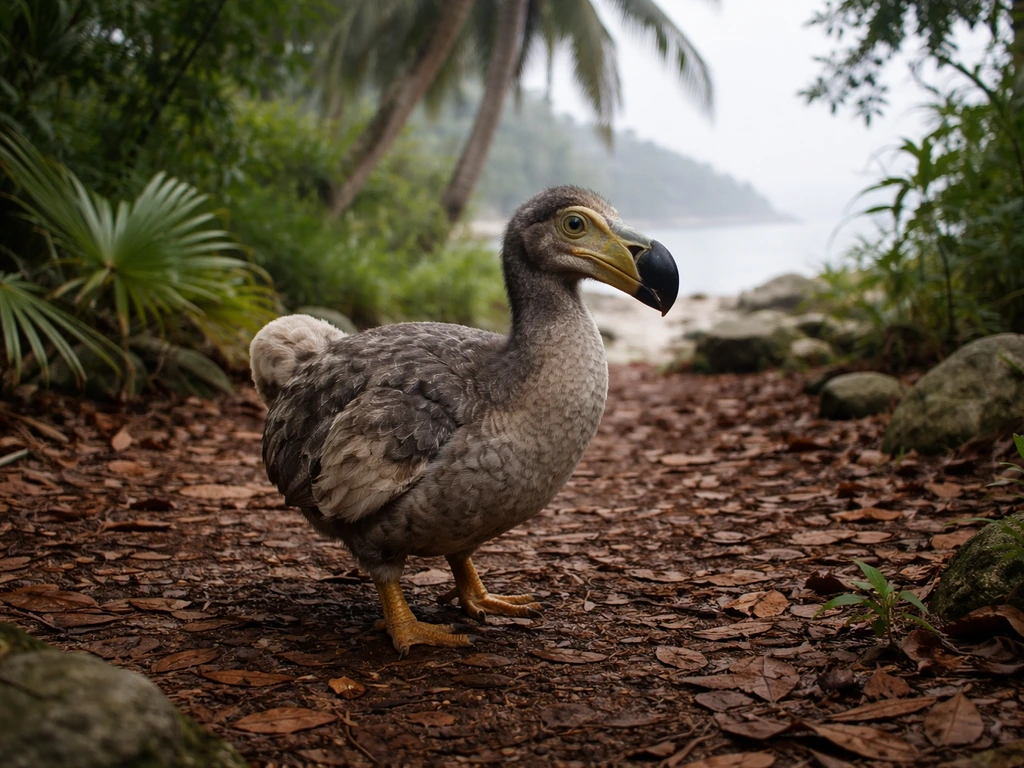
Can a Dodo Bird Kill You? Myth, Reality, and Safety Tips
No living dodos exist, so they cannot kill you; learn the dodo myths, real traits, and safe steps around flightless bird
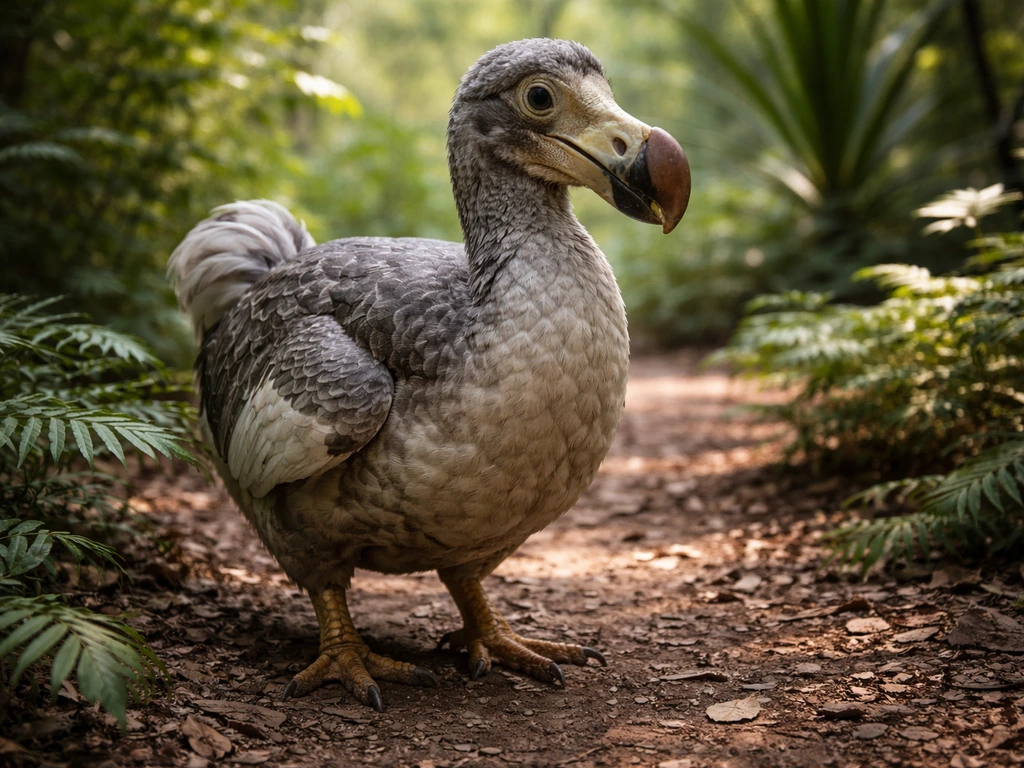
Is the Dodo Bird Dangerous? Real Risks and Myths Explained
Is the dodo dangerous? Learn real risks, behavior traits, and myths so you know it was not a human threat.
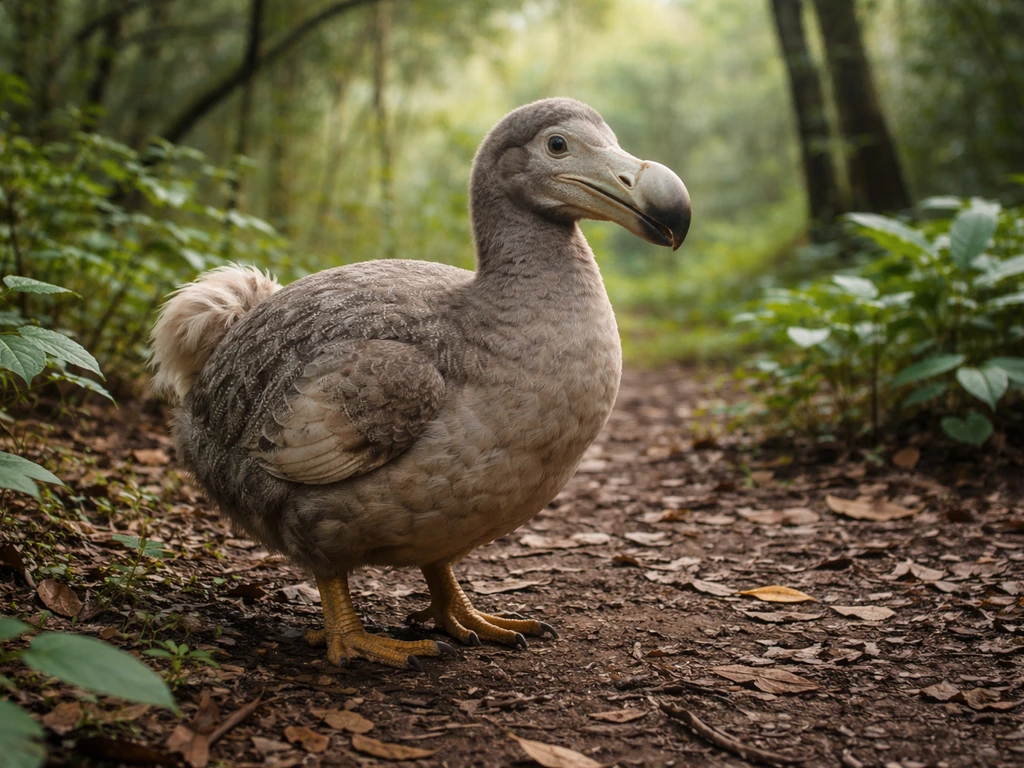
Was the Dodo Bird Real? Evidence, Extinction, and Facts
Yes, the dodo was real. Evidence, where it lived in Mauritius, why it went extinct, and common myths explained.