Flappy Bird was not banned. That word gets thrown around a lot, but the record is clear: the developer removed it himself. On February 8, 2014, Dong Nguyen posted a tweet that read, 'I am sorry Flappy Bird users, 22 hours from now, I will take Flappy Bird down.' No enforcement notice from Apple or Google, no platform ban, no policy strike. Just a developer choosing to pull his own app. If you came here looking for the real reason Flappy Bird disappeared, the short answer is: one man made a personal decision, and the internet filled the silence with rumors.
Why Flappy Bird Was Banned: Real Reason and Timeline

Maya Hennessy
18 Apr 2026
Clarifying the claim: was Flappy Bird actually banned?
The word 'banned' implies that Apple, Google, or some outside authority forced the app off their platforms. That did not happen, at least not by any verified account. Every credible tech report from the time, including coverage by TIME and TechCrunch, treated the disappearance as a developer delisting, not a platform-issued takedown. Nguyen announced the removal on his own Twitter account, used first-person language ('I will take Flappy Bird down'), and gave users a 22-hour warning.
That is not how bans work. If you like verifying dramatic claims step by step, you might also compare this to the biblical story in man is not a bird survived the great flood, where survival details are often repeated without checking primary context. Bans happen without developer consent, often without warning, and usually come with a formal notice from the platform.
The confusion is understandable. When something popular vanishes suddenly, people reach for the most dramatic explanation. 'Banned' sounds like there must have been a scandal, a legal fight, or a policy violation. But the timeline and Nguyen's own words point somewhere much simpler: he did not want it out there anymore.
Timeline: what happened when Flappy Bird vanished
- Early 2014: Flappy Bird becomes a viral sensation, reaching the top of both the iOS App Store and Google Play charts. Nguyen reportedly told press the game was earning around $50,000 per day from in-app ads.
- February 8, 2014: Nguyen tweets his 22-hour warning, announcing he will personally remove the game from app stores.
- February 9, 2014: Flappy Bird disappears from the iOS App Store and Google Play. TechCrunch and TIME both confirm the removal, citing Nguyen's announcement, not any platform enforcement action.
- February 11, 2014: Nguyen tells press the game is 'gone forever' and explains his reasoning, framing the removal as a personal and emotional decision rather than a response to external pressure.
- Post-2014: Nguyen returns to app development and eventually releases successor games. Flappy Bird itself remains officially unavailable through Apple or Google.
The whole sequence happened in less than 72 hours of public awareness. That speed, combined with Nguyen's brief and cryptic early tweets, is part of why speculation spiraled so quickly. When something disappears that fast, people assume something went wrong behind the scenes. If you want the full timeline behind why it vanished, read what happened to Flappy Bird.
Why it may have been removed: what Nguyen actually said
Nguyen's own stated reason was that the game had become too addictive and that its success had affected him personally and emotionally. GameSpot reported that Nguyen said Flappy Bird was "too addictive" and described it as "gone forever." the game had become too addictive. He described feeling overwhelmed by the attention, the pressure, and what he saw as a harmful product he had created. In his words, the game was destroying people's lives by consuming too much of their time, and that weighed on him. This explanation came from his own press interviews, most notably with TIME in the days immediately following the removal.
That rationale is unusual in the app world. Developers rarely pull their most successful product out of genuine ethical concern, which is exactly why so many people did not believe it. But there is no public evidence contradicting Nguyen's account, and no platform statement suggesting he was forced out. The simplest verified explanation remains: he pulled it because he wanted to.
Other common explanations to verify: copyright, content issues, and platform policy
Several alternative theories circulated widely after the removal. It is worth walking through each one, because they keep resurfacing and muddying the record.
The Nintendo copyright theory
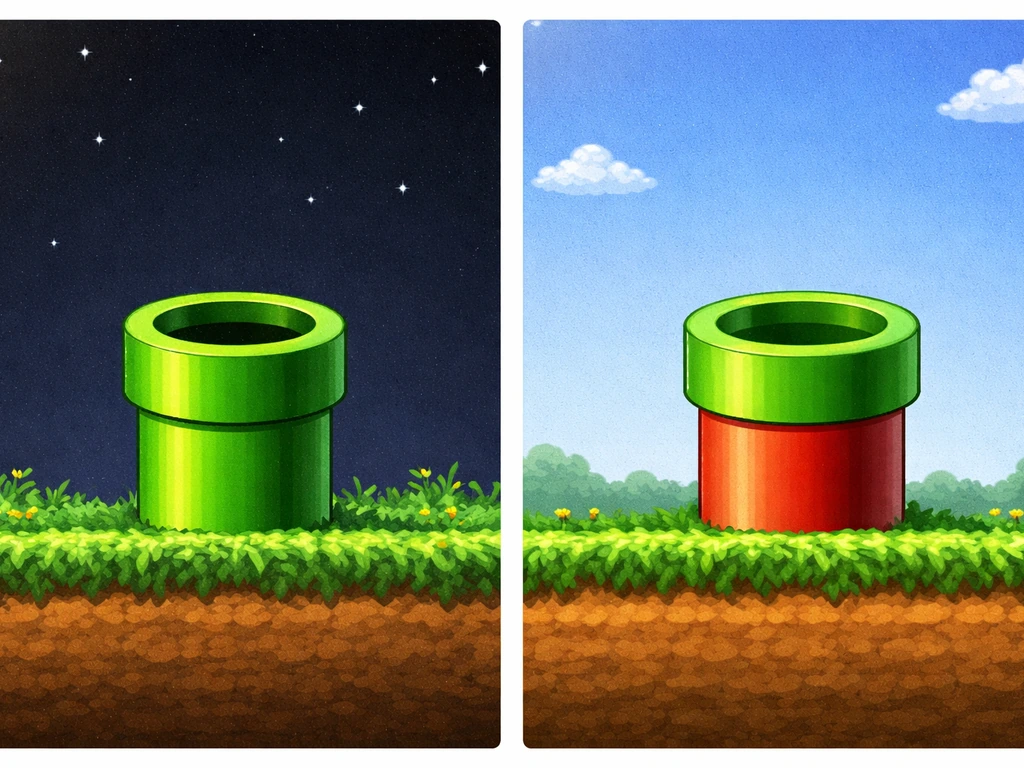
The most persistent rumor is that Nintendo threatened legal action because Flappy Bird used green pipes visually similar to those in the Mario franchise. Nintendo never publicly confirmed sending a cease-and-desist letter, and Nguyen never cited legal pressure as his reason for removing the game. This theory remains unverified. It gets repeated so often that it feels like fact, but it is speculation built on visual resemblance, not confirmed legal action.
App store policy violations
Some assumed the app violated Apple or Google content policies, perhaps through misleading advertising, manipulated review counts, or some other compliance issue. Neither Apple nor Google issued a public statement removing the app on policy grounds. A Feb. 15, 2014 TechCrunch report describes Apple and Google rejecting “Flappy”-titled games after the original was removed, which is useful context for why people later assumed platform enforcement against the original Neither Apple nor Google issued a public statement removing the app on policy grounds.. If a platform bans an app for policy violations, the developer typically receives a formal notice and the removal is documented in developer communications. No such documentation has ever been made public in Flappy Bird's case.
Mental health and harassment
There are credible reports that Nguyen received intense online harassment as the game's fame grew, including threats and abusive messages. Some accounts suggest this contributed to his decision alongside the ethical concerns about addictiveness. This explanation is consistent with his stated reasoning and is supported by contemporaneous reports, though it is more of a contributing factor than the sole cause.
| Theory | Verified? | Evidence Status |
|---|---|---|
| Developer removed it voluntarily | Yes | Confirmed by Nguyen's own tweet and press interviews |
| Game was too addictive, personal ethical concern | Yes (self-reported) | Nguyen told TIME directly, Feb. 11, 2014 |
| Nintendo copyright/IP threat | No | Never confirmed by Nintendo or Nguyen |
| Apple or Google platform ban | No | No enforcement notice ever published |
| App store policy violation | No | Neither platform cited policy grounds publicly |
| Online harassment contributed to decision | Likely (partial) | Consistent with reports, plausible but not the stated primary reason |
What the situation looks like today
As of 2026, Flappy Bird is not available through official channels on iOS or Android. If you search the App Store or Google Play, you will find dozens of clones and spiritual successors, but not the original by Dong Nguyen. Users who downloaded the app before February 9, 2014 technically still have it tied to their account history, though compatibility with modern operating systems varies.
Unofficial APK files and emulated versions circulate on third-party sites. These are not legal downloads in any meaningful sense and carry the usual risks of sideloaded software: potential malware, no update support, and no developer authorization. If you want to play something in the same vein, the App Store and Google Play both carry officially available successors and clones, some developed by Nguyen himself after his return to app development.
The Flappy Bird story also connects loosely to broader questions about what happens when things disappear from digital platforms, whether through developer choice, platform enforcement, or shifting policies. If you are curious about related disappearances and removals, the question of what happened to flightless bird podcast offers another adjacent look at how media can vanish and why people speculate before facts are clear. If you are curious about related disappearances and removals, the story of what happened to Flappy Bird in a broader cultural sense, and why it was removed from stores rather than simply updated, are threads worth following separately.
How to research the real cause quickly
If you want to verify any of this yourself, the trail is short and well-documented. Here is where to look and what to search for.
- Search for Dong Nguyen's original February 8, 2014 tweet: the text 'I am sorry Flappy Bird users, 22 hours from now' will surface archived versions of the original announcement.
- Look for TIME's coverage from February 9 and 11, 2014: these articles quote Nguyen directly and are among the most cited primary sources on his stated motivation.
- Search TechCrunch's February 9, 2014 report titled 'Flappy Bird Is Gone From The App Store': this confirms the removal without citing any Apple or Google enforcement action.
- Search 'Flappy Bird Nintendo cease and desist': you will find widespread claims but no official Nintendo statement. The absence of a primary source is itself informative.
- Check the Wayback Machine (web.archive.org) for archived App Store and Play Store pages from early February 2014 to confirm the removal date independently.
- If searching for current availability, use 'Flappy Bird official app 2025 2026' to find the most recent status rather than older cached results.
The most important habit when researching app removals is to distinguish between what the developer said, what the platform said, and what journalists inferred. In Flappy Bird's case, the developer spoke clearly, the platforms said nothing, and almost everything else is interpretation. Stick to the primary sources and the picture comes together quickly.
The takeaway here is straightforward: Flappy Bird was not banned. It was removed by its creator, for personal reasons he explained publicly, and those reasons have never been credibly contradicted by evidence of platform enforcement or legal action. why flappy bird was removed. The blank" rel="noopener noreferrer">'banned' framing is a myth that grew to fill the gap left by an unusual and honest decision. Understanding that distinction, and knowing how to verify it, is the most useful thing you can walk away with. If you are still wondering about the wider "banned" framing, you might also be interested in why is big bird not on sesame street.
FAQ
If it was not a ban, what exactly happened to Flappy Bird on iOS and Android?
The original developer pulled the app from the stores, which is different from a platform ban. That means there was no public policy enforcement event, just a delisting decision, so the game disappeared even though accounts, purchase history, and developer access controls still followed normal store behavior.
Will I lose my progress if I already downloaded Flappy Bird?
Usually, progress is tied to the version you played and the game’s own save/account method. If you had the app installed, your existing data may remain locally, but once you reinstall, you will not be able to download new official updates, and some older save formats can fail on newer OS versions.
Can I still download the original Flappy Bird from the App Store or Google Play if I’m in a different country?
Store availability is not like content that changes by region when a ban occurs. Since the delisting was tied to the app being removed by the developer, there is no expectation that a regional storefront will suddenly show the original app again.
What is the safest way to find an official Flappy Bird substitute?
Look for clones or successors inside the official App Store or Google Play rather than third-party “APK” sites. Official listings can still vary in quality, but they provide more predictable compatibility, and they reduce the malware and integrity risks that come with sideloaded files.
Why do so many people say Apple or Google banned it even though they stayed silent?
When a highly popular app disappears quickly, people often assume enforcement because that is the most familiar mechanism. Silence from platforms is not proof of a ban, it just means there is no public notice, and the developer’s first-person removal statement is the more direct evidence.
Did Flappy Bird violate any app store policy, like ads or reviews manipulation?
There is no verified public record of a policy notice from Apple or Google specifically tied to Flappy Bird. If policy violations were the reason, you would typically expect documented developer communication or clearer platform-level statements, which has not been established in the public record.
Is the Nintendo “cease-and-desist” rumor credible?
It remains speculation because it was never confirmed publicly by Nintendo or by the developer. The visual similarity argument alone is not enough to verify legal pressure, especially without a cited source or direct confirmation from any involved party.
How can I tell whether a claim about Flappy Bird is fact or rumor?
Treat statements as belonging to one of three buckets: developer claims (first-person, primary source), platform claims (official notices, clear documentation), or media inference (interpretation). If a claim only appears as “people said” or as secondhand retellings, it is not established evidence.
If the developer removed it himself, why did people call it a “ban” anyway?
Because end-users experience it the same way as a ban, the app vanishes from store listings. The user-visible outcome is similar, but the cause is different, developer-initiated removal versus platform enforcement.
Could Flappy Bird return later, even if it is not available now?
Re-listing is possible if the developer chooses to make a new version available and it passes store requirements at that time. However, the current reality is that the original app is not offered through official channels, and its return would require an explicit developer action.