Condors are not dangerous to people in any meaningful, everyday sense. These are large scavenging birds built to eat carrion, not to hunt or attack living animals. A healthy condor encountering a hiker on a trail is far more likely to glide away or ignore you entirely than to act aggressively. That said, there are real situations where risk increases, and because condors are among the most endangered birds on the planet, every interaction matters for their survival too. So knowing how to behave around them protects you and them.
Are Condor Birds Dangerous? Safety Guide for Encounters

Maya Hennessy
2 Jun 2026
How dangerous are condors in the real world
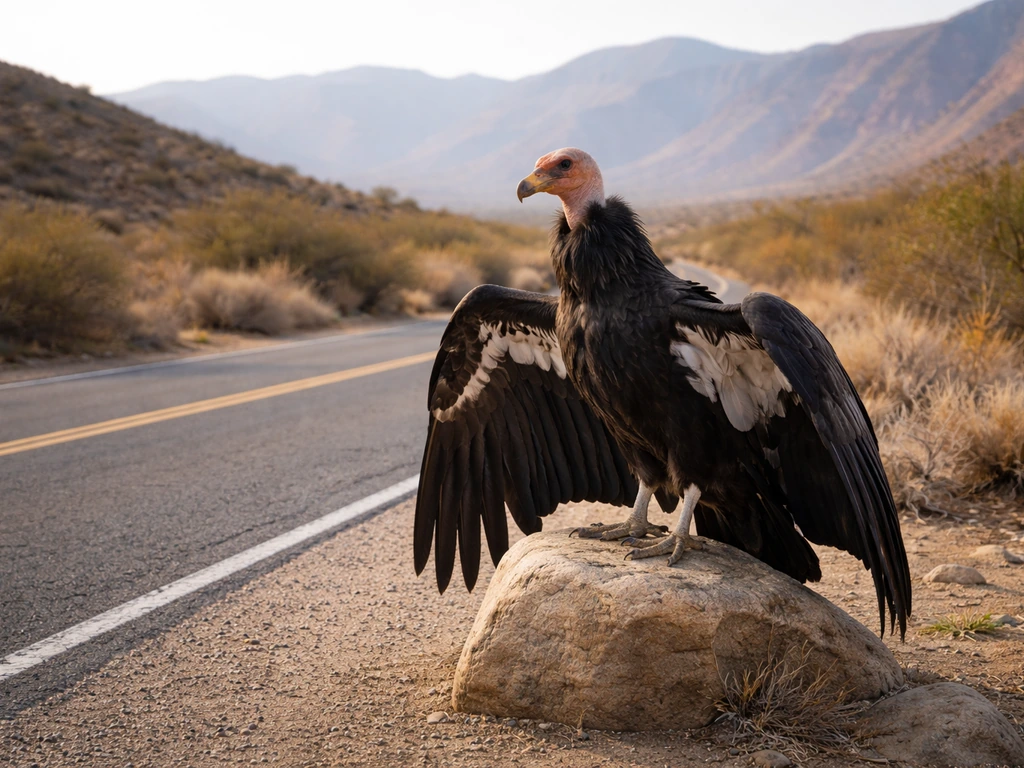
Both the California condor (Gymnogyps californianus) and the Andean condor (Vultur gryphus) are vultures. Their biology is oriented entirely around finding and consuming dead animals. They have hooked beaks adapted for tearing into carcasses and relatively weak feet compared to true birds of prey like eagles or hawks. They do not have the talons designed to grip and kill live prey. This is a meaningful distinction: a condor does not perceive you as food.
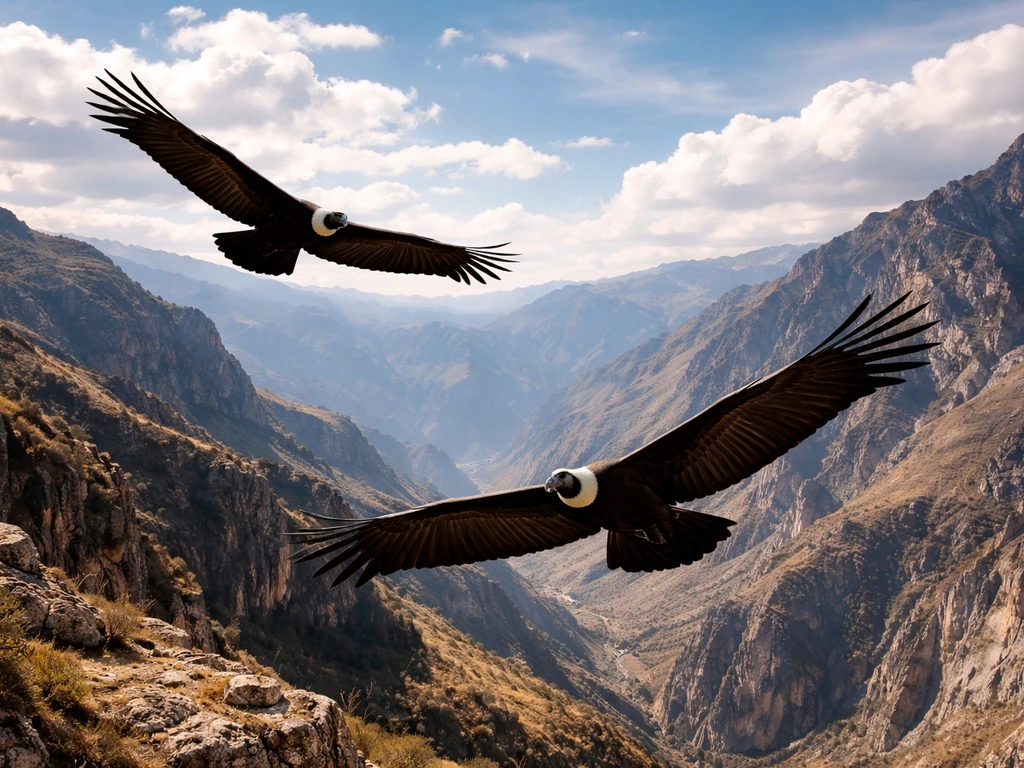
In documented wildlife encounters across the American Southwest, condors at Grand Canyon, Zion, and Bryce Canyon regularly land near overlooks and trailheads. Park rangers at these sites consistently report that the birds' biggest problem is curiosity about humans, not aggression. The actual danger profile is low. A large condor has a wingspan of up to 9.5 feet (about 2.9 meters) for the California condor and up to 10.5 feet for the Andean condor, so an irritated bird displacing you physically is conceivable but genuinely rare. Bites and scratches from a stressed bird are the most realistic injury scenario, not an unprovoked attack.
When condors attack: myths vs likely scenarios
The myth that large vultures will swoop down on people or children is very old and very wrong. Condors do not hunt. They locate food using eyesight over enormous distances and are hardwired to look for stillness and decay, not movement and life. No credible wildlife record documents a California or Andean condor launching an unprovoked predatory attack on a human.
That said, there are scenarios where a condor might behave in ways that feel threatening or actually cause minor injury. These are worth knowing.
- Nest defense: During breeding season, a nesting condor (especially a California condor at a cliff nest site) may act defensively if a person gets too close. The bird may hiss, spread its wings, lunge, or even strike. This is a stress response, not predation.
- Habituation: Condors that have become used to humans through hand-feeding or repeated close contact can lose their natural wariness. A habituated bird may approach you expecting food, land near you, or grab at shiny objects or food items in your pack. This behavior looks bold and can feel alarming, but it is the result of prior human behavior, not innate aggression.
- Cornered or injured birds: An injured condor on the ground that feels trapped may bite or strike with its wings if a person tries to approach or handle it. This is true of virtually any wild bird.
- Carcass competition: In the extremely unlikely event that you are near a carcass that condors are feeding on, the birds may react with threat displays if they feel crowded. This is rare in practice because hikers are not typically around carcasses in condor territory.
Signs of agitation and safe behavior around condors
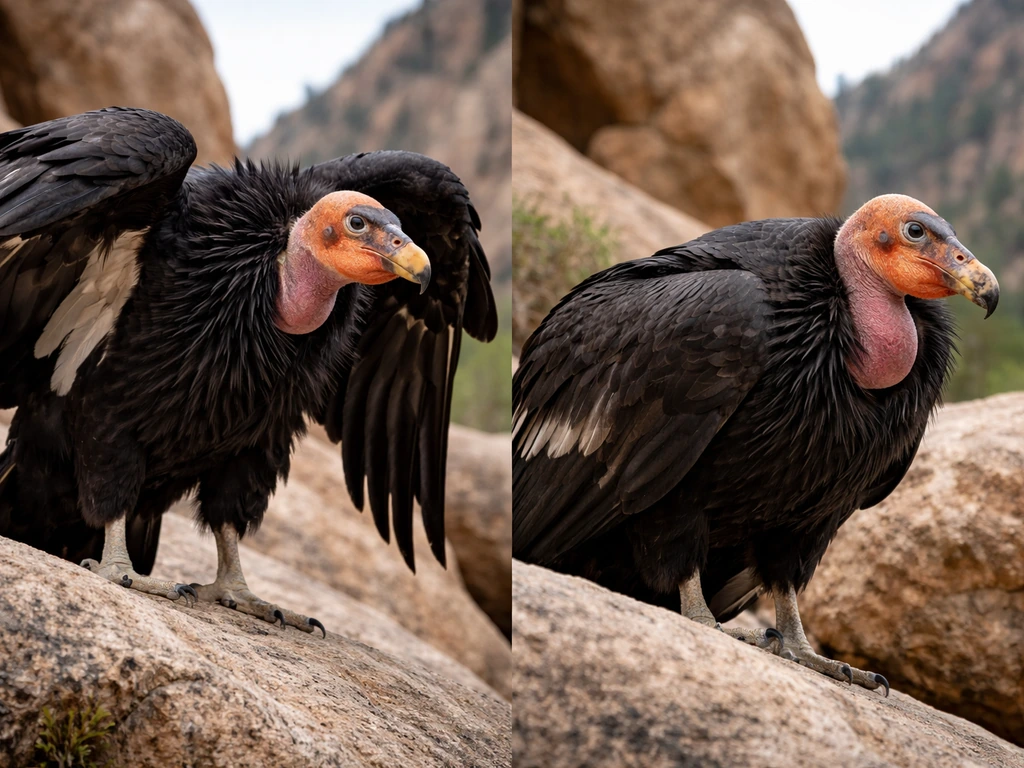
Condors communicate discomfort clearly if you know what to look for. Reading these signals early gives you time to back off slowly before anything escalates.
- Wing spreading or mantling: The bird extends its wings wide and holds them open. This is a threat posture and a clear sign to increase distance.
- Hissing or grunting: Condors are mostly silent birds, so any vocalization at close range is a stress indicator.
- Head bobbing or weaving: Rapid, repetitive head movements signal heightened alertness and discomfort.
- Direct approach toward you: If a condor walks or hops toward you rather than away, it may be habituated. This is not aggression in the hunting sense, but it still means the situation needs managing.
- Feather ruffling with hunched posture: A bird that looks puffed up and pulled in may be preparing to defend itself or flee.
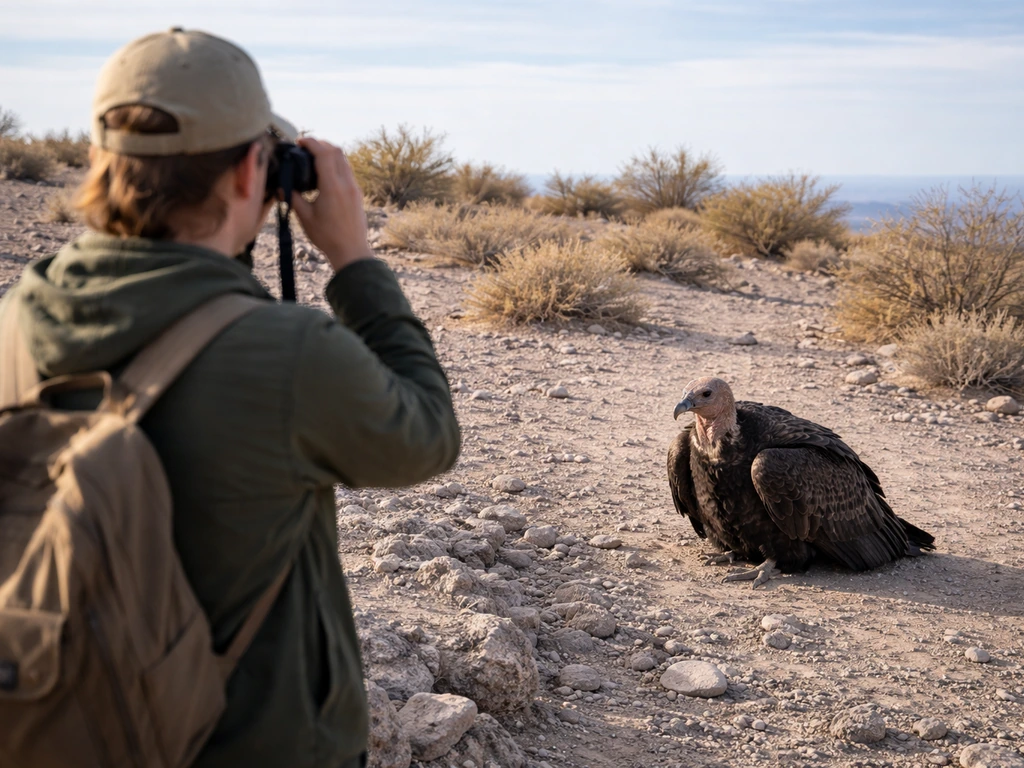
If you see any of these behaviors, move away slowly and calmly. Do not run, do not wave your arms, and do not try to photograph the bird at close range. Give the bird an obvious exit route and it will almost always use it.
Safety rules for hiking, viewing, and wildlife handling
Grand Canyon National Park's official guidance sets a minimum viewing distance of 75 feet (23 meters) from California condors. That is roughly the length of a standard school bus. It is a useful mental benchmark. Bryce Canyon and Zion follow the same principle: observe from a distance, do not approach, and absolutely do not offer food. Bryce Canyon National Park instructs visitors, “Do not approach or attempt to feed a condor,” and if you observe one, report the sighting to a Park Ranger.
The U.S. Fish and Wildlife Service (USFWS) California Condor Recovery Program is direct about the rules: never feed or approach a condor. This is not just about your safety. Feeding condors is one of the primary drivers of habituation, which puts birds at real risk of vehicle strikes, power line collisions, and reduced survival in the wild. When you feed a condor, you are contributing to its potential death.
- Stay at least 75 feet (23 meters) away from any condor you spot.
- Never offer food, even if the bird approaches you.
- Keep food and scented items (including trash) in sealed containers and never leave them unattended in condor country.
- Do not leave toxic substances like antifreeze, lead ammunition scraps, or poisoned bait in or near any habitat.
- Move slowly and avoid sudden movements or loud noises near a bird.
- Do not attempt to handle, corner, or touch any condor under any circumstances.
- If a condor lands within arm's reach or is behaving unusually, note its wing tag number if visible and report it immediately to park staff or USFWS.
- Keep pets leashed. A dog running at a condor creates unnecessary stress and could injure the bird or provoke a defensive response.
Health and risk basics: bites, scratches, disease, and sanitation
If a condor does bite or scratch you (which would almost always happen because someone got too close or tried to handle the bird), treat it the same way you would any wildlife contact. Wash the area thoroughly with soap and water for at least 20 minutes. Seek medical advice, particularly about tetanus status and any local guidance on wildlife-associated infections. The risk of serious disease transmission from condors to humans is not zero, but it is genuinely low.
Vultures, including condors, have highly acidic digestive systems that destroy many pathogens found in the carcasses they eat. This means they are not the disease vectors that popular imagination sometimes makes them out to be. That said, basic sanitation is still sensible: if you have been near condors or any wildlife, wash your hands before eating or touching your face. Do not handle feathers, nesting material, or carcasses.
One real and non-trivial concern in condor territory is lead poisoning, though this is primarily a risk to the birds, not to you. Hunters and hikers who leave gut piles or carcasses containing lead ammunition fragments create a serious hazard for condors that feed on them. Do not leave garbage or poisons such as antifreeze in the wild. Using non-lead ammunition in condor range is strongly encouraged by wildlife agencies and is legally required in some areas of California.
Conservation context: why condor behavior is shaped by us
California condors came within a few individuals of total extinction in the 1980s. The entire wild population was brought into captivity in 1987, with just 27 birds remaining. Today, through intensive recovery programs run by USFWS, the San Diego Zoo Wildlife Alliance, and partners like the Peregrine Fund, the population has climbed back to over 500 individuals, with more than 300 flying free in the wild across California, Arizona, Utah, and Baja California. The Andean condor faces similar pressure across parts of South America, with habitat loss and persecution as key threats. The Andean condor is found in parts of South America, including the Andes in and around countries like Colombia, Peru, Bolivia, and Ecuador.
This context matters for understanding condor behavior around people. Birds raised in captivity or hatched by parents that had extensive human contact can develop habituation that makes them bold and curious. Wildlife managers work hard to prevent this using condor puppets during hand-rearing so chicks do not imprint on humans. When a condor approaches you on a trail, it may be reflecting a history of insufficient aversion conditioning, not genuine aggression. Your job is to not reinforce that behavior by backing away, not engaging, and not feeding the bird.
If you are interested in how condors fit into the broader picture of endangered and once-nearly-extinct birds, the California condor's story sits alongside some of the most dramatic conservation recoveries in natural history, and the species remains critically watched by researchers worldwide. The California condor is not extinct, but it has faced catastrophic declines and remains an endangered species that is closely monitored is the condor bird extinct.
What to do if a condor seems injured or dangerously habituated
Do not attempt to help an injured condor yourself. It sounds counterintuitive, but approaching or handling the bird can cause it additional stress, make injuries worse, and puts you at risk of scratches or bites. Condors are federally protected under the Endangered Species Act in the United States, and handling one without authorization is illegal.
Instead, observe from a distance, note the bird's wing tag number and any identifying details (color, approximate size, exact location), and report it immediately. In most national parks, this means finding the nearest ranger station or calling the park's emergency line. Outside park boundaries, contact your regional USFWS office or the state wildlife agency. The Peregrine Fund operates condor field teams in Arizona and Utah and can be reached through their condor program contacts. In California, the California Department of Fish and Wildlife coordinates with USFWS on condor recovery.
Where to find local guidance and how to report incidents
If you are planning a visit to a known condor habitat, check in with the specific park or preserve before you go. Grand Canyon, Zion, and Bryce Canyon all have condor-specific guidance pages and ranger programs. Pinnacles National Park in California is another reliable condor viewing site with active interpretive programs.
| Location | Who to contact | How to report |
|---|---|---|
| Grand Canyon National Park (AZ) | Park Ranger or Visitor Center | Call 928-638-7888 or find a ranger on site |
| Zion National Park (UT) | Park staff; report tag number | Call 435-772-3256 or speak to any ranger |
| Bryce Canyon National Park (UT) | Park Ranger | Report sighting directly to a Park Ranger |
| Pinnacles National Park (CA) | Park Ranger or Visitor Center | Call 831-389-4486 |
| California (outside parks) | CA Dept. of Fish and Wildlife | Call CDFW at 1-888-334-2258 |
| Arizona/Utah (outside parks) | USFWS or Peregrine Fund | Contact regional USFWS office or Peregrine Fund condor program |
| South America (Andean condor) | Local wildlife authority | Contact national parks agency or environmental ministry in relevant country |
For general condor encounter questions or to report unusual behavior like a bird repeatedly approaching hikers, the USFWS California Condor Recovery Program maintains public contact channels and welcomes sighting reports. These reports actually help researchers track individual birds and monitor habituation risk across the wild population. Your observation is useful data.
The bottom line: condors are not dangerous in the way that bears or mountain lions are. They are large, wild, and occasionally surprising, but they are not predators and they do not target people. Treat them with the same respect you would give any large wild animal, keep your distance, do not feed them, and report anything unusual to park or wildlife staff. If you are wondering is the andean condor the largest bird, remember that size does not mean a bird is a predator. That approach keeps you safe and gives these extraordinary birds the space they need to survive.
FAQ
What should I do if a condor lands right near me on a trail or overlook?
If a condor lands near you, the safest response is to keep still, then back away slowly once you notice discomfort signals. Do not try to “shoo” it with sudden movements, because habituated birds can move closer to investigate if they think people will react.
If a condor seems irritated or keeps following me, should I run or wave to scare it off?
Do not run or throw objects. Instead, slowly increase your distance and give the bird a clear path to leave. If you are with others, move as a group without clustering at the bird’s level (keep some space between people).
Are the viewing-distance rules the same in every condor habitat area?
Use the same behavior regardless of where you are, but prioritize local rules first. Some parks have stricter viewing minimums or designated pull-off areas, and they may also have specific reporting steps for repeated approach behavior.
Can I get a closer photo if I keep quiet and don’t touch the bird?
Even though condors do not hunt people, avoid treating them like “birds of prey.” Do not attempt to get closer for better photos, and do not bring or use food to lure them, because feeding drives habituation and increases risk for the bird.
What should I do if I think a condor is injured or trapped?
If a condor appears to be stuck, injured, or entangled, do not try to help. Back away, protect others from approaching, and notify park staff or wildlife authorities. Handling can worsen injuries and increases your chance of a scratch or bite.
What if I see carcasses or gut piles in condor range, can that be unsafe for hikers?
A “lead gut pile” risk is mainly for the birds, but from a human safety perspective, never handle carcasses or remains that could contain hazards. Leave the area, keep pets leashed, and report unusual feeding carcasses to park or wildlife staff.
Are condors dangerous because of disease, should I worry about infection after a close encounter?
In the immediate moment, focus on distance and sanitation, not on contagiousness. Wash thoroughly after contact with any wildlife material, avoid touching your face before washing, and seek medical advice if you were bitten or scratched, including tetanus status.
What if someone accidentally drops food near a condor?
If you accidentally drop food or bait, remove yourself and do not approach to retrieve it. Feeding is a driver of habituation, so the key is not to reinforce the behavior, then report the situation to staff if it happened in a managed viewing area.
Why would a condor approach me if they are not predators?
Expect the bird to test boundaries when it is habituated, especially if it has a human-food association from the past. The practical takeaway is the same: do not engage or reward approach behavior, and keep your movement calm and away from the bird.
If I see a condor repeatedly, what details should I record before reporting it?
If you have a wing-tag sighting, do not attempt to zoom so closely that it changes your behavior or the bird’s. Note the location, time, number of birds, direction of travel, and any visible tag number, then report through the appropriate park or wildlife contact channel.
Next Articles
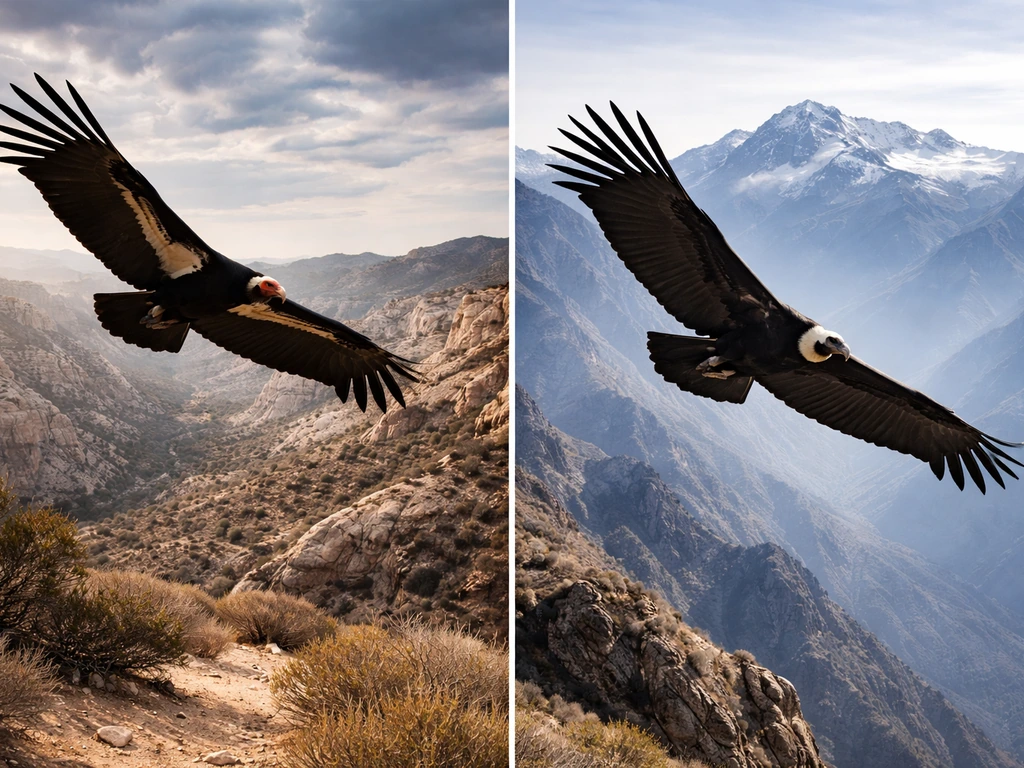
Is the Condor Bird Extinct? Status, Causes, and Recovery
Learn if any condor species are extinct, current status for California and Andean condors, and recovery efforts.
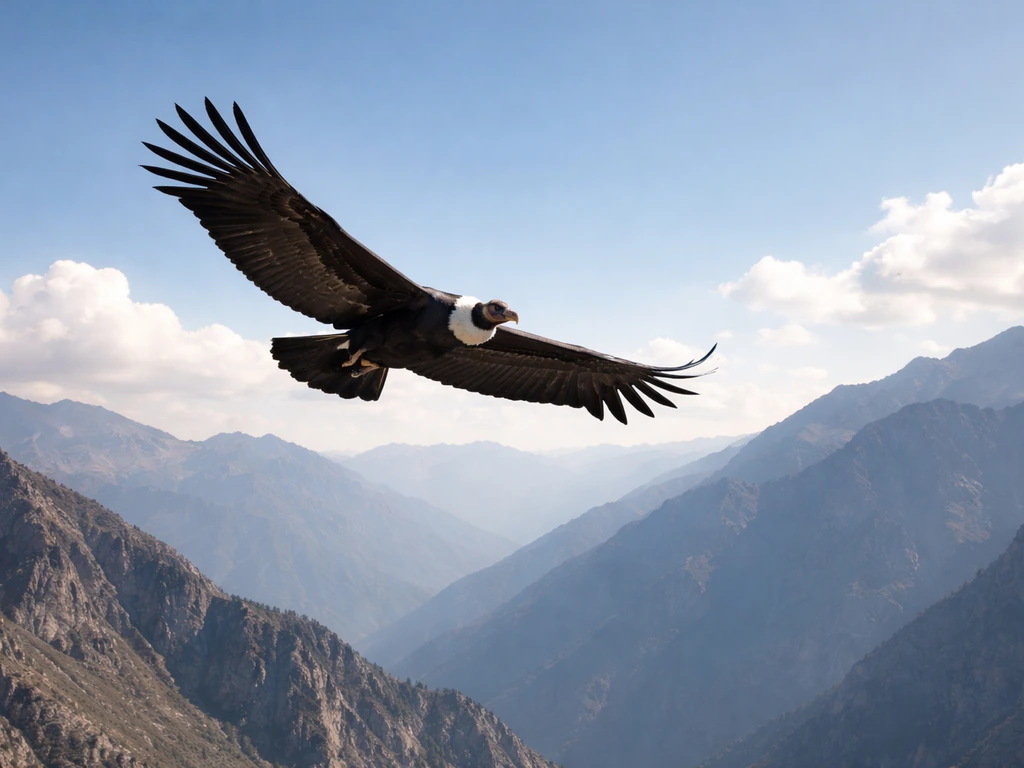
Is the Andean Condor a Bird of Prey? Raptor Facts
Is the Andean condor a bird of prey? Yes, a scavenging raptor. Learn traits, taxonomy, and how it compares to eagles
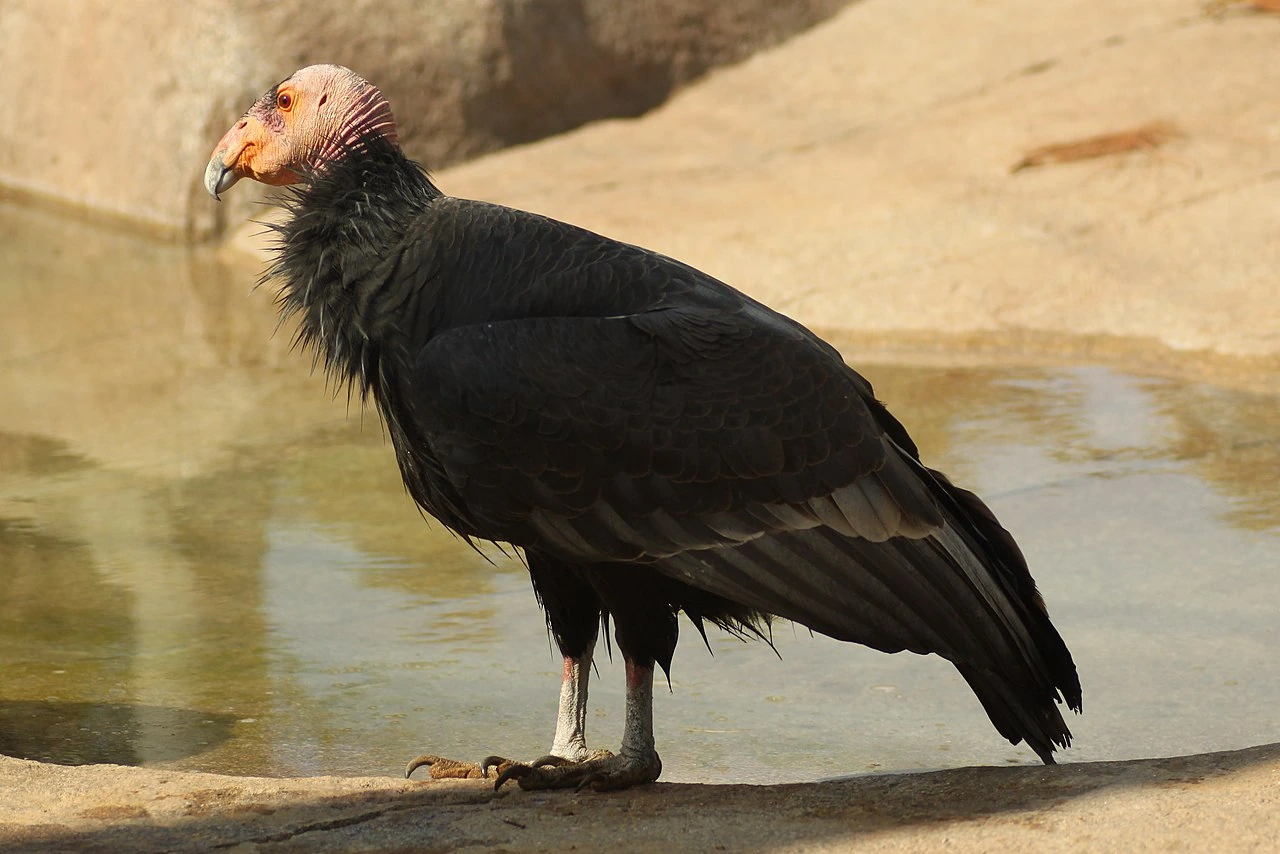
Is the California Condor the Largest Bird in the World?
Find out if the California condor is the world’s largest bird, comparing size metrics and key global contenders.