
Potoo birds live exclusively in the Americas, ranging from subtropical Mexico, Jamaica, and Hispaniola south through Central America, the Caribbean, and across South America all the way to southern Brazil and Uruguay. Every single one of the seven recognized species is native to the Neotropics, and none exist naturally anywhere else on Earth. If you're asking about a potoo, you're looking at a bird tied entirely to the Western Hemisphere's tropical and subtropical forests.
Where Does the Potoo Bird Live Habitat and Range by Species

Maya Hennessy
13 May 2026
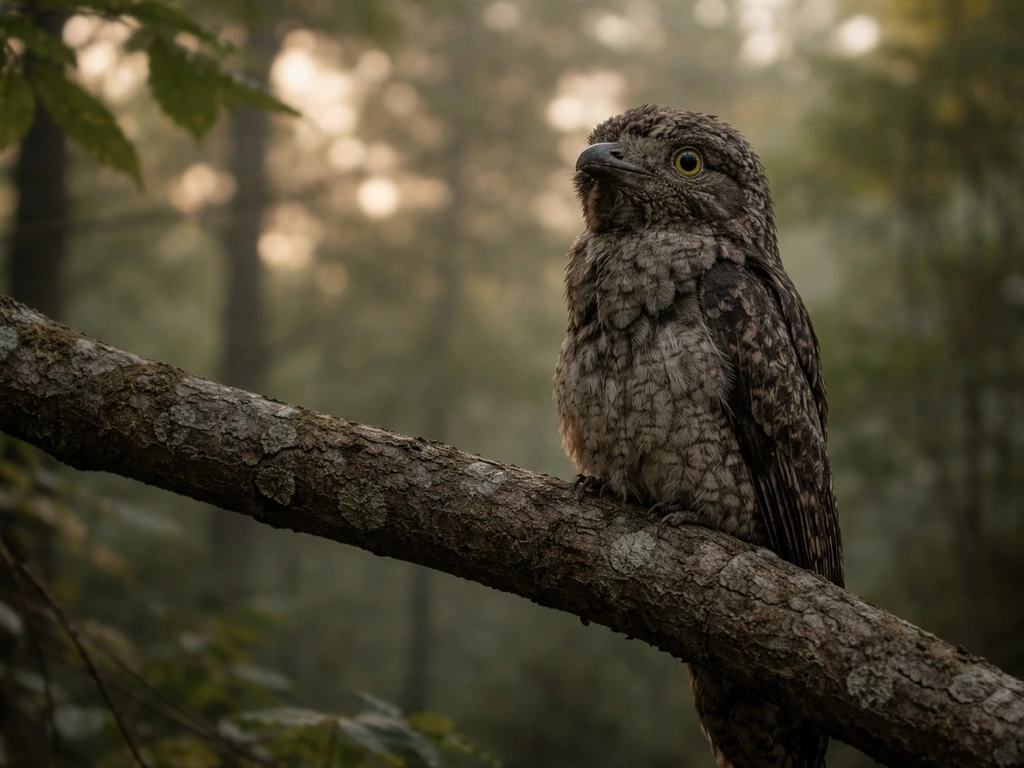
Where potoo birds are from
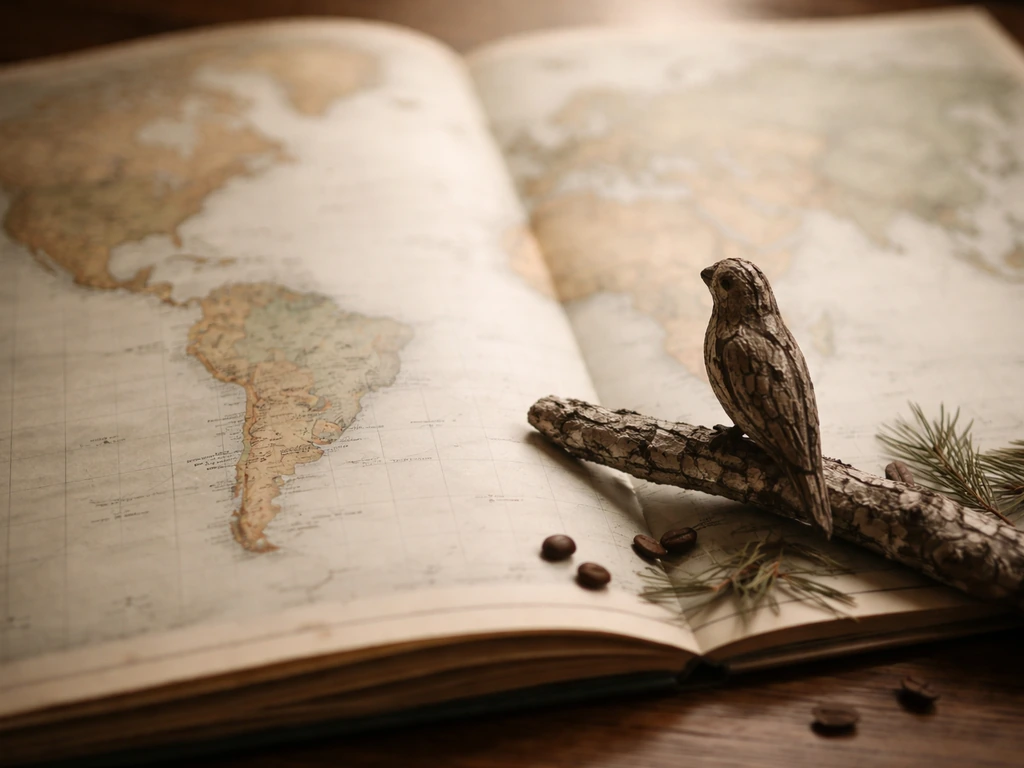
The entire family Nyctibiidae is what biologists call strictly Neotropical. That means their native range covers a huge latitudinal sweep: from the pine-oak forests and scrubby woodlands of southern Mexico in the north, through every country in Central America, into the Caribbean islands (particularly Jamaica and Hispaniola), and across virtually the whole of South America down to Uruguay and the southern states of Brazil. The Amazon Basin is the family's heartland, with the highest concentration of species overlapping in that region. If someone tells you they spotted a potoo in Africa, Asia, or Europe, that's a misidentification.
It's worth noting that potoos aren't the only cryptic, tree-perching birds people ask about in this context. Hoopoes and toucans, for example, occupy completely different continents and habitats. If you meant toucans, their natural range is also tied to specific tropical regions, not the Americas alone Hoopoes and toucans. The potoo's entire evolutionary story is a New World story, shaped by Neotropical forests over millions of years.
Habitats they actually live in
Potoos are forest birds, but they're flexible about exactly which forests they use. The broad habitat categories that cover most species include tropical lowland rainforests, subtropical and deciduous forests, forest edges, open woodlands, and even plantations or secondary growth where large trees with broken branches still exist. What ties all these environments together is the presence of tall trees with dead stubs and exposed perches, because that's where potoos roost and nest.
Nesting is famously minimal. A potoo doesn't build a nest at all. Instead, the bird lays a single egg directly into a natural depression on a broken branch stub or a scar left by a fallen limb. The egg and chick both adopt the same cryptic posture as the adult, making the nest site nearly invisible to the naked eye. This means the habitat a potoo needs isn't just "forest" in a general sense; it's forest with the right tree structure: old trees, dead wood, broken crowns.
Forest edge and canopy use
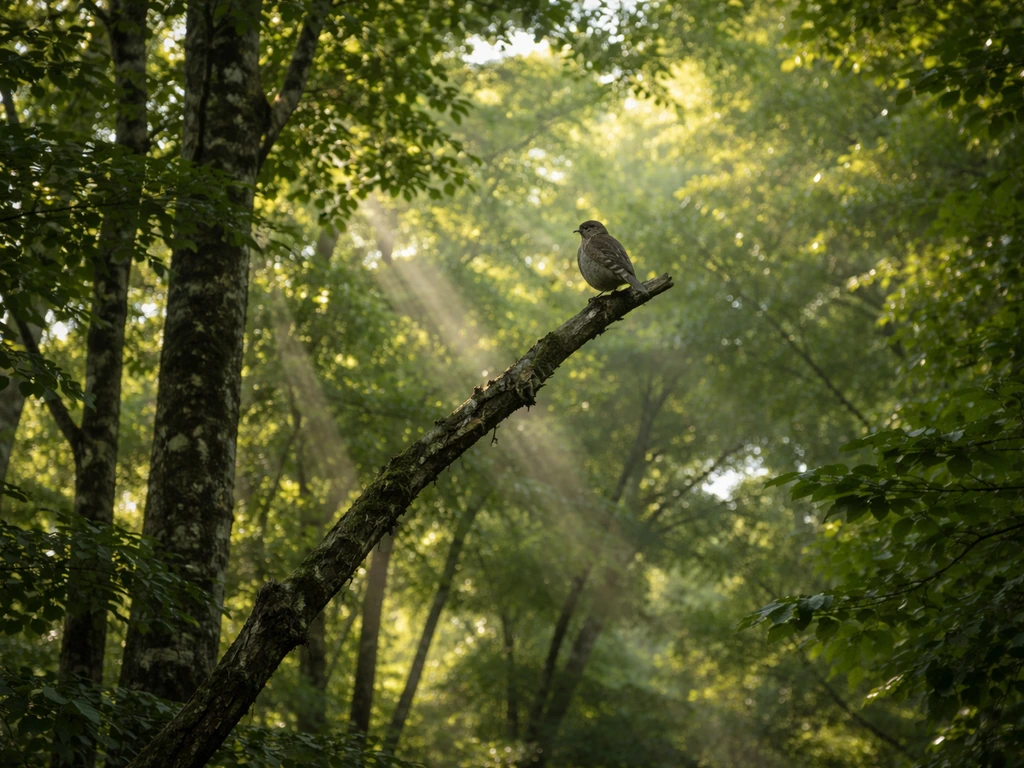
Several species are documented canopy specialists, spending daylight hours high in the exposed upper crown of tall trees. Others are more at home in the mid-story or at forest edges where broken stubs are easy to find. The Andean potoo, for instance, leans toward montane cloud forest structure, while the common potoo is comfortable in a wide range of lowland and foothill settings. This variation in vertical habitat use within the forest is one reason two potoo species can sometimes share the same patch of land without directly competing.
Species-by-species distribution
Because "potoo" covers seven species with meaningfully different ranges, a single-country answer is rarely useful. Here's where the major species actually live.
| Species | Range | Key Countries / Regions |
|---|---|---|
| Common Potoo (Nyctibius griseus) | Southern Mexico to northern Argentina, Guianas, Trinidad | Mexico, Costa Rica, Colombia, Venezuela, Brazil, Argentina, Trinidad |
| Great Potoo (Nyctibius grandis) | Southern Mexico through Central America, much of South America to Bolivia and SE Brazil | Mexico, Panama, Colombia, Peru, Bolivia, Brazil |
| Long-tailed Potoo (Nyctibius aethereus) | Amazon Basin and Atlantic Forest | Colombia, Venezuela, Peru, Brazil, Bolivia |
| Northern Potoo (Nyctibius jamaicensis) | Mexico, Central America, Jamaica, Hispaniola | Mexico, Guatemala, Honduras, Nicaragua, Jamaica, Hispaniola |
| Andean Potoo (Nyctibius maculosus) | Andes foothills and montane zones | Colombia, Ecuador, Peru, Bolivia, Venezuela |
| White-winged Potoo (Nyctibius leucopterus) | Northern and central South America | Brazil, Venezuela, Colombia, Guianas |
| Rufous Potoo (Phyllaemulor bracteatus) | Amazonia | Venezuela, Colombia, Peru, Brazil, French Guiana, Guyana |
One thing worth flagging: the Northern potoo was historically treated as a subspecies of the common potoo, and older field guides sometimes lump them. Today most taxonomic authorities treat them as separate species based on vocal and morphological differences. If you're in Mexico or Central America, you're most likely dealing with the Northern potoo, not the common potoo, which is the dominant species in South America.
Climate and elevation preferences
Most potoo species are lowland birds, most comfortable below 1,500 meters (roughly 5,000 feet). The Amazon Basin, coastal Atlantic Forest, and the humid lowland zones of Central America are all prime potoo territory. The common potoo and great potoo both fit this profile, thriving in warm, humid, tropical climates year-round. In Hawaii, the common myna bird has established itself in some areas and is often noticed around urban and residential landscapes common myna bird in Hawaii.
The Andean potoo is the clear outlier. It's adapted to cooler, mist-laden montane cloud forests in the Andean foothills and mid-elevations, and it's been documented using roost and nesting strategies similar to its lowland relatives but in very different thermal conditions. If you're at elevation in the Andes and you think you've spotted a potoo, the Andean potoo is the species to investigate first.
Subtropical zones at the northern and southern edges of the range, like the drier forests of northern Mexico or the subtropical woodlands near Uruguay, support sparser potoo populations. These areas are cooler and more seasonal than the Amazonian core, but the birds still manage there, particularly where tree structure is right.
Roosting and daytime hiding spots
Here's the practical reality of "where does the potoo live" for anyone actually trying to find one: potoos are nocturnal, and by day they are almost impossibly camouflaged. If you're actually asking about a hoopoe, its living range is different from a potoo's and depends on the region you mean where does the hoopoe bird live. The bird sits vertically on a broken branch or stub, closes its eyes to slits, and aligns its body with the wood grain of the perch. From even a few meters away, it looks exactly like a dead branch or a weathered piece of bark. Researchers describe this as a "freeze" posture that the bird holds for hours, and even the chicks learn it from birth.
What this means practically: you won't find a potoo by scanning moving birds or listening for daytime calls. You find them by learning to recognize their perch sites. Look for tall, exposed broken stubs at the top or edge of a tree crown, particularly in forest clearings or at the edge of a trail where the canopy opens up. If one shape on a stump looks just slightly too lumpy or has a subtle round head profile at the top, it might be a roosting potoo.
At dusk, the situation changes fast. Common potoos begin hunting just after dark, launching repeated aerial sallies from an exposed perch to catch large insects. This is when they become detectable by sound, including their famous, mournful descending call. Guided night walks in countries like Costa Rica, Brazil, and Peru offer reliable potoo sightings precisely because local guides know which stumps and broken branches the birds return to night after night.
How to narrow down which potoo you're looking for
The fastest way to figure out which potoo species applies to your question is to start with geography. Use the table above and ask: what country or region am I in, or asking about? If the answer is Jamaica, you're almost certainly looking at the Northern potoo. If it's the central Amazon Basin with no mountains nearby, you're in common potoo, great potoo, or long-tailed potoo territory. If you're in the Andean highlands of Colombia or Peru, check the Andean potoo first.
- Pin down the country and elevation: above 1,500 meters points to the Andean potoo; islands like Jamaica or Hispaniola point to the Northern potoo; Amazon lowlands point to common, great, long-tailed, white-winged, or rufous potoo depending on exact location.
- Match the body size: the great potoo is the largest (up to 60 cm), noticeably bigger than the common potoo (35–38 cm); size is visible even in photos.
- Listen to the call: potoo vocalizations are species-specific; recordings on platforms like xeno-canto are freely available and the most reliable remote ID tool.
- Check the rufous potoo separately: it's placed in its own genus (Phyllaemulor) by some classifications because of meaningful morphological differences, and it's restricted to Amazonian lowlands.
- If you're reviewing a historical sighting or older field guide entry, verify whether the source treated Northern and common potoo as one species, since older literature often lumped them.
Potoos occupy a fascinating ecological niche, and their extreme camouflage is both what makes them thrilling to find and what makes them genuinely difficult to study. Conservation-wise, most species are currently not considered globally threatened, but they depend heavily on intact or mature forest with old-growth tree structure. If you're specifically wondering whether the hoopoe bird is endangered, the answer depends on its species and region rather than being a single worldwide status not considered globally threatened. Deforestation that removes large old trees with natural cavities and broken branches doesn't just reduce forest cover; it removes the very substrate these birds rely on for roosting and nesting. Keeping that detail in mind is useful context for anyone following potoo populations in a world where lowland tropical forests continue to face pressure.
FAQ
Do potoo birds live in North America, or only farther south?
Yes, potoos reach North America in the subtropics, with the northern edge including southern Mexico. They are still tied to Neotropical forest structure, so you generally need suitable forest with tall trees and broken stubs, not just any wooded area.
Are there any native potoo populations outside the Americas, like in Africa or Asia?
No, potoos are native only to the Neotropics, meaning they naturally occur only in the Western Hemisphere. If you see something described as a potoo elsewhere, it is almost always a different species or a misidentification.
Can a potoo live in plantations or disturbed forests, or only old-growth?
They can use secondary growth and plantations when the key structure is present, especially tall trees with dead stubs or broken crowns. If cutting or grooming removes those perches, the habitat becomes unsuitable even if the area still has trees.
Where exactly should I look for a potoo during the day?
Focus on vertical, exposed broken stubs high in the canopy or along forest edges and clearings. The bird’s “freeze” posture makes it resemble bark or a dead branch, so scanning for shapes on specific perch sites works better than watching for movement.
Do potoos call during the day, and is listening useful in daylight?
Daytime detection is difficult because they are largely silent and motionless while roosting. Listening is more reliable at dusk and after dark, when they hunt and their calls carry.
If I’m in the tropics, how do I tell whether it’s common vs Northern potoo?
Use geography as the first filter. In Mexico and Central America, the Northern potoo is the most likely candidate, while the common potoo dominates much of South America. Small differences in appearance exist, but location is usually the quickest way to narrow it down.
Is the Andean potoo found at the same elevations as lowland potoos?
No, the Andean potoo is adapted to cooler montane cloud forest conditions in the Andes foothills and mid-elevations. If you are at high elevation in the Andes, checking for the Andean potoo should be your first move rather than assuming a lowland species.
How high in elevation do most potoos occur?
Most species are primarily lowland birds, commonly below about 1,500 meters (around 5,000 feet). There are exceptions based on species and local habitat, but elevation is still a strong clue for what’s possible.
What should I do if I think I saw a potoo at night, but I’m not sure which species?
Record your location (country and approximate elevation), note the habitat type (lowland rainforest, cloud forest, forest edge), and pay attention to what time the bird was active. That combination usually points to the correct group quickly, especially when you compare lowland settings to the Andean cloud-forest niche.
Why are potoo nests so hard to find?
They do not build typical nests, the egg is laid in a natural depression on a broken stub or scar in a tree. The chick and adult use extreme cryptic postures, so the nesting substrate itself can look like ordinary dead wood until you know exactly what to look for.
Next Articles
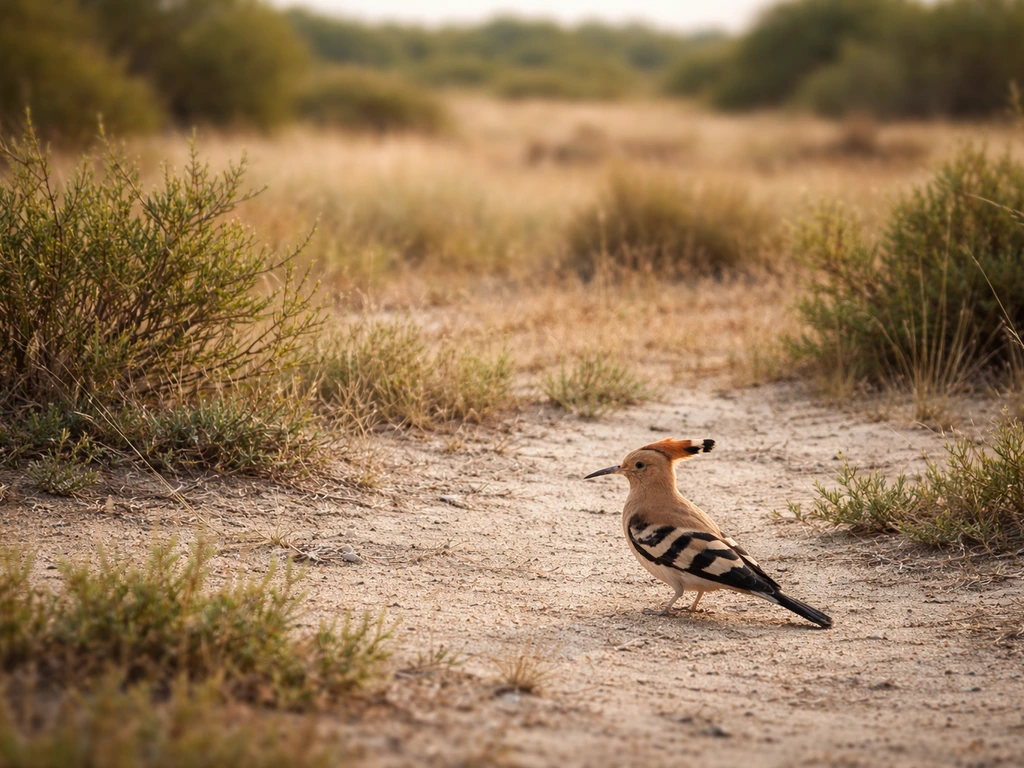
Where Does the Hoopoe Bird Live Habitat, Range, Seasons
Learn where hoopoes live, their habitat preferences, nesting and roosting sites, and seasonal range by region.
Where Does the Toucan Bird Live? Native Range and Habitat
Find where toucans live in the Americas and which forests they inhabit, including how climate and altitude shape sightin
Is the Dodo Bird Still Alive? What Evidence Shows Today
Learn if any dodos could exist today, why scientists say they are extinct, and how to judge sightings reliably.