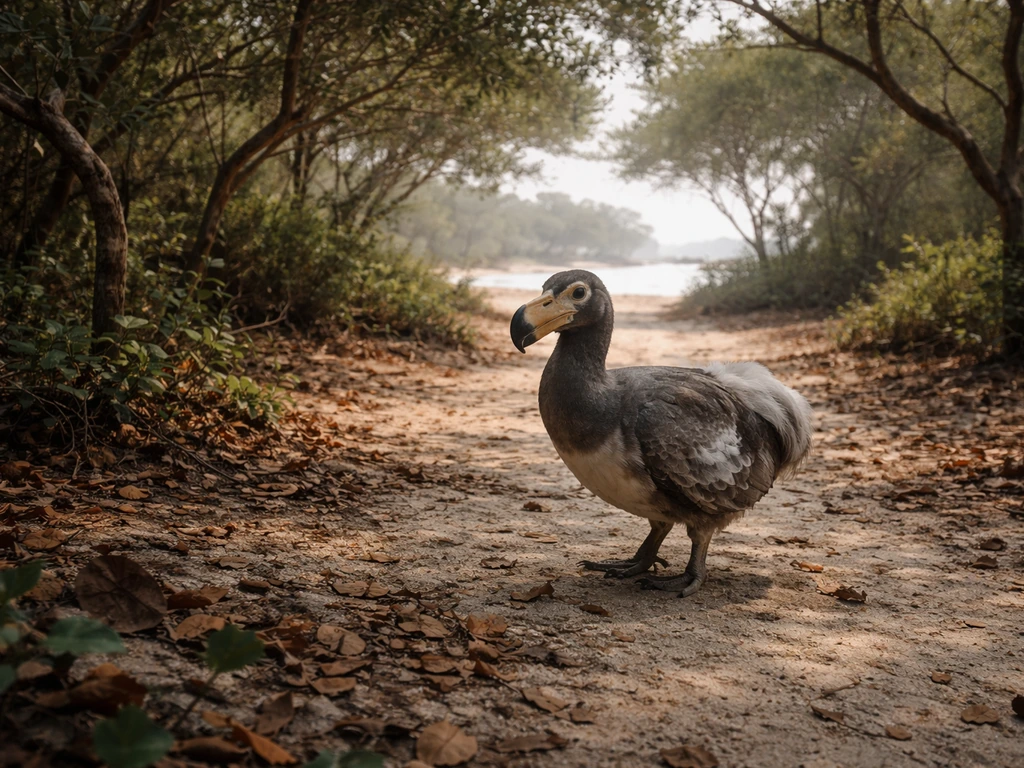
The emu (Dromaius novaehollandiae) lives in Australia, and almost all of it. This big, flightless bird occupies nearly the entire Australian mainland, from the tropical north to the temperate south, and from the arid interior to the coastal fringes. If you are trying to picture where emus actually are, think of a map of Australia with the dense rainforest and the major cities largely blacked out, and emus filling in most of the rest. That is roughly how it works.
Where Does the Emu Bird Live? Native Range and Habitat

Maya Hennessy
19 Apr 2026
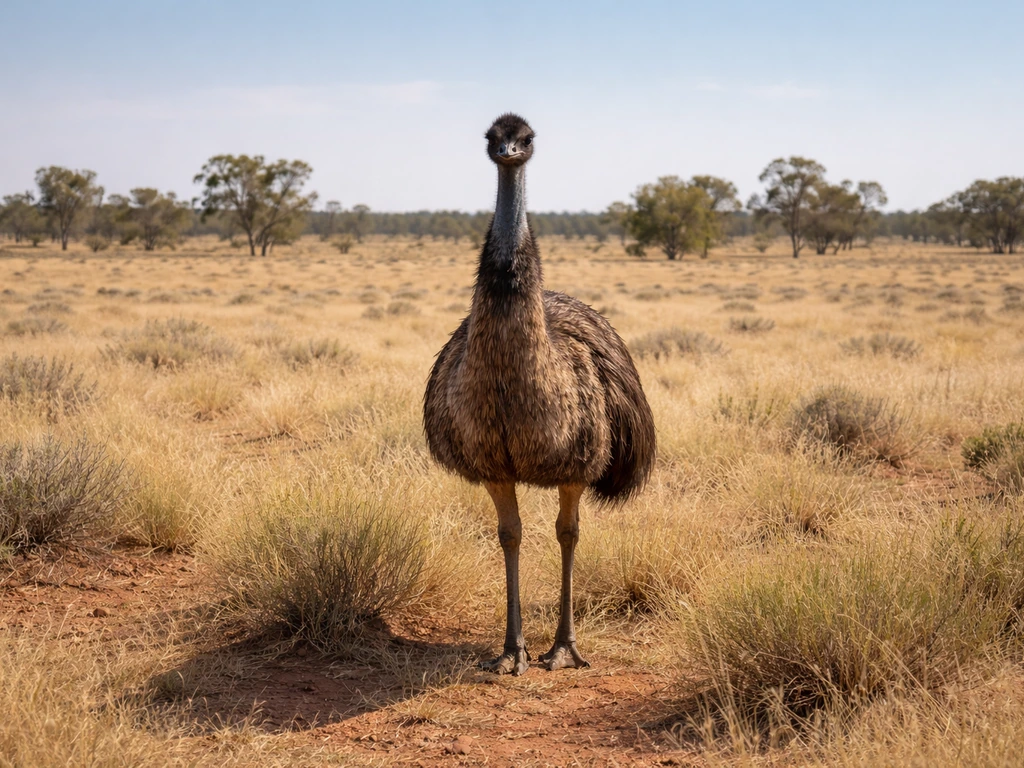
The emu's native range: Australia, almost all of it
Emus are endemic to Australia, meaning they evolved here and nowhere else. Their natural range covers the mainland continent across most states and territories: Western Australia, the Northern Territory, South Australia, Queensland, New South Wales, and Victoria. They are blank" rel="noopener noreferrer">not native to Tasmania, and the Tasmanian emu subspecies is now extinct, wiped out within roughly a century of European settlement. The King Island and Kangaroo Island subspecies are also gone, making the mainland bird the only surviving emu species today.
The Australian Faunal Directory formally recognises Dromaius novaehollandiae as the single surviving species, and distribution data from repositories like the Global Biodiversity Information Facility shows records spread right across the mainland. This is a genuinely wide-ranging bird, not a specialist confined to one corner of the country.
What kind of land emus actually prefer
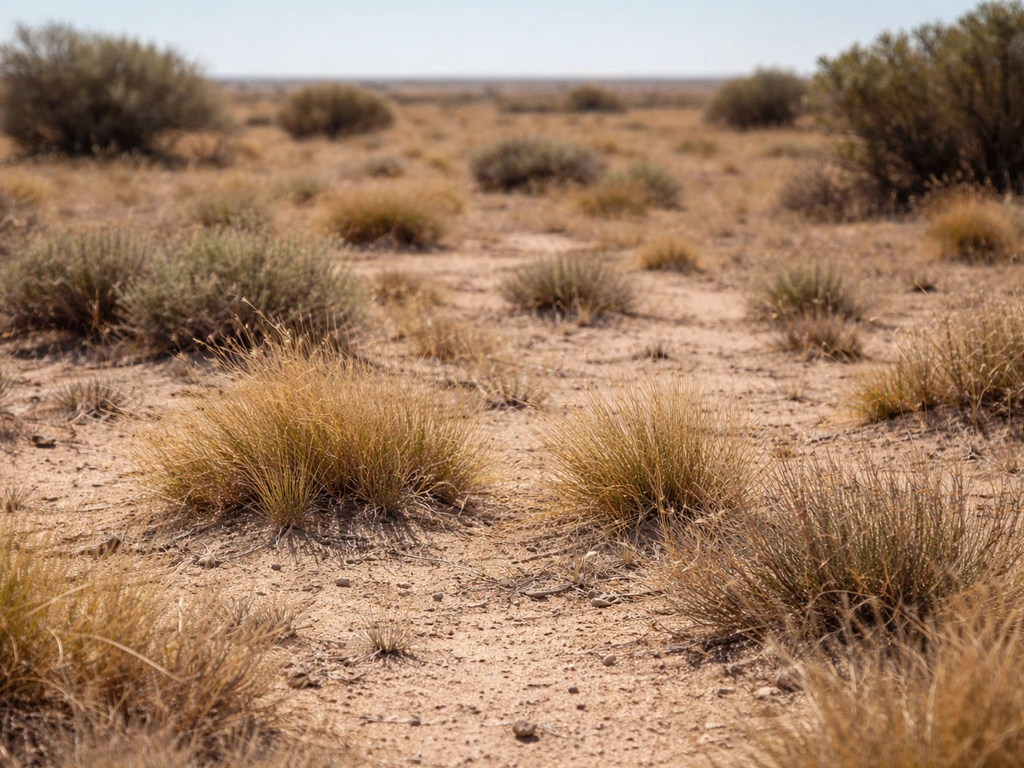
Emus are creatures of open country. Their preferred habitats are open plains, grasslands, dry sclerophyll forests, savanna woodlands, scrublands, and semi-arid shrublands. The pattern that runs through all of these is space and visibility: emus are large birds that need to move freely and spot threats early. Dense rainforest and thick scrub are not their territory.
In semi-arid New South Wales, emus make heavy use of ephemeral herblands (short-lived green growth that appears after rain) and shrubland communities, shifting to wherever seeds, fruits, and insects are most abundant across the year. Their diet is highly seasonal, and their habitat use follows that diet. Studies tracking dietary composition in semi-arid NSW show that food availability drives where emus turn up almost as much as the physical landscape does.
- Open grasslands and plains (core preferred habitat)
- Dry sclerophyll woodland and savanna
- Scrublands and mallee shrubland
- Semi-arid and arid rangelands where water points exist
- Eucalyptus forest edges, including jarrah forest in south-western WA
- Ephemeral herblands that green up after rain
- Farmland and paddocks (especially where water troughs are present)
What emus consistently avoid is dense closed-canopy forest, urban development, and areas with no accessible water. They will tolerate modified agricultural landscapes if food and water are present, which is why they occasionally turn up on sheep stations, grain farms, and near rural towns.
How habitat differs across Australian regions
Australia is a huge and varied continent, and emu habitat looks quite different depending on where you are. In the interior, emus live across arid and semi-arid zones where rainfall is low and unpredictable. Here, their movements are opportunistic, driven by where rain has fallen and where green growth has emerged. In the tropical north, emus occupy savanna woodlands with more reliable wet seasons, and populations tend to be less nomadic. BirdLife Australia notes that emus’ main habitats include sclerophyll forest and savanna woodlands, especially in the tropical north. In south-western Australia, emus move through jarrah eucalyptus forests and adjacent farmland, with satellite-tracking studies showing they navigate along fence lines and cluster near water points.
The east coast tells a more complicated story. The Great Dividing Range acts as a meaningful biogeographic boundary. MaxEnt modelling published in Scientific Reports found that the factors predicting emu distribution on the full mainland differ from those predicting it east of the Great Dividing Range, where the landscape is more fragmented and urbanisation is most intense. Populations east of the range have declined, and some coastal communities are now disjunct and isolated, meaning they are cut off from the main inland population.
| Region | Dominant Habitat Type | Population Status |
|---|---|---|
| Arid interior (e.g., outback SA, NT, WA) | Arid scrubland, semi-arid rangelands | Widespread, nomadic |
| South-western WA | Jarrah/eucalyptus forest, farmland | Present, movement tracked by satellite telemetry |
| Tropical north (e.g., NT, northern QLD) | Savanna woodland, tropical grassland | Present, less nomadic |
| Eastern Australia (inland of Great Dividing Range) | Grassland, open woodland | Widespread |
| East coast (urban/coastal fringe) | Fragmented remnant habitat | Declining, some populations endangered |
| Tasmania | N/A | Extinct (Tasmanian subspecies gone) |
Why season and rainfall move emus around
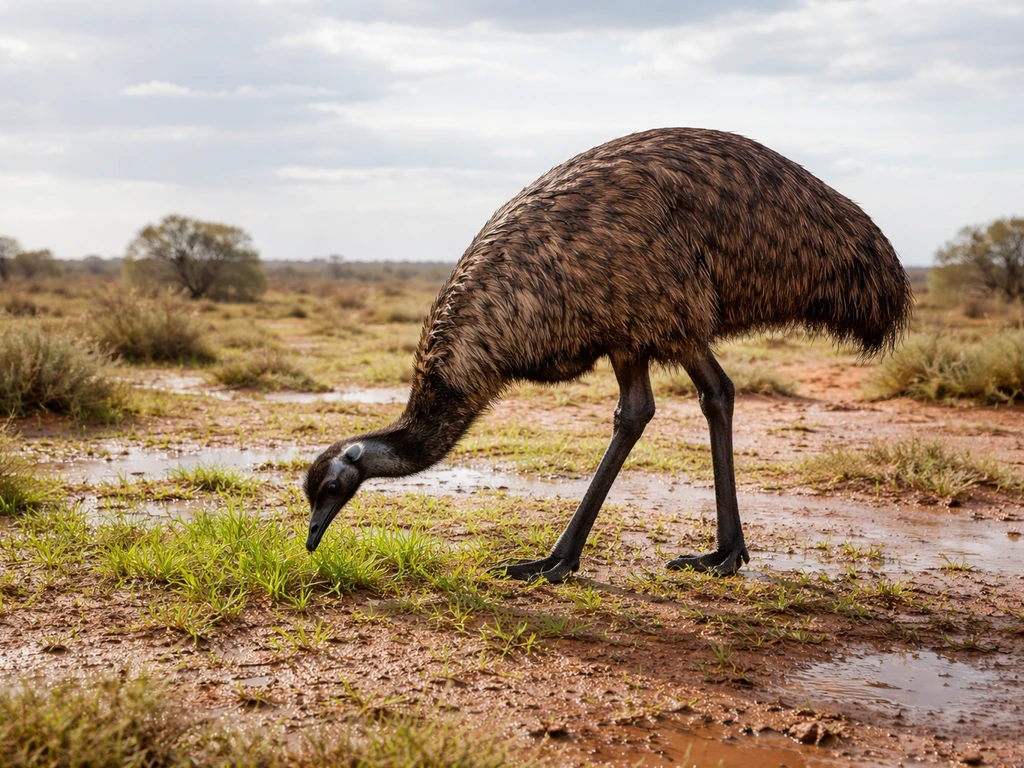
Emus are among Australia's most mobile large animals, and rainfall is the main trigger for long-distance movement. When rain falls in the outback, it kicks off rapid plant growth, and emus move toward it. Australian Geographic describes how emus track cloud banks and respond to greening vegetation, earning them an informal reputation as nature's weathermen. ABC News has reported on emus undertaking what locals call a 'long march across the outback' as rains replenish drought-hit areas, with populations shifting hundreds of kilometres toward the new growth.
In Western Australia, this movement has a clear seasonal pattern: emus tend to move northward in summer and southward in winter, following the shift in food availability. Water is a hard constraint. Research measuring emu water requirements in western New South Wales found that adult emus drink at least once per day, and sometimes twice on hot summer days. This means that during dry periods, emus are anchored to reliable water sources, whether that is a natural waterhole, a farm dam, or a stock trough. When rains arrive and temporary water becomes widely available, they can range much more freely.
The practical implication: if you are in a dry period, look for emus near permanent water points. If there has been recent rain, they may have moved far from where they were last spotted, following the green flush.
Where emus are today versus where they used to be
The overall mainland population is large and emus are not globally threatened, but the historical picture reveals real losses at the edges of their range. Before European settlement, emus were reportedly abundant along Australia's entire east coast. That changed fast. Historical records show coastal emu populations declined sharply within roughly a century of settlement, as land was cleared, farms expanded, and urban areas grew. The Tasmanian emu was gone by the 1850s. The King Island and Kangaroo Island subspecies disappeared even earlier.
Today, the NSW North Coast population is listed as an endangered population under NSW legislation. This group exists near the limit of the emu's eastern geographic range and is disjunct from inland populations, meaning it cannot easily be replenished by birds moving in from elsewhere. It is a striking contrast to the robust, wide-ranging populations of the interior, and it illustrates how a species can be common overall while specific populations quietly collapse at the edges.
Threats and what habitat loss actually means for emus
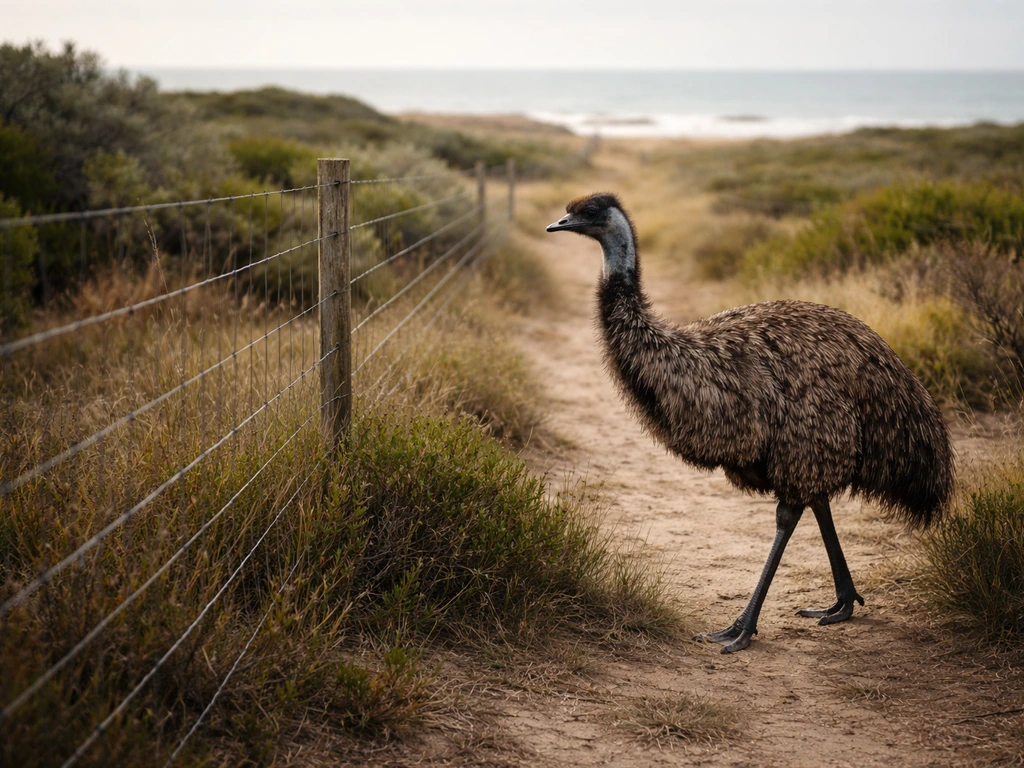
Emus do not attract the same conservation alarm as cassowaries or kiwis, but habitat pressure is real, particularly for coastal and eastern populations. The threats that matter most are: land clearing for agriculture and urban development, road strike (emus cross roads to forage and are hit by vehicles at significant rates), fencing that blocks movement corridors and cuts off access to food and water, introduced weeds that degrade native vegetation, feral animals, and altered fire regimes.
NSW Environment and Heritage has noted that fencing can force emus to travel along roadsides rather than through paddocks, dramatically increasing their exposure to traffic. Emu-friendly fencing programs exist specifically to give emus safe passage under or through fences rather than forcing them onto roads. This is the kind of detail that matters when a population is already isolated: a bird that cannot move freely to find food and water is a bird under serious stress.
During prolonged dry spells, emus move toward towns and developed areas seeking water, which brings them into direct conflict with roads and human infrastructure. Wildlife rescuers in places like Broken Hill have documented this pattern repeatedly. The vulnerability is not uniform: interior populations have space to roam and find water, while coastal and suburban-fringe populations are squeezed between the ocean, urban development, and degraded remnant habitat.
How to actually find emus in the wild
If you want to see a wild emu, your best strategy is to combine location, timing, and conditions. Here is what works.
- Go where emus are: inland open country, semi-arid rangelands, dry woodland edges, and national parks away from dense coastal development. Good regions include outback South Australia, western NSW, southern Queensland's inland areas, and the wheatbelt of Western Australia.
- Time it right: emus are most active in the hours after dawn and the period before sunset. Midday in summer is their rest time, especially near water. Plan your watching for early morning.
- Follow recent rainfall: if there has been significant rain in an area within the past few weeks, emus are likely to have moved toward the green-up. Dry conditions concentrate them around permanent water points like bores, dams, and waterholes.
- Look for signs: tracks (three-toed, large, unmistakable), scats (large, fibrous droppings often containing seeds), feathers (long, brown, double-shafted), and dusty depressions where emus have been dust-bathing.
- Scan open ground from elevated positions: emus are tall enough to see across open scrub, and you can spot them at distance if you have a clear view. Binoculars and a hill or slight rise help enormously.
- Check near fences and fence lines: studies in south-western Australia show emus follow fence lines as movement corridors, so scanning along fences in agricultural areas can be productive.
- Consider contributing sightings: in areas like the NSW North Coast, local councils and conservation groups actively want emu sighting records including photos, GPS locations, tracks, and scats. Citizen science reports directly support population monitoring.
If you are visiting Australia specifically to see emus, protected areas like Flinders Ranges National Park in South Australia, Sturt National Park in outback NSW, and Undara Volcanic National Park in Queensland all have reliable emu populations. Emus are also commonly encountered at many outback stations that offer wildlife tourism, where water points attract birds predictably.
Emus among Australia's other flightless birds
It is worth putting the emu's range in context alongside other large flightless birds, since this site covers the full spectrum. The cassowary, Australia's other surviving giant flightless bird, occupies a completely different habitat: dense tropical rainforest in far north Queensland, the exact opposite of the emu's preference for open ground. The kiwi, endemic to New Zealand, lives in forest and scrub and faces far more acute extinction pressure than the emu. The emu's breadth of habitat and population size make it one of the more resilient large flightless birds alive today, though the lesson of its disappeared island and coastal subspecies is worth keeping in mind.
Understanding where the emu lives, and how that range has contracted at its edges, is a small but real window into how habitat change affects even common, wide-ranging species over time. You can also learn where does vulture bird live as a related comparison point to how different flightless and ground birds choose their habitat across regions. You can learn more about where the osprey bird lives and what habitats it prefers where does the osprey bird live. Umbrella birds have a very different home range, so if you are curious where the umbrella bird lives, look at its native habitat and region where the osprey bird lives. The inland emu is thriving. People sometimes also ask, "is limu emu a real bird," but limu emu is not a recognized bird species in the way emus are. The coastal emu is a different, more fragile story.
FAQ
Where does the emu bird live in Australia, is it only in the outback?
No, it is not only in the outback. Emus range across most mainland states and territories, including parts of Queensland, New South Wales, and Victoria, and they can also use open woodlands and farmland. What changes by region is how nomadic they are (more predictable in wetter tropical areas, more opportunistic in arid interiors).
Does the emu live in Tasmania?
The emu does not live there today as a native population. Tasmania’s emu subspecies is considered extinct, and island emu forms like those that used to occur on King Island and Kangaroo Island are also gone. The remaining emus are essentially mainland birds.
Why do emus sometimes show up near towns and farms, is it because they live there?
Usually they are using human areas temporarily because water and forage concentrate there during dry periods. In dry weather, emus may move toward reliable water sources such as dams or stock troughs, which increases encounters with roads and people. That does not mean they prefer urban habitat, they mostly use it as a resource corridor.
What habitat should I look for if I want to spot an emu, open land or forest?
Look for open country, where the bird can see threats early and move freely, such as grasslands, scrublands, savanna woodlands, and dry sclerophyll areas. Dense, closed-canopy rainforest and thick, impenetrable scrub are typically avoided. If the area looks open but water is inaccessible, emus may still be absent.
If it has rained recently, where do emus go next?
They tend to move toward the new green growth created by rain. Practically, the best odds are after rainfall events, when ephemeral herb growth and insects spike, but their exact location may be far from where they were the day before because movements can be rapid over large distances.
Do emus need water every day?
They can, especially during hot weather. Research in western New South Wales found adult emus drink at least once per day and sometimes twice in summer heat. During dry spells they become closely associated with permanent water points, natural or farm-based.
How does the Great Dividing Range affect where emus live?
It can act like a dividing line for distribution. The article notes that models predict different factors for emus east versus west of the range, and some eastern coastal communities are disjunct from inland populations. If you are searching east of the range, expect more fragmentation and localized presence.
Are emus common overall but still endangered in places?
Yes. The mainland species is not globally threatened, but some edge populations have declined and can receive special protections locally. For example, the NSW North Coast population is listed as an endangered population, which matters for how resilient it is to drought or habitat changes.
What are common reasons emus disappear from an area even if the species is widespread?
Edge effects and barriers are big drivers. Land clearing and urban growth reduce open habitat, fencing can block movement and push animals onto roadsides, and road strikes add mortality. If weeds, feral animals, or fire regimes degrade vegetation structure, food availability can also drop even when the landscape still looks suitable.
Is it safe or helpful to approach an emu if you see one?
Do not approach closely. Emus are large and can defend themselves, and near farms or towns they may be stressed due to heat, limited water, or road risk. If you are photographing, keep distance, avoid blocking their escape routes, and give them room to move toward cover or water.
Next Article
Is the Dodo Bird Still Alive? What Evidence Shows Today
Learn if any dodos could exist today, why scientists say they are extinct, and how to judge sightings reliably.