
If you're searching for the 'Kauai bird,' you're most likely thinking of either the Kauaʻi ʻōʻō (Moho braccatus) or the blank" rel="noopener noreferrer">Kauaʻi nukupuʻu (Hemignathus lucidus hanapepe). DLNR's Kauaʻi ʻōʻō wildlife program page summarizes the species' current status and conservation context for Moho braccatus blank" rel="noopener noreferrer">Kauaʻi ʻōʻō (Moho braccatus). Both are extinct. The Kauaʻi ʻōʻō is officially classified as Extinct on the IUCN Red List, with the last confirmed individual recorded in the mid-1980s. The Kauaʻi nukupuʻu is listed as Presumed Extinct by Hawaii's DLNR, with no verified sightings in decades. There are no known wild or captive individuals of either species alive today.
Is Kauai Bird Still Alive? How to Check the Exact Species

Maya Hennessy
31 May 2026
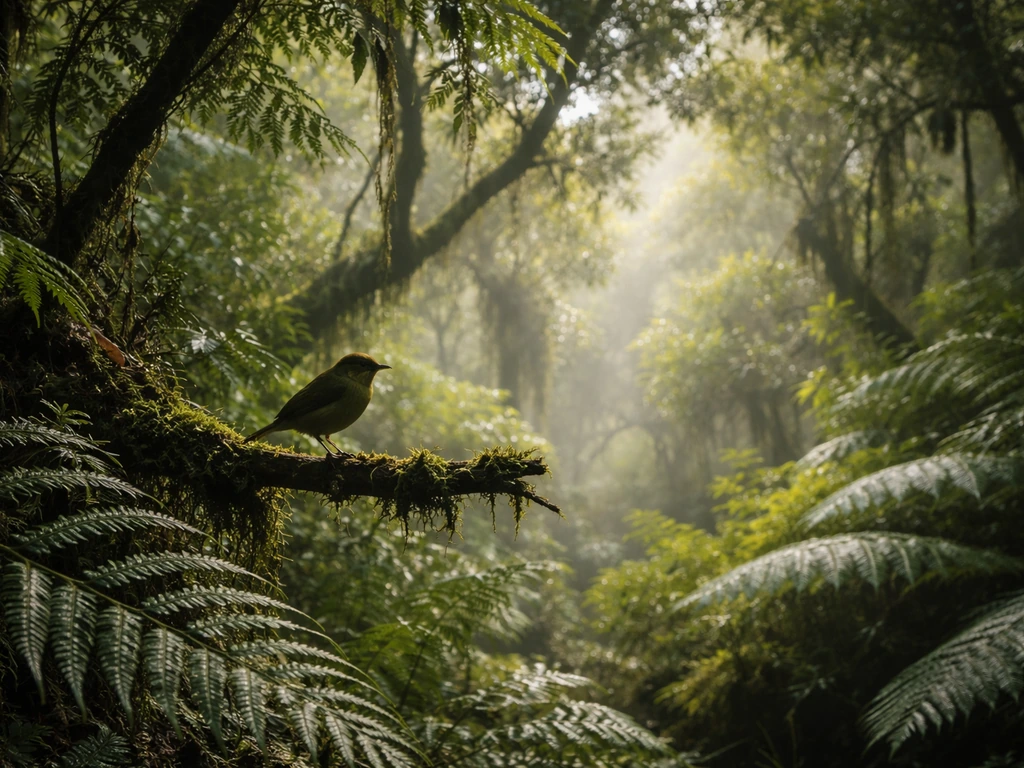
Which 'Kauai bird' are you actually looking for?
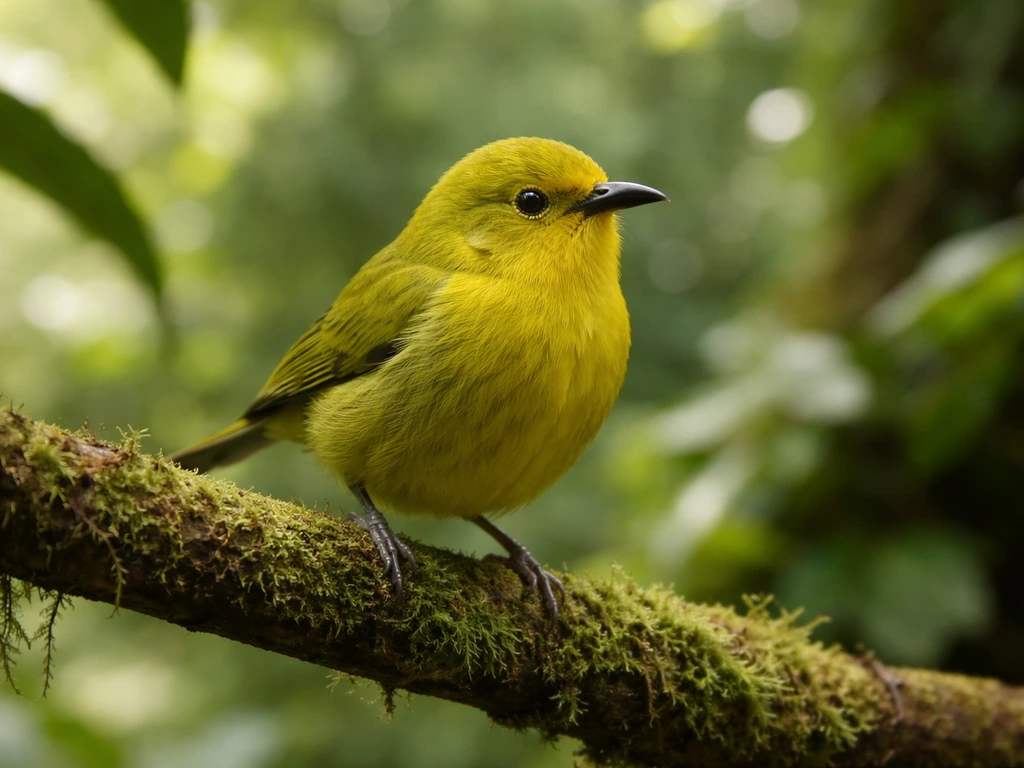
The phrase 'Kauai bird' is a catch-all that people use online, but it points to a handful of distinct endemic species that once lived only on the Hawaiian island of Kauaʻi. The two names that come up most in searches are the Kauaʻi ʻōʻō and the Kauaʻi nukupuʻu. Knowing the scientific name matters because common names shift between sources, and you want to be sure you're checking the right status listing.
| Common Name | Scientific Name | Current Status |
|---|---|---|
| Kauaʻi ʻōʻō (Kauai O'o) | Moho braccatus | Extinct (IUCN) / Presumed Extinct (DLNR) |
| Kauaʻi nukupuʻu | Hemignathus lucidus hanapepe | Presumed Extinct (DLNR) |
The Kauaʻi ʻōʻō was a honeyeater-like bird known for its haunting duet song. It was state-listed as Endangered by Hawaii's DLNR before being reclassified as Presumed Extinct, and the IUCN Red List now formally categorizes it as Extinct. The Kauaʻi nukupuʻu was a honeycreeper with a strongly curved bill, and it too carries a Presumed Extinct label from DLNR. Both birds lost out to the same brutal combination of habitat loss, introduced predators, and avian disease carried by mosquitoes.
How to check a species' current conservation status
The fastest way to get a reliable answer is to go directly to the two main authoritative databases: the IUCN Red List (iucnredlist.org) and the U.S. Fish and Wildlife Service's Environmental Conservation Online System (ECOS). Both are updated on a rolling basis as new survey data comes in. Search by the scientific name, not the common name, to avoid pulling up the wrong species record.
For Hawaiian forest birds specifically, the Hawaii Department of Land and Natural Resources (DLNR) Division of Forestry and Wildlife maintains individual species pages that cross-reference IUCN categories, state listings, and USFWS recovery plan status. USFWS recovery documents, like the Kauaʻi forest bird recovery plan, also list Moho braccatus among the species they tracked, showing both the historical federal Endangered listing and the eventual shift toward presumed extinction. These are the sources worth bookmarking if you want to track any future updates.
What 'alive' actually means in conservation terms

When conservationists ask whether a species is still alive, they distinguish between three scenarios: a self-sustaining wild population, a captive population held in zoos or breeding programs, and isolated individuals with no breeding prospects. For the Kauaʻi ʻōʻō and the Kauaʻi nukupuʻu, none of these scenarios apply. There are no individuals in captivity, no recovery breeding program, and no confirmed wild sightings. That's why both carry extinction or presumed-extinction labels rather than Critically Endangered, which would imply some living individuals still exist.
This distinction matters because some endangered Hawaiian birds, like the kakapo's New Zealand cousin or Kauaʻi's own surviving forest birds such as the puaiohi, do have active captive breeding programs keeping populations alive. When a species has living individuals in a managed program, the answer to 'is it still alive?' is yes, even if wild populations are nearly gone. For the Kauaʻi ʻōʻō and nukupuʻu, we never got to that stage before the last individuals disappeared.
The last confirmed sightings and why updates lag
The Kauaʻi ʻōʻō's last confirmed sighting was a lone male recorded in 1987 in the Alakaʻi Swamp. That recording, a male singing a duet call with no female to answer, is now one of the most emotionally resonant pieces of audio in bird conservation history. After that, no further verified sightings were documented. The Kauaʻi nukupuʻu's last reliable sighting dates to the 1990s, though there have been unverified reports since then that haven't held up to scrutiny.
Status updates in conservation can lag for real reasons: field surveys in dense Hawaiian rainforest are expensive and logistically hard, funding cycles are slow, and agencies follow strict verification protocols before changing an official listing. A species isn't moved from Presumed Extinct to Extinct overnight just because surveys come back empty. Scientists typically require multiple systematic surveys over several years before recommending a formal status change to the IUCN, which is why the DLNR's 'Presumed Extinct' label can coexist with the IUCN's confirmed 'Extinct' designation for the same bird.
Presumed extinct vs confirmed extinct: there is a real difference
These two terms carry different scientific weight. 'Confirmed Extinct' on the IUCN Red List means exhaustive surveys have been conducted across the species' entire former range with no individuals found, and there is no reasonable doubt the last individual has died. 'Presumed Extinct' is the more cautious label used when surveys have been thorough but the habitat is hard to access, or when there's a slim possibility of undetected individuals. Think of it as the scientific equivalent of 'almost certainly gone, but we haven't ruled out every corner of the forest.'
For the Kauaʻi ʻōʻō, the IUCN crossed the line into confirmed Extinct. For the Kauaʻi nukupuʻu, DLNR still uses the more cautious Presumed Extinct language, though no credible evidence of living individuals has emerged. In practice, for anyone asking whether either bird is alive today, the honest answer is the same: almost certainly not, and there are no active recovery efforts because there are no known birds to recover.
How to handle conflicting claims you'll find online
You'll occasionally run into blog posts or forum threads claiming a rare Kauai bird was spotted recently, or that a species everyone thought was extinct might still be out there. Treat these with healthy skepticism. The bar for a credible sighting is a verified photo, audio recording, or specimen observed by a trained ornithologist and reviewed by a regional bird records committee. Unverified reports don't change official status.
When you see conflicting claims, run through this quick check: Is the source a government agency, a peer-reviewed journal, or a recognized conservation organization? Does the claim include verifiable evidence (a date, location, and observer credentials)? Has the regional ornithological committee or IUCN addressed it? If the answer to all three is no, the official IUCN and DLNR listings are still your most reliable baseline. The same principle applies if you're researching other birds in this category, like the kagu or the quetzal, where conservation status can shift with new survey data but only when the evidence meets a defined threshold.
Where to look for the most current information
Here are the specific places worth checking if you want to dig deeper or stay current on any future status changes:
- IUCN Red List (iucnredlist.org): Search 'Moho braccatus' or 'Hemignathus lucidus' for the official extinction assessment, assessment date, and any pending reviews.
- USFWS ECOS (ecos.fws.gov): Pulls up the federal listing history, recovery plans, and five-year status reviews for both species under the Endangered Species Act.
- Hawaii DLNR DOFAW species pages: The Division of Forestry and Wildlife maintains individual pages for each Kauaʻi forest bird with state listing status, IUCN category, and a brief natural history.
- eBird (ebird.org): Search the species name and filter to Kauaʻi. If any credible sighting had been entered and accepted, it would show here. Currently, the Kauaʻi ʻōʻō appears only as historical records.
- American Ornithological Society (AOS) Check-list: Tracks official species names and any taxonomic changes that could affect how a species is listed elsewhere.
- BirdLife International Data Zone: Partners with IUCN and often includes additional detail on survey history, threats, and population trend reasoning.
If you want to search these databases yourself, use the scientific name plus terms like 'population survey,' 'last confirmed sighting,' or 'recovery plan status.' For the Kauaʻi ʻōʻō, searching 'Moho braccatus extinction' will surface the most relevant literature quickly. For the nukupuʻu, try 'Hemignathus lucidus hanapepe survey' to find the field survey reports that led to the current presumed extinct designation.
The bigger picture: Kauaʻi's forest birds and what was lost
Kauaʻi had one of the most remarkable endemic bird communities in the Pacific, and it has suffered some of the most devastating losses. The ʻōʻō and the nukupuʻu are part of a pattern of extinction that swept through Hawaiian forest birds over the 20th century, driven primarily by introduced mosquitoes carrying avian malaria, rats and mongooses predating nests, and the wholesale destruction of native lowland forest. The Alakaʻi Swamp, where the last ʻōʻō was recorded, sits at an elevation that once provided a mosquito-free refuge. As climate change pushes mosquitoes higher up the mountain slopes, even that refuge is shrinking for the birds that remain.
Knowing these birds are gone matters beyond the emotional weight of the loss. They were pollinators and seed dispersers woven into the ecology of native Hawaiian forests. Their absence reshapes the plants and insects around them in ways scientists are still measuring. If you're curious about how other island endemics are faring under similar pressures, the stories of the kakapo or the kagu offer instructive comparisons: both are still alive but barely, held back from the brink by intensive human intervention that simply came too late for the Kauaʻi ʻōʻō. The kakapo is not extinct; it survives thanks to intensive conservation efforts is the kakapo bird extinct. You may also be asking, is the cuckoo bird extinct, and the answer depends on the specific species and region.
FAQ
I saw a post saying a Kauai “bird” was spotted recently. Does that mean is Kauai bird still alive?
Not automatically. For Kauaʻi ʻōʻō and Kauaʻi nukupuʻu, credible updates usually require a verifiable record such as a photo, audio, or specimen, plus review by an accepted bird records process. If a claim lacks date, exact location, and observer credentials, treat it as unverified and it should not override IUCN and DLNR status.
How can I tell whether someone is talking about the Kauaʻi ʻōʻō or the Kauaʻi nukupuʻu?
Use the scientific name. Common names online are inconsistent, and even “ōʻō” or “nukupuʻu” can get mixed up between sources. If the claim does not include the scientific name (Moho braccatus or Hemignathus lucidus hanapepe), you cannot reliably match it to the correct extinction record.
What would count as proof that a species like the Kauaʻi ʻōʻō is still alive today?
A legitimate proof would involve a confirmed observation that survives expert review, typically backed by unambiguous evidence (for example, high-quality recordings of calls, clear diagnostic photos, or a specimen). For the extinct or presumed extinct categories discussed, casual sightings without documentation would not meet the evidentiary bar used for official status changes.
Why do I sometimes see the terms “Extinct” and “Presumed Extinct” used differently for the same bird?
They reflect how cautious the evidence is. “Extinct” on the IUCN side indicates no individuals found after thorough surveys with no reasonable doubt. “Presumed Extinct” is used when surveys have been substantial but remaining uncertainty is considered possible, such as when habitat is difficult to access or detection is hard.
Could there be an undiscovered captive population of the Kauaʻi nukupuʻu or Kauaʻi ʻōʻō?
Based on current summaries used by major authorities, there are no known individuals in captivity for either species. If a future captive claim appears, it would still need documentation that ties the animals to the correct species and confirms identity through records and expert verification.
If there were last sightings in the 1980s and 1990s, why does the official status not update more quickly?
Status changes depend on structured survey effort and verification protocols, not just empty field results. Agencies often require multiple systematic surveys across the species’ former range and careful documentation before recommending category updates, so formal labels can lag behind field conditions.
What’s the best way to search the databases to confirm the exact status?
Search by scientific name and add filters like “population survey,” “last confirmed sighting,” or “recovery plan status.” For example, use Moho braccatus for the ʻōʻō and Hemignathus lucidus hanapepe for the nukupuʻu, because those terms are less likely to pull irrelevant records tied to common-name confusion.
Does “is Kauai bird still alive” have different answers for wild versus captive populations?
Yes, in general conservation terms. A species can be alive if there is a functioning captive breeding or managed program even when the wild population is gone. For the two Kauaʻi species discussed here, the practical answer remains the same because there are no known living individuals either in the wild or in captive management.
Could climate change create a chance that the Kauaʻi ʻōʻō or nukupuʻu survive in remote areas?
It could change habitats and detection conditions, but it does not automatically change the likelihood of survival. Official categories only shift when credible evidence emerges. Remote, hard-to-survey terrain can hide organisms, which is part of why labels like “presumed extinct” exist, but current evidence still points to almost certainly gone.