
Yes, killing a kiwi bird is illegal in New Zealand, where all kiwi species are classified as 'absolutely protected' under the Wildlife Act 1953. That means you cannot hunt, kill, injure, capture, or possess a kiwi without a specific permit from the Department of Conservation (DOC), and doing so without authorization can result in up to 2 years' imprisonment or a fine of up to NZ$100,000. Outside New Zealand, kiwi are not naturally found in the wild, so the question usually only arises in captivity contexts, where different national animal welfare and wildlife laws apply. In other words, if you are wondering whether a kiwi bird is halal, the answer depends on whether it is a wild or captive bird in your location kiwi are not naturally found in the wild. Kiwi bird extinction is not the usual situation, because wild kiwi are still found in New Zealand, but some species face serious declines.
Is It Illegal to Kill a Kiwi Bird Where You Live?


The answer depends on where you are and which kiwi species is involved

Kiwi are endemic to New Zealand, meaning they exist in the wild only there. Kiwi birds are actually birds, not mammals, which is why they fall under bird and wildlife protection rules rather than mammal-specific ones is a kiwi bird a mammal. New Zealand has five recognized kiwi species: the North Island brown kiwi, great spotted kiwi, little spotted kiwi, rowi, and tokoeka. Each species and population has its own conservation status and is listed separately in the Wildlife Act's schedules, but all of them fall under the 'absolutely protected' category. So while the legal protection is broad, it is applied species by species rather than as a single blanket rule for 'kiwi' as a generic group.
If you're outside New Zealand, you might encounter a kiwi only in a zoo or wildlife sanctuary. In those settings, harming or killing the bird would fall under your country's animal cruelty statutes, captive wildlife regulations, and potentially CITES provisions, since kiwi are internationally listed as a protected species under trade agreements. Countries like the United States have their own layered wildlife protection systems, including the Endangered Species Act (ESA), which defines 'take' to include harass, harm, pursue, hunt, shoot, wound, kill, trap, capture, or collect. Under that framework, harming a kiwi in captivity would almost certainly constitute an illegal 'take.'
The laws that make killing a kiwi illegal
New Zealand's Wildlife Act 1953 is the cornerstone of kiwi protection. Part 5 of the Act covers offences and penalties, and DOC explicitly names kiwi as among the species that are absolutely protected throughout the country. The Act prohibits taking, killing, holding, purchasing, selling, or even transporting protected wildlife without proper authorization. 'Taking' is defined broadly, similar to how the US ESA defines the term, capturing acts that injure or disrupt a bird even short of outright killing it.
Beyond the Wildlife Act, general animal cruelty laws in New Zealand (under the Animal Welfare Act 1999) also apply. Even if someone argued a technical exception existed under the Wildlife Act, causing unnecessary suffering to a kiwi would still trigger animal welfare offences. In other countries, the legal framework differs but the protective intent is similar: wildlife protection statutes typically prohibit 'take' in all its forms, and animal cruelty laws fill any remaining gaps.
| Legal Category | What It Covers | Example Law |
|---|---|---|
| Protected species status | Prohibits killing, hunting, injuring, capturing, or possessing | NZ Wildlife Act 1953 (absolutely protected schedule) |
| Hunting/possession ban | Makes it illegal to hunt or hold kiwi without a DOC permit | Wildlife Act 1953, s.63 offences |
| Animal cruelty statutes | Prohibits causing unnecessary pain or suffering | NZ Animal Welfare Act 1999 |
| International trade law | Bans unauthorized trade in kiwi or their parts across borders | CITES Appendix II listing |
| ESA-style 'take' prohibition | Broadly prohibits harass, harm, kill, capture (in ESA-framework countries) | US Endangered Species Act / 50 CFR §17.3 |
When killing a kiwi is technically permitted

There are narrow, permit-driven exceptions, and every single one of them requires prior authorization from DOC or another competent authority. You cannot decide on the spot that your situation qualifies. Here is what those legitimate exceptions look like in practice.
- Licensed research: DOC can authorize lethal take for scientific research purposes under Section 53 of the Wildlife Act, but researchers must apply in advance and meet strict conditions.
- Authorized population management: In some rare circumstances, DOC may permit controlled lethal management if a kiwi population creates specific, documented risks, though this is extremely uncommon given how endangered all kiwi species are.
- Rescue and rehabilitation gone wrong: If a kiwi is severely injured and euthanasia is the only humane option, this must be carried out by a licensed wildlife rehabilitator or veterinarian acting under DOC authorization, not by a member of the public.
- Incidental killing under authorization: A 2025 High Court decision and the subsequent Wildlife (Authorisations) Amendment Act updated how 'incidental kill' authorities work, meaning some activities that might accidentally harm kiwi can proceed only under a specific DOC consent process, not without one.
- Narrow self-defense provisions: New Zealand law does not generally provide a broad 'self-defense against wildlife' exception for kiwi. Kiwi are not dangerous animals and are not recognized as posing a genuine threat to human safety, so this pathway is essentially unavailable.
It is worth noting that a May 2025 legislative update (following a March 2025 High Court decision) tightened the rules around how incidental kill authorizations are granted. If you have an activity that might affect kiwi, you now need to go through DOC's Section 71 consent process, which requires ministerial sign-off and takes longer than a standard permit. The rules around this changed very recently, so if you have an active project, contact DOC directly for current guidance.
What to do if you have a kiwi problem right now
If a kiwi has wandered onto your property, is injured, or is causing some kind of concern, your immediate move is to contact DOC or a local wildlife rescue organization. Do not attempt to handle, trap, or move the bird yourself without guidance, as kiwi are fragile, nocturnal, and easily stressed. Because kiwi are protected and can be easily harmed, a “kiwi problem” should be handled as a safety and wildlife-welfare issue, not something to deal with yourself Do not attempt to handle, trap, or move the bird yourself without guidance, as kiwi are fragile, nocturnal, and easily stressed.. The right call depends on the situation.
- Call DOC's emergency wildlife hotline (0800 DOC HOT / 0800 362 468 in New Zealand) if you find an injured, sick, or dead kiwi. Report the location, time, and condition of the bird. DOC may ask you to stay nearby to help locate it.
- Contact a local kiwi rescue or wildlife sanctuary if DOC directs you to one. Organizations like Kiwis for kiwi have regional contacts and can arrange pick-up of injured birds.
- If a kiwi is simply on your property but appears healthy, leave it alone. Kiwi roam large territories at night and will usually move on. Keep dogs and cats indoors, as predation by domestic animals is one of the leading causes of kiwi deaths.
- To deter kiwi from a specific area humanely, use physical fencing or habitat modification (removing ground cover that attracts the insects kiwi feed on). Never use traps, poisons, or deterrents that could injure or kill the bird.
- If you suspect someone else has harmed a kiwi, report it to DOC or the Police Wildlife Enforcement Group with as much detail as possible: location, time, description of the person or vehicle, and any photos you can safely take.
If you are outside New Zealand and dealing with a captive kiwi situation, contact your national wildlife authority (in the US, that is the Fish and Wildlife Service; in the UK, Natural England; in Australia, state environment departments). They can advise on legal obligations and connect you with licensed wildlife handlers.
What 'illegal' actually means: penalties and enforcement
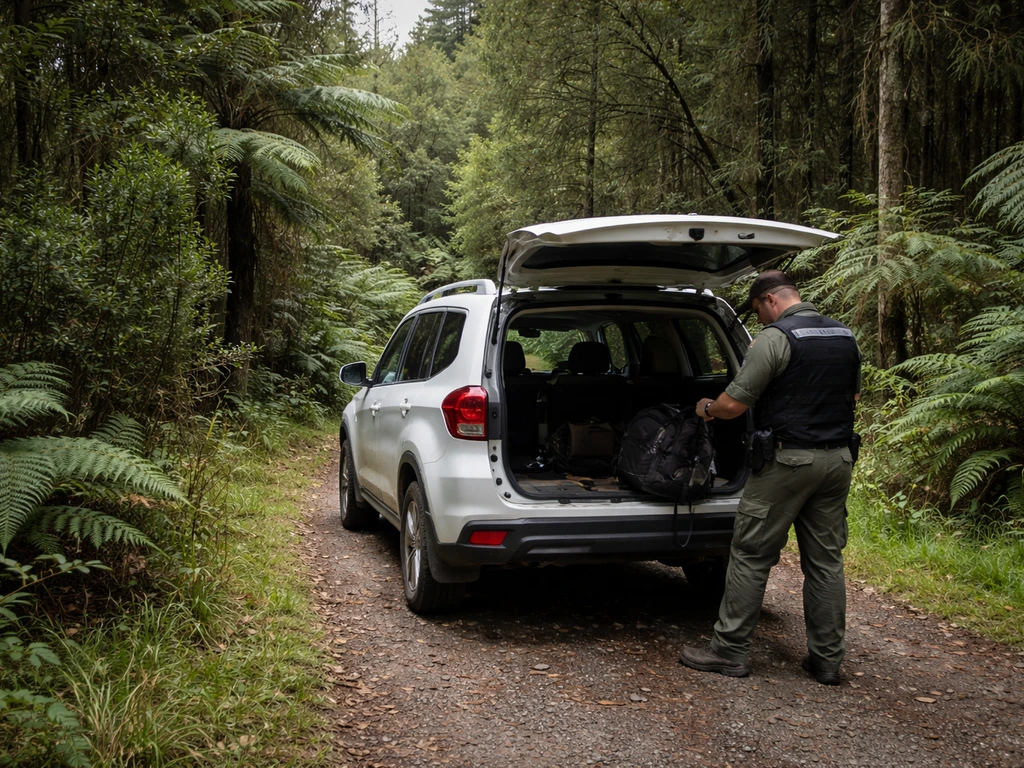
In New Zealand, the penalties for killing or harming a kiwi without authorization are serious and actively enforced. Under the Wildlife Act 1953, the maximum penalty for taking absolutely protected wildlife is 2 years' imprisonment or a fine of up to NZ$100,000. These are not theoretical maximums that never get applied. DOC and Police work together on wildlife crime, and prosecutions do happen, particularly in cases involving deliberate harm.
Even accidental killing can carry legal consequences depending on the circumstances. If a dog kills a kiwi on your property and you failed to take reasonable steps to restrain it, you could face liability under both the Wildlife Act and the Dog Control Act. Similarly, if a kiwi is killed during a development or land management activity that should have had a DOC authorization but did not, the project operators can face prosecution.
Outside New Zealand, penalties vary. Under the US Endangered Species Act, criminal violations carry up to one year in prison and fines up to $50,000 for individuals per violation. Civil penalties can reach $25,000 per violation. In the European Union, member states implement the EU Wildlife Trade Regulations, which carry their own penalty structures. The common thread across all these frameworks is that 'I didn't know' is rarely an effective legal defense.
How to find the exact rules for your location quickly
The fastest way to get a reliable, current answer for your specific situation is to go directly to the relevant authority. Laws change, as the 2025 New Zealand Wildlife Act amendments demonstrate, and agency guidance is always more current than general articles.
- New Zealand: Visit the DOC website (doc.govt.nz) and search for 'Wildlife Act' or 'kiwi permits.' Call DOC's hotline (0800 362 468) for urgent situations.
- United States: Visit the US Fish and Wildlife Service website (fws.gov) and search for 'Endangered Species Act permits' or 'depredation permits.' For urgent situations, contact your regional FWS office.
- Australia: Contact your state or territory environment department, as wildlife law in Australia is administered at the state level alongside the federal Environment Protection and Biodiversity Conservation Act.
- United Kingdom: Contact Natural England, NatureScot, or Natural Resources Wales depending on your location.
- Any other country: Search '[your country] wildlife protection authority' and look for information on CITES implementation and native species protection laws.
- For captive kiwi in any country: Contact the zoo or sanctuary holding the animal directly and ask about their legal obligations and emergency protocols.
When you contact any wildlife authority, come prepared with your location, the specific situation (found injured kiwi, kiwi on property, concern about a third party, etc.), and any photos or notes you have. The more specific you are, the faster they can direct you to the right process or person. Kiwi face enough pressure from habitat loss, introduced predators, and low reproductive rates without adding legal ambiguity to the mix. If you're curious about their broader conservation situation, their endangered status and where they actually live are closely tied to why these protections exist and how strictly they are enforced.
FAQ
If a kiwi bird is on my property, do I have any legal right to remove it myself?
In New Zealand, removal, trapping, or moving a kiwi yourself is usually not allowed unless you have prior authorization. The safe path legally and practically is to contact DOC or a local wildlife rescue and follow their instructions, because even handling that does not intend to kill can count as prohibited “taking.”
What if the kiwi is injured or appears sick, can I euthanize it to end suffering?
You should not act on your own in New Zealand. A kiwi is absolutely protected, and ending its life without the required authority can still be treated as an illegal “take.” Contact DOC or a licensed wildlife handler so they can arrange appropriate care or dispatch under the correct permissions.
Does “accidentally” killing a kiwi change the legality?
It can still be illegal. The article notes liability can attach even when harm is not deliberate, for example if a dog kills a kiwi because reasonable steps to restrain were not taken, or if a development activity proceeded without the required DOC authorization.
If I hit a kiwi with a vehicle, what should I do immediately?
Do not try to transport or dispose of the bird yourself. Report it to the relevant wildlife authority or local rescue so they can advise on permitted steps, and avoid handling unless instructed, since holding or moving can create additional legal and welfare problems.
How do permits work for activities that might incidentally harm kiwi (construction, fencing, farming)?
If your work could affect kiwi, New Zealand now requires using DOC’s Section 71 consent process for incidental kill authorizations, which involves ministerial sign-off and more lead time than a standard permit. If timing matters for your project, contact DOC early and ask which specific authorization applies to your exact activity and location.
Are all kiwi species treated the same under the law?
Protection is broad, but it is applied species by species within the Wildlife Act schedules. So you should identify which species and the local population if you are assessing risk, because the legal treatment is still strict even though the listing is not just one generic “kiwi” label.
What if I’m outside New Zealand and a kiwi is in a zoo, sanctuary, or private collection, is killing still illegal?
It is likely illegal under your country’s animal welfare and captive wildlife rules, and it may also implicate international protected-species trade controls. The key point is that captivity does not automatically remove criminal exposure, so you must check the specific permitting and custody rules where the animal is located.
Can I legally keep a kiwi as a pet if I have no permit?
No. The article says you cannot possess protected wildlife without authorization, and “taking” and holding can be covered even without killing. If you find a kiwi in distress, contact DOC or a licensed handler rather than attempting to keep it.
Is it enough to claim I “didn’t know” kiwi were protected?
Usually not. The article emphasizes that ignorance of the law generally is not an effective defense, especially given active enforcement and clear statutory frameworks. Your best protection is to stop the action, document what happened, and seek guidance from the authority immediately.
What information should I provide when contacting DOC or a local wildlife rescue about a kiwi?
Be ready with your exact location, what happened (injured, on property, suspected harm by a third party), the bird’s condition if known, and photos or notes. This helps authorities determine the correct process quickly and whether any immediate safety steps are permitted while you wait.