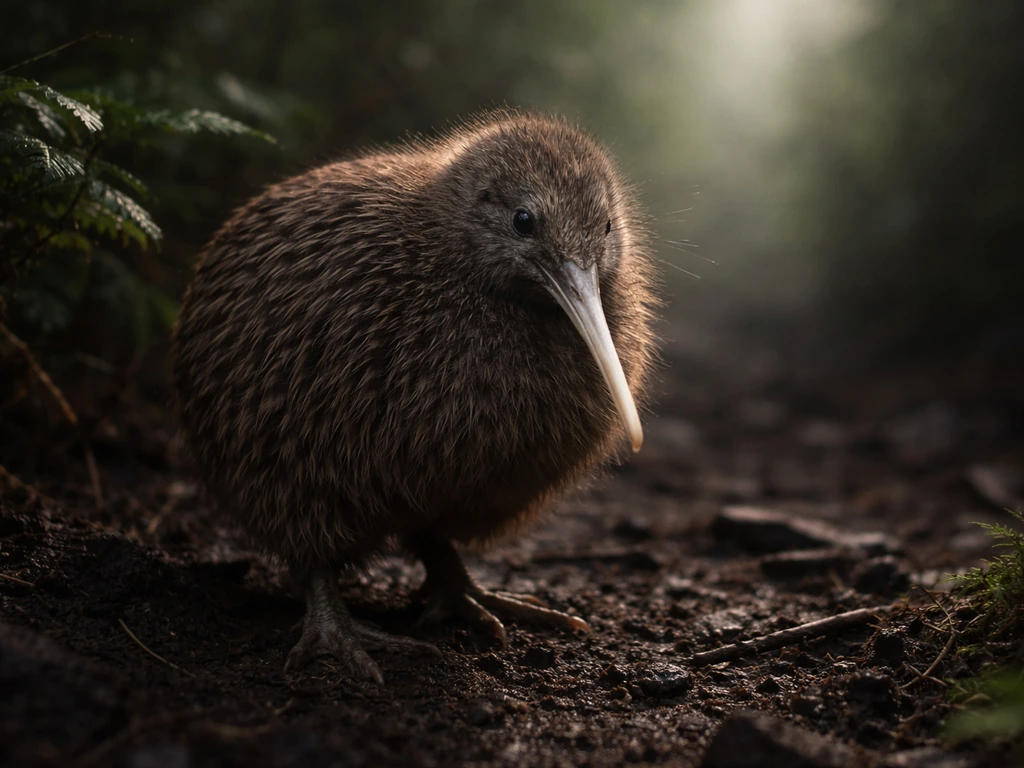
Eating kiwi bird meat is not realistically halal-permissible in practice, and that conclusion comes from two completely separate problems stacking on top of each other: the bird is a strictly protected, endangered species under New Zealand law (making killing one without a government permit a criminal offence), and even setting legality aside entirely, no halal-certified kiwi bird meat supply chain exists anywhere in the world. There is nothing to certify because there is nothing to sell. If you searched 'is kiwi bird halal' because you saw a product label, a menu item, or a social media post, keep reading, because there is a very good chance the word 'kiwi' on that label does not refer to the bird at all.
Is Kiwi Bird Halal? Clear Answer and What to Check

Maya Hennessy
1 Jun 2026
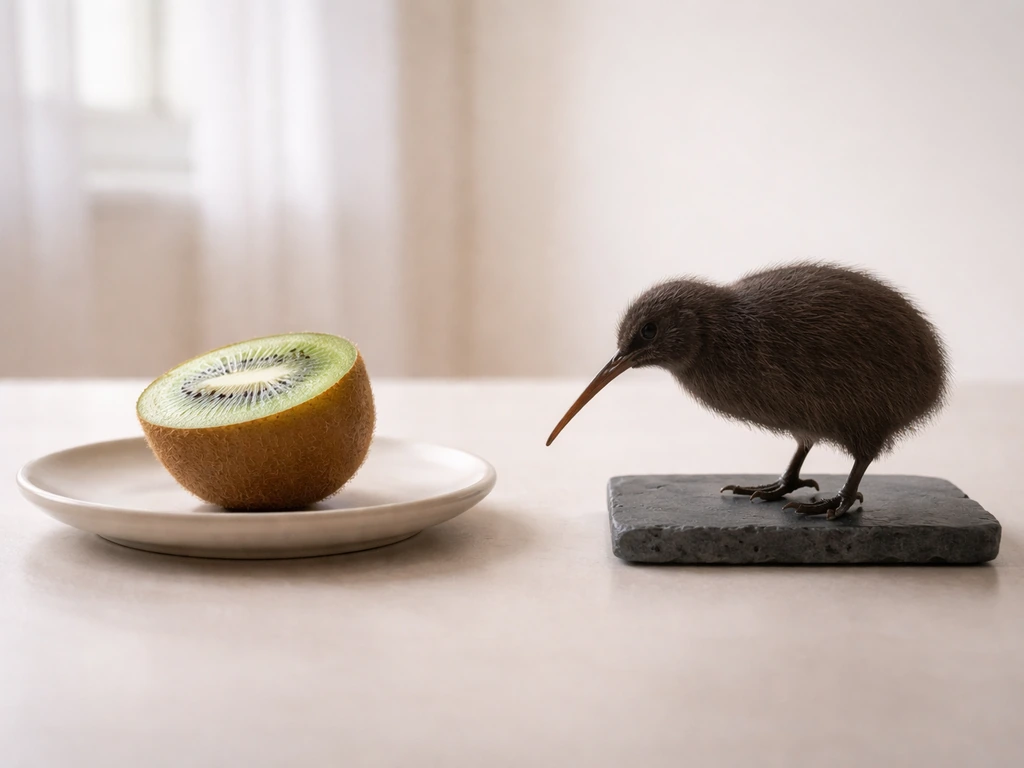
Kiwi bird, kiwi fruit, or just 'kiwi': which one are we actually talking about?
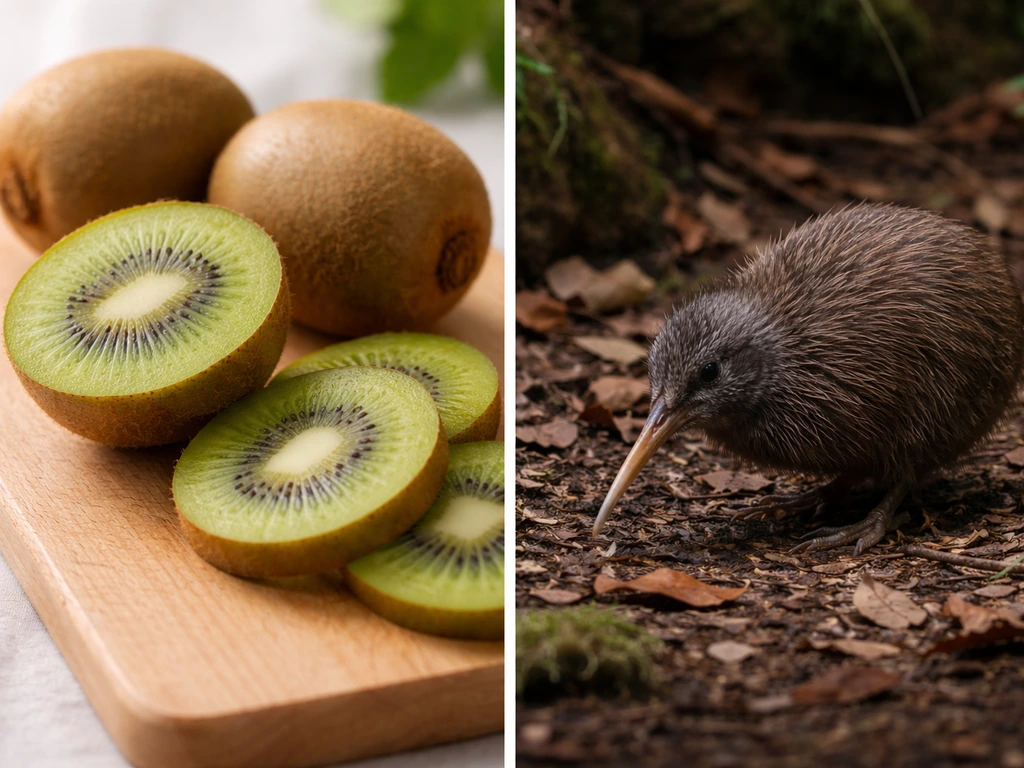
The word 'kiwi' does a lot of work in everyday language, and mixing up the meanings here leads to a completely wrong answer, so it is worth clearing up in thirty seconds. The kiwi bird is a small, flightless, nocturnal bird native to New Zealand, belonging to the genus Apteryx. There are five recognized species, including the North Island Brown Kiwi (Apteryx mantelli), which is classified as Endangered on the IUCN Red List.
The kiwi fruit (or kiwifruit) is a completely unrelated green-fleshed fruit, originally from China and commercially farmed in New Zealand and elsewhere. It is obviously a plant product and halal by default without any slaughter consideration. A third use of the word is as a nickname for New Zealanders themselves, for example New Zealand national sports teams are nicknamed the Kiwis. None of those last two meanings have any halal-food complexity attached to them whatsoever.
For this article, 'kiwi bird' means the real Apteryx bird from New Zealand. That is the one that carries genuine halal and legal questions, and that is what the rest of this guide addresses.
What halal actually requires for a bird to be permissible
Islamic dietary law sets out specific conditions that must be met before any bird meat is considered halal. It is not just about the absence of pork or alcohol. For a bird to be halal, several things need to line up at the same time.
The bird itself must be a permissible species
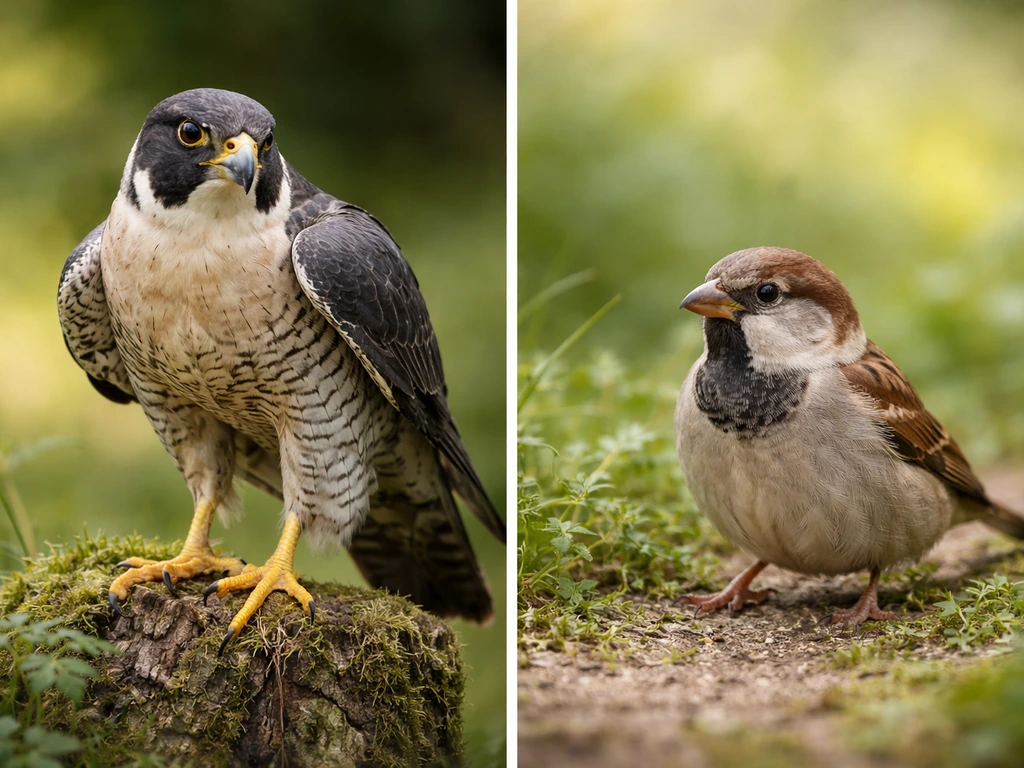
Islamic fiqh (jurisprudence) generally distinguishes between predatory birds and non-predatory birds. Birds of prey that hunt with their talons, such as falcons, eagles, hawks, and kites, are widely classified as haram across major schools of thought. Non-predatory birds like chicken, duck, pigeon, dove, and sparrow are generally treated as halal. The kiwi is not a bird of prey. It has no talons used for hunting, it eats invertebrates and plant matter from the forest floor, and by species classification it would not fall into the haram predatory-bird category. On the species-type question alone, kiwi bird is not categorically forbidden the way an eagle would be.
The slaughter method must meet dhabihah requirements
Even a permissible species becomes haram if it is not slaughtered correctly. Halal slaughter, known as dhabihah or zabihah, requires a swift, deep incision to the throat with a sharp knife, severing the windpipe (trachea), esophagus, and the major blood vessels including the jugular veins and carotid arteries. The slaughterer must be Muslim (or from the People of the Book, depending on the authority), and must recite the tasmiyah, typically 'Bismillahi Allahu Akbar,' at the moment of slaughter.
The bird must be alive at the time of cutting. A bird that died of natural causes, disease, or any means other than proper dhabihah is considered carrion and is haram. No exceptions exist in mainstream halal standards for birds that were found dead or killed by methods outside these requirements.
Sourcing and documentation must be verifiable
Halal certification bodies including the American Halal Foundation and the Halal Monitoring Authority require that the species name appears on product labeling, that a valid halal certificate covers the slaughter facility, and that consignment documentation matches the physical product. For commercial meat, this means an end-to-end chain from slaughterhouse through processor to retailer, all covered by certification. If any link in that chain is missing or unverifiable, the product cannot be treated as confirmed halal.
Can you actually eat kiwi bird? The legal and conservation reality

Even before the halal question fully enters the picture, there is a hard legal wall. New Zealand’s Department of Conservation explains that the [Wildlife Act 1953](https://www. doc. govt.
nz/about-us/our-role/legislation/wildlife-act/) protects kiwi, listing them as “absolutely protected,” so taking or killing a kiwi without a permit is an offence. [All five species of kiwi are classified as 'absolutely protected'](https://www. doc. govt.
nz/globalassets/documents/science-and-technical/tsrp60entire. pdf) under New Zealand's Wildlife Act 1953. That protection means killing, taking, or possessing a kiwi without a permit from the New Zealand Department of Conservation (DOC) is a criminal offence. The penalty is serious: up to two years in prison or a fine of up to NZ$100,000.
There is no commercial hunting quota for kiwi, no licensed kiwi meat trade, and no export pathway for kiwi meat anywhere in the world.
The conservation picture makes this even clearer. Several kiwi species are endangered or vulnerable, with populations facing ongoing pressure from introduced predators like stoats, rats, and feral cats. The North Island Brown Kiwi alone is listed as Endangered on the IUCN Red List. DOC and numerous conservation organizations are actively working to pull kiwi numbers back from the edge, not supply them as a food source. Kiwi are also listed under CITES, the international treaty governing wildlife trade, which monitors and restricts international movement of protected species. Any kiwi-related product crossing a border would flag immediate legal scrutiny.
In practical terms, the only realistic scenario where 'kiwi bird meat' appears in a market or food context is as illegally sourced wildlife, mislabeled product, or a complete misidentification of the word 'kiwi.' All three of those scenarios are serious problems for anyone trying to eat halal.
So, is kiwi bird halal? The direct answer
No, eating kiwi bird is not halal in any practical, real-world sense, and it is also illegal. Here is the reasoning stacked together clearly:
- Kiwi birds are absolutely protected under New Zealand law. Killing one without a DOC permit is a criminal offence carrying up to two years imprisonment or a NZ$100,000 fine. Consuming an illegally obtained animal is not halal, because lawful sourcing is a condition of permissibility.
- No halal-certified kiwi bird meat supply exists anywhere in the world. There is no slaughterhouse, no certification body, and no commercial product. Without verified dhabihah slaughter with tasmiyah, the meat would be haram regardless of species type.
- Any 'kiwi meat' on the market is almost certainly either mislabeled (meaning it is a different species entirely), illegally obtained wildlife, or a misidentification of the word 'kiwi.' None of those options are halal-safe.
- On species classification alone, kiwi is not a predatory bird of prey, so it would not be haram purely on that basis. But that theoretical permissibility is completely irrelevant given points 1 through 3.
The honest summary: even if a halal scholar reviewed the kiwi bird's species characteristics and found no categorical prohibition based on the animal's nature, the combination of protected status, conservation emergency, illegal trade risk, and total absence of any certified supply chain makes eating kiwi bird impermissible in practice. Islamic dietary law does not operate in isolation from legality, and consuming protected wildlife that was illegally obtained is broadly considered not permissible.
If you are dealing with a product labeled 'kiwi': what to verify
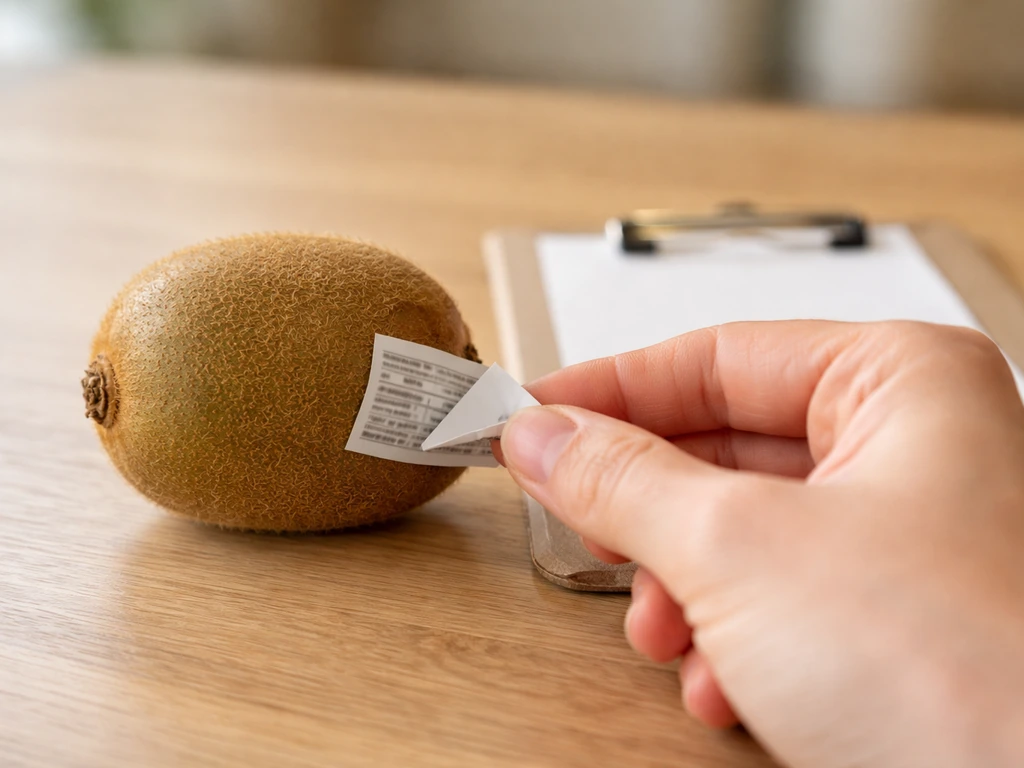
If you have a physical product in front of you with 'kiwi' on the label and you are trying to determine if it is halal, here is a practical checklist to work through before drawing any conclusions.
- Check the full species name on the label. A legitimate product should list the scientific name (e.g., Apteryx spp. for kiwi bird) or a clear common name. If the label just says 'kiwi' with no further detail, it is almost certainly kiwifruit, a kiwifruit-derived ingredient, or a product from New Zealand bearing a national branding reference, not bird meat.
- Look for the product category. Kiwi bird meat has no legal commercial supply chain. If the product is a beverage, sauce, snack, or packaged food using the word 'kiwi,' it is using the word in a fruit or regional branding context.
- Verify the halal certificate details. A genuine halal-certified meat product will carry the name and logo of a recognized certifying body, the slaughter facility address, and the specific species covered. Check that the certificate has not expired and that it names the exact product.
- Confirm the slaughter method. Ask the supplier directly whether dhabihah slaughter was performed, whether tasmiyah was recited at the time of slaughter for each bird, and whether a Muslim or qualified slaughterer performed the cut.
- Check import/export documentation if the product crossed a border. CITES-listed species require trade permits. If no documentation exists for a bird-meat product claiming to be kiwi, that is an immediate red flag for illegally traded wildlife.
- When in doubt about what species the product actually contains, contact the manufacturer and ask for the species name in writing.
When to take the question to a halal scholar or authority
Most people reading this article will get their answer here and move on. But if you have a genuinely unusual situation, such as a specialty product, a dish at a restaurant, or a food item from New Zealand where the species is ambiguous, bringing the question to a qualified halal scholar or certification authority is the right move. When you do, come prepared with specific questions rather than just asking 'is this halal?' Here is exactly what to ask:
- What is the exact species of bird in this product? (Ask for the scientific name, genus, and common name, and confirm whether it is Apteryx, i.e., a New Zealand kiwi bird, or something else entirely.)
- Is this bird classified as a bird of prey that hunts with talons? (This determines whether the species falls under the common haram category for predatory birds under fiqh.)
- Was this bird alive at the time of slaughter, and was dhabihah performed correctly? (Ask specifically whether the trachea, esophagus, and main blood vessels were severed with a sharp knife in a single swift motion.)
- Did a Muslim slaughterer, or a qualified member of the People of the Book depending on the authority's standard, perform the slaughter, and was the tasmiyah recited individually for each bird at the moment of slaughter?
- Was the bird obtained legally, with all required permits or licenses in place in its country of origin? (For New Zealand wildlife, this means a DOC permit; for international trade, CITES documentation.)
- Is there a valid halal certificate from a recognized body covering this specific product batch, facility, and slaughter date?
If you cannot get clear answers to all six of those questions, the safest course is to avoid the product and seek a verified alternative. A halal scholar or a certifying body like the American Halal Foundation or the Halal Monitoring Authority can help you interpret ambiguous documentation or give a formal ruling if the situation genuinely warrants one.
Why kiwi birds matter far beyond the dinner table
It is worth stepping back for a moment. The kiwi is one of the most ecologically unusual birds alive today. It is flightless, nocturnal, has vestigial wings barely visible under its bristle-like feathers, and lays eggs proportionally larger relative to body size than almost any other bird species. It is also, genuinely, endangered. The species faces relentless pressure from introduced predators, and conservation programs across New Zealand, including predator-free sanctuaries and community-led breeding programs, are working hard to prevent several species from crossing into critically endangered territory or worse.
The legality around kiwi is not bureaucratic red tape for its own sake. It exists because without active protection, these birds could follow the same trajectory as other extinct New Zealand birds lost to human activity and introduced species. That is why the kiwi is treated as critically endangered rather than something you can harmlessly ignore extinct. The kiwi is a national symbol and an ecological irreplaceable. Questions about where kiwi birds live, whether kiwi birds are endangered, and why they are legally protected are all part of the same conversation about why these animals need defending, not harvesting.
So the answer to 'is kiwi bird halal' is really two answers in one: no, you cannot eat one legally, and no, there is no halal-certified supply to speak of. But the deeper answer is that the kiwi is a species we should be working to protect, not looking to put on a plate.
FAQ
What if the product says “kiwi” but it is actually kiwifruit or a drink labeled kiwi?
If the item is made of “kiwi” but it is labeled as kiwifruit (fruit, juice, jam, gummies), that is halal by default because it is a plant product and does not involve slaughter. The only time the halal question becomes relevant is when the label clearly indicates bird meat or wildlife meat.
If a label shows a halal logo, does that automatically make kiwi bird halal?
A halal certificate that only covers processing or packaging is not enough. For halal bird meat, you need documentation that specifically covers the slaughter facility and the exact slaughter method (including the required cut and that the bird was alive at slaughter). If the certificate does not show an end-to-end link from certified slaughter to the product you have, treat it as unverified.
Can kiwi bird be halal if the meat came from birds that died before slaughter or were otherwise not properly killed?
No. Under mainstream halal standards discussed in the article, animals found dead, died naturally, or were slaughtered without meeting dhabihah requirements are treated as carrion and are not halal. This is a deal-breaker even if someone claims the species is not predatory.
What should I do if the seller cannot show batch-level documents linking the slaughter to the product I bought?
If the seller cannot provide traceable paperwork that matches the species, the slaughter facility, and the certification number to your exact batch, you cannot reasonably confirm halal. “Trust us” claims are not the same as consignment-level verification.
How can I tell whether “kiwi” on a menu actually refers to the bird versus something else?
In many cases, “kiwi” on a menu or social post is a naming confusion (kiwifruit, New Zealand “Kiwis” nickname, or another ingredient). The risk is highest when the item sounds like wildlife meat. Ask for the exact animal name (scientific or clear common name) and ingredient sourcing details before assuming anything about halal.
Does importing “kiwi bird meat” from another country make it halal or legal?
If the item is imported or crosses borders, you should expect severe legal controls for protected wildlife. Even if someone somehow had a product, the combination of protected status, conservation restrictions, and lack of any certified commercial pathway means you should not rely on informal authenticity claims.
What is the minimum information I should gather before asking a halal scholar or certification authority to rule on an ambiguous “kiwi” product?
For a serious, legitimate ruling, you need specific details: exact species shown on labeling or documentation, certificate scope, slaughterer qualification and method, and whether the bird was alive at slaughter. If you cannot get those specifics, the practical guidance is to avoid the product rather than trying to “guess” halal.
What if I suspect the product is mislabeled, but I cannot confirm what animal it really is?
Yes, misidentification can happen, even with well-meaning sellers. However, because halal requires both correct species classification and compliant slaughter, you still must confirm the species and method. “It is probably not kiwi bird” is not a halal determination.