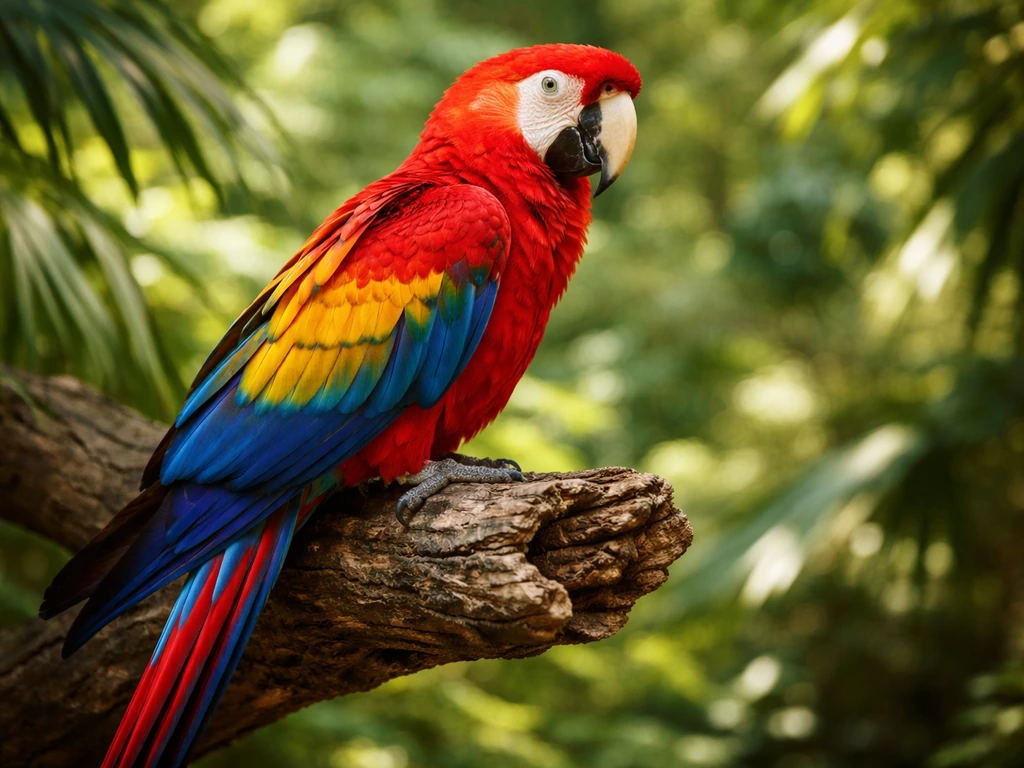
No, the hooded pitohui is not the only poisonous bird. Macaw birds live primarily in Central and South America, where they inhabit tropical rainforests, woodland edges, and savannas macaw bird where do they live. It was the first one scientists formally confirmed back in 1992, but researchers have since documented toxic compounds in at least several other species, including other pitohui species, the blue-capped ifrit (Ifrita kowaldi), the European quail, the red warbler, and the spur-winged goose. The hooded pitohui just got there first in the scientific literature, which is why its name dominates the conversation. If you are also curious about a morepork bird, its reputation is more about behavior and habitat than proven chemical toxicity. If you are looking for a plant with a similar striking yellow color, magnolia yellow bird evergreen shrubs are often grown for their evergreen foliage and warm blooms.
Is the Hooded Pitohui the Only Poisonous Bird?

Poisonous vs. venomous: why the distinction matters here
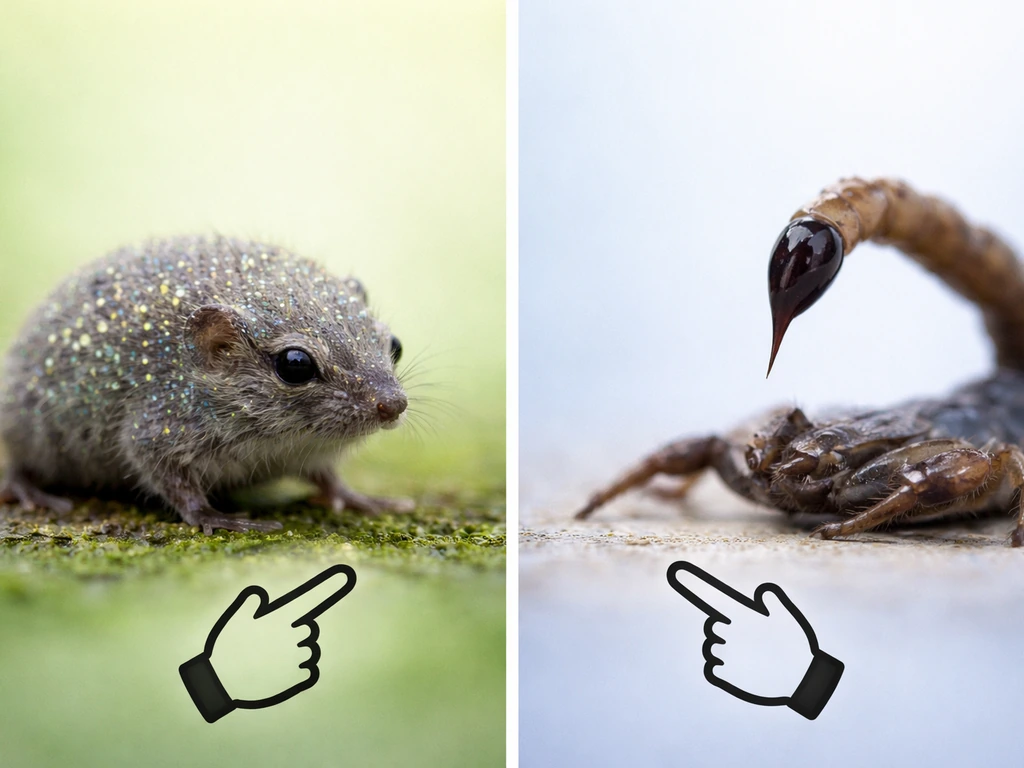
Before diving into the bird list, it helps to get one thing straight because these two words get swapped around constantly. A venomous animal actively delivers a toxin into another organism, usually through a bite, sting, or spine. A poisonous organism causes harm when its toxins are ingested, absorbed through the skin, or inhaled. The key difference is delivery: venom is injected, poison is received passively.
Pitohuis and their relatives are poisonous, not venomous. They do not bite or sting you with a toxin. Instead, their skin and feathers carry toxic compounds, and if a predator grabs one in its mouth, or a person handles one and then touches their face, the toxin gets transferred. Think of a poison dart frog rather than a rattlesnake. The birds are not weaponizing the toxin offensively; it is a passive chemical defense.
The hooded pitohui: what makes it so famous
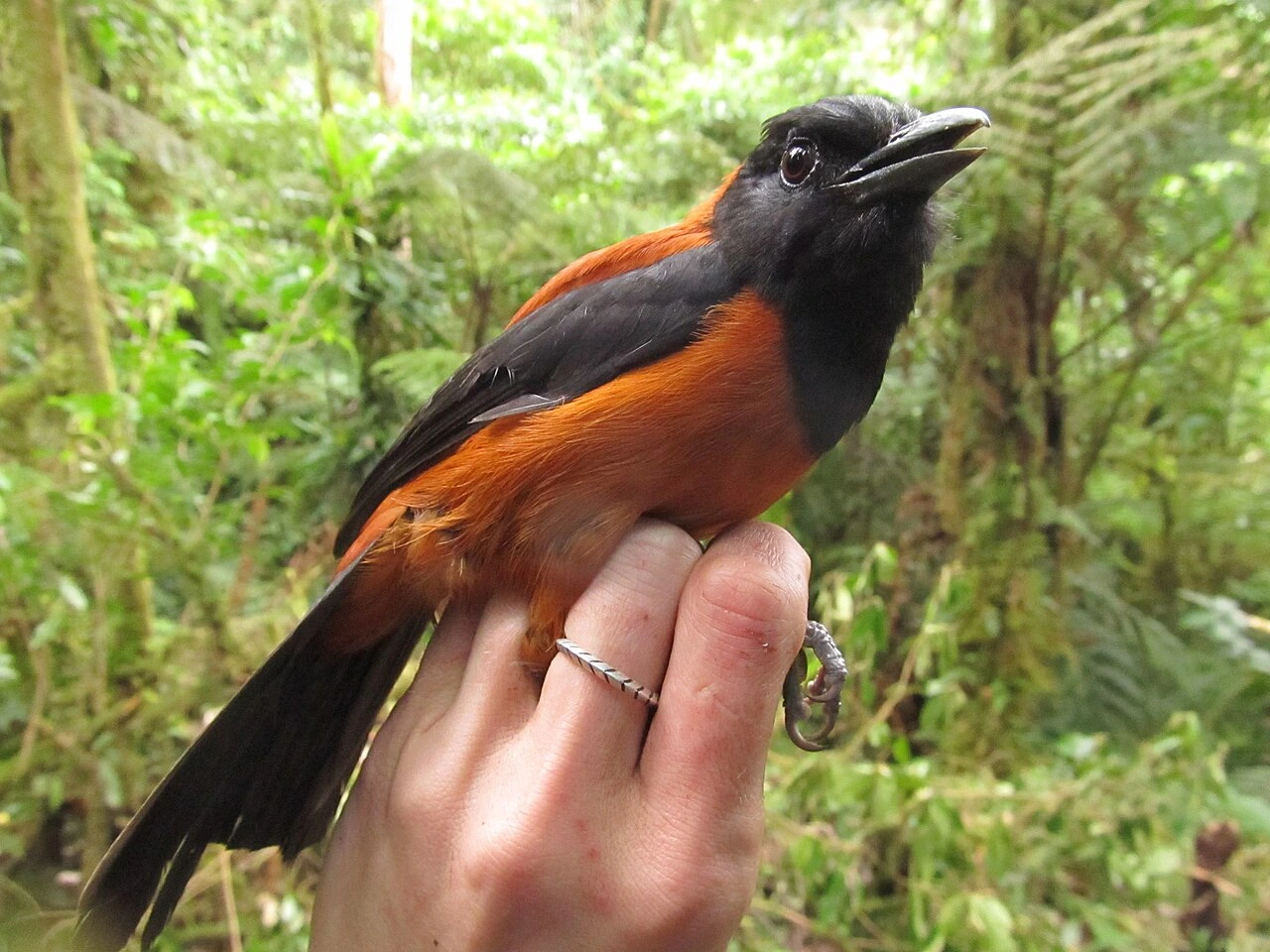
The story of the hooded pitohui starts in 1989, when ornithologist Jack Dumbacher was catching birds in a mist net in New Guinea and got scratched by a pitohui. He instinctively put his finger in his mouth and noticed a strange numbing, burning sensation. That small moment of field curiosity eventually led to the 1992 paper that formally identified the toxin class, homobatrachotoxin, in the skin and feathers of Pitohui dichrous, the hooded pitohui.
Homobatrachotoxin belongs to the batrachotoxin family, the same group of steroidal alkaloids that make poison dart frogs so dangerous. These compounds block sodium channels in nerve and muscle cells, which is what causes the numbing sensation and, at high enough doses, can be lethal. The hooded pitohui carries the compound concentrated in its contour feathers, particularly around the belly, breast, and legs, as well as in the skin. The bird is not manufactured from birth with this toxin: it appears to acquire batrachotoxins through its diet, most likely from small beetles of the genus Choresine, which are also found in the diet of poison dart frogs. The toxin is sequestered rather than synthesized.
The hooded pitohui lives in the forests of New Guinea, ranging across lowland and foothill rainforest habitats in Papua New Guinea and the Indonesian province of Papua. It is a striking bird, with a rufous-orange body and a black head, wings, and tail. The vivid coloring is likely an aposematic signal, a visual warning to predators that says, essentially, do not eat me.
The other toxic birds you should know about
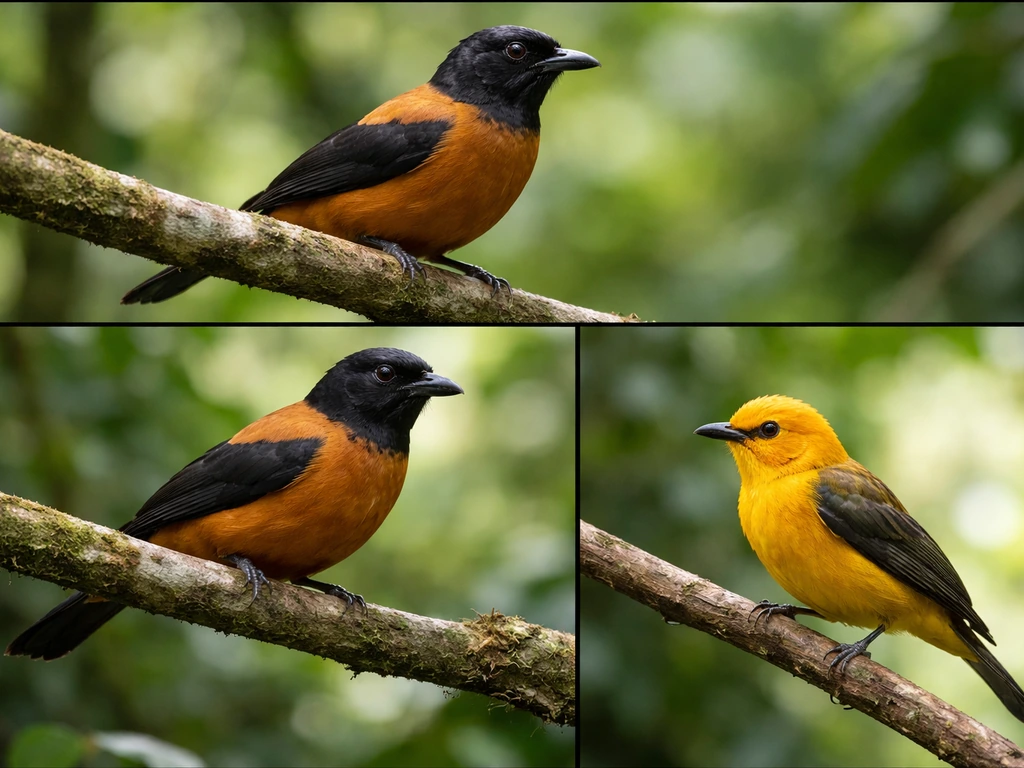
The hooded pitohui is the most famous, but it is far from alone. Here is a rundown of the species with the strongest evidence behind them.
Other pitohui species
At least four species within the Pitohui genus have been ascribed toxic properties, not just the hooded pitohui. Pitohui kirhocephalus and at least two others have been found to carry batrachotoxin-family alkaloids in their skin and feathers, with the highest concentrations again in contour feathers of the belly and breast. The levels vary by species and even by individual bird, likely reflecting differences in diet and local beetle availability.
Ifrita kowaldi (the blue-capped ifrit)
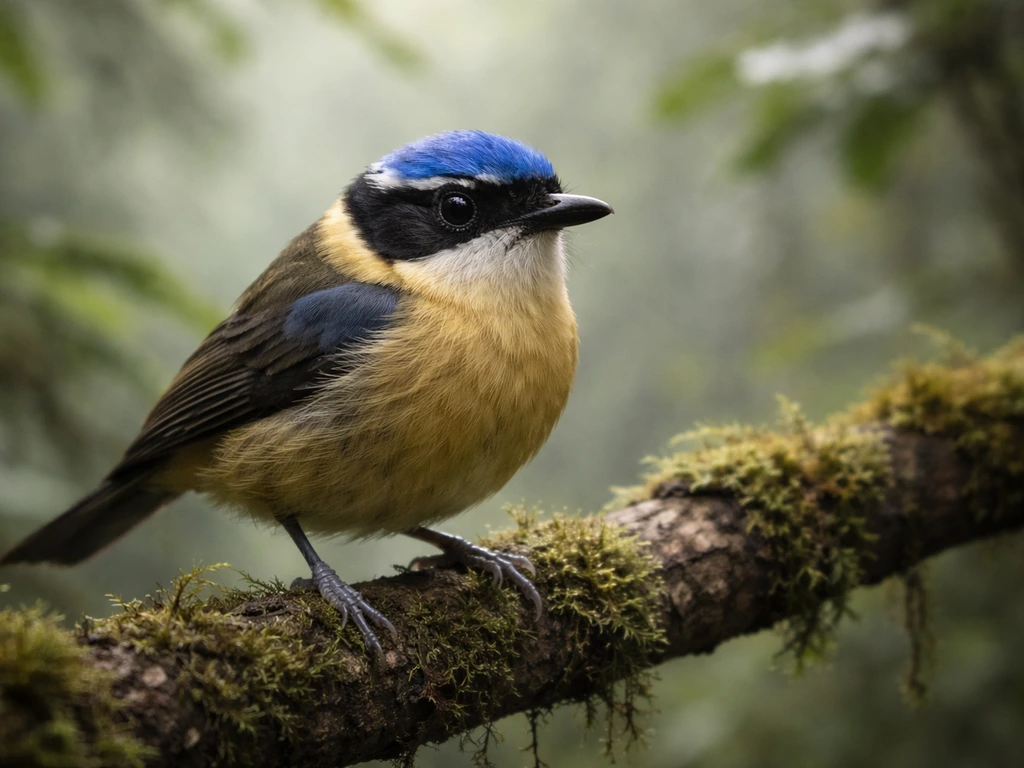
This is arguably the most important non-pitohui case in the scientific literature. Ifrita kowaldi is a small insectivorous bird also found in the montane forests of New Guinea, and chemical analyses of its feathers and skin using HPLC and chemical ionization mass spectrometry confirmed the presence of batrachotoxin-family alkaloids. This finding, published in the same PNAS paper that expanded the pitohui record, established Ifrita as a second toxic bird genus entirely, dealing a serious blow to the idea that pitohuis were uniquely poisonous.
European quail
Coturnix coturnix, the common European quail, has a historically documented association with toxicity called coturnism. People who eat quail during certain migration seasons, particularly around the Mediterranean, have reported muscle pain, weakness, and in serious cases kidney failure. The leading hypothesis is that the quail ingest toxic plants during migration, particularly hemlock or related plants, and the toxins accumulate in their flesh. The evidence here is epidemiological and historical rather than based on direct chemical extraction studies of the kind done on pitohuis, so the mechanism is less precisely understood.
Spur-winged goose
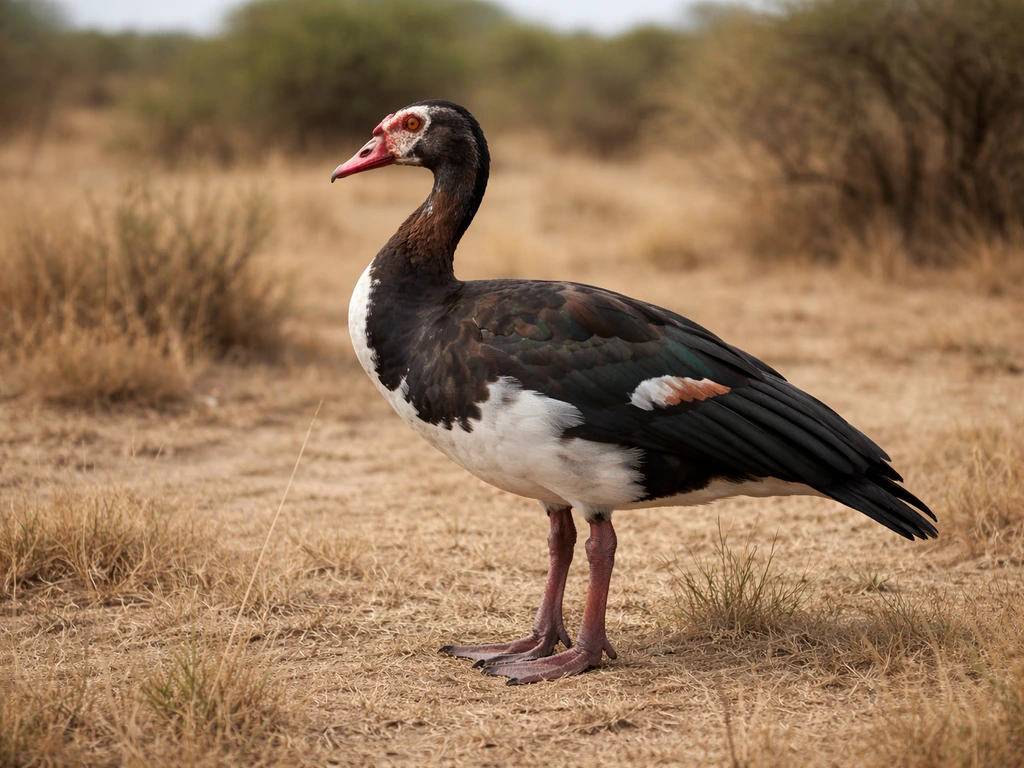
The spur-winged goose (Plectropterus gambensis), found across sub-Saharan Africa, is reported to be toxic to eat, apparently because it consumes blister beetles containing cantharidin, a potent toxin. Like the quail case, the toxicity appears to be dietary in origin. A 2012 study documented possible cantharidin poisoning in a great bustard, illustrating how toxin-based poisoning in birds can be confirmed through observed wildlife impacts and chemical evidence, even in species that are not the primary source of the toxin.
Red warbler
The red warbler (Cardellina rubra), a brightly colored bird found in Mexican highland forests, has been listed among potentially toxic birds in review literature. However, the evidence here is much less developed compared to the pitohui and ifrit cases. A 2023 study examining whether some brightly colored European wild birds could be toxic specifically noted that many claims in this space are superficial or preliminary, and the red warbler falls into that category. The vivid coloring is intriguing from an aposematic standpoint, but robust chemical confirmation is still lacking.
How scientists figured out birds could be poisonous
The discovery pathway is worth understanding because it tells you a lot about how solid the evidence really is. The original pitohui finding came from a combination of accident (Dumbacher's field experience) and rigorous chemistry. The 1992 paper used chemical extraction of skin and feather tissue followed by spectroscopic analysis to identify homobatrachotoxin definitively. Later work used high-performance liquid chromatography coupled with chemical ionization mass spectrometry (HPLC-CIMS) to characterize additional batrachotoxin alkaloids in both pitohuis and Ifrita.
The Auk published a study that went further, systematically sampling multiple tissue types (skin, feathers, muscle, liver) across pitohui specimens to map exactly where toxins are concentrated and at what levels. This kind of rigorous, multi-tissue, quantified approach is the gold standard for confirming a bird is genuinely toxic rather than just incidentally associated with a toxin. Field observations of predator avoidance, combined with the bright aposematic plumage, add behavioral and evolutionary context. Together, chemistry plus field ecology plus phylogenetics gives you a strong case.
For birds like the European quail and spur-winged goose, the evidence chain runs differently: it often starts with reports of human or animal illness after consumption, followed by investigation of the bird's diet and potential toxin sources. That is a valid evidentiary pathway, but it leaves more uncertainty about the precise compounds involved and the mechanism of sequestration.
Where toxic birds are found, and how widespread the phenomenon might be

Right now, the strongest chemical evidence for bird toxicity clusters heavily in New Guinea and the broader Melanesian region. The pitohuis and Ifrita are all New Guinea endemics, and the batrachotoxin-family compounds found in them represent the most rigorously documented case of avian chemical defense. A phylogenetic study concluded that toxic pitohui birds have a polyphyletic origin, meaning toxicity evolved independently in multiple lineages within corvoid birds rather than being inherited from one common ancestor. That is a significant finding: it implies the conditions for evolving or acquiring toxicity may arise fairly readily in the right ecological setting, not that it was a one-time evolutionary accident.
Beyond New Guinea, the other confirmed or strongly suspected cases are geographically scattered. European quail span Europe, Asia, and Africa during migration. Macaw bird range and natural history vary by country, but the exact country depends on the species and where it is native or kept European quail span Europe, Asia, and Africa during migration.. The spur-winged goose is sub-Saharan African. The red warbler is Central American. There is no single geographic hotspot outside of New Guinea, which itself may reflect a combination of ecological conditions (the right toxic beetle prey available) and the fact that New Guinea birds have been studied more deliberately for this trait since 1992.
The 2015 review on poisonous birds is explicit that toxicity descriptions for many species beyond the core confirmed cases are superficial or preliminary. This almost certainly means the real list of toxic birds is longer than what we currently know, not shorter. Under-sampling, the difficulty of detecting low-level toxins in field-collected specimens, and the general lack of systematic screening across bird families all contribute to gaps in the record. Given that the polyphyletic phylogeny study suggests widespread potential for toxicity within corvoid birds alone, it is reasonable to expect further discoveries as more species are tested.
| Bird | Region | Toxin type | Evidence strength |
|---|---|---|---|
| Hooded pitohui (Pitohui dichrous) | New Guinea | Batrachotoxin-family alkaloids | Strong: direct chemical analysis, tissue localization |
| Other Pitohui species (P. kirhocephalus etc.) | New Guinea | Batrachotoxin-family alkaloids | Strong: direct chemical analysis |
| Blue-capped ifrit (Ifrita kowaldi) | New Guinea | Batrachotoxin-family alkaloids | Strong: direct chemical analysis (HPLC-CIMS) |
| European quail (Coturnix coturnix) | Europe, Asia, Africa | Dietary plant toxins (coturnism) | Moderate: epidemiological and historical records |
| Spur-winged goose (Plectropterus gambensis) | Sub-Saharan Africa | Cantharidin (dietary) | Moderate: dietary association, wildlife poisoning records |
| Red warbler (Cardellina rubra) | Mexico/Central America | Unknown/unconfirmed | Weak: preliminary, not chemically confirmed |
What we still do not know, and how to check claims yourself
Several important questions remain genuinely open. The dietary acquisition hypothesis for pitohuis is widely accepted but has not been completely proven through controlled feeding experiments in the same way some poison frog dietary hypotheses have been tested. The precise mechanism by which birds sequester batrachotoxins without poisoning themselves is also not fully understood. And the polyphyletic phylogeny finding raises a broader question: if toxicity evolved multiple times within corvoid birds in New Guinea, how many other bird lineages in other parts of the world might have done the same thing without anyone looking closely enough?
If you want to evaluate specific claims about a bird being toxic, the 2015 review article titled "Poisonous birds: A timely review" (published in Toxicon and accessible via ScienceDirect) is the best single starting point. It maps out which species have strong evidence, which have weak or preliminary evidence, and what methodological standards were applied. For individual species claims, look for whether the toxin has been chemically characterized (not just described in general terms), which tissues were sampled, and whether alternative explanations like incidental contamination or dietary transit have been ruled out.
Popular sources, including many wildlife websites, often repeat the claim that the hooded pitohui is the only poisonous bird, or conversely, list a dozen toxic bird species without distinguishing between those with rigorous chemical evidence and those with little more than historical anecdote. The honest current answer is: we have strong evidence for a handful of species, suggestive evidence for a few more, and almost certainly an incomplete picture of how widespread avian toxicity actually is. So far, there is no evidence that the shoebill bird is extinct, and its conservation status should be checked with up-to-date local and global sources shoebill bird extinct. The science here is genuinely still developing.
One useful habit when reading about toxic animals generally is to ask whether the paper describes how the toxin was detected, not just that it was detected. Studies that use extraction protocols, chromatography, and mass spectrometry are on firmer ground than those relying on bioassay tests or historical reports alone. The hoopoe research on preen gland secretions provides a good model of how experimental work, including controlled antibiotic injection trials to test whether symbiotic bacteria produce antimicrobial compounds, can confirm or refute biological mechanisms that initially seem speculative.
For conservation and natural history context, the toxic bird story is a useful reminder of how much basic biology remains undiscovered even in relatively well-studied vertebrate groups. Birds are the most intensively observed class of animals on earth, yet a fundamental chemical defense strategy went undetected until 1989. That should make anyone curious about what else might be hiding in plain sight, particularly among species in biodiverse but understudied regions like New Guinea, where the avian diversity is extraordinary. And if you are wondering about other bird myths like whether the shoebill is the dumbest bird, the same evidence-first mindset helps separate hype from what studies actually show is shoebill the dumbest bird. If you are dealing with koel birds around your home in Singapore and want to discourage them, focus on safe deterrents and habitat changes rather than attempting to handle the bird koel bird how to get rid of singapore.
FAQ
How can I tell whether a bird is truly poisonous versus just reported as “toxic” online?
Look for studies that chemically identify specific compounds (extraction plus chromatography and mass spectrometry) and specify which tissues were tested (skin, feathers, muscle, liver). Claims based only on taste, observation of illness, or vague “toxin” descriptions are usually weaker because they do not rule out accidental contamination or diet-based passing-through.
Is the hooded pitohui dangerous to touch, or only if you eat it?
For pitohuis and related birds, the risk is mainly from passive transfer, meaning handling can transfer toxins from skin or feathers to your hands, then to your face or mouth. Avoid handling, wear gloves if you must manage research materials, and wash hands thoroughly afterward, because the toxin is associated with outer tissues rather than delivered by a bite.
If batrachotoxins are acquired from diet, do captive hooded pitohuis become harmless?
They are expected to become less toxic if the captive diet lacks the relevant toxin-containing prey. The article explains sequestration from food but also notes that the exact acquisition details are not fully proven through controlled feeding experiments, so toxicity may vary by husbandry and local prey availability.
Do pitohuis have to be alive to be toxic, for example after a predator kills one?
The toxins are concentrated in outer tissues like feathers and skin, so handling carcasses can still pose a risk. Predators are adapted to use the defense, but humans should still assume the compounds remain in feathers and skin even after death.
What’s the safest way to respond if I find a brightly colored “toxic-looking” bird?
Treat it as potentially harmful and do not handle it, even if it resembles pitohuis or other suspected species. Use barriers or observation from a distance, and if it is in your home area, focus on non-contact deterrence rather than trying to relocate or capture the bird.
Are pitohuis venomous, or do they “sting” like a venomous snake?
They are poisonous, not venomous. They do not inject toxins with a bite, sting, or spine, so the threat comes from transferring toxins via skin or feathers when a predator grips the bird or when a person handles it and then contacts their mouth or eyes.
Why do some sources list dozens of poisonous birds when the article says evidence is uneven?
Because many lists blend species with strong chemical characterization with species that have only preliminary review-level claims or historical anecdotes. The article emphasizes that comprehensive screening is limited and that low-level or unmeasured toxins could be missed, so only a handful currently have the strongest evidence chain.
Could the European quail and spur-winged goose cases involve toxins that are different from batrachotoxins?
Yes. The quail case is linked to toxin accumulation from dietary plants during migration (described historically as “coturnism”), and the spur-winged goose is associated with cantharidin from blister beetles. These are different toxin systems from the batrachotoxin-family compounds documented in pitohuis and Ifrita.
Does “poisonous bird” mean the bird is toxic to predators but safe for humans?
Not necessarily. The core idea is that predators experience harm when they consume or handle the bird in a way that transfers toxins, and humans can be harmed through contact and ingestion as well. If you are assessing risk, use the same evidence standard, and treat all suspected poisonous birds as unsafe to handle or eat.
What should I check in a scientific claim about bird toxicity to judge how reliable it is?
Confirm whether the paper actually characterizes toxins chemically, not just reports a correlation. Also check that multiple tissues were tested and that alternative explanations were addressed (for example, dietary transit or contamination), because multi-tissue sampling and quantified chemistry are described as the highest-confidence approach.
Macaw Bird Which Country: Identify Species and Native Range
Identify macaw species and match each to its native country range, distinguishing origin from today’s wild sightings and