Yes, the maleo bird is endangered, and the situation is actually worse than that word suggests. The maleo is a clear example of what bird is endangered, with its risk of extinction rising sharply in recent assessments. In 2021, BirdLife International and the IUCN uplisted the maleo (Macrocephalon maleo) from Endangered to Critically Endangered, the last stop before extinction in the wild.
Is Maleo Bird Endangered? Status, Threats, and What You Can Do

Maya Hennessy
30 May 2026
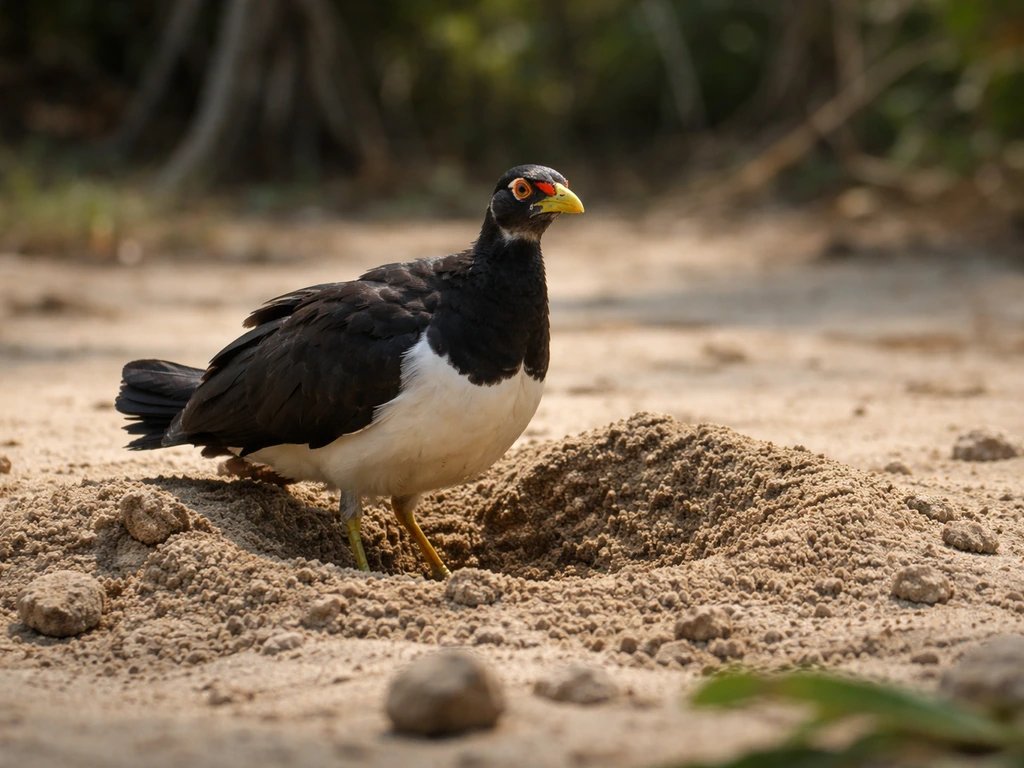
Researchers estimate the population has crashed by roughly 90% over the past 30 years, which is a staggering decline for a bird that was already considered rare. The peacock is also considered an endangered bird in some regions due to habitat loss and illegal hunting. If you were hoping for reassuring news, there isn't much, but there is real conservation work happening and concrete things you can do to help.
The maleo's official conservation status
The maleo's IUCN Red List category as of the 2021-2 assessment cycle is Critically Endangered (CR). This is a step up in urgency from its previous Endangered (EN) listing, and it reflects new data showing the scale of population loss. Critically Endangered means the species meets at least one of the IUCN's criteria for an extremely high risk of extinction in the wild. For the maleo, the 90% population decline over three decades is what drives that categorization. To put that in context: if a species loses nine out of every ten individuals in 30 years, recovery is difficult even under ideal conditions, and conditions for the maleo are far from ideal.
It is worth checking the IUCN's most current release (2025-1 at the time of writing) to see whether the category has changed again, since the IUCN updates its Red List tables regularly and publishes a specific "Table 7" document tracking species that shift status between cycles. The IUCN’s Table 7 documents summarize whether a species has changed Red List status between releases, including the shift checks spanning 2024 (2024-2) to 2025 (2025-1) IUCN Table 7 documents. As of the 2021 uplisting, Critically Endangered is the current standing, and nothing in subsequent assessments including a 2025 range-wide study published in Ornithological Applications has suggested the bird's situation has improved.
What "Critically Endangered" actually means for the maleo
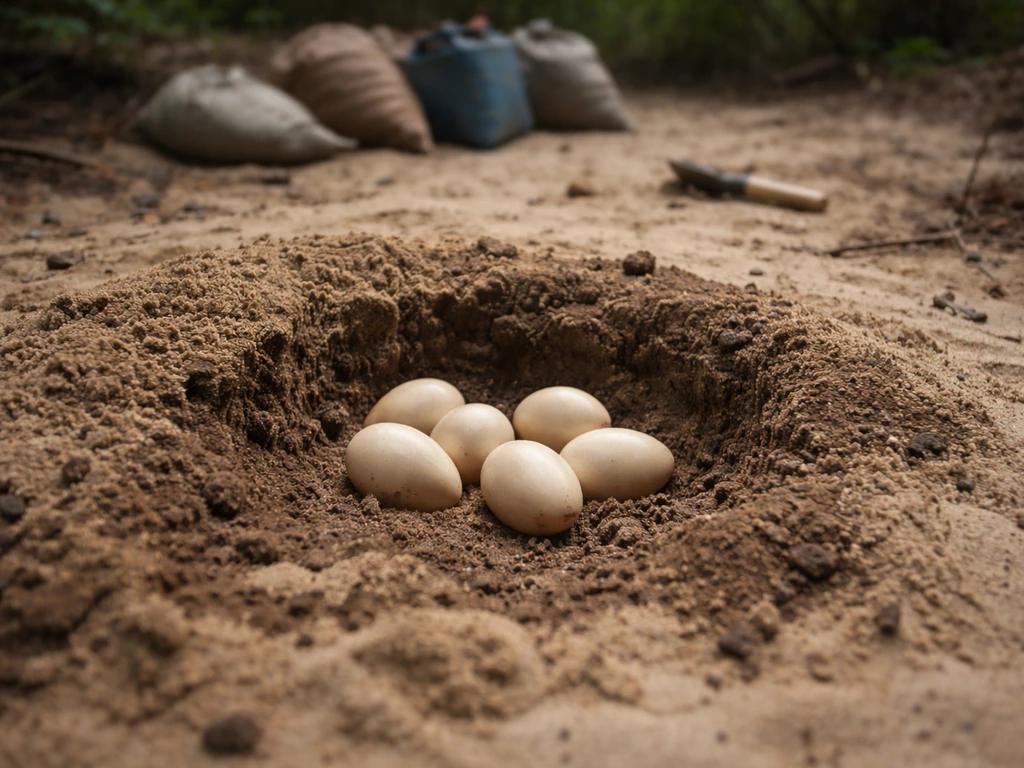
A conservation category is just a label until you understand what is driving it. For the maleo, the primary culprit behind the 2021 uplisting is strikingly specific: unregulated collection of maleo eggs. Maleo eggs are considered a local delicacy in Sulawesi, and egg-taking has historically been practiced at scale with little or no enforcement to limit harvest. BirdLife International was explicit that egg collection was the main reason the species crossed the threshold from Endangered into Critically Endangered.
Blue jay bird conservation status is different, but if you are researching whether are blue jay bird endangered, you should also check the latest assessments from conservation groups like the IUCN BirdLife International was explicit that egg collection was the main reason the species crossed the threshold from Endangered into Critically Endangered. . The 2025 Ornithological Applications assessment went further, stating that [ending egg-taking is essentially the key to the species' survival](https://academic. oup.
com/condor/article/127/3/duaf022/8124486). That is a rare level of clarity in conservation science, where threats are usually multiple and tangled.
Beyond egg harvesting, habitat loss is the other major pressure. Sulawesi has experienced significant deforestation, and the loss of forest corridors connecting nesting grounds to primary forest is particularly damaging for maleos. Adults need those corridors to travel between feeding areas and nesting sites. Chicks, which are born fully feathered and capable of flight within hours, still need to reach interior forest to survive, and without intact corridors they are exposed to predators and have nowhere safe to go. Illegal trade in live birds and general human encroachment on nesting beaches add to the pressure, though egg collection and corridor loss are the two drivers with the clearest documented link to population decline.
Where maleos live and why their range is shrinking
The maleo is endemic to Sulawesi, the large island in central Indonesia, plus the nearby Buton and Togian Islands. It is found nowhere else on Earth, which makes every population loss irreversible. Within Sulawesi, maleos occupy tropical lowland and hill forests, but their distribution is not uniform. They concentrate around specific communal nesting grounds, which can be coastal beaches or inland volcanic areas where geothermal heat warms the soil. These nesting grounds are not just convenient locations, they are essential infrastructure for the species, and maleos return to the same sites year after year.
The problem is that these nesting grounds are often surrounded by degraded or converted land. Agricultural expansion, logging, and infrastructure development have fragmented the forests between nesting areas and the primary forest that maleos depend on for food and shelter. As those corridors disappear, nesting grounds become isolated islands rather than connected parts of a functional habitat network. This fragmentation is the mechanism through which broad deforestation translates into direct harm for individual maleo families and, over time, the entire population.
Why the maleo's biology makes it especially vulnerable
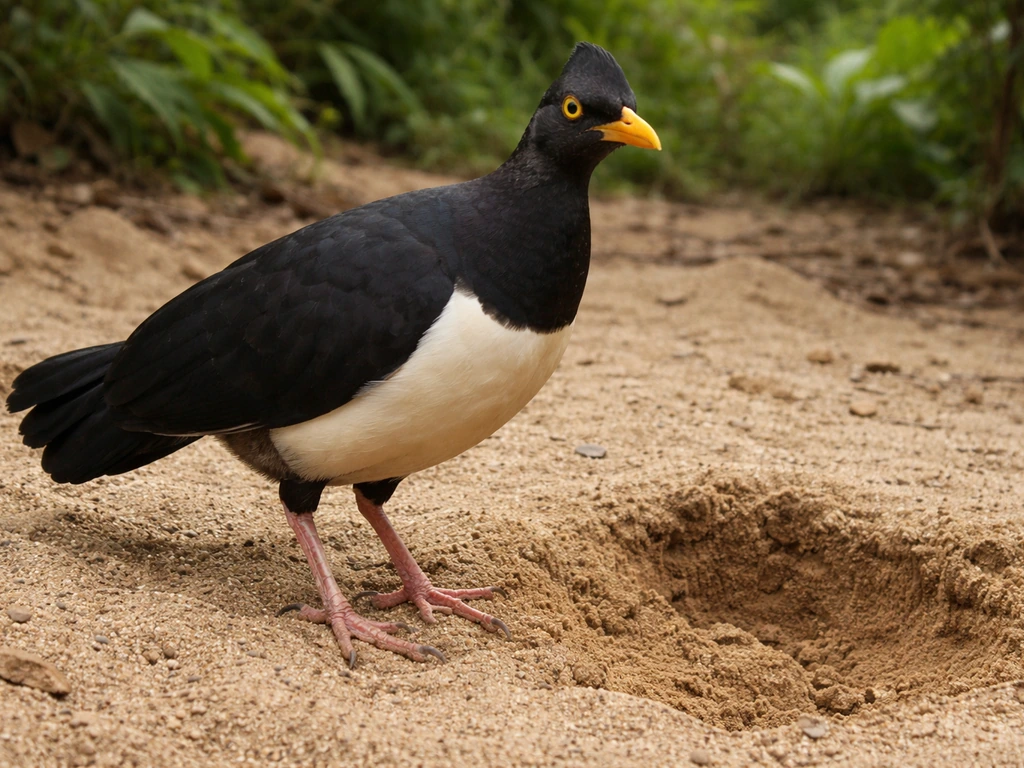
The maleo is a megapode, part of a family of birds known for burying their eggs and relying on external heat sources rather than body heat for incubation. Maleos lay their eggs in deep burrows dug into warm soil, typically at communal nesting grounds on geothermally heated beaches or volcanic soils. Each female lays only about eight eggs per year, which is an extraordinarily low reproductive rate for a bird.
Compare that to a common sparrow producing several clutches of four to six eggs each breeding season, and you start to see the problem. If you want a contrasting example of how bird risk varies by species, the “is sparrow endangered bird” question is often brought up when people compare safer common birds with highly threatened ones like the maleo common sparrow.
When adults are lost or eggs are removed, the population has very little capacity to bounce back quickly.
The communal nesting habit, while fascinating, also concentrates vulnerability. If a single nesting beach is disturbed, hunted, or developed, it does not affect just one pair of birds. It can eliminate the reproductive output of dozens or hundreds of adults who have returned to that site. Maleos show strong site fidelity, meaning they do not simply find a new nesting ground if their traditional one is disrupted. This behavioral rigidity, combined with the low egg count, means population recovery after disturbance is genuinely slow and uncertain.
What conservation work is actually happening
The maleo has attracted serious conservation attention, and some of the approaches being used are quite direct. Community-based nest protection programs are among the most important interventions. In these programs, local rangers or community members monitor active nesting beaches, document egg-laying activity, and physically deter or intercept egg collectors. Some programs work with communities to find alternative livelihoods so that egg collection is no longer an economic necessity.
Hatchery and nesting management approaches have also been used, where eggs are carefully collected, incubated under controlled conditions, and chicks released into protected habitat. This is controversial in conservation circles because it involves handling eggs and disrupting natural behavior, but proponents argue it is justified when wild nests face near-certain destruction. Monitoring programs track nesting activity over time to detect population trends and identify which nesting grounds are most at risk.
On the habitat side, work to protect and restore forest corridors connecting nesting grounds to primary forest is ongoing, though underfunded relative to the scale of the problem. The Wildlife Conservation Society (WCS) has been involved in maleo conservation in Sulawesi for years, partnering with Indonesian government agencies and local communities. The Rainforest Trust and several Indonesian conservation NGOs have also supported protected area expansion and community ranger programs targeting maleo nesting sites.
How you can help right now

The most effective thing a person outside Indonesia can do is support the organizations doing on-the-ground work. Financial contributions to groups like the Wildlife Conservation Society, Rainforest Trust, or Indonesian-based organizations such as Burung Indonesia (BirdLife's Indonesian partner) go directly toward field programs, ranger salaries, and habitat protection efforts. Before donating, check that an organization's work is specifically tied to Sulawesi or maleo conservation rather than general tropical forest programs.
If you are traveling to Sulawesi or Indonesia more broadly, choose eco-tourism operators who explicitly support maleo conservation and hire local guides from communities around nesting areas. Tourism revenue that flows back to local communities reduces the economic incentive to collect eggs. Avoid any operator offering wildlife encounters that involve handling maleo eggs or chicks, which is almost certainly illegal and harmful regardless of how it is packaged.
Never purchase maleo eggs, live maleos, or products derived from them. This sounds obvious, but wildlife trafficking in Indonesia is a real problem, and demand from collectors and the exotic food trade sustains it. If you encounter maleo eggs or live birds being sold online or in markets, report it to TRAFFIC (the wildlife trade monitoring network) or to the relevant Indonesian wildlife authority (KLHK, the Ministry of Environment and Forestry).
- Donate to organizations with active maleo field programs: WCS Indonesia, Rainforest Trust, or Burung Indonesia.
- If visiting Sulawesi, choose eco-tourism operators who direct revenue to local communities near nesting grounds.
- Never buy maleo eggs, live birds, or any claimed maleo products, and report sightings of wildlife trade to TRAFFIC.
- Share accurate information about the maleo's Critically Endangered status, especially correcting anyone who still refers to it as merely 'Endangered'.
- Write to your government representatives supporting strong international wildlife trade enforcement and tropical forest protection policies, particularly those covering Indonesian biodiversity.
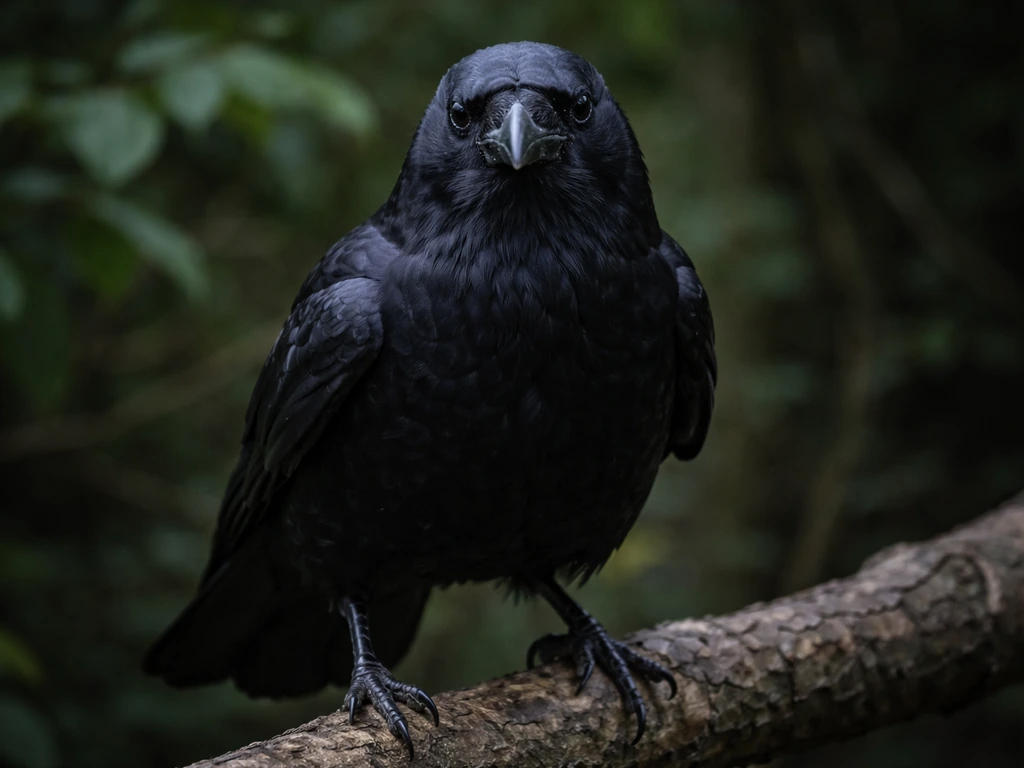
The maleo's situation is serious, but it is not hopeless. If you are wondering whether a species is crow endangered bird, the maleo is widely listed as Critically Endangered. Nest protection programs have shown that when egg collection is curtailed and nesting beaches are actively guarded, breeding activity continues and chicks survive. The species has not yet lost the habitat or the instinct, it has mostly lost protection.
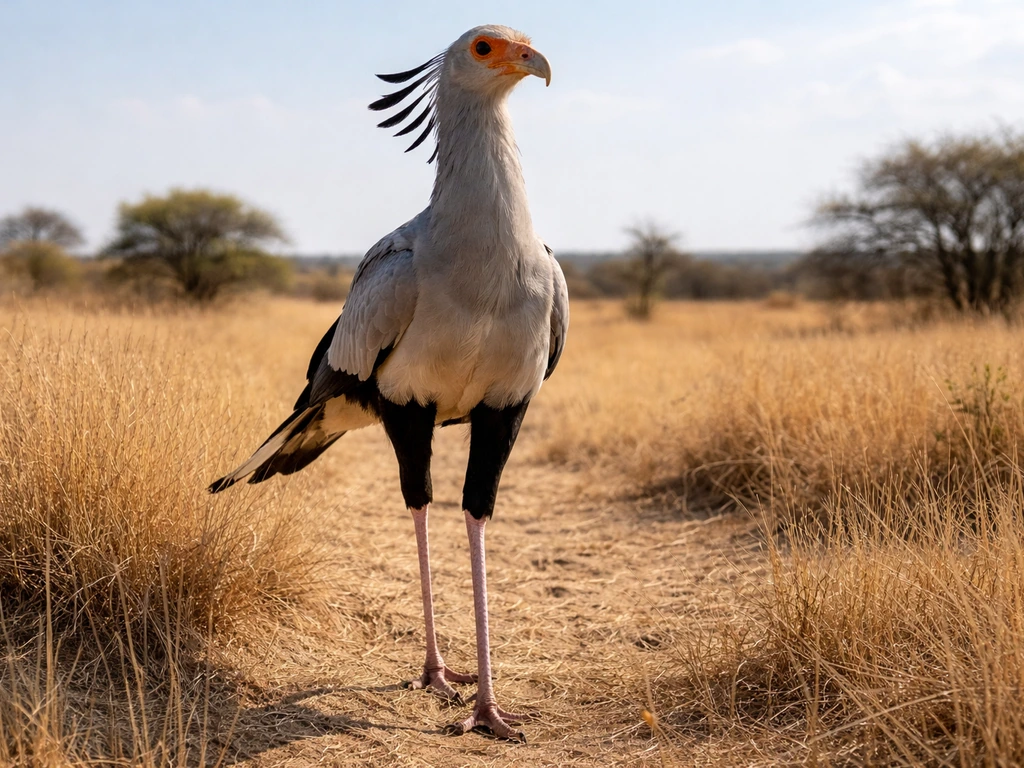
That is a solvable problem, at least in principle, which makes sustained support for the people doing the protecting both meaningful and urgent. For readers curious about how other species compare, the maleo's trajectory is a useful case study alongside other birds facing similar pressures from habitat loss and exploitation, whether that is the secretary bird, the peacock, or various megapode relatives.
FAQ
How can I confirm the maleo’s current conservation status (and make sure I’m not looking at outdated info)?
Use the latest IUCN Red List entry for Macrocephalon maleo and check the assessment year. The Red List can change between cycles, so also look for the specific category update window (for example, the current cycle table) rather than relying on a single older article or blog post.
If the maleo is critically endangered, does that mean it is guaranteed to go extinct soon?
No, critically endangered means extremely high risk, not inevitability. The bird’s recovery potential depends heavily on whether egg collection is actually curtailed at nesting sites and whether guarded nesting beaches remain connected to functioning forest habitat.
What’s the difference between egg collection and habitat loss in terms of what action helps most?
Egg collection directly removes reproductive output at the communal nesting grounds, while habitat loss mainly reduces survival odds through corridor fragmentation. Both matter, but many assessments point to ending egg taking as the single most decisive lever because the species has a very low annual egg count.
Why are communal nesting grounds such a big deal, practically speaking?
Because a disturbance can wipe out reproduction for large numbers of returning adults, since many birds reuse the same nesting site and have strong site fidelity. That means guarding or securing one beach can have outsized impact compared with interventions that only protect scattered individuals.
Can eco-tourism help, or does visiting maleo nesting areas make the problem worse?
It can help if tourism is run with explicit conservation goals, local guide hiring, and strict rules that prevent harassment of nesting adults and do not promote any egg or chick encounters. If an operator offers “hands-on” wildlife experiences or encourages viewing that disrupts nests, it is a red flag.
Is it safe or legal to relocate maleo chicks or move eggs for “rescue”?
In general, interfering with eggs or moving chicks is not something individuals should attempt, and it may be illegal without permits. Conservation hatchery or nesting management is done by trained programs under Indonesian regulations, with monitoring and survival-oriented release protocols.
How do I report a sale I see online or in a market if I am outside Indonesia?
Save evidence (item photos, listings, location, seller details) and report it to TRAFFIC and the relevant Indonesian authority (KLHK). Even when you cannot intervene directly, credible reports help enforcement target actual trade networks.
What should I look for before donating to a conservation group for maleo protection?
Prioritize organizations with a clear Sulawesi focus and maleo-specific field work, such as ranger patrols on nesting beaches, anti-egg-collection monitoring, and corridor restoration projects. If an org only mentions broad “tropical forest conservation” with no maleo or Sulawesi activities, the donation may not reach the highest-impact work.
If egg collection stops, will the maleo population rebound quickly?
Not necessarily. Low reproductive output (about eight eggs per female per year) and habitat fragmentation mean recovery can be slow even if egg taking is stopped. Long-term monitoring is needed to ensure chicks reach safe forest areas and that nesting grounds remain protected across years.
Are there specific times of year when maleo are most vulnerable?
Vulnerability peaks around nesting activity at communal grounds, when eggs are laid and incubated in burrows. If you are involved in local conservation support, timing patrols and community outreach to nesting peaks is critical, because egg-taking opportunities are concentrated during that period.