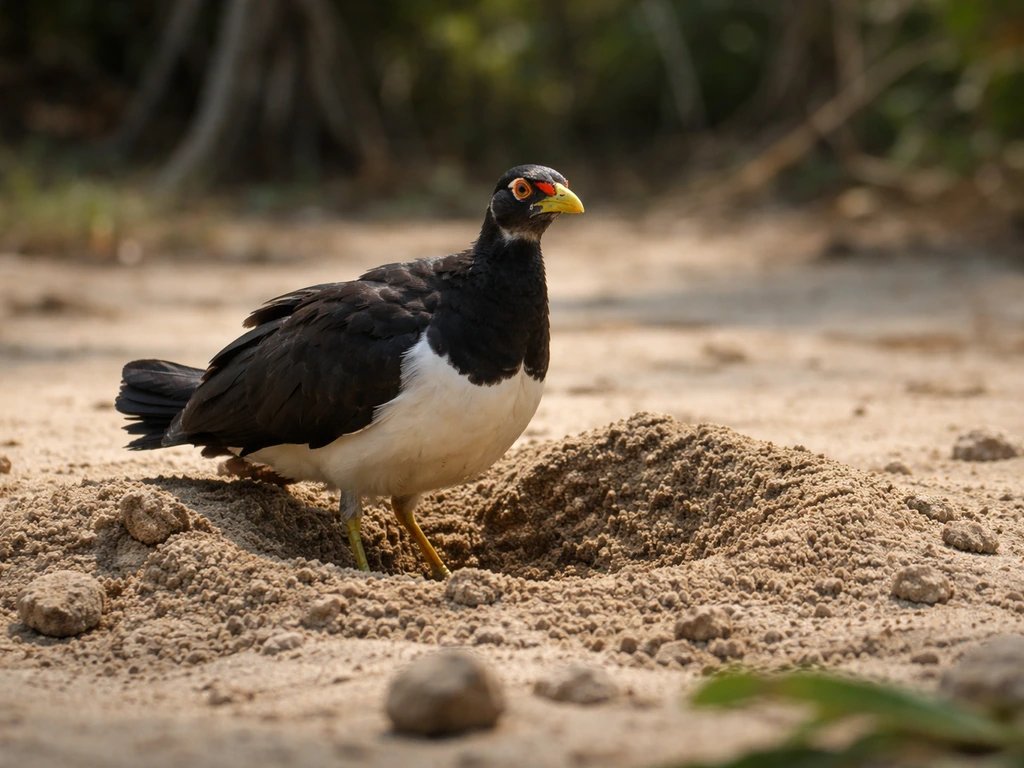
It depends on which peacock you mean. The Indian peafowl (Pavo cristatus), the bird most people picture when they think of a peacock, is rated Least Concern on the IUCN Red List. It is not endangered. That is why people often ask, "is martinez bird endangered," but the answer depends on the specific species and its regional status. But the green peafowl (Pavo muticus) is a different story entirely: it carries an Endangered classification, meaning its wild populations are in serious decline and facing real extinction risk. So the honest answer is: one common species is fine, the other is in genuine trouble.
Is Peacock Endangered Bird? Status of Indian and Green Peafowl

Maya Hennessy
5 Jun 2026
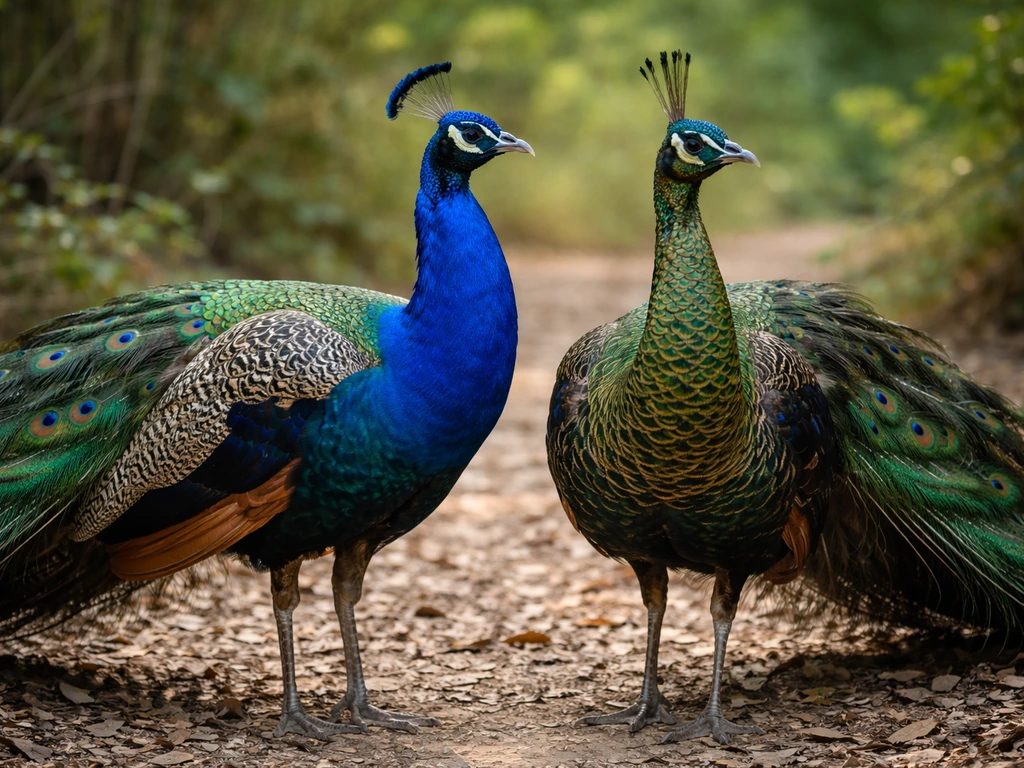
Conservation status by species: Indian peafowl vs green peafowl
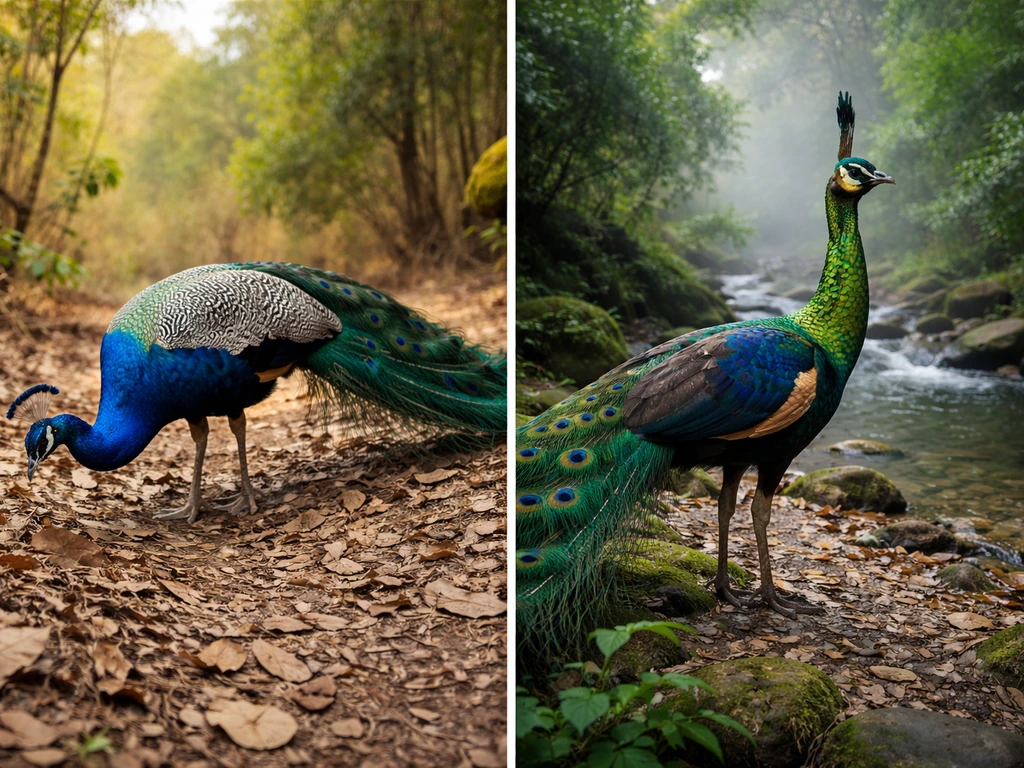
"Peacock" is actually a casual term for peafowl, and there are three living species in the peafowl family. When most people ask whether peacocks are endangered, they're thinking of the Indian peafowl, which is the one you see in zoos, parks, and across the Indian subcontinent. That species is doing well enough globally that the IUCN lists it as Least Concern (LC) under category 3.1. Its population is large, it tolerates human-modified landscapes reasonably well, and it's legally protected in India as the national bird.
The green peafowl is a completely different situation. Formally assessed on the IUCN Red List as Endangered (EN), with the most recent detailed assessment catalogued as e.blank" rel="noopener noreferrer">T22679440A131749282 from 2018, its population has been shrinking significantly across Southeast Asia. This is the species that genuinely warrants concern, and it's the one conservation researchers focus on when discussing peafowl survival.
The third species, the Congo peafowl (Afropavo congensis), is native to the forests of the Democratic Republic of Congo and is listed as Vulnerable, which places it between Least Concern and Endangered. It rarely comes up in casual conversation about peacocks, but it's worth knowing it exists and isn't thriving either.
| Species | Scientific Name | IUCN Status | Primary Range |
|---|---|---|---|
| Indian peafowl | Pavo cristatus | Least Concern (LC) | Indian subcontinent, introduced widely |
| Green peafowl | Pavo muticus | Endangered (EN) | Southeast Asia (Java, Indochina, Myanmar) |
| Congo peafowl | Afropavo congensis | Vulnerable (VU) | Central Africa (DRC) |
Why peafowl populations are declining: the main threats
For the green peafowl specifically, the threats are well-documented and interconnected. Habitat loss is the biggest driver. Lowland forests and open woodland savannas across Southeast Asia have been cleared at a rapid rate for agriculture, logging, and infrastructure. Green peafowl need large territories and they don't adapt to degraded habitats the way Indian peafowl often can. Once their forest corridors are broken up, isolated populations struggle to sustain themselves.
Hunting and poaching compound the problem significantly. Green peafowl have been hunted for food, feathers, and the live bird trade across their range for generations. Feathers are attractive to collectors and local markets, and chicks are captured for sale as exotic pets. Unlike the Indian peafowl, the green peafowl has no strong cultural protection in most of the countries where it lives, which makes enforcement of hunting bans patchy at best.
Human-wildlife conflict is a quieter but real pressure. Peafowl that raid agricultural crops face retaliation from farmers. As natural habitat shrinks and peafowl are pushed into areas closer to human settlement, these conflicts increase. In some regions, local communities that historically coexisted with green peafowl have shifted toward seeing them as pests rather than wildlife worth protecting.
For Indian peafowl, threats are much lower in scale but not zero. Localized hunting, road kills, and poisoning from agricultural chemicals affect some populations. The species is robust enough overall that these pressures don't threaten it globally, but specific regional populations can still be impacted.
Wild populations vs captive birds: a very different picture
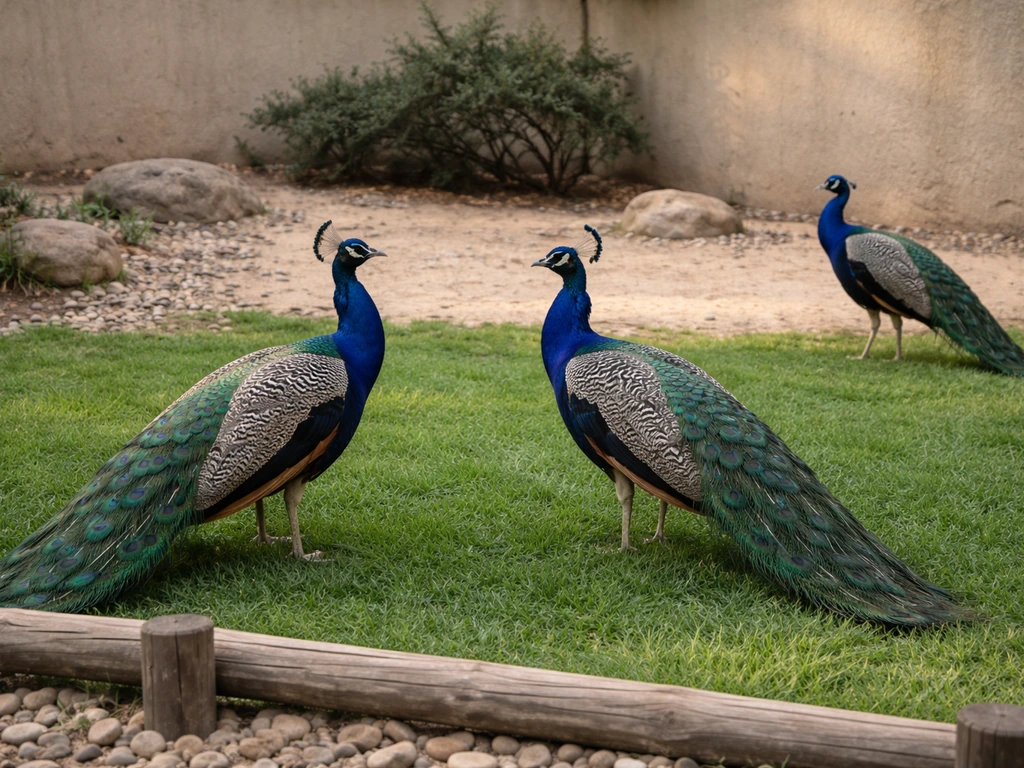
One reason people are sometimes confused about whether peacocks are endangered is that they see them everywhere in captivity. Indian peafowl are genuinely common in zoos, wildlife parks, private estates, and as semi-feral birds in places like parts of the United States, Australia, and the UK. Their numbers in human-managed settings are enormous, which can give the impression that the whole peafowl family is thriving.
Green peafowl also exist in captivity, but in far smaller numbers, and captive breeding programs for this species are ongoing at several zoos specifically because wild numbers are concerning. Captive populations serve as a genetic reservoir but they are not a substitute for protecting wild habitat. Conservationists are clear on this point: a species held in captivity while its wild range collapses is not a conservation success, it's a holding pattern.
It's also worth noting that feathers sold in tourist markets and online can come from both farmed birds and wild-caught ones. Farmed Indian peafowl shed feathers naturally and harvesting them is legal in many countries. But green peafowl feathers or live birds sourced from the wild are a different matter entirely and may violate international trade regulations under CITES (the Convention on International Trade in Endangered Species). Whether a species like the green peafowl is maleo bird endangered depends on its population and conservation status, not on how common it looks in captivity green peafowl feathers.
Where peafowl live and the habitat pressures they face
Indian peafowl are native to the Indian subcontinent, where they range from Pakistan through India, Nepal, and Sri Lanka. They're highly adaptable: they live in forests, agricultural margins, scrublands, and near villages. This flexibility is a big reason they aren't threatened. They've essentially learned to coexist with dense human populations.
Green peafowl have a much narrower ecological niche and a range that's been shrinking for decades. Green peafowl are considered threatened and are often treated as endangered or near-endangered depending on the latest assessments. They historically occupied forests and open woodlands across a broad sweep of Southeast Asia, including parts of China, Myanmar, Thailand, Vietnam, Cambodia, Laos, and the Indonesian island of Java. Today, Java holds one of the most important remaining populations, but Javan forests are under intense agricultural and development pressure. In mainland Southeast Asia, the birds persist in fragmented patches, and some local populations are believed to already be functionally extinct.
The habitat story for green peafowl parallels what we see with many other endangered birds in the region. Species that need large, intact forest patches, like the green peafowl, lose ground faster than adaptable generalists. This is a pattern repeated across threatened bird species globally, from forest-dependent raptors to ground-nesting species in degraded grasslands.
What you can actually do right now

If you're trying to verify the status of a specific peafowl species, go directly to the IUCN Red List website (iucnredlist.org) and search by the scientific name: Pavo cristatus for Indian peafowl, Pavo muticus for green peafowl, or Afropavo congensis for Congo peafowl. The IUCN assessments are updated periodically, so that's always your most current reference. Don't rely on a single article or pet trade website for conservation status information.
If you're buying peacock feathers or products, it matters where they come from. Feathers from Indian peafowl that were naturally molted and farmed legally are generally fine. But if a product is marketed as green peafowl feathers or involves live birds of any peafowl species imported internationally, check whether the seller can provide CITES documentation. Buying products from illegal wildlife trade, even unknowingly, contributes to the pressure on wild populations.
If you spot what you believe is a green peafowl in the wild, especially in Southeast Asia, that sighting is genuinely valuable data. Report it to local wildlife authorities or to global databases like eBird (run by the Cornell Lab of Ornithology), which researchers use to track populations. A single confirmed sighting in a new area can help conservationists identify habitat worth protecting.
- Check iucnredlist.org using the scientific name to get the current, authoritative conservation status for any peafowl species.
- When buying feathers or peafowl products, ask for sourcing information and avoid anything that can't be traced to legally farmed birds.
- Do not purchase live peafowl from sellers who cannot verify captive-bred origin and proper permits, especially for green peafowl.
- Report wild peafowl sightings (especially green peafowl in Southeast Asia) to eBird or your country's wildlife authority.
- Support organizations working on Southeast Asian forest conservation, as habitat protection is the single most impactful intervention for green peafowl survival.
- If you encounter green peafowl in markets or being sold as wildlife, report it to TRAFFIC (the wildlife trade monitoring network) or local law enforcement.
The peacock question turns out to be a useful reminder that "endangered" isn't a label for a whole group of animals: it applies species by species, population by population. The secretary bird is also in this mix of species where conservation status depends on the population and region is the secretary bird endangered. The Indian peafowl is thriving. The green peafowl is fighting for survival. Knowing which one you're asking about is the first step to understanding what's actually at stake. This same nuance applies when looking at other birds people assume are either safe or threatened, from crows and sparrows on one end to more specialized species facing real pressure on the other.
FAQ
If I see a peacock in my city, how can I tell whether it’s an endangered species?
“Peacock” is ambiguous, so ask what species and location you mean. In the wild, Indian peafowl are not endangered overall, while green peafowl are Endangered, and Congo peafowl are Vulnerable. If you only know the bird’s common name, use the best clue you have (country or region) to identify which peafowl species is likely involved.
Does the fact that peacocks are common in zoos mean they are not endangered?
Captivity can make a species look common, but it does not remove the threat to wild populations. Zoos and private collections mostly hold Indian peafowl in large numbers, and green peafowl in smaller numbers, but the conservation goal is maintaining wild habitats and wild breeding. So the key question is whether you are talking about wild numbers in a particular range, not total individuals in captivity.
Are peacock feathers or peacock products always safe to buy if I care about wildlife?
For green peafowl, feather or live-bird products are the main risk area, because they may be linked to wild take. Even if a product is legal, ask for documentation (especially if the item claims to be green peafowl) because trade rules can depend on the species and whether it is farmed, seized, or wild-sourced.
If Indian peafowl are Least Concern, are they totally safe from threats like hunting or poisoning?
Road kills, poisoning, and localized hunting are real pressures for Indian peafowl, but they are typically not enough to threaten the species globally because the overall population remains large and adaptable. The practical takeaway is that “not endangered” does not mean “never harmed,” so local impacts can still happen where farming chemicals are heavily used or traffic is high.
Can a green peafowl population be “near extinction” even if some birds still get spotted?
Yes. Green peafowl are often absent or declining in fragmented areas, and some populations may already be functionally extinct, meaning the last birds may be too few to reproduce reliably. When you report sightings, include habitat details (forest type, distance to villages, time of day), because that helps assess whether the area can still support breeding.
What should I do if I suspect someone is selling a wild green peafowl or peafowl chick illegally?
If you find what you think is a peafowl chick or a “wild” bird for sale, do not purchase it and do not handle it. Contact local wildlife authorities or a reputable rescue organization, since live bird trade can involve illegally captured birds. For your safety, avoid direct confrontation, and document details like seller location and any photos or labels if authorities ask.
What’s the fastest way to verify whether a specific peafowl species is endangered right now?
When checking conservation status, always search by scientific name, because “peacock” covers multiple species and “endangered” labels can be misunderstood. Use the species names tied to the region (Pavo cristatus, Pavo muticus, Afropavo congensis) and confirm the most recent assessment date, not just the headline category.
Why do people get peacock conservation status wrong so often?
If you hear “endangered peacock” claims online, treat them as incomplete until you confirm the species and the geography. A common mistake is generalizing from Indian peafowl’s abundance to green peafowl, or assuming that captivity numbers reflect wild status. Cross-check with the species you are actually looking at, then match it to its regional assessment.
Next Article
Is Maleo Bird Endangered? Status, Threats, and What You Can Do
Is the maleo bird endangered? See its conservation status, key threats to nesting, and effective ways to help today.