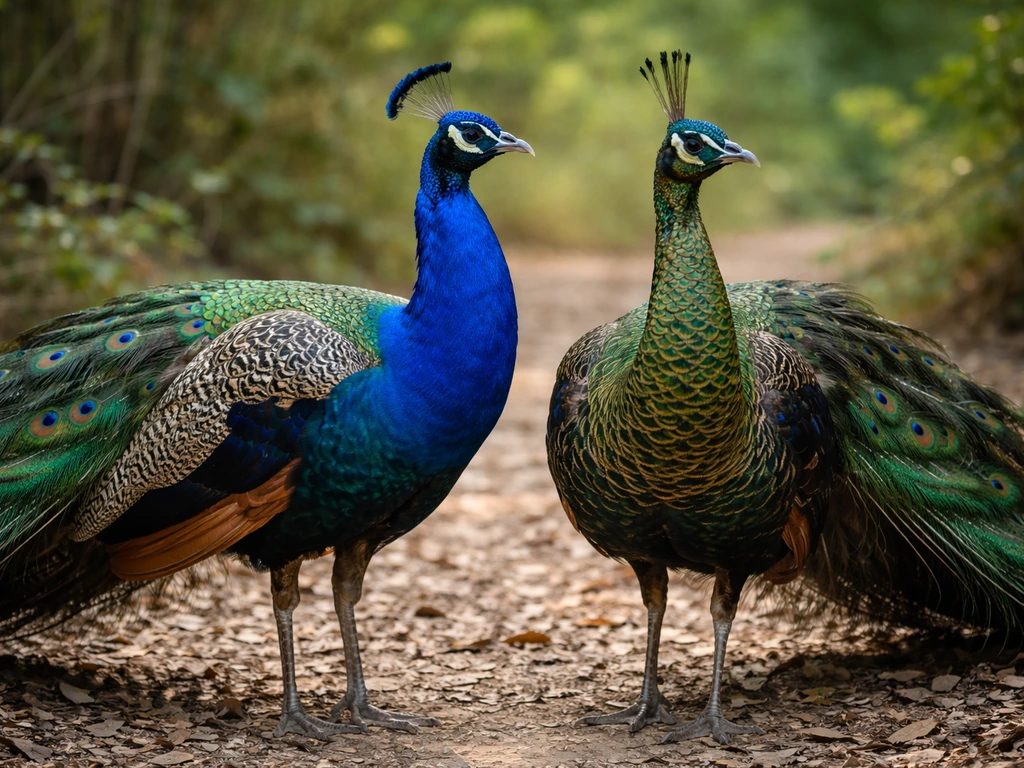
The 'blank" rel="noopener noreferrer">Martinez bird' most commonly refers to the Crested Myna (Acridotheres cristatellus), a name used widely in the Philippines. As of 2026, the Crested Myna is rated Least Concern on the IUCN Red List, meaning it is not currently endangered. If you meant the Crested Myna often called the “Martinez bird,” it is not considered endangered globally. Its global population is considered stable enough that it does not meet the threshold for any threatened category.
Is Martinez Bird Endangered? Status, Threats, and Next Steps

Maya Hennessy
6 Jun 2026
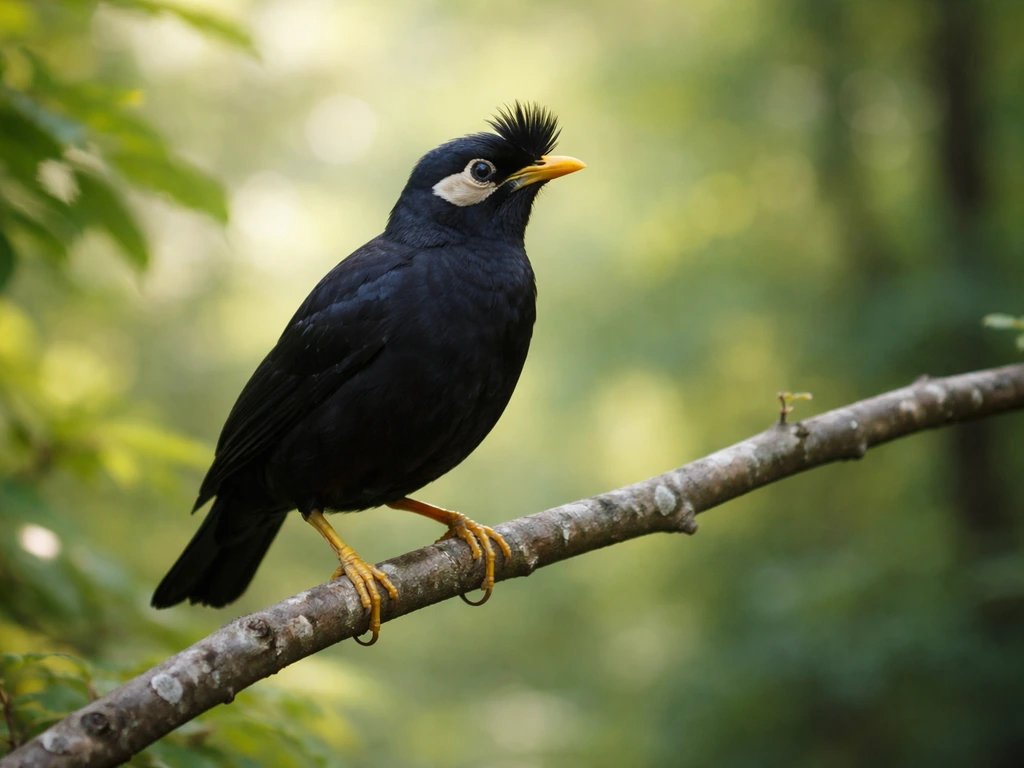
Which bird is actually called the 'Martinez'?
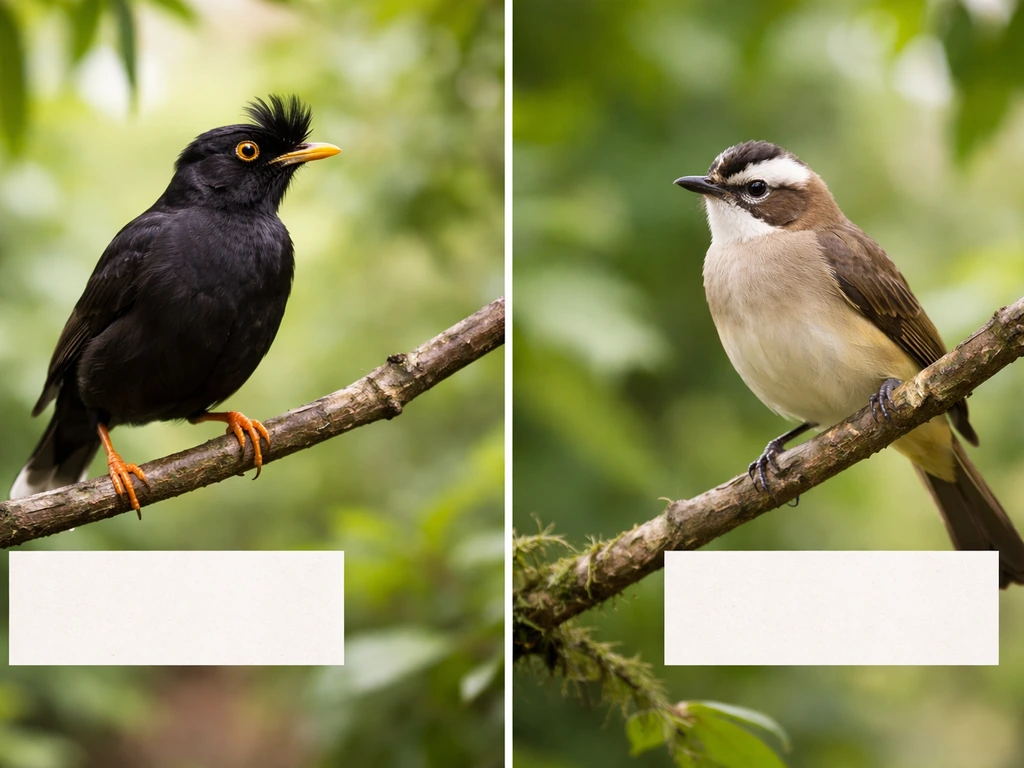
The name 'Martinez bird' is a regional common name, not an official scientific label, so the first step is pinning down exactly which species it refers to. In the Philippines, 'Martinez' is a well-documented local nickname for the Crested Myna, scientific name Acridotheres cristatellus. This species is also recognized under that common name by the U.S. Fish and Wildlife Service. Outside the Philippines, the name 'Martinez' may occasionally be applied to other birds entirely, or it may appear as a surname-based local label for a completely different regional species depending on which country you are searching in.
If your search results are pulling up a different bird entirely, the safest move is to track down the scientific name attached to whatever 'Martinez bird' source you found, then cross-check that name against the IUCN Red List directly. If you are specifically trying to figure out which species might be endangered, you can use the same approach by checking what bird is endangered on the IUCN Red List. For the rest of this article, we are talking about Acridotheres cristatellus, the Crested Myna, since that is by far the most widely documented meaning of the term.
Current conservation status: not endangered
The Crested Myna carries an IUCN Red List status of Least Concern, a rating it has held since 1998. The IUCN uses blank" rel="noopener noreferrer">eight categories to rank species by extinction risk: Least Concern, Near Threatened, Vulnerable, Endangered, Critically Endangered, Extinct in the Wild, Extinct, and Data Deficient. Least Concern is the lowest-risk active category, meaning the species does not currently qualify for any threatened status based on available population and trend data.
This does not mean the bird faces zero pressure. It simply means that at a global scale, the population has not declined steeply enough or become small enough to trigger a more serious listing. Conservation statuses get reviewed periodically, so it is always worth checking the IUCN Red List directly for any updates if you are reading this well after 2026. Peacock is generally considered vulnerable in some regions, so it is worth checking the latest IUCN listing for your location is peacock endangered bird.
Where the Crested Myna lives
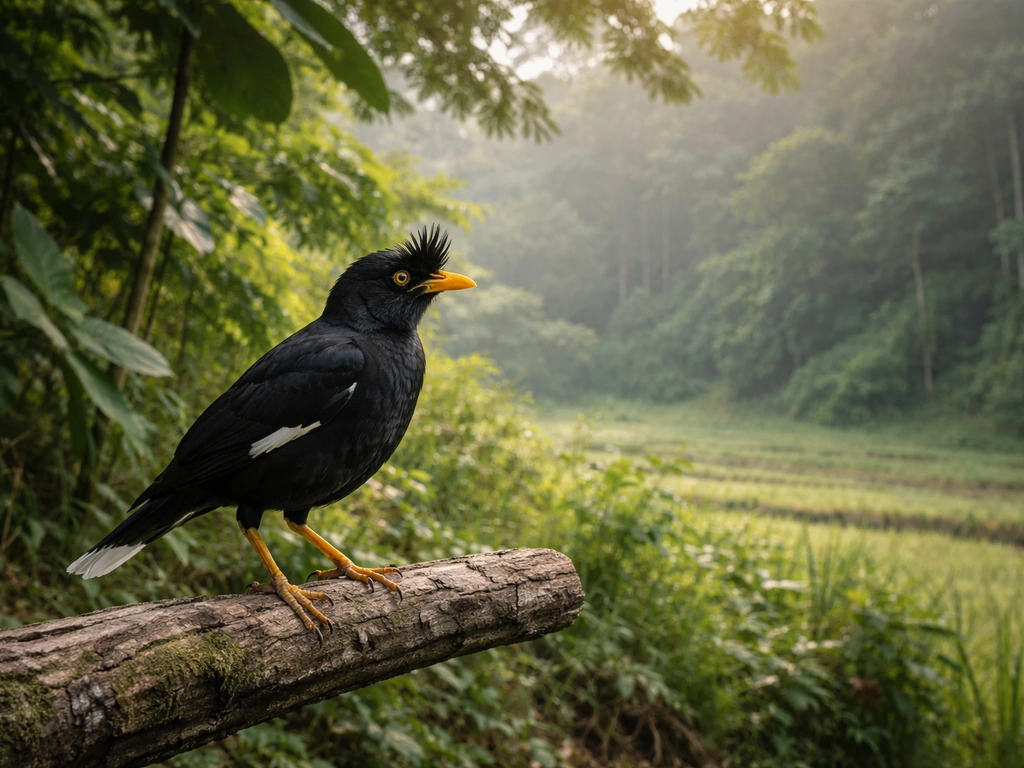
The Crested Myna is native to southern China, Taiwan, and parts of Southeast Asia including the Philippines. It is a highly adaptable bird that thrives in a wide range of habitats: open farmland, rice paddies, forest edges, suburban gardens, and even dense urban areas. That adaptability is a big part of why it maintains a Least Concern status while other more specialized birds in the same region are under far more pressure.
The species has also established introduced populations in places like Vancouver, Canada (though that population has declined significantly over recent decades) and parts of Europe. Its native range remains the core of its global population, and within that range it is a familiar, even abundant bird in many communities.
Population trends and the threats worth watching
Globally, the Crested Myna population is considered stable, but that picture is not uniform across its entire range. In some areas, particularly where rapid agricultural intensification has occurred, local numbers have shown declines. The main pressures the species faces include habitat modification through large-scale farming changes, urbanization that reduces suitable nesting sites, and in some areas, trapping for the caged-bird trade, which is a real problem across much of Southeast Asia.
The Vancouver introduced population is a useful case study in how quickly a myna colony can collapse: from a peak of around 20,000 birds in the 1920s, that introduced group had dwindled to almost nothing by the early 2000s, largely due to competition from European Starlings and House Sparrows for nesting cavities. This tells us that while the global species is not endangered, localized populations can be very vulnerable to specific pressures.
- Habitat modification from intensive agriculture and urban expansion
- Trapping for the caged-bird and pet trade across Southeast Asia
- Nest-site competition from other cavity-nesting species in introduced ranges
- Potential future pressure from climate-driven shifts in habitat suitability
Legal protections and conservation efforts in place
Because the Crested Myna sits at Least Concern globally, it does not benefit from the intensive recovery plans or captive breeding programs typically designed for endangered species. However, it does receive indirect protection through broader wildlife trade regulations. In the Philippines and across much of its native Southeast Asian range, national wildlife laws restrict the capture and sale of wild birds, which gives the species some legal cover against the pet trade.
The U.S. Fish and Wildlife Service maintains a species profile for the Crested Myna, which helps with monitoring in areas where introduced populations exist. In the Philippines specifically, conservation attention has generally focused on genuinely threatened endemic species, but public awareness of the Martinez bird's identity and ecology is itself a form of soft protection since people are less likely to harm a bird they recognize and value locally.
If you are interested in supporting conservation of birds in the Philippines or Southeast Asia more broadly, connecting with organizations monitoring regional bird populations and advocating against illegal wildlife trade will do far more practical good than worrying about the Crested Myna's current global status specifically.
How to verify the status yourself and what to do if results are unclear
Common names like 'Martinez bird' are genuinely tricky because they carry no scientific authority and can refer to different species in different regions. If you want a reliable answer for any bird, follow this process:
- Find the scientific name attached to whatever 'Martinez bird' source you are looking at. If no scientific name is given, treat the source with caution.
- Go directly to iucnredlist.org and search for that scientific name. The IUCN page will show the current category, the date it was last assessed, and a summary of population trends.
- Cross-check with your national wildlife agency: in the Philippines that is the Department of Environment and Natural Resources (DENR); in the U.S. it is the Fish and Wildlife Service at fws.gov.
- If the IUCN result says 'Data Deficient,' that means scientists do not yet have enough information to make a reliable status call, which is different from Least Concern and worth treating with more caution.
- If different sources attach the name 'Martinez bird' to completely different species, go with whichever one has a published scientific name you can verify, and ignore unsourced common-name claims.
It is also worth knowing that the IUCN Red List is reassessed on a rolling schedule, so a species rated Least Concern today could be uplisted to Near Threatened or Vulnerable in a future review if new population data warrants it. Checking the 'date assessed' field on the IUCN page tells you how current the information actually is.
How it compares to other birds people ask about
The Martinez bird question fits a pattern of searches around birds with regional or colloquial names where the conservation status is unclear at first glance. Birds like the Maleo, the Secretary Bird, and the Maya bird each carry their own distinct conservation stories, ranging from genuinely threatened to more stable, and the same disambiguation step applies to all of them: find the scientific name first, then check the IUCN. The Maleo is a separate species with its own conservation challenges, unlike the Crested Myna's Least Concern status. The Secretary Bird, for example, is a very different species with a different conservation outlook than the Crested Myna. Some birds with far more familiar names, like certain sparrow and crow species, also have conservation statuses that surprise people once they look them up. The Crested Myna happens to be one of the more secure species in this group, but that is the conclusion you reach only after doing the verification properly.
| Bird | Scientific Name | IUCN Status |
|---|---|---|
| Martinez bird (Crested Myna) | Acridotheres cristatellus | Least Concern |
| Maleo | Macrocephalon maleo | Endangered |
| Secretary Bird | Sagittarius serpentarius | Endangered |
| Maya bird (Eurasian Tree Sparrow) | Passer montanus | Least Concern |
The table above shows how much variation there is even among birds that get similar 'is it endangered?' searches. The Crested Myna and the Maya bird are both Least Concern, while the Maleo and Secretary Bird face serious threats. It is a good reminder that no common name alone tells you anything about a species' safety, and the IUCN database is always the right place to end your search rather than start it.
FAQ
If the Martinez bird is listed as Least Concern, why do some people report it as “disappearing”?
Not globally. The bird most often called the “Martinez bird” (Crested Myna, Acridotheres cristatellus) is listed as Least Concern, but that does not rule out local declines where farmland practices change or nesting sites are removed.
How can I be sure the “Martinez bird” in my search results is the same species as the one discussed here?
Use the scientific name plus your location. If you see only “Martinez bird,” confirm whether the source names Acridotheres cristatellus, then check the IUCN Red List for that exact scientific name, since “Martinez” can sometimes be a different local label in other countries.
How do I know whether the IUCN status for the Martinez bird is still up to date?
Check the “Date assessed” on the IUCN page. A Least Concern rating can persist for years, but if new surveys or trend signals appear, the category can change at the next reassessment.
Is the Martinez bird’s risk the same everywhere, including introduced populations like those in Europe or Canada?
Look for context on the location and whether it is native versus introduced. Local conservation pressures differ, so an introduced population can crash due to competition for cavities even when the species is stable overall.
If it is not endangered, is there any reason to care about the pet trade or caged-bird laws for the Martinez bird?
It can still be relevant to support enforcement and anti-trafficking efforts. Even when a species is not endangered globally, illegal capture can worsen local pressures, and stronger trade regulation benefits multiple birds, not just threatened ones.
Why is the Martinez bird so common in some places but vulnerable in others?
Crested Mynas often adapt well to people, which makes them common in cities and gardens, but that does not mean every population is secure. City planning that removes nesting cavities or intensifies agricultural cleanup can still create local bottlenecks.
Can common names like “Martinez bird” be compared directly with other birds’ statuses from headlines or social posts?
No single common name is reliable for conservation decisions. If you are comparing “Martinez bird” to another species (like peacock or Maleo), confirm each one’s scientific name first, then compare their IUCN categories and assessment dates separately.
What should I do in real life if I see a “Martinez bird” being sold or kept as a pet?
If you are planning a trip or photographing wildlife, focus on lawful observation and avoid handling. If you encounter a captive bird, report the purchase or capture through your local wildlife authority, since identifying the exact origin or legality of trade matters.
Next Article
Is Peacock Endangered Bird? Status of Indian and Green Peafowl
Answer if peacocks are endangered by species: Indian vs green peafowl status, threats, and what to do.