
Based on everything publicly available as of May 31, 2026, there is no verified, primary-source evidence confirming whether the bird that appeared in Nikocado Avocado's videos is currently alive or dead. What does circulate online is a long-running rumor that he "ate his pet bird", a claim flagged by Know Your Meme as an unverified theory with no specific clip timestamps or credible documentation to back it up. That means the viral posts you may have seen are likely built on speculation, secondhand storytelling, or edited footage rather than confirmed facts. Until a credible, verifiable source documents the bird's actual fate, the honest answer is: we don't know for certain, and neither does anyone repeating the claim online.
Is Nikocado Avocado’s Bird Alive? How to Verify Claims

Maya Hennessy
31 May 2026
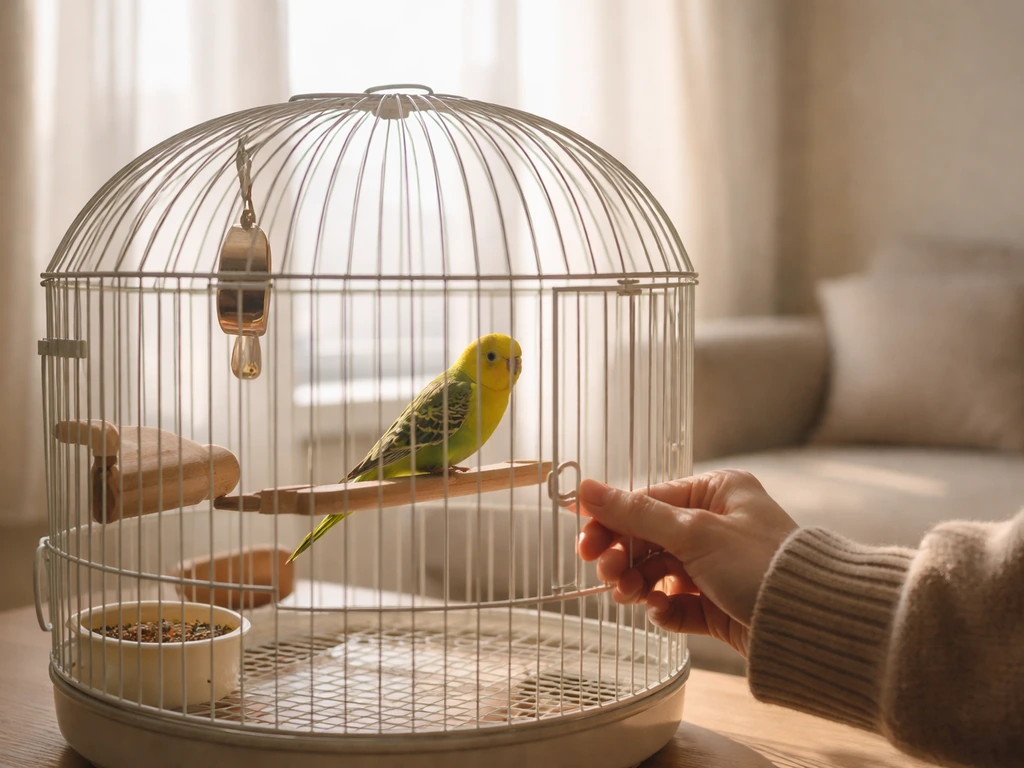
What we actually know about the bird in those videos

Nikocado Avocado (real name Nicholas Perry) built his early YouTube presence partly around his life at home, which included a pet bird that appeared in multiple videos alongside him and his husband Orlin. Wikipedia’s page on Nikocado Avocado provides general background about the creator and his personal life, but it does not document evidence about whether the bird was alive on May 31, 2026 blank" rel="noopener noreferrer">his husband Orlin. The bird became a recognizable fixture in that earlier content. At some point the bird stopped appearing in videos, and that absence is what triggered the wave of speculation online, particularly the rumor that he had harmed or eaten the bird. No verified reporting from a credible journalist, animal welfare organization, or documented legal investigation has confirmed this claim. So if you are searching for what happened to Nick Avocado’s bird, the key takeaway is that no verified evidence has surfaced publicly No verified reporting. What's out there is comment-section chatter, unverified social posts, and meme-site summaries that describe the claim as a "theory."
How to actually verify a claim like this
If you want to go beyond what Twitter or Reddit is saying, here is a practical checklist for verifying whether a specific viral animal clip is real, staged, or misleading.
- Find the original video, not a repost. Reposts are often trimmed, looped, or captioned in misleading ways. Go directly to the creator's YouTube or TikTok channel and find the specific upload.
- Check the timestamp and caption. Creators sometimes add context in the description or pinned comments that reposters strip out entirely.
- Look for follow-up statements. If something happened to a pet, creators often address it in a follow-up video or post — search for that explicitly rather than relying on secondhand summaries.
- Search credible news sources. Use Google News, not general Google, and look for coverage from established outlets rather than aggregator blogs or AI-generated summary sites.
- Check animal welfare organizations. Groups like the Humane Society or the Avian Welfare Coalition would document credible, investigated cases of animal harm — not rumors.
- Distinguish meme sites from primary sources. Know Your Meme is useful for tracking a rumor's origin, but it is not a factual record of what actually happened to an animal.
One concrete red flag in this case: the sites currently claiming definitive status about the bird are not authoritative sources. An AI-generated summary page, for example, is not a substitute for actual documentation. If a claim about an animal's welfare cannot be traced back to a timestamped original video, a news report, or an official investigation, treat it as unconfirmed.
Staged footage vs real distress: how to tell the difference
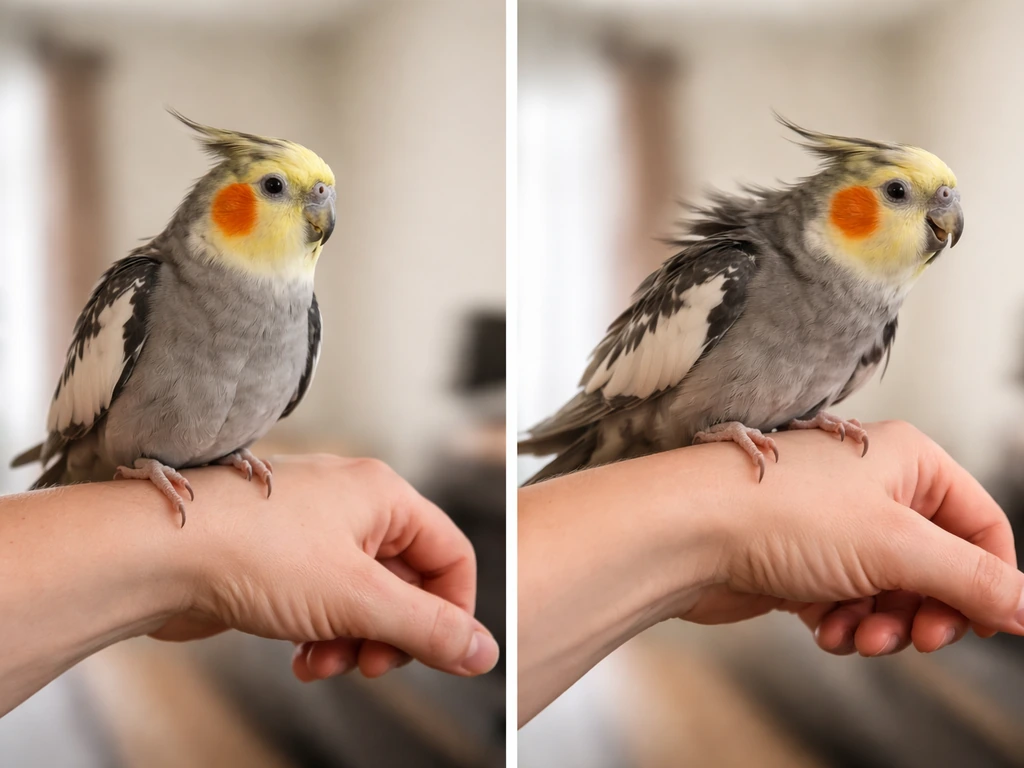
Misinformation about animals online often spreads because footage is taken out of context or edited to look more dramatic than it is. This is especially common with pets in creator content, where shock value drives clicks. Here are the most common patterns to recognize.
- Deceptive captioning: a clip of a bird being handled roughly gets a caption like "look what he did" with no timestamp or source, making it seem like proof of harm when it may be unrelated footage.
- Looped clips: short video loops can make a momentary, harmless interaction look like ongoing distress.
- Missing context: a clip that shows only 10 seconds of a much longer video can completely change its meaning — the bird may have been fine before and after that moment.
- Reaction compilations: these often use the most extreme reaction clips, which are selected specifically because they look alarming, not because they represent what typically happened.
- AI-generated or poorly sourced summaries: some sites generate "status" articles using scraped data without any real verification — these look authoritative but often contain no original reporting.
The pattern in the Nikocado Avocado "bird" situation fits several of these categories. The absence of a bird from recent videos is real, but absence alone is not evidence of harm. This is also why the question “why kiwi bird cannot fly” is best answered with verified biology rather than viral assumptions. Pets are rehomed, become camera-shy, develop health issues, or simply stop appearing on camera for unremarkable reasons.
What actual bird distress looks like, and what to watch for
If you're watching any online content featuring a bird and want to assess whether the animal appears to be in distress, behavioral and physical cues are more reliable than a creator's captions or a commenter's interpretation. Research on captive bird welfare highlights that birds have specific stress indicators that most viewers can learn to recognize.
| Sign | What it suggests | What to do |
|---|---|---|
| Feather plucking or loss | Chronic stress, poor nutrition, or illness | Note the extent — occasional preening is normal, significant plucking is not |
| Repetitive, stereotyped movements | A welfare concern known as stereotypy, common in understimulated birds | Document with a screenshot or screen recording |
| Labored breathing or open-beak panting | Possible respiratory distress or overheating | Flag as urgent if prolonged |
| Unresponsive or limp posture | Illness or injury — or, in viral clips, potential staging | Cross-check with the full video if available |
| Aggressive handling without release | Possible welfare concern depending on context | Check whether it's a trained handling scenario vs coercion |
A single clip showing a bird being held awkwardly is not automatically evidence of harm. Context, duration, and the bird's overall condition across multiple videos matter. The Avian Welfare Coalition recommends evaluating birds holistically, their environment, socialization, diet, and behavioral opportunities, rather than reacting to a single moment.
If you genuinely believe a bird was harmed: how to report it
If after doing your verification homework you still have credible reason to believe a bird shown in online content was harmed or is being mistreated, here are the actual steps to take rather than just posting about it in a comment section.
- Document what you saw. Take a screenshot or screen recording that includes the video URL, timestamp, and channel name. Write down what specifically concerned you.
- Report to the platform. YouTube, TikTok, and Instagram all have animal cruelty reporting categories in their content flagging tools. Use the most specific category available.
- Contact your local humane society or SPCA. If the creator's location is known, the relevant local authority can be notified. They can assess whether there is enough to investigate.
- Reach out to the Avian Welfare Coalition. The AWC connects people with avian-specific adoption, rescue, and placement resources and can advise on captive bird welfare concerns.
- Contact a local animal control agency. In cases where the creator's approximate location is known, local animal control has authority that platform moderators do not.
- Avoid pile-ons. Mass harassment campaigns rarely help the animal and often derail any legitimate investigation. Report formally, then let the appropriate bodies do their job.
One thing worth keeping in mind: in the specific case of Nikocado Avocado's bird, no formal investigation or report from an animal welfare organization has been publicly documented. That does not mean nothing happened, but it does mean formal channels have not been engaged, or the claim has not met the threshold for investigation. That context matters when deciding how much weight to give the rumor.
Why this connects to something bigger: credibility and conservation
It might seem like a stretch to connect a YouTube rumor to conservation science, but the underlying issue is the same: misinformation about animals distracts from real, documented welfare and extinction crises. If you want more context on the rumor itself, see what happened to Nikocado Avocado bird and why it spread online. When unverified claims about a creator's pet bird go viral, they consume the attention and outrage that could otherwise be directed at birds that are genuinely, verifiably in danger.
Kiwi birds, for instance, are a well-documented endangered species facing real, measurable threats from habitat loss and introduced predators, the kind of threat that requires sustained, accurate public awareness to address. Credible sources matter enormously in that context. When audiences are trained by social media to accept unverified viral claims as fact, it erodes the trust needed to act on real conservation reporting. The same critical-thinking skills that help you evaluate a rumor about a YouTuber's parrot are exactly the skills that make someone a better-informed reader of conservation science.
The broader lesson from cases like this one is that caring about animals, genuinely, effectively, requires slowing down and verifying. It means knowing the difference between a distress behavior and a normal one, understanding when a source is authoritative versus when it is parroting speculation, and knowing the actual channels through which animal welfare concerns get addressed. That standard applies whether you are reading about a pet bird on a creator's channel or learning about an endangered flightless species whose survival depends on public understanding. The same approach applies to understanding how the kiwi bird lost its wings, since reliable evidence matters as much as good storytelling. For example, the same verification mindset helps when comparing a kiwi bird to kiwi fruit claims you might encounter online. If you're wondering what came first, the kiwi bird or kiwi fruit, that kind of uncertainty is also something you should approach with reliable sourcing flightless species. If you are asking about a real kiwi bird, the answer depends on whether you mean a common kiwi species or a specific subspecies how fast can a kiwi bird run.
FAQ
How can I tell the difference between a real claim and a rumor about the bird’s fate?
Assume it is unverified until you can match the rumor to a specific primary artifact, such as a dated original video, a transcript with a clear timestamp, a court record, or a welfare organization statement. If the claim only appears as screenshots, comment threads, or AI summaries, you cannot responsibly treat it as fact.
Does the bird not appearing in later videos prove it died?
A bird stopping appearances does not imply harm, it can also mean relocation, rehoming, camera-avoidance, health issues that do not become public, or simple channel changes. Verification requires evidence of what happened, not the absence of future footage.
What are common editing tricks that make the situation look worse than it is?
Check whether multiple independent uploads show the same event without obvious editing, and whether the audio, lighting, and bird behavior are consistent across frames. If the content changes abruptly, uses selective clips, or relies on someone else’s narration without showing the full sequence, treat it as potentially misleading.
What is the safest way to research this without spreading misinformation?
If you want to investigate responsibly, prioritize sources that provide verifiable identifiers (video date, channel URL, segment timestamps) and distinguish between “what is shown” and “what is alleged.” Avoid amplifying posts that jump straight from an image to a conclusion like “eaten” without documentation.
What kind of evidence would actually change the answer from unknown to confirmed?
Look for credible accountability paths, for example a documented welfare complaint, a reported investigation, or an official statement that references evidence and dates. If none exist, the most accurate position is “unknown,” not “confirmed dead” or “confirmed alive.”
If I think the bird is being mistreated, what should I do next?
If you believe a bird shown in online content is being harmed, do not rely on speculative identification or single-frame judgments. Report the specific platform, provide the exact timestamps and what you observed (not what you assume), and consider contacting a local animal welfare authority for guidance on intake requirements.
How should I phrase it if I’m discussing the rumor publicly?
If you are sharing the claim, avoid absolute language and include uncertainty, such as stating that there is no verified primary-source evidence. “I saw a rumor” framing reduces the chance you are presenting speculation as established fact.
Can I infer anything from changes in the household setup or handling in older videos?
Even with no bird footage, you can sometimes verify context by comparing early videos for consistent handling practices, housing setup, and health indicators, then checking whether those conditions change over time. But you still cannot infer death without evidence of outcome.
Next Articles
What Happened to Nick Avocado Bird? How to Verify
How to verify what happened to “Nick Avocado bird” by checking name mix-ups and confirming endangered or extinct bird cl
What Happened to the Nikocado Avocado Bird Noodle?
Find which bird Nikocado Avocado featured and get the latest update on its fate, with tips to verify sources.
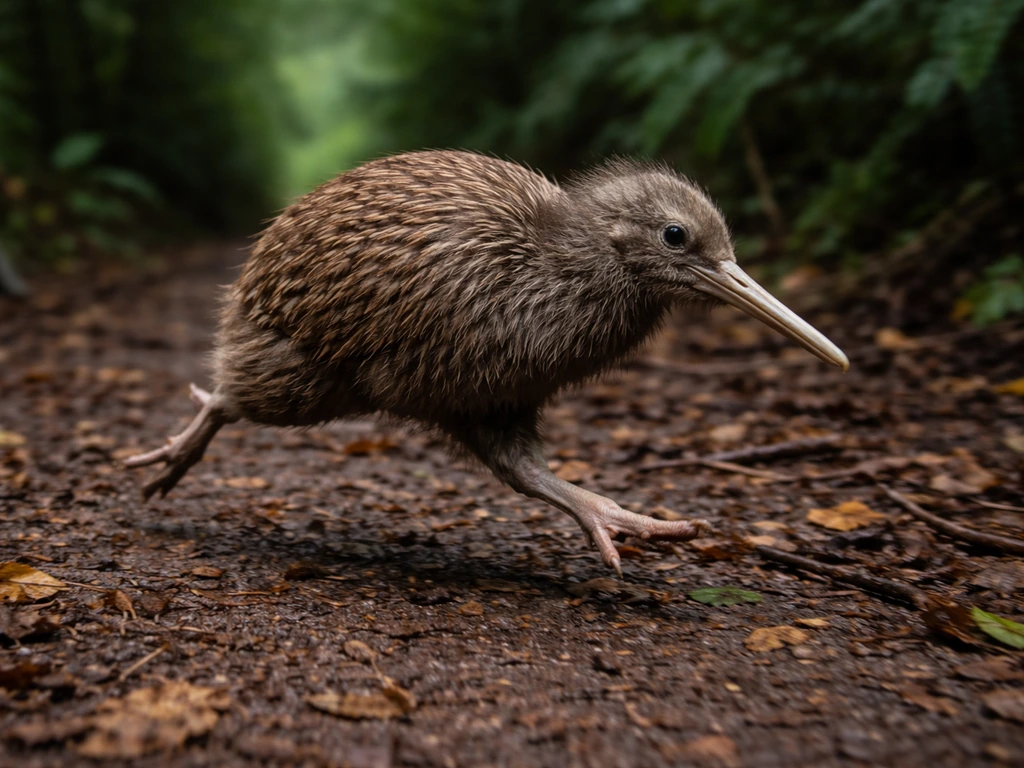
How Fast Can a Kiwi Bird Run? Typical Speeds Explained
Typical kiwi run speed 2 to 3 mph, plus species ranges and factors that change how fast they move.