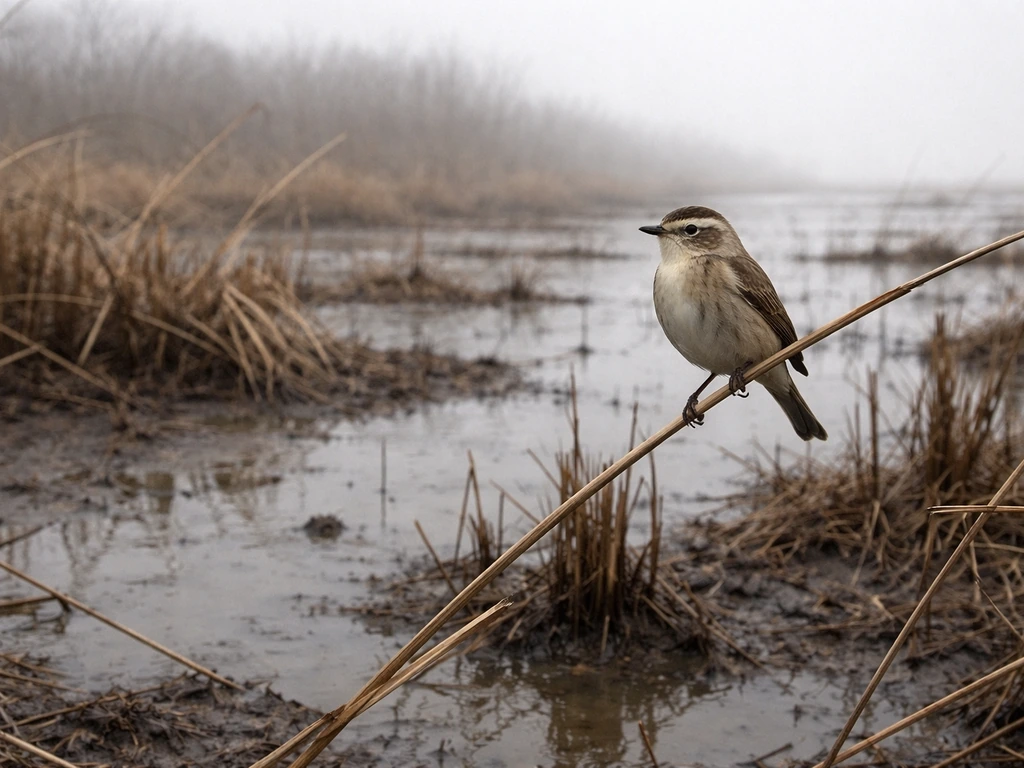
No, the killdeer is not endangered. Globally, it is classified as Least Concern on the IUCN Red List, and it is not listed as endangered or threatened under the U. One threatened bird species that people sometimes ask about in that region is the great Indian bustard, which faces habitat loss across parts of the Thar Desert. S. Endangered Species Act (ESA). It is one of North America's most widespread shorebirds, comfortable nesting in parking lots, golf courses, athletic fields, and gravel pits just as readily as in natural open ground. That said, 'not endangered' doesn't mean 'no concerns at all,' and a few specific regional or local situations can muddy the picture if you're not sure where to look.
Is the Killdeer Bird Endangered? Status, Threats, and What to Do

Maya Hennessy
7 Jun 2026
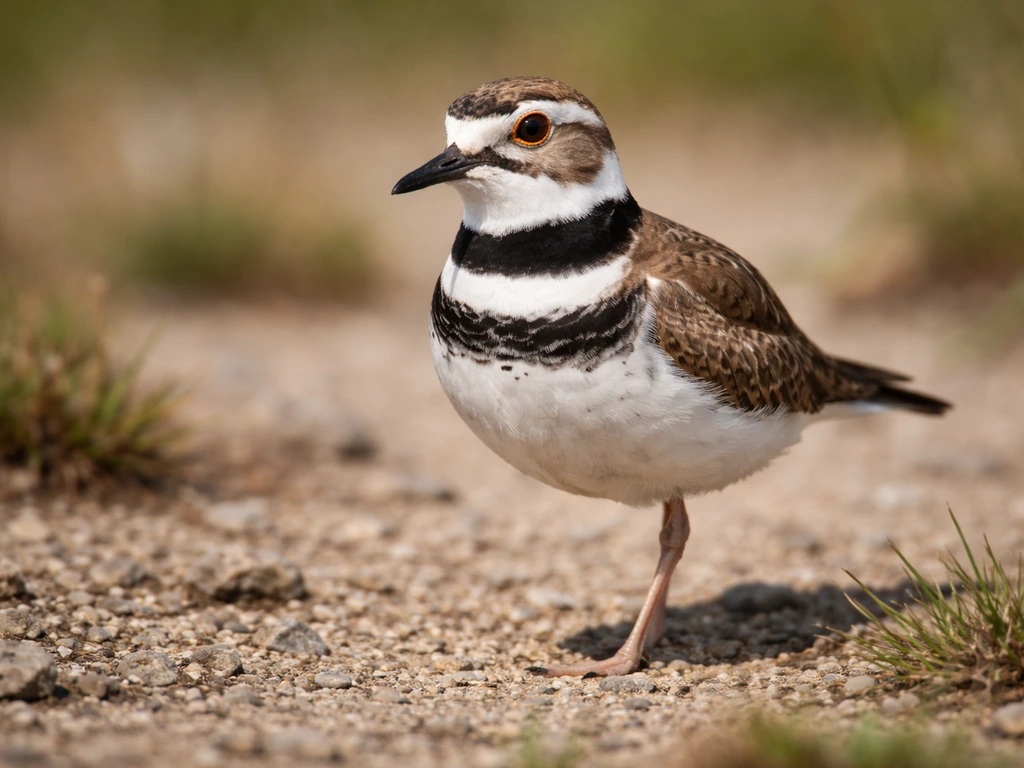
Why you might be confused about killdeer status
Here's where it gets a little tricky. The killdeer's overall population is stable enough to keep it firmly in the Least Concern category, but that global picture can mask real local or regional declines. eBird Status and Trends data (Data Version 2022, released 2023, with 2023 estimates published April 30, 2025) shows that abundance and occurrence can vary quite a bit across the species' range. A bird that looks abundant on a national map can still be quietly disappearing from specific states, counties, or habitats.
Add to that the fact that individual states manage their own endangered and threatened species lists independently of the federal government. Nevada's Department of Wildlife, for example, lists the killdeer as 'State Protected' while noting its federal conservation status as Least Concern. Massachusetts maintains a separate official list of Endangered, Threatened, and Special Concern species under 321 CMR 10.60, and you'd need to check that list directly to see whether the killdeer appears anywhere on it. The point is: federal Least Concern doesn't automatically clear a species from every state-level list. Checking both levels matters.
Another source of confusion is the killdeer's behavior. It's loud, dramatic, and surprisingly willing to nest right next to human activity. That visibility makes it feel like a thriving, carefree bird. But habitat changes, nest disturbance, and shifts in agricultural land use can affect local breeding success in ways that don't show up until years later. Audubon’s Field Guide notes that killdeer often use open ground such as pastures, plowed fields, and large lawns and can occur far from water, which helps explain why they can seem abundant even when local nesting conditions change blank" rel="noopener noreferrer">Audubon Field Guide notes that killdeer often use open ground such as pastures, plowed fields, and large lawns and can occur far from water. So the question 'is the killdeer endangered?' is reasonable, even if the answer right now is no. If you're also wondering is ostrich an endangered bird, you can use the same approach of checking the latest IUCN and US listings.
Killdeer habitat, range, and the threats they do face
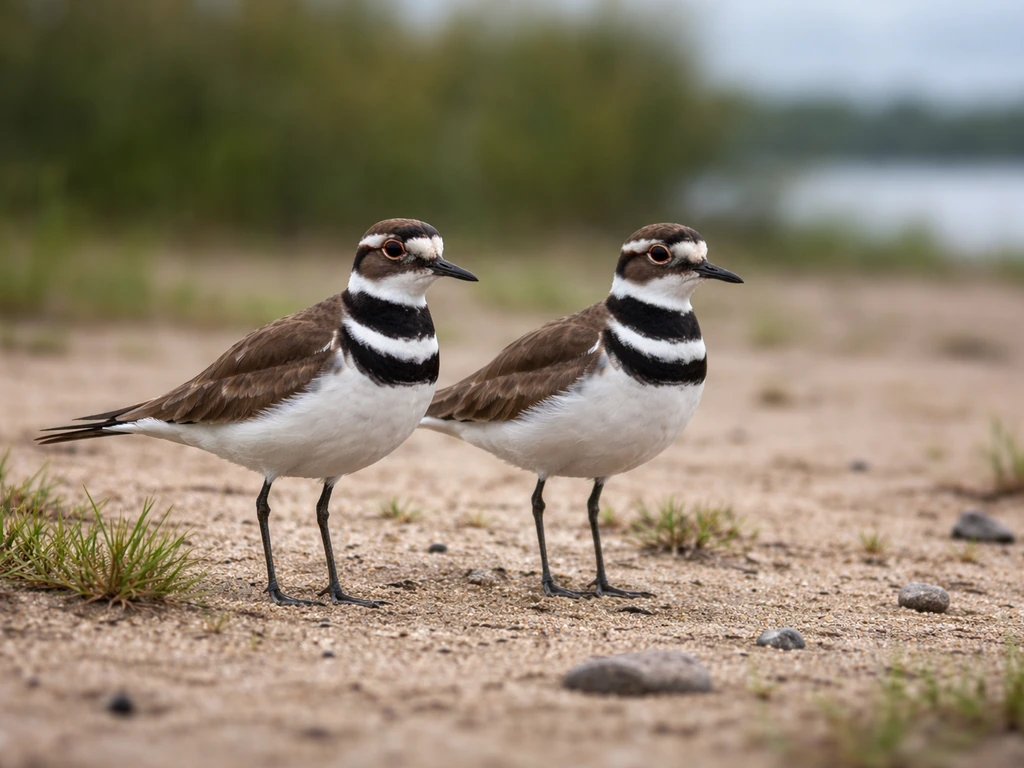
Killdeers (Charadrius vociferus) range across most of North America, Central America, and into parts of South America. The National Park Service describes them as broadly distributed throughout the Americas, and that wide range is a big part of why they're not considered globally at risk. They're not habitat specialists in any narrow sense. USFWS notes they turn up on lawns, golf courses, athletic fields, and parking lots, and Audubon's field guide confirms they frequently occur far from water, which is unusual for a shorebird.
That flexibility is genuinely protective. Unlike species tied to one specific wetland type or forest structure, killdeers can shift to human-altered landscapes when natural open ground shrinks. Mass Audubon points out they'll nest in gravel pits and on flat rooftops with pea gravel, which tells you something about their adaptability.
Even so, threats are real. The main ones include:
- Nest destruction from mowing, construction, and vehicle traffic on gravel surfaces where they often lay eggs directly on the ground with minimal nest structure
- Loss of open grassland and pasture habitat, which reduces natural nesting and foraging areas even as urban substitutes expand
- Pesticide use on lawns and agricultural fields, which reduces the invertebrate prey they depend on
- Human and pet disturbance of nesting adults, which can cause nest abandonment, especially during the incubation period
- Climate-driven shifts in breeding timing and habitat availability in parts of their range
The Washington Department of Fish and Wildlife maintains a species profile for the killdeer as a native extant wildlife species in the state, which signals it's monitored but not currently flagged as a conservation concern at the state level there. The picture varies by region, which is exactly why checking local resources matters alongside national ones.
How to verify the latest official status yourself
Conservation assessments get updated, so it's worth knowing where to look rather than relying on any single source permanently. Here's a practical rundown of the most authoritative places to check: For ESA consultation, USFWS IPaC explains how it classifies “listed species” and how to interpret ESA listing statuses like endangered and threatened when checking risk by location.
- IUCN Red List (iucnredlist.org): Search 'Charadrius vociferus' directly to see the current global category, the date of the most recent assessment, and any population trend notes. BirdLife International participates in Red List assessments for birds, and a 2024 review cycle was referenced in assessment forums as of October 2024, so check for any updates beyond that.
- USFWS Endangered Species search: The agency maintains a searchable database of species listed under the Endangered Species Act. If killdeer were ever to be federally listed as endangered or threatened, it would appear here. As of now, it does not.
- USFWS IPaC tool: This tool lets you enter a specific location and see which listed species have documented ranges there. It's useful if you want to check what's actually federally protected in your area.
- Your state fish and wildlife agency: Every state maintains its own list. Search your state agency's website for 'endangered and threatened species list' and look for the killdeer specifically. Some states may list it as a species of concern even if it's not federally listed.
- eBird Status and Trends: For population trend data (not legal status, but biological health), Cornell Lab's eBird platform provides trend maps based on millions of observations combined with environmental data. The 2023 estimates, released April 30, 2025, are the most current as of today.
What 'endangered' actually means (and what else is on the scale)

It's easy to use 'endangered' as a general term for any bird in trouble, but in conservation science it has a precise meaning. If you're wondering what an endangered bird is, it's helpful to understand the official conservation categories that agencies use. Understanding the categories helps you interpret any status you find when checking official lists.
| Category | What it means | Example birds |
|---|---|---|
| Extinct (EX) | No individuals survive anywhere | Dodo, passenger pigeon, moa |
| Critically Endangered (CR) | Extremely high risk of extinction in the wild; population or range severely reduced | Kakapo, California condor (historically) |
| Endangered (EN) | Very high risk of extinction; meets specific IUCN criteria for population size, decline, or range | Kiwi species, some crane species |
| Vulnerable (VU) | High risk of extinction; less severe than Endangered but still significant | Cassowary (southern) |
| Near Threatened (NT) | Close to qualifying as threatened or likely to qualify in the near future | Some migratory shorebirds |
| Least Concern (LC) | Does not meet criteria for any threatened category; population broadly stable | Killdeer (current status) |
| Species of Concern / Special Concern | A non-ESA U.S. designation indicating a species may warrant attention but isn't formally listed; varies by state | Varies widely by state and agency |
Under the U.S. Endangered Species Act, the two legal listing categories are 'endangered' (in danger of extinction throughout all or a significant portion of its range) and 'threatened' (likely to become endangered in the foreseeable future). 'Species of concern' is an informal USFWS designation that carries no legal protection but signals a species worth monitoring. State-level categories like Massachusetts's 'Special Concern' function similarly: they flag a species for attention without the full legal weight of an endangered listing. This is why a bird like the killdeer can be Least Concern nationally while still being worth watching in specific regions.
For context, if you've read about what is considered the most endangered bird, or about specific cases like the most endangered bird in New Zealand, you'll know that Least Concern is genuinely the opposite end of that spectrum. If you're curious, the #1 most endangered bird is often discussed in conservation reports because its population has faced steep declines what is considered the most endangered bird. If you’re wondering what is the most endangered bird, you’ll find that the answer changes as new population assessments are published. The killdeer is nowhere near those critical thresholds.
How to actually help killdeers where you live
Respect nests and give space to nesting birds
Killdeers nest directly on the ground with virtually no nest structure: just a shallow scrape, sometimes lined with pebbles. The eggs are well camouflaged and easy to accidentally step on or drive over. If you spot a killdeer performing its famous broken-wing display, where it drags one wing along the ground and calls loudly, stop moving. That display, documented by Audubon, is the bird's way of luring you (or a predator) away from eggs or chicks nearby. Back up, give it a wide berth, and look carefully before walking forward.
If you find a nest in an active work area, like a construction site or a gravel parking lot, contact your local wildlife agency before doing anything to the eggs or nest. Under the Migratory Bird Treaty Act (MBTA), it is illegal to take, possess, or disturb migratory birds, their eggs, or their nests without proper authorization from USFWS. This applies to the killdeer. Do not move the eggs yourself.
What to do if you find chicks
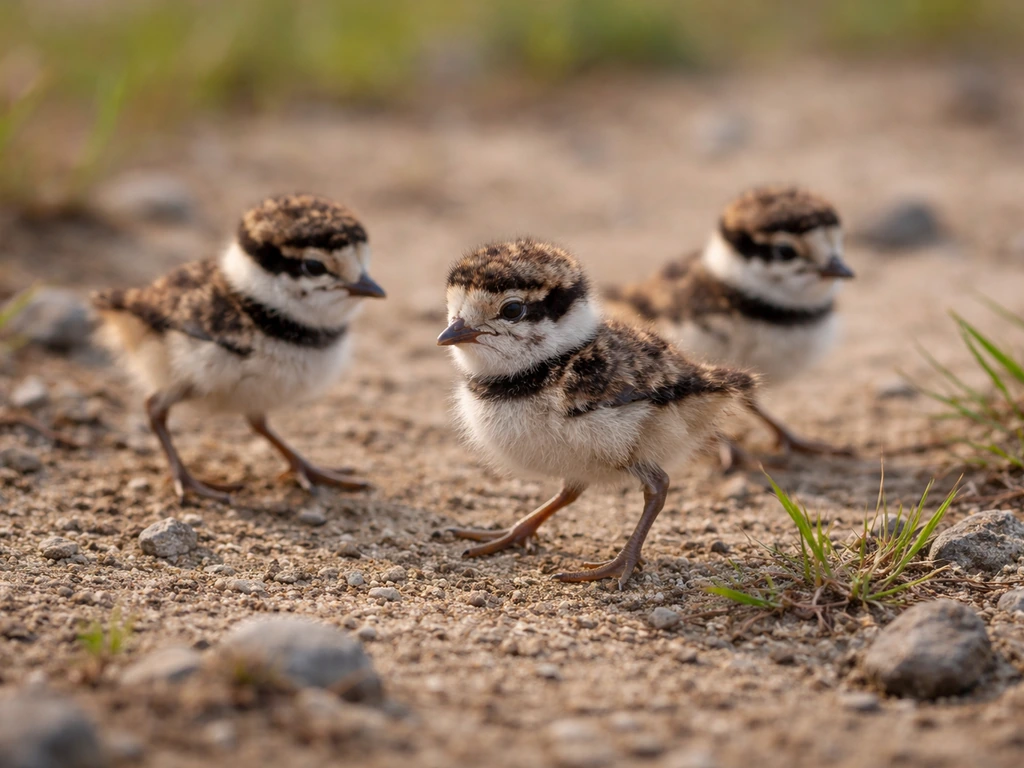
Killdeer chicks are precocial, meaning they hatch fully feathered and mobile within hours of birth. If you find small, fluffy chicks running around, they are almost certainly fine and their parents are close by. Leave them alone. A chick that appears to be alone is usually not abandoned. The parent will return once you move away. If a chick is injured, contact a licensed wildlife rehabilitator in your area rather than attempting to care for it yourself.
Contribute to citizen science
Reporting your killdeer sightings to eBird (Cornell Lab of Ornithology) is one of the most useful things you can do. Those observations feed directly into the eBird Status and Trends models that researchers use to track population trends over time. Even for species not listed as endangered, the population of an endangered bird is decreasing can still be a warning sign in local habitats population trends. Every record matters, especially from areas with sparse coverage. You don't need special equipment or expertise: a free eBird account and a basic sighting description is enough.
You can also participate in the North American Breeding Bird Survey (BBS), coordinated by USGS and the Canadian Wildlife Service, which uses roadside point counts to monitor long-term population trends across hundreds of species including the killdeer. Volunteers are always needed, and the data goes directly into national assessments.
Make your property more killdeer-friendly
- Delay mowing open grassy areas between April and July if possible, particularly if you've spotted killdeers in those spots
- Reduce or eliminate pesticide use in areas where killdeers forage, since their diet depends on earthworms, beetles, and other invertebrates
- If you manage a gravel lot or rooftop, mark known nest scrapes with visible cones or flags so vehicles and foot traffic avoid them
- Keep cats and dogs away from areas where killdeer are nesting, especially during incubation when the adult will be sitting tightly on eggs
The killdeer's resilience is real, but it isn't unlimited. Paying attention at the local level, reporting what you see, and reducing disturbance during nesting season all add up. The fact that this bird is thriving globally right now is genuinely good news. Keeping it that way takes the same kind of attention we give to species that are already in crisis.
FAQ
If the killdeer is Least Concern, should I still report it to conservation platforms like eBird?
Yes. Even when a species is not threatened, local declines can go unnoticed without observations, and eBird Status and Trends uses abundance and occurrence records to flag regional changes. Report it like any other species, and include the location type (parking lot, field, gravel area) and whether you observed adults, eggs, or chicks.
How can I check whether a killdeer is considered endangered or protected in my specific state or province?
Look for your local state or provincial wildlife agency list, then compare it to the federal status. States may use categories like “Special Concern” or “State Protected,” and those can differ from federal designations. If your area has a separate conservation list or PDF, check that specific list rather than relying on general summaries.
Does “not endangered” mean killdeers never face threats?
No. It means the species is not at a high global extinction risk, but breeding success can still be affected locally by nest disturbance, vehicle or machinery activity, and habitat changes that reduce suitable open ground. Local impacts can also appear with a delay, so absence of sightings one season does not always mean a decline.
What should I do if I find a killdeer nest near a road, construction site, or workplace?
Avoid approaching or moving anything, mark the area informally for coworkers, and contact the local wildlife agency or site environmental lead to determine lawful, non-injurious steps. Under the Migratory Bird Treaty Act, you should not handle eggs, and the agency may advise temporary buffers, signage, or scheduling changes.
Is it okay to move my car or walk path if a killdeer is sitting on eggs or performing the broken-wing display?
Reposition yourself or the vehicle, not the nest. The broken-wing display is meant to draw you away, so backing off and changing your route reduces the risk of crushing eggs. Move slowly and watch the ground carefully before returning to the area.
If I see killdeer chicks, how do I tell the difference between a normal situation and one that needs help?
Precocial chicks are usually mobile and accompanied by adults nearby, so “fluffy and running around” often means they are fine. If chicks are repeatedly at risk (for example, traffic constantly approaching) or appear injured or cold, contact a licensed wildlife rehabilitator rather than attempting to raise them.
Why might killdeers look common in one place but rare in another?
Local occurrence depends on habitat and disturbance patterns. Killdeers can use human-altered open areas, so changes to agriculture, construction, gravel use, or mowing schedules can affect how often they show up. Also, different observer coverage can make them seem more or less abundant in certain regions.
If I want to contribute data, what details matter most for killdeer sightings?
Location and date are the core, but adding context helps models: whether the observation was in natural open ground or in a human-made setting, the number of birds, and any breeding evidence (brooding adults, chicks, nest scrape). If you observed a broken-wing display, note that it suggests nearby eggs or young.
Are killdeers protected under the same rules as other birds even though they are not endangered?
Yes. Protection laws often relate to taking or disturbing birds and nests, not just whether a species is endangered. For example, in the U.S., the MBTA covers migratory birds and prohibits disturbing nests or eggs without authorization, regardless of whether the species is Least Concern.
Next Article
The Population of an Endangered Bird Is Decreasing: What to Do Now
Get causes, how to verify decline with surveys and breeding data, and take action now to protect an endangered bird’s ha