
Flightless bird news covers a wide range of updates: population surveys for kiwi and cassowaries, habitat protection decisions, predator control outcomes, legal rulings on endangered species, and occasionally big science stories tied to extinct birds like the dodo or moa. The best places to find it reliably are the IUCN Red List, BirdLife DataZone, government wildlife agencies like New Zealand's Department of Conservation (DOC) and Australia's DCCEEW, and peer-reviewed journals for anything involving genetics or taxonomy. Once you know where to look and how to read what you find, flightless bird news goes from confusing to genuinely useful.
Flightless Bird News: Where to Find Updates Fast

Maya Hennessy
6 Jun 2026
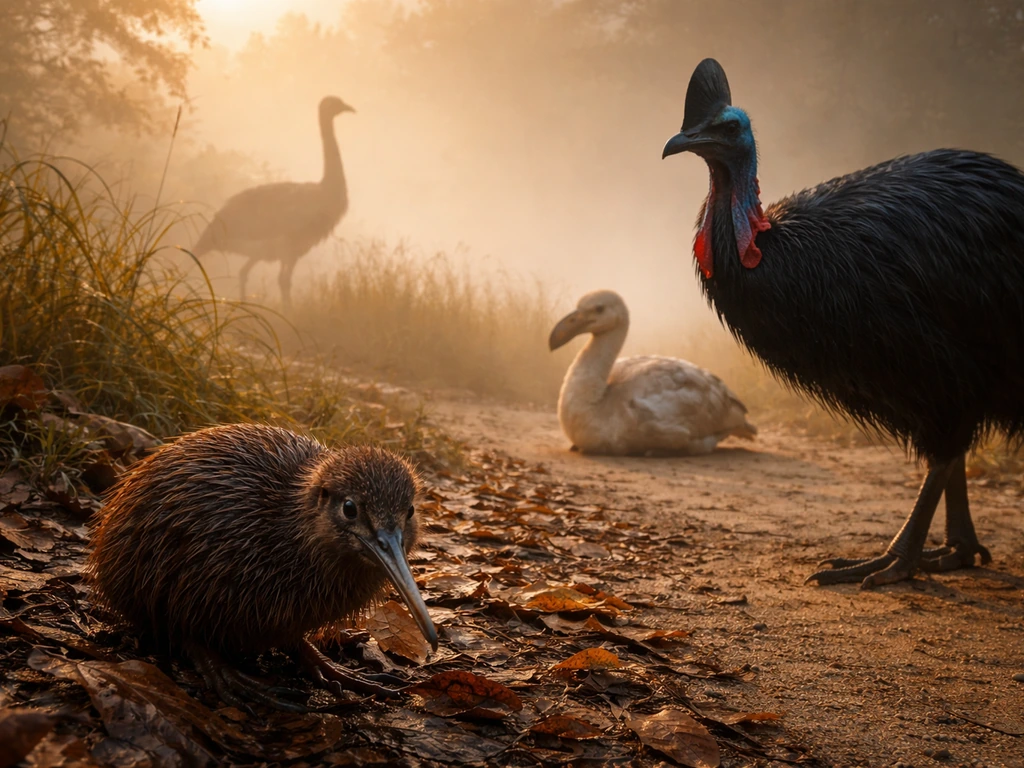
What 'flightless bird news' actually covers
When people search for flightless bird news, they usually want one of a few things: updates on a species they already care about (kiwi, cassowary, kakapo, penguin), breaking conservation alerts, or high-profile science stories about extinct species like the dodo or the moa. All of those fall under the same broad category, but they come from very different source types and require different reading strategies.
The most common update types you will encounter include: Red List status changes (a species moving from Vulnerable to Endangered, for example), population survey results showing trends up or down, habitat events like wildfire or cyclone damage, predator-control program outcomes, road-kill statistics for cassowaries, translocation reports for kiwi, legal or policy changes affecting protected areas, and genetic or museum research connected to extinct flightless birds. population survey results showing trends up or down. Each of these has a different level of urgency and a different type of evidence behind it.
Geographically, most active flightless bird conservation news comes out of New Zealand (kiwi, kakapo, weka), Australia and Papua New Guinea (southern and dwarf cassowaries), and island ecosystems across the Southern Ocean (penguins, flightless cormorants). Museum and university research tied to extinct species like the moa and dodo tends to come from academic institutions in the UK, New Zealand, and the US.
Where to find reliable, up-to-date sources

Not all flightless bird news is created equal. A social media post claiming a species is 'saved' or 'doomed' is rarely supported by the kind of data that actually matters. Here is a ranked approach to sourcing: start with official agencies and peer-reviewed outputs, use NGO and conservation org sites to fill in operational detail, and treat company press releases or viral science stories with healthy skepticism until you can trace them back to a published method.
- IUCN Red List (iucnredlist.org): The global benchmark for conservation status. Their assessment updates page documents every Red List revision by cycle, and they even provide an API for automated monitoring. This is the first place to check when a headline claims a species' status has changed.
- BirdLife DataZone: Aggregates threatened-species data, site information, and threat drivers across the BirdLife Partnership. Very useful when you want to understand why a trend is happening, not just what the number is.
- New Zealand Department of Conservation (DOC): Publishes kiwi monitoring data, predator control operation reports, media releases on specific interventions, and planning documents like the Predator Response 2025/26 booklet. If you follow kiwi news, DOC is essential.
- Australia's DCCEEW: Maintains official species profiles for the southern cassowary, including distribution maps and conservation status context. Their recovery plan consultation pages signal when major policy shifts are coming.
- Wet Tropics Management Authority: Covers the Cassowary Recovery Team (CRT) operations, road-kill data, and habitat management in the Wet Tropics of Queensland.
- Save the Kiwi and Kiwi Coast: NGOs that publish annual reports with call-count survey data showing actual population trends over time, not just vague optimism.
- C4 (Community for Coastal and Cassowary Conservation): Reports cassowary road fatality counts and coordinates with the CRT on road safety campaigns.
- Peer-reviewed journals (accessed via PubMed/PMC or Google Scholar): Essential for moa and dodo research. Ancient DNA studies, genomics papers, and taxonomy revisions are only trustworthy once they have survived peer review.
- Forest & Bird and Predator Free NZ Trust: Regional recovery updates and critical analysis of translocation and predator-control outcomes.
For staying current without checking every site manually, IUCN SOS offers a newsletter subscription, and DOC's media release page is updated regularly. IUCN SOS also provides a newsletter subscription page to help readers stay current on IUCN-linked conservation issues IUCN SOS offers a newsletter subscription. Setting a Google Alert for terms like 'kiwi conservation 2026' or 'southern cassowary recovery' will surface news quickly, but always trace each story back to one of the trusted sources above before acting on it or sharing it.
How to read breaking updates without being misled
The single most important skill when following flightless bird news is separating a genuine trend signal from a one-year data point. A single survey showing kiwi numbers up 10 percent in one area is not a recovery story unless it holds across multiple sites and multiple years. Population survey results are one of the clearest ways to see effects on bird numbers over time. Kiwi Link in Northland runs annual kiwi call-listening surveys specifically to generate that kind of multi-year trend data. When a headline cites a percentage change, check whether it comes from one site or a landscape-level program.
Taxonomy changes are another area where news can seem dramatic but require context. When scientists reclassify a subspecies as a full species, the new species instantly appears on the Red List, often as Endangered or Critically Endangered. That is not a population crash; it is a scientific recognition that was already overdue. Check BirdLife DataZone or the IUCN assessment notes to understand whether a status change reflects a real population decline or a taxonomic revision.
Habitat events like cyclones, floods, or wildfires generate urgent news but require a longer time frame to assess properly. When a storm hits cassowary habitat in the Wet Tropics, the CRT typically does ground surveys to count casualties and assess fruit availability, since cassowaries depend heavily on rainforest fruit. A post-event news story is usually an early damage estimate, not a final population impact figure. Wait for the follow-up agency report before drawing conclusions.
For de-extinction and ancient DNA news, the bar for credibility needs to be higher. A company press release about dodo de-extinction, for example, describes a funding milestone and a research goal, not a scientific result. The Guardian has reported expert skepticism about the timelines and methods involved. Contrast that with peer-reviewed ancient DNA work on moa, where mitochondrial sequence studies have genuinely resolved species relationships and population structure. The difference is publication in a journal with independent review, not a company blog post. If a flightless bird genetics story does not link to a published paper, treat it as preliminary.
Current hotspots: extinct, critically endangered, and recovering

The flightless bird world in 2026 divides roughly into three groups: species with active recovery programs generating ongoing news, species in steep decline with urgent conservation events, and extinct species where museum and genetic research periodically produces new findings. Here is how those groups break down right now.
| Species / Group | Status | Main news drivers | Primary sources to watch |
|---|---|---|---|
| North Island Brown Kiwi | Recovering in managed areas | Predator control outcomes, call-count surveys, translocations | DOC, Save the Kiwi, Kiwi Coast annual reports |
| Southern Cassowary | Vulnerable (IUCN) | Road kills, recovery plan updates, habitat fragmentation | DCCEEW, Wet Tropics Authority, C4 |
| Kakapo | Critically Endangered | Breeding season results, disease events, egg hatching rates | DOC, Kakapo Recovery Programme |
| Weka | Recovering in some areas | Predator control, regional reintroductions | DOC, Forest & Bird |
| Moa (all species) | Extinct | Ancient DNA studies, genetic population structure research | PMC, peer-reviewed journals, university repositories |
| Dodo | Extinct | De-extinction research claims, genomic sequencing milestones | Peer-reviewed journals (verify); The Guardian for expert reaction |
The recovering group is where the most genuinely encouraging news tends to appear. DOC's National Predator Control Programme has documented specific before-and-after outcomes, including chick survival improvements in areas like Shy Lake following large-scale predator control. The 2025 DOC blog reporting '5 big wins' from the programme is a good example of what evidence-backed good news looks like. It ties outcomes to intervention type and location, not just vague claims of improvement.
Five flightless bird stories worth tracking right now
Kiwi and predator control in New Zealand

DOC's Predator Response 2025/26 programme is actively underway, which means media releases about 1080 baiting operations and kiwi population responses are appearing regularly. Track these against the call-count data from Kiwi Coast and Kiwi Link to see whether landscape-scale control is actually translating into population growth. One important caution flagged by Predator Free NZ Trust: post-translocation monitoring data for kiwi is often limited, so 'kiwi moved to safe island' stories do not always come with solid survival-rate follow-up. Predator Free NZ Trust summarizes findings about kiwi translocation practices and notes limitations in post-release monitoring data post-translocation monitoring data for kiwi is often limited. Ask what the monitoring plan is.
Southern cassowary road fatalities in Queensland
Vehicle strikes are the leading cause of adult cassowary deaths in the Wet Tropics. The CRT and C4 track annual fatality counts, and Queensland's transport planning includes road safety measures like wildlife fencing and crossings in cassowary habitat. In 2025/26, an AI-based vehicle detection system was trialled to reduce strike rates. ABC News covered the initiative, but official monitoring from DCCEEW and the CRT is what will eventually tell you whether it worked. Also watch for updates to the Draft National Recovery Plan, which was open for public comment and will shape cassowary management for the next decade.
Kakapo breeding seasons
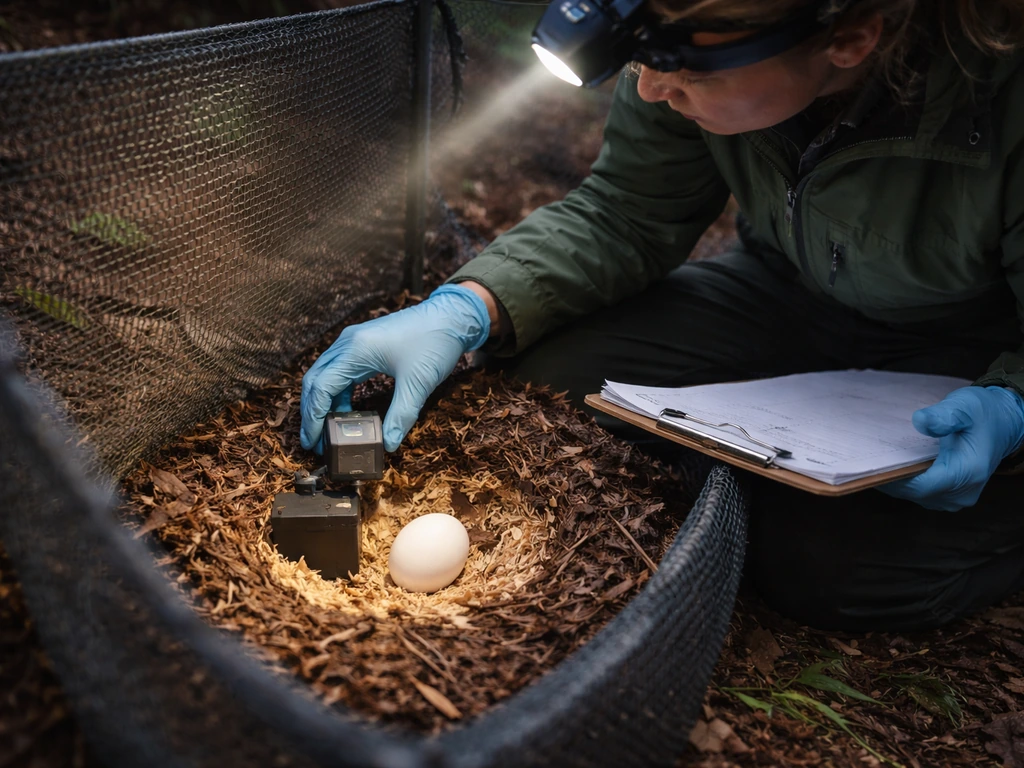
Kakapo breed only in mast years, when rimu trees produce heavy fruit crops. When a mast year hits, DOC publishes near-real-time updates on egg counts, chick hatching, and disease events. This is one of the most transparent species-recovery programmes in the world and a model for how to interpret 'critically endangered' news: look at annual chick survival rates and the cumulative population count, which is tracked bird by bird.
Moa ancient DNA research
Moa research continues to refine what we know about the nine extinct species, their population structure, and how they were distributed before human arrival. Studies using mitochondrial HV region sequences and microsatellite analyses have already revised how scientists think about moa genetic diversity. When new moa research appears, check whether it was published in a peer-reviewed journal and whether the university repository (like Canterbury's) has the underlying dataset available. These papers matter because they inform broader questions about why flightless birds are so vulnerable and what extinction actually looks like genetically. If you are interested in extinct flightless birds more broadly, there is a lot of overlap here with ongoing research into other extinct species covered elsewhere on this site.
Dodo de-extinction claims
Colossal Biosciences has publicly raised $120 million citing dodo de-extinction as a goal, and the story gets significant media coverage. Treat these announcements as funding milestones, not scientific results. A key example is the flightless bird that is extinct, the dodo, which is often discussed in de-extinction and ancient DNA coverage. The Guardian has published expert commentary flagging uncertainty about timelines and method validity. Until a peer-reviewed paper describes a verified result, the honest answer is that dodo de-extinction is a research aspiration, not a near-term conservation outcome. That does not make it uninteresting, but it does change what kind of 'news' it actually is. If you are also asking whether any sparrow bird is extinct, check the latest assessment from IUCN and BirdLife DataZone rather than viral claims dodo de-extinction. Some readers also ask what bird is almost extinct, which can lead back to current Red List status and conservation actions dodo de-extinction.
What you can actually do today
If you want to stay genuinely informed rather than just passively scrolling, here are concrete steps you can take right now.
- Bookmark the IUCN Red List assessment updates page and check it whenever you see a status-change claim in the news. It takes about two minutes to verify whether a Red List change is real and what it actually means.
- Subscribe to DOC's media releases (free, via their website) if you care about kiwi, kakapo, or weka. These releases are specific, evidence-linked, and come directly from the agency running the recovery programmes.
- Sign up for the IUCN SOS newsletter to catch broader conservation alerts that may not make mainstream news.
- Support Save the Kiwi or Kiwi Coast financially or as a volunteer. Both organisations publish annual reports so you can see exactly what your support funds and what outcomes are being measured.
- Donate to C4 or the Rainforest Trust if your focus is cassowary habitat. C4 specifically coordinates with the CRT and publishes road-fatality data, so you can track impact over time.
- If you visit cassowary country in Queensland, follow the Wet Tropics Management Authority's wildlife road rules: slow down in marked cassowary zones, do not feed cassowaries, and report sightings through the official Wildlife Online reporting tool.
- For citizen science, DOC's kiwi call-listening nights (coordinated through programmes like Kiwi Link) are open to community participants. This is actual data collection that feeds into population trend assessments, not just symbolic involvement.
- When a dodo or moa story catches your attention, look for the journal name before sharing. If there is no published paper attached, note that in any conversation about it, since the gap between 'company announcement' and 'peer-reviewed result' is enormous in de-extinction science.
Flightless birds are disproportionately vulnerable because they evolved in low-predator environments, often have small geographic ranges, and cannot escape threats by flying. Understanding the broader causes of bird extinction can also help you interpret why certain flightless species face recurring risk factors. That combination makes every conservation decision count more than it would for a species with a global distribution. Staying informed, sourcing carefully, and directing support to organisations doing rigorous, monitored work is genuinely useful, not just symbolic. Some studies also examine how cacao farms influence bird abundance through habitat changes, shade-tree cover, and pesticide use. The news is worth following, and now you know how to follow it well. If you are tracking one specific nest outcome, look for updates on whether the mother bird has not returned to nest.
FAQ
How can I tell whether a headline percentage change in flightless bird news is reliable or just a one-off?
Look for the specific metric and study window mentioned in the original report, for example call counts over multiple years, mark recapture, road-kill carcass surveys, or before and after control areas. If the article only reports a single percentage without baseline, sites, or methodology, treat it as a preliminary update rather than evidence of recovery or decline.
Why does a flightless bird sometimes jump to a worse Red List category without any obvious population collapse?
Taxonomic updates can make a species appear to “suddenly” worsen on the Red List. Check whether the change came from a reclassification (subspecies to species, or splitting/merging populations), and then read the assessment notes for whether trend and threats were re-estimated or simply carried over from the older taxon.
What should I wait for after extreme weather before concluding that a cassowary or kiwi population is actually declining?
For storms, fires, and cyclones, expect staged reporting. Early news often reflects damage estimates or first-pass counts. The more decision-grade information usually comes after follow-up agency surveys, including habitat recovery measures like fruit availability and ongoing mortality or breeding success.
How do I separate “research aspiration” from real scientific results in dodo de-extinction and ancient DNA stories?
Yes. De-extinction or ancient DNA discussions may include funding milestones, lab milestones, or progress toward a goal. A stronger signal is a peer-reviewed paper that includes methods, authentication controls, and reproducible analyses, with the public able to trace the claims back to published results.
Are kiwi translocation updates trustworthy if the story says the birds did well but monitoring details seem thin?
If monitoring data are limited, look for explicit descriptions of what was actually measured, for example survival rates, tracking durations, predator activity on the release island, and replacement releases when numbers drop. If those details are missing, avoid equating “translocation success” with “population recovery.”
Why do flightless bird recovery stories sometimes compare numbers that are not measured the same way?
Confirm whether the claim is counting adults, juveniles, breeding pairs, or total individuals, and whether the count method matches the biology. For example, kakapo outputs often focus on eggs and chick survival during mast-year breeding, while other species may use different annual measures.
What is a good verification workflow when a viral post claims a flightless bird is saved or doomed?
Don’t assume viral posts are wrong, but set a verification rule. Use the agency or assessment source named in the story, then check whether the same figures appear in official media releases, annual program reports, or the underlying Red List assessment updates.
How should I compare predator control, vehicle strike reduction, and habitat protection updates to see what’s actually working?
Track the specific program component, not just the overall banner. Predator control outcomes, road safety interventions, and habitat restoration can each improve different life stages. For strong inference, compare call-count or fatality monitoring to the timing of interventions, using landscape-level program reports when available.
Where should I focus if I only care about flightless bird news in one country or region?
Use geographically relevant sources and program dashboards rather than relying on global roundups. Flightless bird news varies by region because interventions are local, so prioritize New Zealand agencies for kiwi and kakapo, Australia and relevant committees for cassowaries, and island program updates for penguins and cormorants.
How can I judge whether an early conservation update is enough to act on, like funding a program or contacting an agency?
An easy way is to check whether the update includes a time series and repeat sampling design, not just a snapshot. If the dataset is new, also look for uncertainty ranges, sample sizes, and whether the next reporting period is scheduled.
Next Articles
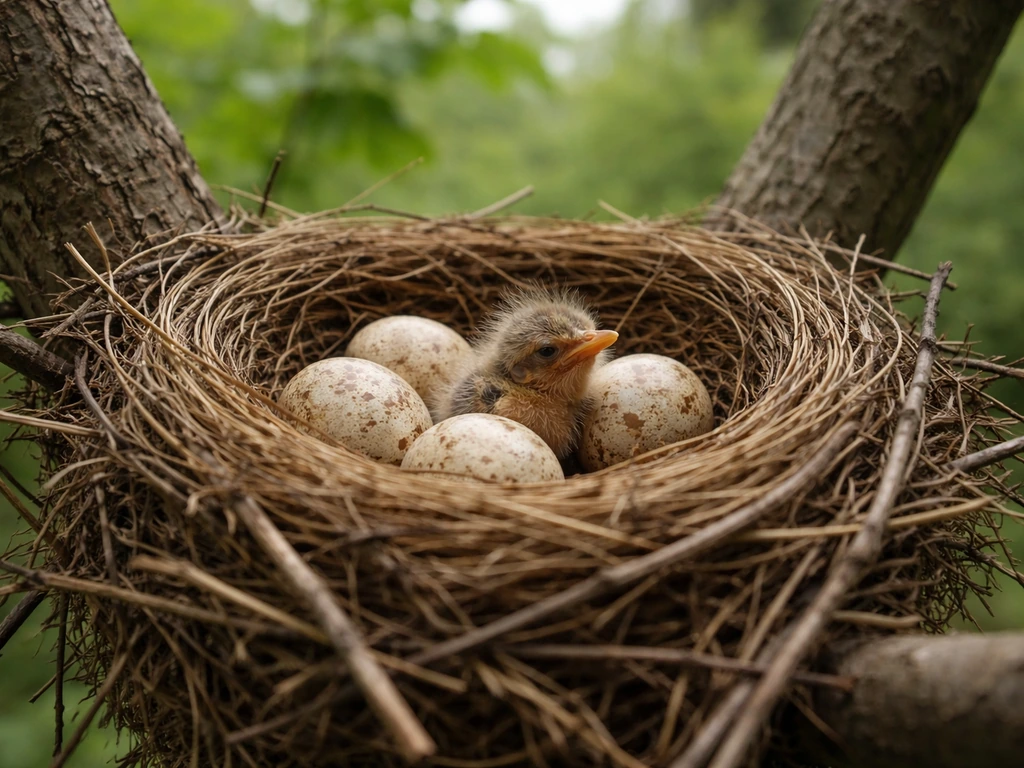
Mother Bird Has Not Returned to Nest: What to Do Now
Triage and checklist for missing mother bird, safely assess eggs and chicks, decide reunite vs call rehab fast.
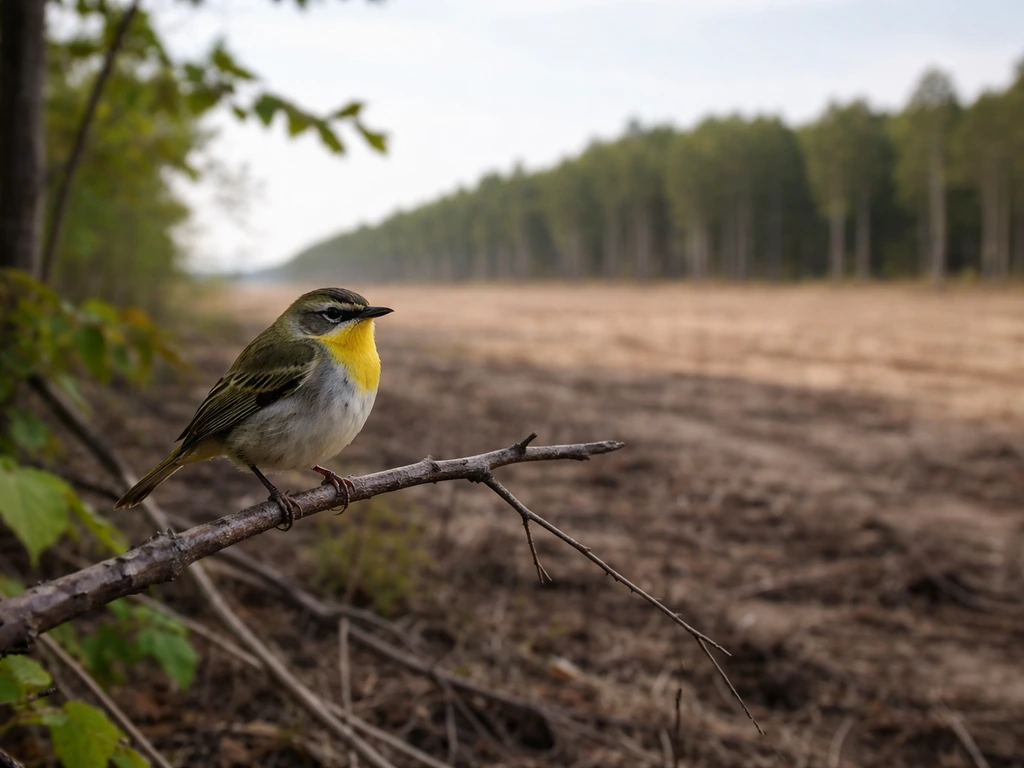
Causes of Bird Extinction: Past Drivers and Today’s Threats
Learn the causes of bird extinction, from habitat loss to invasives and climate, plus how to identify and fix them.

What Is an Effect of the Reduction in Bird Populations?
Bird declines disrupt food webs and biodiversity, raising extinction risk, harming ecosystems, pest control, and agricul