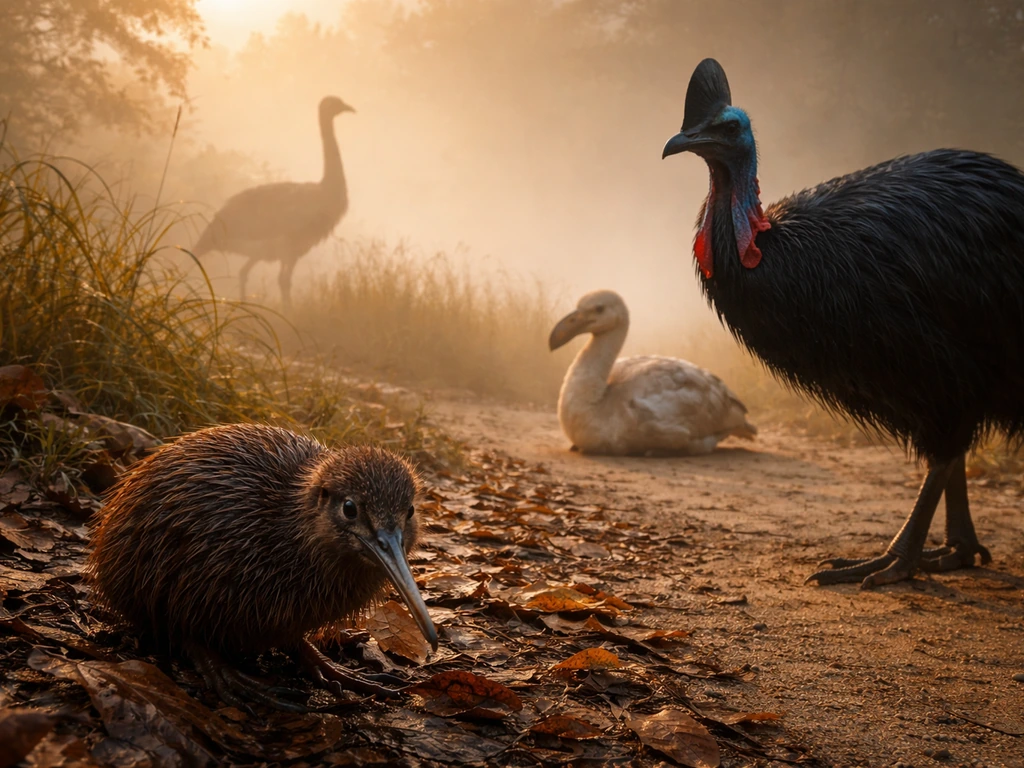
Most sparrows are not extinct. The house sparrow, the bird most people picture when they hear the word 'sparrow,' is one of the most abundant birds on Earth, found across six continents. But 'sparrow' is a loose label that covers hundreds of species, and a handful of those are genuinely extinct, critically endangered, or so close to gone that scientists flag them as possibly extinct. So the honest answer is: it depends entirely on which sparrow you mean.
Is Sparrow Bird Extinct? How to Check the Right Species

Maya Hennessy
7 Jun 2026
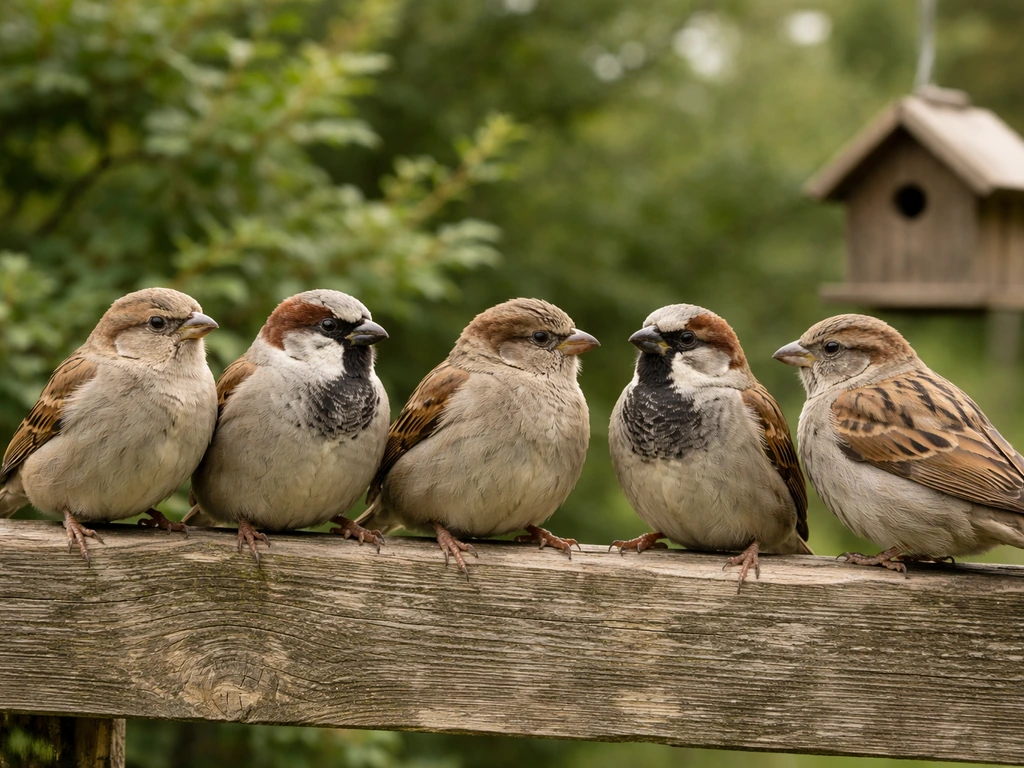
Which sparrow are we actually talking about?
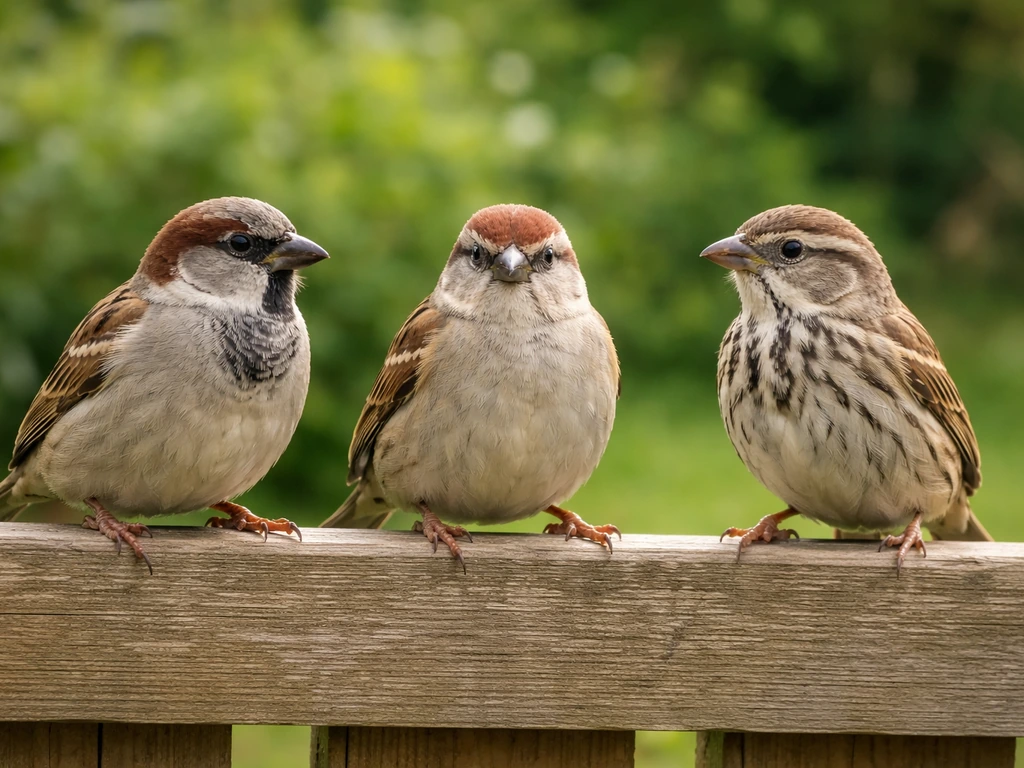
This is the first practical step, and it matters more than most people realize. The name 'sparrow' gets applied to birds across several completely different families. When someone searches 'is sparrow bird extinct,' they could mean any of the following:
- House sparrow (Passer domesticus): the familiar small brown bird found in cities, farms, and suburbs worldwide. Not extinct, not even close. Population estimated in the billions.
- Old World sparrows (family Passeridae): includes the Eurasian tree sparrow, Spanish sparrow, and about 40 other species. Most are doing fine, though some have declining populations.
- New World sparrows (family Passerellidae): North and South American birds like the song sparrow, white-crowned sparrow, and chipping sparrow. A large and mostly stable family, though some regional species are under pressure.
- Specific at-risk species: the Java sparrow (Lonchura oryzivora) is listed as Vulnerable by IUCN. The Rufous-headed sparrow and several island sparrow species face serious habitat pressure.
- Dusky seaside sparrow (Ammospiza maritima nigrescens): a subspecies of the seaside sparrow, this one actually did go extinct. The last individual, a male named Orange Band, died in captivity in 1987.
The dusky seaside sparrow is the clearest example of a sparrow-type bird that is genuinely, officially extinct. The flightless bird that is extinct is another distinct example of how extinction can be tied to very specific ecological and human pressures. Its story involves a Florida coastal marsh that was drained for mosquito control and then flooded by a NASA rocket facility. That combination of habitat destruction wiped out the entire population within a few decades. It is a sobering case, and it illustrates exactly why the answer to 'is sparrow bird extinct' cannot be a simple yes or no without knowing the species.
How scientists actually declare a bird extinct
The word 'extinct' has a precise scientific meaning, and it is not handed out lightly. The IUCN Red List, which is the global authority on species status, defines Extinct (EX) as the point where there is no reasonable doubt that the last individual has died. That bar is deliberately high, because declaring a species extinct prematurely can cause conservation funding to evaporate and legal protections to be removed.
The evidence used to reach an EX verdict

- Last confirmed sighting: the IUCN records the year of the last verified observation for all species listed as EX or Extinct in the Wild (EW). This becomes a critical anchor date for the assessment.
- Targeted survey effort: scientists conduct repeated, deliberate searches in all known habitat areas. The IUCN has specific guidance on designing surveys after the last known record to weigh whether absence of detection is meaningful.
- Habitat suitability analysis: if the habitat a species depended on no longer exists, that strengthens the case for extinction. If suitable habitat remains, more searching is warranted.
- Scientific peer review: BirdLife International is the formal Red List Authority for all bird species under IUCN. Any extinction call goes through BirdLife's assessment process before appearing on the Red List.
- Possibly Extinct (PE) flag: BirdLife uses this tag for species that are most likely extirpated but where certainty is not yet high enough for a full EX listing. No confirmed recent records despite active searches is the key criterion.
The distinction between Extinct (EX) and Extinct in the Wild (EW) is also worth knowing. EW means a species survives only in captivity or as a reintroduced population outside its original range, with no wild population remaining. Some conservation programs have pulled birds back from EW status, which is why that category exists as a separate step.
Why sparrow populations crash: the real drivers
Even for species that are not yet extinct, population crashes follow recognizable patterns. One effect of the reduction in bird populations is the disruption of ecosystems, such as changes in insect numbers and pollination population crashes. Understanding these drivers helps explain why certain sparrow species are sliding toward threatened status while others thrive.
Habitat loss and land-use change
This is the single biggest factor across bird extinctions globally. Draining wetlands, converting grasslands to agriculture, urbanizing coastal marshes: each of these removes the specific microhabitat a species evolved to use. The dusky seaside sparrow needed coastal cordgrass marsh. When that marsh disappeared, so did the bird. House sparrows, by contrast, thrive alongside human development, which is why they are everywhere.
Invasive predators and competitors
On islands especially, introduced cats, rats, and snakes have devastated bird populations that evolved with no ground predators. Invasive competitors can also crowd out native sparrows from food sources and nesting sites. This is one of the clearest causes of bird extinction covered in depth across conservation science. These same causes of bird extinction, such as habitat loss, invasives, pesticides, climate change, and disease, can push even once-common sparrow types toward collapse. In some cases, a mother bird has not returned to the nest after a disaster or habitat collapse mother bird has not returned to nest.
Pesticides and food chain collapse
Insecticides reduce the invertebrate prey that many sparrows feed to their chicks. How did high concentrations of DDT affect bird populations? It reduced eggshell strength and led to widespread breeding failures in many bird species. Even house sparrow populations in some European cities have dropped sharply in recent decades, with insect scarcity in urban environments identified as a leading cause. The effect of agricultural chemicals on bird populations is a well-documented thread that runs through many sparrow decline stories.
Climate change and shifting ranges
Climate shifts alter flowering and insect timing, change the suitability of breeding habitat, and push species toward the edges of their range. For sparrows already restricted to small geographic areas, a climate-driven habitat shift can be the tipping point between recovery and collapse.
Disease
Avian diseases, including avian malaria introduced via mosquitoes, have contributed to the extinction of many Hawaiian birds. Sparrow-type species in regions with emerging disease pressures face similar risks, particularly when combined with other stressors that weaken population resilience.
How to check the current status of any sparrow species today

Online rumors about bird extinctions circulate constantly and are often wrong, outdated, or apply to one subspecies while misrepresenting the whole species. Here is how to get the correct answer for any specific sparrow you are asking about. BirdLife DataZone explains that BirdLife International is the Red List Authority for birds, providing the Bird content for the IUCN Red List using standardized assessment criteria blank" rel="noopener noreferrer">the correct answer for any specific sparrow. You can also keep up with flightless bird news to see how similar conservation signals play out across other overlooked species.
- Go to the IUCN Red List at iucnredlist.org and search the species by its common name or scientific name. The result will show the official category: EX, EW, CR (Critically Endangered), EN (Endangered), VU (Vulnerable), NT (Near Threatened), or LC (Least Concern). For EX species, it will also show the last-seen year.
- Cross-check with BirdLife DataZone at datazone.birdlife.org. BirdLife International is the IUCN's Red List Authority for birds, so their data feeds directly into what appears on the IUCN site. The DataZone is especially useful for resolving taxonomy confusion, since different sources sometimes use different names for the same species or subspecies.
- Check the assessment date. Red List assessments are updated on a rolling cycle. An entry from 2012 may not reflect survey work done in 2020 or later. If the listing feels out of date, look for whether BirdLife has published a more recent review.
- Be specific about subspecies. The dusky seaside sparrow was a subspecies of the seaside sparrow, not the full species. Some online sources say 'the seaside sparrow went extinct,' which is incorrect. The species survives; the subspecies is gone. BirdLife's taxonomy notes and unique taxonomic entity IDs exist precisely to prevent this kind of conflation.
- For rapidly changing situations, check the BirdLife news pages and conservation organization bulletins. These often report new survey results or status changes before the formal Red List is updated.
A quick status comparison for the sparrows people ask about most
| Species | Family | IUCN Status | Key Threat |
|---|---|---|---|
| House sparrow (Passer domesticus) | Passeridae | Least Concern (LC) | Urban insect decline in some regions |
| Eurasian tree sparrow (Passer montanus) | Passeridae | Least Concern (LC) | Agricultural intensification in parts of range |
| Java sparrow (Lonchura oryzivora) | Estrildidae | Vulnerable (VU) | Trapping for cagebird trade, habitat loss |
| Dusky seaside sparrow (Ammospiza maritima nigrescens) | Passerellidae | Extinct (EX) – last seen 1987 | Wetland drainage, flooding of habitat |
| Cape Sable seaside sparrow (Ammospiza maritima mirabilis) | Passerellidae | Critically Endangered (CE) | Everglades hydrology changes |
| Worthen's sparrow (Spizella wortheni) | Passerellidae | Endangered (EN) | Grassland degradation in Mexico |
If your sparrow is not extinct: how to confirm it is still out there
For the vast majority of sparrows, including the house sparrow you almost certainly see every day, extinction is nowhere on the horizon. If you want to confirm a sparrow species is present and healthy in your area, here is what actually works.
- Use eBird (ebird.org), Cornell Lab of Ornithology's citizen science database, to see recent confirmed sightings of any sparrow species by location. If other birdwatchers have logged it in your area in the last few weeks, it is there.
- Look for field marks: house sparrows are small, chunky birds with thick bills, streaked brown-and-buff backs, and (in males) a gray crown and black bib. Confusion with other species is common among beginners but field guides clear it up quickly.
- Listen as well as look. Many sparrows are heard before they are seen. Song sparrows have a distinctive three-note intro followed by a trill. House sparrows produce repetitive chirping calls from shrubs and eaves.
- Check the habitat. Different sparrow species occupy very different environments: grasslands, marshes, scrubland, urban edges. If you know the species you are looking for, look in the right place.
- Report what you find. Submitting sightings to eBird or your national bird atlas contributes directly to the survey effort that informs IUCN assessments. Citizen science data has changed extinction status calls for multiple species.
The broader picture here is worth sitting with for a moment. 'Sparrow' covers such a wide range of birds that asking whether sparrows are extinct is a bit like asking whether 'fish' are extinct. In particular, if you are wondering what bird is almost extinct, you will need to check the species-level status rather than rely on the word “sparrow.”. Some species in the group are thriving. Some are in serious trouble. And at least one, the dusky seaside sparrow, is genuinely gone. Understanding how extinction is declared, what drives population crashes, and where to verify status today puts you in a much better position to interpret what you read online and to actually care about the right birds. The causes behind sparrow declines, from pesticides to habitat loss to invasive species, are the same forces driving bird losses across dozens of other families, and those connections matter for conservation. Cacao farms can affect bird abundance through habitat changes and pesticide use, depending on how the farms are managed.
FAQ
If someone says a “sparrow” is extinct, how do I know they mean the exact species, not the general group?
No, the answer often depends on whether you are looking at the species name or only the common name. Common “sparrow” labels can cover different families and even different species with similar appearances, so you should search for the exact species name (and subspecies, if mentioned) before concluding anything about extinction.
Is there a quick way to tell the difference between “rare,” “critically endangered,” and actually extinct?
A species being “rare” or “declining” is not the same as being extinct. Extinct usually requires strong evidence that there are no surviving individuals, while threatened categories indicate the species still exists but faces serious risk. If the claim does not specify an official status level, treat it as uncertain.
Can a sparrow claim be outdated if it was posted a long time ago?
The most important detail to check is whether the species has a currently recognized Red List assessment or an older one that might have been updated. Status can change when new surveys find remnant populations or when taxonomic revisions split or lump species, so “old” online claims can be outdated even if they sounded specific.
If a sparrow is listed as extinct in the wild, does that mean it is completely gone?
If a species is Extinct in the Wild, it can still exist in captivity or through reintroduction, so you should not interpret that as “fully gone.” Look for whether the remaining population is maintained in zoos, breeding centers, or as a managed reintroduced population.
How can I avoid confusing one sparrow species with another when checking whether it’s extinct?
Yes. Misidentification is a common reason rumors spread, especially when juveniles look similar across small brown birds. If you are using photos or videos, try to match multiple field marks, location, and season, or check whether the observation was verified by a local birding group or survey program.
What does it mean if I never see a particular sparrow near me, is it proof of extinction?
“No sightings” in your backyard does not mean extinction. Many sparrow-type species are hard to detect because of low density, seasonal movements, or preferred microhabitats. Use reporting that includes standardized surveys (counts, call playback, or transects), not just personal anecdotes.
Could a recent habitat change make extinction rumors seem true even if the species still exists?
Extinction claims sometimes ignore habitat timing. If a marsh or grassland has recently been restored or damaged, bird numbers can lag behind, and surveys may miss short breeding windows. Compare the timing of the last credible survey with current habitat conditions.
Why do extinction claims sometimes contradict each other for the same sparrow name?
Taxonomy can shift what “sparrow species” means. A “species” in an older report might now be treated as part of a different species, or the reverse, and that affects whether records appear to show disappearance. If the name is disputed or synonymized, cross-check the current accepted name.
What is the most practical way to check if a specific sparrow is actually present and breeding where I live?
If you want to verify in your area, start by identifying the likely species range first, then compare it to recent, location-specific records. For presence and health, prioritize repeated observations over single sightings, and look for evidence of breeding (nesting, fledglings) rather than just one adult.
If a sparrow’s habitat was destroyed, does that automatically mean the species became extinct?
If the extinction claim is tied to a specific event, ask whether it was confirmed at the population level or just speculated from habitat loss. Habitat destruction can eliminate suitable areas, but the species could persist in a refuge. Confirmation usually requires targeted surveys after the event.
Next Article
Flightless Bird News: Where to Find Updates Fast
Get fast, reliable flightless bird news on kiwi, cassowary, dodo, and moa plus how to verify and help today.