
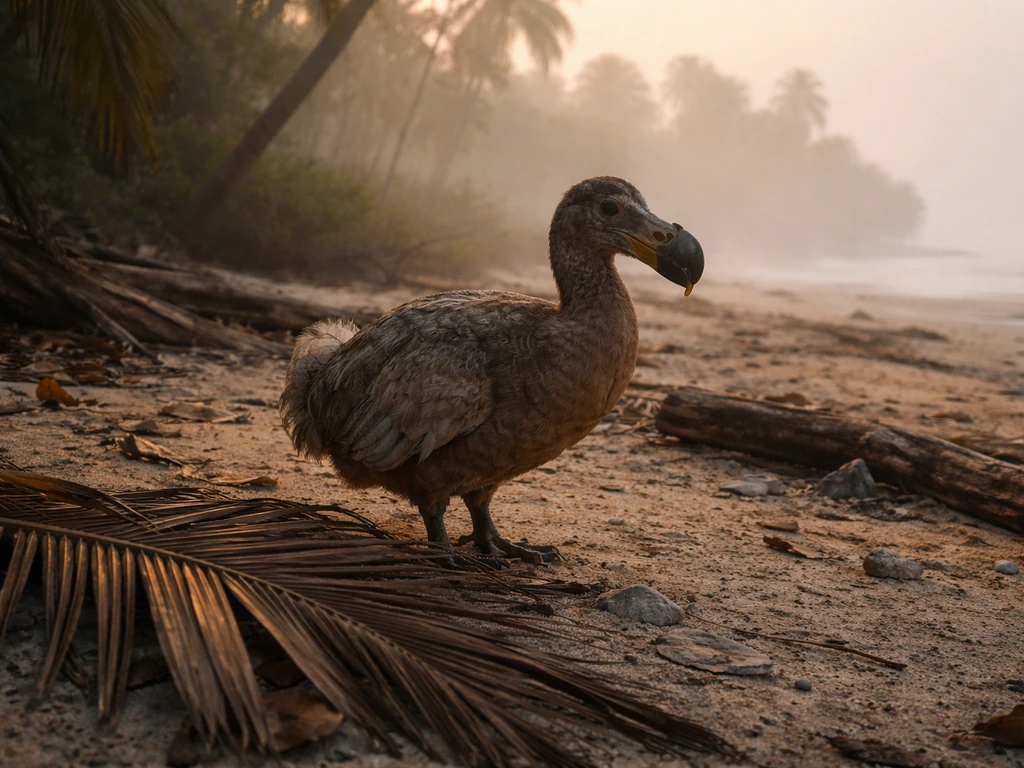
If you searched 'flightless bird that is extinct,' you're most likely thinking of the dodo (Raphus cucullatus) or one of the New Zealand moa species. Those are the two that come up first in almost every conversation about extinct flightless birds, and for good reason: they're among the best-documented cases of human-driven extinction in natural history. But there are dozens of other extinct flightless birds worth knowing, and a few well-known flightless birds, like penguins, kiwis, and cassowaries, are still alive today (though some are endangered). This article will help you pin down exactly which species you're after, understand what makes these birds scientifically significant, and verify your answer using the most reliable sources available.
Flightless Bird That Is Extinct: Species Guide and How to Verify

Which species you probably mean
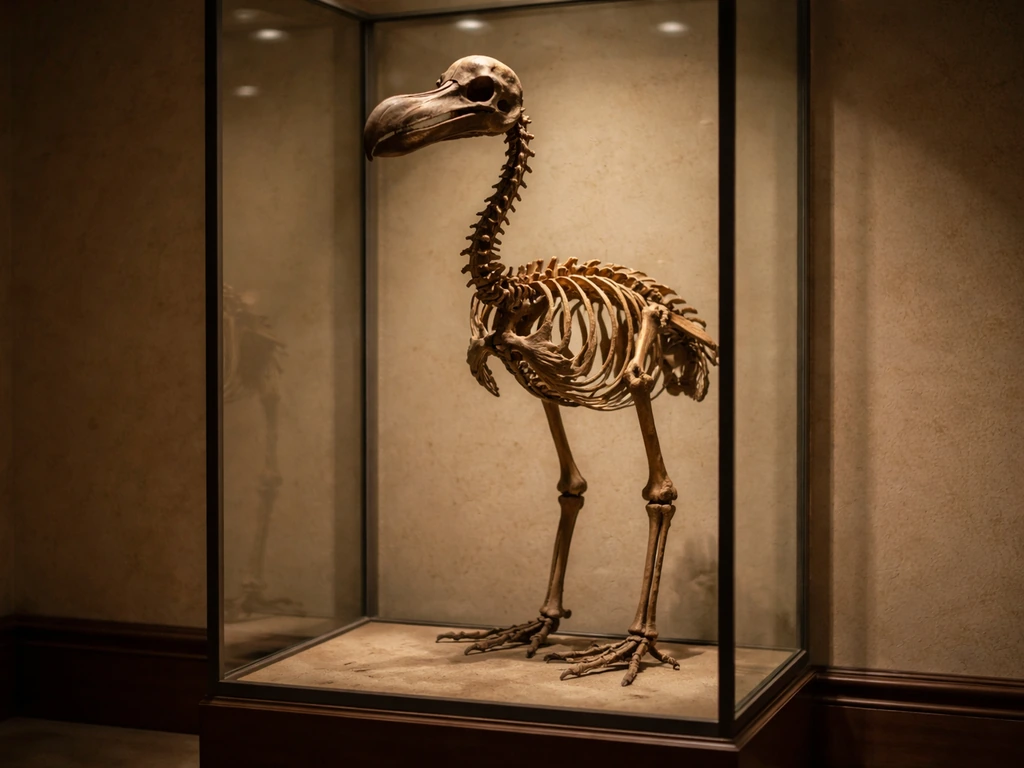
The dodo is the single most searched extinct flightless bird, and it earns that status. It lived on the island of Mauritius in the Indian Ocean and disappeared by around 1662, less than a century after European sailors first encountered it. Its scientific name is Raphus cucullatus, formally placed by Linnaeus in 1758. If you've seen a drawing of a plump, awkward-looking bird with a hooked beak and stubby wings, that's the dodo. The moa, on the other hand, refers to nine species of giant flightless birds from New Zealand, the largest of which (Dinornis robustus) could stand nearly 3.6 meters tall. Moa were hunted to extinction by Polynesian settlers (the Māori), with most species gone by around 1400 CE, though the exact chronology is still being refined using radiocarbon dating of bones and eggshell fragments.
The confusion often comes in when people think of penguins, kiwis, or cassowaries. These are also flightless birds, but they are not extinct. Many people mean the great auk when they ask what bird is almost extinct, because it was hunted to extinction in the 1800s. Penguins are flightless seabirds found mainly in the Southern Hemisphere. Kiwis are small, nocturnal birds native to New Zealand. Cassowaries are large, rainforest birds from Australia and New Guinea. Several species in all three groups are endangered or vulnerable, but none have been declared globally extinct. The one flightless bird from that familiar group that did go extinct is the great auk (Pinguinus impennis), a large, penguin-like seabird that was hunted to extermination by 1844.
What 'flightless' and 'extinct' actually mean, scientifically
A flightless bird is one that has lost the ability to fly through evolutionary adaptation. This doesn't mean they have no wings at all. Most flightless birds retain vestigial wings that serve other purposes, like balance, courtship display, or swimming (penguins being the classic example). The loss of flight typically happens over many generations when a bird population lives in an environment where flying offers no survival advantage, such as islands with no ground predators. Without the pressure to escape predators by flying, birds that invest less energy in flight muscle and wing structure can actually thrive, and natural selection doesn't penalize the trait.
Extinct, in formal scientific terms, is an IUCN Red List category defined precisely: a species is considered blank" rel="noopener noreferrer">Extinct (EX) when there is no reasonable doubt that the last individual has died. The IUCN also records a 'year last seen' for extinct taxa, which helps researchers and historians anchor when a species disappeared. The IUCN Red List FAQ notes that it records a “Year last seen” not only for EX and EW taxa, but also for some possibly extinct cases like CR(PE) blank" rel="noopener noreferrer">“Year last seen” for EX and EW taxa. There's also a related category called Extinct in the Wild (EW), for species that survive only in captivity or cultivation but no longer exist in their natural range. When people say a bird is extinct, they almost always mean the EX category: gone completely, with no surviving individuals anywhere.
Why being flightless makes extinction more likely
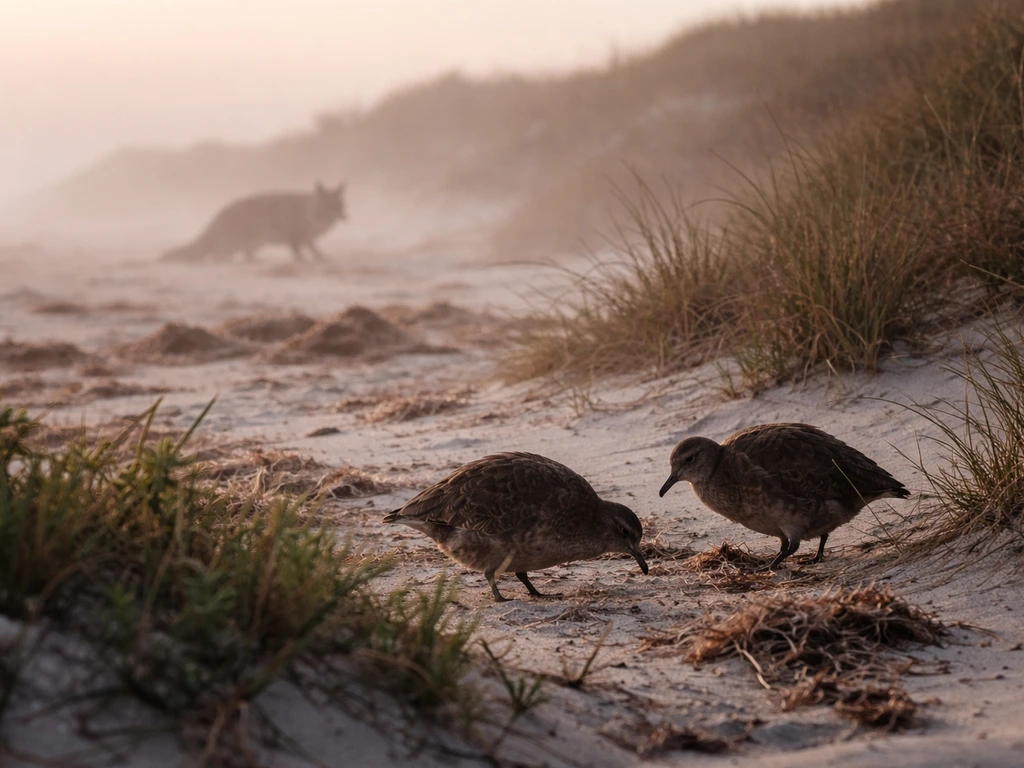
Flightlessness and extinction risk go together for a fairly straightforward set of reasons. Without the ability to fly, these birds can't escape ground-level threats the way other birds can. That includes human hunters, introduced predators like rats, cats, dogs, and mongooses, and rapid habitat changes that would otherwise allow a bird to simply fly to safer ground. Research synthesizing anthropogenic extinctions across bird species has found that flightless birds show disproportionately high vulnerability to human-driven extinction, precisely because they're easier to catch, slower to escape, and often evolved in island environments where they had no prior experience with mammalian predators. One effect of the reduction in bird populations is that it can disrupt ecosystems, since fewer birds means fewer services like seed dispersal and pest control.
There's also a life-history angle. Many flightless birds evolved on islands with low predation pressure, which means they developed slow reproduction rates: small clutch sizes, long incubation periods, and extended parental care. That works fine in a stable environment, but it means populations can't recover quickly when they're suddenly hit by hunting or predator pressure. The moa is a vivid example: ancient DNA evidence from eggshell and archaeological middens suggests that Māori hunters may have specifically targeted incubating males, which would have accelerated population collapse dramatically. A species that raises one chick per year simply can't outbreed that kind of pressure.
The timeline: how scientists figured out these birds existed and disappeared
For the dodo, the historical record is surprisingly rich for a bird that went extinct in the 17th century. Dutch sailors encountered dodos on Mauritius starting around 1598 and left written descriptions and illustrations. A specimen was brought to Europe, and soft-tissue remains, specifically the 'Oxford head' and 'Oxford foot,' are connected to what was likely the last stuffed dodo in existence. These remains were part of the Tradescant collection, noted as early as 1656, and moved to the Ashmolean Museum in Oxford in 1659. They remain among the most scientifically valuable dodo specimens in the world. Linnaeus formally classified the species in his 1758 Systema Naturae, initially placing it as Struthio cucullatus before the modern genus Raphus was established.
For the moa, the detective work is more complex and ongoing. Scientists use high-precision radiocarbon dating of bones, eggshell, and food remains found in archaeological deposits to build a chronology of when each species disappeared. A major finding from this research is that moa extinction was rapid: once Polynesian settlers arrived in New Zealand (estimated around 1280 CE), most moa species were gone within about 100 to 200 years. That's geological blink speed. The speed of extinction actually rules out climate change as a primary driver and points squarely at human hunting and habitat burning as the cause. For the great auk, the record is even more stark: the last confirmed individuals were killed on Eldey Island, Iceland, on June 3, 1844, and the event was documented by eyewitnesses.
Where these birds lived and how humans changed everything

The dodo was endemic to Mauritius, a volcanic island in the Indian Ocean roughly 900 kilometers east of Madagascar. It lived in forest environments, feeding on fallen fruit, seeds, and possibly shellfish. When Dutch colonists arrived and established settlements in the early 1600s, they brought with them pigs, rats, cats, dogs, and monkeys. All of these were devastating to a ground-nesting bird with no fear of mammals. The dodo had no instinct to flee from these animals because it had never encountered them before. Habitat destruction compounded the problem as forests were cleared for agriculture and timber.
The moa lived across New Zealand's varied landscapes, from lowland forests to subalpine shrublands, depending on the species. Different moa species occupied different ecological niches: some were browsers of low shrubs, others reached into taller tree canopy using their height. When Polynesian settlers arrived, they began burning forests to clear land, destroying habitat at scale across both main islands. Combined with direct hunting, the double blow was something moa populations simply couldn't survive. The great auk occupied cold North Atlantic coastlines from Canada to Norway, nesting on rocky offshore islands. It was slow, easy to catch on land, and heavily harvested for meat, feathers, and oil by European hunters and fishermen for centuries before the last individuals were killed.
Notable extinct flightless birds around the world
The dodo and moa get most of the attention, but the list of extinct flightless birds is long and reaches every continent except Antarctica (and there are fossil penguins from Antarctica too, though modern penguin species still survive). Here's a compact reference for the most significant species:
| Species | Region | Approx. Extinction Date | Key Trait |
|---|---|---|---|
| Dodo (Raphus cucullatus) | Mauritius, Indian Ocean | ~1662 CE | Large, ground-dwelling; no fear of predators; lost flight in predator-free island environment |
| North Island Giant Moa (Dinornis novaezealandiae) | New Zealand | ~1400 CE | Among tallest birds ever; hunted rapidly to extinction after human arrival |
| Elephant Bird (Aepyornis maximus) | Madagascar | ~1000–1200 CE | Heaviest bird ever recorded (~500 kg); eggs the size of footballs; hunting and habitat loss |
| Great Auk (Pinguinus impennis) | North Atlantic | 1844 CE | Penguin-like seabird; last individuals killed by collectors; fully documented extinction |
| Rodrigues Solitaire (Pezophaps solitaria) | Rodrigues Island, Indian Ocean | ~1730s CE | Relative of the dodo; similarly wiped out by sailors and introduced animals |
| Haast's Eagle prey: Moa (indirect) | New Zealand | ~1400 CE | Moa extinction also drove Haast's Eagle (the world's largest eagle) to extinction due to prey loss |
| Steamer Duck relatives (several extinct rails) | Various islands | 17th–20th century CE | Island rails repeatedly evolved flightlessness and were wiped out by introduced predators |
The elephant bird (Aepyornis maximus) of Madagascar deserves special mention. It was probably the heaviest bird that ever lived, estimated at up to 500 kilograms, and its eggs, with a volume equivalent to about 160 chicken eggs, are still occasionally found intact. Like the moa and dodo, it was driven to extinction by human hunting and habitat clearance, with most evidence pointing to collapse between 1000 and 1200 CE. Island rails, a broad group of small flightless birds that evolved independently across Pacific and Indian Ocean islands, represent perhaps the largest category of human-caused bird extinction: dozens of species were wiped out by Polynesian and later European settlement, often before Western science ever recorded them.
Flightless birds that are endangered right now
The same forces that drove the dodo and moa to extinction are still active today, which is why several living flightless birds are in serious trouble. The kakapo (Strigops habroptilus), a large, nocturnal, flightless parrot from New Zealand, was down to just 51 individuals in 1995. Intensive conservation management, including predator eradication on offshore islands and active breeding programs, has brought the population back to over 250 birds as of recent counts, but it remains Critically Endangered. The northern cassowary (Casuarius unappendiculatus) and southern cassowary (Casuarius casuarius) in Australia and New Guinea face threats from habitat loss, vehicle strikes, and hunting. Several kiwi species in New Zealand are also classified as Endangered or Vulnerable, again due to introduced predators.
The pattern is consistent: flightless birds on islands or in isolated habitats, with slow reproduction rates and no evolutionary history of dealing with mammalian predators, are the most vulnerable. High concentrations of DDT disrupted bird reproductive systems, leading to thinner eggshells and population declines in many affected species. The causes of bird extinction, whether historical or ongoing, follow the same playbook: hunting, habitat destruction, and introduced species. Understanding that pattern is what makes the history of extinct flightless birds relevant beyond natural history curiosity. It's a direct window into what's happening to endangered species today.
How to verify your answer and find reliable sources fast
If you want to confirm the extinction status, taxonomy, or history of any flightless bird species, here's a practical workflow that takes less than ten minutes and gives you authoritative results:
- Start with the IUCN Red List (iucnredlist.org): Search the species by common name or scientific name. The entry will show the Red List category (Extinct, Critically Endangered, etc.), the year last seen for extinct species, known threats, and habitat information. This is the global gold standard for conservation status.
- Check the taxonomy using GBIF (gbif.org): The Global Biodiversity Information Facility gives you the accepted scientific name, synonyms, and taxonomic authority. For the dodo, for example, the GBIF entry for Raphus cucullatus (Linnaeus, 1758) confirms the accepted name and includes notes on museum specimens. This is especially useful if you're not sure whether a common name refers to one species or several.
- Use museum records for extinct species: For birds known only from historical records or fossils, search the Natural History Museum (London), the Smithsonian National Museum of Natural History, the Harvard Museum of Natural History, or the Oxford University Museum of Natural History. These institutions hold type specimens, subfossils, and associated documentation. The Oxford dodo remains (the 'Oxford head' and 'Oxford foot') are a famous example of how museum collections anchor our knowledge of extinct species.
- Cross-check with peer-reviewed literature: Google Scholar or PubMed searches for the species' scientific name will turn up radiocarbon studies, ancient DNA research, and extinction-chronology papers. For the moa, high-precision radiocarbon chronology papers are particularly useful for understanding the timeline of extinction.
- For fossil or prehistoric species: The Paleobiology Database (paleobiodb.org) catalogs fossil taxa and their stratigraphic ranges. This is especially helpful for species like the elephant bird or older ratite relatives that are known primarily through bone records.
One practical tip: always verify both the common name and the scientific name. 'Moa' refers to nine distinct species across two families, and 'cassowary' refers to three living species plus some extinct relatives. A common name alone can be ambiguous enough to send you down the wrong research path. Pinning down the binomial (genus and species) using GBIF or the IUCN Red List first will save you time and prevent errors, especially if you're writing about the topic or using the information professionally.
The story of extinct flightless birds is ultimately a story about what happens when evolutionary isolation meets sudden human pressure. For the latest flightless bird news on threatened species and ongoing conservation efforts, keep an eye on current wildlife reporting. Cacao farms can affect bird abundance by changing habitat structure and food availability, with the impact varying based on how much forest is retained and how much pesticide and disturbance is used. These birds were perfectly adapted to their environments before people arrived, and that same specialization made them acutely vulnerable when the rules changed overnight. That's not ancient history: it's the same dynamic playing out right now for kakapos, kiwis, and cassowaries. Knowing which birds went extinct, why, and how we verified it is the foundation for understanding what we're still at risk of losing. If you are comparing this kind of loss to related uncertainty in modern nesting behavior, mother bird has not returned to nest is a useful adjacent consideration.
FAQ
How can I tell whether someone is talking about a flightless bird that is extinct versus a flightless bird that still survives in captivity?
Check the extinction category language. “Extinct” usually means the IUCN EX category (no reasonable doubt anywhere), while “extinct in the wild” (EW) means individuals persist only outside natural range. If a claim does not specify either EX or EW, treat it as ambiguous and verify with a taxonomic record.
Is “flightless bird that is extinct” always the same as “cannot fly today,” or are there extinct birds that may have flown sometimes?
No. Some extinct lineages likely had reduced flight ability rather than complete flightlessness, and classification can depend on fossil anatomy and evolutionary placement. When verifying, rely on species-level taxonomy and the described degree of flight reduction, not just a casual description.
Why do some extinct flightless birds have a “year last seen” that conflicts with older stories or museum timelines?
Because last observations are based on the last confident record, which can be uncertain when specimens, eyewitness accounts, or specimens in collections were gathered earlier than the final disappearance. The “year last seen” is a structured summary, but it may not match informal retellings or the dates tied to specific artifacts.
What is the best first step to verify the exact species name for “moa,” since it refers to multiple birds?
Start by mapping the common name to the binomial using a global database entry, then confirm the genus and species before reading details. “Moa” covers multiple species across families, so using only the common term can lead to mixing extinction dates, ranges, and causes.
If a species is called “penguin-like” or “rail-like,” how do I avoid accidentally choosing a modern, living species?
Verify the scientific name and compare it to whether the taxon is extinct in the authoritative listing you are using. Visual similarity is common among seabirds and island birds, but the living status depends on the lineage, not on appearance.
Could an extinct flightless bird still exist undiscovered somewhere, especially for island species?
In principle, undiscovered populations can exist for very cryptic animals, which is why extinction assessments use the phrase “no reasonable doubt” rather than absolute certainty. The more recent and well-surveyed the region, and the stronger the fossil or historical evidence, the lower the chance of a surviving population.
What evidence do researchers typically rely on beyond museum specimens for extinction confirmation?
Commonly, they use dated subfossil or fossil remains, radiocarbon dating of bones and eggshell, and in some cases sedimentary or archaeological context that shows disappearance after human arrival. For historically documented extinctions, eyewitness accounts and dates tied to specific events also matter.
Why do people sometimes argue that climate change caused an extinction of a flightless bird when humans are widely blamed?
Because multiple pressures can overlap, but timing is decisive. If extinction occurs rapidly in a narrow window that matches hunting and habitat alteration, researchers usually treat human-driven causes as primary. If the timeline is longer and aligns with environmental shifts, climate can be considered more strongly.
What are common mistakes when writing or searching about extinct flightless birds?
Two frequent errors are using only the common name (for example, “moa” or “cassowary”) and mixing modern and extinct members of a group. Another is assuming “flightless” implies “wingless” rather than recognizing that many have vestigial wings with different functions.
If I’m trying to confirm a “last individual” date, how should I interpret eyewitness dates versus museum specimen dates?
Eyewitness dates usually represent direct human observation, while specimen dates represent when an individual was collected, not necessarily when it died. For robust verification, treat museum collection dates and the “last confirmed” date as different kinds of evidence, then see whether both converge on the same endpoint.

Learn if sparrows are extinct by identifying the exact species, plus how extinction evidence is verified.
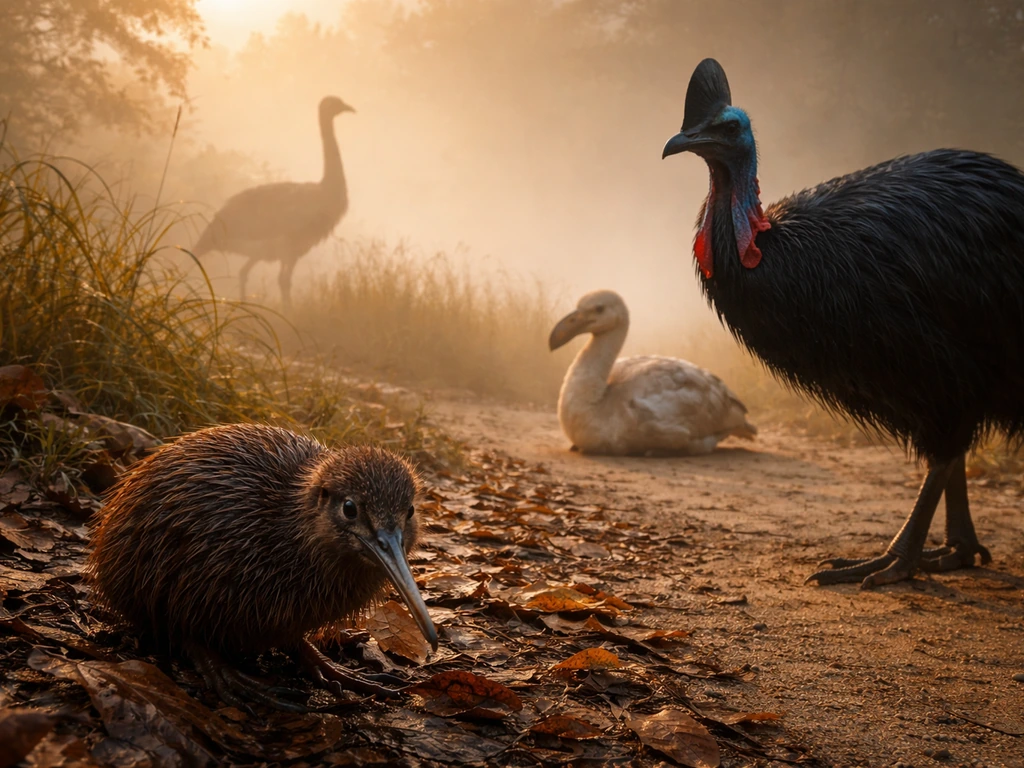
Get fast, reliable flightless bird news on kiwi, cassowary, dodo, and moa plus how to verify and help today.
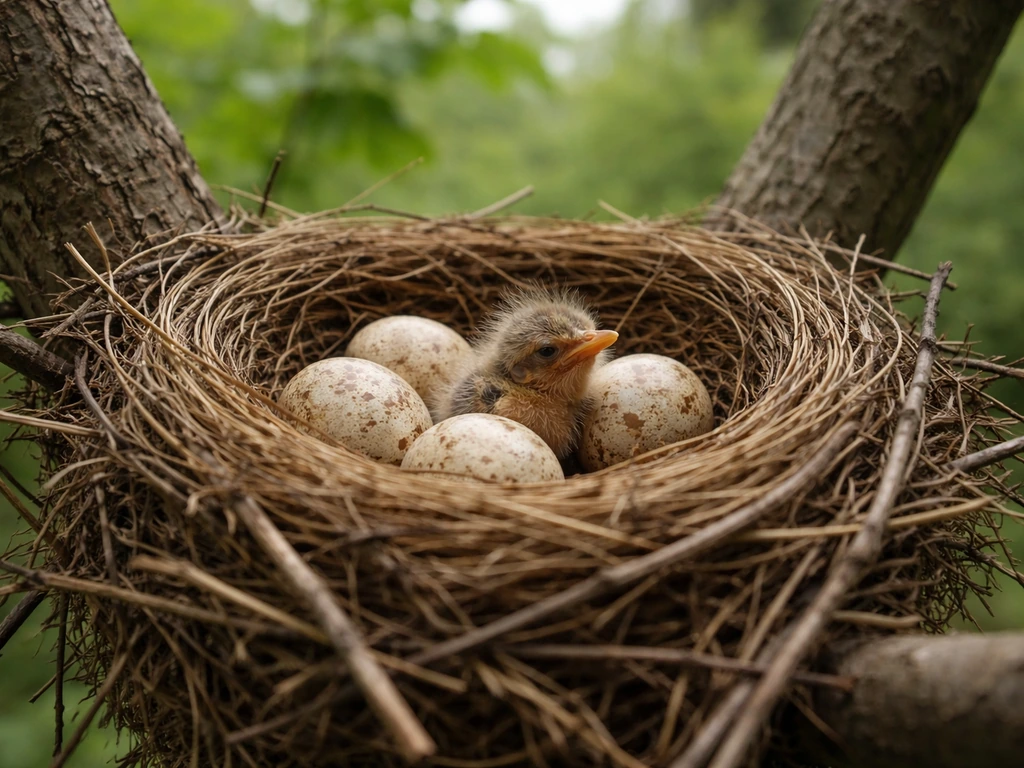
Triage and checklist for missing mother bird, safely assess eggs and chicks, decide reunite vs call rehab fast.